Philadelphia R2: Benjamin Franklin (only Founder to sign all 4 founding documents, inventor lightning rod bifocals, Library Company 1731, APS 1743, Franklin Court ghost frame), Penn Museum (Ramesses II sphinx largest US museum, Ram in Thicket Ur 2600BCE, University of Pennsylvania Wharton first business school 1881), Fairmount Park (10,300 acres largest US municipal park, Boathouse Row illuminated Schuylkill, Philadelphia Zoo first chartered 1859, Wissahickon gorge 57km trails), Old City (Elfreth's Alley oldest inhabited US street, Christ Church Franklin Washington, Philadelphia City Hall 167m Penn statue, One Liberty Place 1987 broke gentlemen's agreement), Philadelphia music (Philadelphia International Records 1971 Gamble-Huff TSOP soul, The Roots Questlove-Black Thought Tonight Show, Philadelphia Orchestra Leopold Stokowski Philadelphia Sound), Day trips (Valley Forge 2,000 deaths Baron von Steuben 1778, Atlantic City 1978 casino legalization, Cape May Victorian largest collection, Gettysburg 50,000 casualties 3 days)
Philadelphia culture and surroundings: Benjamin Franklin (4 founding documents signer, lightning rod bifocals post office hospital library university founder, Franklin Court ghost frame Penn Museum APS 1743), Penn Museum (1.5M objects, Ramesses II sphinx largest US museum, Ram in Thicket Ur 2600BCE, UPenn Wharton first business school 1881 top ranked), Fairmount Park (10,300 acres largest US municipal, Boathouse Row Schuylkill Navy Olympic rowers lit at night, Philadelphia Zoo first US chartered 1859, Wissahickon 2,200 acres gorge 57km trails), Old City (Elfreth's Alley 1702 oldest inhabited US street, Christ Church Franklin Washington Adams Ross, City Hall 167m Penn statue gentleman's agreement broken 1987), music (Philadelphia International Records 1971 OJays Melvin Blue Notes Will Smith, The Roots Questlove CAPA 1987 to Tonight Show, Philadelphia Orchestra Stokowski Ormandy Philadelphia Sound), day trips (Valley Forge 2,000 died von Steuben drilled army 1778, Atlantic City casino 1978 Trump empire, Cape May Victorian, Gettysburg 50,000 casualties Lincoln Address November 19 1863).
- 1
Benjamin Franklin and Philadelphia Enlightenment
Benjamin Franklin (born January 17, 1706, Boston; died April 17, 1790, Philadelphia): the most versatile genius of the American Enlightenment and the defining figure of colonial Philadelphia. Franklin accomplishments: inventor of the lightning rod and bifocal glasses, founder of the first American public library (the Library Company of Philadelphia, 1731), the first American fire insurance company (the Philadelphia Contributionship, 1752), the first American hospital (Pennsylvania Hospital, 1751), and the University of Pennsylvania (1740). As a scientist, Franklin conducted the kite-and-key experiment (demonstrating the electrical nature of lightning, circa 1752), formulated the theory of positive and negative electrical charge, and was elected a Fellow of the Royal Society. As a statesman, Franklin was the only Founding Father to sign all four foundational documents of the United States: the Declaration of Independence, the Treaty of Paris (ending the Revolutionary War), the Constitution, and the Albany Plan. Franklin Court (at 314-322 Market Street, Old City): the site of Benjamin Franklin's home (the house was demolished in 1812), now marked by a steel ghost frame indicating where the house stood, with a working post office (Franklin established the US postal system), and the underground Benjamin Franklin Museum. The American Philosophical Society (at 104 S 5th Street, adjacent to Independence Hall): the oldest learned society in the United States, founded by Benjamin Franklin in 1743, with a library holding the most important collection of early American scientific manuscripts in the world.
- 2
Penn Museum and the University of Pennsylvania
The Penn Museum (University of Pennsylvania Museum of Archaeology and Anthropology, at 3260 South Street, University City): one of the great archaeology and anthropology museums in the world, with permanent collections of approximately 1.5 million objects spanning every continent and major human civilization. Penn Museum highlights: the Egyptian galleries (the largest collection of Egyptian objects in any American museum outside New York, including a massive sphinx of Ramesses II — the largest sphinx in any American museum — and the complete contents of several tomb burial chambers); the Mesopotamian galleries (the excavations from Ur, the ancient Sumerian city, including objects from the Royal Cemetery of Ur circa 2600-2400 BCE, notably the Ram in the Thicket gold and lapis sculpture — one of the rarest surviving objects from the ancient world); and the Canaan and Ancient Israel gallery. The University of Pennsylvania (at 3451 Walnut Street, West Philadelphia, founded 1740 by Benjamin Franklin): one of the eight Ivy League universities, consistently ranked among the top 10 universities in the United States, with the Wharton School (the first collegiate business school in the United States, founded 1881, and consistently ranked the top business school in the world) and the Penn Medicine system (one of the largest academic medical centers in the United States). The Penn Medicine and CHOP medical complex (the Hospital of the University of Pennsylvania and the Childrens Hospital of Philadelphia, on the block of South Street between 34th and 38th Streets): one of the most concentrated academic medical research complexes in the world, ranking among the top 5 medical centers in the United States by NIH funding.
- 3
Fairmount Park and Philadelphia Outdoors
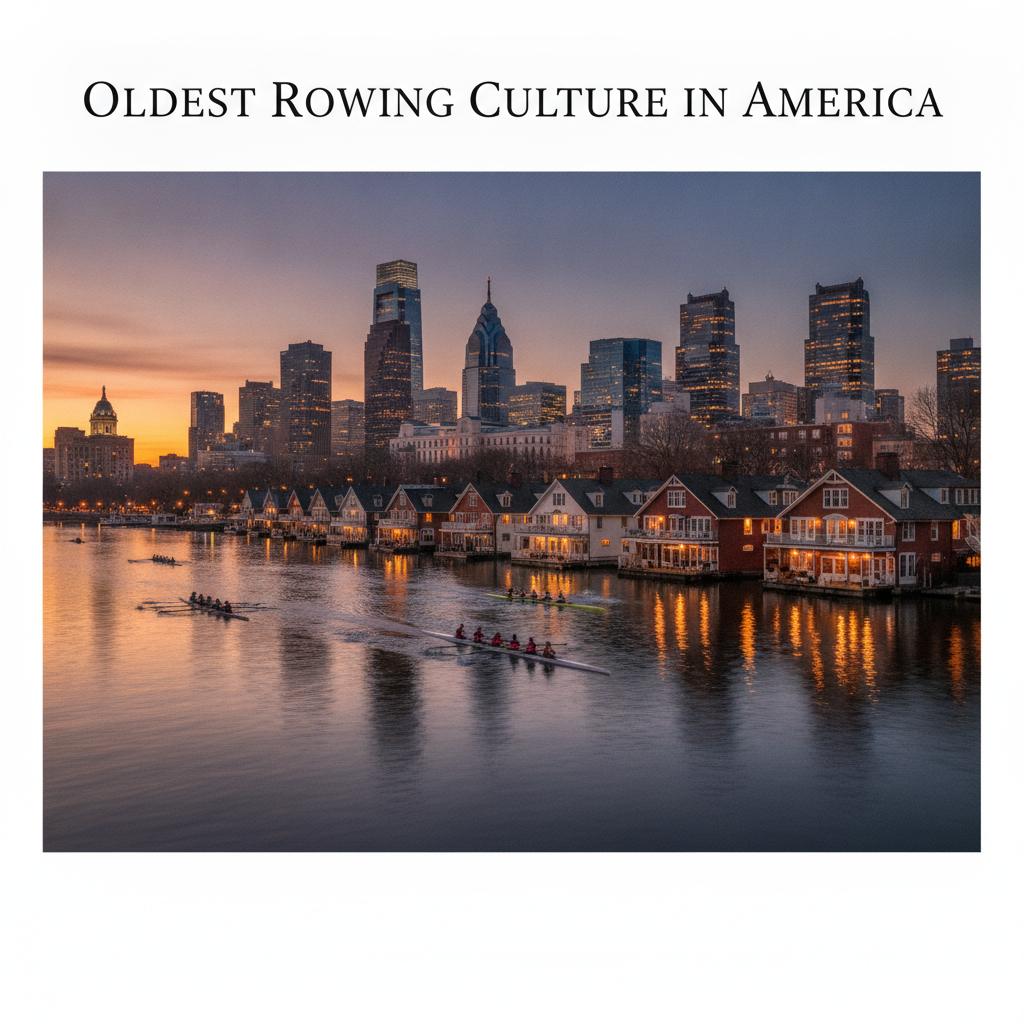
Fairmount Park (the park system of Philadelphia, covering approximately 10,300 acres divided into multiple sections): the largest municipal park system in the United States by acreage, encompassing Fairmount Park proper, Wissahickon Valley Park, the Pennypack Park, and the Cobbs Creek Park. Fairmount Park proper (the section along the Schuylkill River, from the Philadelphia Museum of Art north to the Schuylkill Valley): the core of the park system, with the Boathouse Row (the 11 historic boathouses of the Schuylkill Navy, home to the Philadelphia rowing clubs that produce Olympic athletes and that illuminate the river with lights at night in one of the most picturesque riverfront scenes in any American city) and the Philadelphia Zoo (the first chartered zoo in the United States, chartered 1859, opened 1874, with 1,300 animals on 42 acres). Wissahickon Valley Park (the 2,200-acre park along the Wissahickon Creek in the northwest of Philadelphia): the most dramatically beautiful natural landscape within any major American city, with 57 km of trails through a wooded gorge with stone bridges and waterfalls, completely wild in character despite being within the city limits. The Schuylkill River Trail (the 75-km paved trail from Philadelphia to Pottstown, connecting through Fairmount Park, Valley Forge National Historical Park, and the Schuylkill River): one of the best urban-to-regional trail networks in the United States. The PECO Energy Bikeway and the Indego bike share system (Philadelphia's expanding cycling infrastructure).
- 4
Elfreth's Alley and Old City Historic District
Old City Philadelphia historic district: the most concentrated collection of 18th-century American architecture in the United States, centered on the blocks between the Delaware River and 5th Street, from Market Street to Walnut Street. Elfreth's Alley (at 124-126 Elfreth's Alley, Old City): the oldest continuously inhabited residential street in the United States, with 32 houses built between 1702 and 1836, all still occupied as private homes. The alley is listed on the National Register of Historic Places and is a National Historic Landmark. Christ Church (at 20 N American Street, Old City, built 1695-1744): the colonial Anglican church where Benjamin Franklin, George Washington, John Adams, Betsy Ross, and other Founding Fathers worshipped, with the burial ground of Benjamin Franklin at 5th and Arch Streets (where visitors throw pennies on Franklin's grave for good luck). The Philadelphia City Hall (at 1 Penn Square, Center City, built 1871-1901): the largest municipal building in the United States (the largest building in the US at the time of completion), built entirely of marble and granite, with the bronze statue of William Penn atop the 167-meter tower (until 1987, a gentlemen's agreement kept all Philadelphia buildings below the brim of Penn's hat — the agreement was broken when One Liberty Place was built in 1987). The Philadelphia Convention Center (at 1101 Arch Street, Center City): the site of the most important event in American comics culture, the Philadelphia Comic Con, and the Reading Terminal Market below.
- 5
Philadelphia Music and Cultural Scene
Philadelphia music: Philadelphia has produced an extraordinary concentration of musical talent across multiple genres, reflecting its position as a historically significant African American cultural center and one of the most ethnically diverse major cities in the United States. Philadelphia soul (the Philadelphia International Records sound): the record label founded in 1971 by Kenny Gamble and Leon Huff (at 309 S Broad Street, the Sound of Philadelphia studio): the production team that defined the smooth, orchestrated soul sound of the 1970s, with artists including the O'Jays (Back Stabbers, Love Train), Harold Melvin and the Blue Notes (If You Dont Know Me by Now), Billy Paul (Me and Mrs. Jones), and Lou Rawls. The TSOP (The Sound of Philadelphia) theme was the most recognized soul music signature of the 1970s. Philadelphia hip-hop: Philadelphia is one of the most important cities in East Coast hip-hop history, with the Philadelphia Freeway, Meek Mill, Eve, The Roots (Questlove and Black Thought, who formed The Roots at Philadelphia High School for Creative and Performing Arts in 1987), Jazzy Jeff and the Fresh Prince (DJ Jazzy Jeff and Will Smith, formed 1981). The Roots are the house band of The Tonight Show Starring Jimmy Fallon. Philadelphia classical music: the Philadelphia Orchestra (founded 1900, playing at the Kimmel Center for the Performing Arts at 300 S Broad Street): one of the five great American orchestras (along with New York, Boston, Chicago, and Cleveland), known for the rich, warm Philadelphia Sound developed by conductor Leopold Stokowski (1912-1941) and Eugene Ormandy (1936-1980).
- 6
Philadelphia Day Trips - Valley Forge Gettysburg and New Jersey Shore
Philadelphia day trips and regional connections: Valley Forge National Historical Park (35 km northwest of Philadelphia, approximately 45 minutes by car): the encampment site of General George Washington and the Continental Army from December 19, 1777 to June 19, 1778, during the harshest winter of the Revolutionary War. The Valley Forge encampment: approximately 11,000 Continental soldiers arrived at Valley Forge after the defeats at Brandywine (September 11, 1777) and Germantown (October 4, 1777) and the British occupation of Philadelphia. During the winter at Valley Forge, approximately 2,000 soldiers died (not from combat but from disease, malnutrition, and exposure), but the Continental Army was transformed by Baron Friedrich Wilhelm von Steuben (the Prussian military officer who arrived in February 1778 and drilled the Continental troops into a professional army). The New Jersey shore (Atlantic City and Cape May, approximately 90-120 km southeast of Philadelphia): Atlantic City (the boardwalk resort that invented the casino industry in the Eastern United States, legalized gambling in New Jersey in 1978, peak era 1980s-1990s, with Donald Trump's Atlantic City casino empire declared bankrupt 4 times); Cape May (the Victorian seaside resort at the southern tip of New Jersey, with the largest concentration of Victorian architecture in the United States). Gettysburg (180 km west of Philadelphia): the site of the deadliest battle of the Civil War (July 1-3, 1863, approximately 50,000 casualties in 3 days), the Gettysburg Address (delivered by President Lincoln November 19, 1863), and the most visited Civil War battlefield in the United States.
Walk this route with audio
Stories play automatically as you reach each stop — no tapping needed.
More in philadelphia
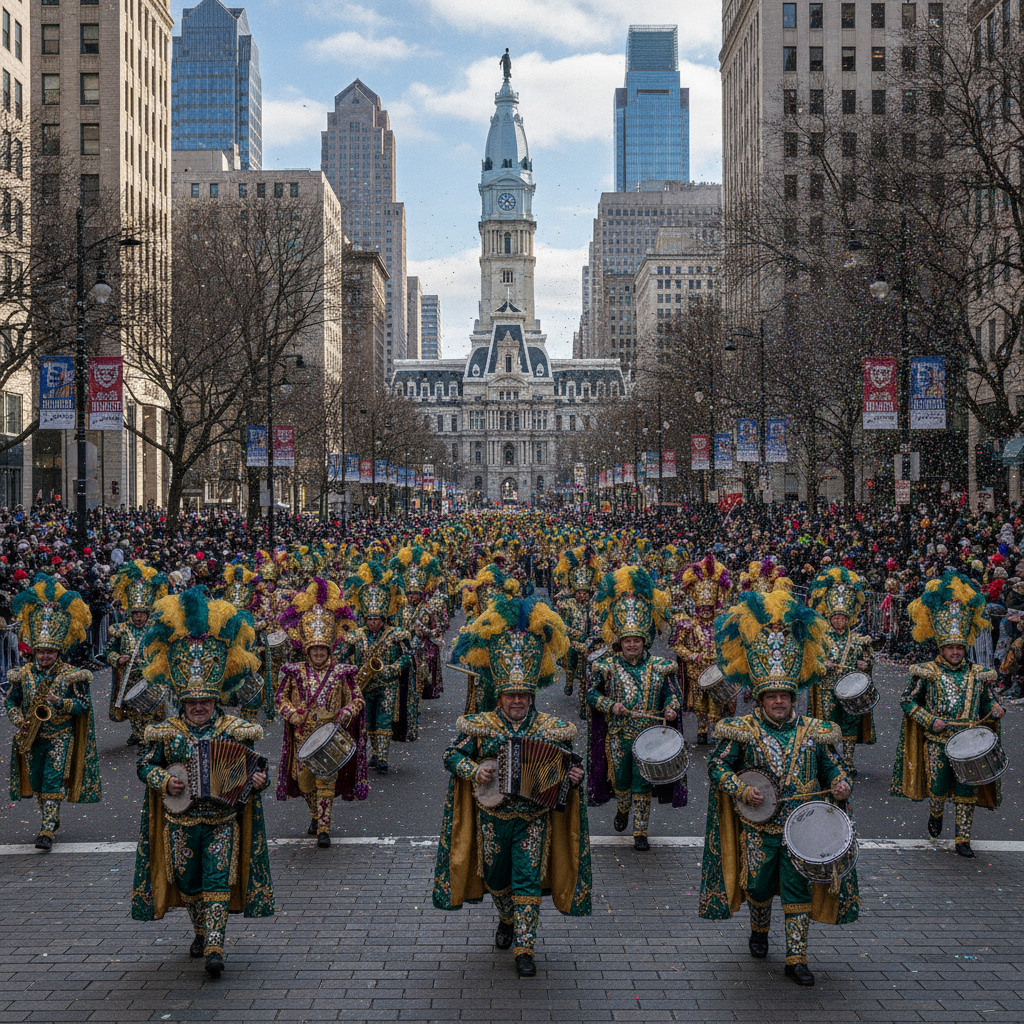
Philadelphia R3: Rittenhouse Square and dining (Zahav Michael Solomonov, Vetri Cucina, South Street Magic Gardens Isaiah Zagar mosaics), Philadelphia architecture (Society Hill Georgian I.M. Pei towers 1964, USS Olympia Spanish-American War oldest steel warship, Eastern State Penitentiary 1829 Pennsylvania solitary system), LGBTQ+ history (Annual Reminders 1965 first US LGBT political demonstrations Independence Hall, Mazzoni Center 1979, Gayborhood rainbow crosswalks, Walt Whitman Camden patron), Revolutionary War (Continental Congress Independence Hall, British occupation 1777-1778, Battle of Germantown fog friendly fire, Betsy Ross House first flag legend), Mummers Parade (January 1 oldest continuous US folk parade, String Bands South Philly clubs, First Friday Old City gallery walk), Practical (Philadelphia firsts — library hospital insurance zoo World's Fair telephone stock exchange, SEPTA El Broad St Line, 30th Street Station third busiest Amtrak, Acela NYC 75min DC 65min)
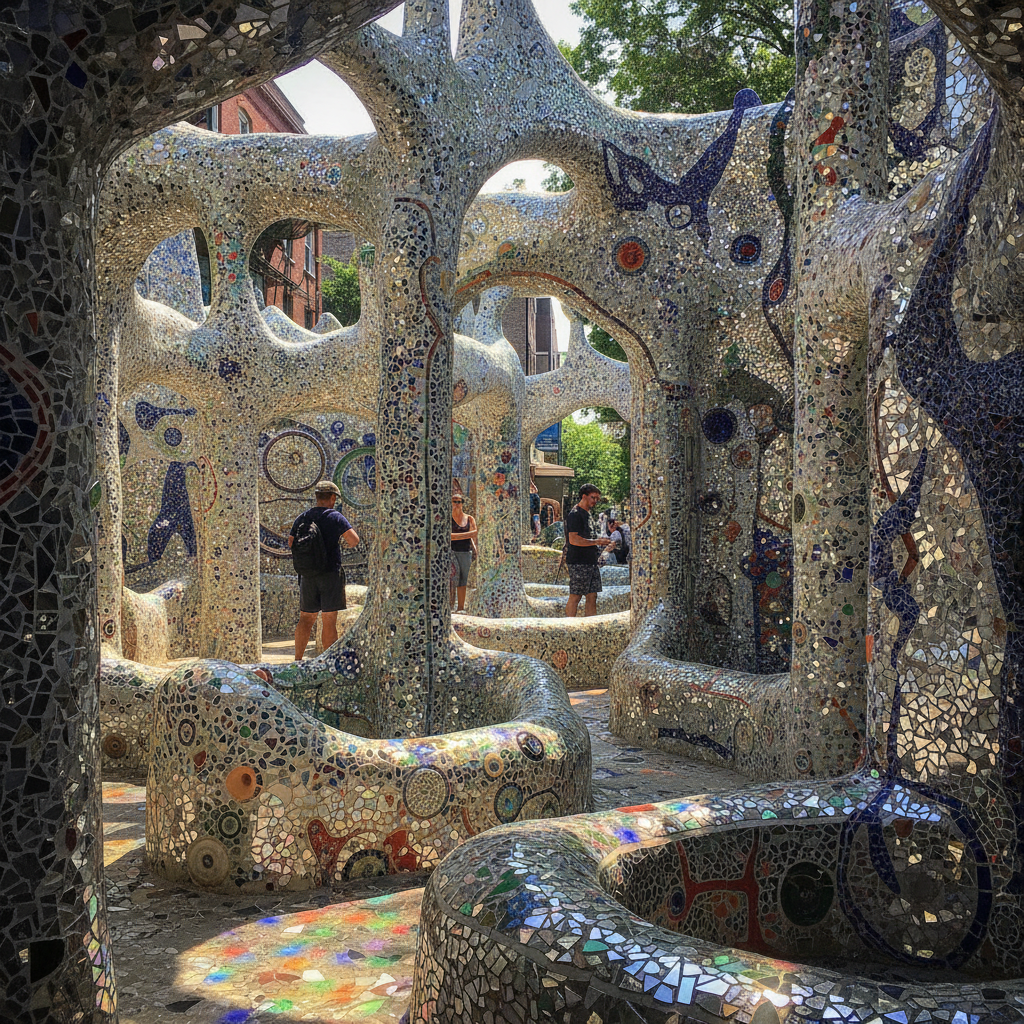
Philadelphia: Mosaic Labyrinths, 181 Renoirs and the First Gay Rights March in America
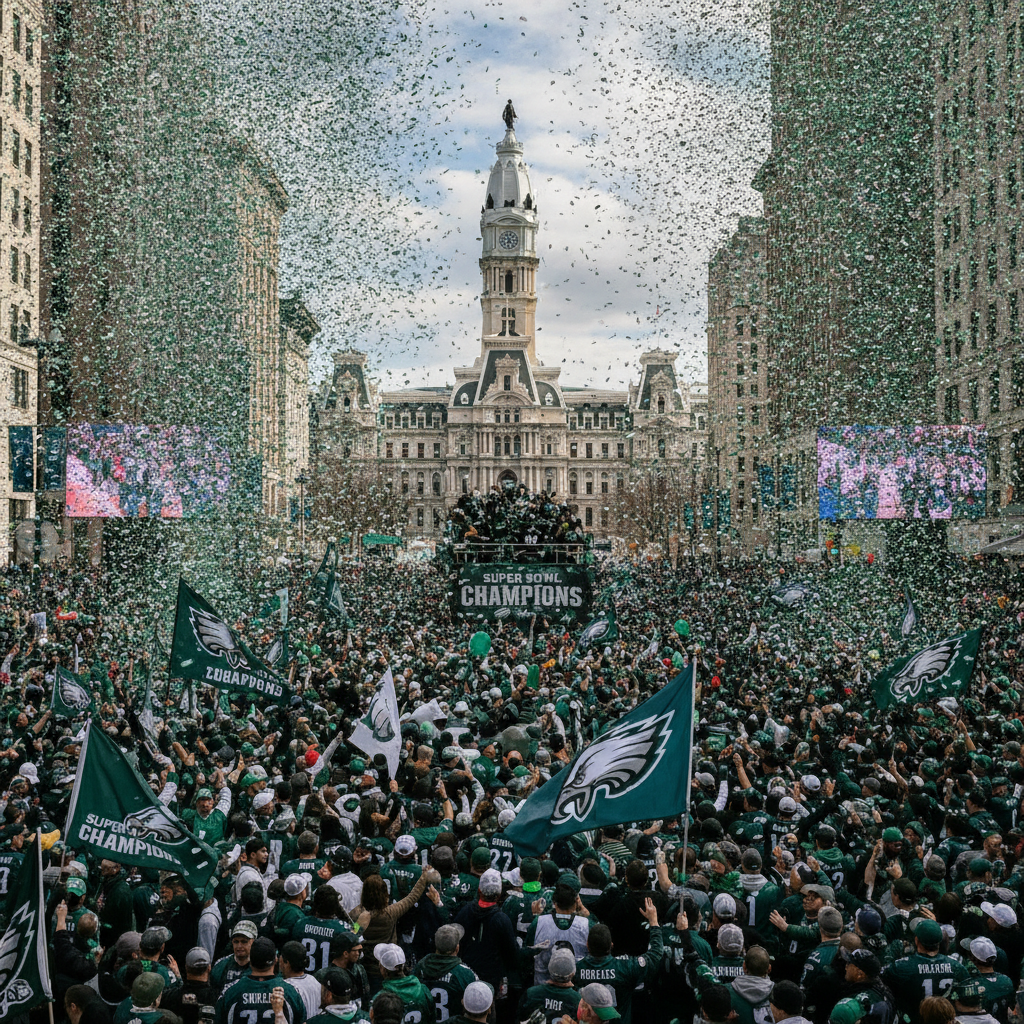
Philadelphia: Super Bowl Underdogs, Pretzel Holy Trinity and the World Oldest Steel Warship
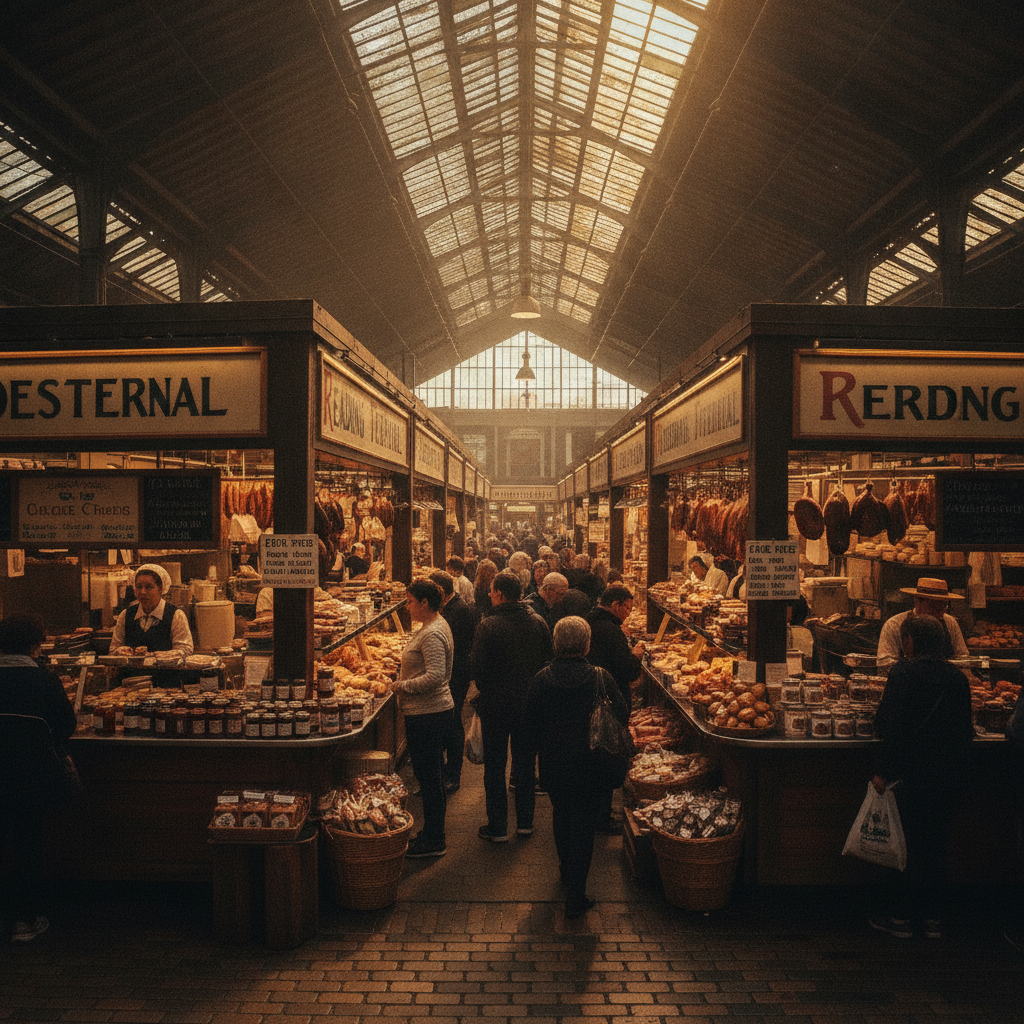
Philadelphia: Prison Reform, Orchestra Sound and the Oldest Street in America
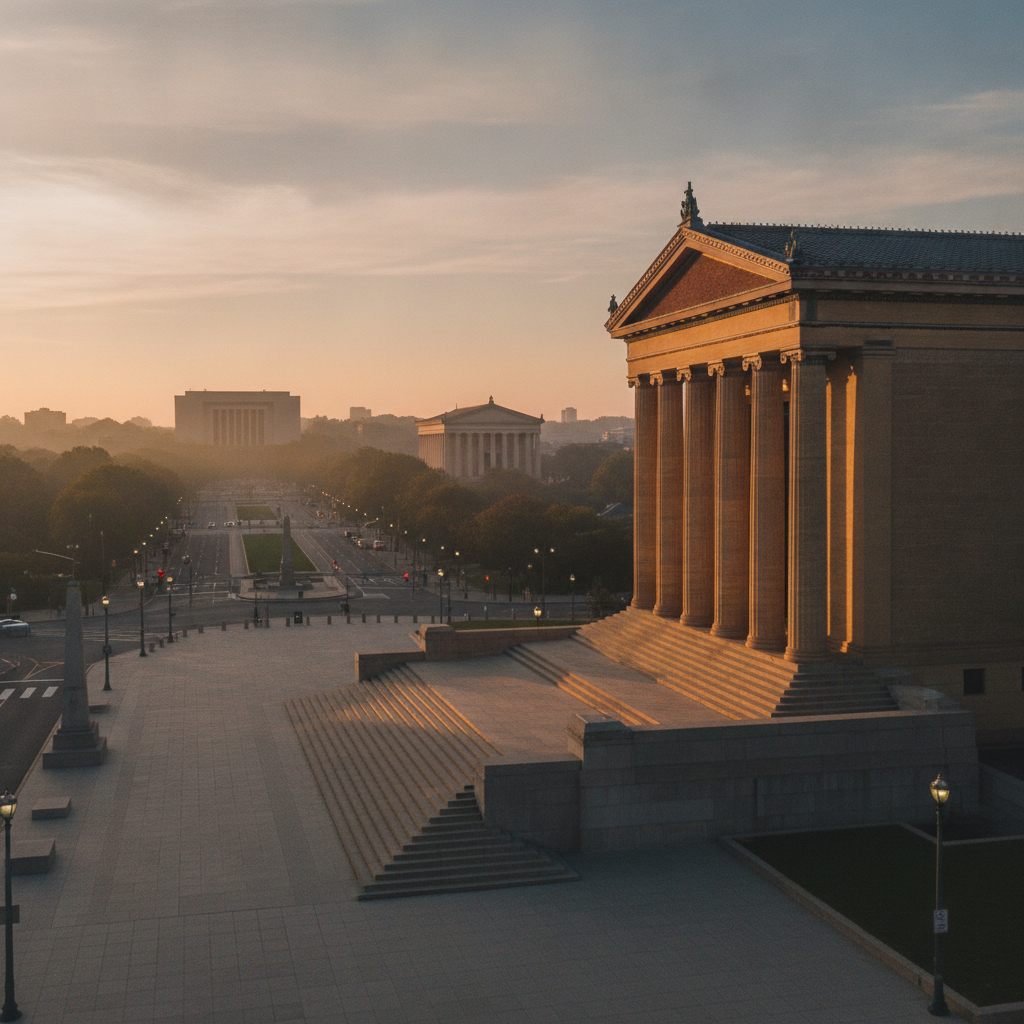
Philadelphia: Independence Hall (Declaration signed July 4 1776, Constitution signed September 17 1787, Liberty Bell cracked), Philadelphia Museum of Art (240,000 works, Rocky Steps Stallone 1976, Duchamp Large Glass, Barnes Foundation 800 Renoirs 69 Cezannes), Philadelphia food (cheesesteak Pat's 1930 vs Geno's 1966, Whiz wit order ritual, Italian Market oldest outdoor US market, Reading Terminal Market 1893 train shed), African American heritage (Mother Bethel AME 1793 first Black denomination, Philadelphia Mural Arts 4,000 murals, Great Migration 650,000), Philadelphia sports (Eagles Super Bowl LII 2018 Philly Special, Phillies 1980 and 2008 WS, Flyers Broad Street Bullies 1974-1975, Santa Claus booing 1968), Practical (SEPTA walkable city, PHL American hub, Old City Rittenhouse South Philly Fishtown, Valley Forge Gettysburg, Acela to NYC 75min)