Philadelphia: Super Bowl Underdogs, Pretzel Holy Trinity and the World Oldest Steel Warship
Relive the Eagles stunning Super Bowl LII upset at Lincoln Financial Field in the tightest sports complex in America, eat a cheesesteak in the Pat versus Geno rivalry on Passyunk, follow Benjamin Franklin footprints through four institutions he personally founded, walk the Victorian mile of Chestnut Hill along the oldest commercial avenue in America, and see the 1898 warship USS Olympia still floating at Penn Landing.
- 1
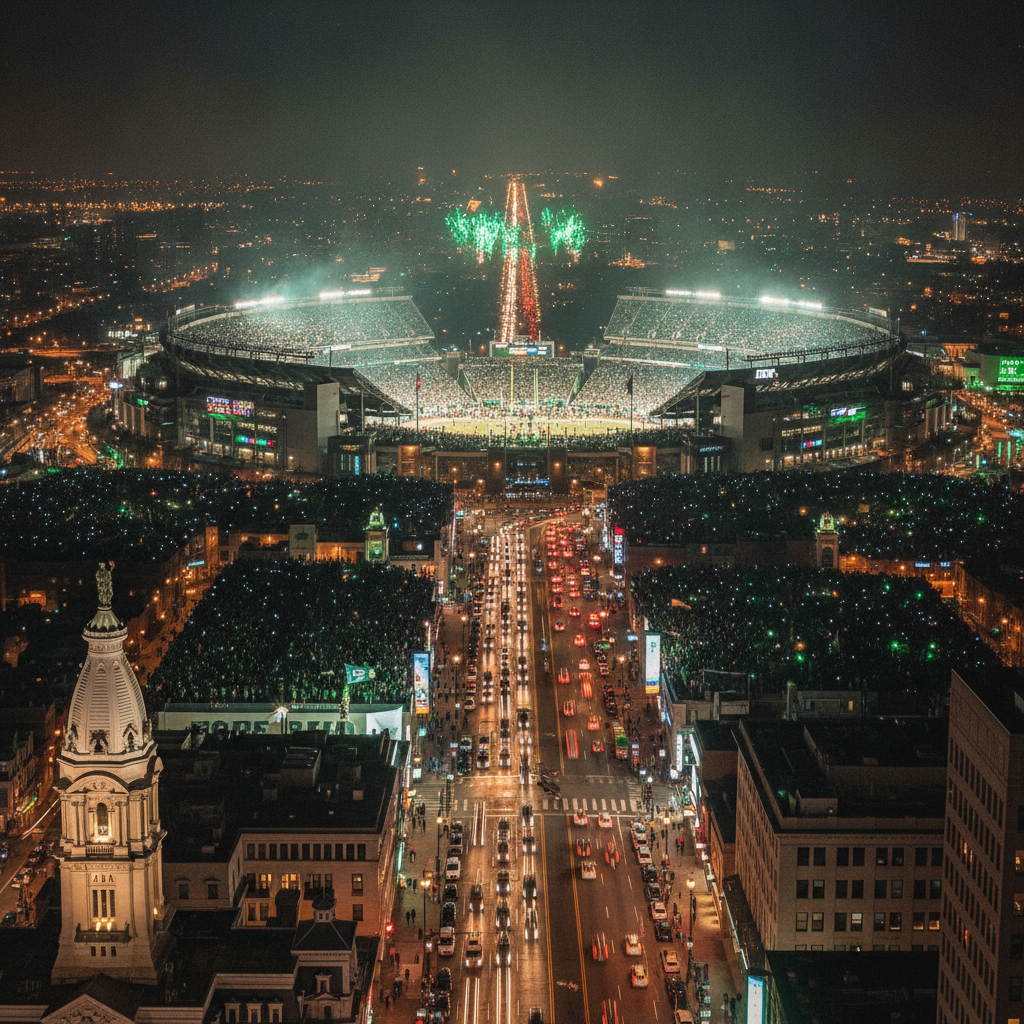
Philadelphia Eagles and Lincoln Financial Field
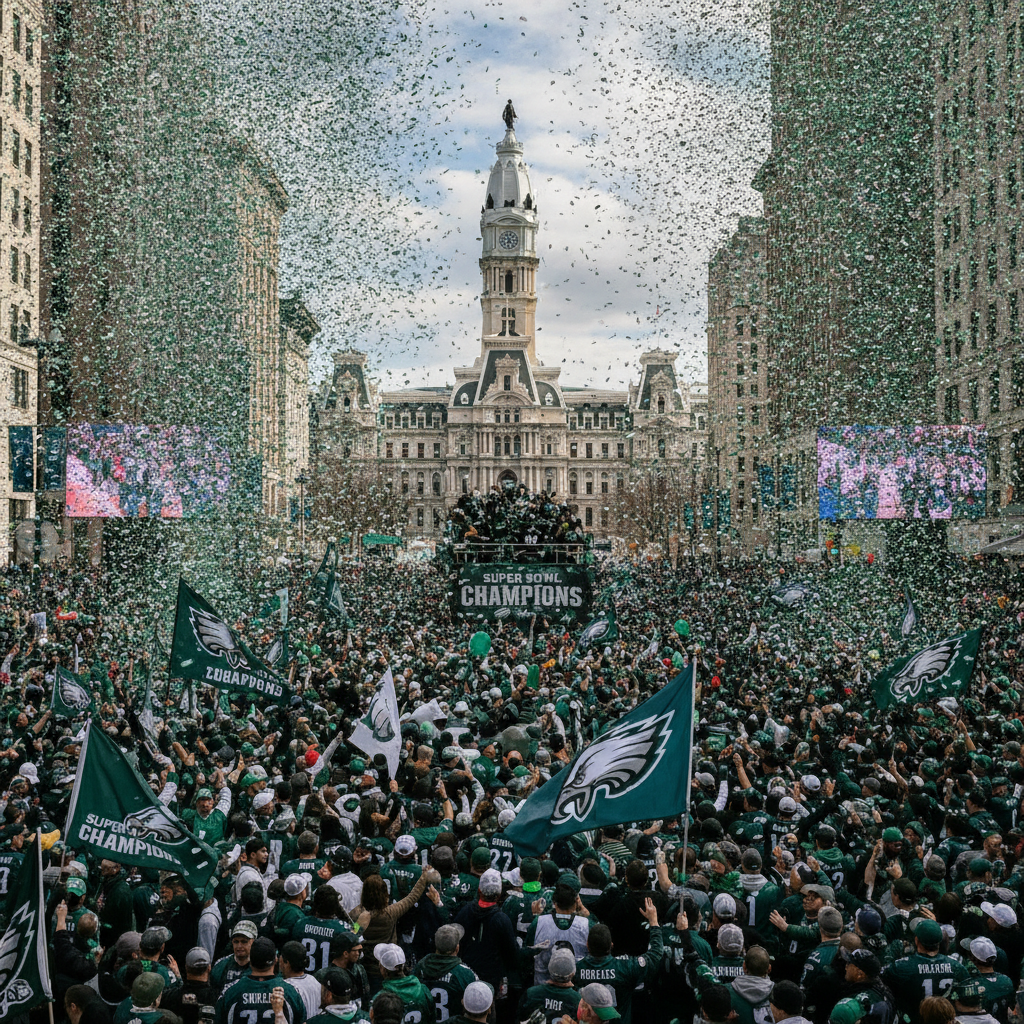
The Philadelphia Eagles, founded in 1933 as part of the NFL, won the Super Bowl for the first time in franchise history in Super Bowl LII on February 4, 2018, defeating the New England Patriots 41-33 in Minneapolis in what is widely regarded as the greatest upset in Super Bowl history given that the Patriots were 5.5-point favorites. The Eagles famed underdog symbol, the dog mask adopted by fans in 2017 after head coach Doug Pederson embraced the underdog label, became one of the most recognizable symbols in modern American sports culture. Lincoln Financial Field, opened in 2003 in the South Philadelphia sports complex, seats 69,796 fans and is part of the tightest cluster of professional sports venues in America alongside Citizens Bank Park, the Wells Fargo Center, and the former Veterans Stadium site. Philadelphia sports fans have a reputation for passionate and sometimes confrontational behavior that the city largely embraces as part of its identity.
- 2
Citizens Bank Park and Phillies History
Citizens Bank Park, opened in 2004 for the Philadelphia Phillies, is consistently rated among the best ballparks in the country for its sightlines, food options including a Tony Luke roast pork stand, and views of the Center City skyline beyond the left field wall. The Phillies, founded in 1883 as one of the original National League franchises, hold the record for the most losses of any professional sports franchise in North American history with over 10,000 defeats, but also won the World Series in 1980, 2008, and reached the series in other years. The 1980 championship following the Eagles 1980 NFC title game was part of a golden year for Philadelphia sports that the city still references. The 2008 World Series win over the Tampa Bay Rays was the last major professional sports championship for a Philadelphia team until the Eagles 2018 Super Bowl. Broad Street victory parades for championships have become defining civic rituals.
- 3
Benjamin Franklin and Philadelphia Science
Benjamin Franklin, who moved to Philadelphia at age 17 in 1723 and made it his home for most of his life, shaped the city more comprehensively than any other individual, founding the University of Pennsylvania, the Philadelphia Library Company, the American Philosophical Society, the Pennsylvania Hospital, and the Philadelphia Contributionship fire insurance company. The Franklin Institute, a science museum at 222 North 20th Street that opened in 1934, houses the Franklin National Memorial with a 20-foot marble statue and rotating exhibits on physics, astronomy, engineering, and health. Franklins 1752 lightning rod experiment at what is believed to have been a field near 10th and Spring Garden established the principle of electrical grounding. The American Philosophical Society, the oldest learned society in America founded by Franklin in 1743, still meets regularly in its 1789 building on Independence Square.
- 4
Philly Soft Pretzel and Food Culture
The Philadelphia soft pretzel, a dense, chewy, low-rise pretzel sold in interlocked pairs and eaten with yellow mustard, is so deeply embedded in local food culture that the city consumes an estimated 12 times more pretzels per capita than any other American city. Federal Pretzel Baking Company and Philly Pretzel Factory are among dozens of producers. The Philly cheesesteak, invented at Pat King of Steaks in 1930 when Pat Olivieri put beef on a hot dog roll, has generated decades of debate about who makes the best version, with Pat King and Geno Steaks across Passyunk Avenue engaging in a 50-year rivalry. Water ice, a Philadelphia term for what most Americans call Italian ice, is a summer institution with Rita Water Ice having expanded nationally from its Northeast Philadelphia origins. The soft pretzel, cheesesteak, and water ice constitute an unofficial Philadelphia food holy trinity that locals take seriously as markers of authentic city identity.
- 5
Chestnut Hill and Germantown History
Chestnut Hill, a prosperous neighborhood at the northwest edge of Philadelphia along Germantown Avenue, retains the character of a Victorian-era village with independent shops, restaurants, and galleries lining Germantown Avenue over a stretch of nearly a mile. The neighborhood was developed by the Pennsylvania Railroad in the 1880s and 1890s as a railroad suburb whose residents could commute to Center City. The Morris Arboretum of the University of Pennsylvania, a 92-acre Victorian garden in Chestnut Hill, is the official arboretum of Pennsylvania and features the restored 1887 iron tree and an aerial canopy walk. Germantown Avenue running 15 miles from the Delaware River in Fishtown through Germantown and Chestnut Hill to the Montgomery County line is the oldest continuously developed commercial corridor in America, with buildings dating from the 1680s interspersed with Victorian commercial blocks and 20th-century storefronts. Battle of Germantown in October 1777 was fought along the avenue.
- 6
Delaware Waterfront and Penn Treaty Park
The Delaware River waterfront, transformed from derelict industrial piers into a public amenity through the efforts of the Delaware River Waterfront Corporation since 2009, now features the Race Street Pier, Cherry Street Pier, and Spruce Street Harbor Park as gathering places offering river views and seasonal dining. Penn Treaty Park at the foot of Columbia Avenue in Fishtown marks the location where William Penn is said to have made his Great Treaty with the Lenape people in 1683 under an elm tree, a treaty that Voltaire called the only treaty between those people and the Christians that was never sworn to and never broken. The treaty elm blew down in 1810 and objects made from its wood were treasured as relics. The Independence Seaport Museum at Penn Landing houses the USS Becuna, a WWII submarine, and the USS Olympia, Admiral Deweys flagship from the 1898 Battle of Manila Bay and the oldest steel warship still afloat in the world.
Walk this route with audio
Stories play automatically as you reach each stop — no tapping needed.
More in Philadelphia
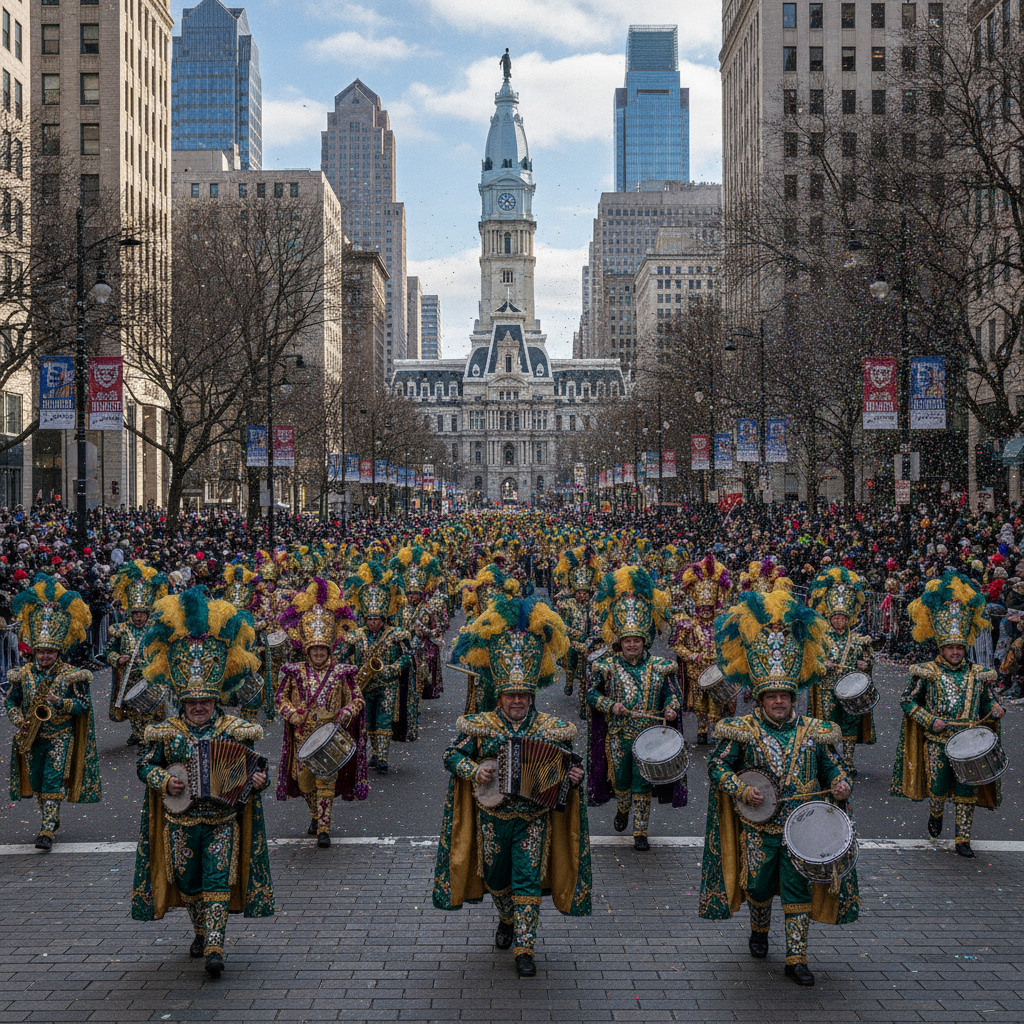
Philadelphia R3: Rittenhouse Square and dining (Zahav Michael Solomonov, Vetri Cucina, South Street Magic Gardens Isaiah Zagar mosaics), Philadelphia architecture (Society Hill Georgian I.M. Pei towers 1964, USS Olympia Spanish-American War oldest steel warship, Eastern State Penitentiary 1829 Pennsylvania solitary system), LGBTQ+ history (Annual Reminders 1965 first US LGBT political demonstrations Independence Hall, Mazzoni Center 1979, Gayborhood rainbow crosswalks, Walt Whitman Camden patron), Revolutionary War (Continental Congress Independence Hall, British occupation 1777-1778, Battle of Germantown fog friendly fire, Betsy Ross House first flag legend), Mummers Parade (January 1 oldest continuous US folk parade, String Bands South Philly clubs, First Friday Old City gallery walk), Practical (Philadelphia firsts — library hospital insurance zoo World's Fair telephone stock exchange, SEPTA El Broad St Line, 30th Street Station third busiest Amtrak, Acela NYC 75min DC 65min)
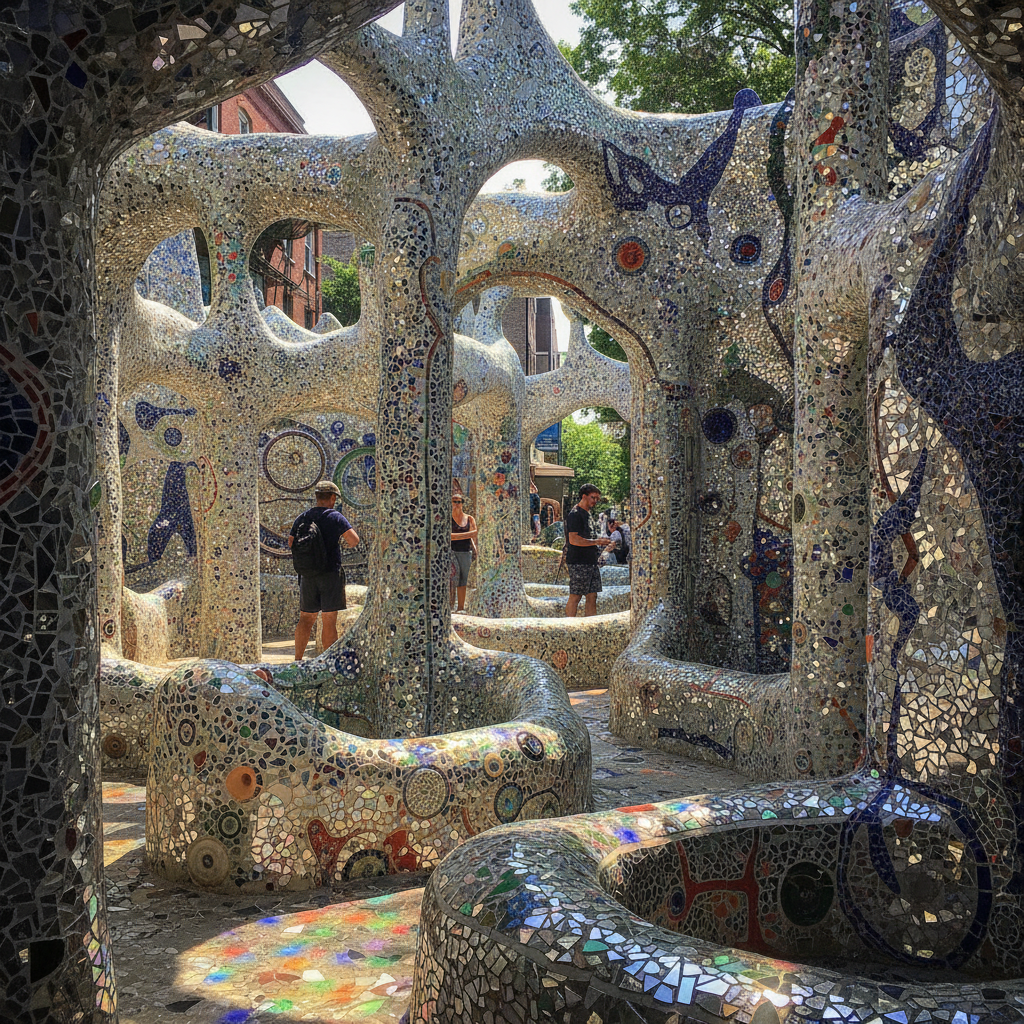
Philadelphia: Mosaic Labyrinths, 181 Renoirs and the First Gay Rights March in America
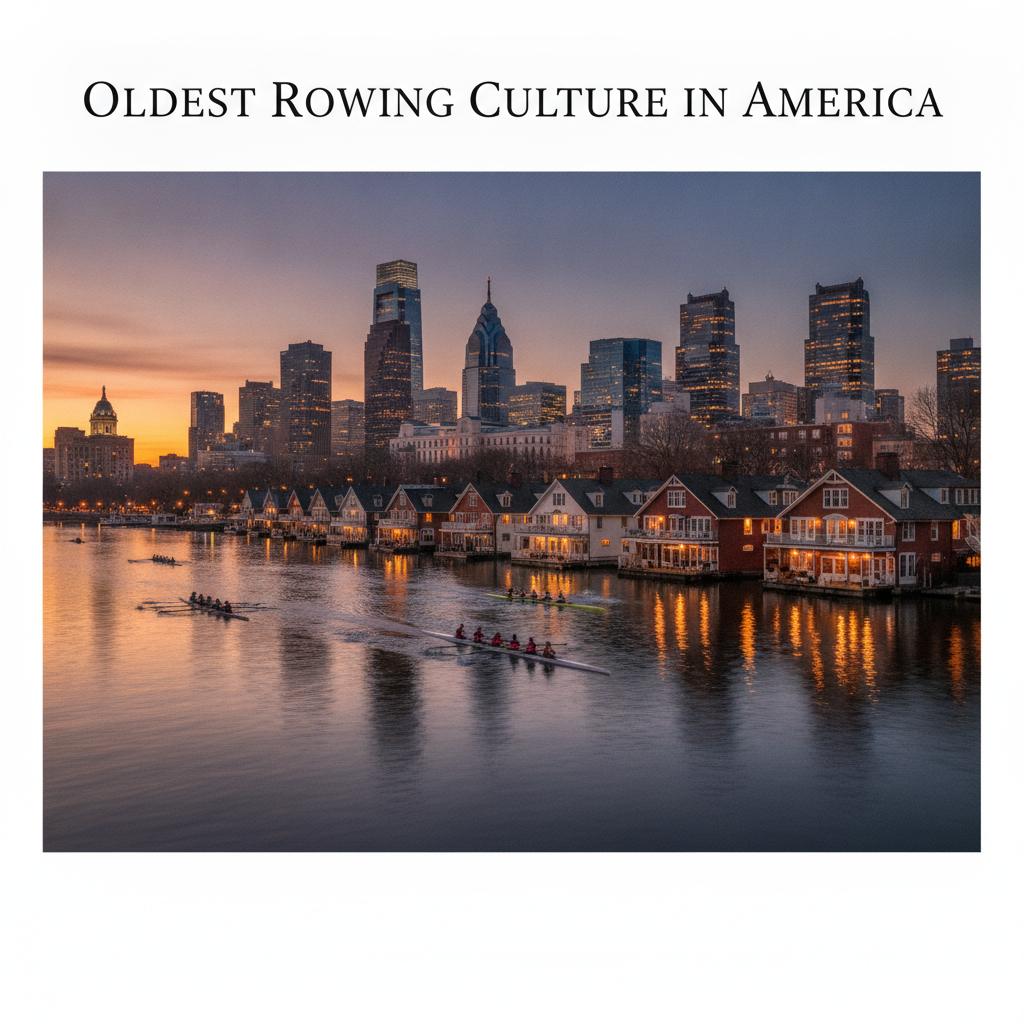
Philadelphia R2: Benjamin Franklin (only Founder to sign all 4 founding documents, inventor lightning rod bifocals, Library Company 1731, APS 1743, Franklin Court ghost frame), Penn Museum (Ramesses II sphinx largest US museum, Ram in Thicket Ur 2600BCE, University of Pennsylvania Wharton first business school 1881), Fairmount Park (10,300 acres largest US municipal park, Boathouse Row illuminated Schuylkill, Philadelphia Zoo first chartered 1859, Wissahickon gorge 57km trails), Old City (Elfreth's Alley oldest inhabited US street, Christ Church Franklin Washington, Philadelphia City Hall 167m Penn statue, One Liberty Place 1987 broke gentlemen's agreement), Philadelphia music (Philadelphia International Records 1971 Gamble-Huff TSOP soul, The Roots Questlove-Black Thought Tonight Show, Philadelphia Orchestra Leopold Stokowski Philadelphia Sound), Day trips (Valley Forge 2,000 deaths Baron von Steuben 1778, Atlantic City 1978 casino legalization, Cape May Victorian largest collection, Gettysburg 50,000 casualties 3 days)
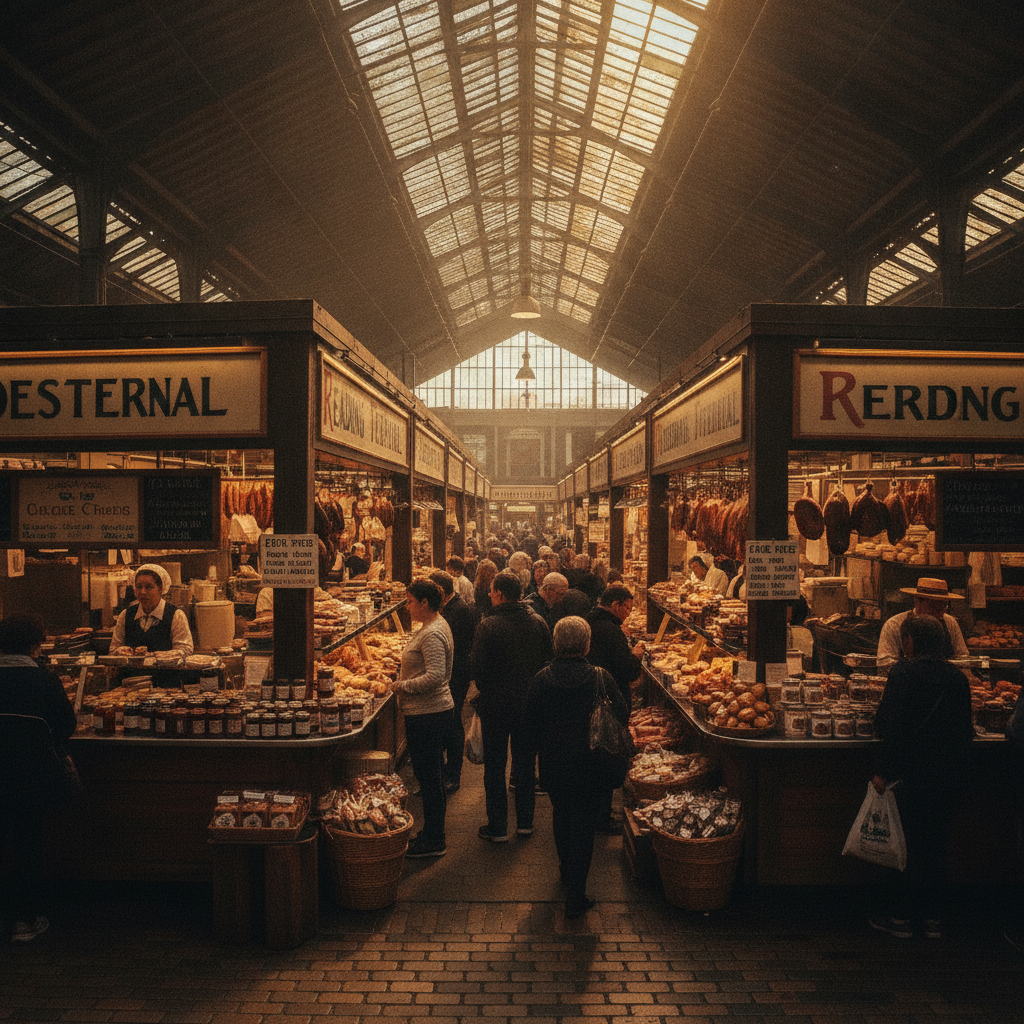
Philadelphia: Prison Reform, Orchestra Sound and the Oldest Street in America
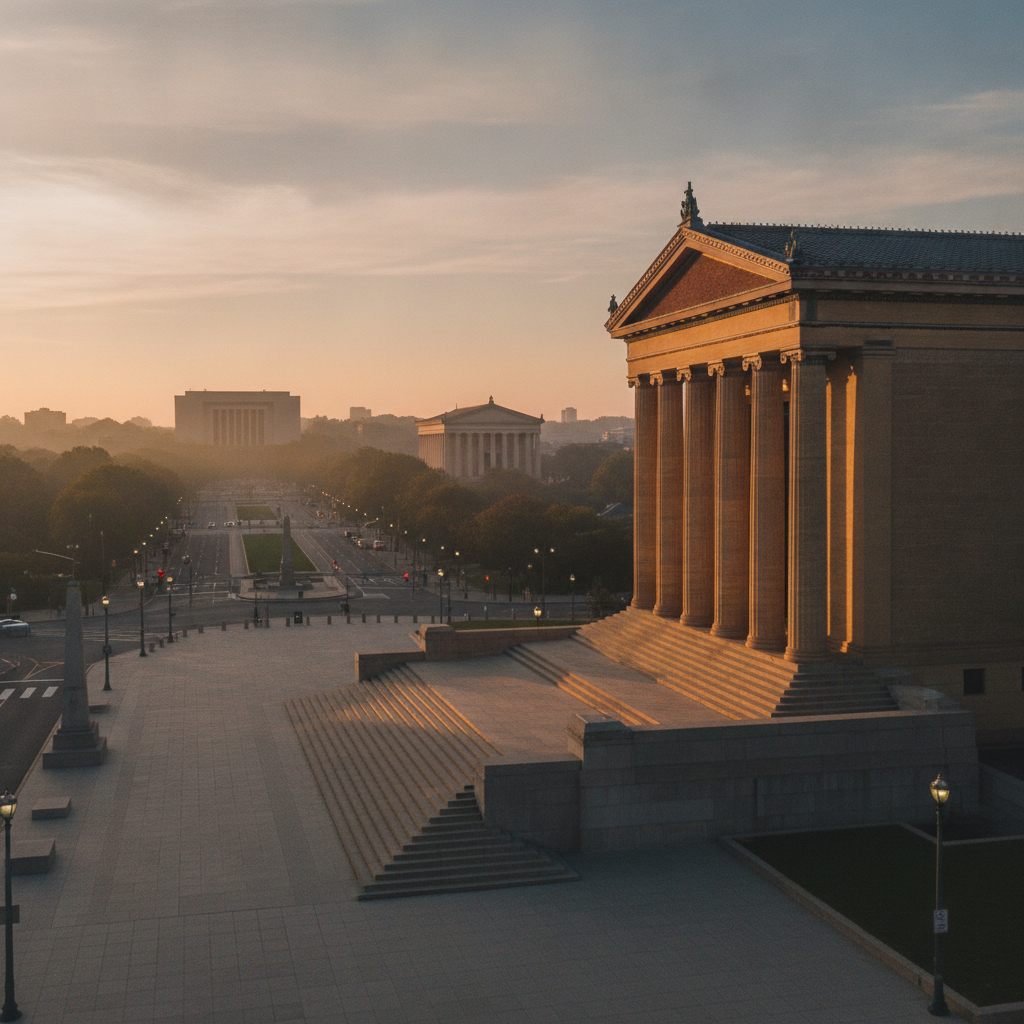
Philadelphia: Independence Hall (Declaration signed July 4 1776, Constitution signed September 17 1787, Liberty Bell cracked), Philadelphia Museum of Art (240,000 works, Rocky Steps Stallone 1976, Duchamp Large Glass, Barnes Foundation 800 Renoirs 69 Cezannes), Philadelphia food (cheesesteak Pat's 1930 vs Geno's 1966, Whiz wit order ritual, Italian Market oldest outdoor US market, Reading Terminal Market 1893 train shed), African American heritage (Mother Bethel AME 1793 first Black denomination, Philadelphia Mural Arts 4,000 murals, Great Migration 650,000), Philadelphia sports (Eagles Super Bowl LII 2018 Philly Special, Phillies 1980 and 2008 WS, Flyers Broad Street Bullies 1974-1975, Santa Claus booing 1968), Practical (SEPTA walkable city, PHL American hub, Old City Rittenhouse South Philly Fishtown, Valley Forge Gettysburg, Acela to NYC 75min)