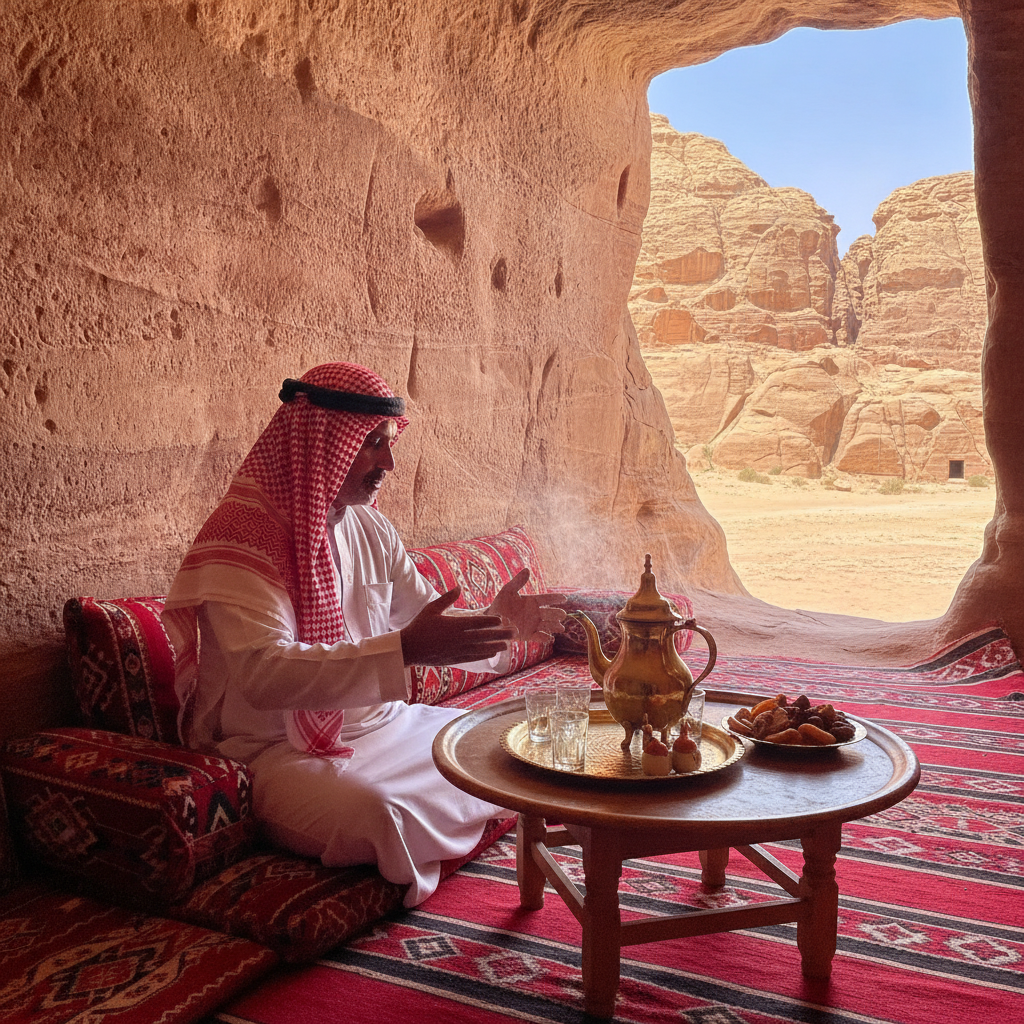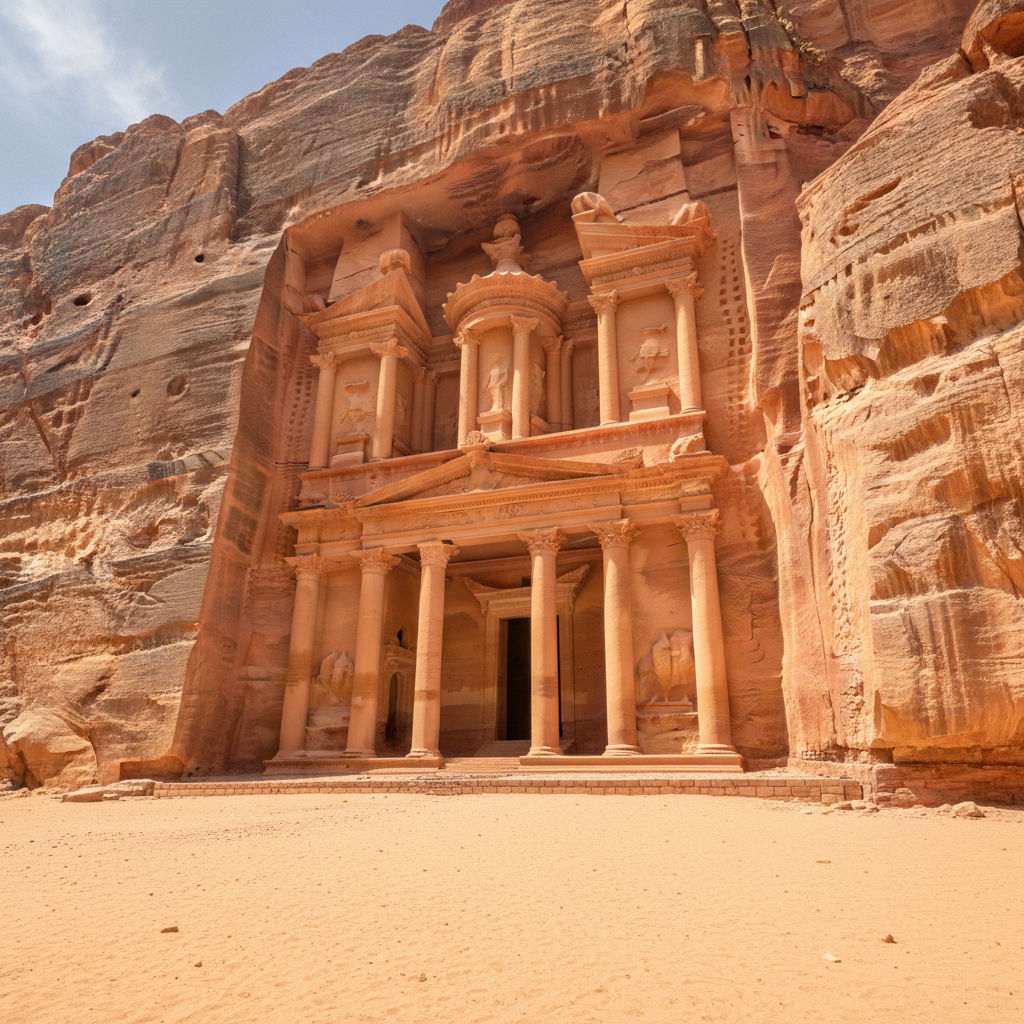
Petra Practical Guide: Jordan Pass, Best Light for Photography & the Physical Reality
Plan Petra properly—the Jordan Pass (€60 online) cuts expensive entry fees and visa costs, arrive at 6 am before tour groups, the Treasury's best light is 9–11 am east-facing morning sun, two full days are needed for Monastery and High Place routes, the 10 km round trip with 400m ascent in 35°C heat, and the Nabataean civilisation that built a city of 30,000 in a desert canyon.
- 1
Getting to Petra – From Amman & Aqaba
Petra is 240 km south of Amman—3 hours by car on the Desert Highway or 3.5 hours on the more scenic King's Highway. JETT buses run from Amman's 7th Circle bus station to Wadi Musa (the gateway town for Petra) daily; minibuses are cheaper but less comfortable. From Aqaba (130 km, 1.5 hours by car) minibuses run regularly. The Jordan Pass (available online) includes Petra entry (1, 2, or 3 days), airport visa fee, and most other Jordanian sites—the most cost-effective approach for international visitors.
- 2
Petra Entry, Fees & Timing
Petra's entry fees are among the highest in the Middle East: 50 JOD (€60) for 1 day, 55 JOD for 2 days, 60 JOD for 3 days. The Jordan Pass reduces this substantially. The site opens at 6 am and closes at 6 pm (last entry 4 pm). Early morning (6–8 am) is strongly recommended: the light is best for photography (direct sun hits the Treasury facade at 9–11 am), temperatures are cooler, and the tour groups arrive from Amman hotels after 9 am. Two full days are needed to see Petra comprehensively including the Monastery and High Place.
- 3
Accommodation in Wadi Musa
Wadi Musa, the tourist town adjacent to the Petra archaeological site, has accommodation ranging from the luxurious Mövenpick Resort Petra (150 metres from the Siq entrance) and the Petra Palace Hotel to budget guesthouses (€20–40/night). The Seven Wonders Bedouin Camp offers authentic camp accommodation in a Bedouin tent 1 km from the Siq—the quietest and most atmospheric option. Most visitors stay 2 nights to allow 2 full days in the site; a third day for Little Petra and Dana is worthwhile.
- 4
Heat & Physical Demands
Petra is physically demanding—the Siq-to-Treasury-to-Monastery round trip covers approximately 10 km with 400 metres of ascent on rough terrain. In summer (June–September) temperatures reach 35–40°C; the main valley has limited shade. Water is available at stalls within the site but is expensive; carry 2+ litres per person. The donkeys, horses, and camels offered at the entrance are genuinely useful for elderly or physically limited visitors to reach the Treasury; however, animal welfare concerns have been raised about their condition by the RSPCA and other organisations.
- 5
Photography at Petra – Best Conditions
The Treasury is east-facing and best photographed in direct morning light (9–11 am from inside the Siq). The Royal Tombs are west-facing and best in afternoon light (3–5 pm). The Monastery plateau at sunset gives extraordinary light on the carved facade. The Petra by Night event (Monday, Wednesday, Thursday) gives the most atmospheric photography opportunity in candlelight, though long exposures are necessary. The best overall light for the Siq walls themselves is midday, when the sun reaches the canyon floor and turns the sandstone luminous.
- 6
Nabataean History & the Rose-Red City
Petra was the capital of the Nabataean Kingdom from the 4th century BC—a trading empire controlling the incense and spice routes between Arabia, Egypt, and the Mediterranean. The Nabataeans were Arab merchants who became one of the ancient world's most sophisticated civilisations: their water engineering (cisterns, channels, dams) sustained 30,000 people in a desert canyon; their script became the ancestor of the Arabic alphabet. Rome annexed Petra in 106 AD; the city declined after an earthquake in 363 AD and was almost unknown to Western scholarship until explorer Johann Ludwig Burckhardt rediscovered it in 1812.
Walk this route with audio
Stories play automatically as you reach each stop — no tapping needed.
More in Petra
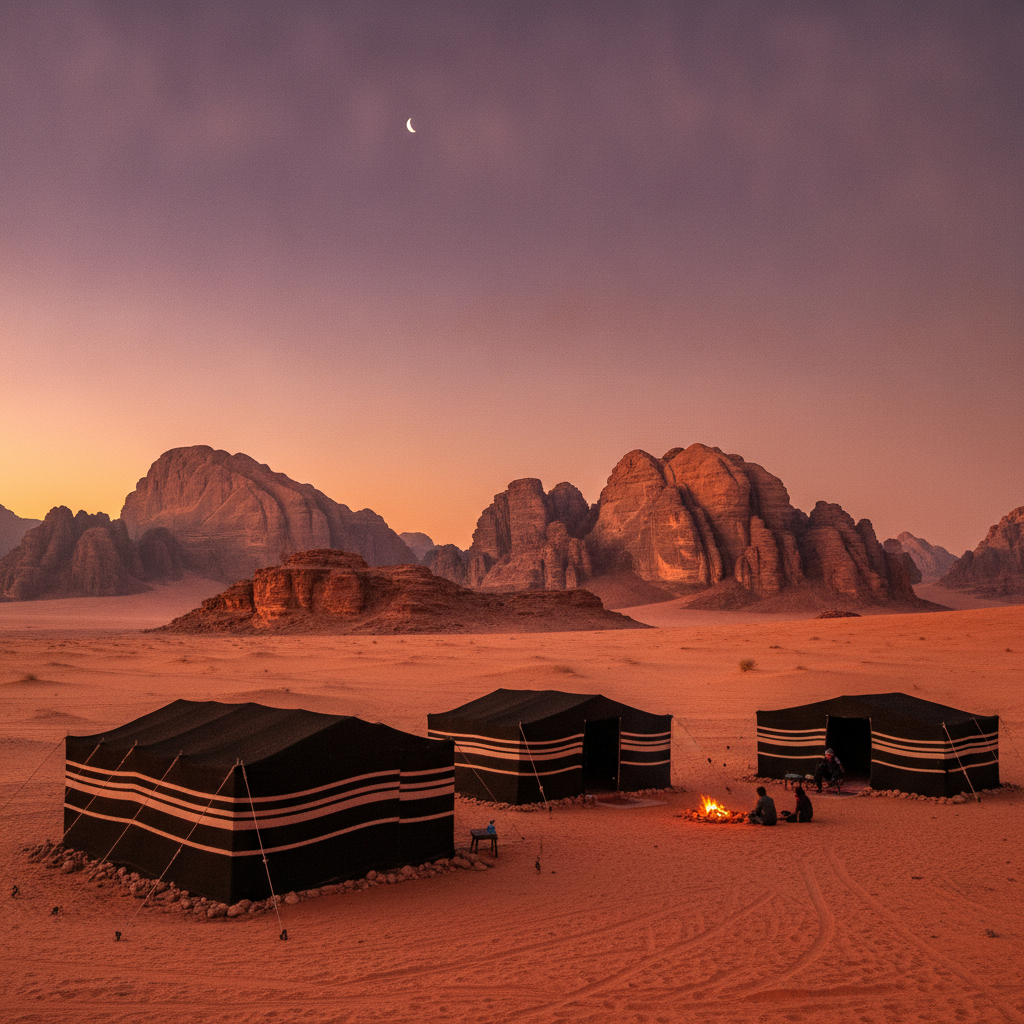
Petra Day Trips: Little Petra Free, Wadi Rum's Martian Landscape & Dana Canyon Trek
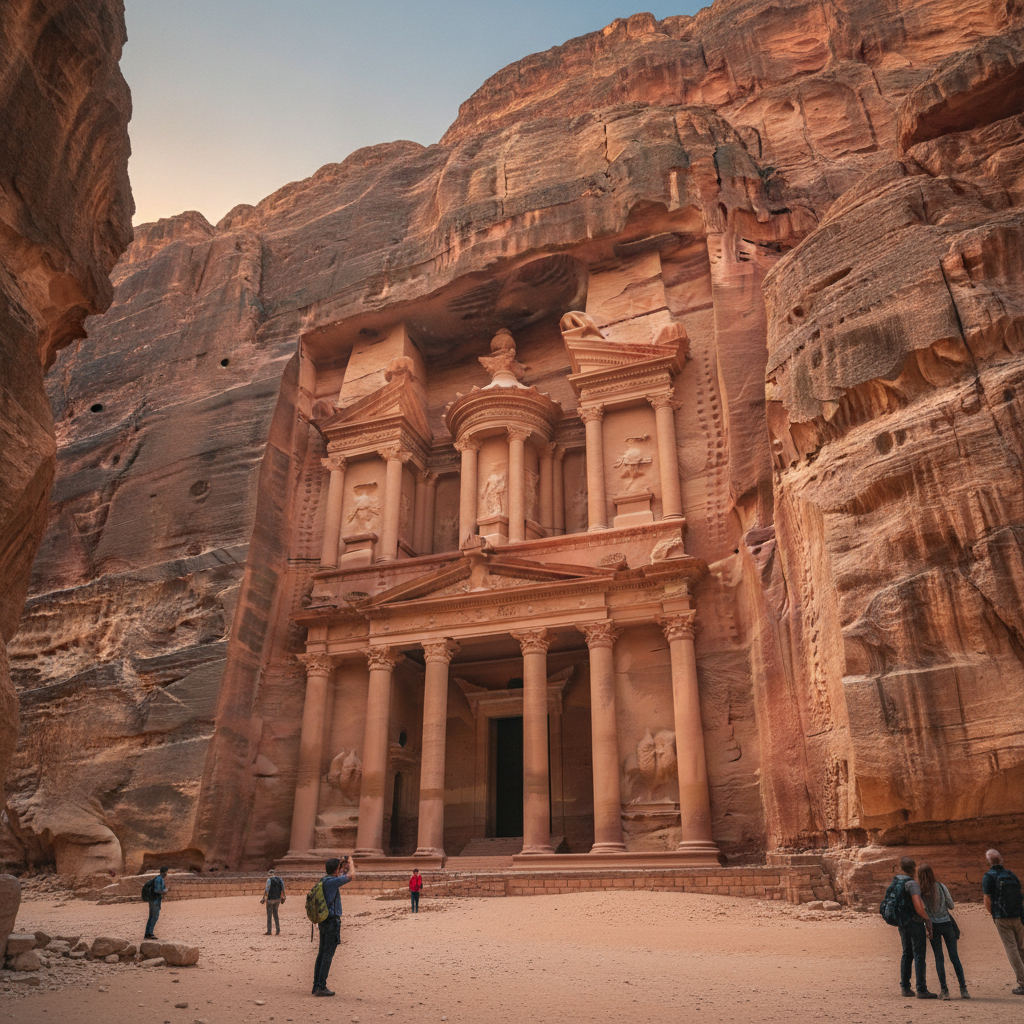
Petra Essential: The Siq Canyon, the Treasury Al-Khazneh, the Street of Facades, the High Place of Sacrifice, the Monastery Ad-Deir, and the Nabataean Capital
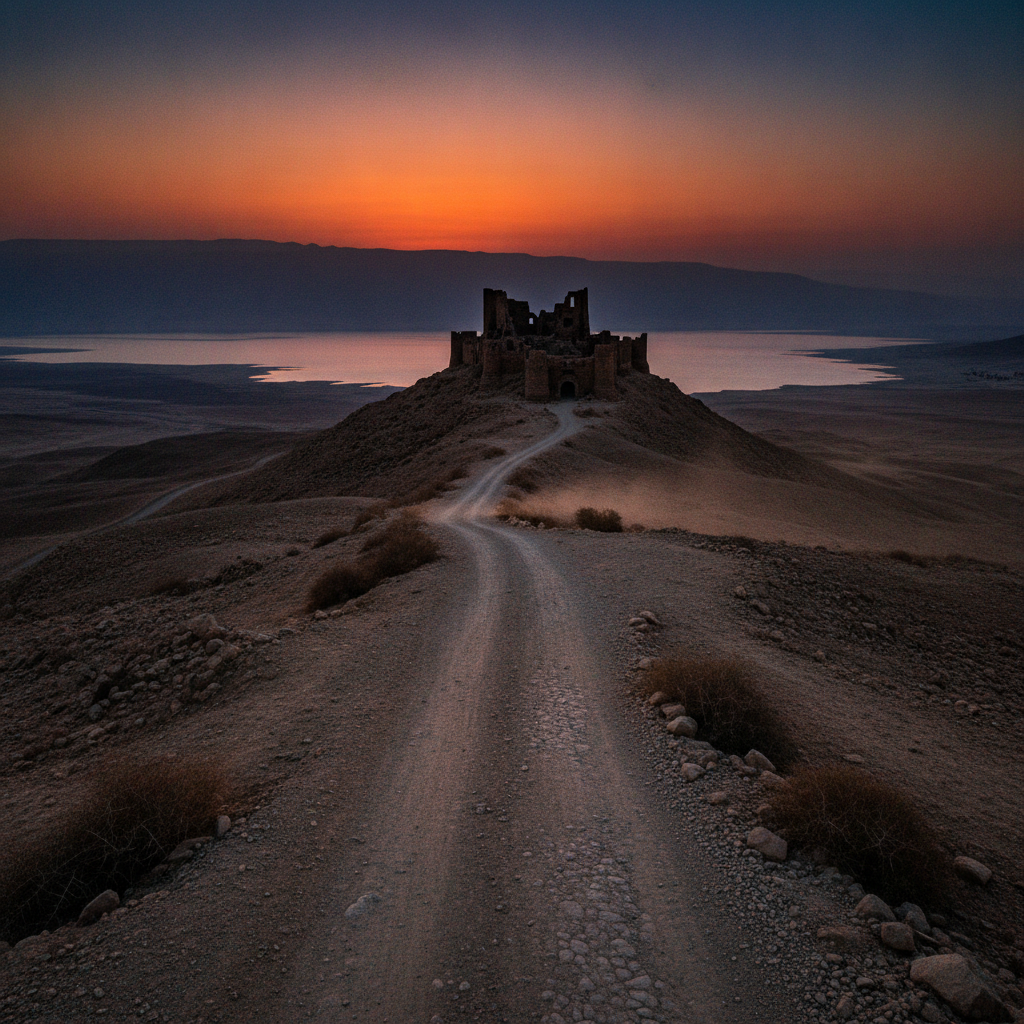
Petra's Jordan: The King's Highway, Byzantine Mosaics & the Grand Canyon of Wadi Mujib
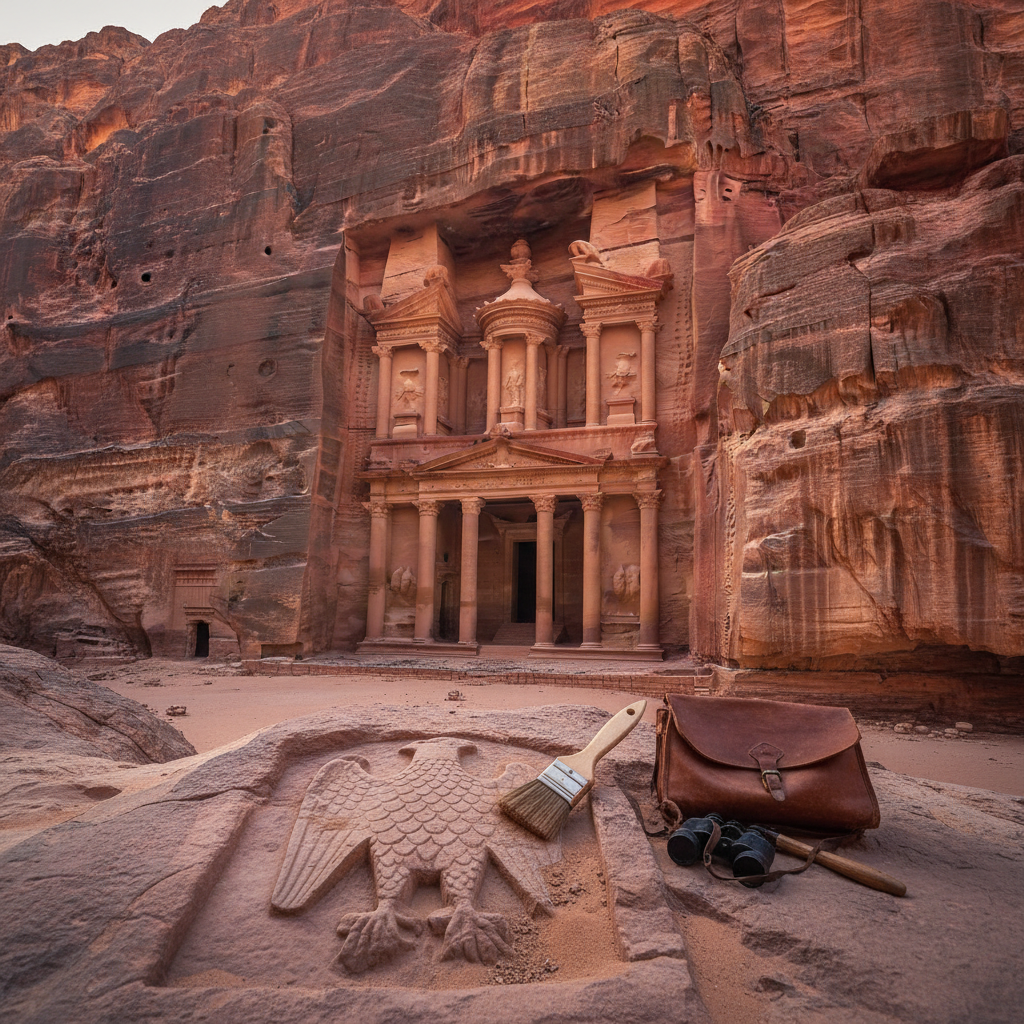
Petra Deep Dive: Only 15% Excavated, the Nabataean Water System & Indiana Jones

Petra Geology: The Rose-Red Sandstone Colors, the Nabataean Water Engineering, the Desert Ecology, and the Natural Environment