Peshawar Qissa Khwani Storytellers Bazaar Walk
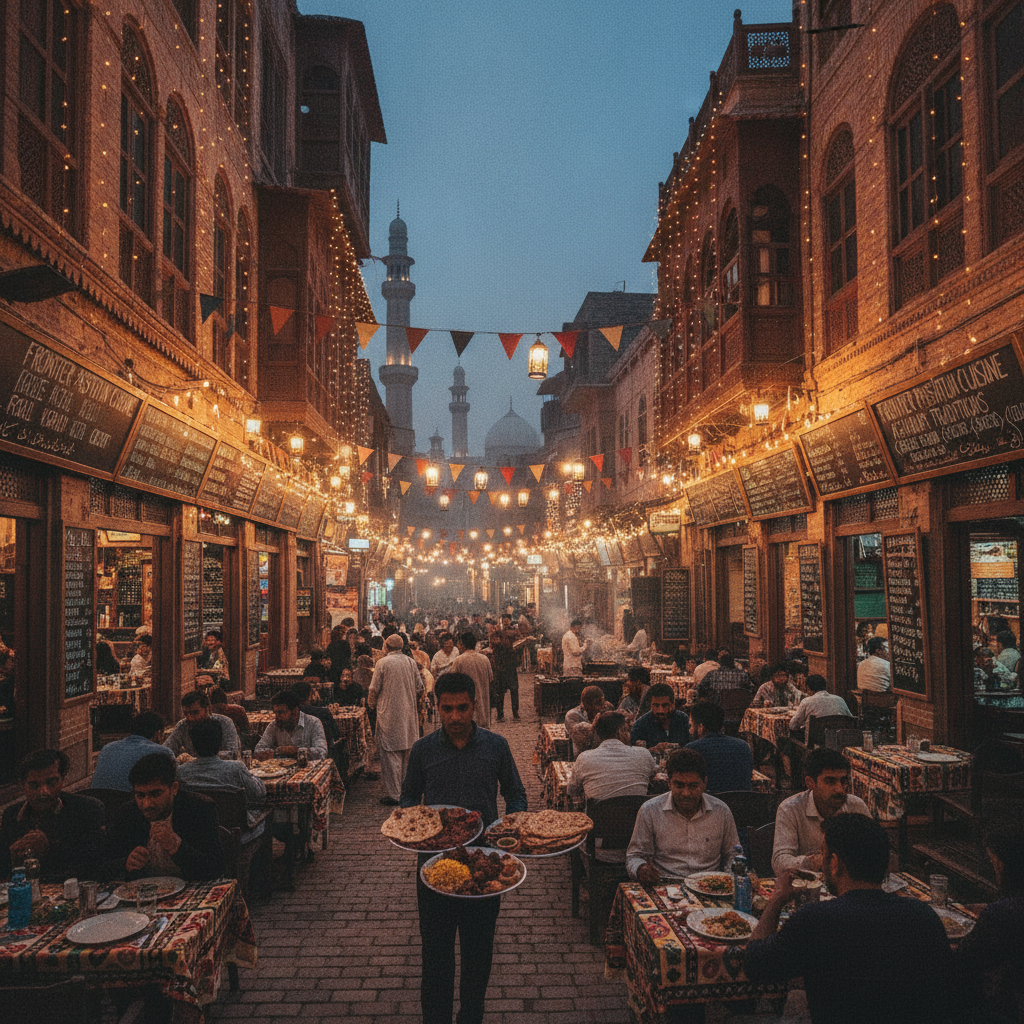
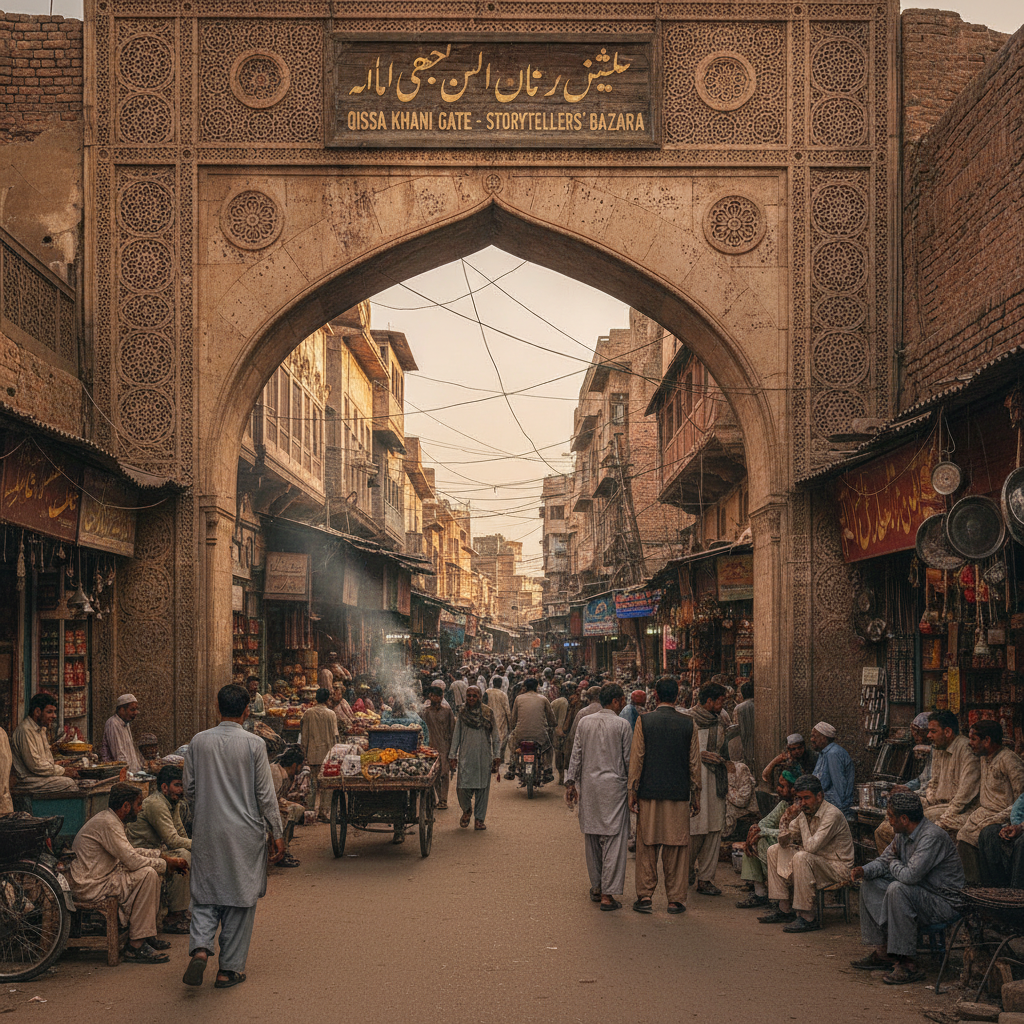
Walk the Qissa Khwani Bazaar — the Street of Storytellers where caravanners from Central Asia, Persia, and India once rested and swapped tales over green tea, now a dense commercial street where the chai khanas (tea houses) still serve the three-tea tradition, dried fruit merchants stack their wares, and the Pashtun cultural identity of Pakistan's oldest continuously inhabited city asserts itself in every interaction.
- 1
Qissa Khwani Bazaar Main Entry
Enter the Storytellers Bazaar from the main intersection — the street's name evoking its history as the meeting place of travelers along the Silk Road, the caravanserais that once lined it now replaced by modern shops but the function of commercial gathering place entirely unchanged.
- 2
Traditional Chai Khana
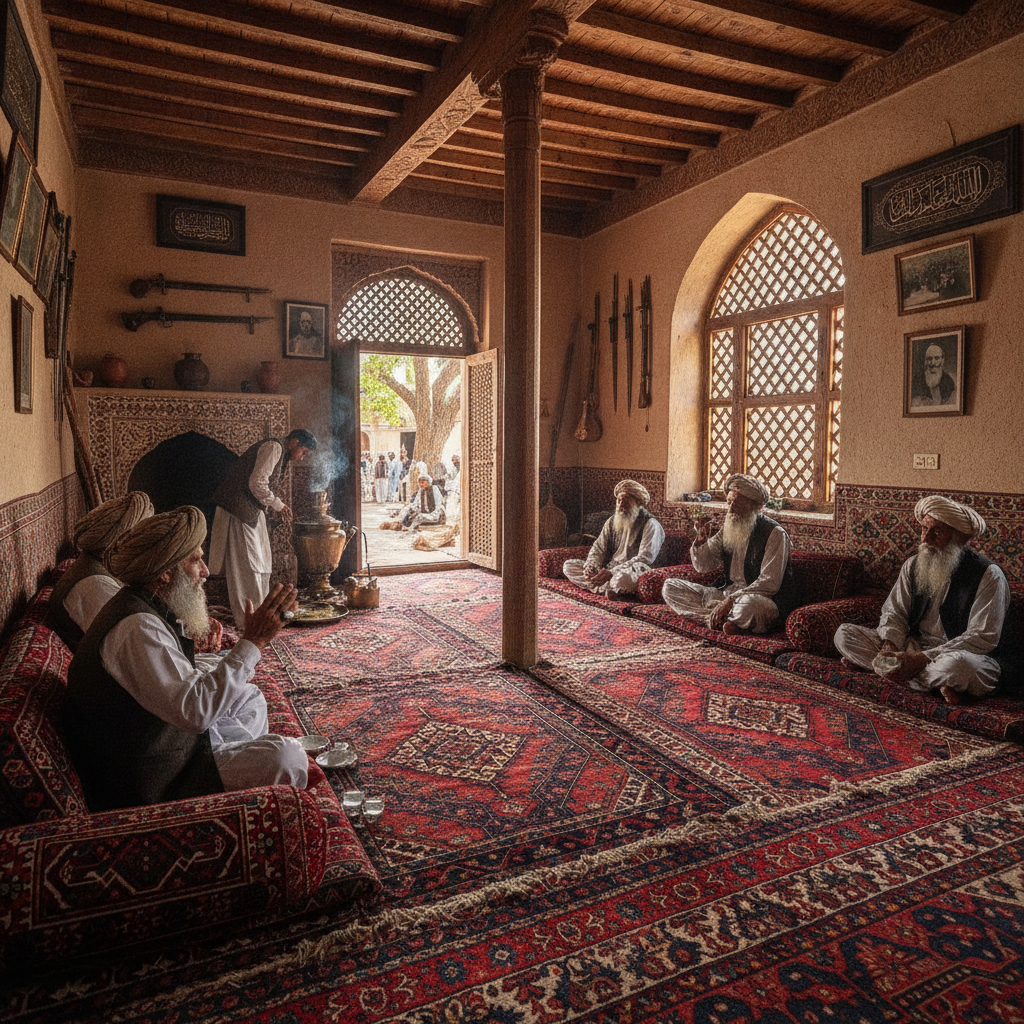
Stop at a traditional chai khana for the three-tea ceremony — the first cup black, the second with milk and sugar, the third sweet and milky, the ritual greeting served to guests and customers alike in the Pashtun hospitality tradition that has made these tea houses the social center of Peshawar's public life for centuries.
- 3
Dried Fruit and Nut Merchants
Browse the shops selling the dried fruits and nuts of the Khyber Pakhtunkhwa highlands — walnuts from Chitral, apricots from Hunza, raisins from Afghanistan, pine nuts from the tribal areas, and the dried mulberries that are traded here as they have been since the Silk Road caravans first passed through.
- 4
Jewelry and Silver District
The silver and gold jewelry section of the bazaar where Pashtun tribal jewelry — the heavy silver anklets, the elaborate nose rings, and the large pendants of the tribal women — is made and sold in tiny workshops where craftspeople hammer metal with ancestral techniques.
- 5
Copper and Brass Workshops
The copper and brass beating workshops where craftspeople produce the decorated vessels used in Pashtun households — the large trays, the decorated samovars for tea, and the ornamental brass work that is one of Peshawar's most distinctive craft traditions.
- 6
Mahabat Khan Mosque
The 17th-century Mughal mosque at the heart of the old city — its painted interior frescos making it one of the most distinctive mosques in Pakistan, the blue and pink decoration unusual among Pakistani mosques, the structure a reminder that Peshawar was a major Mughal provincial city.
Walk this route with audio
Stories play automatically as you reach each stop — no tapping needed.