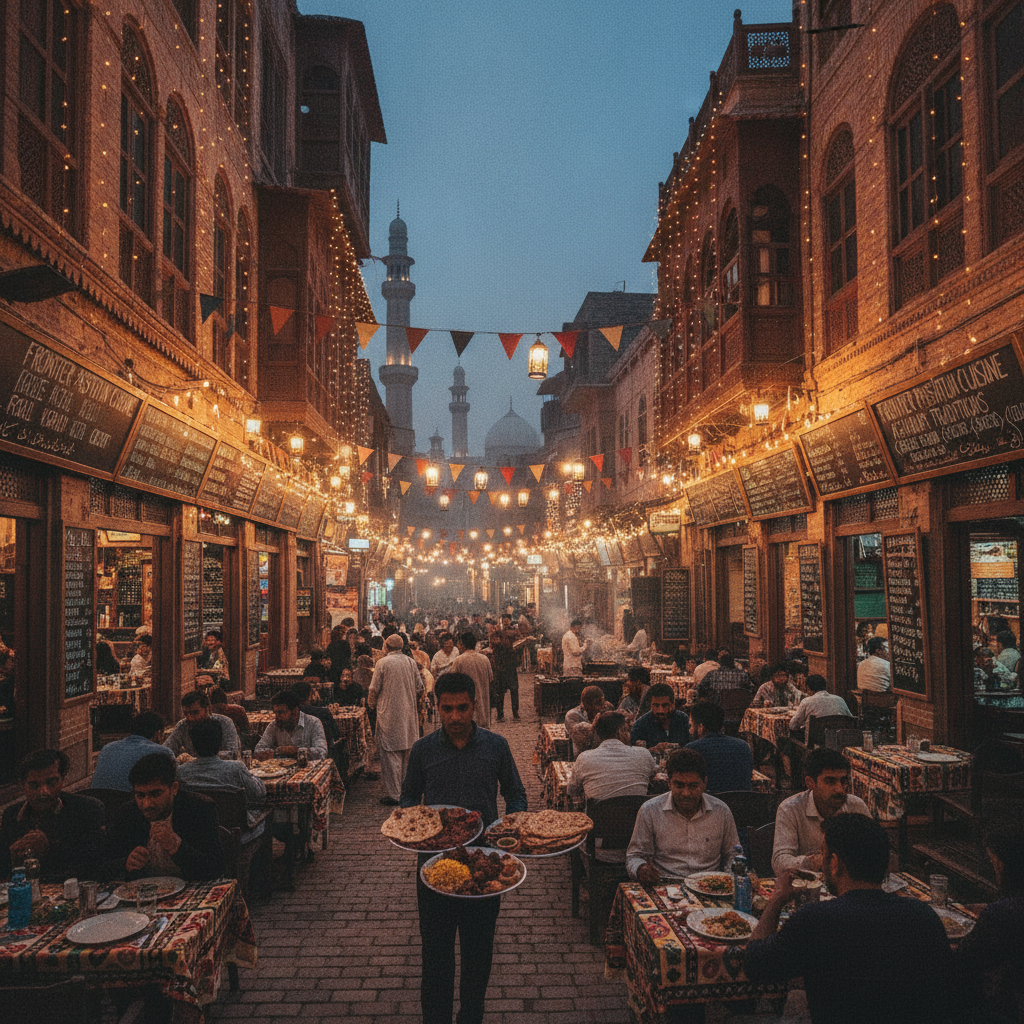
Peshawar Bala Hisar Fort and Khyber Gate History
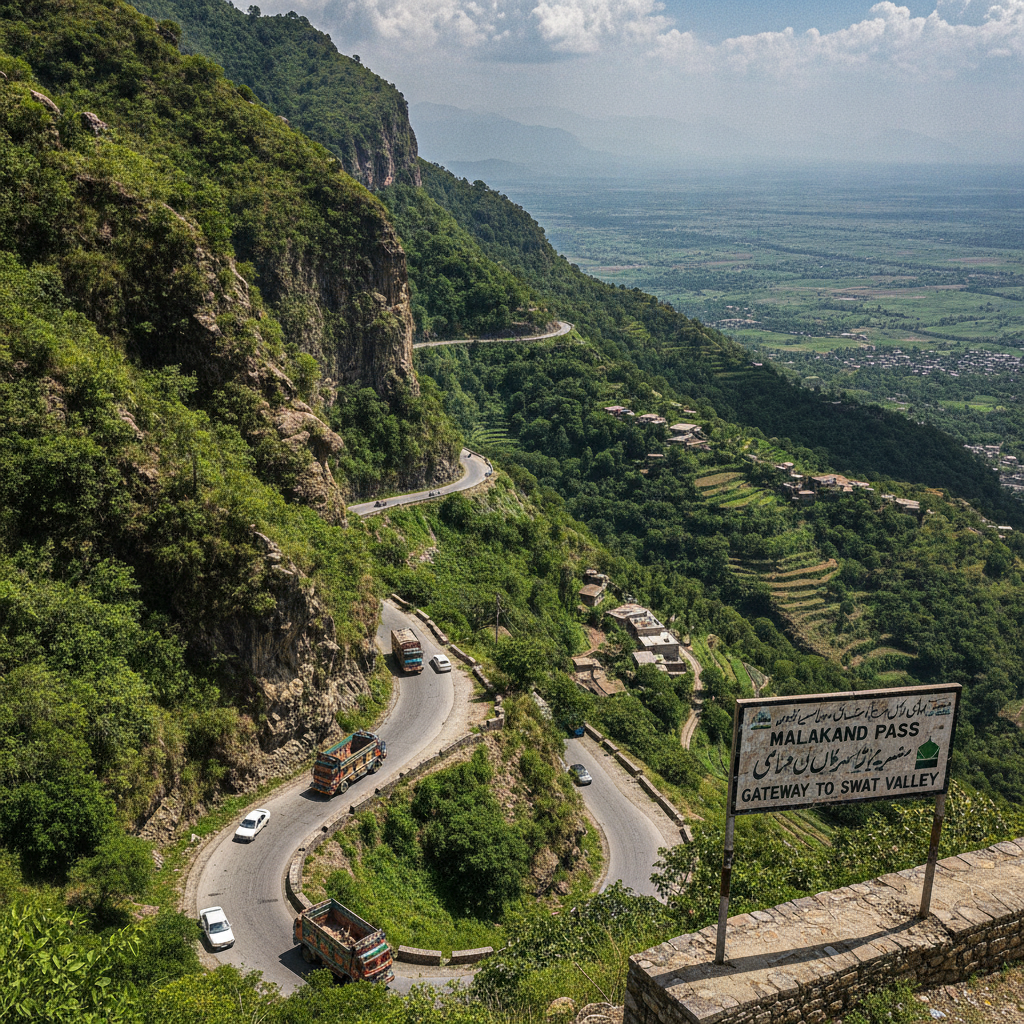
Visit the Bala Hisar Fort — the great fort that has dominated Peshawar since at least the Mughal period and served as the seat of Sikh, Afghan, and British rule over the frontier city, its massive walls overlooking the old city and the Khyber Pass road, the fort representing the strategic importance of Peshawar as the gateway between South Asia and Central Asia.
- 1
Bala Hisar Fort Outer Walls
Approach the massive mud-brick outer walls of Bala Hisar Fort — the fortification that has controlled Peshawar since the Mughal period, expanded by Sikh ruler Ranjit Singh in the 1820s and maintained by the British as their frontier command center, now a Pakistan Army installation.
- 2
Khyber Gate View
The historic gate in Peshawar's old city wall from which the Khyber Pass road begins — the gateway through which Mughal emperors, Afghan invaders, British expeditions, and countless caravans have passed on their way to or from the Khyber Pass and the Afghan borderlands beyond.
- 3
Cunningham Clock Tower
The 1900 British clock tower at the entrance to the old city — built by the British municipal administration and named after the Commissioner of Peshawar, the Victorian clock tower now surrounded by the traffic and commerce of the frontier city's busiest intersection.
- 4
Sethi Mohalla Historic Houses
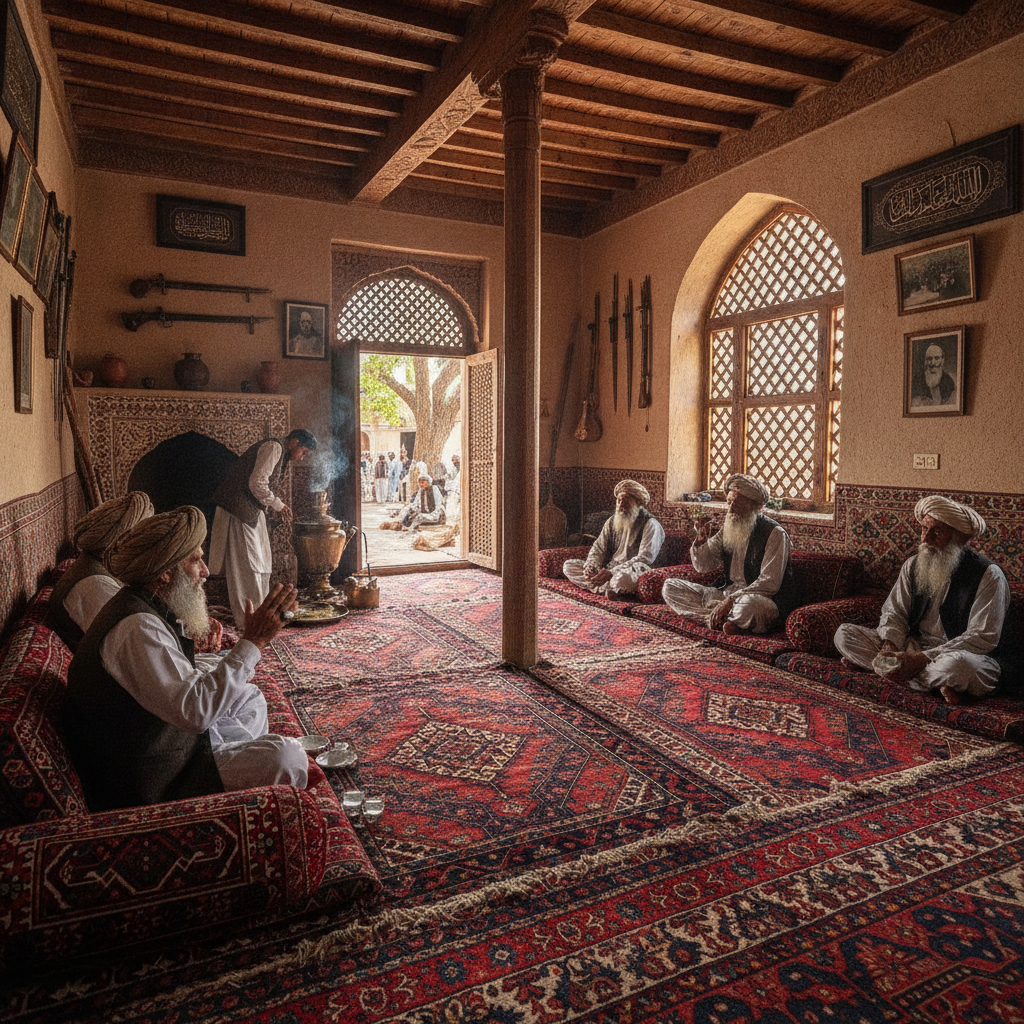
The 19th-century merchant houses of the Sethi family — the most elaborate surviving traditional domestic architecture in Peshawar, the carved wooden verandahs and decorated facades of these merchant mansions reflecting the wealth of the Hindu trading families who dominated Peshawar's commerce before Partition.
- 5
Gor Khatri Caravanserai
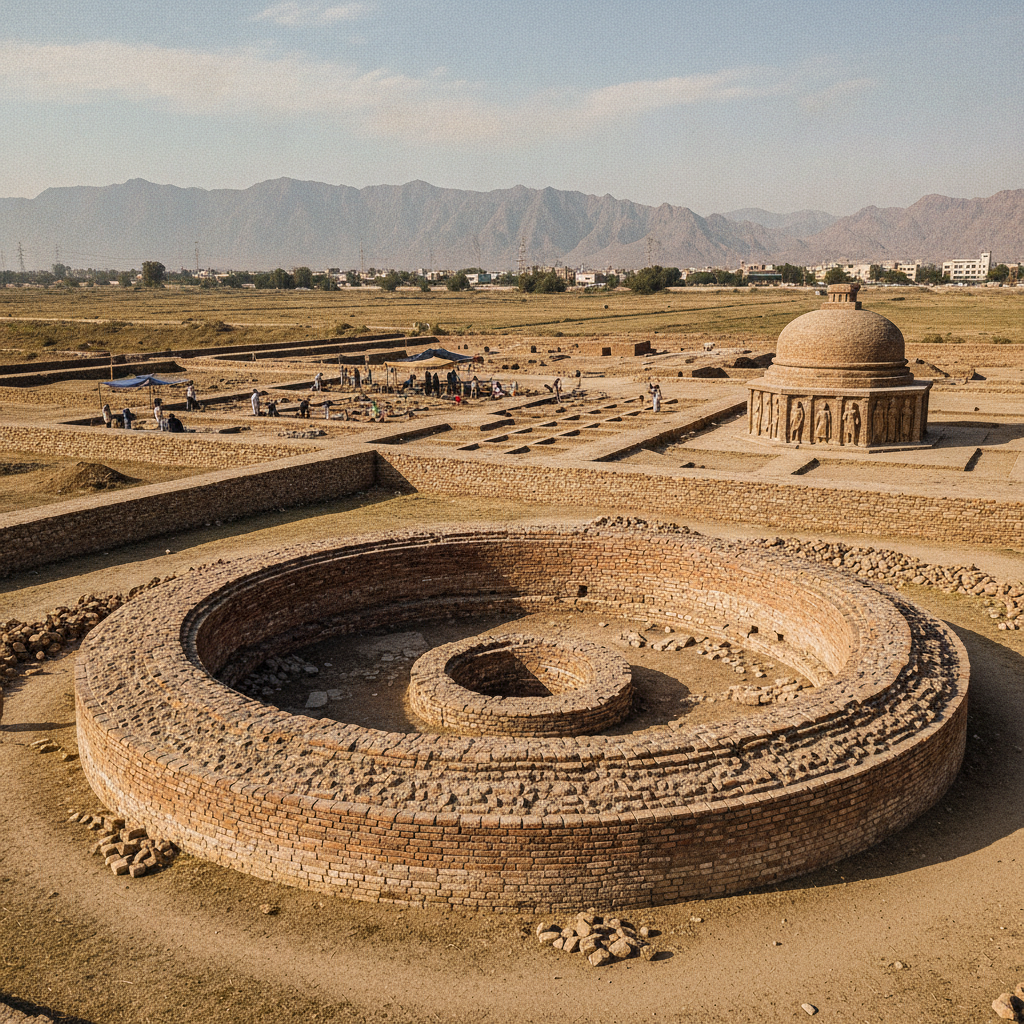
The ancient caravanserai complex in the heart of the old city — the resting place for Silk Road caravans that has served travelers since at least the Kushan period, the courtyard now an archaeological site with layers of Kushan, Hindu Shah, Mughal, and Sikh occupation visible.
- 6
Peshawar Museum
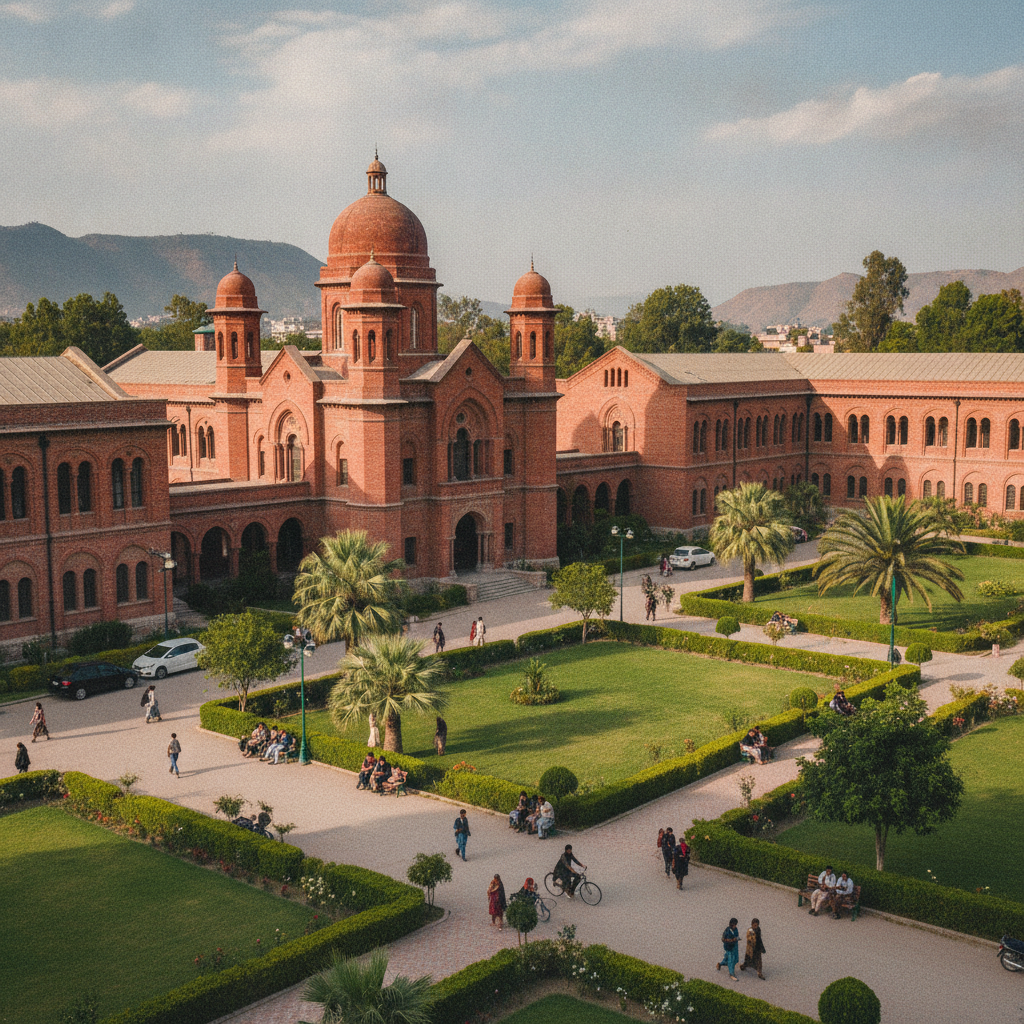
The 1907 Victorian building housing Pakistan's finest collection of Gandhara Buddhist sculpture — the stone figures from the 1st-5th centuries CE showing the Hellenistic influences that created the first images of the Buddha, the collection a window into the Buddhist civilization that dominated this region before Islam.
Walk this route with audio
Stories play automatically as you reach each stop — no tapping needed.