Perhentian Islands Local Culture & Fishing Village Walk
Discover the local life of the Perhentian Islands — the permanent resident community of the Perhentians, centred in the traditional fishing village of Kampung Pasir Hantu on Perhentian Besar, maintains the Terengganu Malay fishing culture that preceded tourism and continues alongside it.
- 1
Kampung Pasir Hantu Village
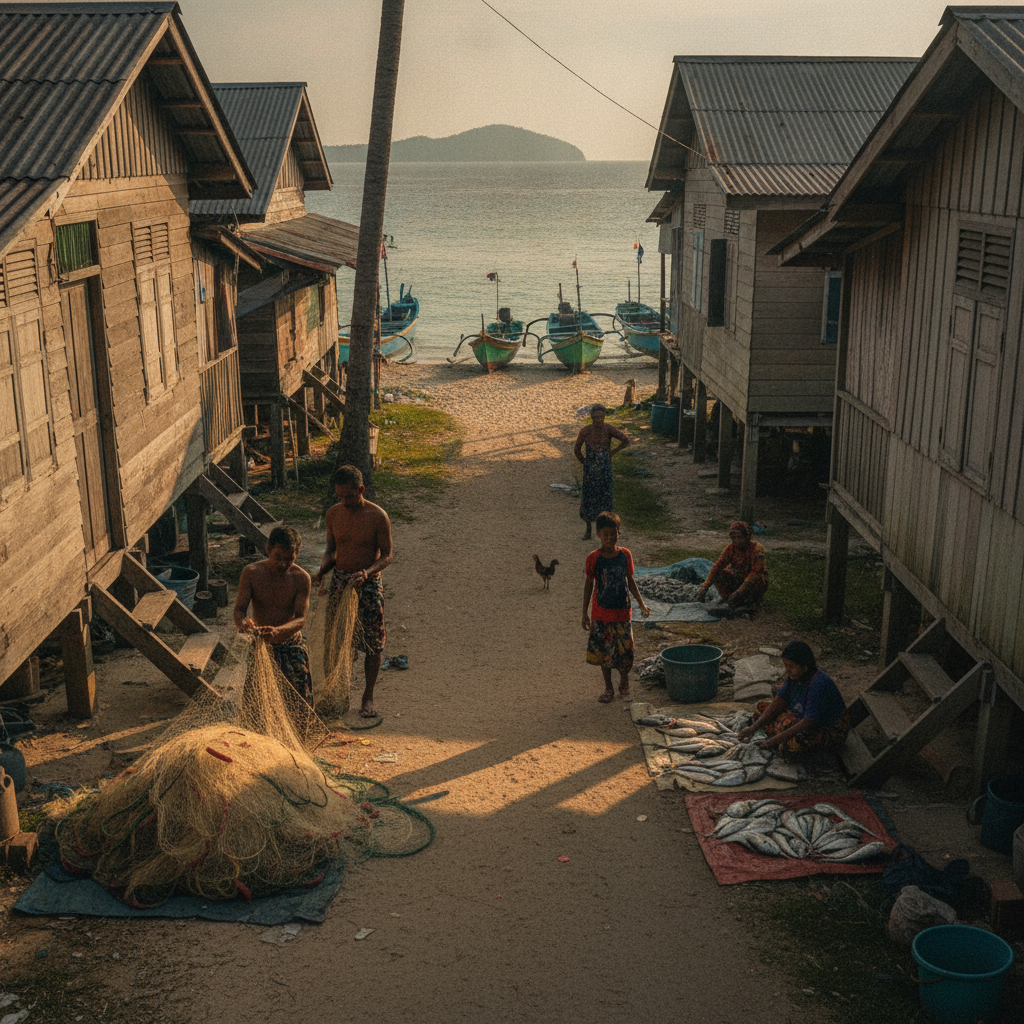
Kampung Pasir Hantu (Ghost Sand Village) is the permanent settlement on Pulau Perhentian Besar — the fishing village with its community mosque, the village school, and the traditional wooden houses of the permanent island residents provides the most direct encounter with the non-tourist culture of the Perhentians. The village community of approximately 100 families maintains the traditional Terengganu Malay fishing culture, with the fishing boats going out at night to the grounds beyond the marine park boundary and the morning fish sales at the village waterfront providing the fresh seafood that supplies the resort restaurants.
- 2
Traditional Fishing Boats
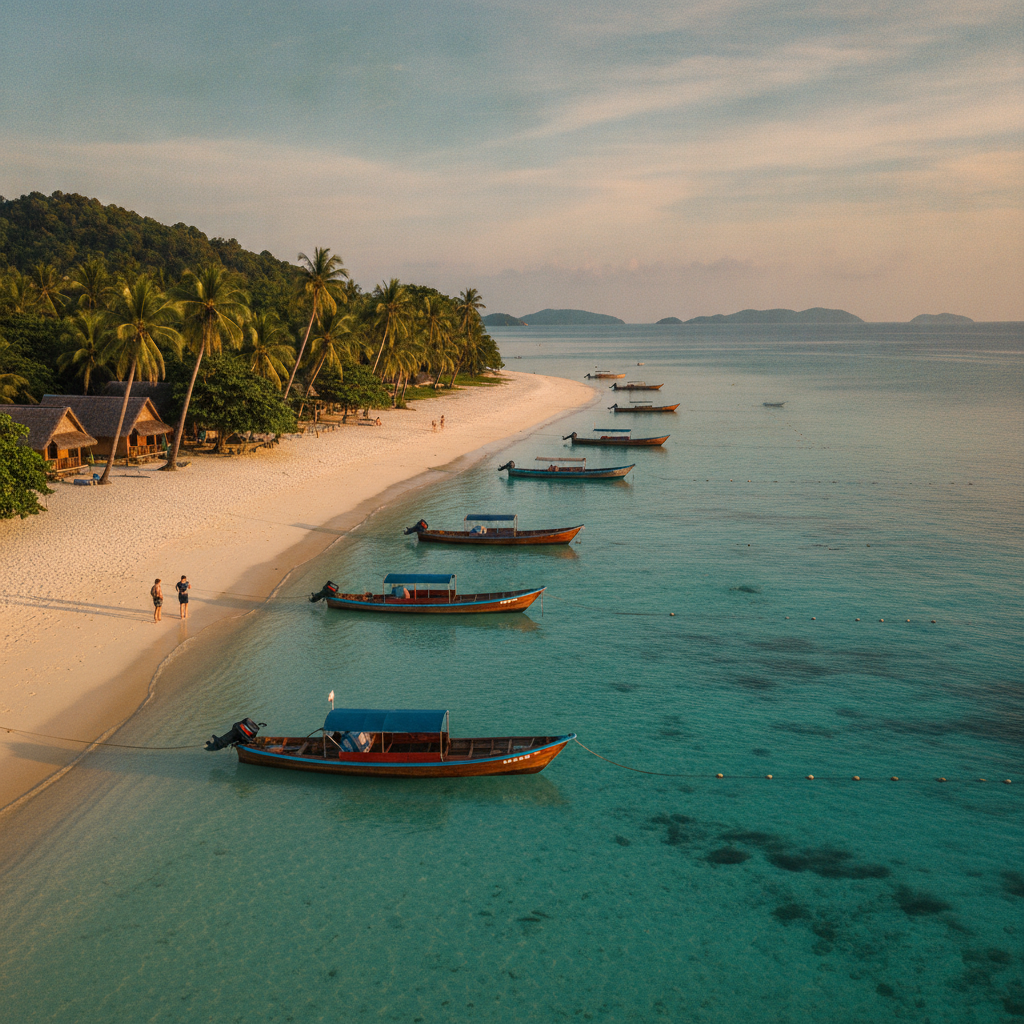
The traditional fishing boats of the Perhentian village community are the same design as the traditional Terengganu fishing vessels used throughout the east coast of Peninsular Malaysia — the brightly painted wooden boats with their upswept bows and the small outboard motors that have replaced the traditional sails maintain the form of the traditional vessel while adapting it for the modern fishing economy. The night fishing operations that supply the resort seafood restaurants and the village community with fresh fish represent the most direct link between the traditional Malay maritime culture and the contemporary island tourist economy.
- 3
Terengganu Malay Culture
The Perhentian Islands are part of Terengganu, the most conservative of Malaysia's coastal states — the Islamic cultural norms of Terengganu Malay society (including the expectation of modest dress when entering the village and the mosque, and the observation of Friday prayers as the week's primary religious obligation) coexist with the liberal tourist culture of the resort beaches in a negotiated coexistence that requires mutual respect. The resort operators, aware of the local cultural context, maintain certain standards (no alcohol in the village area, appropriate dress norms) while allowing the beach bar culture on the resort beaches that the tourist economy requires.
- 4
Malay Fishing Village Mosque
The village mosque in Kampung Pasir Hantu is the religious and community centre of the permanent Perhentian community — the modest wooden mosque, audible from the resort beaches during the five daily prayers and particularly during the amplified Friday khutbah (sermon), marks the presence of the traditional Malay Islamic community that preceded and continues to share the islands with the tourism industry. The mosque's call to prayer (azan) five times daily provides the most audible reminder of the cultural context in which the Perhentian Islands' tourism operates.
- 5
Fresh Seafood Supply Chain
The supply chain for the fresh seafood served in the Perhentian resort restaurants connects the tourist economy to the traditional fishing community — the fishermen who catch the reef fish, prawns, cuttlefish, and crab in the waters beyond the marine park sell their catch to the resort restaurants at the morning market, creating the economic link between the two communities sharing the island. The freshness of the seafood at Perhentian restaurants (fish eaten within hours of being caught) is a direct result of this short supply chain and provides a quality of seafood that distinguishes the island dining experience from mainland restaurants.
- 6
Perhentian Island History
The Perhentian Islands were used as a waystation (perhentian = stopping point in Malay) by traders sailing between the Thai kingdom of Pattani and the Malay kingdoms of the Peninsula — the name reflects the islands' historical function as a rest stop for the trading vessels that crossed the South China Sea, and the freshwater streams on both islands were the practical reason for the stopping. The permanent settlement of fishermen dates from the late 19th century, and the transformation of the islands from a fishing community into a tourist destination from the 1980s onwards represents one of the most rapid economic transformations in any Malaysian coastal community.
Walk this route with audio
Stories play automatically as you reach each stop — no tapping needed.