Penang Indian Communities & Little India Walk
Explore Penang's Indian cultural heritage — the Tamil, Telugu, Malayali, Punjabi, and Tamil Muslim communities who came to Penang from the 18th century as traders, labourers, and professionals created a diverse South Asian presence that has shaped the island's food, religion, and commercial culture.
- 1
Sri Mahamariamman Temple
The Sri Mahamariamman Temple on Penang Street is the most important South Indian Hindu temple in George Town — the temple dedicated to Mariamman (the Tamil goddess of rain and disease) is the starting and ending point of the annual Thaipusam procession when devotees carrying kavadi (elaborate steel frames with hooks pierced through their skin) walk from this temple to the Waterfall Hindu Temple on Penang Hill. The temple's colourful gopuram (tower) decorated with hundreds of Hindu deities in painted stucco represents the South Indian temple architectural tradition maintained by the Tamil community through generations of settlement in Penang.
- 2
Little India Lebuh Pasar
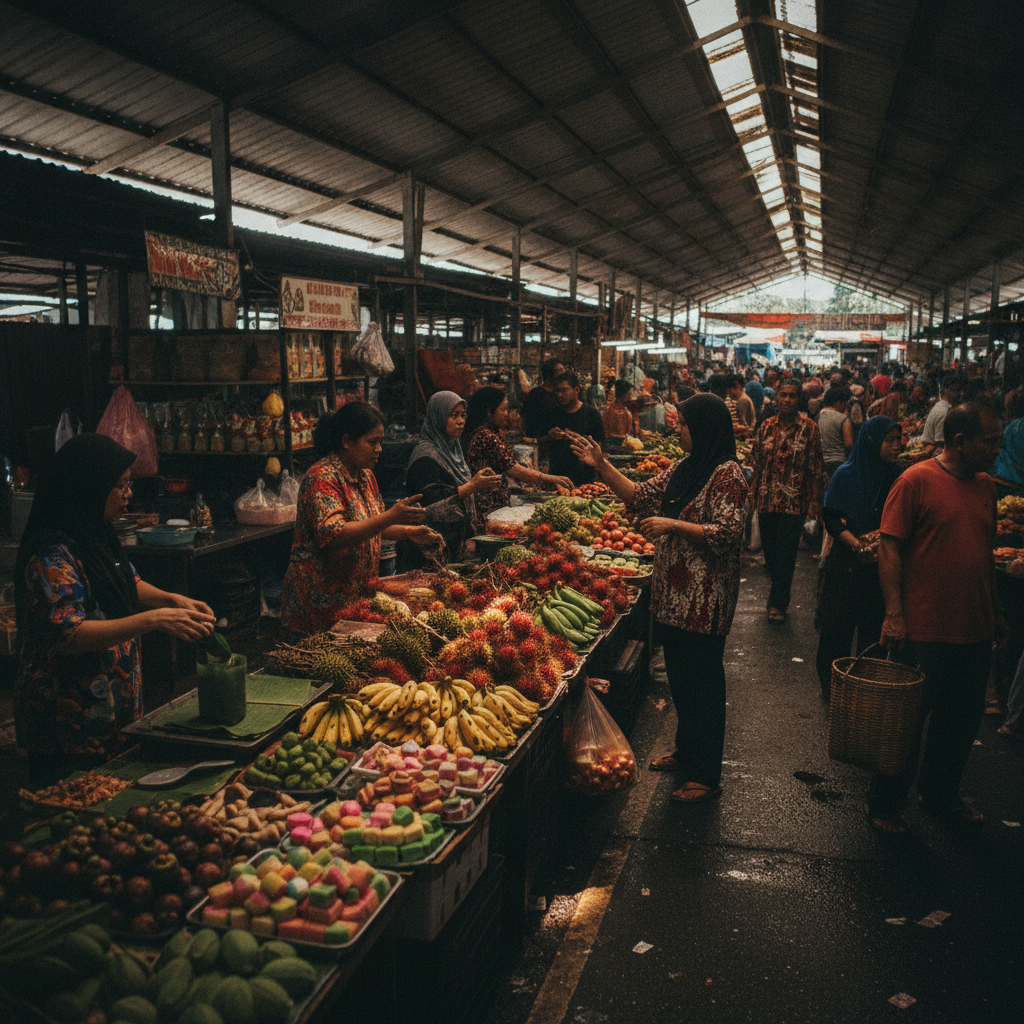
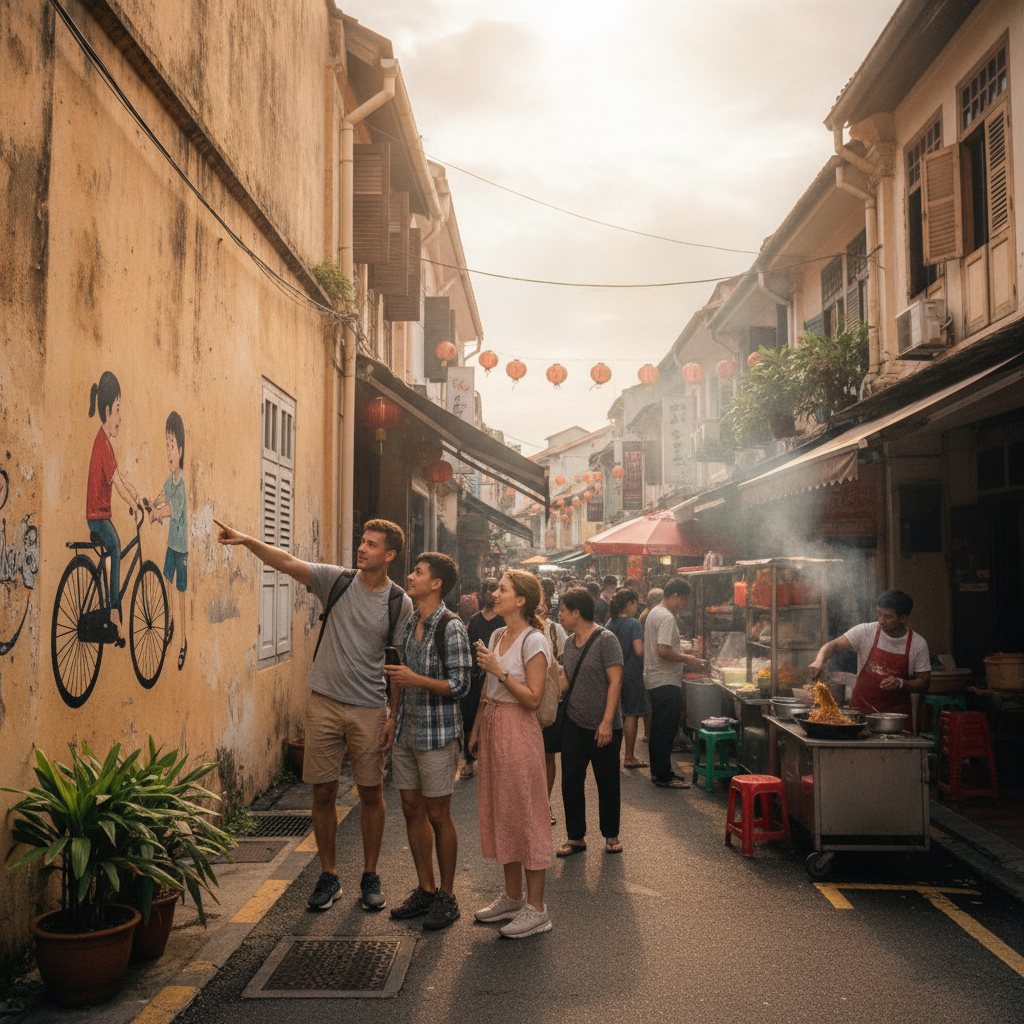
Penang's Little India concentrated along Lebuh Pasar (Market Street) and the surrounding lanes is the most commercially active South Asian district in Malaysia north of Kuala Lumpur — the sari shops with their bolts of silk and cotton fabric, the gold jewellery shops serving the Tamil community's ceremonial needs, the jasmine garland sellers whose flowers fill the air around the temple, and the textile importers serving both the Indian community and the wider Penang garment industry create a concentrated commercial district that has maintained its Indian character despite rising property values in George Town's heritage zone.
- 3
Nasi Kandar Restaurants Row
The nasi kandar restaurants of George Town's Indian Muslim district represent the most internationally celebrated contribution of Penang's South Indian Muslim community to Malaysian food culture — the establishments serving rice with multiple curry choices (fish head curry, chicken curry, dalca lentil, and the various vegetable preparations) ladled together over the rice in combinations of the diner's choosing have spread the nasi kandar format throughout Malaysia but maintain their highest standard in the original George Town restaurants. The Tamil Muslim community (Jawi Peranakan) who developed nasi kandar were among the earliest Indian settlers in Penang.
- 4
Waterfall Road Hindu Temples
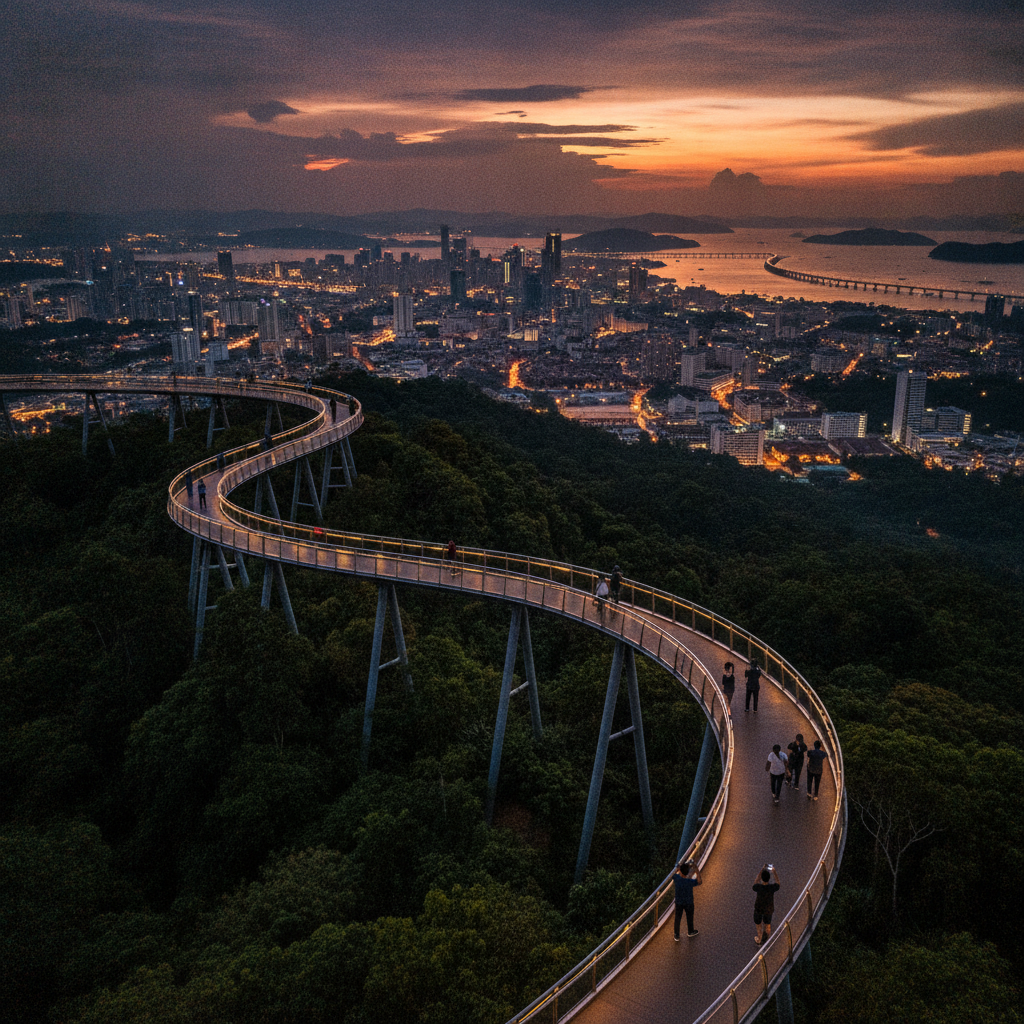
The Waterfall Road leading up toward Penang Hill has the densest concentration of Hindu temples in Malaysia — the road to the hilltop has been a pilgrimage route since the colonial era, and the temples of various South Indian Hindu traditions established along its length create a religious landscape that is most dramatically experienced during Thaipusam when the procession of kavadi bearers makes its way up the road from the city's Sri Mahamariamman temple to the Waterfall Hindu Temple at the road's end. The procession, one of Malaysia's most spectacular annual religious events, draws hundreds of thousands of observers.
- 5
Penang Thaipusam Celebration
Thaipusam in Penang is the largest Hindu festival celebration in Malaysia — the annual festival honouring the Hindu god Murugan (Skanda), celebrated on the full moon of the Tamil month Thai (January/February), involves devotees fulfilling vows by carrying kavadi (elaborate steel structures with hooks pierced through the skin of the chest and back) from the Sri Mahamariamman Temple to the Waterfall Hindu Temple. The combination of devotional intensity, the scale of participation, and the physical drama of the kavadi bearers makes Penang's Thaipusam one of the most extraordinary religious events in Southeast Asia.
- 6
Tamil Heritage Centre
The Tamil heritage documented in Penang includes the contributions of the Tamil rubber estate workers, the Tamil merchant and professional class, and the Tamil Muslim community whose nasi kandar created a global food phenomenon — the George Town's Tamil Heritage Foundation preserves the documentation of this community's role in building Penang's commercial and social infrastructure from the earliest British colonial period. The Tamil community's story in Penang, from the plantation labourers of the 19th century to the professional and business families of the contemporary city, mirrors the broader story of Indian migration to Southeast Asia.
Walk this route with audio
Stories play automatically as you reach each stop — no tapping needed.