Chilean Patagonia: Torres del Paine, the W Trek, and the Wild Southern Andes
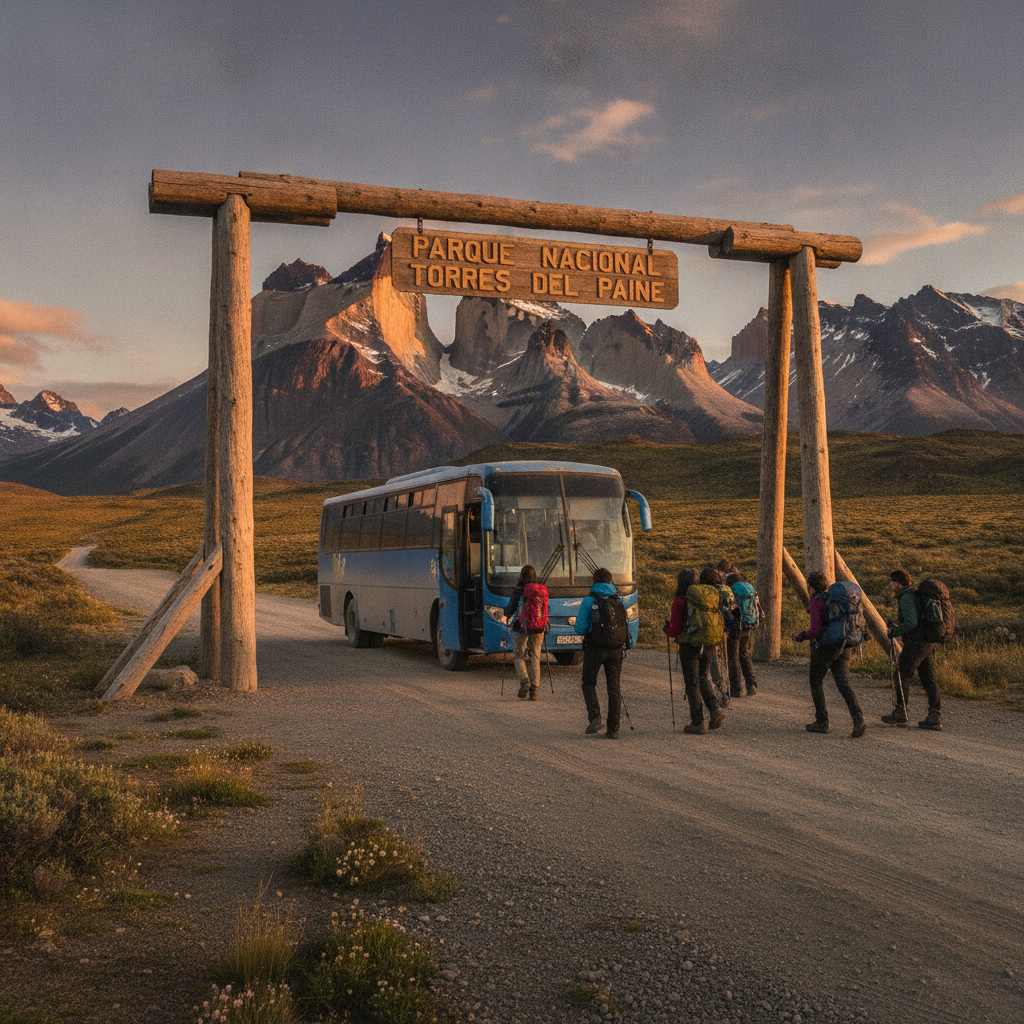
Torres del Paine National Park in Chilean Patagonia is one of the finest wilderness destinations on Earth, protecting a landscape of granite towers, turquoise glacial lakes, hanging glaciers, and the open steppe of the Patagonian pampa in a setting of extraordinary visual power accessible to trekkers through the famous W Trek and O Circuit.
- 1
Torres del Paine: The Three Granite Towers
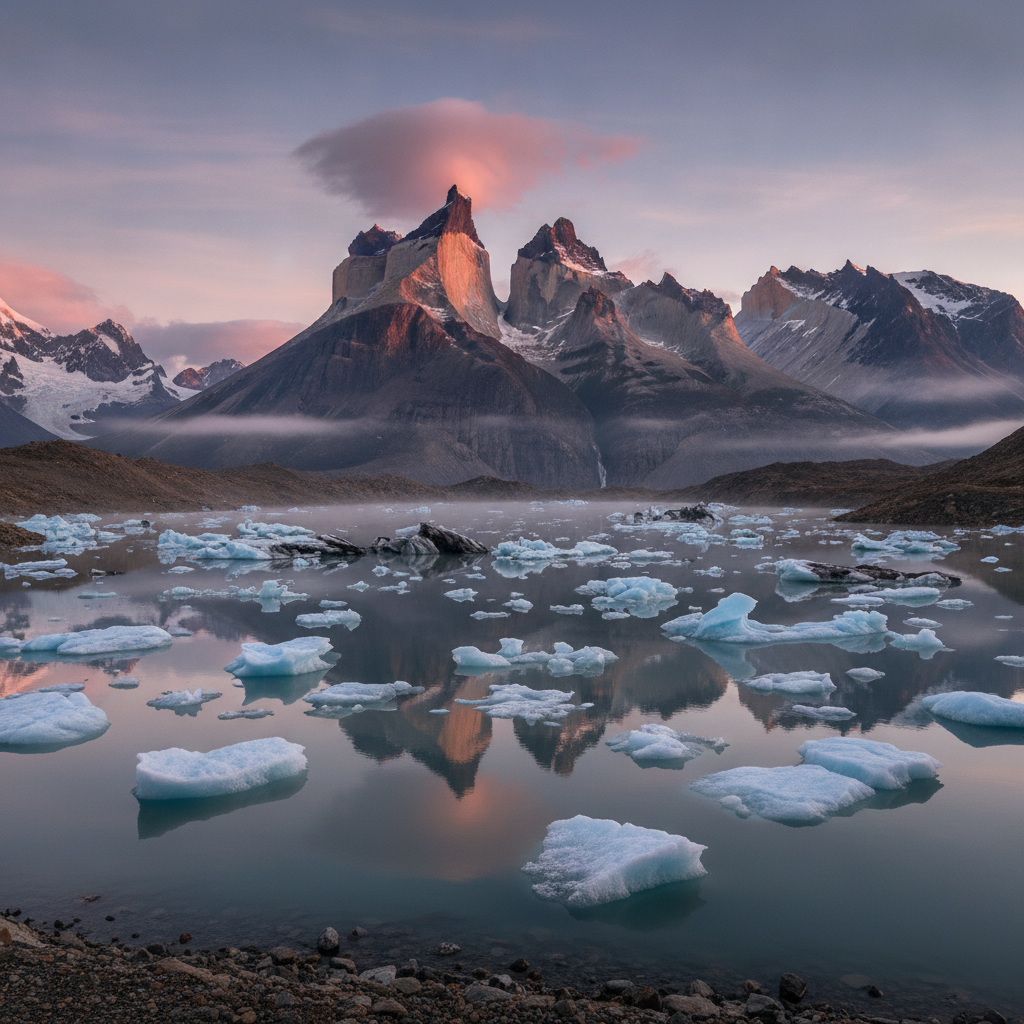
The Torres del Paine, three granite monoliths rising vertically from the Patagonian steppe to heights between 2,500 and 2,800 meters, are the visual icons of Chilean Patagonia and among the most dramatically photographed mountain formations in the world. The classic view of the towers reflected in the Laguna Torres at dawn, achievable only after a 90-minute pre-dawn walk from the base camp at Chileno, is the most sought-after image in South American landscape photography.
- 2
The W Trek: The Four-Day Classic Circuit
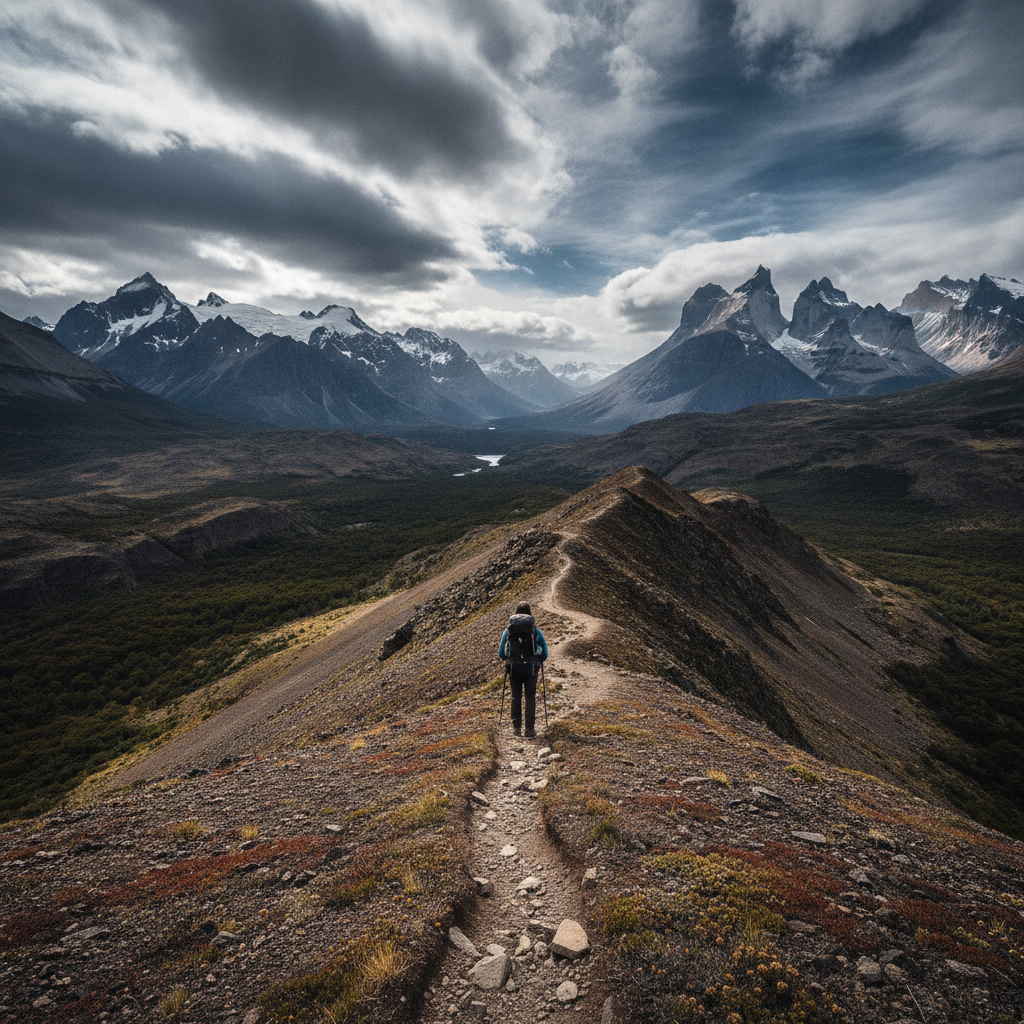
The W Trek, named for the W-shaped path it traces through the park over four to five days, is the most popular multi-day trekking route in South America and connects the Torres base with the Valle del Frances and the Grey Glacier in a circuit that covers the three most dramatic landscapes of the park. The route is manageable for fit hikers without technical mountaineering experience but requires advance booking of the refugios and camping sites that fill months in advance.
- 3
Los Cuernos: The Painted Horns
Los Cuernos del Paine, the distinctive dark-capped granite horns whose two-tone appearance results from the erosion of the dark sedimentary rock cap from the lighter granite core beneath, are visible from the central section of the W Trek and from the boat crossing of Lago Pehoe. The combination of the Cuernos with the turquoise Nordenskjold lake below creates the most complete composition of the Torres del Paine landscape.
- 4
Grey Glacier: Walking on Ancient Ice
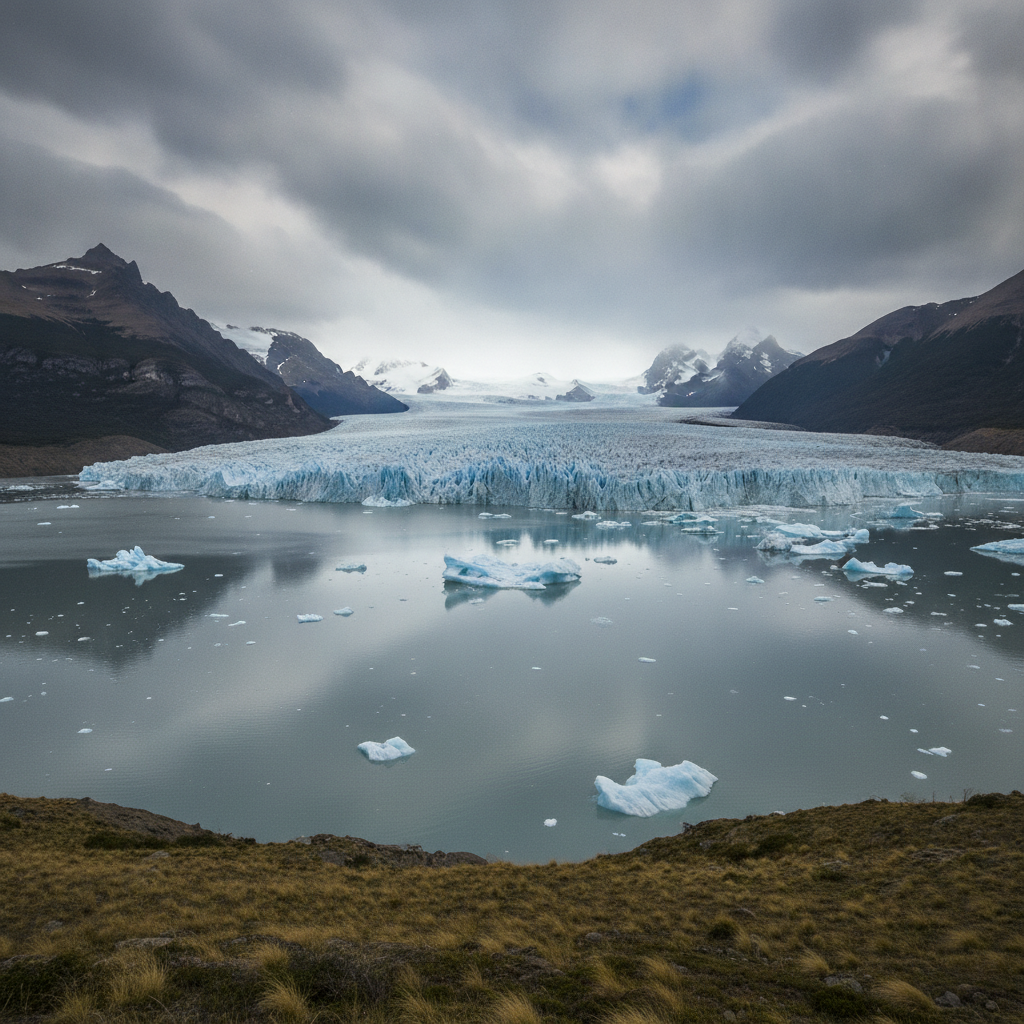
The Grey Glacier at the western end of the W Trek is accessible by both trekking and by boat excursion from the Grey lake shore, and provides the opportunity for ice trekking on the surface of the glacier with crampons and guide. The blue ice of the glacier, with its caves, crevasses, and the icebergs calved into the Grey lake, creates a sensory experience of the glacier environment that is central to the Patagonian wilderness experience.
- 5
Puma Sightings: Wildlife of the Patagonian Steppe
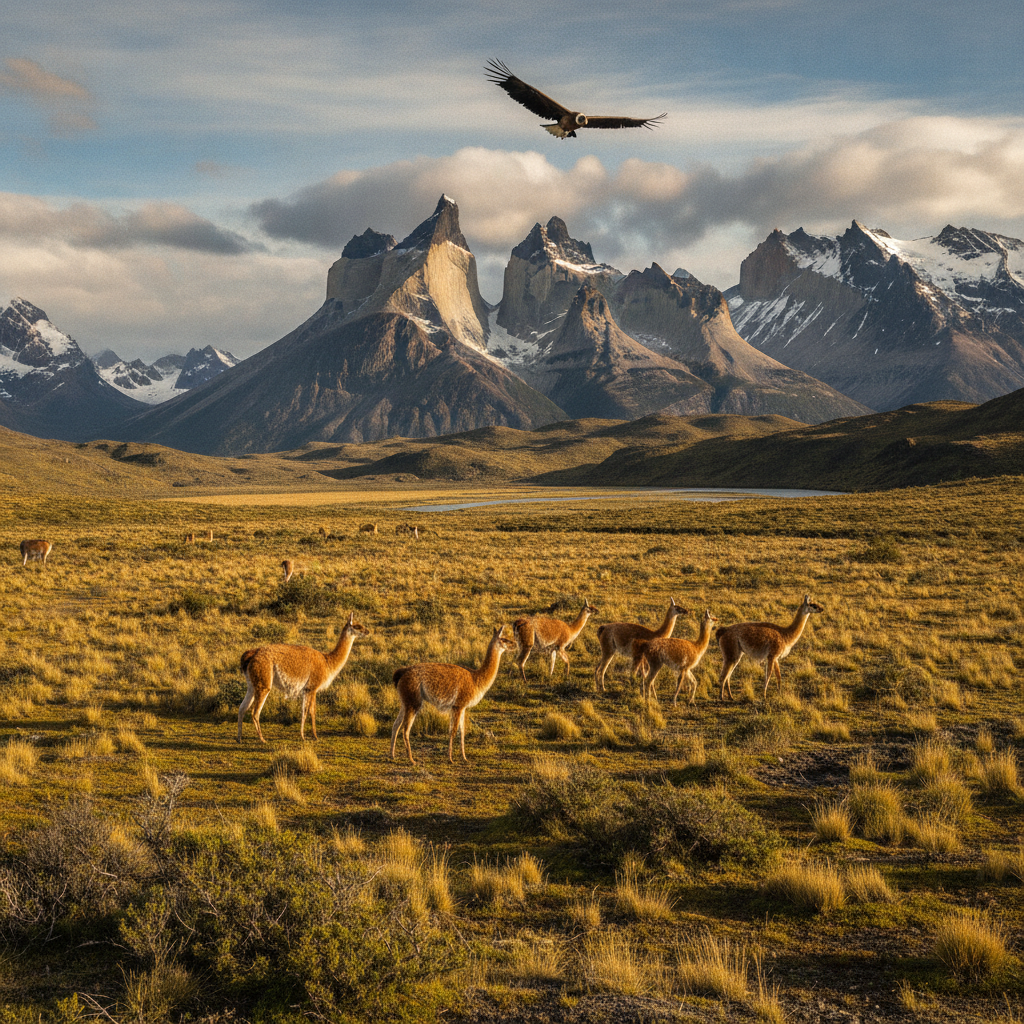
Torres del Paine is one of the best places in the world for puma sightings, with an estimated 30 to 40 individuals in the park who have become increasingly habituated to human presence in the vehicle accessible areas around Lago Sarmiento and Lago Azul. The pumas of Torres del Paine prey primarily on guanaco and are most active around dawn and dusk; guided puma watching excursions from Puerto Natales offer the highest success rates.
- 6
Puerto Natales: The Gateway Town
Puerto Natales, the gateway town for Torres del Paine located 112 kilometers south of the park entrance, is a community of 20,000 inhabitants that has transformed from a wool and fishing town into one of the most well-equipped outdoor adventure bases in South America, with excellent restaurants, gear shops, and accommodation serving the international trekker community.
Walk this route with audio
Stories play automatically as you reach each stop — no tapping needed.
More in Patagonia
Argentine Patagonia: Perito Moreno Glacier, Fitzroy, and Los Glaciares National Park
Chilean Patagonia Beyond Torres del Paine: Carretera Austral, Marble Caves, and Perito Moreno
Patagonia Conservation: Rewilding, Glacier Retreat, and the Future of the Last Wilderness
Torres del Paine Trekking: O Circuit, Refugios, Packing for Wind, and Wildlife
Patagonian Wildlife: Condors, Guanacos, Whales, and the Penguin Colonies