Torres del Paine Trekking: O Circuit, Refugios, Packing for Wind, and Wildlife
The trekking logistics of Torres del Paine require advance planning for the accommodation booking, appropriate equipment for the famous Patagonian weather, and an understanding of the different experiences offered by the crowded W Trek and the remote O Circuit.
- 1
The O Circuit: The Full Park Traverse
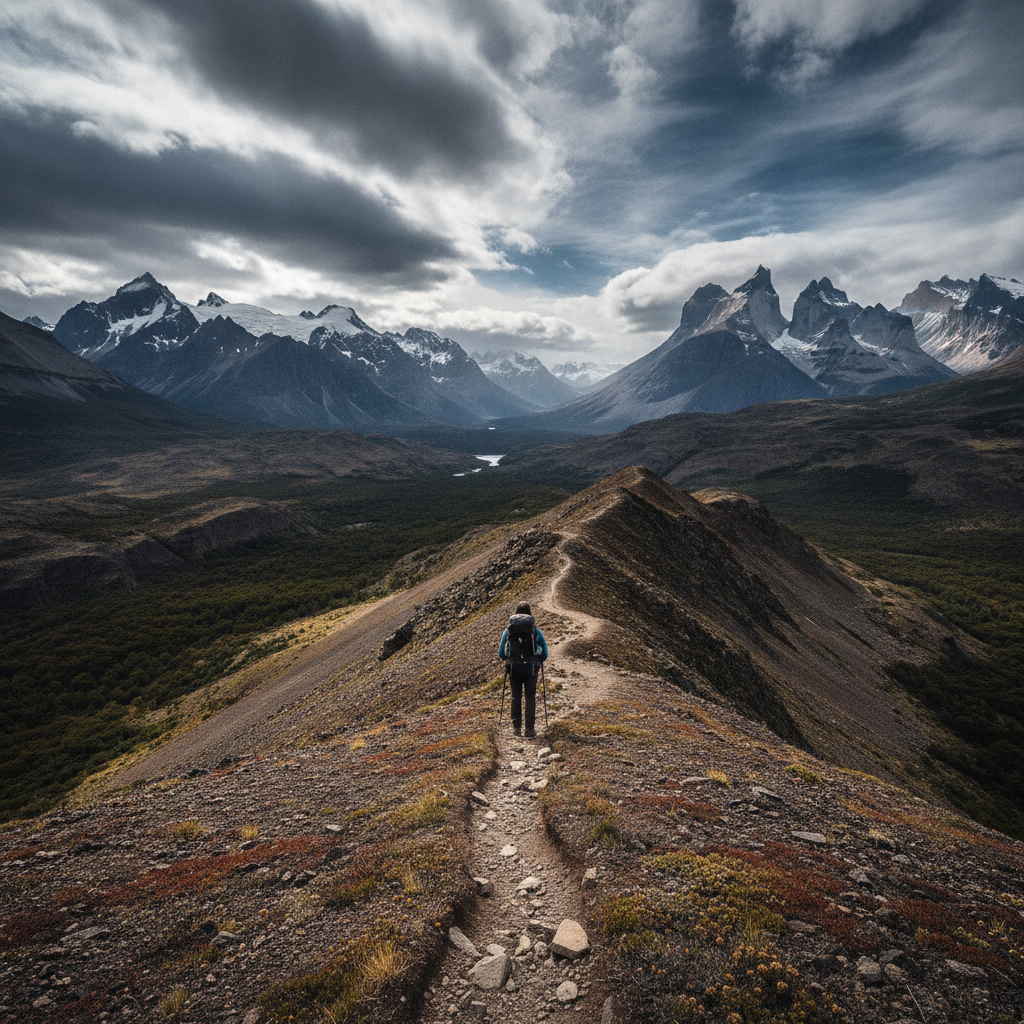
The O Circuit, a 7 to 9 day loop that extends the W Trek with the remote and physically demanding back section through the Valle del Rio de los Perros and the northern zone of the park, is considered by experienced trekkers to offer the finest and most complete wilderness experience in Chilean Patagonia; the back section has fewer visitors and more demanding terrain than the W Trek section.
- 2
Refugio System and Camping
The park accommodation system of Torres del Paine divides between the EcoCamp, Las Torres, and Explora luxury lodges and the mountain refugio and campsite network managed by the Fantastico Sur and Vertice Patagonia concessions; all accommodation requires advance booking that is typically done six to twelve months before the summer season.
- 3
Packing for Patagonian Weather
The notorious Patagonian wind, which can reach 120 kilometers per hour in summer, makes appropriate clothing selection the most critical logistical element of a Torres del Paine trek; the minimum effective kit includes a windproof and waterproof outer shell, insulating mid-layers, warm hat and gloves, and sunglasses to manage the combination of cold wind and intense UV radiation at southern latitudes.
- 4
Photography in the Park: Light, Weather, and Composition
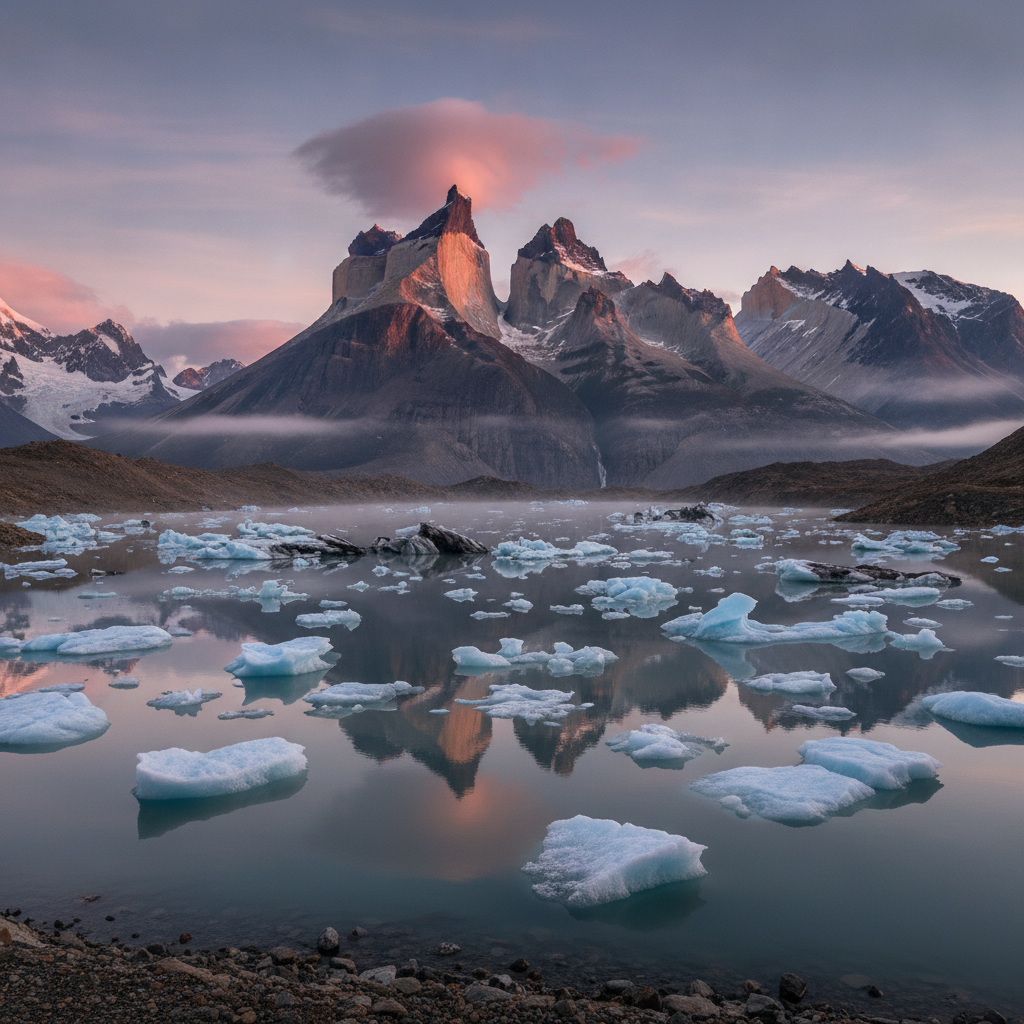
The unpredictable weather of Patagonia creates extraordinary photographic opportunities when storm light breaks through cloud layers to illuminate the towers with dramatic side lighting; the most experienced photographers in the park accept that the finest shots often occur in conditions that would normally be dismissed as poor photography weather.
- 5
Wildlife Beyond the Puma: Condor, Guanaco, and Rhea
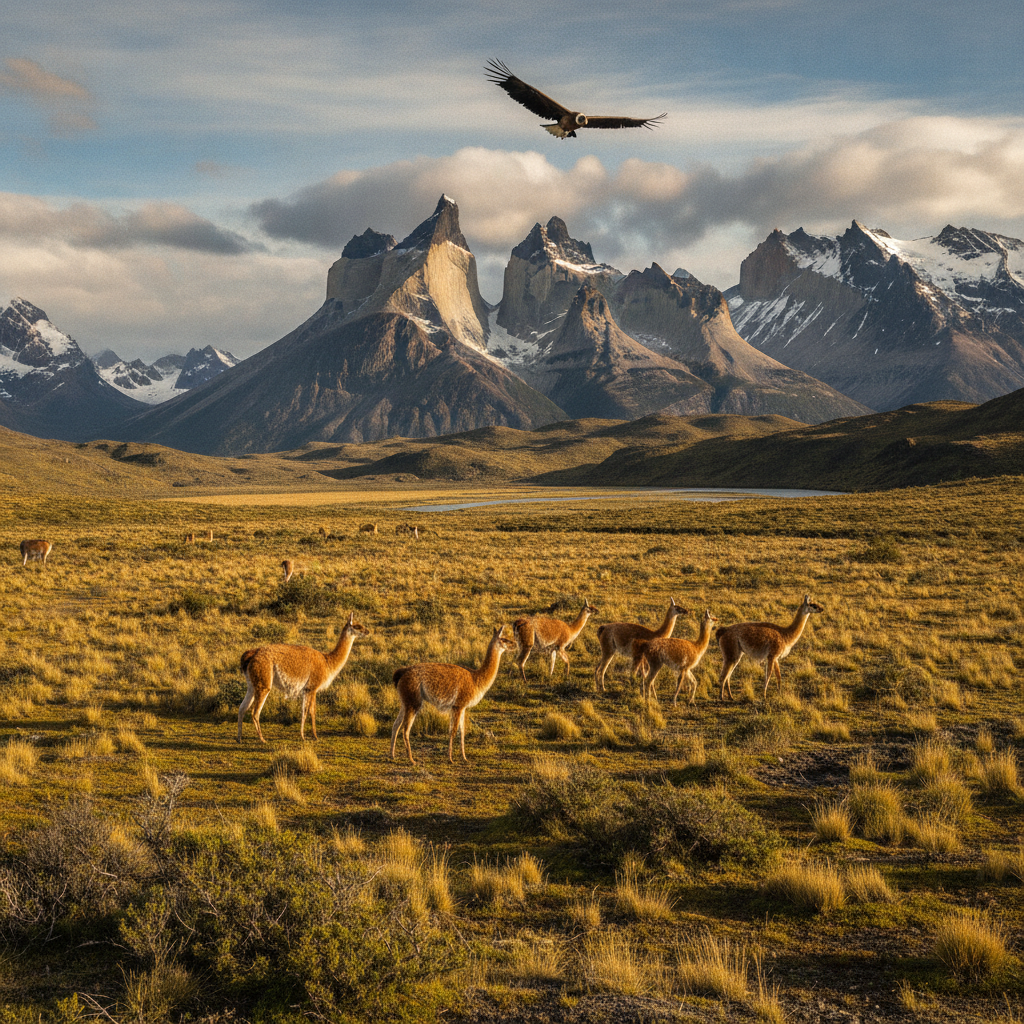
The wildlife of Torres del Paine extends beyond the celebrated puma sightings to include large herds of guanaco visible from the park roads, Andean condors soaring on the thermal currents above the towers, and the Darwin's rhea grazing on the pampa in groups that can number in the dozens. The pampas near the park entrance provide the most reliable wildlife observation.
- 6
Getting to Torres del Paine from Puerto Montt
The journey from Puerto Montt or Puerto Varas in the Chilean Lake District to Torres del Paine requires either a direct flight to Punta Arenas followed by a bus to Puerto Natales, or the overland route through the Carretera Austral and ferry crossings that constitutes one of the most dramatic road journeys in South America and connects the lake district wilderness with the Patagonian steppe through the intermediate fjord and glacier landscapes of Aysen.
Walk this route with audio
Stories play automatically as you reach each stop — no tapping needed.
More in Patagonia
Argentine Patagonia: Perito Moreno Glacier, Fitzroy, and Los Glaciares National Park
Chilean Patagonia Beyond Torres del Paine: Carretera Austral, Marble Caves, and Perito Moreno
Patagonia Conservation: Rewilding, Glacier Retreat, and the Future of the Last Wilderness
Patagonian Wildlife: Condors, Guanacos, Whales, and the Penguin Colonies
Patagonia Practical Guide: Booking Season, Permits, Cross-Border Circuit, and Logistics