Patagonian Culture: Gauchos, Mapuche Heritage, Welsh Colonists, and the Literary Tradition
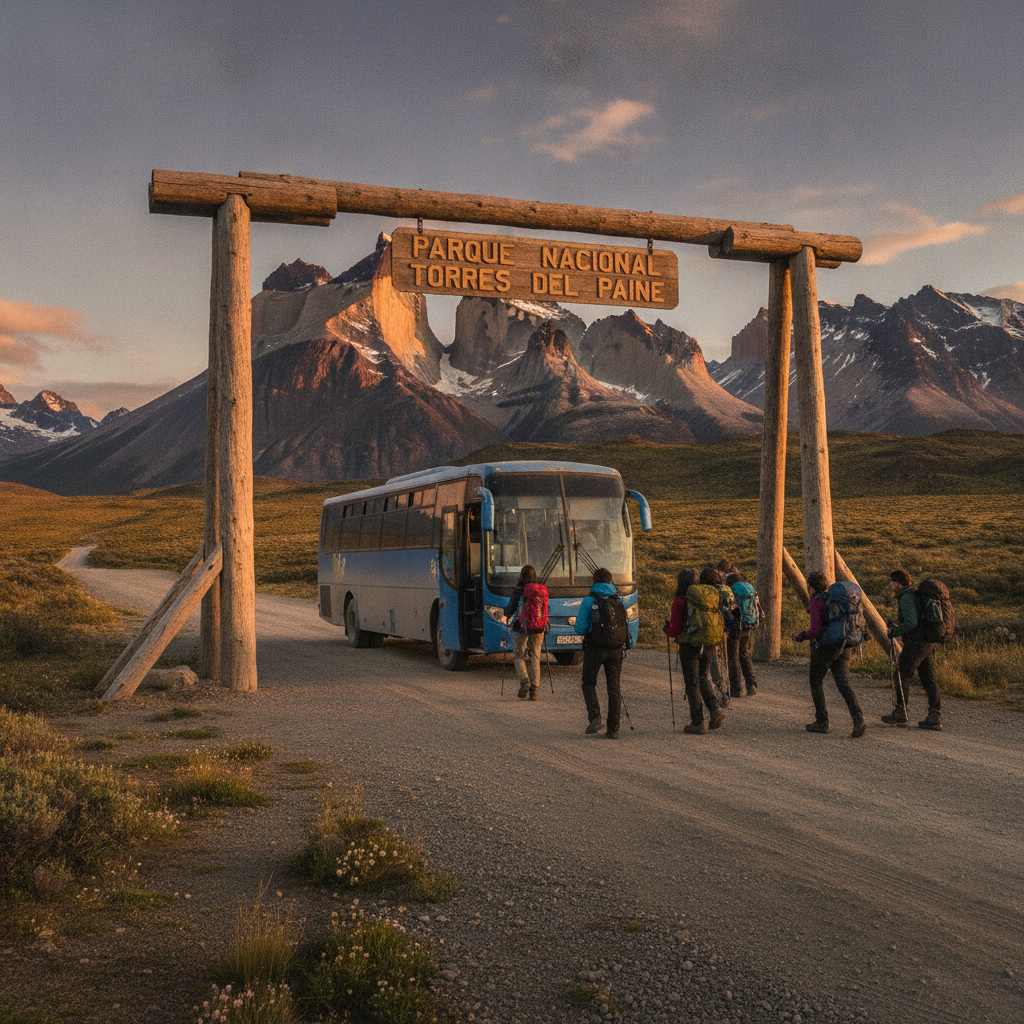
The cultural life of Patagonia is as rich and layered as its natural landscapes, encompassing the gaucho herding tradition, the surviving Mapuche indigenous culture, the improbable Welsh colony of the Chubut Valley, and the literary heritage of Bruce Chatwin and Darwin who gave the region its place in the world's imagination.
- 1
Patagonian Gaucho Culture: The Southern Ranching Tradition
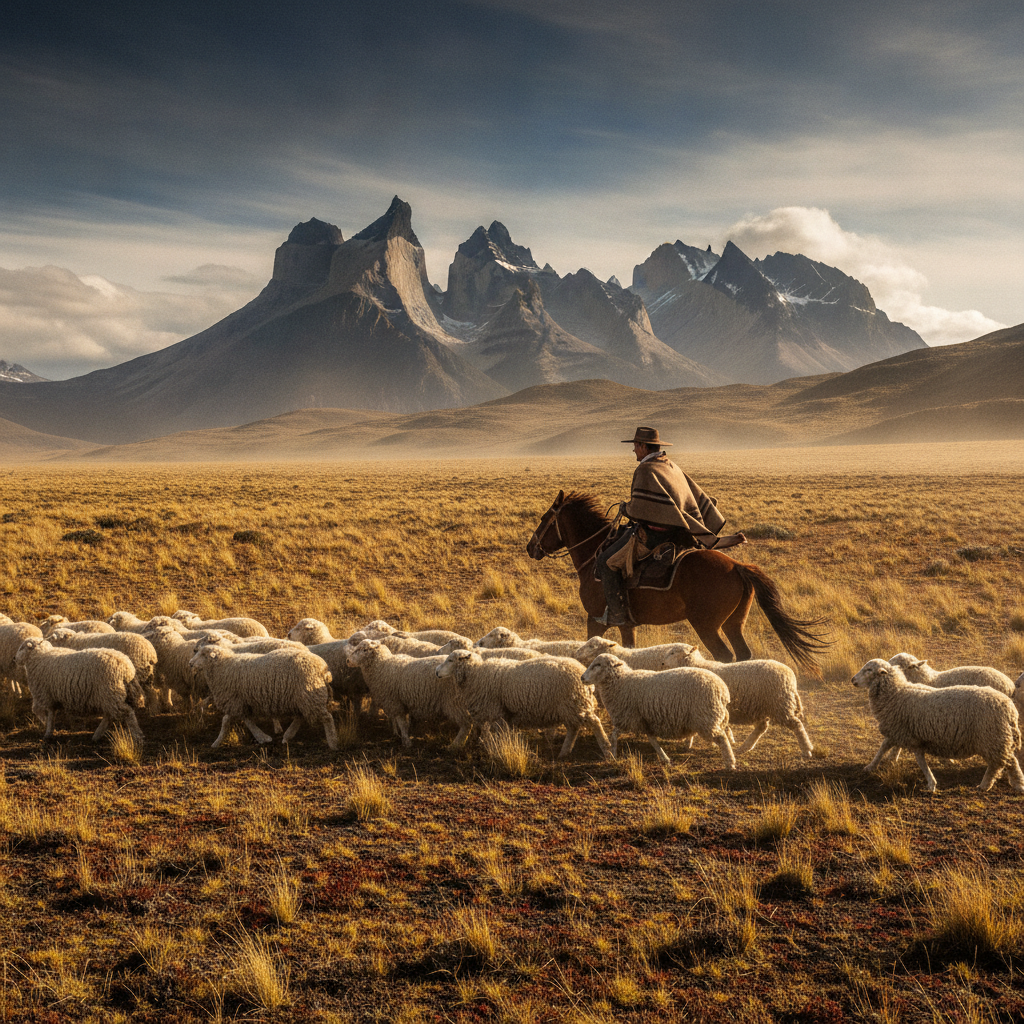
The Patagonian gaucho, the cattle and sheep herder of the southern steppe, is a cultural figure distinct from the gaucho of the Argentine pampas, shaped by the harsher climate and more extreme isolation of the southern ranching frontier. The estancias of Chilean and Argentine Patagonia that open to tourism offer asado experiences, horseback riding, and the gaucho skills demonstrations that provide the most authentic encounter with the pastoral culture.
- 2
Mapuche Communities in Chilean Patagonia
The Mapuche communities of the Chilean lake district north of Patagonia maintain the most robust indigenous cultural tradition of any native people in southern South America, with Mapudungun language use, ceremonial practices, and political organization that have survived the colonial and post-colonial periods with greater continuity than most other South American indigenous cultures. Community-based tourism programs in the lake district offer cultural immersion experiences developed by the communities themselves.
- 3
Bruce Chatwin and In Patagonia: The Literary Heritage
Bruce Chatwin's In Patagonia, published in 1977, created the literary identity of the Patagonian journey for the English-speaking world and established the narrative template of the personal quest through extreme landscape that has influenced most subsequent writing about the region. Chatwin's journey south in search of a piece of skin from a mylodon ground sloth connects the literary travel tradition to the paleontological heritage of the Patagonian caves.
- 4
Welsh Colony: Patagonia's Unlikely Cultural Pocket
The Welsh-speaking colony established in the Chubut Valley of Argentine Patagonia in 1865 by immigrants seeking to preserve their language from English cultural assimilation created one of the most unusual cultural survivals in South America: a community where Welsh was spoken continuously for generations in the middle of the Patagonian steppe. The communities of Gaiman and Trelew maintain tea house traditions, Welsh language schools, and cultural festivals that attract visitors interested in this improbable cultural outpost.
- 5
Sheep Estancia Architecture: The Heritage of the Wool Boom
The large estancias of Patagonia, built during the sheep farming prosperity of the late 19th and early 20th centuries, preserve a distinctive rural architecture of long low farmhouses, shearing sheds, and windbreaks of poplar and pine planted against the Patagonian wind. Several estancias in the Torres del Paine area have been converted to tourism operations that preserve the working estancia landscape while providing accommodation and cultural programming for visitors.
- 6
Chilean Craft Beer: Patagonian Brewing Culture
The craft beer movement has established itself strongly in the gateway cities of Chilean Patagonia, with Puerto Varas, Osorno, and Puerto Natales hosting breweries that use the pure Andean water and locally grown hops to produce beers with a distinctly Patagonian character. The craft beer culture of the lake district and the Patagonian gateway towns provides the social lubricant for the trekker community that gathers in these towns before and after the wilderness circuits.
Walk this route with audio
Stories play automatically as you reach each stop — no tapping needed.
More in Patagonia
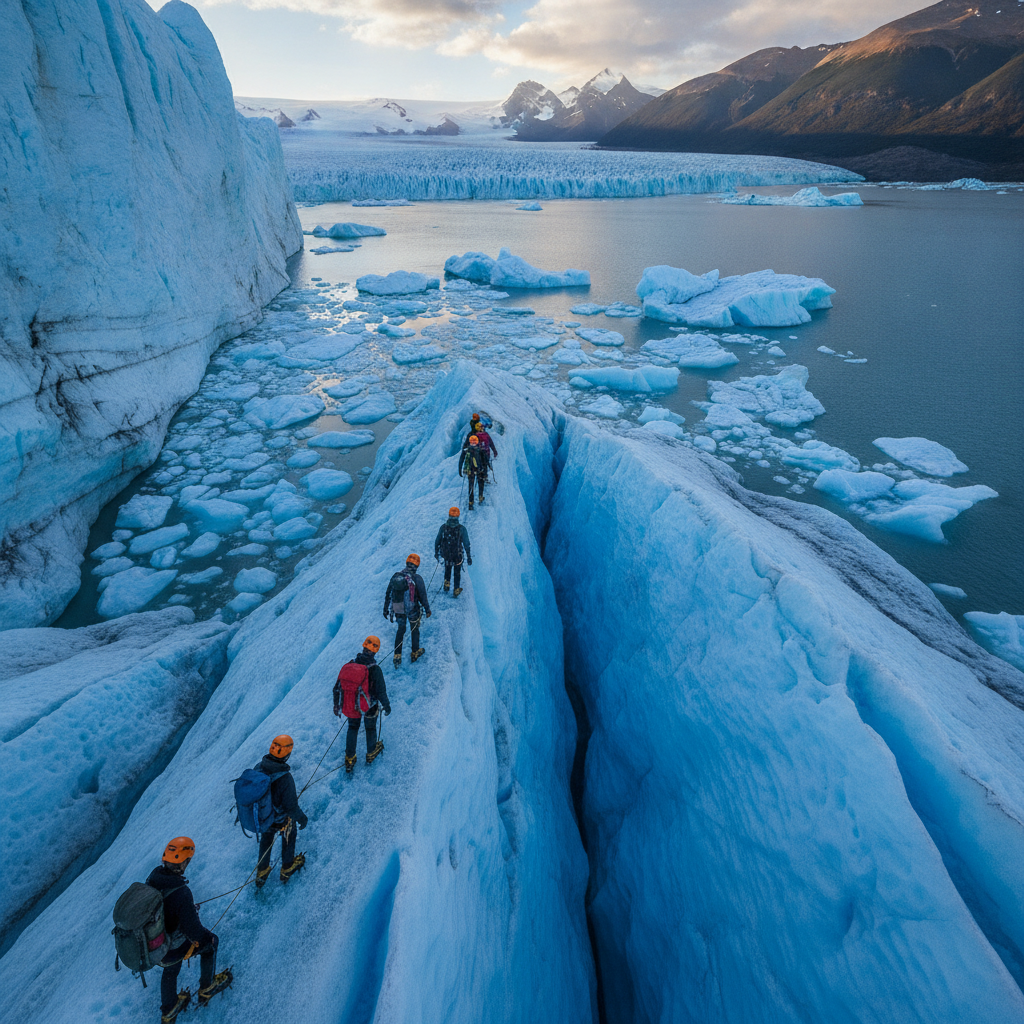
Argentine Patagonia: Perito Moreno Glacier, Fitzroy, and Los Glaciares National Park
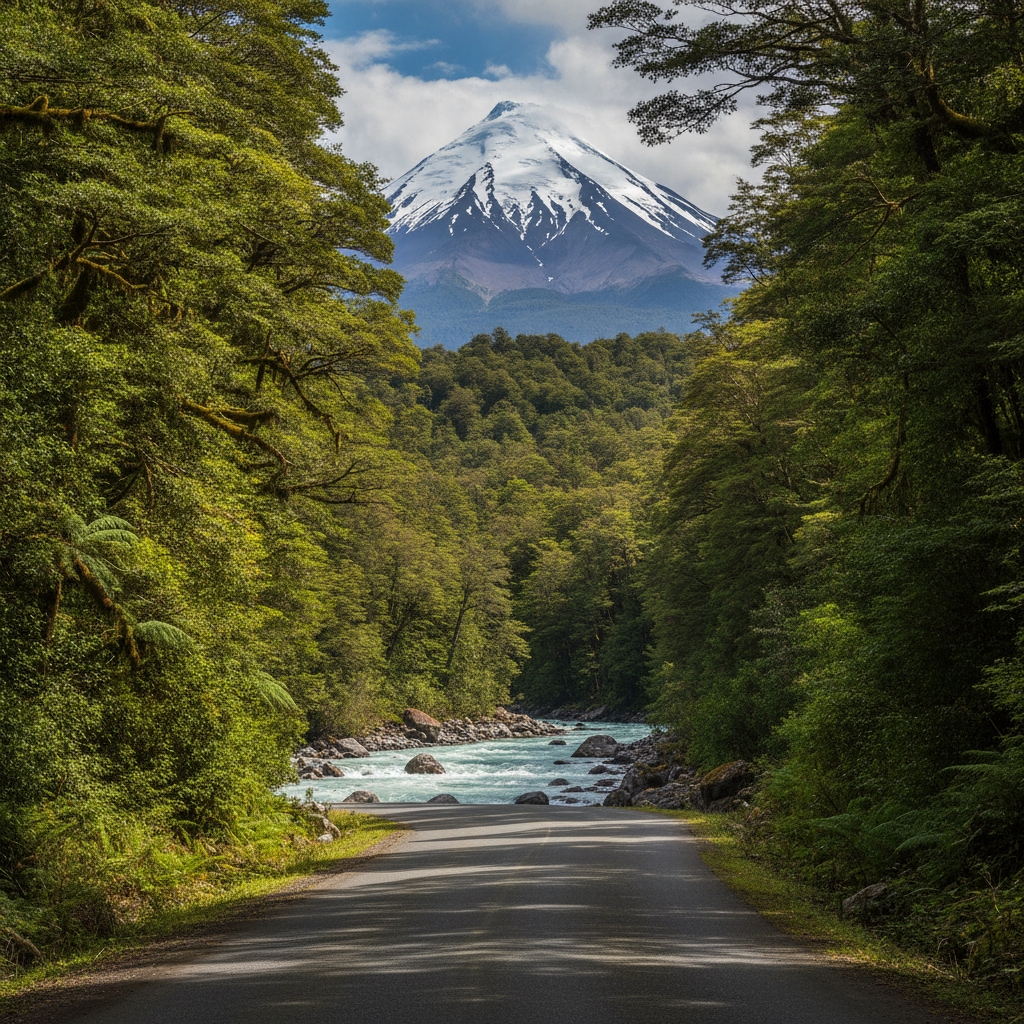
Chilean Patagonia Beyond Torres del Paine: Carretera Austral, Marble Caves, and Perito Moreno
Patagonia Conservation: Rewilding, Glacier Retreat, and the Future of the Last Wilderness
Torres del Paine Trekking: O Circuit, Refugios, Packing for Wind, and Wildlife
Patagonian Wildlife: Condors, Guanacos, Whales, and the Penguin Colonies