Patagonia Conservation: Rewilding, Glacier Retreat, and the Future of the Last Wilderness
The conservation challenges and achievements of Chilean Patagonia include the Tompkins Conservation rewilding program that created new national parks, the accelerating retreat of the Southern Patagonian Ice Field, and the management of tourism pressure on one of the world's most fragile and celebrated wilderness destinations.
- 1
Rewilding Patagonia: Tompkins Conservation and the New Parks
The Tompkins Conservation organization, founded by the North Face entrepreneur Douglas Tompkins and his wife Kristine, purchased large areas of Patagonian farmland from the 1990s onward with the goal of restoring the ecosystem and donating the land to the Chilean state as new national parks. The resulting Pumalin and Patagonia national parks represent the largest private land donation for conservation purposes in history and have added millions of hectares to the Chilean national park system.
- 2
Patagonian Ice Field: The Melting Freshwater Reserve
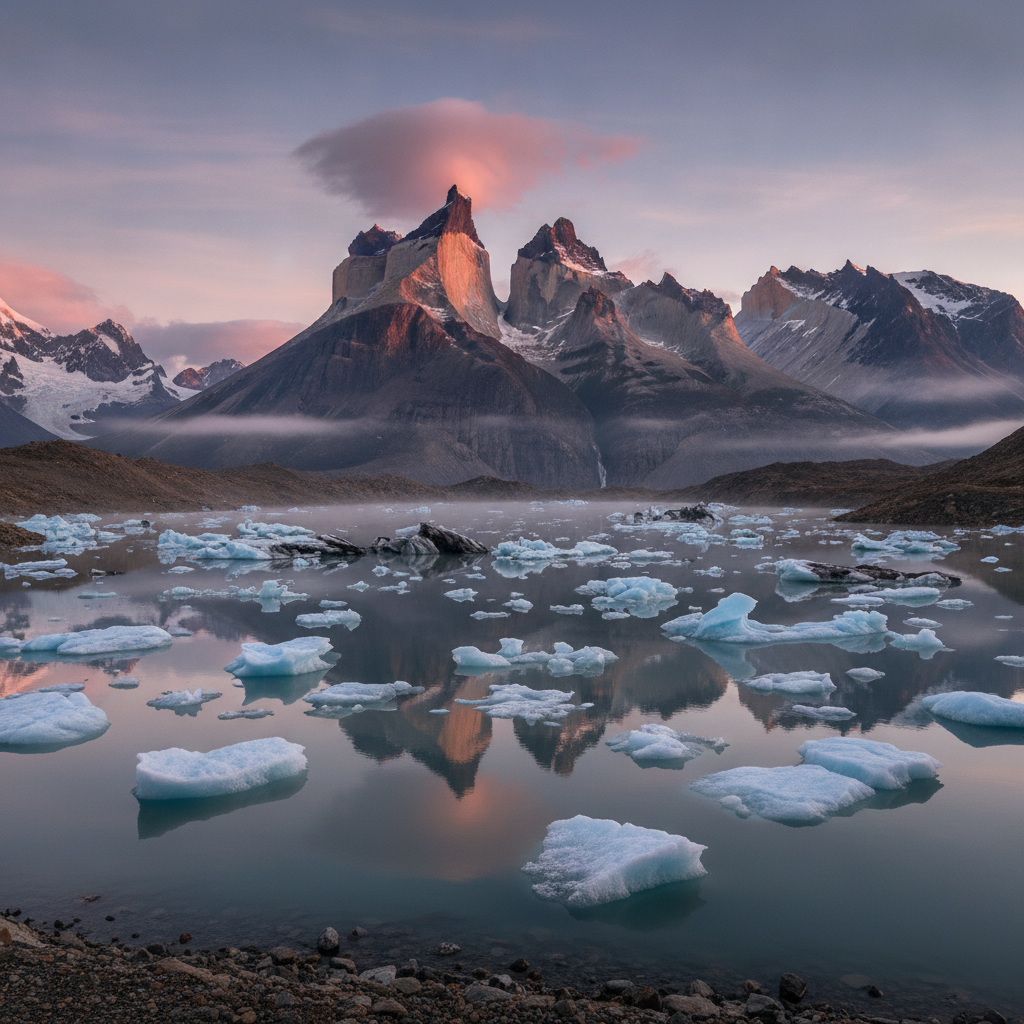
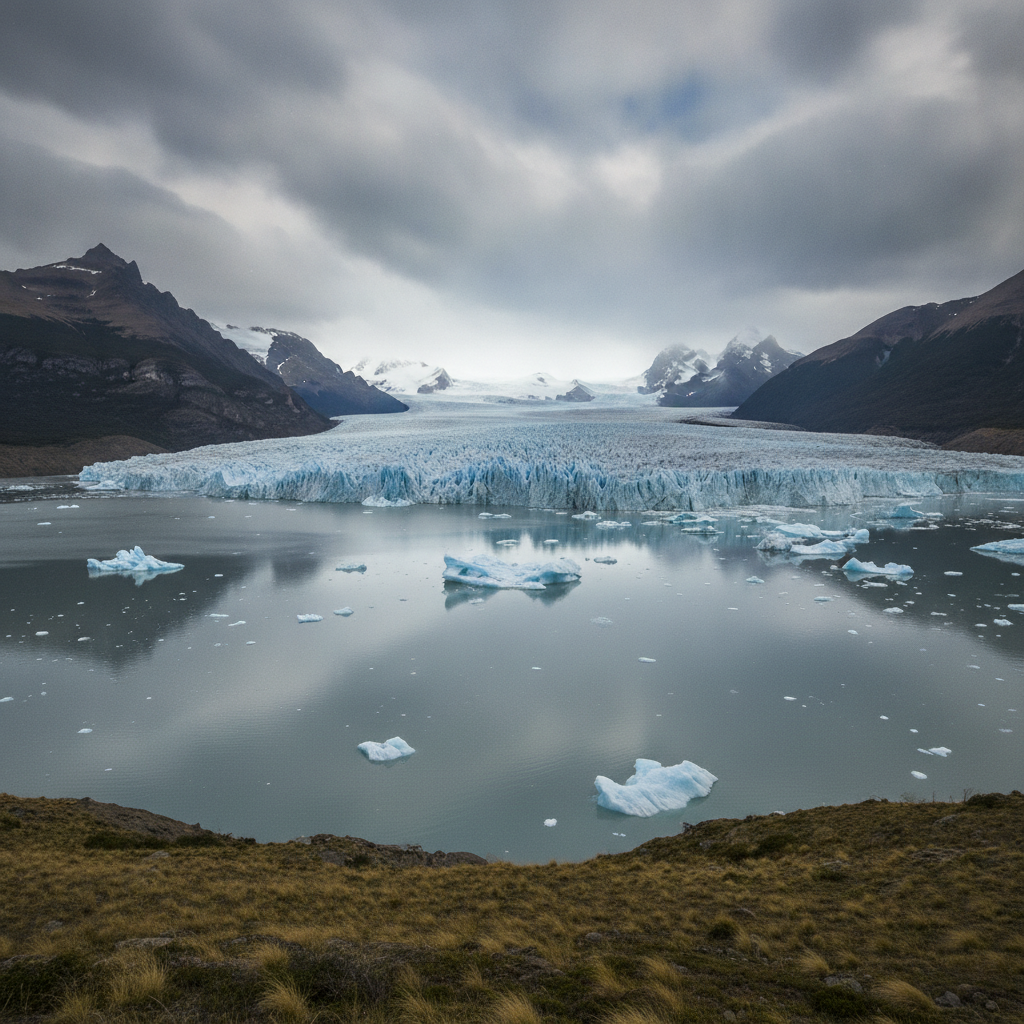
The Southern Patagonian Ice Field is retreating at one of the fastest rates of any glacial system outside the polar regions, losing an estimated 17 kilometers of ice extent per year; the rate of loss has accelerated over the past two decades in direct correlation with rising temperatures in the region. The retreat of the glaciers is visible in the new lakes appearing below the receding ice margins and in the documentary record of historical photographs compared to current satellite imagery.
- 3
Wildfire Management: The Reconstruction of Torres del Paine
Torres del Paine has suffered two major wildfires in recent decades that burned significant areas of the park's native lenga beech forest; the 2011 fire destroyed approximately 17,000 hectares and was caused by a tourist campfire. The park's wildfire management and recovery program, which has prohibited campfires in many areas and developed firebreak systems, is studied internationally as a model for managing fire risk in a wind-exposed wilderness park.
- 4
Puma Conservation: Living with the Big Cat
The puma population of Torres del Paine has been the subject of ongoing camera trap and radio collar research that has transformed the understanding of puma behavior and ecology in the Patagonian steppe environment. The research has found that the park pumas are more visible and approachable than pumas in other areas, apparently due to the protection from hunting they receive within the park boundaries and the resulting habituation to human presence.
- 5
Climate Change and the Future of Patagonian Tourism
The combination of glacier retreat, changing precipitation patterns, and the documented increase in extreme weather events in Patagonia raises significant questions about the future of the tourism infrastructure built around the current landscape; the retreat of the Grey Glacier in Torres del Paine and the reduction in the calving activity of the Perito Moreno are already changing the visual character of the park's primary attractions.
- 6
Responsible Trekking: Leave No Trace in Patagonia
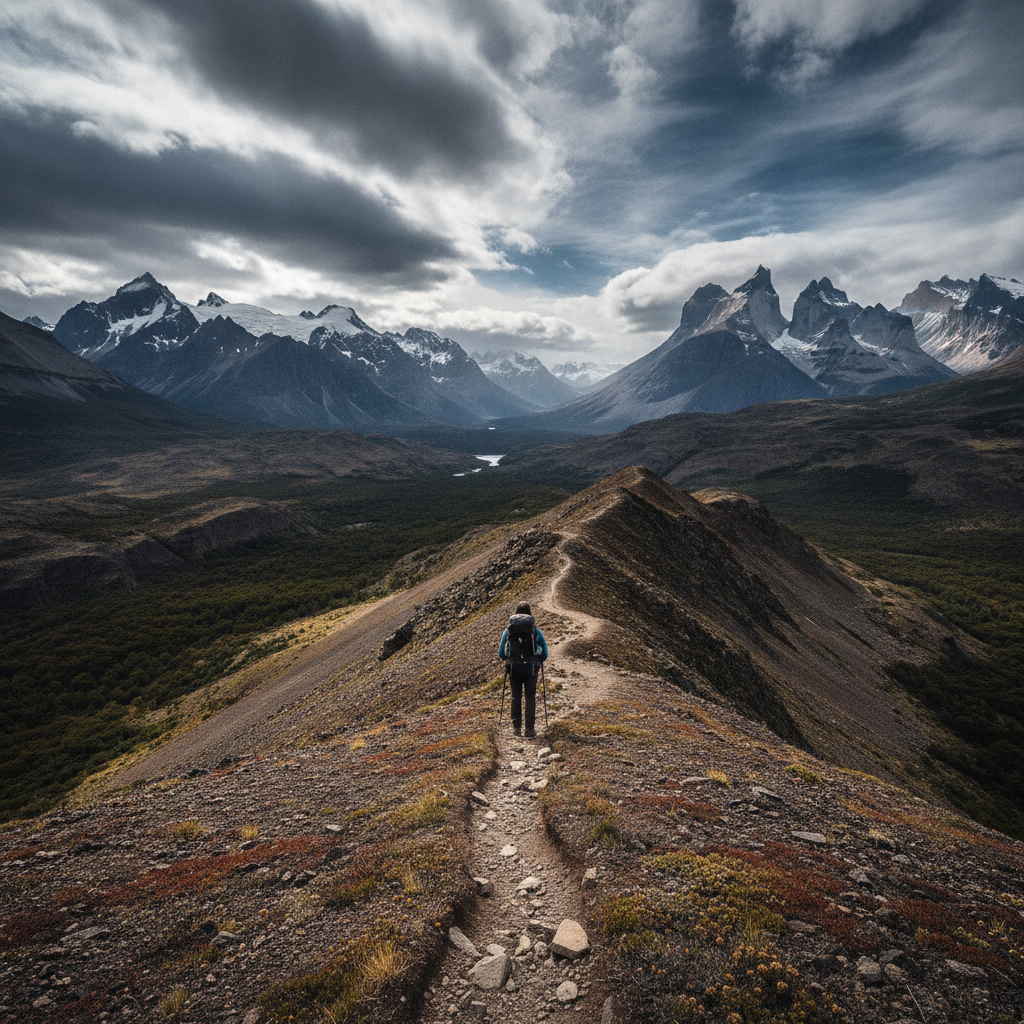
The concentration of more than 200,000 trekkers annually in the relatively limited trail system of Torres del Paine creates significant ecological pressure on the park ecosystem, including trail erosion, soil compaction, wildlife disturbance, and waste management challenges that the park administration manages through trail hardening, waste bag provision, and the strict permit system. Following leave no trace principles in Patagonia is not optional but ethically required given the fragility of the sub-Antarctic ecosystem.
Walk this route with audio
Stories play automatically as you reach each stop — no tapping needed.
More in Patagonia
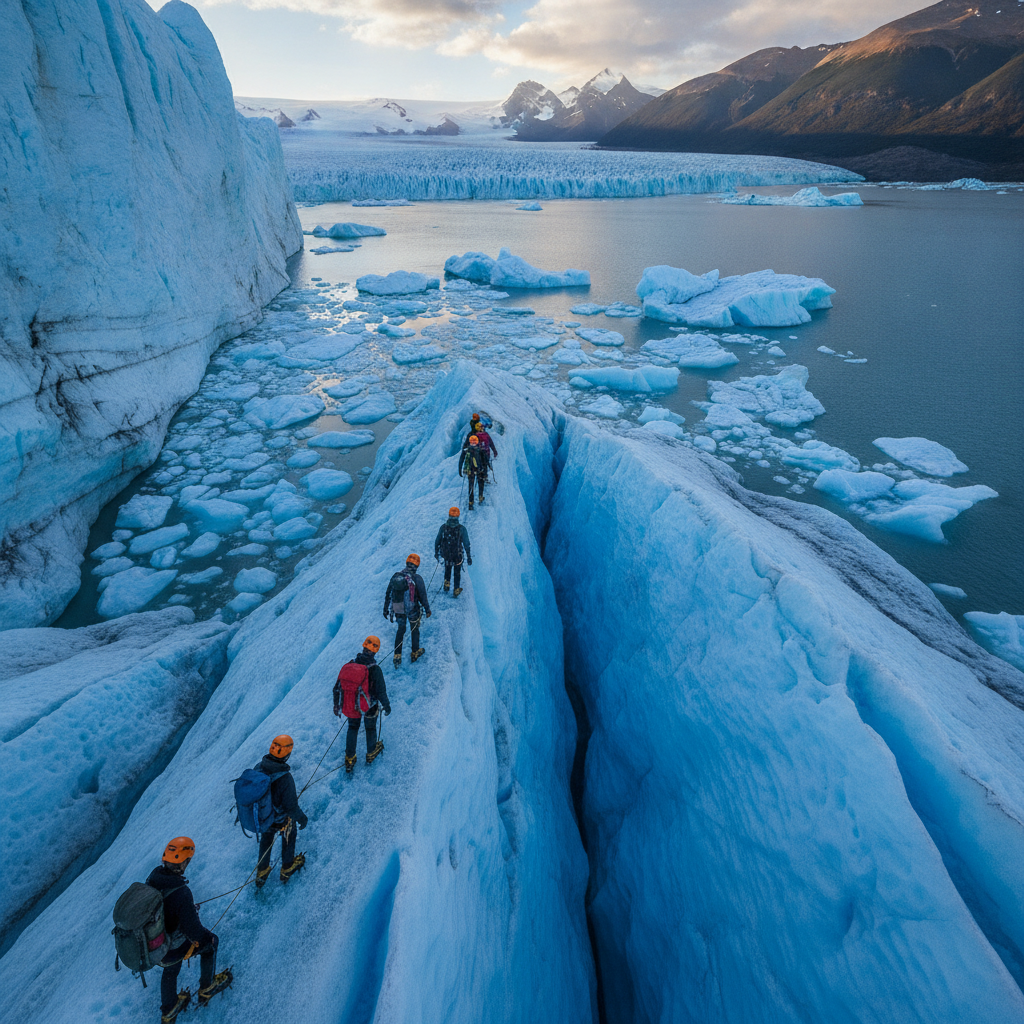
Argentine Patagonia: Perito Moreno Glacier, Fitzroy, and Los Glaciares National Park
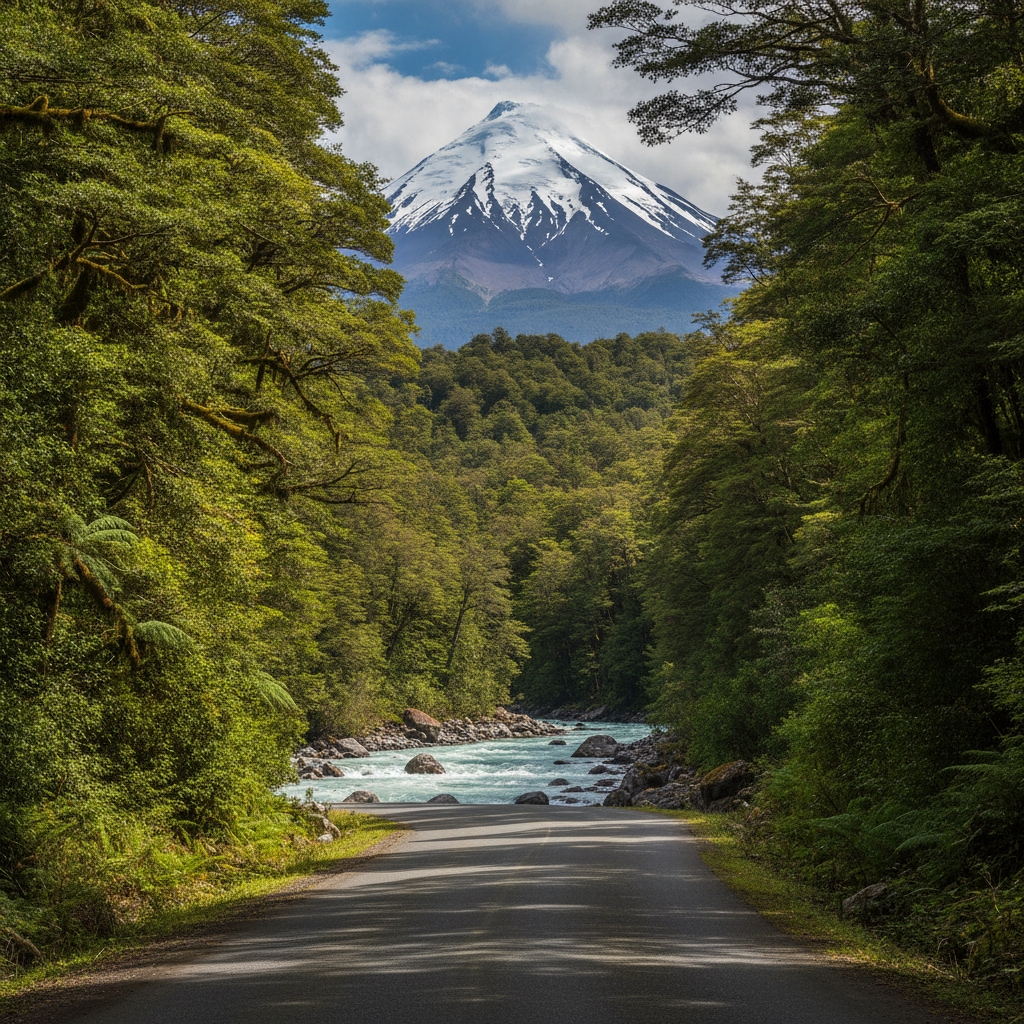
Chilean Patagonia Beyond Torres del Paine: Carretera Austral, Marble Caves, and Perito Moreno
Torres del Paine Trekking: O Circuit, Refugios, Packing for Wind, and Wildlife
Patagonian Wildlife: Condors, Guanacos, Whales, and the Penguin Colonies
Patagonia Practical Guide: Booking Season, Permits, Cross-Border Circuit, and Logistics