Osaka Food Deep Dive — Takoyaki, Ramen & the B-Gourmet Trail
Osaka's food culture (the deepest and most enthusiastic street food culture in Japan, centered on the concept of B-gourmet (B級グルメ — the celebration of affordable, unpretentious local food as the highest form of culinary passion)) is best explored through the city's defining dishes: takoyaki, okonomiyaki, kushikatsu, and the izakaya culture of the Osaka backstreets.
- 1
Takoyaki Trail — Osaka's Greatest Street Food
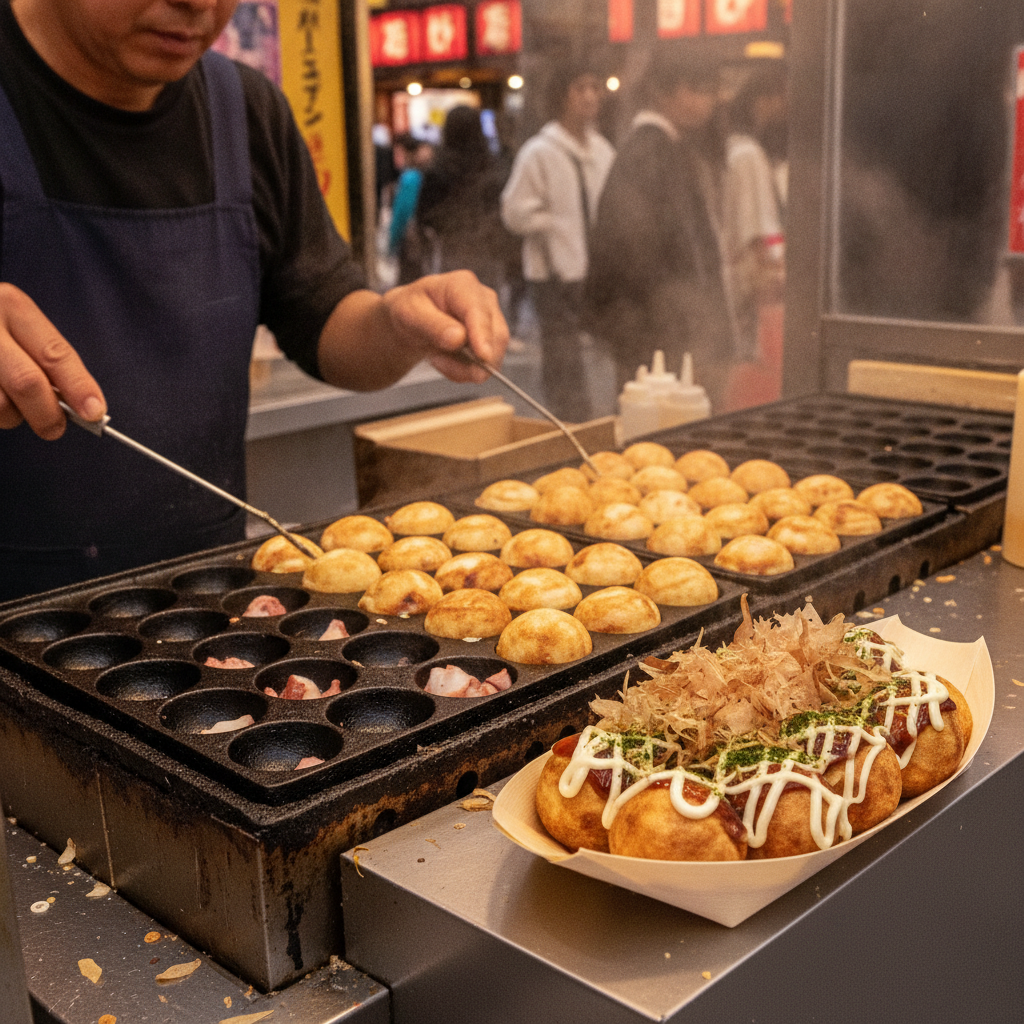
The Osaka takoyaki scene (the culture of takoyaki (たこ焼き — octopus balls) in the city that invented and perfected the dish): the key takoyaki stops in Osaka are: Aizuya (会津屋 — the original takoyaki restaurant in Osaka (founded 1933 in the Namba area by Tomekichi Endo, the inventor of takoyaki (though his original 'rajioyaki' (radio balls) contained beef tendon rather than octopus — the octopus version became standard in the post-war period))); Wanaka (わなか — the popular chain with stands in Umeda, Namba, and Tennoji, serving the standard Osaka style with the full topping complement); Takoyaki Juhachiban (the stand behind Osaka Station, famous for its crispy exterior and liquid interior (the perfect textural contrast of the ideal takoyaki)); and the Dotonbori strip (the concentration of famous takoyaki stands on the Dotonbori canal banks, including the competitive theatrical performance of the vendors flipping their takoyaki with exaggerated skill for the benefit of the watching crowd).
- 2
Okonomiyaki — Osaka vs Hiroshima, the Great Japanese Pancake Debate
Okonomiyaki (お好み焼き — the Japanese 'as-you-like-it' pancake, one of the most versatile and beloved dishes in Japanese cuisine): the Osaka style (Kansai-style or Osaka-style) is the original version — a thick, doughy pancake in which all the ingredients (wheat flour batter, finely shredded cabbage, egg, green onion, tenkasu (tempura scraps), beni shoga (pickled ginger), and the chosen protein (pork belly (buta), squid (ika), shrimp (ebi), or the luxurious combination (mikkusu)) are mixed together in the bowl before being poured onto the iron griddle and cooked as a single round pancake); the Hiroshima style (layered, with the noodles (yakisoba or udon) cooked separately and incorporated into the layers) is considered the more complex and more difficult preparation; the best Osaka okonomiyaki restaurants (Mizuno on Dotonbori (the most famous, with a 1-2 hour wait at peak times), Chibo (the chain that popularized Osaka okonomiyaki nationally), and the neighbourhood machiya-style restaurants of the Namba and Shinsaibashi backstreets) cook on iron griddles built into the tables, allowing the diners to finish the cooking themselves.
- 3
Kushikatsu Daruma — The Original Shinsekai Sauce Double Dipping Rule
Kushikatsu (串カツ — breaded and deep-fried skewers of meat, vegetables, and seafood — the most Osaka-specific deep-fried food, distinct from the Tokyo-style kushiyaki (simple grilled skewers)): Daruma (だるま — the original Shinsekai kushikatsu restaurant, established in 1929 in the Shinsekai district of southern Osaka) is the most historically significant kushikatsu restaurant in Japan, the place that established the rules of kushikatsu eating including the famous 'No double-dipping!' rule (二度漬け禁止 — Nido-duke kinshi: the communal sauce pot is shared among all diners, and once you have bitten a skewer and dipped it, you may not dip it again — you may use the cabbage leaf provided to scoop extra sauce onto your skewer, but double-dipping is a social violation): the Daruma Shinsekai branch (the original retro interior with its famous Daruma (bodhidharma doll) logo and the packed counter service) is the most atmospheric place to eat kushikatsu in Osaka.
- 4
Osaka Izakaya Culture — The Art of the Japanese Gastropub
Osaka izakaya culture (the izakaya (居酒屋 — the Japanese gastropub, combining elements of a bar and a restaurant, serving small plates (小皿料理) of food alongside beer, sake, shochu, and whisky highball (the Japanese highball: Suntory Toki or Kakubin whisky with soda water over ice, in a tall glass — the most popular casual drink in Japan since approximately 2010)): the ideal Osaka izakaya experience is a 'tachinomi' (立ち飲み — standing drinking bar) session in the Namba or Umeda backstreets (the standing bars of Osaka are among the most convivial and least touristic food experiences in the city) or a leisurely kaiseki-style dinner at a restaurant in the Kitashinchi or Shinsaibashi area; the Osaka pride in 'dashi' (出汁 — the fundamental Japanese cooking stock of kombu seaweed and katsuobushi (dried bonito)) is expressed in the distinctive light, clear flavor of Osaka cooking — the Osaka dashi (typically lighter and sweeter than Tokyo dashi) is the foundation of all authentic Osaka food.
- 5
Osaka Sweets — Takoyaki Ice Cream & Japanese Confectionery
Osaka sweets culture (the Japanese confectionery (wagashi (和菓子)) and Western-inspired sweet food (yoshigashi) culture of Osaka): the distinctive Osaka sweet specialties are: the yatsuhashi of Kyoto (the nearest major sweet-producing city — the crispy or soft cinnamon-flavoured rice wafers stuffed with red bean paste (anko) that are the most purchased food souvenir from the Kyoto-Osaka region), the Osaka melon bread (meron pan — the sweet white bread roll with a cookie dough coating in a characteristic lattice pattern, sold warm from bakeries and street stalls throughout Japan), the Osaka waffle (the egg-based crispy waffle sold from street stalls in Dotonbori and Shinsaibashi), and the takoyaki-flavoured ice cream (the novelty takoyaki-sauce-flavoured soft serve, the most distinctively Osaka souvenir food experience, selling at stands in the Dotonbori area — for the visitor adventurous enough to try the octopus-and-sauce ice cream experience).
- 6
Namba to Shinsaibashi Food Walk
The Namba to Shinsaibashi food walk (the 1 km walk north from the Ebisu-bashi bridge on Dotonbori through the Shinsaibashi-suji covered arcade to the Americamura area — the finest concentrated food and shopping walk in western Japan): the walk passes the Dotonbori takoyaki and kushikatsu stalls (immediately at the Ebisu-bashi bridge), then north into the Shinsaibashi-suji covered arcade (the department stores, international brand shops, and the underground food halls (depachika (デパ地下) — the basement food floors of the Daimaru and Matsuzakaya department stores, the finest concentrations of prepared food, fresh produce, patisserie, and Japanese sweets in Osaka)); the Amerika-mura area at the northern end of the walk (the youth fashion district with its crepe shops, vintage clothing stores, and street food) is the best place in Osaka to eat Korean-Osaka fusion (budae jjigae (army stew) with instant ramen, Spam, and gochujang, the dish that originated in the Korean-Japanese communities of Osaka's Tsuruhashi district).
Walk this route with audio
Stories play automatically as you reach each stop — no tapping needed.
More in osaka
Den-Den Town, Namba & Osaka's Retail Landscape
Bunraku, Kabuki & the Traditional Performing Arts of Osaka
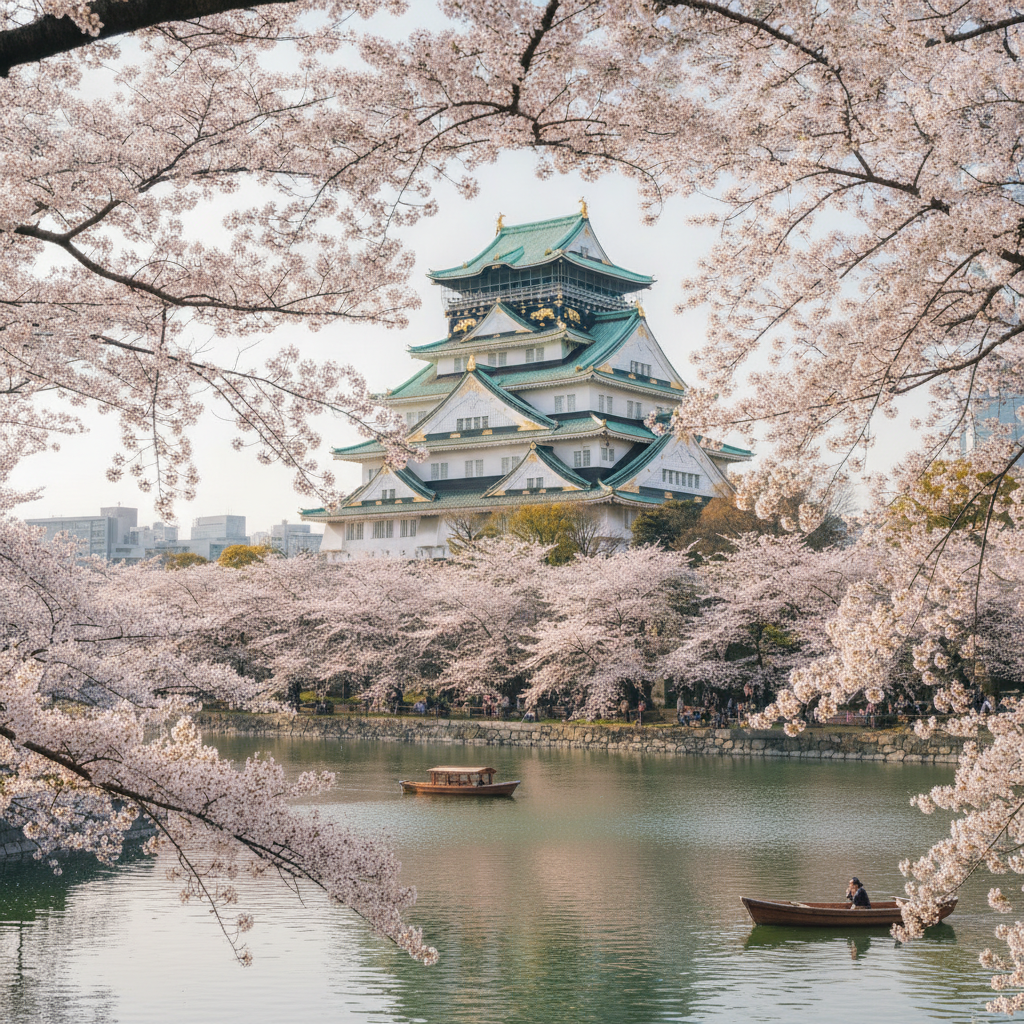
Osaka Castle — Toyotomi Hideyoshi's Fortress & the City's Historic Heart
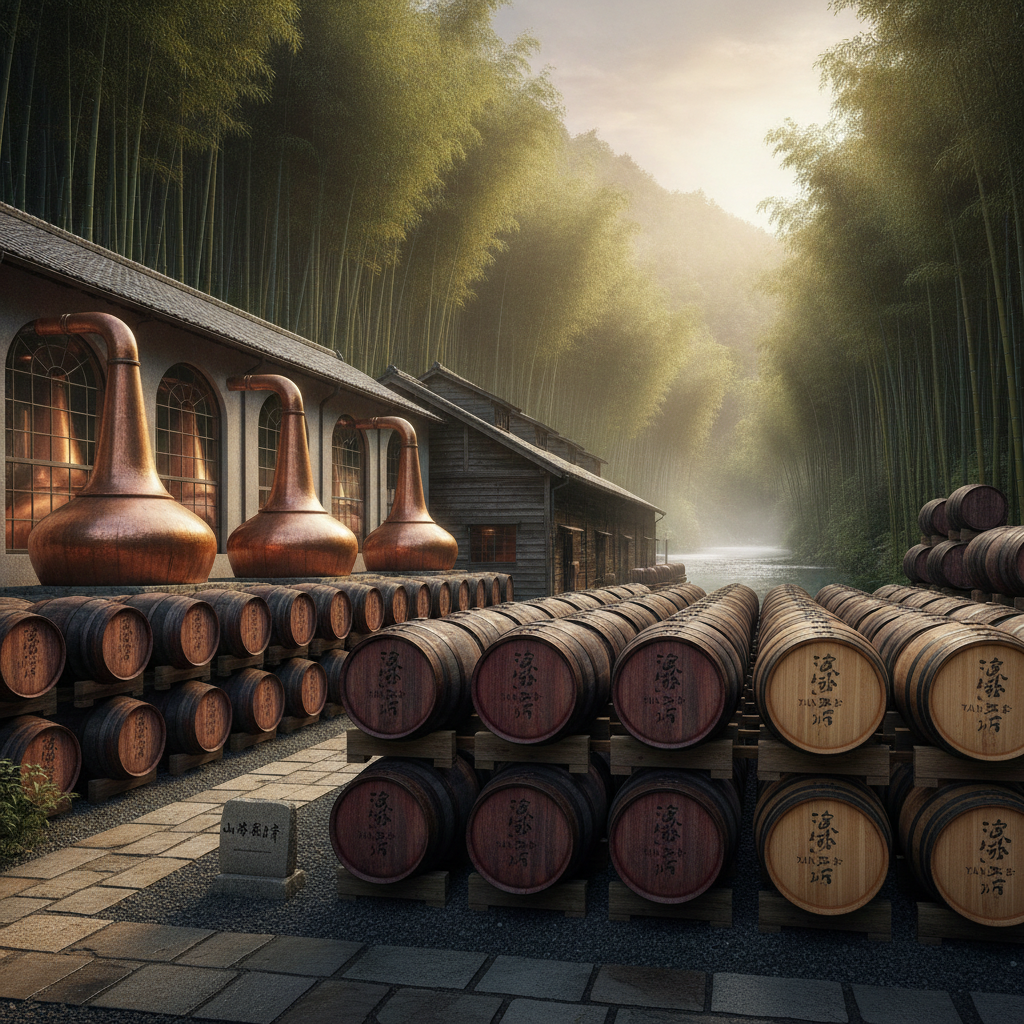
Japanese Sake, Craft Beer & Suntory Whisky — Osaka's Drinks Culture
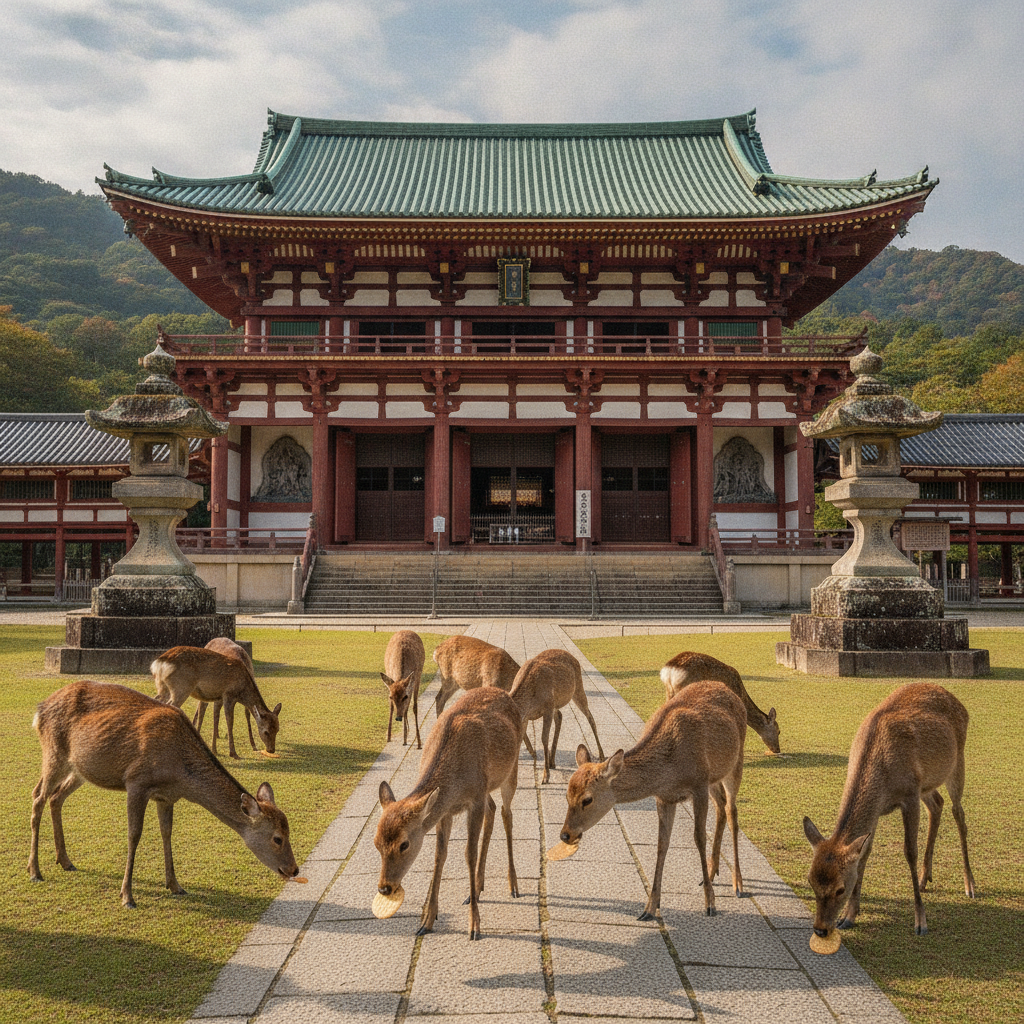
Nara Day Trip — Sacred Deer, Todai-ji & Japan's Oldest Temples