Oranjestad Culture and Nature: Druif Beach, Renaissance Private Island, Ayo Rock Formations, Casino Culture, Local Market, and Aruba Sustainable Tourism
The Oranjestad experience in depth covers the quiet Druif and Manchebo beach alternatives, the flamingo-populated Renaissance private island, the Arawak petroglyph rock formations of Ayo and Casibari, the Palm Beach casino culture, and the ambitious Aruba program to become the first fully sustainable island tourism destination.
- 1
Druif Beach and Manchebo: The Quiet Alternative
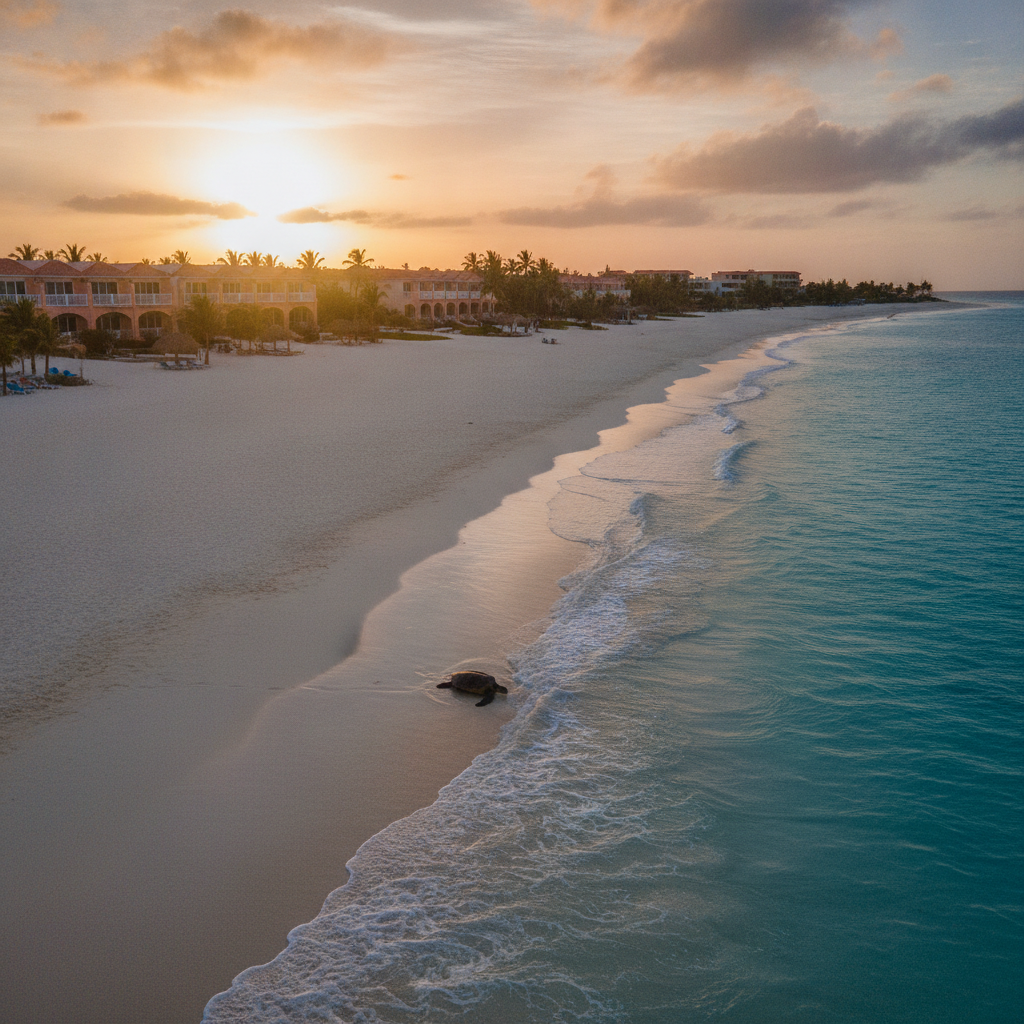
Druif Beach and Manchebo Beach at the south end of the Eagle Beach strip, the less-crowded and less-developed stretch of the Palm Beach and Eagle Beach coastline, provide the quiet beach alternative to the main resort zones with the same quality of white sand and turquoise water but with a fraction of the visitor density. The Manchebo Beach Resort, the smallest and most intimate property on the Eagle Beach stretch, anchors the quiet south end of the Aruba beach arc.
- 2
Renaissance Aruba: The Private Island
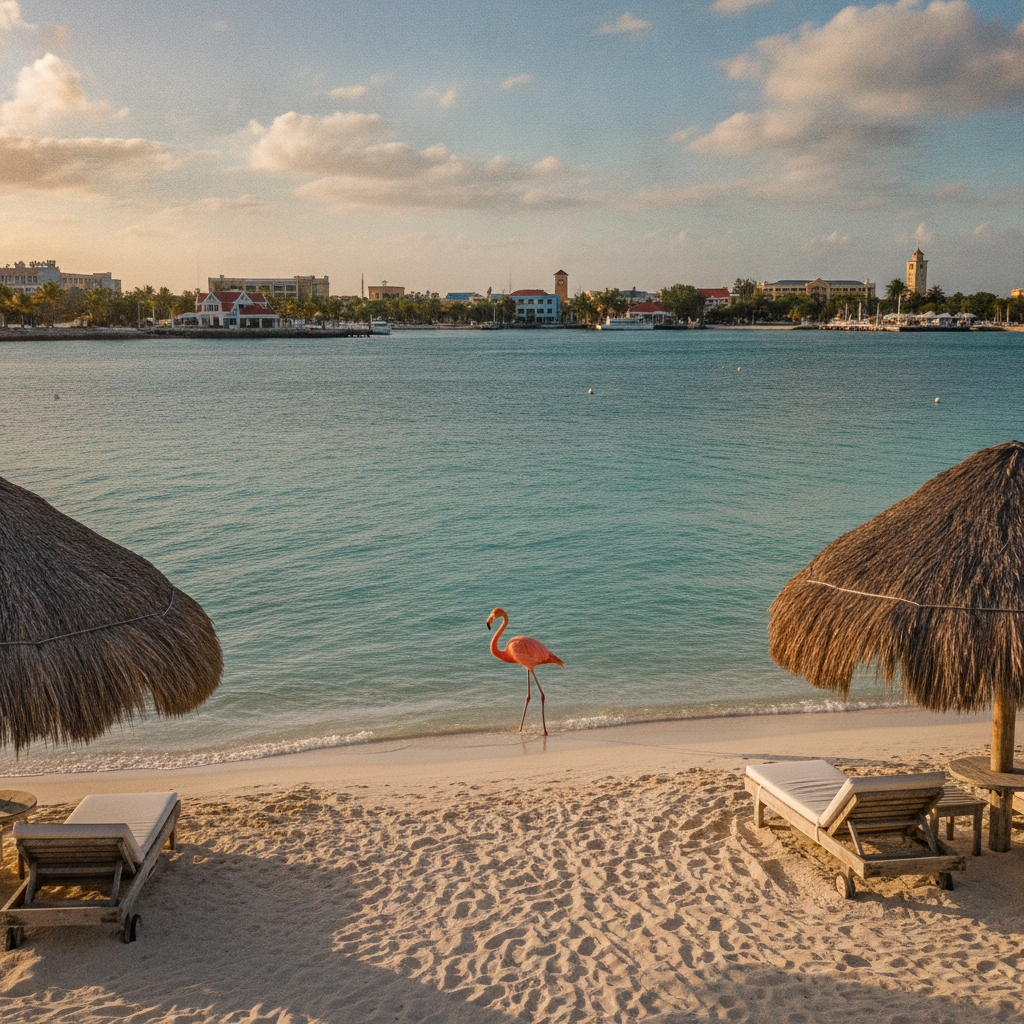
The Renaissance Aruba Resort in the Oranjestad harbor, with its private island accessible only to resort guests by a short boat shuttle across the harbor, provides the exclusive private island beach experience within walking distance of the Oranjestad shopping district. The Renaissance private island beach with its flamingos, which wander freely on the beach among the resort guests, is one of the most photographed wildlife-and-beach combinations in the Caribbean.
- 3
Ayo and Casibari Rock Formations: The Island Interior
The Ayo and Casibari rock formations in the Aruba interior, the massive diorite boulders that rise incongruously from the flat desert landscape in formations that were sacred to the Arawak inhabitants for thousands of years, are the most otherworldly landscape features in Aruba and the clearest evidence of the volcanic and geological history of the island. The Arawak petroglyphs carved into the Ayo boulders are among the most significant pre-Columbian rock art sites in the Lesser Antilles.
- 4
Aruba Nightlife: The Casino Culture
The Aruba casino culture, centered on the large resort casinos of the Palm Beach strip at the Marriott, the Hyatt Regency, the Amsterdam Manor, and the Bucuti and Tara Beach Resort, provides the Caribbean gaming experience in a setting of relative safety and sobriety compared to the wilder casino scenes of the Bahamas or the Dominican Republic. The Crystal Casino at the Renaissance Oranjestad is the most centrally located casino for the visitor staying in the capital.
- 5
Oranjestad Market: The Local Produce Tradition
The Oranjestad Wilhelmina Park and the weekly Farmer's Market in the capital park, where the local growers of the Cunucu agricultural tradition sell the tropical fruits, the vegetables, the fresh herbs, and the Aruba aloe products, provide the most authentic encounter with the Aruba agricultural heritage in a commercial environment dominated by the imported goods that supply the resort economy. The local papayas, the soursop, and the cactus products are the most distinctive Aruba market finds.
- 6
Aruba Sustainable Tourism: The Green Initiative
Aruba has articulated the goal of becoming the first fully sustainable island tourism destination in the world, with the wind energy program powered by the constant trade wind already providing approximately 90 percent of the island's electricity needs from the Vader Piet wind farm. The Aruba sustainable tourism certification program for hotels and the Blue Destination marine conservation program represent the most ambitious small island sustainability framework in the Caribbean.
Walk this route with audio
Stories play automatically as you reach each stop — no tapping needed.
More in Oranjestad
Oranjestad History and Culture: Aruba Carnival, Film Festival, Fort Zoutman Museum, Alto Vista Chapel, Cunucu Architecture, and the Queen Beatrix Airport Departure Guide
Oranjestad Context and Departure: Venezuela as Neighbor, Dutch Kingdom Investment Stability, ATA Tourism Excellence, Beach Safety, Water Desalination Technology, and the Final Afternoon Shopping
Oranjestad and Aruba: Eagle Beach, Arikok Desert Park, the California Lighthouse, and Kitesurfing at Boca Grandi
Oranjestad Character and Context: Authentic Aruba Beyond the Resort, Hooiberg Viewpoint, Hurricane Safety, Divi-Divi Symbol, Noord Restaurant Strip, and Family Destination Excellence
Oranjestad Complete: Sero Colorado Wilderness, Arikok Dark Sky Stargazing, Eagle Beach Sea Turtle Nesting, Culinaria Festival, Fort Zoutman History, and the Aruba Tourism Formula