Ancient Olympia: The Temple of Zeus, Olympic Stadium, Altis Sanctuary Circuit, Olympia Museum and Hermes of Praxiteles, the Olympic Flame Ceremony, and the Birth of the Games
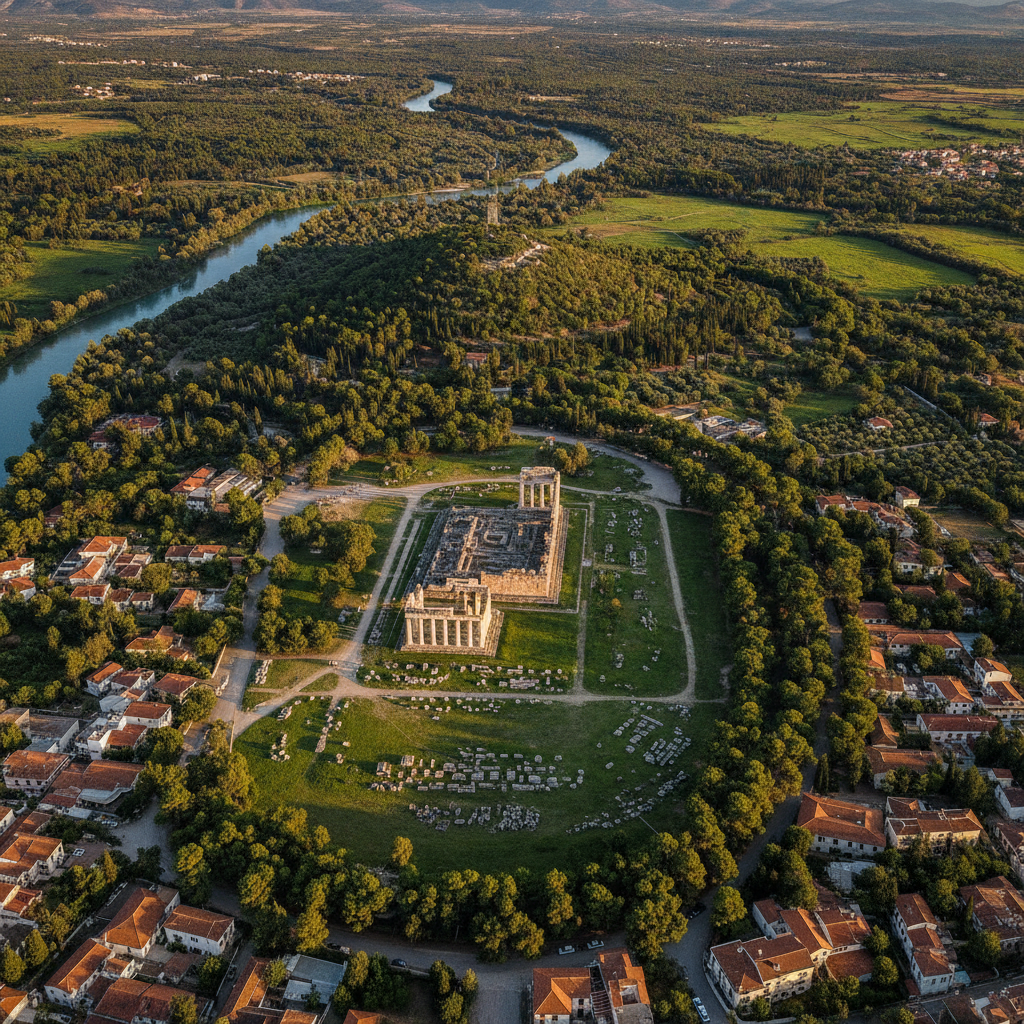
The Olympia essential circuit covers the Temple of Zeus with the Pheidias workshop, the ancient Olympic stadium with the starting line stones, the Altis sacred grove sanctuary circuit, the Olympia museum housing the Hermes of Praxiteles and the Nike of Paionios, and the Olympic flame lighting ceremony at the Temple of Hera.
- 1
Temple of Zeus: The Greatest Temple in Greece
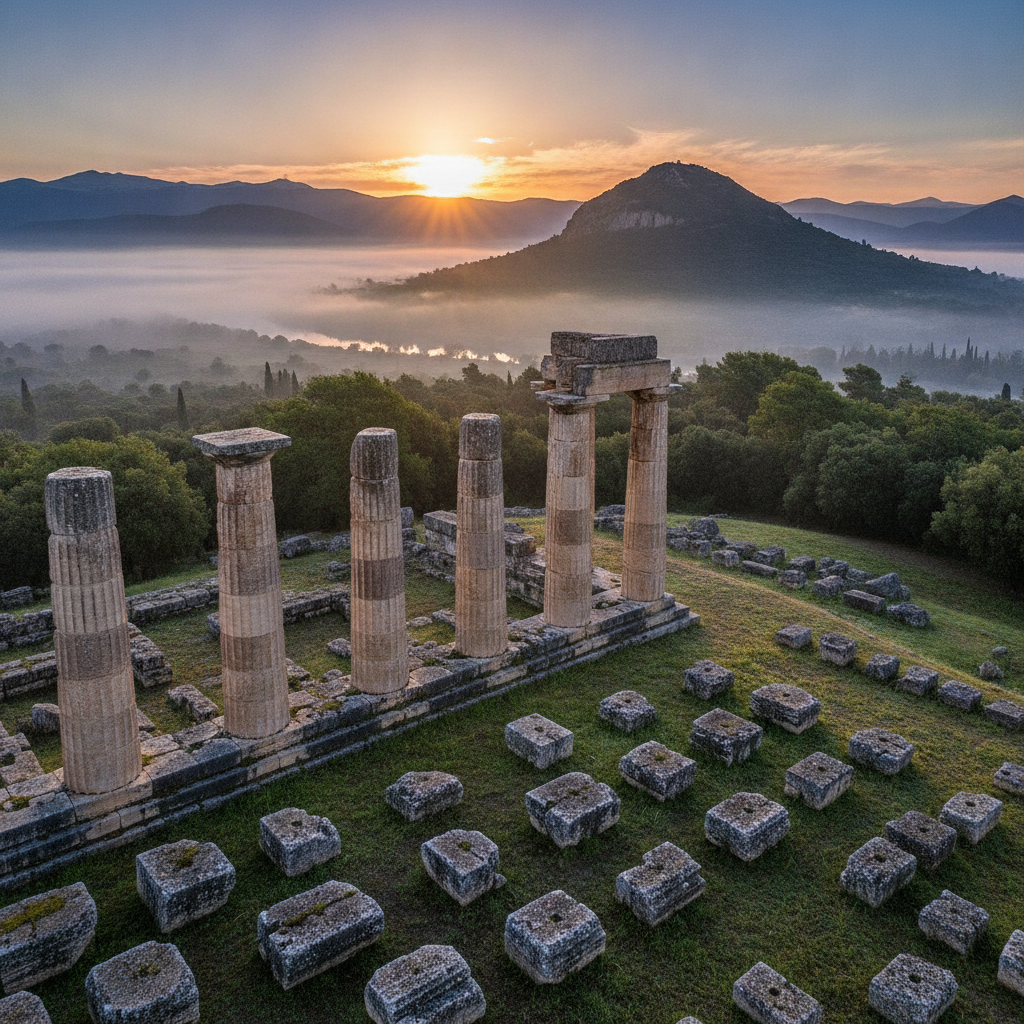
The Temple of Zeus at Olympia, built between 470 and 456 BC and the largest Doric temple in the Peloponnese at 64 by 28 meters, housed the chryselephantine statue of Zeus by Pheidias that was one of the Seven Wonders of the Ancient World - the 12-meter seated figure of gold and ivory that Pausanias described as the greatest single work of art in the ancient world. The temple was destroyed by earthquakes in the 5th and 6th centuries AD and the fallen column drums now lie where they fell, providing the most complete picture of an ancient temple collapse available at any Greek site.
- 2
Olympic Stadium: The Starting Line and the Track
The Olympic stadium at Olympia, the most important sports venue in human history and the direct ancestor of all modern athletics facilities, preserves the stone starting line grooves where the 200-meter sprint began, the finish line at the opposite end of the 192.27-meter track, the earth banking where 45,000 spectators stood, and the tunnel entrance through which the athletes processed from the sanctuary into the stadium in the ceremony that opened the Games. The Games were held at Olympia every 4 years from 776 BC to 393 AD, a continuous athletic tradition of 1,169 years.
- 3
The Altis: The Sacred Grove Circuit
The Altis, the rectangular sacred enclosure of the Olympia sanctuary, contained the most concentrated collection of religious monuments, votive statues, and treasury buildings of any Greek sanctuary, with the Philippeion rotunda of Alexander the Great, the Metroon temple, the Echo Stoa, the Prytaneion with the eternal flame, and the 3,000 bronze statues recorded by Pausanias in the 2nd century AD. The Altis walking circuit from the museum entrance to the stadium via the Treasury Terrace is the most historically layered single walk in the Peloponnese.
- 4
Olympia Museum: Hermes of Praxiteles
The Olympia Archaeological Museum houses the Hermes of Praxiteles, the marble statue of approximately 340 BC discovered in 1877 in exactly the position that Pausanias described in 150 AD, which is the most completely preserved original work of the most famous sculptor of the 4th century BC and the finest single marble statue from the classical period in any Greek museum. The museum also displays the Zeus temple pediment sculptures with the Centauromachy and the Lapith wedding and the Apollo figure at the center, and the bronze head of Hera.
- 5
Olympic Flame Ceremony: The Temple of Hera
The Olympic flame for each modern Olympic Games is lit at the Temple of Hera at Olympia, using the curved mirror that focuses the sunlight to ignite the torch in the ceremony first performed for the 1936 Berlin Games and now the most internationally broadcast ritual in world sport. The Temple of Hera, the oldest temple in the Olympia sanctuary built around 600 BC and the earliest Doric temple of substantial size in mainland Greece, is the building from which the torch relay begins its journey to the host city of each modern Olympics.
- 6
Birth of the Olympic Games: The 776 BC Foundation
The first recorded Olympic Games in 776 BC, held at the sanctuary of Zeus at Olympia where athletic competition had been occurring informally for perhaps a century before, established the 4-year Olympiad as the basic unit of Greek time-reckoning and the Panhellenic Games as the most important institution of shared Greek cultural identity. The Olympic truce that guaranteed safe passage to Olympia for competitors and spectators from all Greek city-states, including those at war with each other, was the most effective international peace agreement in the ancient world.
Walk this route with audio
Stories play automatically as you reach each stop — no tapping needed.
More in Olympia
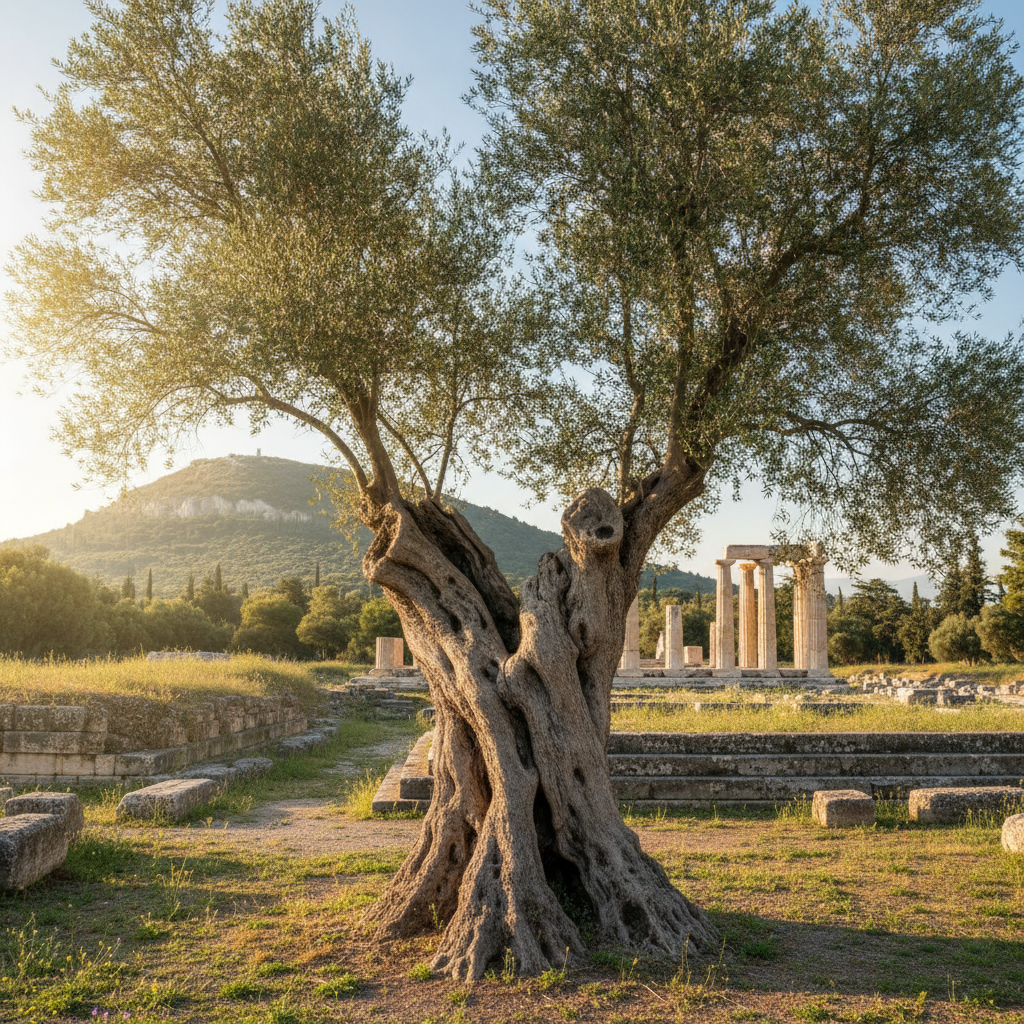
Olympia Olympic Victors: Pindar Victory Odes, Milo of Croton Wrestling, Leonidas of Rhodes Sprint, Diagoras Boxing Family, the Olive Wreath Crown, and the Social Meaning of Olympic Victory
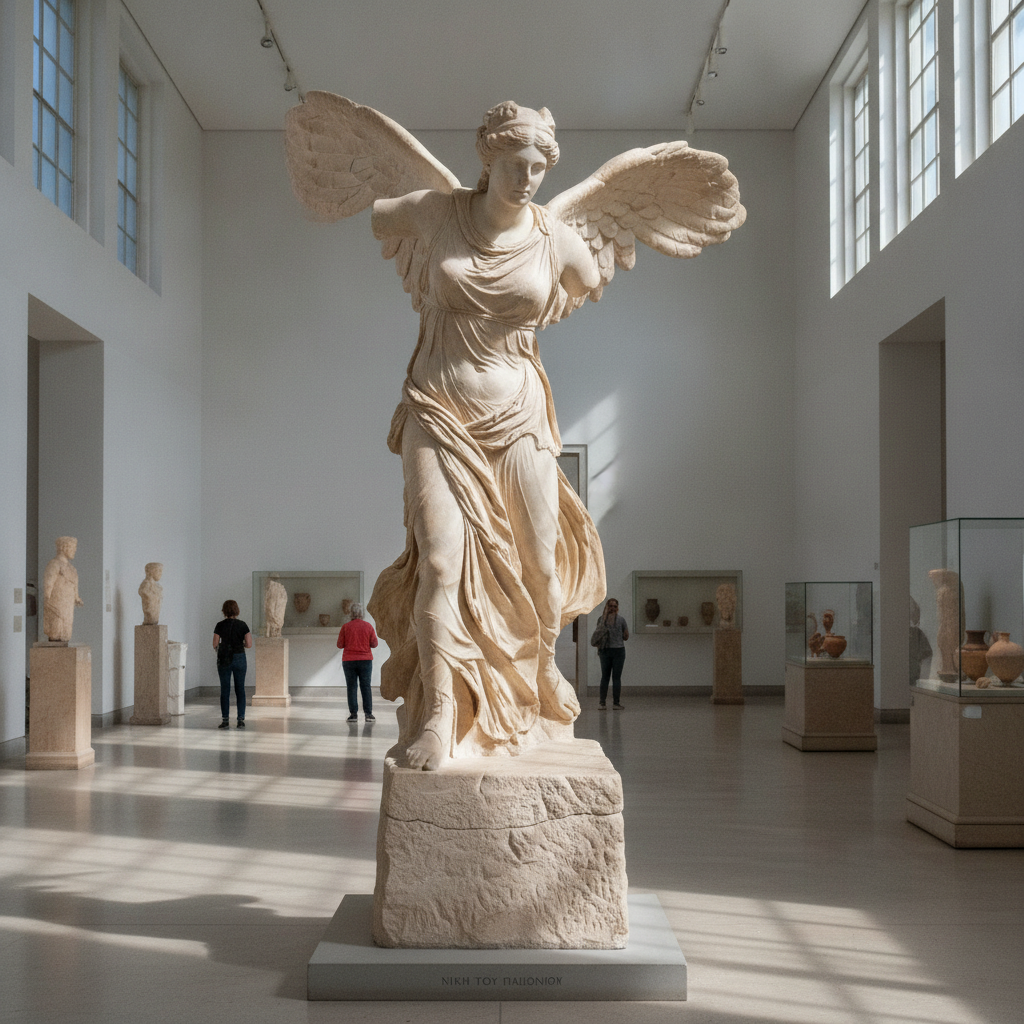
Olympia Monuments: Nike of Paionios, Echo Stoa, Treasury Terrace of City-States, Bouleuterion and the Olympic Oath, Prytaneion Eternal Flame, and the Processional Route
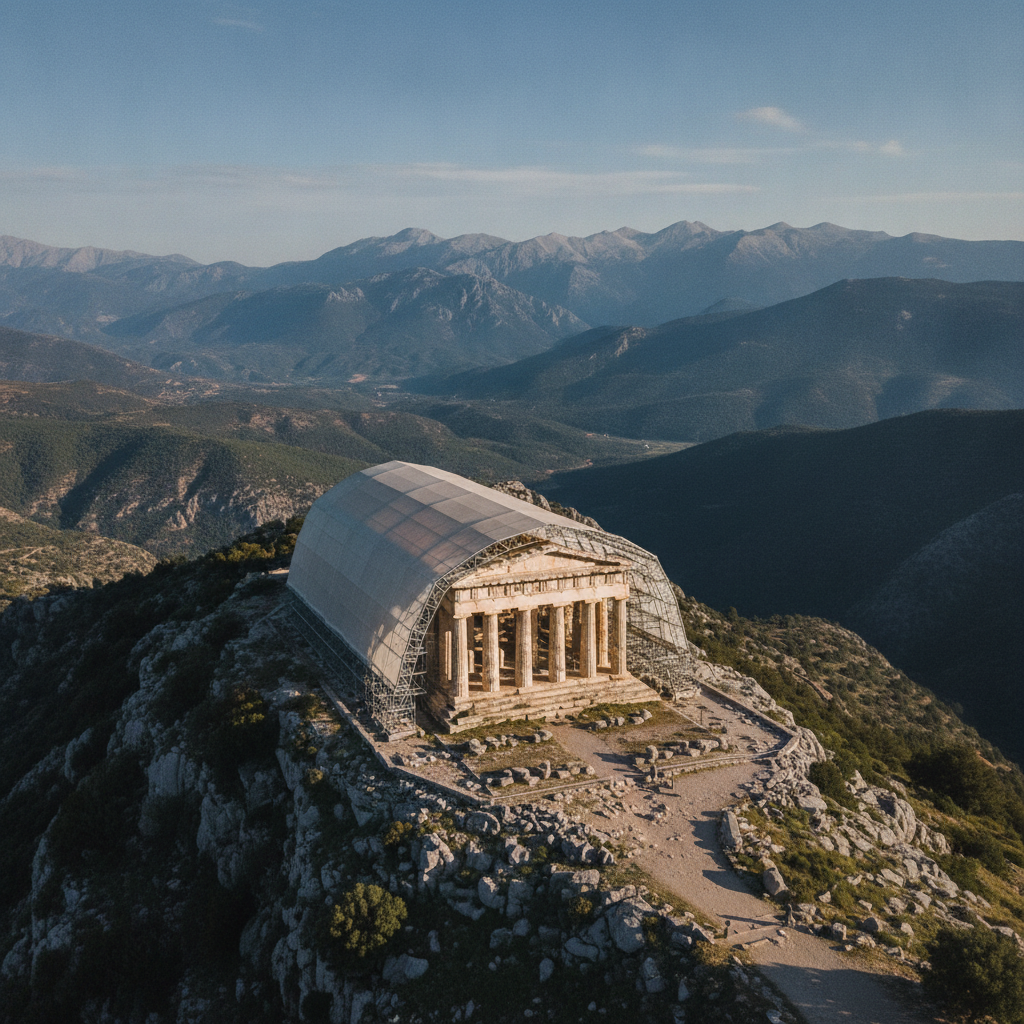
Olympia Peloponnese Excursions: Nestor Palace at Pylos, Bassae Apollo Temple UNESCO, Arcadian Mountain Landscape, Kyparissia Beach Town, Ancient Elis Region, and the Western Peloponnese Circuit
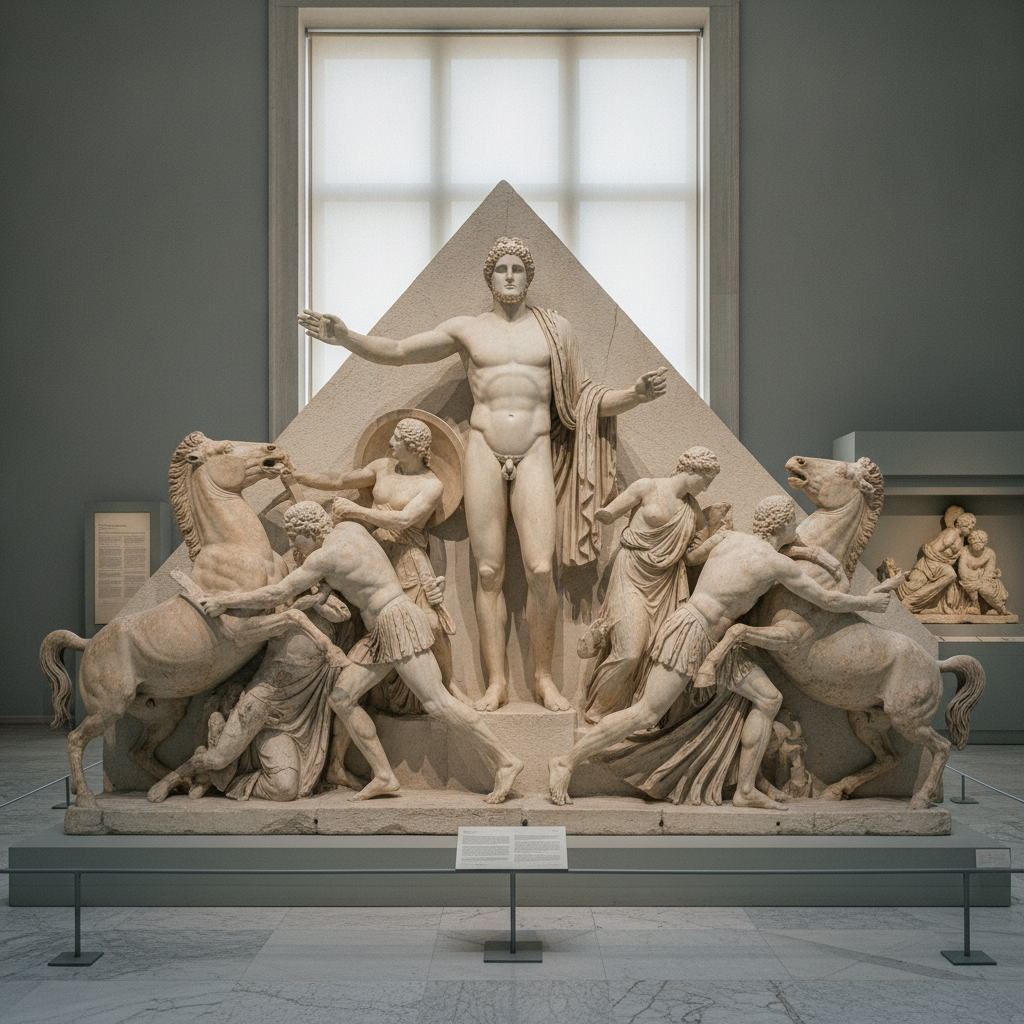
Olympia Museum Deep Dive: Zeus Temple East and West Pediments, Herakles Labors Metopes, Bronze Collection, and the Leonidas Sparta Thermopylae Connection to the Peloponnese Circuit
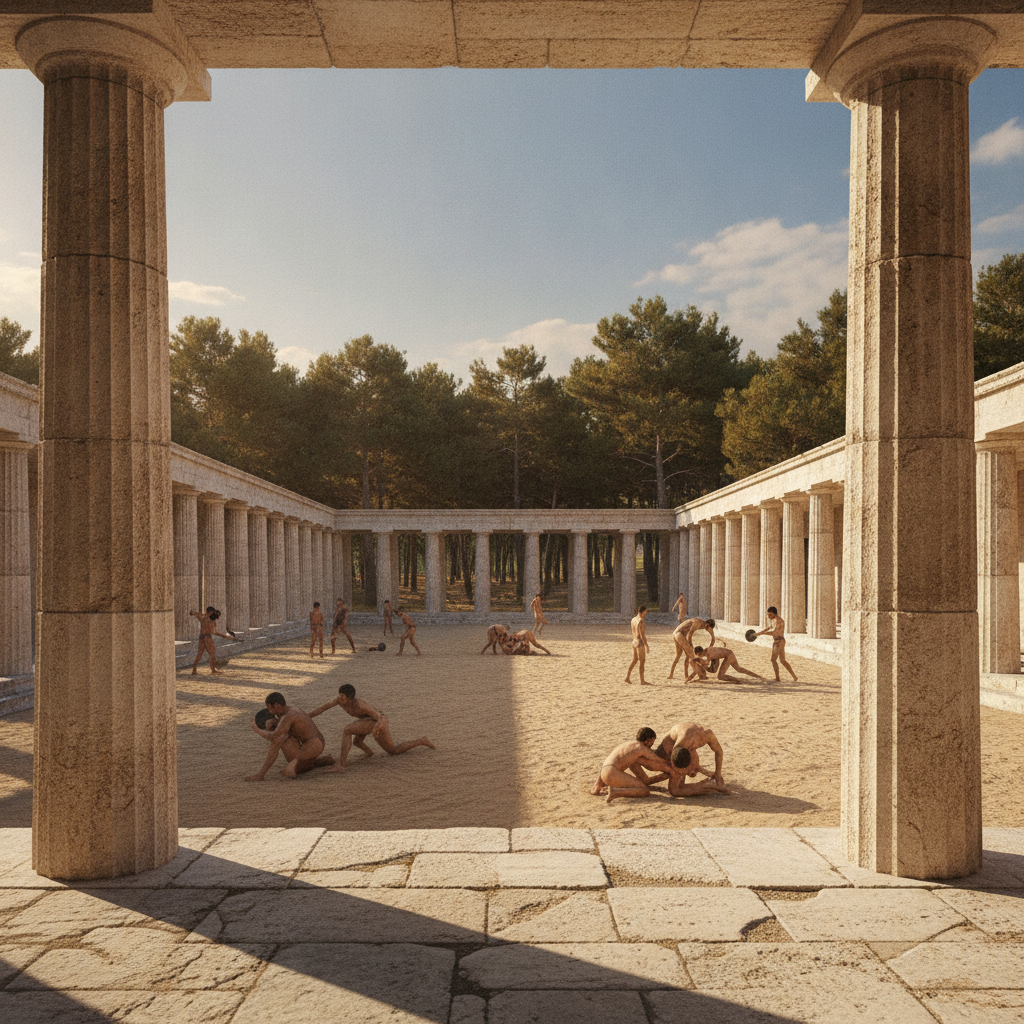
Olympia Art and Sport: The Pheidias Workshop, Zeus Statue Wonder Details, Palaestra Wrestling School, Ancient Gymnasium, the Hippodrome Horse Racing, and the Complete Athletes Training Circuit