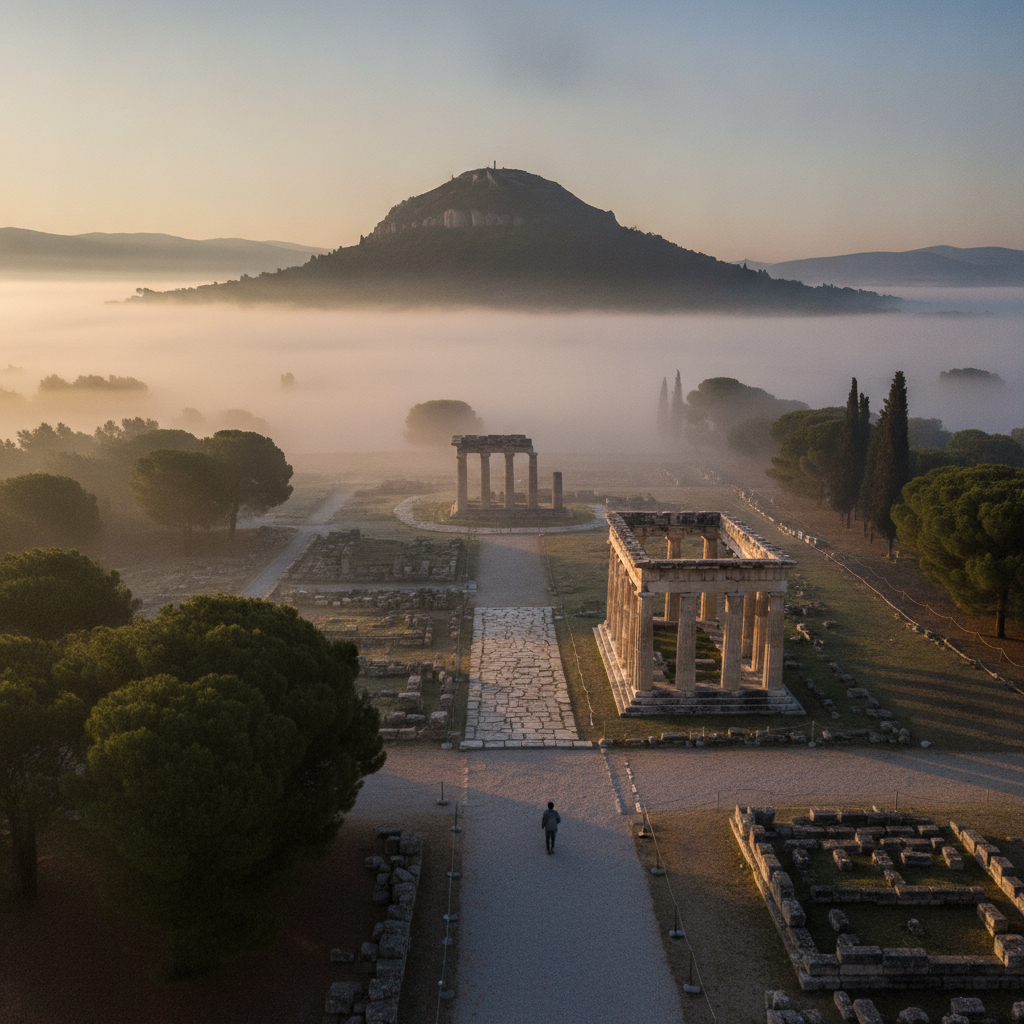
Olympia Peloponnese Excursions: Nestor Palace at Pylos, Bassae Apollo Temple UNESCO, Arcadian Mountain Landscape, Kyparissia Beach Town, Ancient Elis Region, and the Western Peloponnese Circuit
The Olympia Peloponnese excursion route covers the Nestor Palace at Pylos with the Linear B tablets, the Bassae Temple of Apollo Epikourios UNESCO World Heritage site, the Arcadian mountain landscape, the Kyparissia coastal town, the ancient Elis city region that governed the Games, and the complete western Peloponnese circuit.
- 1
Nestor Palace at Pylos: The Homeric Bronze Age
The Palace of Nestor at Pylos, 100 kilometers south of Olympia, is the best preserved Mycenaean palace in the Peloponnese and the administrative center of the kingdom that Homer identifies with the wise old king Nestor who sailed to Troy with 90 ships. The Linear B clay tablets discovered at Nestor Palace in 1939 and deciphered by Michael Ventris in 1952 as the earliest written form of Greek provided the documentary evidence that the palace was a functioning administrative center in the 13th century BC and that the Homeric tradition preserved the memory of a real political organization.
- 2
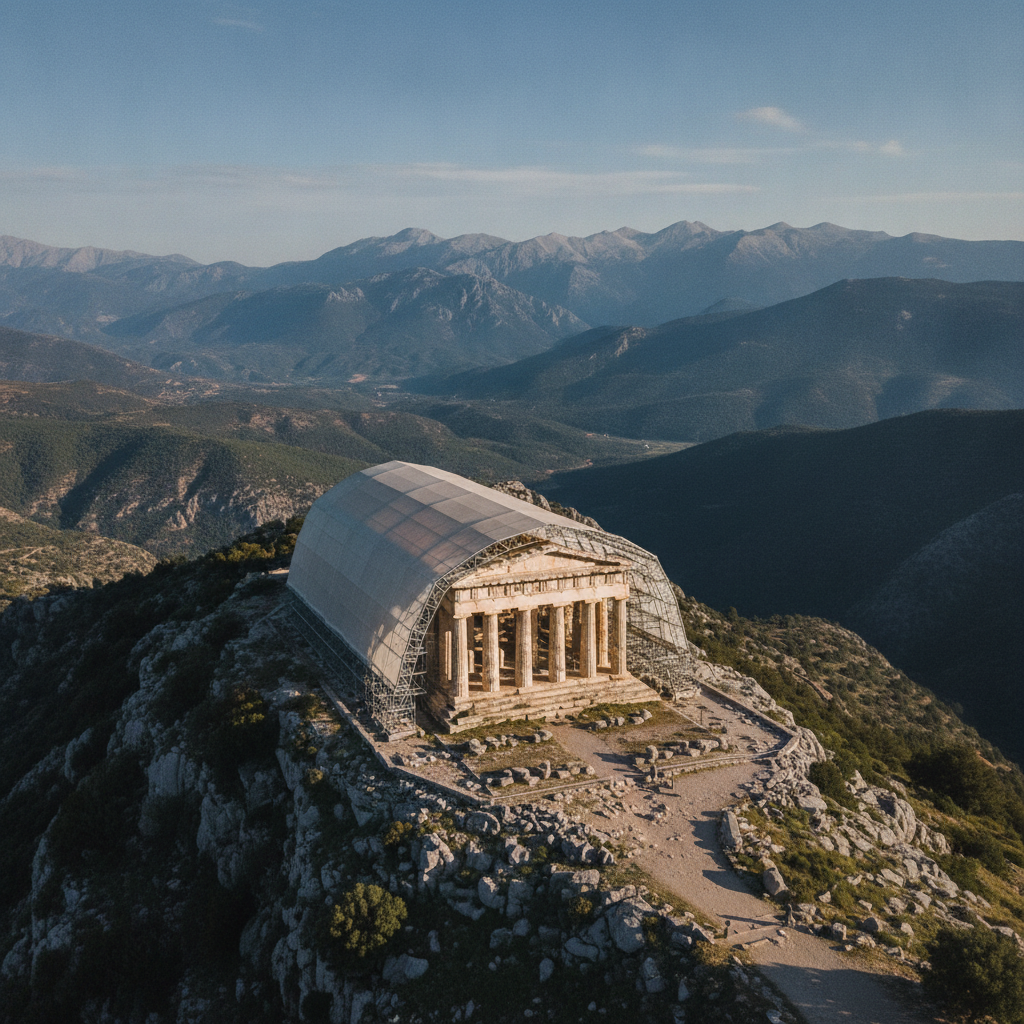
Bassae: The Temple in the Mountains
The Temple of Apollo Epikourios at Bassae in the Arcadian mountains 60 kilometers southeast of Olympia, designed by Iktinos, the same architect who designed the Parthenon, and built around 420 BC at 1,130 meters altitude in the most remote major temple location in Greece, is the UNESCO World Heritage site most frequently visited by the architectural specialist and most consistently overlooked by the general visitor. The Bassae temple contains the earliest Corinthian capital in Greek architecture, the earliest use of the engaged column in the interior, and the continuous Ionic frieze of Centauromachy and Amazonomachy that is now in the British Museum.
- 3
Arcadian Mountains: The Central Peloponnese Landscape
The Arcadia region surrounding the Bassae temple and the Arcadian plateau of Tripolis and Megalopolis, the central mountain zone of the Peloponnese that the Renaissance invented as the pastoral paradise of shepherds and nymphs, is the most scenically varied and least internationally visited landscape in mainland Greece. The Arcadian villages of Stemnitsa, Dimitsana, and Vytina in the Lousios river gorge preserve the most complete pre-industrial Greek village architecture and the water-powered workshops that the 18th and 19th century Arcadian economy built at the river bank.
- 4
Ancient Elis: The City That Governed the Games
The ancient Elis, the city-state in the western Peloponnese that held the administrative authority over the Olympic sanctuary and organized the Olympic Games for most of their history, is now the provincial capital of the Elis regional unit with the archaeological museum that contains the objects from the Elis city excavations. The Elis city excavations, revealing the agora, the gymnasium, and the theatre of the city that was the most important Peloponnesian city during the Games period, are the least visited major archaeological excavation in the western Peloponnese.
- 5
Kyparissia: The Western Peloponnese Beach Town
Kyparissia on the western Peloponnese coast 70 kilometers south of Olympia, the small coastal town with the Frankish castle on the hill above the beach and the long sandy beach extending south toward the Gialova Lagoon, is the most underrated beach town in the Peloponnese and the most convenient base for the visitor combining the Olympia visit with the Nestor Palace and the Pylos harbour. The Gialova Lagoon nature reserve adjacent to Kyparissia is the most important migratory bird wetland in the western Peloponnese.
- 6
Western Peloponnese Circuit: 4-Day Itinerary
The western Peloponnese circuit from Patras through Olympia to Bassae, Nestor Palace, Pylos harbour, Kyparissia beach, and back north to Patras via the Kalamata coastal road and the Messinian Gulf provides the most complete introduction to the western Peloponnese landscape in the 4-day circuit that the visitor arriving from Italy by ferry at Patras and departing from Athens uses as the first Greek land experience. The circuit combines the most important archaeological sites with the most beautiful natural landscapes in the western Peloponnese.
Walk this route with audio
Stories play automatically as you reach each stop — no tapping needed.
More in Olympia
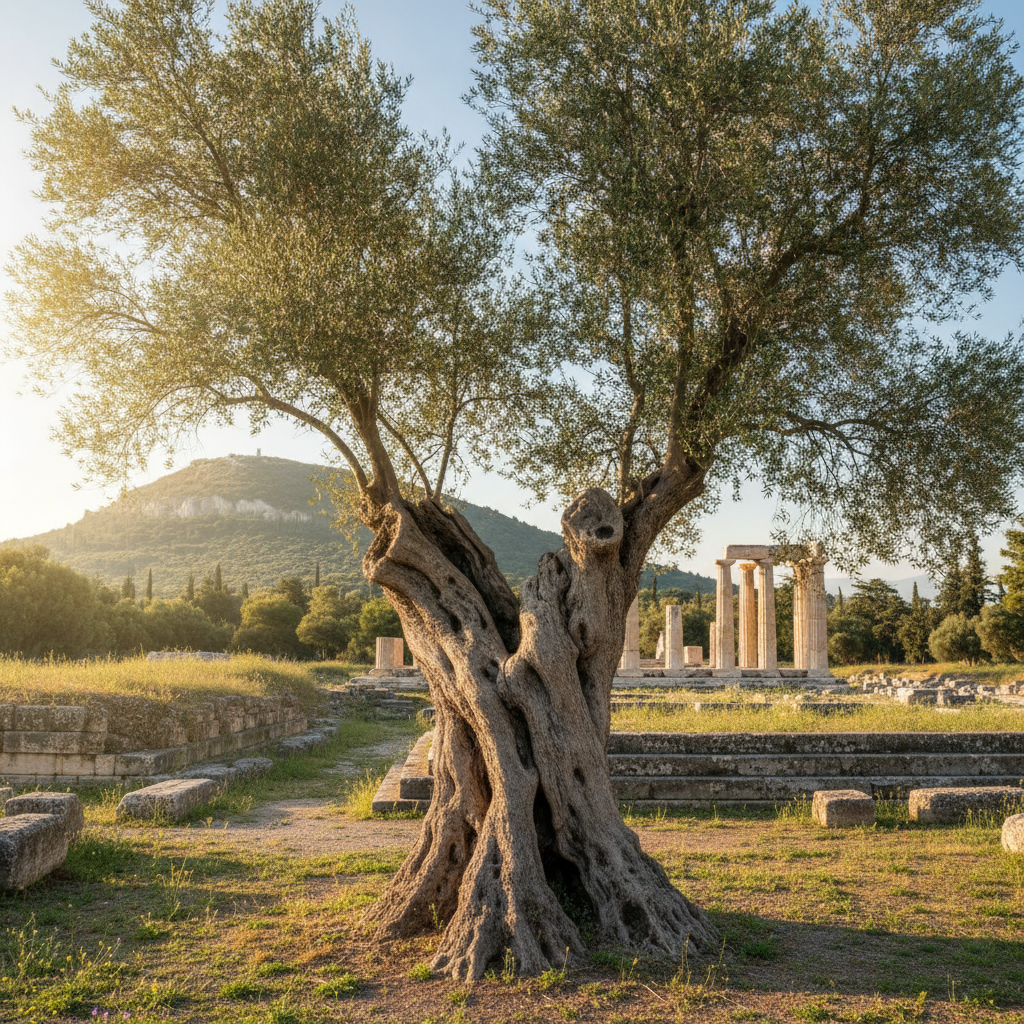
Olympia Olympic Victors: Pindar Victory Odes, Milo of Croton Wrestling, Leonidas of Rhodes Sprint, Diagoras Boxing Family, the Olive Wreath Crown, and the Social Meaning of Olympic Victory
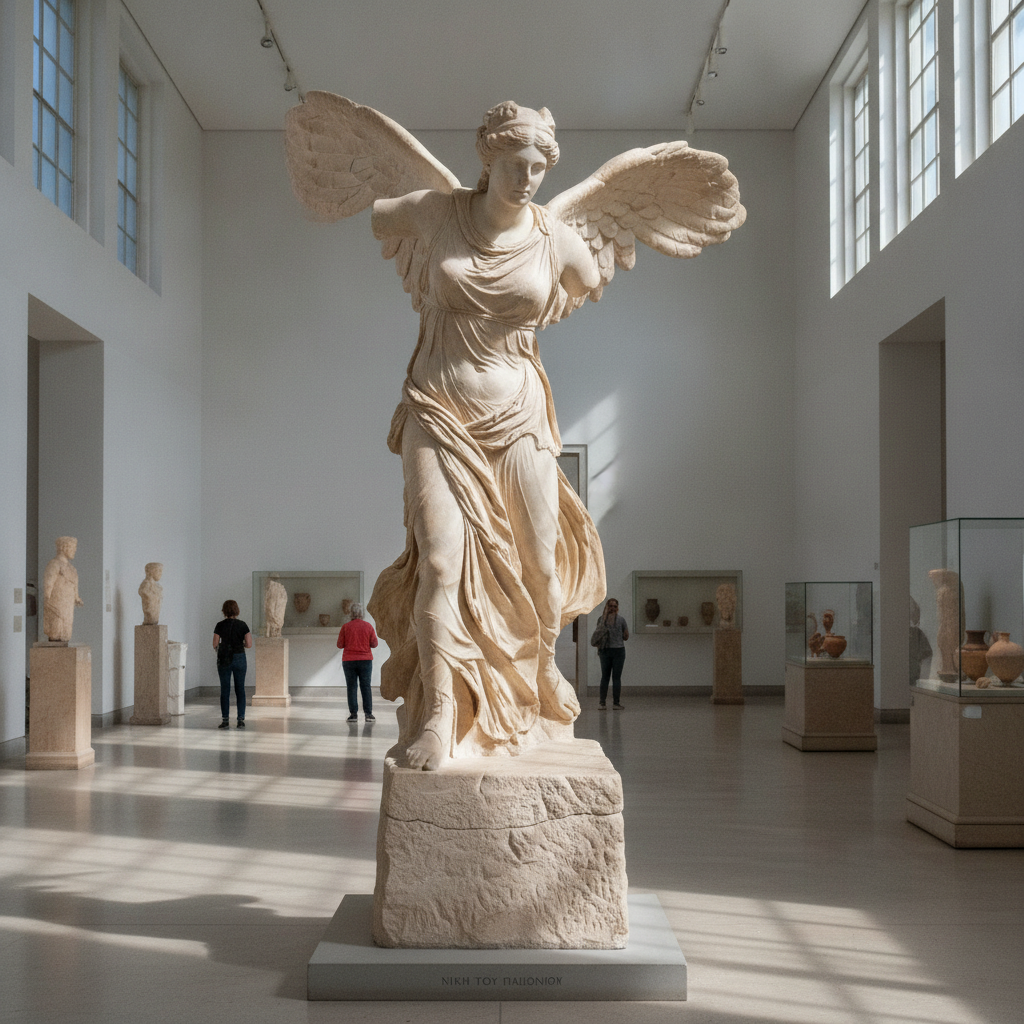
Olympia Monuments: Nike of Paionios, Echo Stoa, Treasury Terrace of City-States, Bouleuterion and the Olympic Oath, Prytaneion Eternal Flame, and the Processional Route
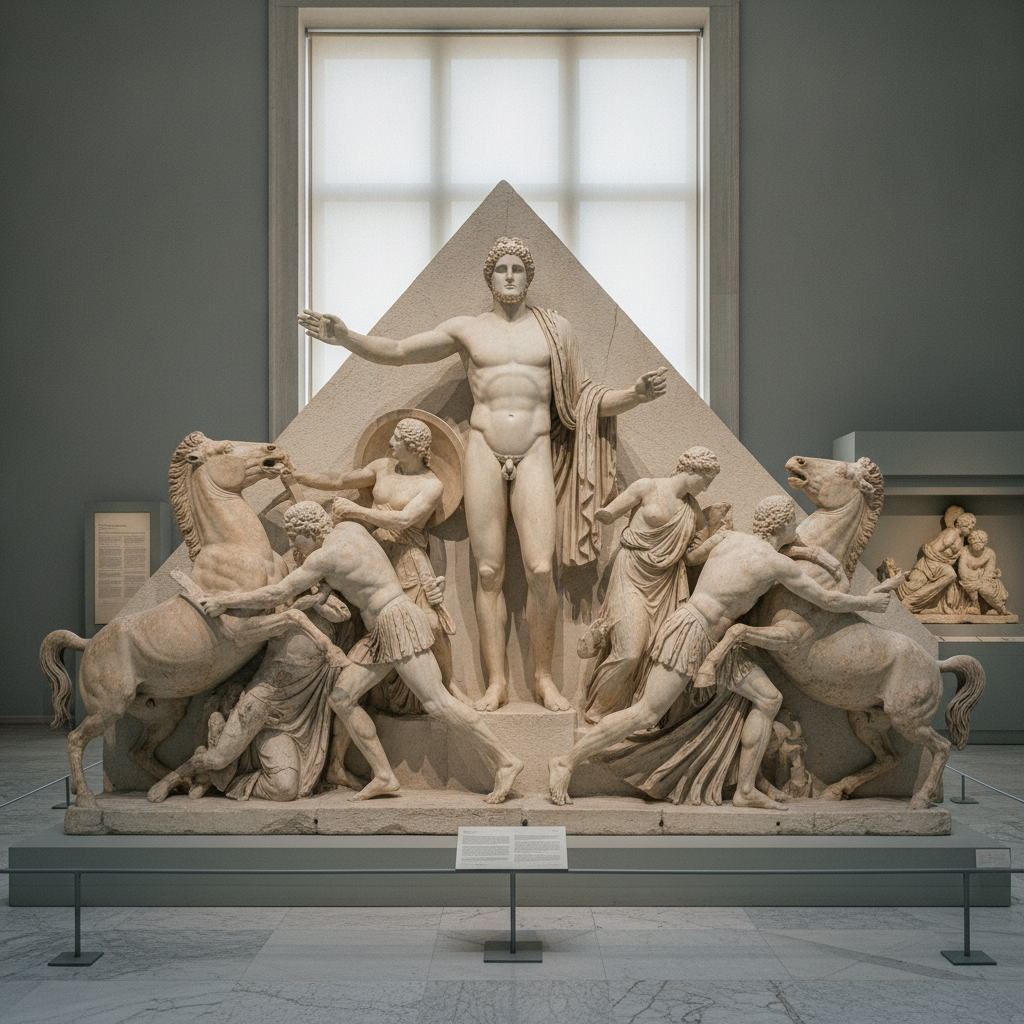
Olympia Museum Deep Dive: Zeus Temple East and West Pediments, Herakles Labors Metopes, Bronze Collection, and the Leonidas Sparta Thermopylae Connection to the Peloponnese Circuit
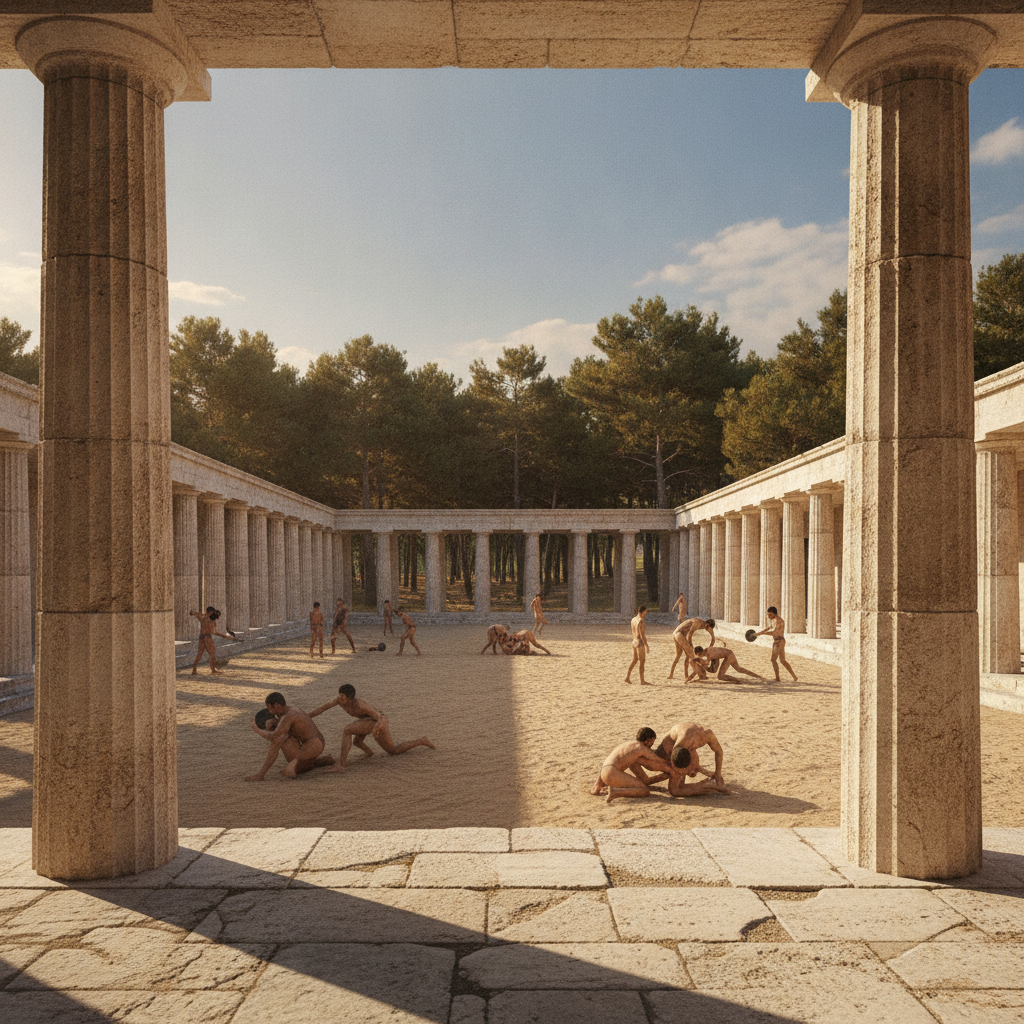
Olympia Art and Sport: The Pheidias Workshop, Zeus Statue Wonder Details, Palaestra Wrestling School, Ancient Gymnasium, the Hippodrome Horse Racing, and the Complete Athletes Training Circuit
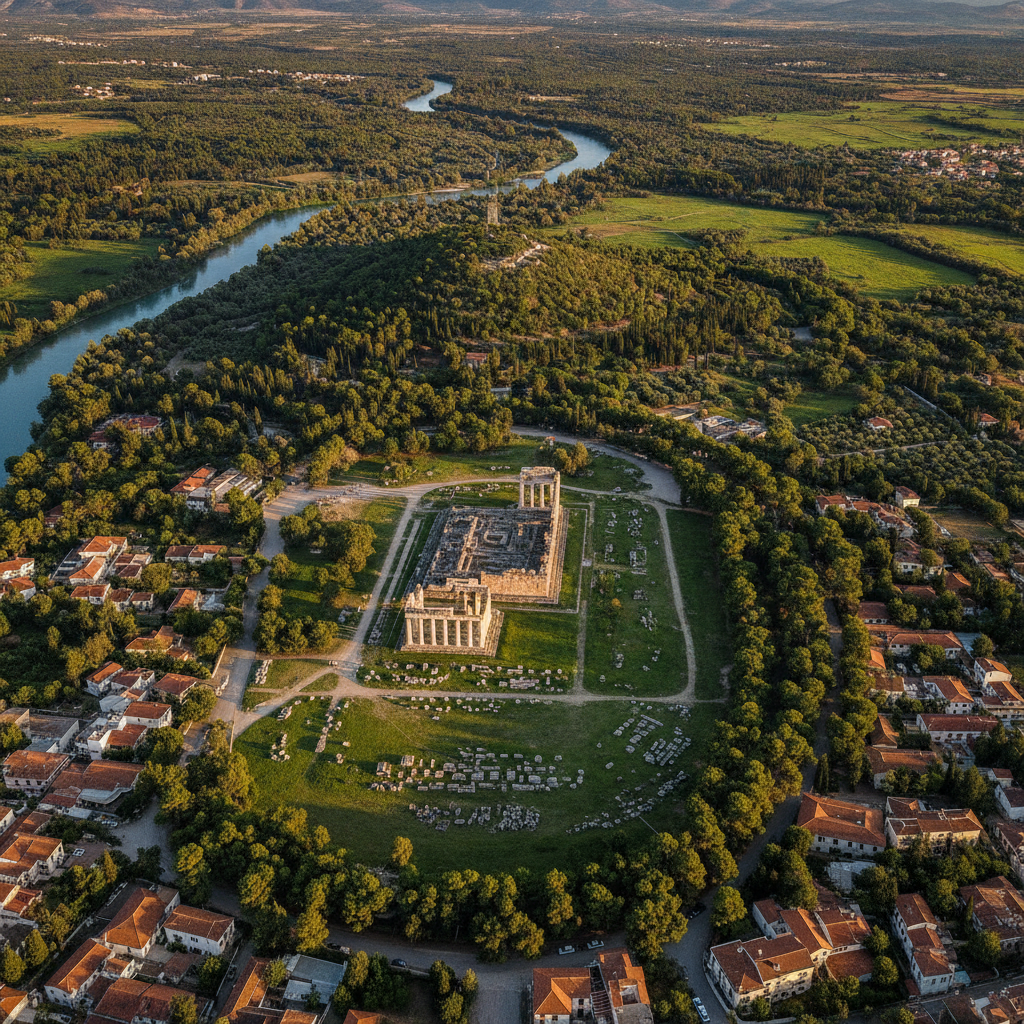
Olympia Modern Olympics: The 1896 Revival and Coubertin, the Ancient Site Natural Landscape, Alpheios and Kladeos River Setting, Ancient Olympia Village, the Nemea Games Revival, and the Olympic Museum