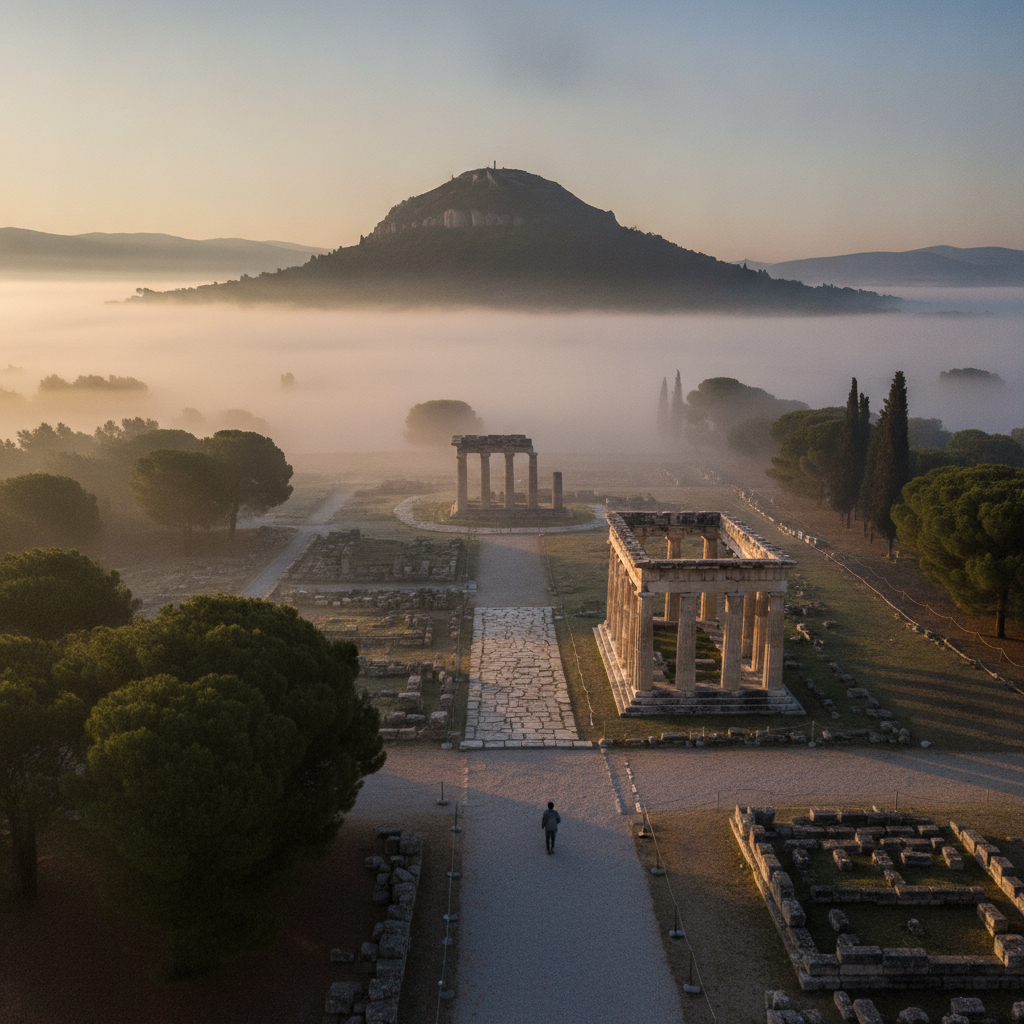
Olympia Museum Deep Dive: Zeus Temple East and West Pediments, Herakles Labors Metopes, Bronze Collection, and the Leonidas Sparta Thermopylae Connection to the Peloponnese Circuit
The Olympia museum deep dive covers the Zeus temple east pediment with the chariot race preparation and the west pediment Centauromachy with Apollo, the 12 Herakles Labors metopes, the bronze collection including the Olympia head of boxer, and the Leonidas connection from Olympia to the Thermopylae battlefield in the central Greece circuit.
- 1
East Pediment: The Chariot Race of Pelops and Oinomaos
The east pediment of the Zeus temple, depicting the moment before the chariot race between Pelops and Oinomaos whose outcome determined whether Pelops could marry the princess Hippodamia, shows the two competitors and their chariots flanking the central figure of Zeus in the hushed moment before the race that the myth associates with the foundation of the Olympic Games. The characteristically severe style of the east pediment sculptures, with the rigid frontality and the intense psychological concentration of the figures, is the most complete surviving example of the Early Classical sculptural style.
- 2
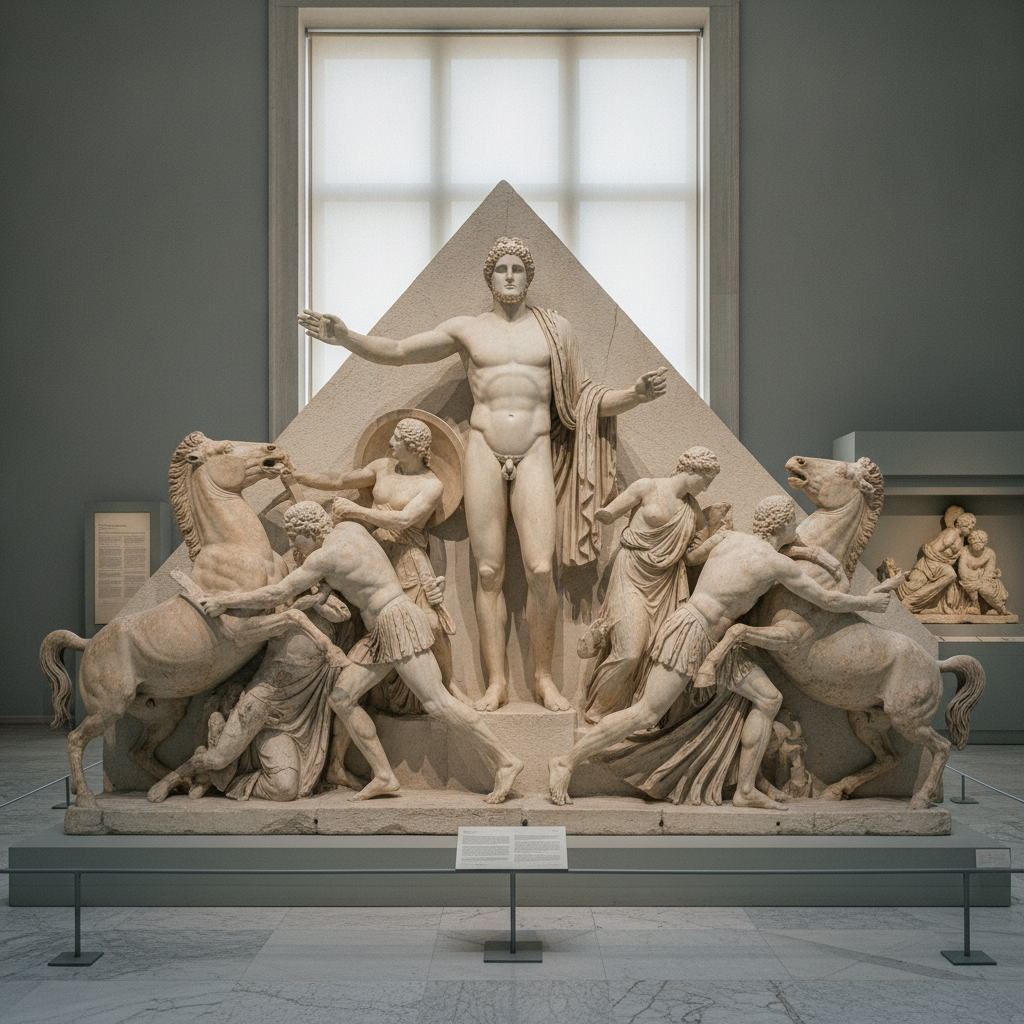
West Pediment: Apollo Commands the Centauromachy
The west pediment of the Zeus temple, showing the battle of the Lapiths and the Centaurs at the wedding feast of Peirithoos, centers on the commanding figure of Apollo who extends his arm to impose order on the chaos of the battle with the most authoritative gesture in Greek pediment sculpture. The west pediment sculptural group, carved between 470 and 456 BC and representing the transition from the Early to the High Classical style, is the most dynamically composed and emotionally expressive pediment surviving from the 5th century BC.
- 3
The Herakles Metopes: The 12 Labors in Marble
The 12 metopes from the Zeus temple pronaos and opisthodomos, showing the 12 Labors of Herakles in a sequence that begins with the Nemean Lion and ends with the Atlas episode of holding the sky, are the earliest monumental sculptural cycle to depict the complete Herakles myth and the model for the systematic hero narrative that the subsequent tradition repeated. The Olympia Herakles metopes, showing Athena assisting in several of the labors, establish the relationship between the hero and the divine patroness that the Athenian tradition developed in the Parthenon metopes.
- 4
Olympic Bronze Collection: The Athletic Body
The Olympia museum bronze collection, including the preserved helmet of Miltiades dedicated after Marathon, the bronze head of a boxer with the swollen ears and the broken nose that are the most realistic portrait of athletic damage in ancient sculpture, and the bronze figure of a running youth, provides the most direct encounter with the material culture of the ancient athlete - the equipment, the injury, and the physical self-presentation - that any Greek archaeological museum collection offers.
- 5
Leonidas and Thermopylae: The Olympia Connection
Leonidas, the Spartan king who died at Thermopylae in 480 BC with the 300 Spartans and the 700 Thespians and the 400 Thebans who formed the rear guard, was an Olympic competitor whose bronze statue stood at Olympia as one of the most revered monuments in the sanctuary. The Thermopylae battlefield 200 kilometers north of Olympia, where the modern monument replicates the epitaph attributed to the Spartan poet Simonides, is the most visited battlefield in Greece and the historical site most frequently combined with the Olympia and Delphi circuit.
- 6
Peloponnese Museum Circuit: Olympia to Nafplio
The Peloponnese museum circuit from the Olympia Archaeological Museum through the Argos Archaeological Museum, the Nafplio Palamidi fortress, the Mycenae museum, the Nafplio Museum of the Peloponnesian Folklore Foundation, and the Corinth Museum provides the most complete survey of the Bronze Age through the Byzantine period in any regional museum circuit in Greece. The 4-day Peloponnese circuit from Patras through Olympia to Nafplio and back via Corinth is the standard itinerary for the visitor combining the ancient sites with the museum collections.
Walk this route with audio
Stories play automatically as you reach each stop — no tapping needed.
More in Olympia
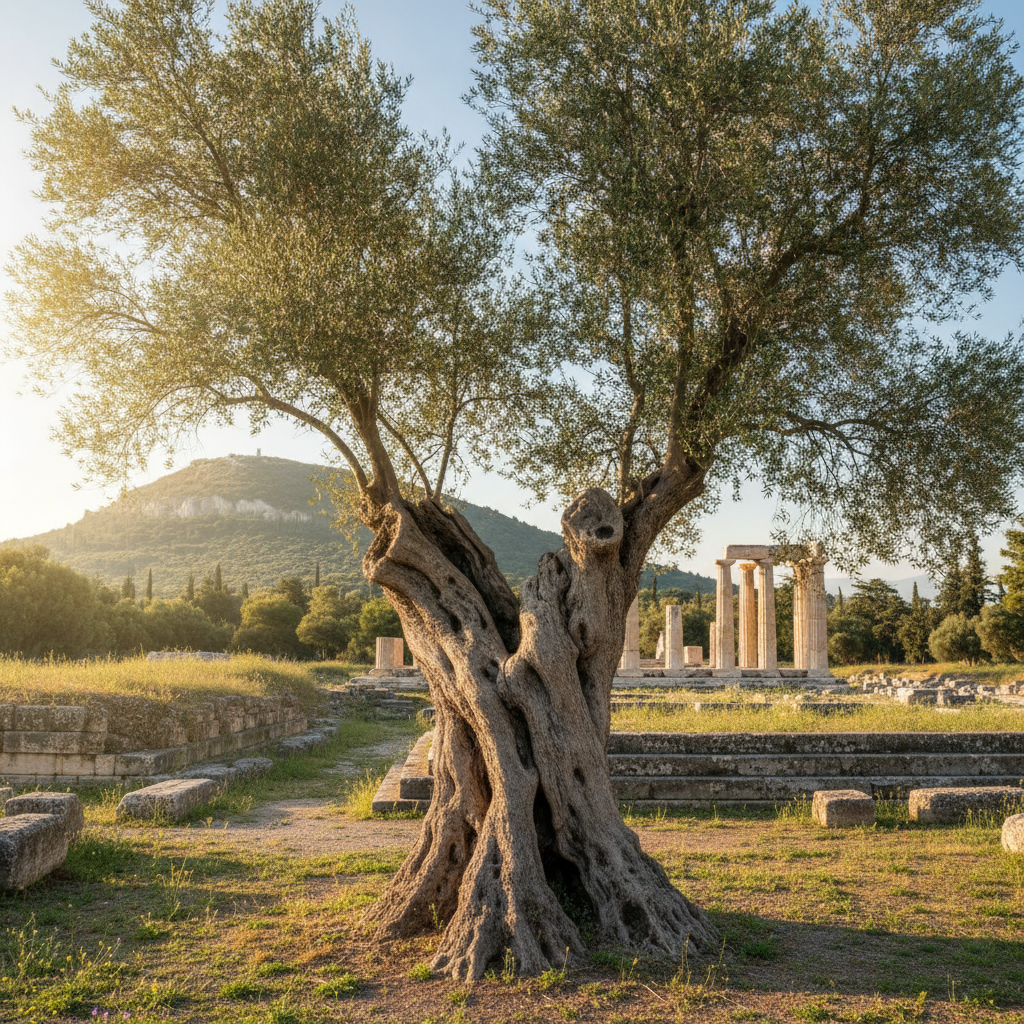
Olympia Olympic Victors: Pindar Victory Odes, Milo of Croton Wrestling, Leonidas of Rhodes Sprint, Diagoras Boxing Family, the Olive Wreath Crown, and the Social Meaning of Olympic Victory
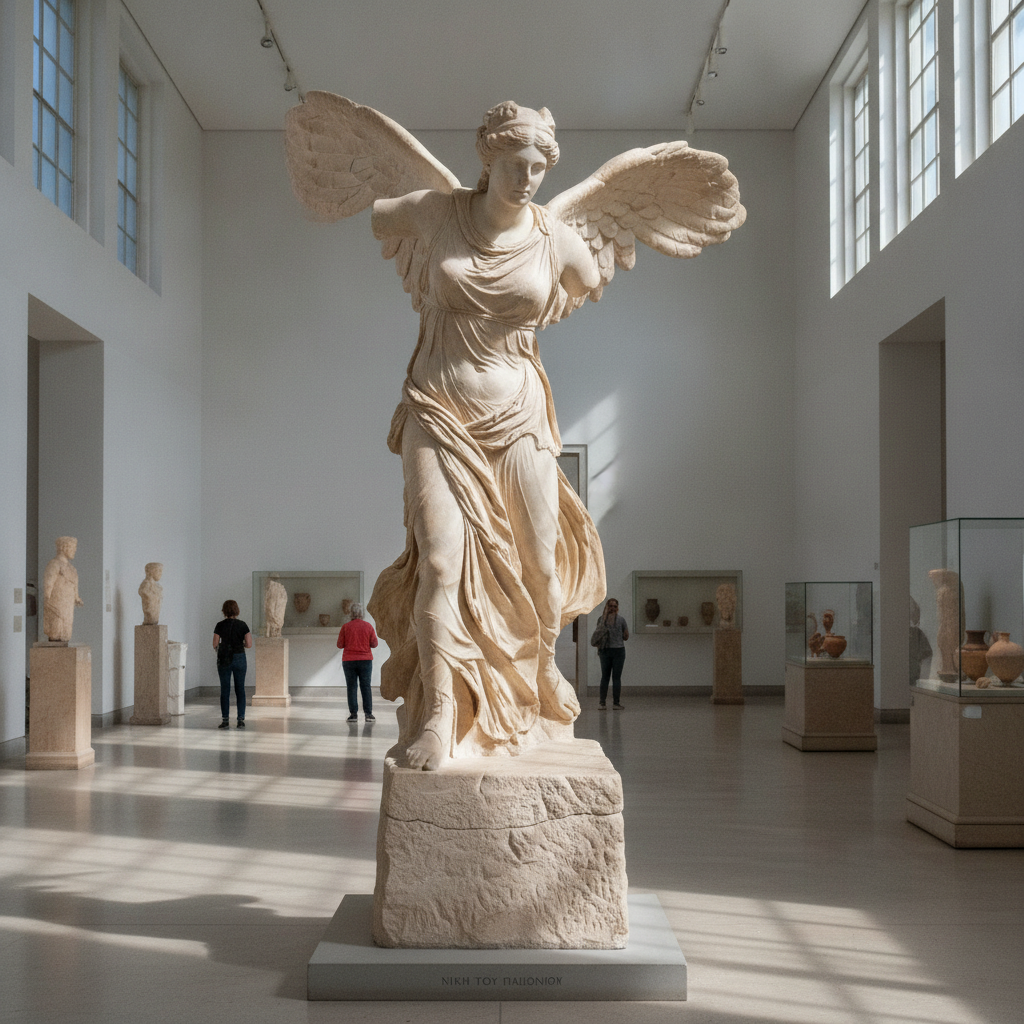
Olympia Monuments: Nike of Paionios, Echo Stoa, Treasury Terrace of City-States, Bouleuterion and the Olympic Oath, Prytaneion Eternal Flame, and the Processional Route
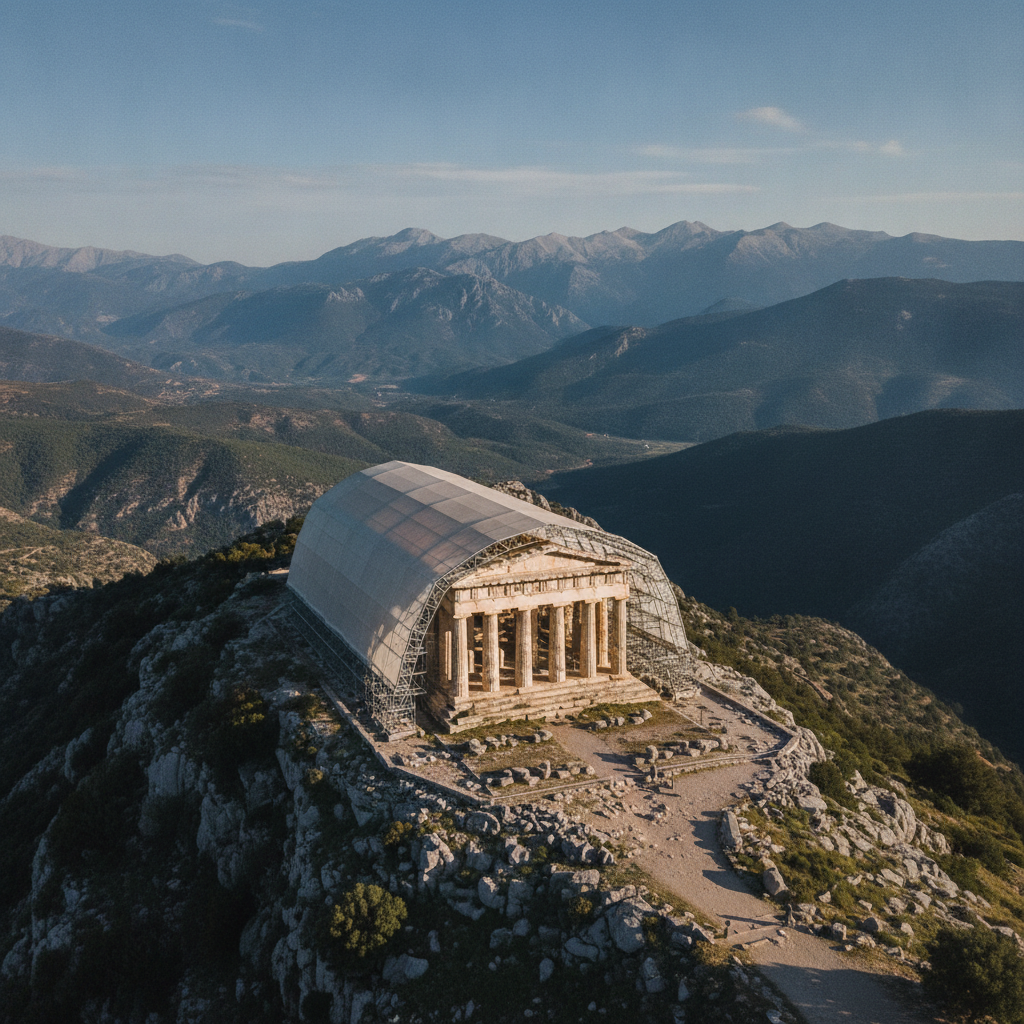
Olympia Peloponnese Excursions: Nestor Palace at Pylos, Bassae Apollo Temple UNESCO, Arcadian Mountain Landscape, Kyparissia Beach Town, Ancient Elis Region, and the Western Peloponnese Circuit
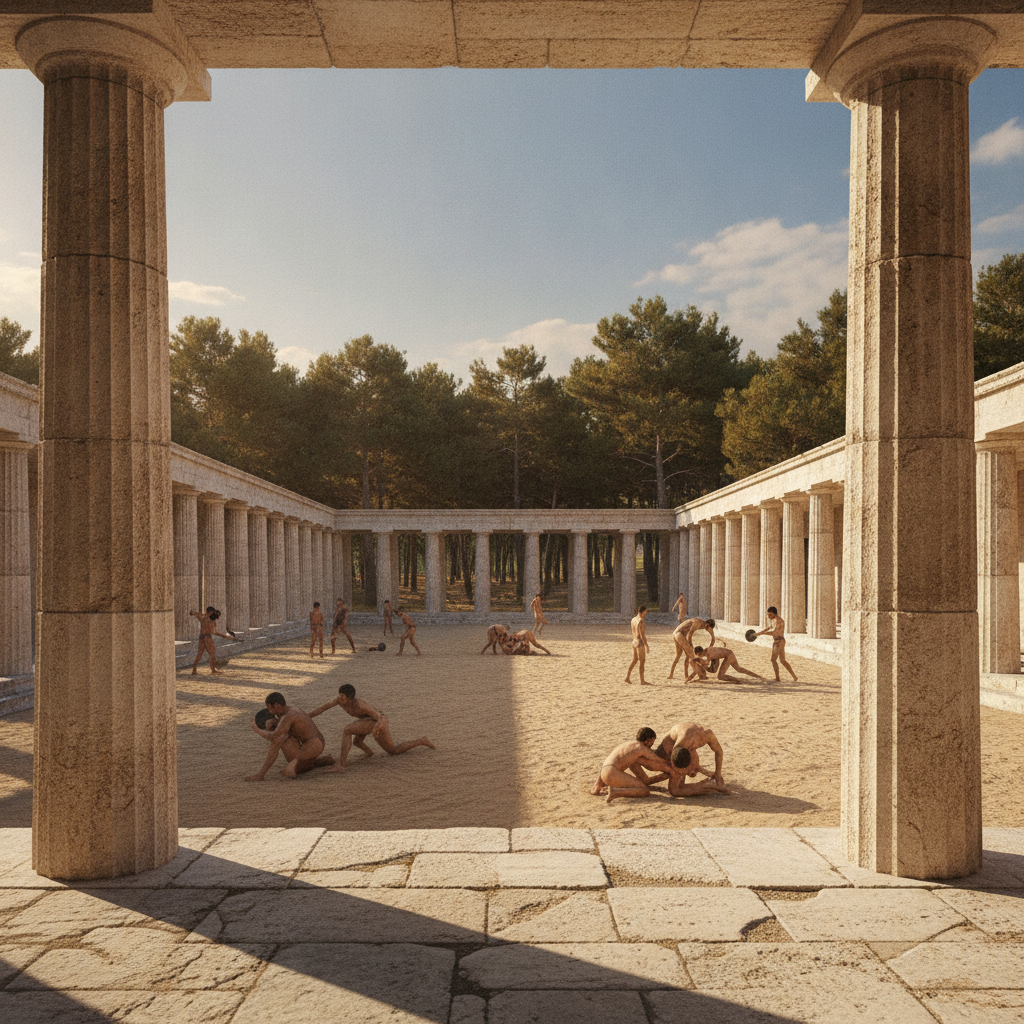
Olympia Art and Sport: The Pheidias Workshop, Zeus Statue Wonder Details, Palaestra Wrestling School, Ancient Gymnasium, the Hippodrome Horse Racing, and the Complete Athletes Training Circuit
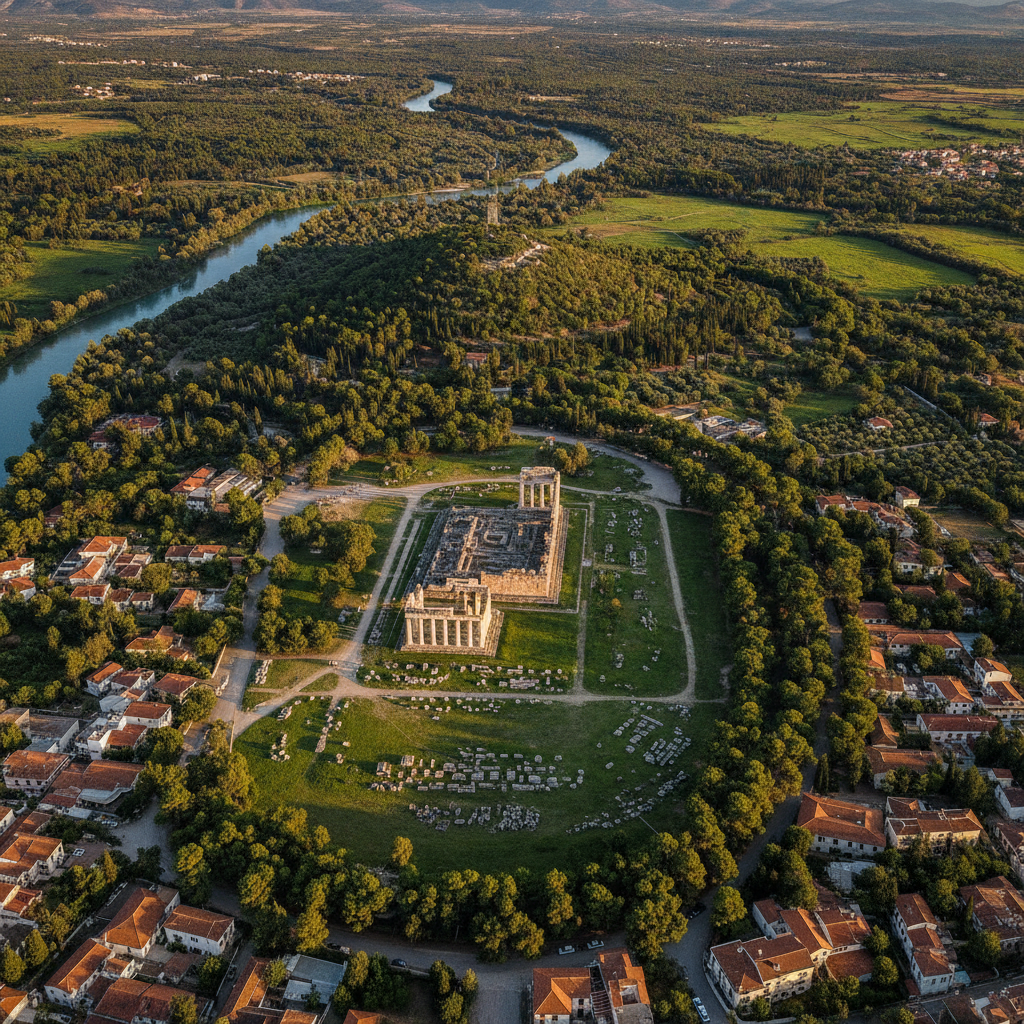
Olympia Modern Olympics: The 1896 Revival and Coubertin, the Ancient Site Natural Landscape, Alpheios and Kladeos River Setting, Ancient Olympia Village, the Nemea Games Revival, and the Olympic Museum