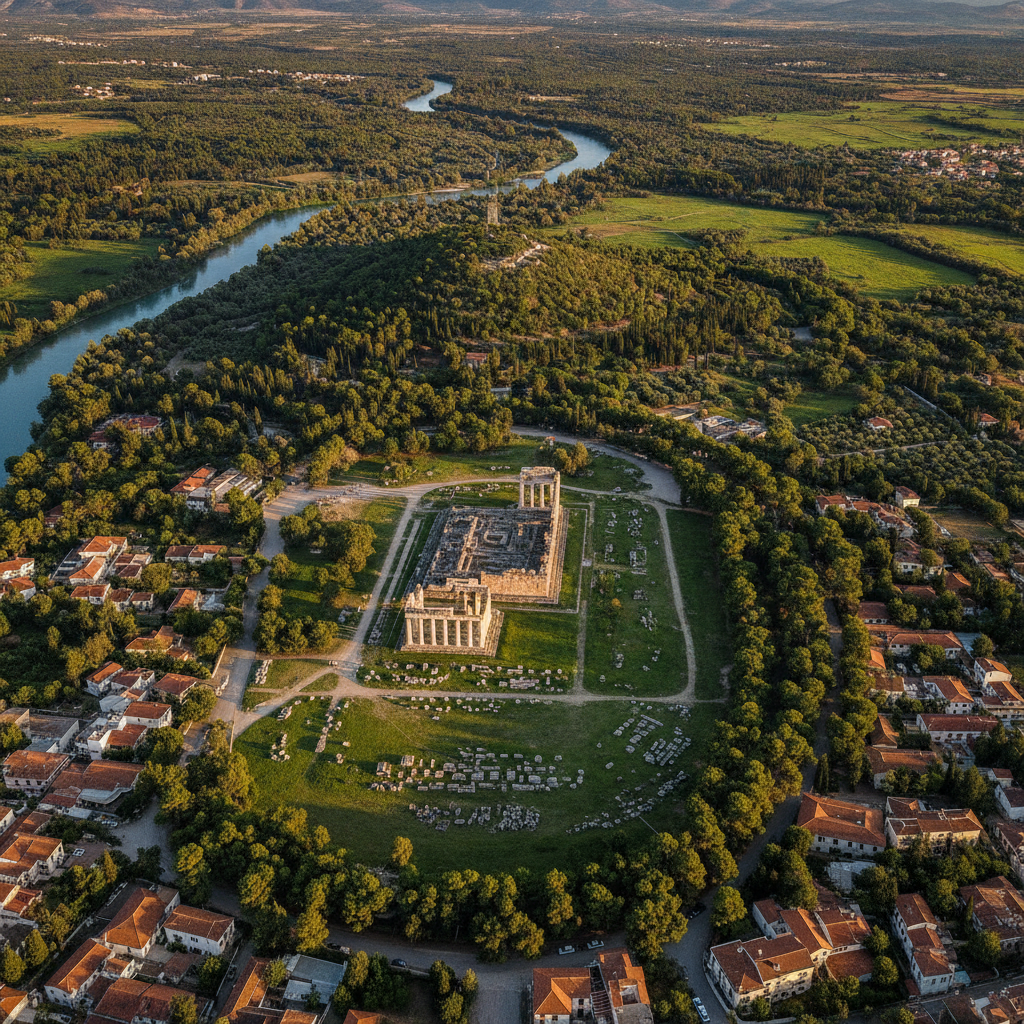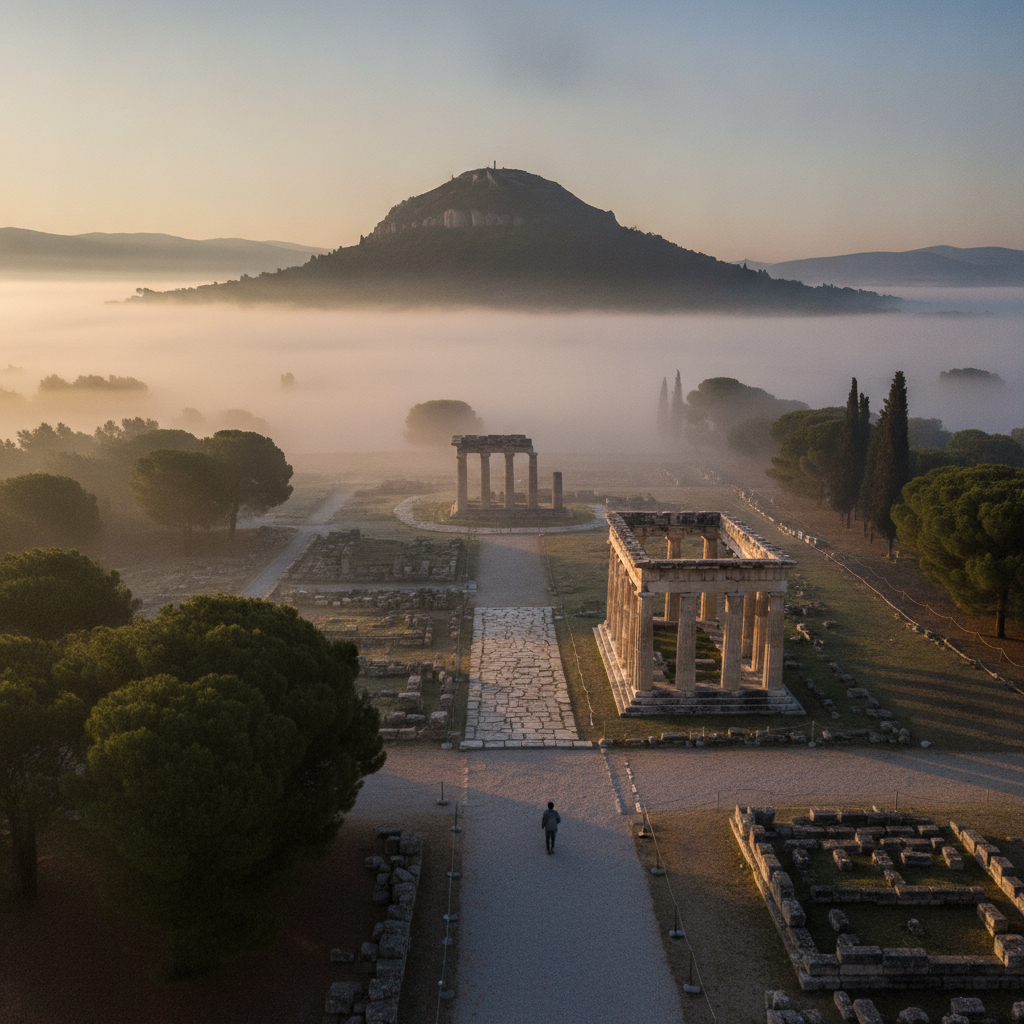
Olympia Practical and Summary: Ancient Site Visit Logistics, Museum Hours and Crowd Management, Accommodation Options, The Nafplio Circuit Combination, and the Peloponnese Departure Summary
The Olympia practical and departure route covers the ancient site visit logistics and optimal timing, the museum collection highlights and crowd management, the accommodation options from Ancient Olympia village to the Pylos coastal hotels, the Nafplio and Mycenae circuit combination, and the departing reflection on Olympia as the site where humanity most completely expressed the aspiration to excellence.
- 1
Ancient Olympia: Optimal Visit Timing
The Ancient Olympia archaeological site is best visited in the first 2 hours after the 8am opening, before the organized tour groups arrive from Pyrgos and Patras at 10am and the cruise ship day-trippers at 11am. The afternoon after 4pm, when the tour groups have departed and the site remains open until 8pm in the summer, provides the second best timing with the late afternoon light on the west-facing Temple of Zeus columns. The Tuesday and Thursday mornings in the peak June-August season are consistently the least crowded days based on the cruise ship timetable.
- 2
Olympia Museum: Collection Highlights and Strategy
The Olympia Archaeological Museum requires a minimum of 2 hours for the visitor who wants to see all the significant objects at an adequate pace. The recommended circuit begins with the Hermes of Praxiteles in Room 6, continues to the Pheidias workshop finds in Room 7, then the east and west pediment galleries, and finishes with the Nike of Paionios and the bronze collection. The museum is consistently less crowded than the site itself and the morning visit to the site followed by the museum in the midday heat is the most comfortable sequence.
- 3
Accommodation: Ancient Olympia to Pylos Coast
The Ancient Olympia village hotels range from the basic guesthouses at 40 euros to the Best Western Europa with the museum views and the swimming pool at 120 euros. The Pylos harbour hotels 90 kilometers south provide the most atmospheric alternative base with the Ottoman castle, the Pylos Bay, and the Nestor Palace within 15 kilometers. The Kyparissia beach hotels 70 kilometers south offer the most affordable beach accommodation in the western Peloponnese with the long sandy beach and the Frankish castle.
- 4
Nafplio and Mycenae: The Eastern Extension
The 140-kilometer drive from Olympia to Nafplio, the most beautiful small city in the Peloponnese and the ideal base for the Mycenae and Epidaurus visits, is the most logical extension of the Olympia archaeological visit into the Bronze Age and the classical period in the same 3-day circuit. The Nafplio-Olympia-Bassae-Pylos circuit in 4 days provides the most historically complete introduction to the Peloponnese available in a single short visit.
- 5
Olympia Practical: Getting There and Around
Olympia is accessible from Athens in 4 hours by car on the E55 Patras motorway and then the Pyrgos road, or 5 hours by KTEL bus from Athens. The Olympia train station, adjacent to the archaeological site, is served by the Pyrgos-Olympia local line that connects to the Athens-Patras main line at Pyrgos in 30 minutes. The Ancient Olympia village is small enough to walk entirely and the archaeological site and the museum are within 10 minutes walk of any hotel in the village.
- 6
Olympia Departure: The Aspiration to Excellence
Ancient Olympia, the site where the most complete expression of the Greek aspiration to human excellence was enacted every 4 years for 1,169 years in the athletic competition and the religious festival that shaped the concept of fair competition, the temporary suspension of warfare, the celebration of the human body, and the pursuit of glory that Western civilization inherited from the ancient Greeks, is the site that most directly connects the modern athletic and competitive culture to its ancient precedents. The visitor who leaves Olympia understands not only what the ancient Greeks valued but why those values, expressed in the most human of all possible activities, survived the collapse of the ancient world and remain the foundation of the modern Olympic movement.
Walk this route with audio
Stories play automatically as you reach each stop — no tapping needed.
More in Olympia
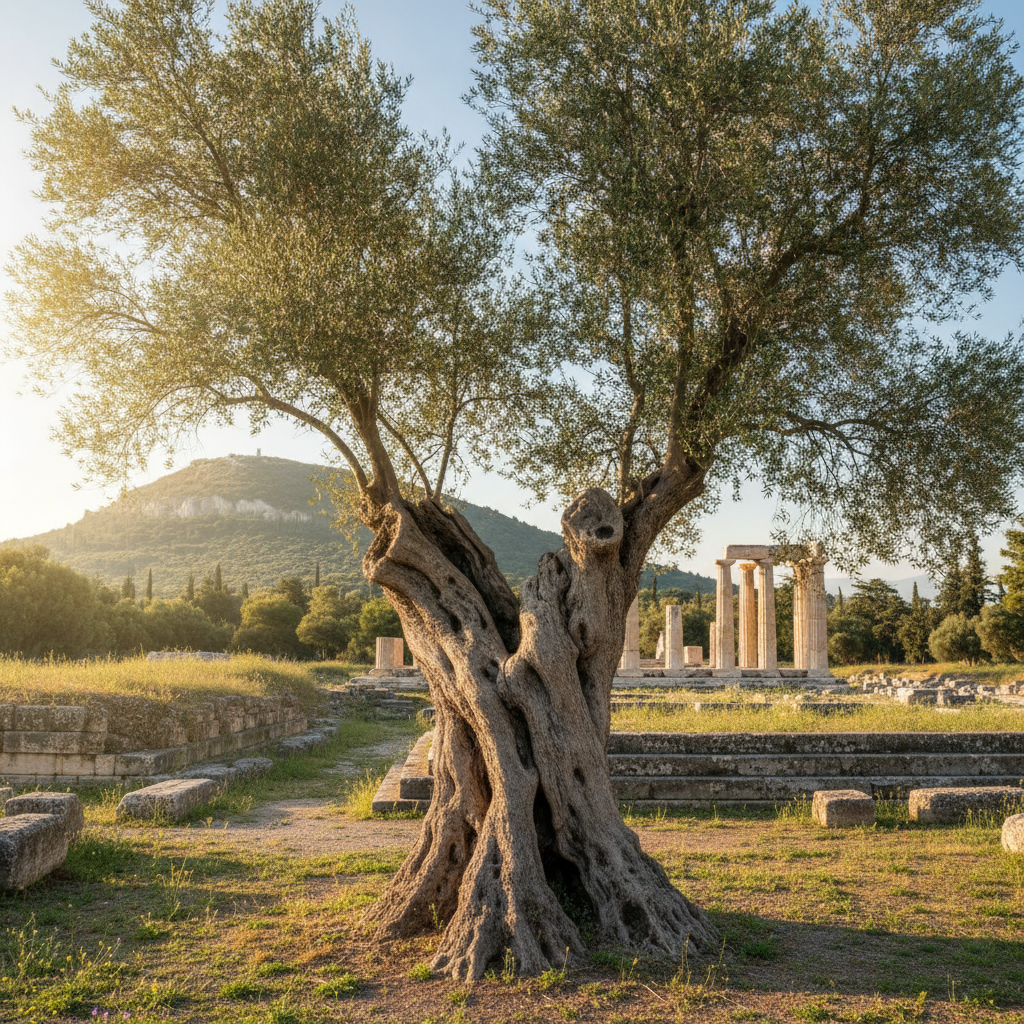
Olympia Olympic Victors: Pindar Victory Odes, Milo of Croton Wrestling, Leonidas of Rhodes Sprint, Diagoras Boxing Family, the Olive Wreath Crown, and the Social Meaning of Olympic Victory
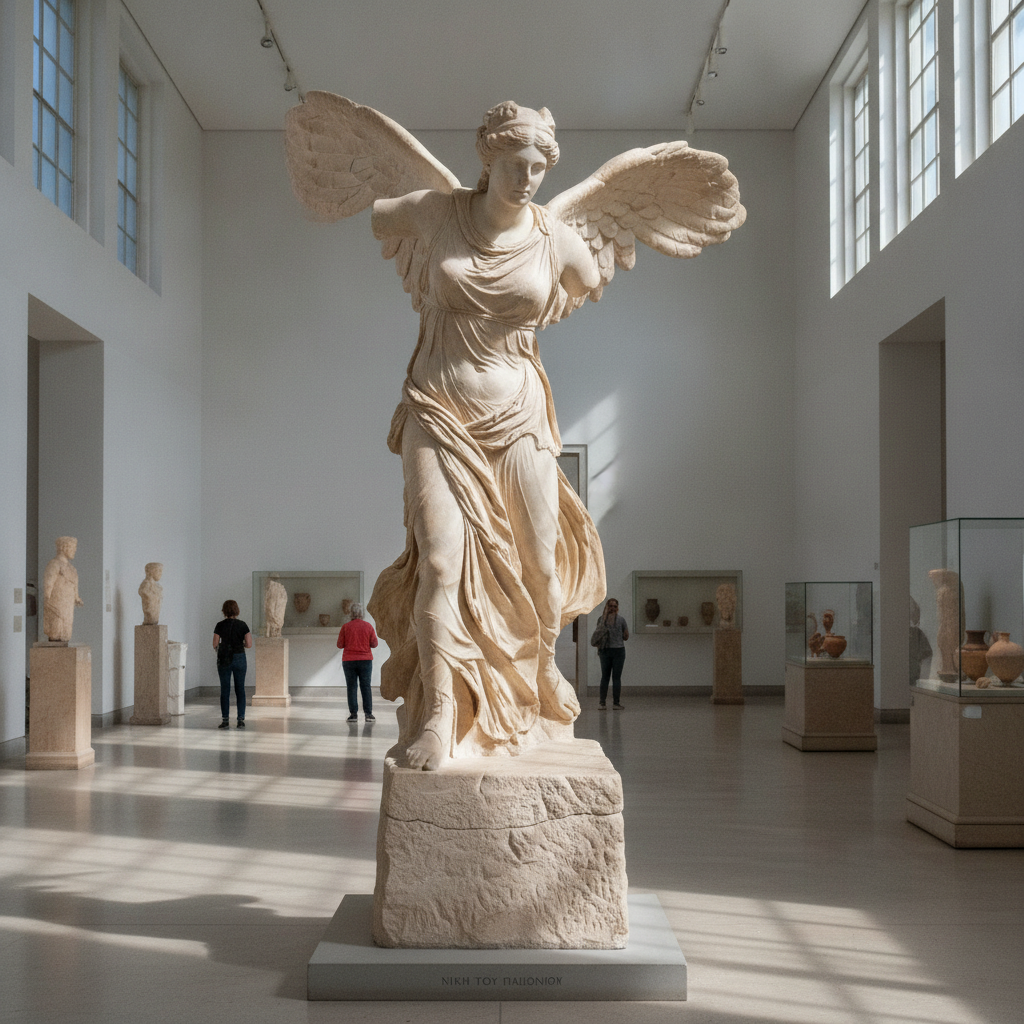
Olympia Monuments: Nike of Paionios, Echo Stoa, Treasury Terrace of City-States, Bouleuterion and the Olympic Oath, Prytaneion Eternal Flame, and the Processional Route
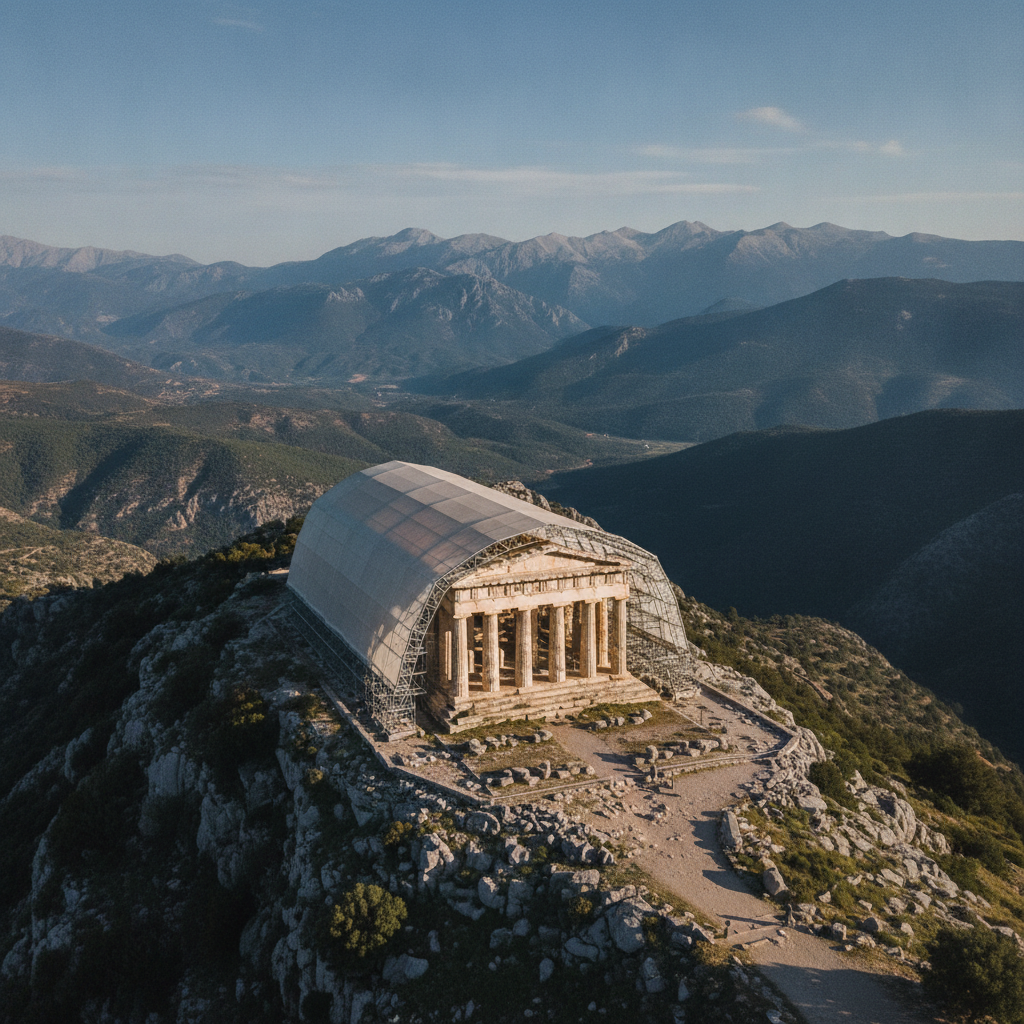
Olympia Peloponnese Excursions: Nestor Palace at Pylos, Bassae Apollo Temple UNESCO, Arcadian Mountain Landscape, Kyparissia Beach Town, Ancient Elis Region, and the Western Peloponnese Circuit
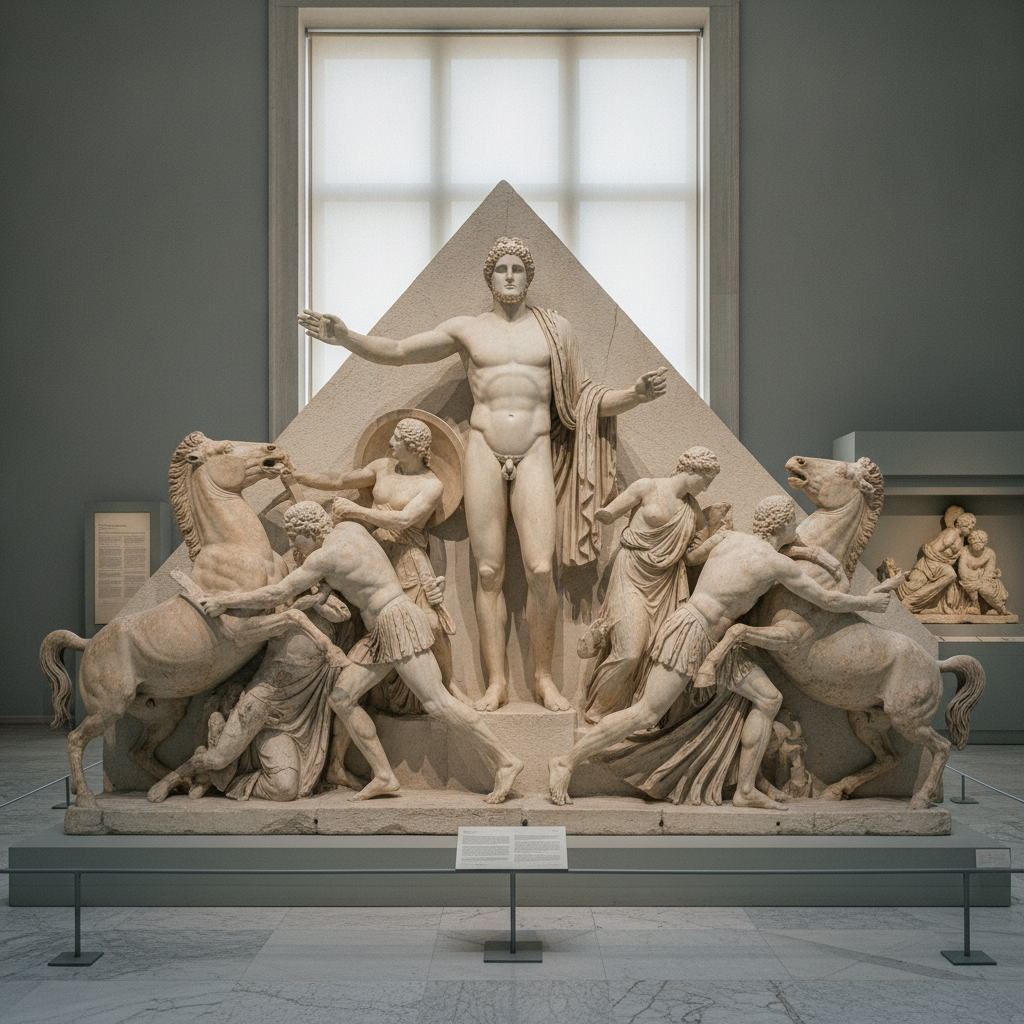
Olympia Museum Deep Dive: Zeus Temple East and West Pediments, Herakles Labors Metopes, Bronze Collection, and the Leonidas Sparta Thermopylae Connection to the Peloponnese Circuit
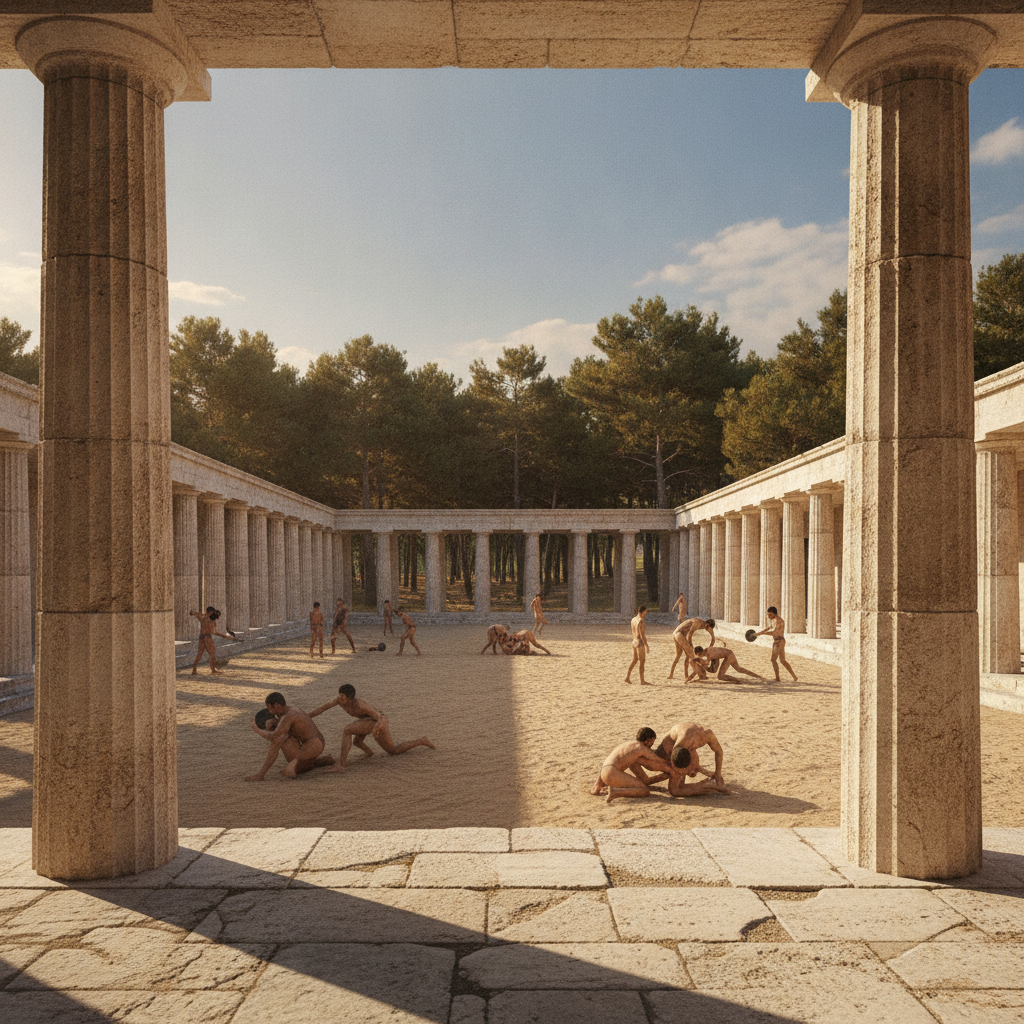
Olympia Art and Sport: The Pheidias Workshop, Zeus Statue Wonder Details, Palaestra Wrestling School, Ancient Gymnasium, the Hippodrome Horse Racing, and the Complete Athletes Training Circuit