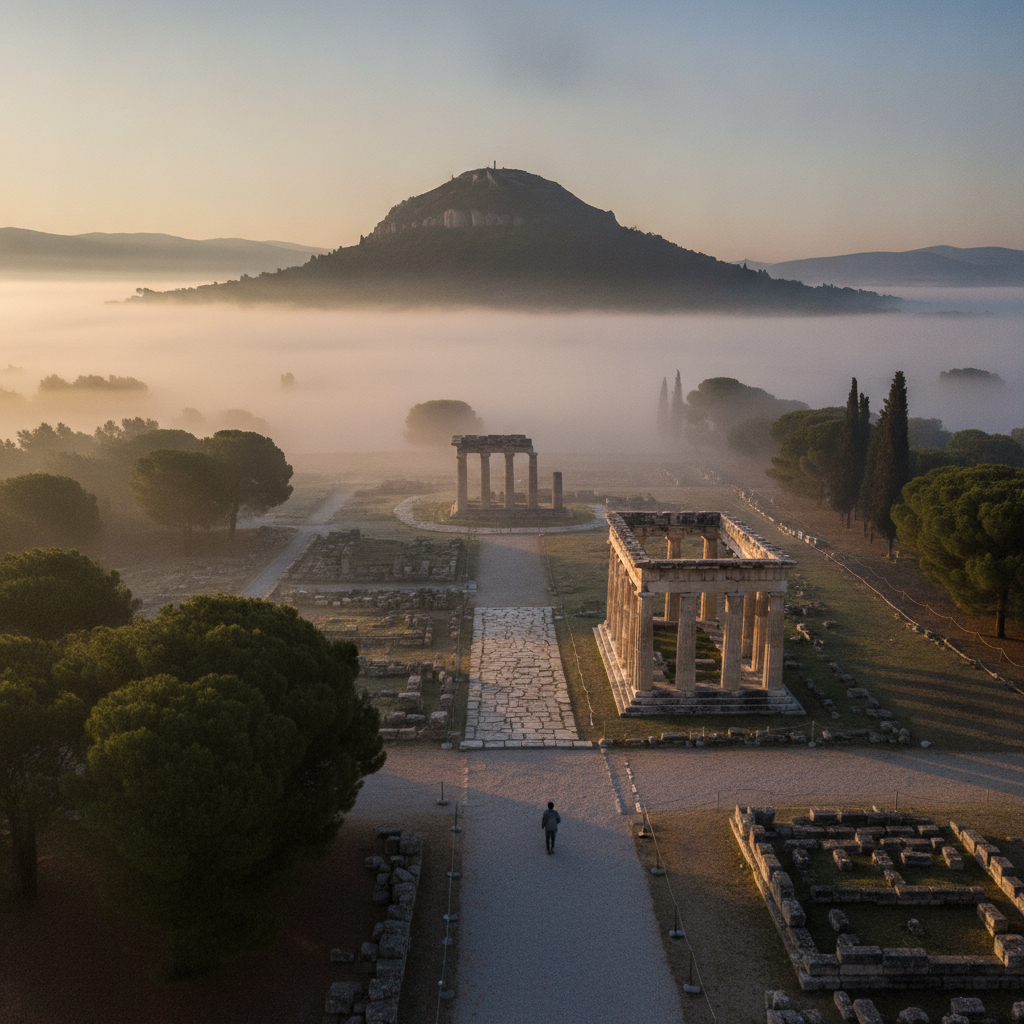
Olympia Olympic Victors: Pindar Victory Odes, Milo of Croton Wrestling, Leonidas of Rhodes Sprint, Diagoras Boxing Family, the Olive Wreath Crown, and the Social Meaning of Olympic Victory
The Olympia victors route covers the Pindar epinician victory odes as the finest celebration of Olympic achievement, the legendary wrestler Milo of Croton with his 6 successive Olympic titles, the sprinter Leonidas of Rhodes with his 12 individual Olympic victories, the Diagoras boxing dynasty, the olive wreath as the sole prize, and what Olympic victory meant in Greek society.
- 1
Pindar: The Poet of Olympic Victory
Pindar of Thebes, the greatest lyric poet of the Greek world who lived from 518 to 438 BC, composed the 14 Olympian Odes that celebrate the victories of the athletes and the horse race patrons who hired him to immortalize their Olympic achievements in the choral poetry that was performed at the victory celebrations. The Pindar Olympian Odes, the most technically accomplished and the most culturally resonant documents of the Olympic Games tradition, establish the Olympic victory as the highest human achievement and the poet who celebrates it as the essential intermediary between the mortal athletic act and the immortal fame.
- 2
Milo of Croton: The Greatest Wrestler
Milo of Croton, the wrestler from the Magna Graecia colony of Croton in southern Italy who won the Olympic wrestling title 6 consecutive times between 540 and 516 BC and the Pythian wrestling title 6 times and the Isthmian title 9 times, is the most successful athlete in the history of the ancient Olympic Games and the model of the supremely trained human body that the Greek athletic ideal proposed as the highest physical achievement. The Milo training stories - the daily carry of a growing calf until it was a full bull, the diet of 9 kilograms of meat per day - are the earliest recorded examples of the systematic athletic training narrative.
- 3
Leonidas of Rhodes: The Sprint Dominance
Leonidas of Rhodes, who won the 3 individual sprint events - the stadion 200 meters, the diaulos 400 meters, and the hoplitodromos in armour - at each of 4 successive Olympic Games between 164 and 152 BC for a total of 12 individual Olympic victories, holds the record for the most individual Olympic victories in the ancient Games and the achievement that the Roman emperor Nero attempted to replicate by competing himself in the 67 AD Games with the result of winning every event he entered regardless of performance.
- 4
Diagoras of Rhodes: The Boxing Dynasty
Diagoras of Rhodes, the boxer celebrated by Pindar in the most famous of all the Olympian Odes in 464 BC for his victory at Olympia, the man whose sons and grandsons won the boxing and pankration titles at subsequent Games, creating the most successful family dynasty in the history of the ancient Olympics, is the athlete whose fame was so complete that the Spartan ambassador at Olympia told him when his sons won their crowns together on the same day that the appropriate response was to die immediately because there was nothing better remaining for him to experience in a mortal life.
- 5
The Olive Wreath: The Only Prize
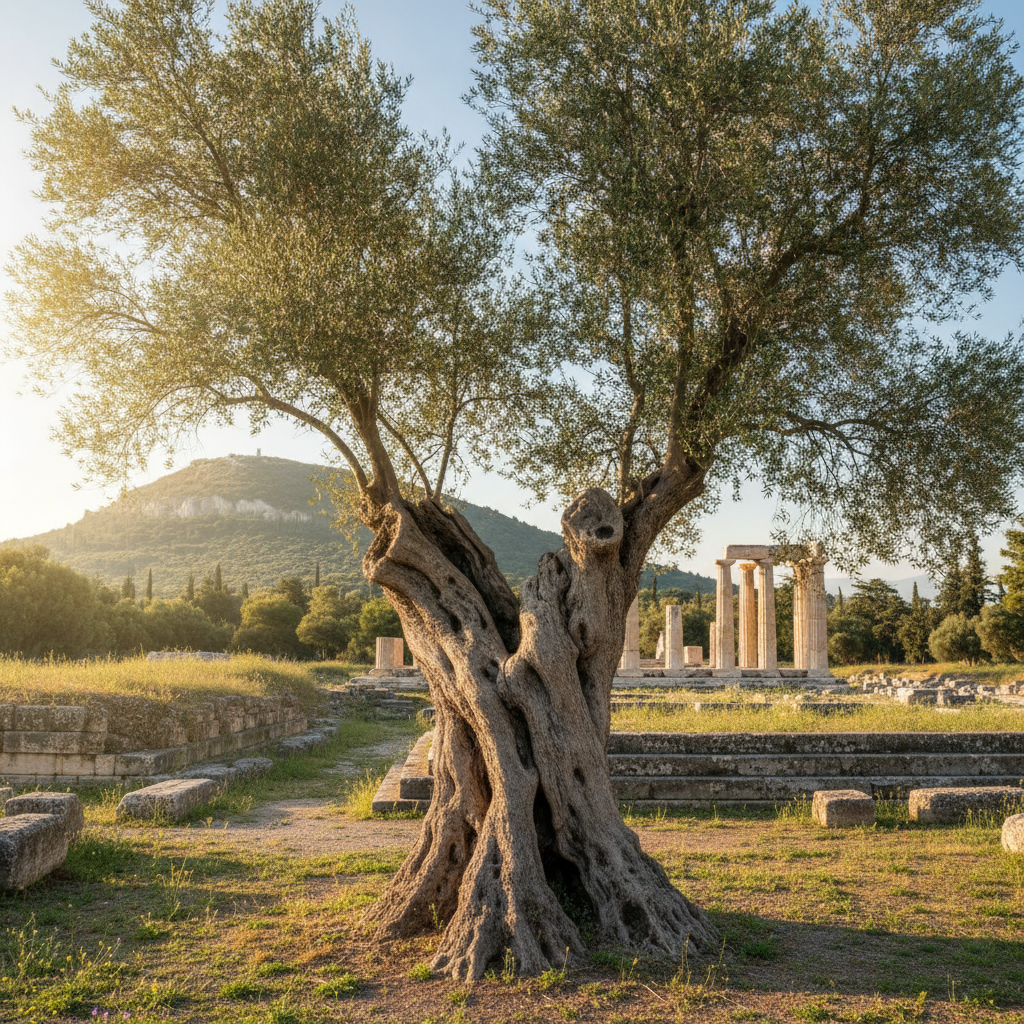
The kotinos, the wreath of wild olive branches cut from the sacred olive tree in the Altis by a boy whose both parents were living, was the only material prize awarded to the Olympic victor - no money, no trophy, no title beyond the victory itself. The apparent absurdity of the wreath as the sole prize for the most competitive athletic event in the ancient world is the most counter-intuitive aspect of the Olympic tradition for the modern observer, but the social capital that the Olympic victory generated was so enormous - the hometown reception, the tax exemption, the free meals for life, the statues, the odes - that the wreath was the key that unlocked the highest social achievement available in the Greek world.
- 6
Social Meaning: What Olympic Victory Was Worth
The Olympic victor returned to his home city to the most elaborate civic celebration in the ancient world: the city walls broken down to admit him through the breach reserved for those who had transcended ordinary civic life, the chariot procession through the streets, the banquet with the city council, the ode commissioned from Pindar or Bacchylides, the statue erected at Olympia and in the agora, the front seat at all future civic festivals, the tax exemption for life, and the family prestige that lasted for generations. The Olympic victory was the single most transformative civic event in an individual Greek life and the aspiration that motivated the most extensive athletic training program in the ancient world.
Walk this route with audio
Stories play automatically as you reach each stop — no tapping needed.
More in Olympia
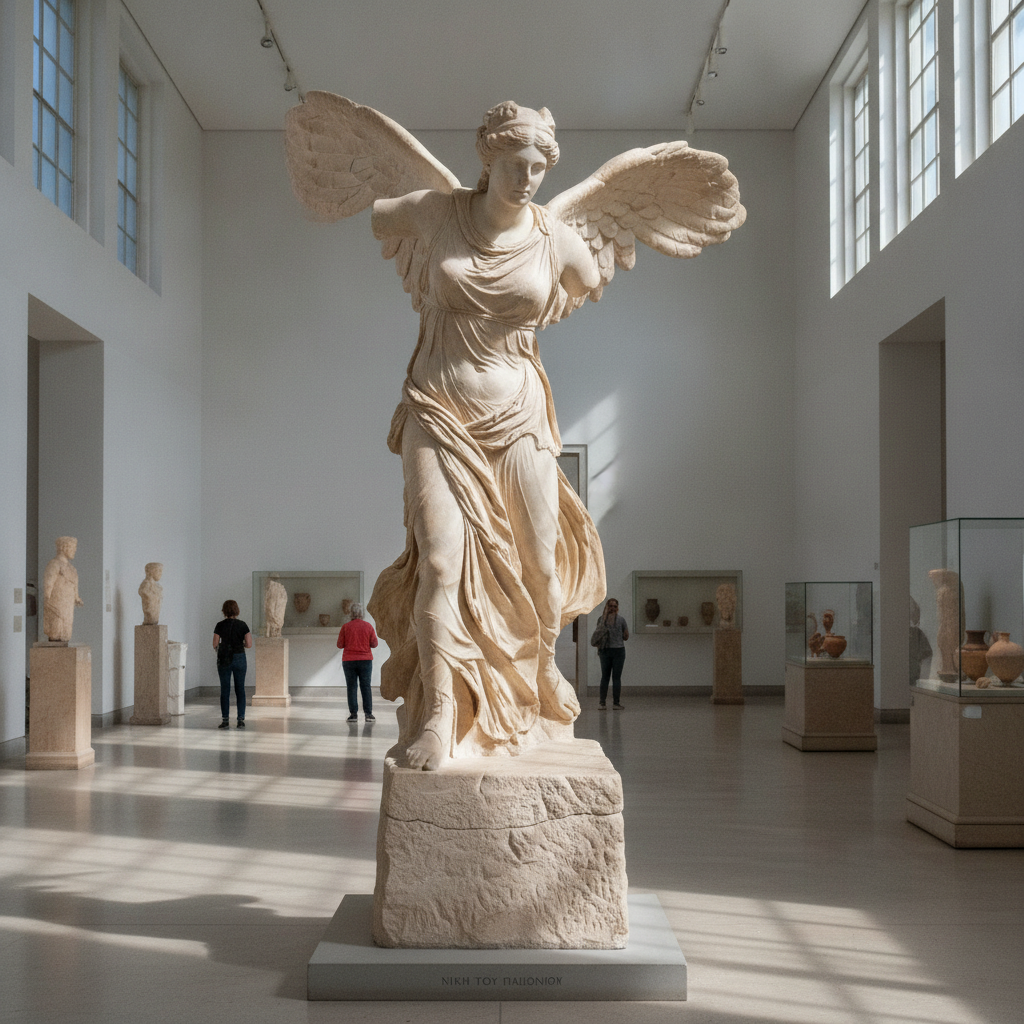
Olympia Monuments: Nike of Paionios, Echo Stoa, Treasury Terrace of City-States, Bouleuterion and the Olympic Oath, Prytaneion Eternal Flame, and the Processional Route
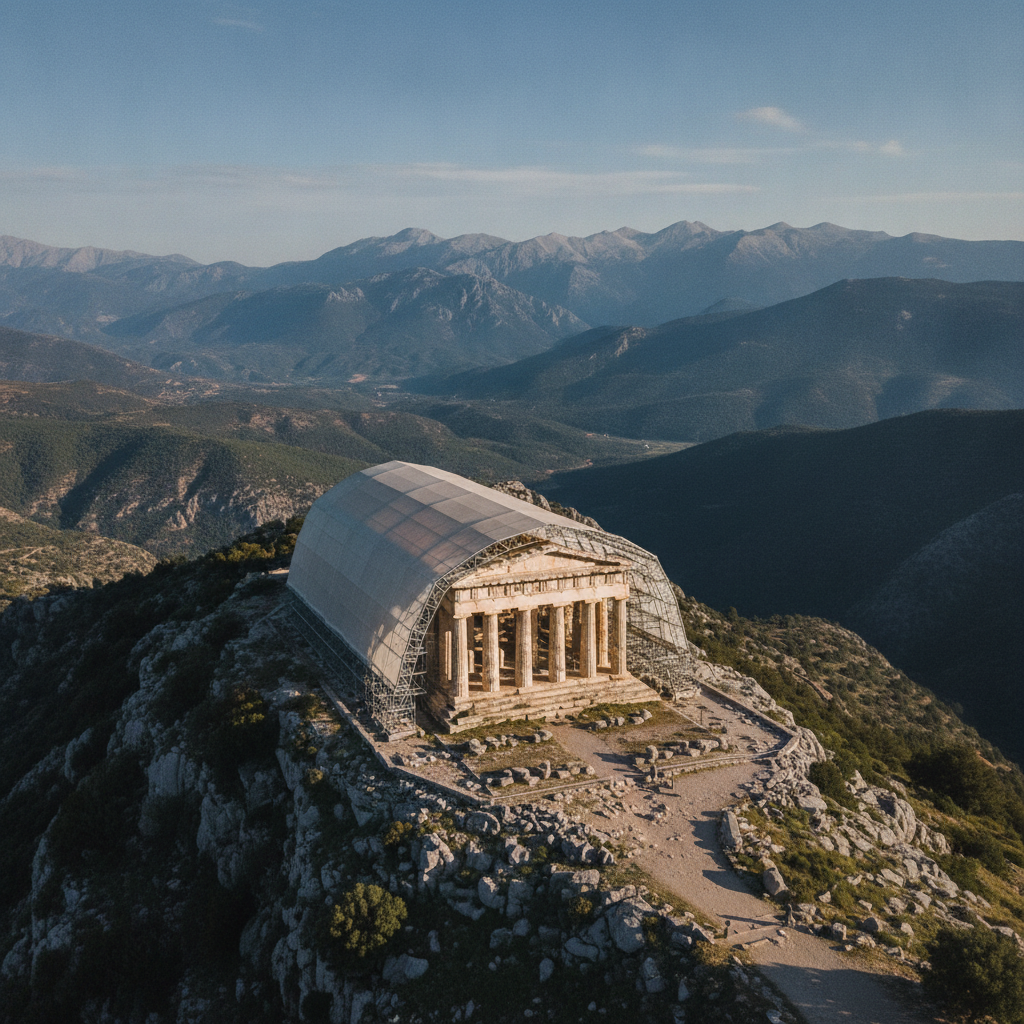
Olympia Peloponnese Excursions: Nestor Palace at Pylos, Bassae Apollo Temple UNESCO, Arcadian Mountain Landscape, Kyparissia Beach Town, Ancient Elis Region, and the Western Peloponnese Circuit
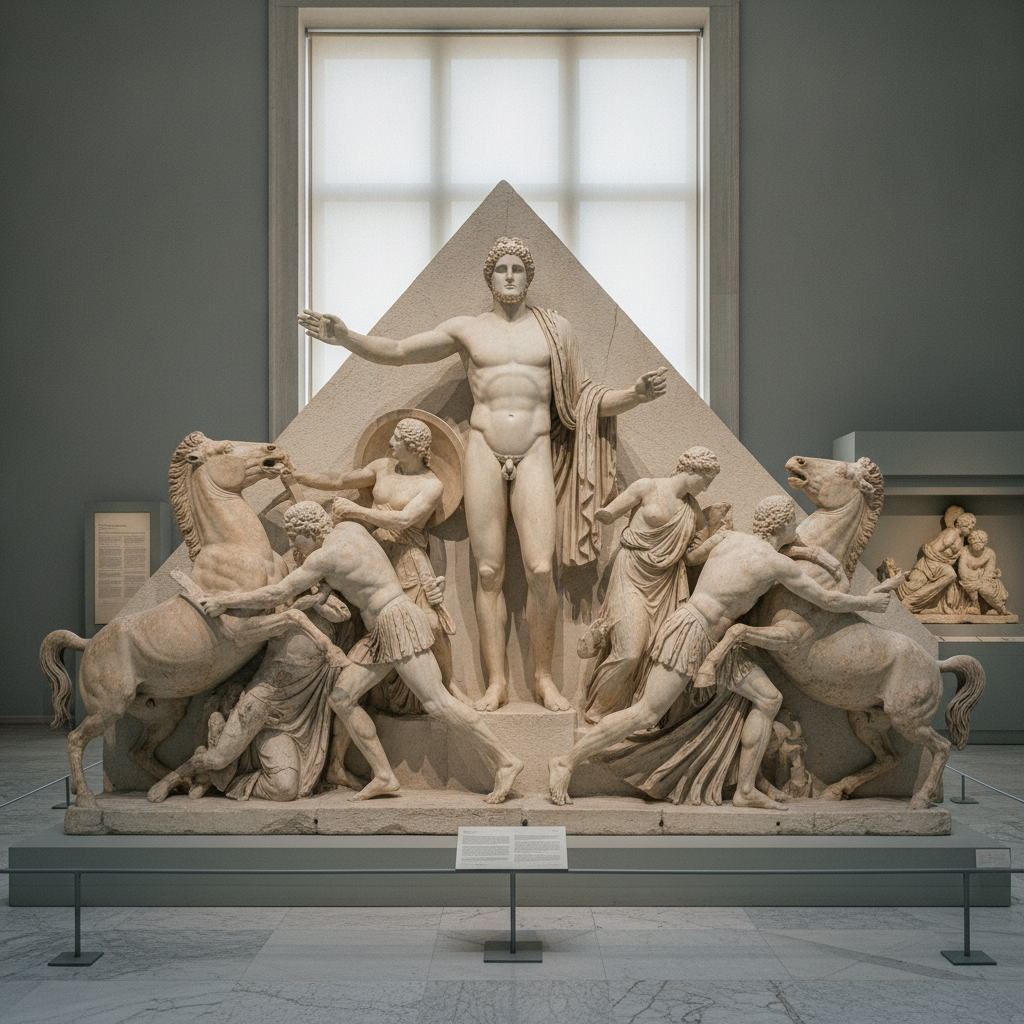
Olympia Museum Deep Dive: Zeus Temple East and West Pediments, Herakles Labors Metopes, Bronze Collection, and the Leonidas Sparta Thermopylae Connection to the Peloponnese Circuit
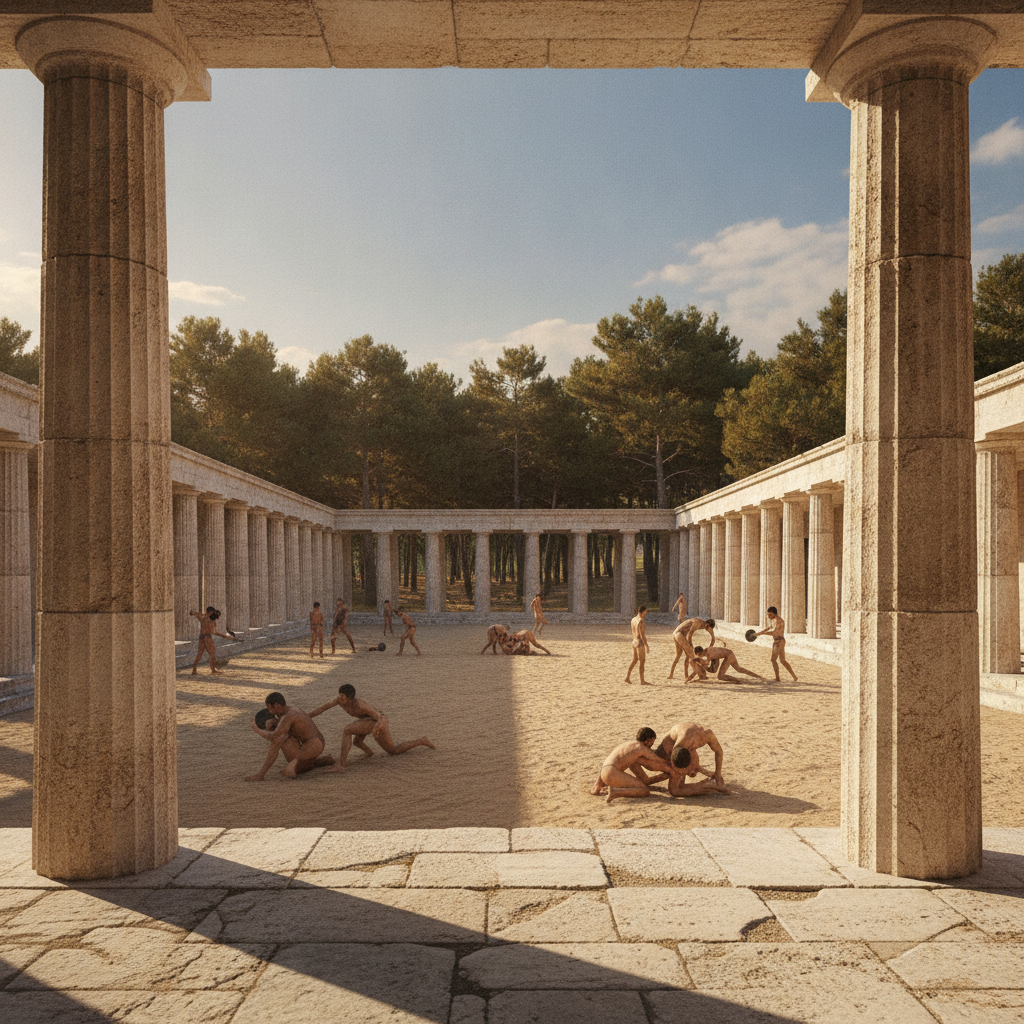
Olympia Art and Sport: The Pheidias Workshop, Zeus Statue Wonder Details, Palaestra Wrestling School, Ancient Gymnasium, the Hippodrome Horse Racing, and the Complete Athletes Training Circuit
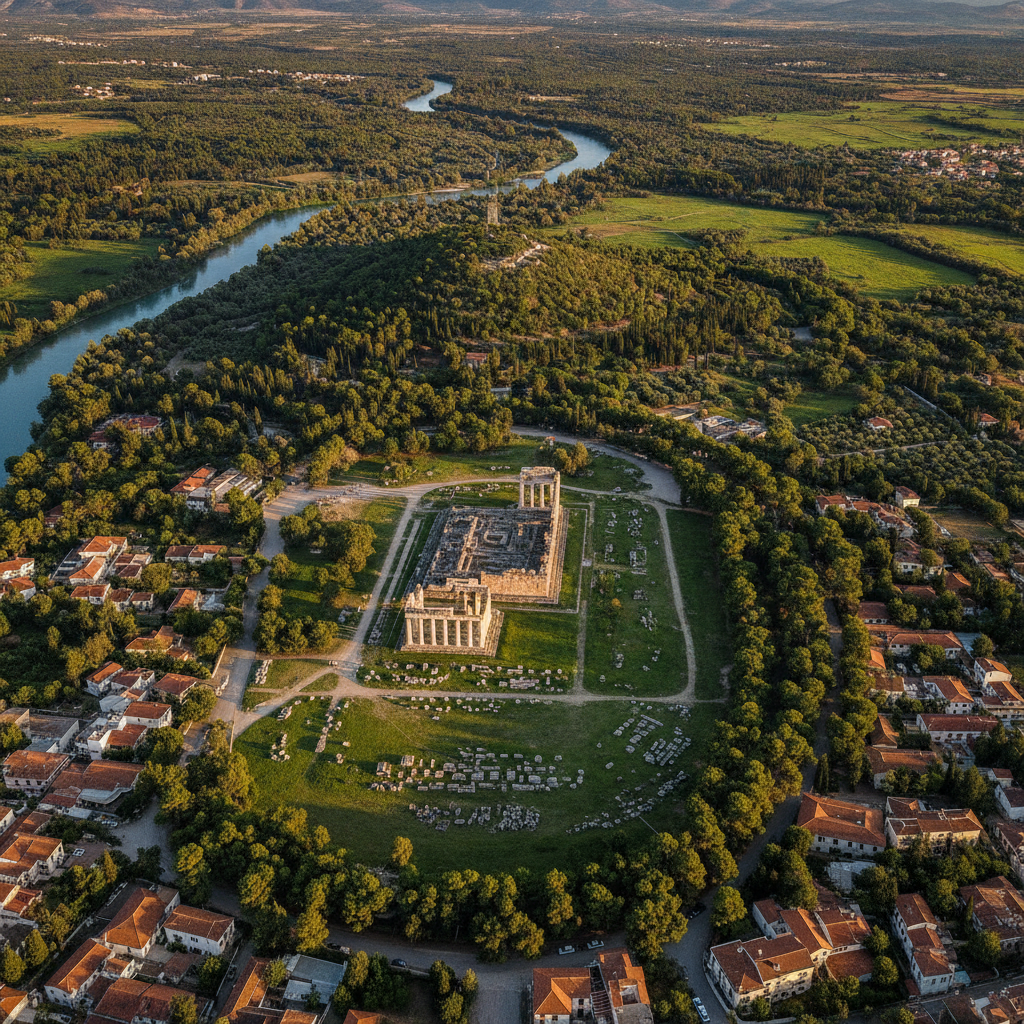
Olympia Modern Olympics: The 1896 Revival and Coubertin, the Ancient Site Natural Landscape, Alpheios and Kladeos River Setting, Ancient Olympia Village, the Nemea Games Revival, and the Olympic Museum