The 222 Student Nurses Dismissed into a Live Battle Zone, the Mongoose That Failed to Kill the Habu but Destroyed the Flightless Bird & the Memorial That Lists American and Japanese Dead on the Same Panel
The Himeyuri dissolution order of 22 June 1945 that sent 15–18-year-old student nurses into an active battle zone with no protection (61% died in the following week); the Cornerstone of Peace's equality principle listing 241,632 names from all nations without hierarchy; the habu-mongoose introduction paradox where the mongoose failed its ecological task but succeeded in devastating the endemic Yambaru Kuina; the Gyokusendo Cave's 5,000-metre stalactite system at 300,000 years old; the Okinawan music fusion (BEGIN, Nenes) as the only Japanese regional culture to produce internationally recognised acts on regional aesthetic terms; and the 5-day itinerary with the 9:00 whale shark feeding timing at Churaumi.
- 1
The Himeyuri – Okinawa's Student Nurses & The Battle
The Himeyuri (literally 'Princess Lily')—the collective name for the 222 female students and 18 teachers from the Okinawa First Girls' High School and the Shuri Girls' High School who were mobilized in January 1945 as nurses for the Japanese 32nd Army's field hospitals (the caves and natural caverns of southern Okinawa that were converted into field hospitals in 1944–45): the most affecting human story of the Battle of Okinawa and the event that most directly illustrates the civilian cost of the battle. The Himeyuri deployment (the students—aged 15–18—were assigned to the underground field hospital units in Haebaru, where they treated wounded soldiers in cave hospitals dug into the limestone cliffs of southern Okinawa; the conditions (darkness, heat, the smell of gangrene, the shortage of anaesthetics and the resulting necessity of operating without sedation)): the accounts preserved in the Himeyuri Peace Museum are the most detailed first-person records of the civilian experience of the Battle of Okinawa. The dissolution order (22 June 1945—the Japanese military command issued an order disbanding the Himeyuri units and releasing the students, giving them no protection and no route to safety, in a battle zone where both American forces and Japanese forces were a lethal risk): of the 222 students, 136 died—61% of the total, most in the week after the dissolution order when the students had no protection. The Himeyuri Peace Museum (the museum adjacent to the Himeyuri Cenotaph at the Itokazu cave where the final hospital unit operated and many of the last survivors sheltered): the most emotionally intense historical site in Okinawa and among the most moving war museums in Asia.
- 2
The Okinawa Peace Memorial Park & Cornerstone of Peace
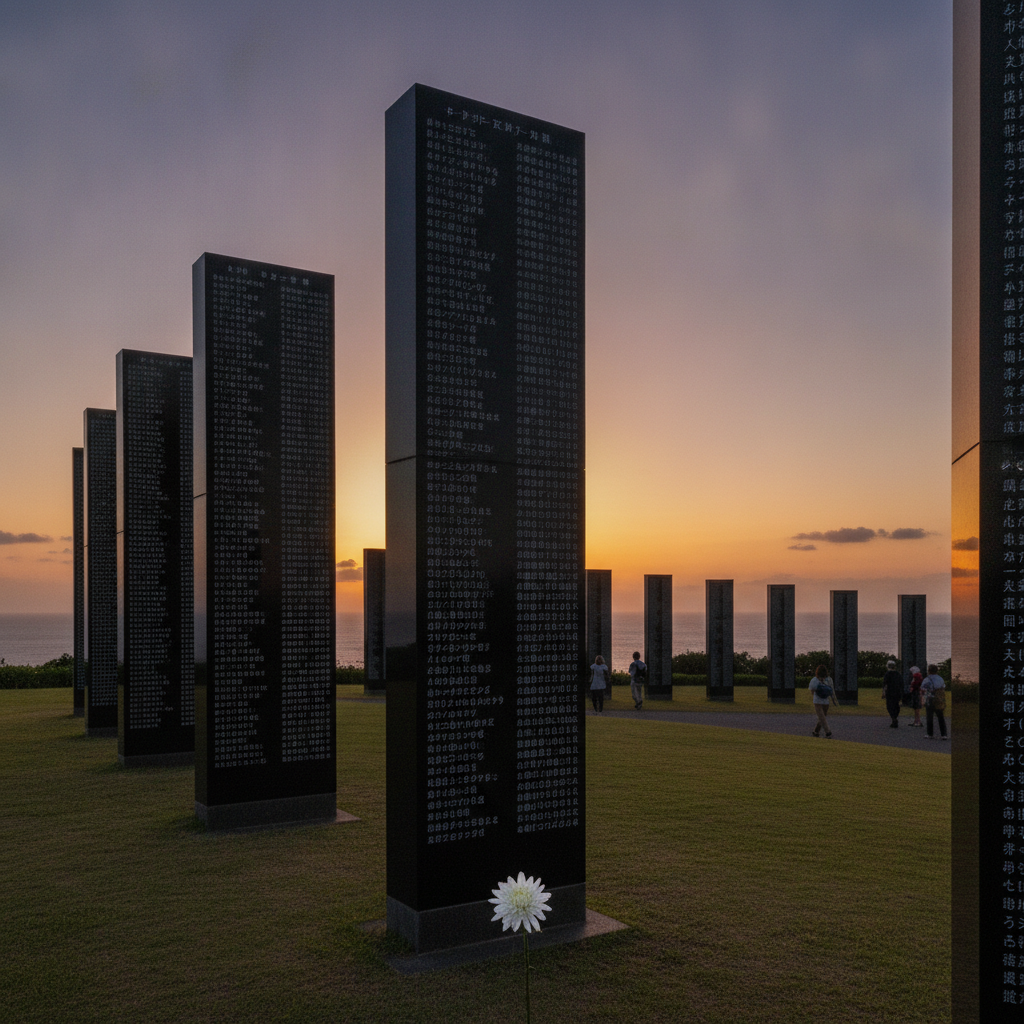
The Okinawa Peace Memorial Park (the 41-hectare park on the Mabuni Hill at the southern tip of Okinawa—the site of the Japanese 32nd Army's final command post and the location of the most intense final fighting of the Battle of Okinawa in June 1945): the park that encompasses the Cornerstone of Peace (the primary memorial monument) and the Okinawa Prefectural Peace Memorial Museum. The Cornerstone of Peace (Heiwa no Ishiji—the semicircular arrangement of 116 black granite panels listing the names of 241,632 people who died in the battle, arranged geographically (Okinawan civilian, Japanese military, American military, and other nationalities) and alphabetically within each category): the principle of the memorial is the equality of all deaths regardless of nationality or military/civilian status—the names of American soldiers appear alongside Japanese soldiers and Okinawan civilians on the same panels without hierarchy. The Okinawa Prefectural Peace Memorial Museum (the museum at the edge of the park, opened 2000—the museum that presents the Battle of Okinawa primarily from the Okinawan civilian perspective (rather than the Japanese military perspective that characterizes Yasukuni Shrine and most mainland Japanese war memorials)): the ground floor presentation of the Okinawan civilian experience is the most carefully curated and most intellectually honest presentation of the civilian cost of the battle available in any Japanese museum. The annual memorial ceremony (23 June—the Okinawa Memorial Day ceremony held at the Cornerstone of Peace: the Prime Minister of Japan, the Governor of Okinawa, and the US Ambassador attend; the ceremony is both a memorial and an annual confrontation between Okinawan public opinion on the bases and the national government).
- 3
Okinawa's Habu Snake & Tropical Wildlife
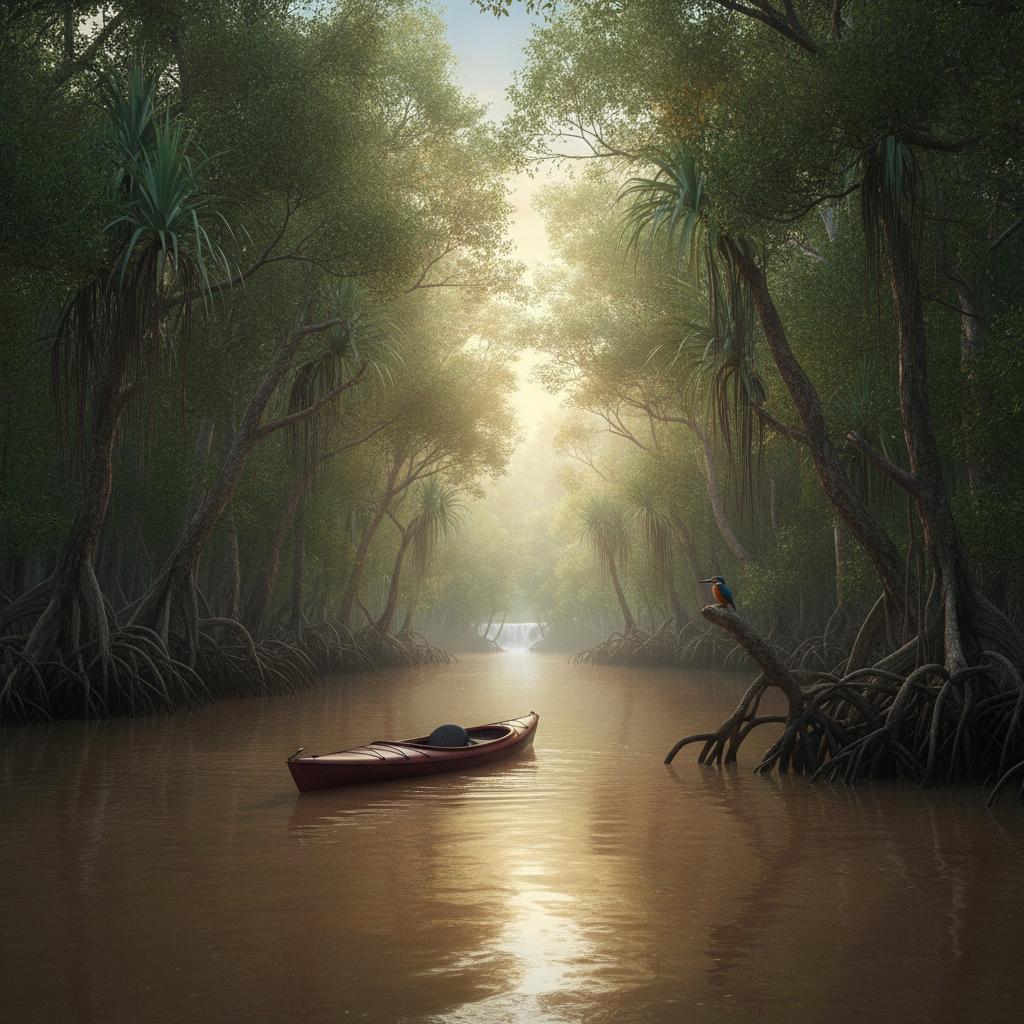
The habu (Protobothrops flavoviridis—the pit viper endemic to the Okinawa island group (and the Amami islands further north)—the snake that has shaped Okinawan culture, medicine, and ecology for millennia: the habu is the most medically significant venomous snake in Japan, responsible for approximately 60–70 reported bites per year in Okinawa (very few fatalities in the modern era due to antivenom availability)). The habu ecology (the habu is a nocturnal ambush predator of the native Okinawan rat (Diplothrix legata) and small birds; the snake is most active in the warm months (May–October) in the forested northern areas and the sugarcane fields of southern Okinawa): the most commonly encountered venomous animal by Okinawan residents, particularly agricultural workers. The mongoose introduction (the Javan mongoose (Urva javanica) was introduced to Okinawa from India via Hawaii in 1910 by the prefectural government specifically to control the habu population—approximately 30 individuals): the mongoose population grew to approximately 30,000 by the 1990s and failed to control the habu (which is nocturnal while the mongoose is diurnal, meaning the two rarely encounter each other) while successfully devastating the Yambaru Kuina (the flightless rail) and the Okinawan woodpecker populations. The habu sake (habushu—the Okinawan awamori liquor produced by steeping a live or recently dead habu snake in the spirit): the most internationally famous Okinawan product and the most reliably purchased souvenir at Naha International Airport, where bottles containing the coiled snake specimen are sold to international visitors. The eradication programme (the Okinawa Prefectural Government mongoose eradication programme launched 2000, targeting the mongoose as an invasive species).
- 4
South Okinawa – Cape Kyan, Gyokusendo Cave & Remote Beaches
The southern Okinawa landscape (the southern third of the main island—the area with the densest concentration of Battle of Okinawa sites, the most accessible caves, and the closest wild beach environment to Naha): the day-trip zone from the Okinawan capital accessible by rental car in 30–45 minutes. The Gyokusendo Cave (the 890-metre illuminated stalactite cave in Itoman City—one of the largest limestone caves in Japan; the cave system extends 5,000 metres total but 890 metres are open to visitors; the cave tour takes 60 minutes and passes through chambers with stalactites that have been growing for 300,000 years): the most accessible nature attraction in southern Okinawa and the best rainy-day activity on the island (the cave is weather-proof and maintains a constant 21°C interior temperature). The adjacent Okinawa World (the theme park compound surrounding the Gyokusendo Cave that includes a traditional Ryukyuan village reconstruction (Ryukyu Kingdom cultural village), a habu museum (live habu display), an Okinawan craft workshop, and regular Eisa dance performances): the most tourist-oriented but most comprehensive Okinawan cultural introduction available at a single site. Cape Kyan (the southernmost point of the Okinawa main island—the white limestone cape where the ocean meets the cliff face; the location of the civilian mass suicide events of the Battle of Okinawa where Okinawan civilians, falsely warned by Japanese military propaganda that American soldiers would commit atrocities, jumped from the cliffs): the 2 memorial structures at Cape Kyan mark both the natural beauty of the site and the weight of its history.
- 5
Okinawa's Contemporary Arts & Music Scene
The contemporary Okinawan cultural scene (the arts, music, and youth culture of Okinawa that sits in tension with the heritage-tourism image of the island): the side of Okinawa that most distinguishes a return visit from a first visit. The Okinawan music scene (the contemporary music of Okinawa—the fusion of sanshin with electric instruments, reggae rhythms, and rock that emerged in the 1990s and produced the internationally known musicians BEGIN (the Ishigaki Island trio whose song 'Shimanchu nu Takara' ('Island Treasure') is the most performed contemporary Okinawan song) and Nenes (the female vocal group that combined classical Ryukyuan melody with reggae): the Okinawan music scene is the only Japanese regional music culture that has produced internationally recognized acts based on regional rather than Tokyo-derived aesthetic values. The Okinawa Prefectural Museum & Art Museum (the museum opened 2007 in Naha's Omoromachi district—the museum that covers both Okinawan historical artifacts (from prehistoric Shellmound culture through the Ryukyu Kingdom to the present) and contemporary Okinawan and international art in its upper gallery): the best single museum on the island for understanding Okinawa's historical arc. The Naha craft and gallery district (the area around the Pottery Street (Tsuboya Yachimun Street) and the Naha Art District (the concentration of independent galleries and craft studios in the walking district south of Kokusai-dori)): the most interesting area for creative visitors to explore. The surfing culture (the year-round subtropical water temperature makes Okinawa Japan's most active surfing culture outside of the Pacific-facing Shizuoka and Chiba coasts): the main surfing beaches (Sunset Beach in Chatan near the American Village (the outdoor shopping and restaurant complex that grew up around the US military base area)).
- 6
Okinawa 5-Day Itinerary – Beaches, History & Culture
The complete Okinawa 5-day itinerary (the practical schedule for a first-time visitor who wants to cover the island's primary historical, natural, and cultural experiences without a car for the Naha days and with a rental car for the outer-day trips): Day 1 (Naha orientation): arrive at Naha Airport → Yui Rail to hotel → walk Kokusai-dori → Makishi Market lunch → Tsuboya pottery street → Shuri Castle sunset. Day 2 (Southern Okinawa war history): rental car → Okinawa Peace Memorial Park & Cornerstone of Peace (morning—arrive before the tour buses at 9:00) → Himeyuri Peace Museum (2 hours—allow time for the emotional weight) → Cape Kyan → Gyokusendo Cave → Okinawa World Eisa performance → Itoman Gyoza dinner (Itoman City—the Okinawan gyoza variant (the Itoman-style flat-pressed gyoza that are the most distinctive local food in southern Okinawa)). Day 3 (Northern Okinawa & Churaumi Aquarium): rental car → Okinawa Churaumi Aquarium (arrive at 9:00 to see the whale shark morning feed) → Nakijin Castle (the ruined gusuku castle ruin with a hilltop ocean view—the most visually dramatic castle ruin in Okinawa outside Shuri) → Ogimi village long-life lunch → Hiji Waterfall hike (45 minutes round trip). Day 4 (Kerama Islands day trip): morning high-speed ferry from Naha Tomari Port to Zamami Island (45 min) → snorkeling at Furuzamami Beach (the most consistent snorkeling beach accessible from Naha) → boat snorkeling trip to the offshore coral garden → dinner at Zamami guesthouse. Day 5 (Naha culture & departure): Okinawa Prefectural Museum & Art Museum → beni-imo tart shopping at Naha Airport.
Walk this route with audio
Stories play automatically as you reach each stop — no tapping needed.
More in Okinawa
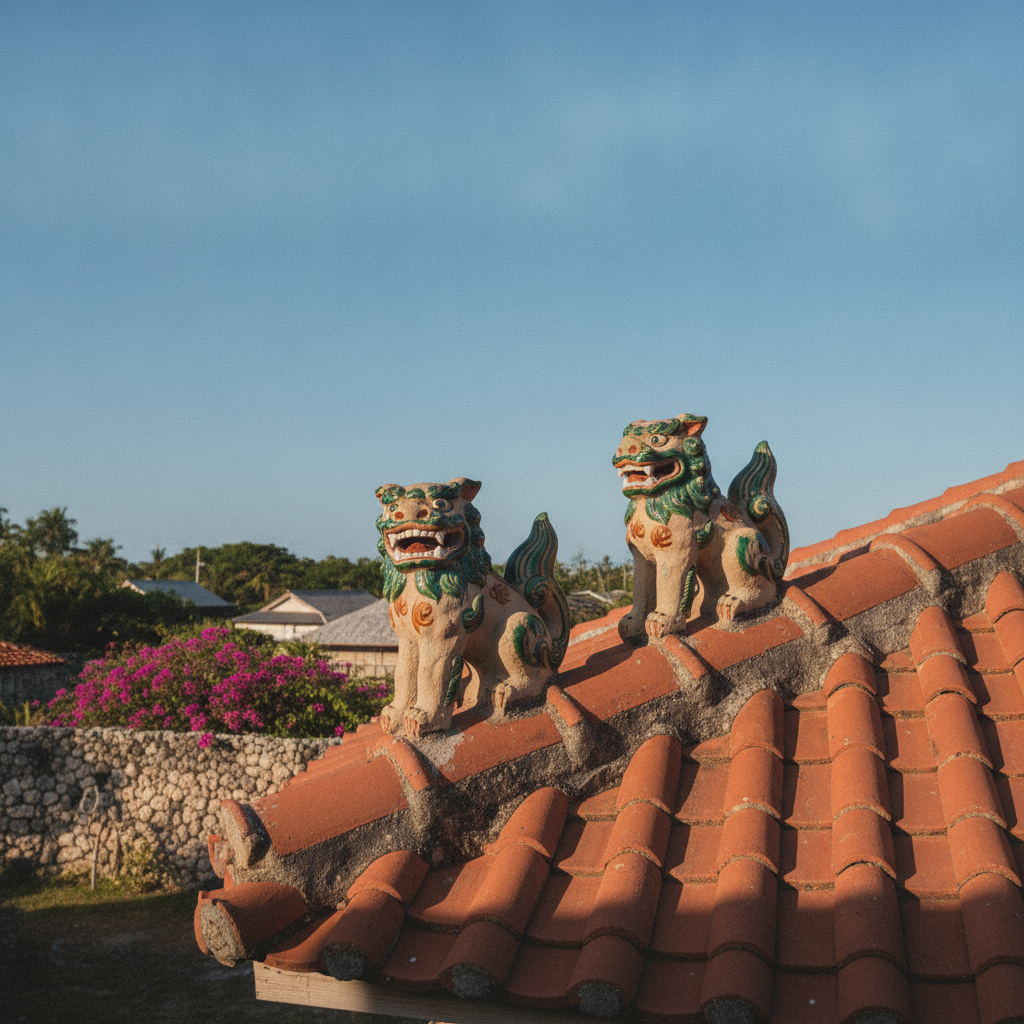
The Shisa That Has Kept Closed Mouth Since 1689, the Flightless Bird That Never Met a Predator Until 1910 & the Humpback Whales Passing Through the Kerama in February
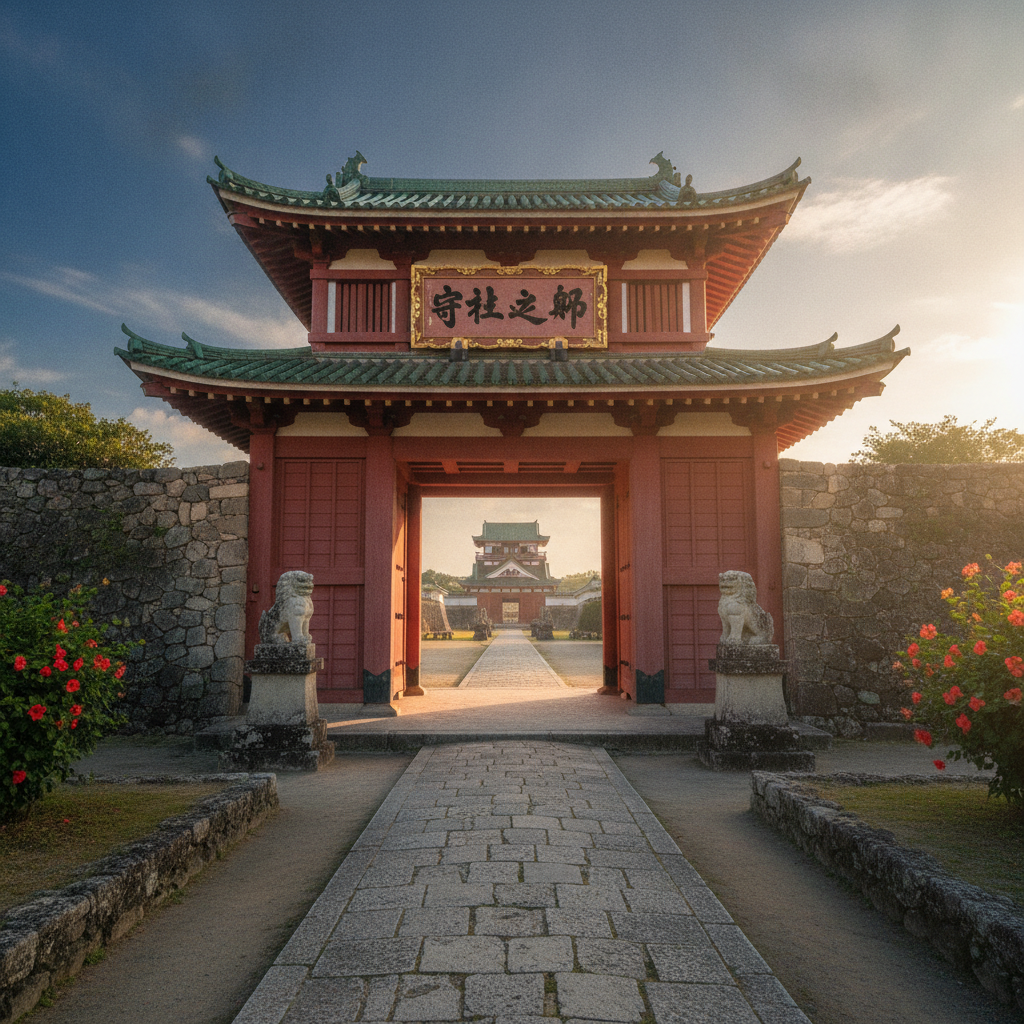
The ¥2,000 Note Gate, the Battle That Killed 20–33% of the Island's Population & the World's Only Successfully Bred Captive Manta Rays
The Oldest Distilled Spirit in Japan (Made from Thai Rice Imported via Siam in 1450), the Yonaguni Underwater Monument Nobody Can Agree On & the Language UNESCO Lists as Endangered with 10,000 Speakers
The Sanshin That Became the Shamisen, the Base That Covers 70.6% of Japan's US Military Land on 0.6% of Japan's Territory & the Village Where 80 Is Still Youth