Guelaguetza Festival and the Dance Traditions of Oaxaca: How Sixteen Indigenous Communities Gather Each July at the Cerro del Fortin Amphitheater to Perform the Ceremonial Dances That Were Never Destroyed by the Spanish Conquest
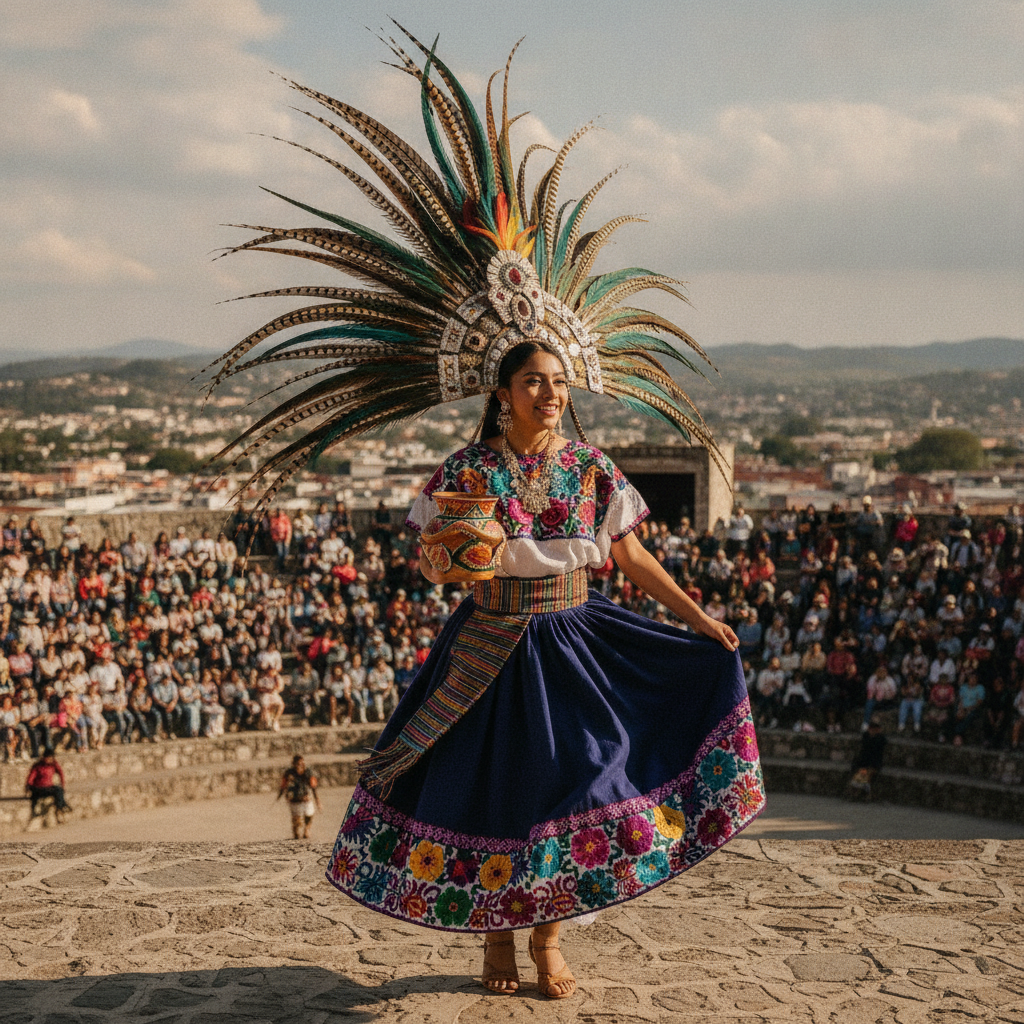
The Guelaguetza, the annual festival held on the two Mondays following July 16 at the Cerro del Fortin amphitheater above Oaxaca city, in which sixteen indigenous communities from the eight regions of Oaxaca state each send delegations in traditional dress to perform regional dances and distribute regional products to the audience, is both the largest indigenous cultural festival in Mexico and the most studied and contested festival in the country because it sits at the intersection of authentic indigenous cultural expression, state-funded tourism promotion, and the political dynamics of who gets to define and control indigenous cultural presentation in a state where indigenous communities constitute the majority of the population. The word Guelaguetza comes from the Zapotec language and means reciprocal exchange or cooperative sharing, reflecting the pre-Hispanic Zapotec custom of community members sharing labor and resources at significant life events, a tradition that the festival incorporates through the ceremony of distributing regional products from each community to the audience. The dances performed at the Guelaguetza — the Flor de Pina pineapple dance of the Tuxtepec region, the Jarabe del Valle central valley dance, the Danza de la Pluma feather dance representing the conquest of Mexico, the Chilena dance of the Costa region with its African-derived rhythms — each carry specific historical and ceremonial meaning within their communities of origin that the festival context compresses into a performative display, a reduction that indigenous communities alternately accept as necessary for cultural visibility and resist as a distortion of living practice.
- 1
Guelaguetza Festival History and Politics
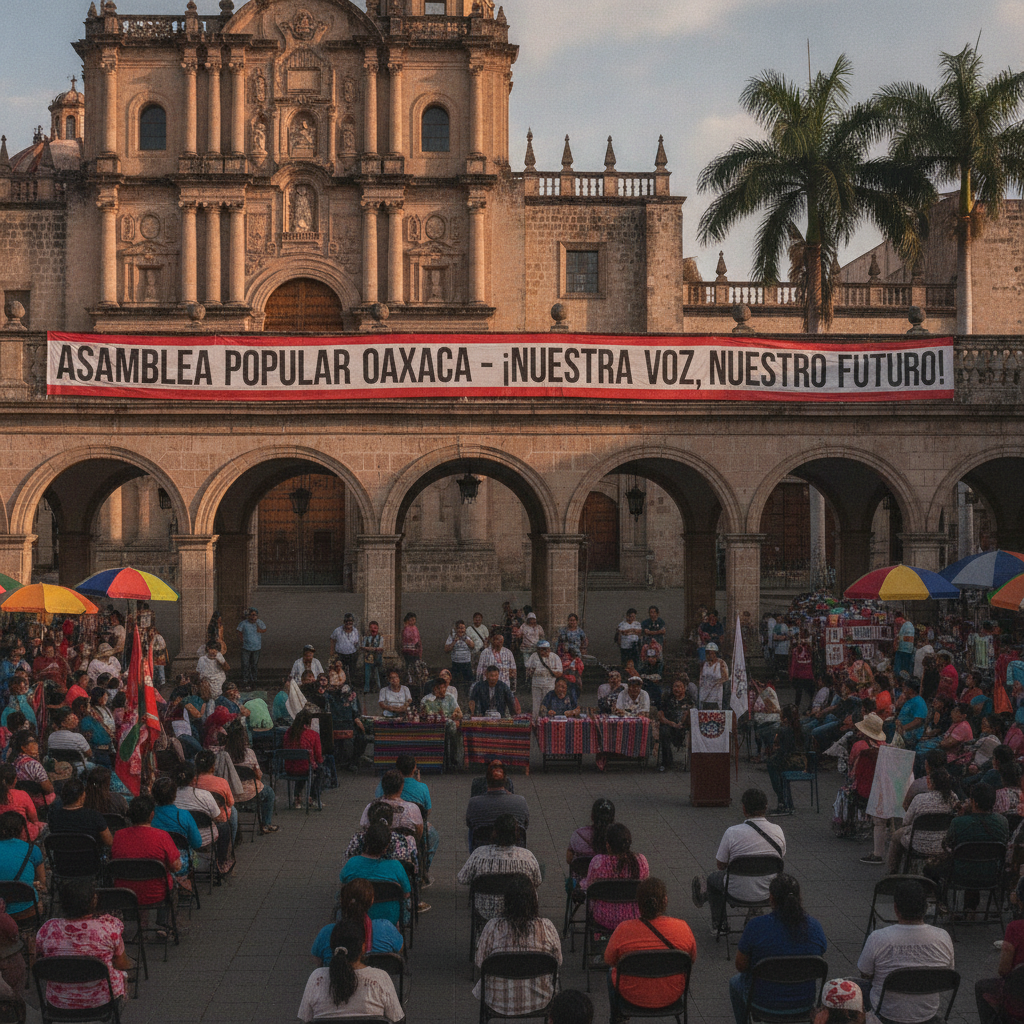
The Guelaguetza festival in its modern form was organized by the Oaxaca state government in 1932 as a tourism event, though it incorporated and was promoted as a continuation of pre-Hispanic indigenous ceremonial practices that had survived in the communities of the state. The political dimension of the festival has been particularly visible in years of social conflict: in 2006, when Oaxaca was convulsed by a months-long teacher strike and popular uprising that occupied the historic center and engaged in armed conflict with federal and state police, the official Guelaguetza was cancelled by the government as a safety measure and the striking teacher-community coalition organized an alternative popular Guelaguetza at the same hilltop amphitheater, demonstrating the capacity of the indigenous cultural tradition to be claimed by opposing political forces simultaneously. The Guelaguetza Magisterial, the alternative festival organized by teacher activists, has continued in subsequent years as a parallel event to the official Guelaguetza, with communities choosing which version to participate in based on their political alignment and their assessment of which presentation best represents their cultural traditions. The commercial dimension of the official Guelaguetza, with tiered ticket pricing that ranges from free bleacher seats to expensive reserved seating marketed to international tourists, creates a class dimension to the audience that indigenous community leaders have criticized as inverting the egalitarian and reciprocal values expressed in the word Guelaguetza itself.
- 2
Danza de la Pluma and Conquest Narrative
The Danza de la Pluma, the feather dance performed by the Zapotec community of Teotitlan del Valle at the Guelaguetza and at community celebrations throughout the year, is a theatrical performance of the Spanish conquest of Mexico featuring performers representing Cortes, Moctezuma, Malinche, Santiago the Spanish saint, and the Aztec warriors, played by Teotitlan men in elaborate feathered headdresses that can weigh 10 to 15 kilograms and must be worn and danced in for hours. The performance, which ends with the symbolic defeat of Moctezuma and the conversion of the indigenous participants to Christianity, is interpreted by scholars as a colonized performance of colonial subjugation that the Zapotec community has made its own by layering irony and indigenous agency into the performance through costume details, music choices, and performance conventions not visible to the uninitiated observer. The feathered headdresses of the Danza de la Pluma, constructed of turkey and macaw feathers dyed in brilliant colors and assembled on a wooden and wire frame that requires specialized craftsmen months to produce, are the most visually spectacular element of the Guelaguetza and the image most associated with the festival internationally. The community of Teotitlan del Valle, which is simultaneously the primary production center for woolen tapestry rugs in Oaxaca and the custodian of the Danza de la Pluma tradition, represents the combination of material craft and ceremonial dance practice that characterizes the most culturally intact Zapotec communities of the central valley.
- 3
Oaxacan Music Traditions and Brass Bands
Oaxaca state has the highest density of municipal brass bands in Mexico, with virtually every indigenous community maintaining a banda de viento, a brass and percussion ensemble that performs at every community celebration from patronal feasts to weddings, political inaugurations, and funerals, using a repertoire that combines European march music introduced by military bands in the 19th century with indigenous ceremonial music in a hybrid form that has evolved independently in each community over 150 years. The Oaxacan brass band tradition differs from the banda music of Sinaloa and Nayarit, which is a commercial recording genre associated with specific entertainment contexts, in that the Oaxacan banda serves exclusively a community ceremonial function and is sustained by communal obligation rather than commercial compensation: band membership is a form of community service, tequio in Zapotec, that community members are expected to fulfill as part of the cargo system of communal governance that distributes ceremonial, administrative, and labor responsibilities among all community members. The jarabe del valle, the couple dance of the central Oaxacan valley accompanied by marimba music, is the regional dance most associated with Oaxaca city culture, distinct from the brass band traditions of the indigenous mountain communities. The marimba, a wooden xylophone played by two performers simultaneously on a single instrument, arrived in Oaxaca from Guatemala and the Isthmus of Tehuantepec and became the primary entertainment music instrument of Oaxaca city cafes and restaurants.
- 4
Isthmus of Tehuantepec and Zapotec Matriarchal Culture
The Isthmus of Tehuantepec, the narrow land bridge connecting the Gulf of Mexico to the Pacific Ocean 250 kilometres south of Oaxaca city, is the homeland of the Isthmus Zapotec, a distinct cultural community within the broader Zapotec ethnic group that has maintained a reputation for female commercial and cultural dominance that anthropologists have long described as matriarchal and that the Isthmus Zapotec women themselves describe as a tradition of complementary gender roles in which women control the domestic economy, the market trade, and the social life of the community while men control agriculture and fishing. The women of Juchitan de Zaragoza and Tehuantepec, the two principal cities of the Isthmus, are famous throughout Mexico for their elaborate traditional dress: the huipil blouse with velvet or satin embroidery, the long skirt with a white lace hem called the enagua, and the gold necklaces and earrings of pre-Columbian design worn at festivals, markets, and community celebrations. The Isthmus Zapotec tradition became internationally visible through Frida Kahlo, who adopted the Isthmus Zapotec dress as her personal iconographic costume after visiting Tehuantepec in the 1930s and who appears in her self-portraits and her public appearances wearing the huipil and enagua of the Isthmus tradition. The velas, the all-night community feast celebrations of the Isthmus that take place throughout the dry season calendar, are among the most elaborate communal celebrations in Mexico, with specific velas dedicated to patron saints, occupational groups, and neighborhoods.
- 5
Oaxacan Art Contemporary Scene
Oaxaca city developed a contemporary art scene of international significance in the late 20th century, catalyzed by the presence and institutional support of the painter Francisco Toledo, the Zapotec-born artist from Juchitan who returned from Europe to Oaxaca in the 1970s and spent the following decades not only producing his own distinctive work — paintings, prints, sculpture, and ceramics combining Zapotec mythological imagery with modernist formal language — but funding and organizing cultural institutions that transformed the cultural infrastructure of the city. Toledo established the Instituto de Artes Graficas de Oaxaca, a graphic arts library and print exhibition space in a colonial building on the Macedonio Alcala street, and the Museo Fotografico Manuel Alvarez Bravo, named for the Oaxaca-born photographer who founded Mexican documentary photography, and used his international reputation to oppose development projects threatening the colonial character of Oaxaca. The contemporary Oaxacan art scene, built on Toledo's institutional legacy, includes the Museo de Arte Contemporaneo de Oaxaca in a colonial building two blocks from the Zocalo, gallery concentrations on the Macedonio Alcala pedestrian street, and a market of contemporary painting, print, and sculpture that attracts collectors from Mexico and internationally. The Rufino Tamayo Museum, housed in the pre-Hispanic ceramic collection that the Oaxacan-born muralist assembled over his career, provides the most significant permanent display of Oaxacan pre-Columbian art within the city.
- 6
Sierra Norte and Ecotourism Communities
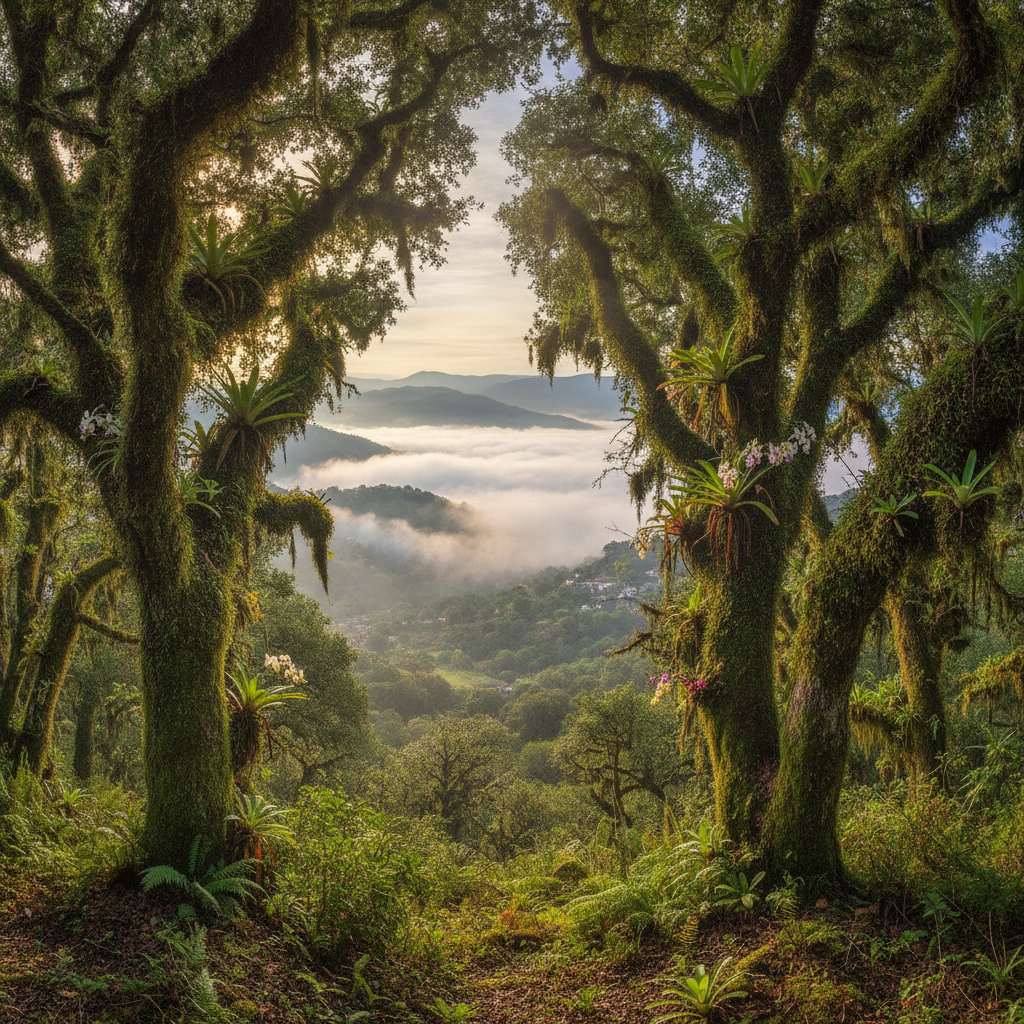
The Sierra Norte, the mountain range immediately north of Oaxaca city rising from the central valley at 1,500 metres to peaks above 3,000 metres, contains a network of indigenous Zapotec communities that have developed community ecotourism infrastructure since the 1990s as an alternative economic strategy to timber extraction and out-migration, with the Pueblos Mancomunados, a cooperative of eight Zapotec communities including Benito Juarez, Cuajimoloyas, and Lachatao, offering hiking trails, mountain bike routes, cloud forest canopy walks, and community-operated cabanas and restaurants. The Sierra Norte ecosystem transitions from the dry oak woodland of the lower slopes through the montane pine-oak forest of the middle elevations to the cloud forest above 2,500 metres where the trees are draped in bromeliad and fern and the air is perpetually moist from the clouds that form in the mountains and supply the springs that provide water to the Oaxacan valley communities below. The Zapotec communities of the Sierra Norte operate under the traditional governance system of usos y costumbres, the customary law framework that organizes community decision-making through general assembly, tequio communal labor obligation, and the cargo system of rotating offices, without the political party affiliation required by Mexican federal elections. The community forestry enterprises of the Sierra Norte, which manage timber extraction sustainably through community oversight rather than private concession, are recognized internationally as a model of indigenous-managed natural resource governance.
Walk this route with audio
Stories play automatically as you reach each stop — no tapping needed.
More in Oaxaca
Oaxaca Landscape and Ecology: Cloud Forest Orchids in the Sierra Norte, the Monarch Butterfly Corridor Through the Sierra Sur, the Pacific Coast Turtle Nesting at Mazunte and the Lachatao Archaeological Botanical Garden
Oaxaca 2006 Uprising and the APPO: When Teachers Occupied the Zocalo for Six Months and the State Government Lost Control of Its Capital City in a Social Movement That the Rest of Mexico Watched and the International Press Covered as a Revolution
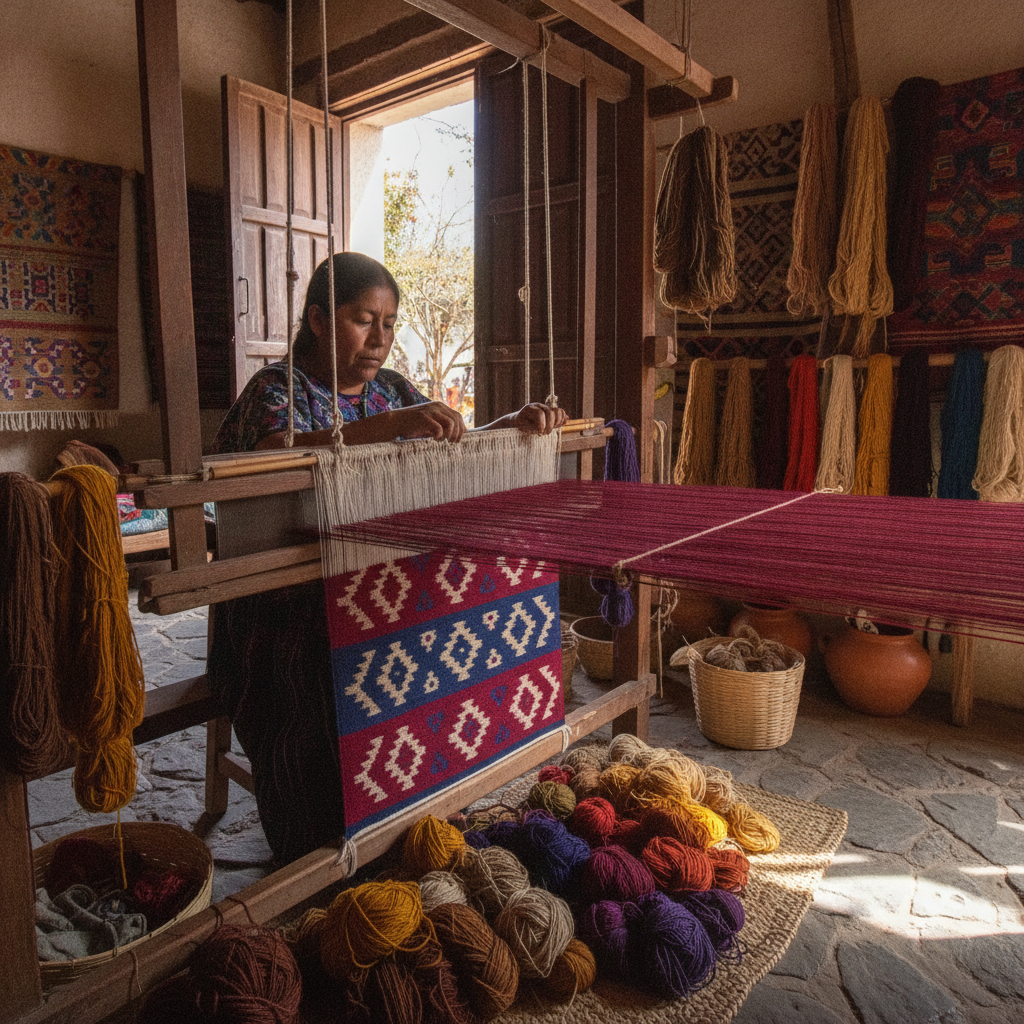
Oaxacan Textiles Alebrijes and Black Clay: The Village Craft Traditions That Survived Because They Were Too Remote for Factory Competition and Now Feed a Global Market That Values Handmade More Than Ever
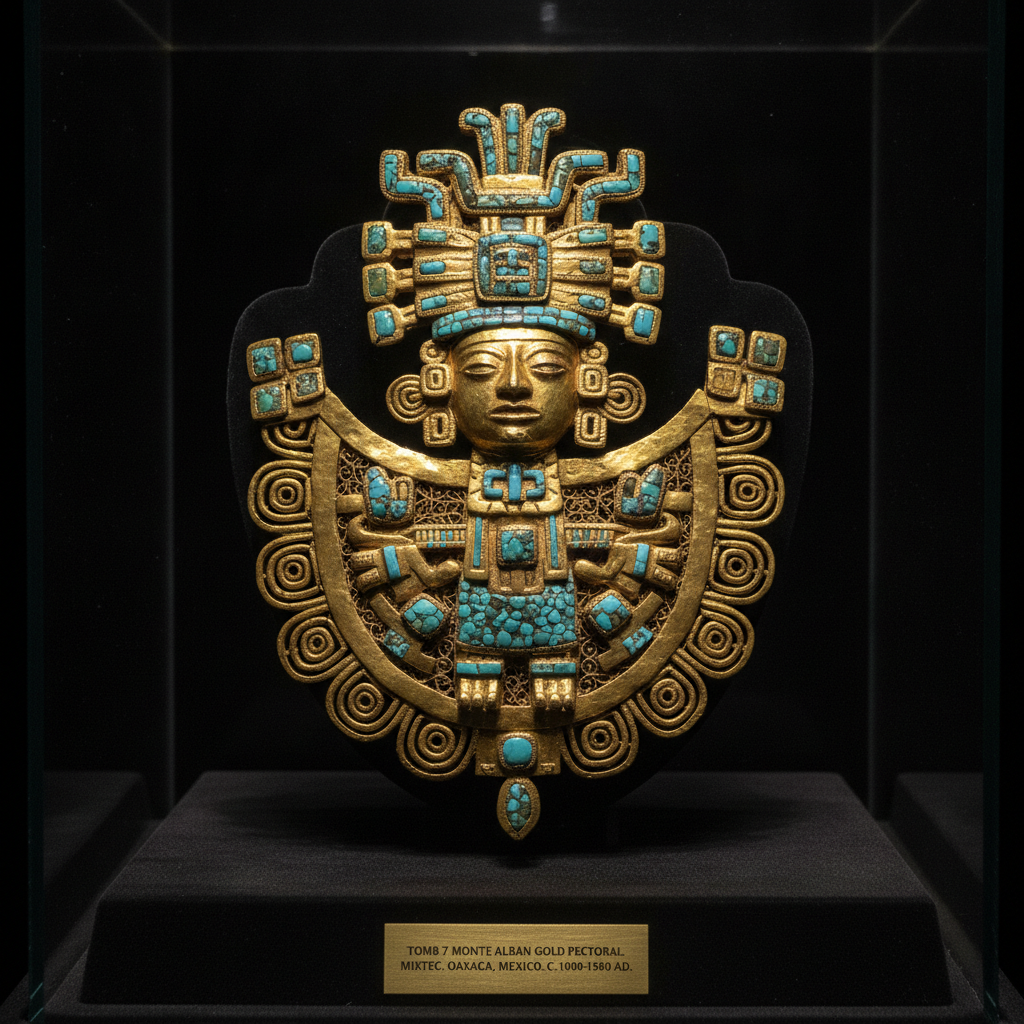
Zapotec and Mixtec Civilization: The Cloud People Who Built Monte Alban Before Rome Was an Empire, the Mixtec Codices That Are the Only Pre-Columbian Books Surviving Complete, and the Tomb 7 Gold That Changed What Scholars Knew About Pre-Columbian Metalwork
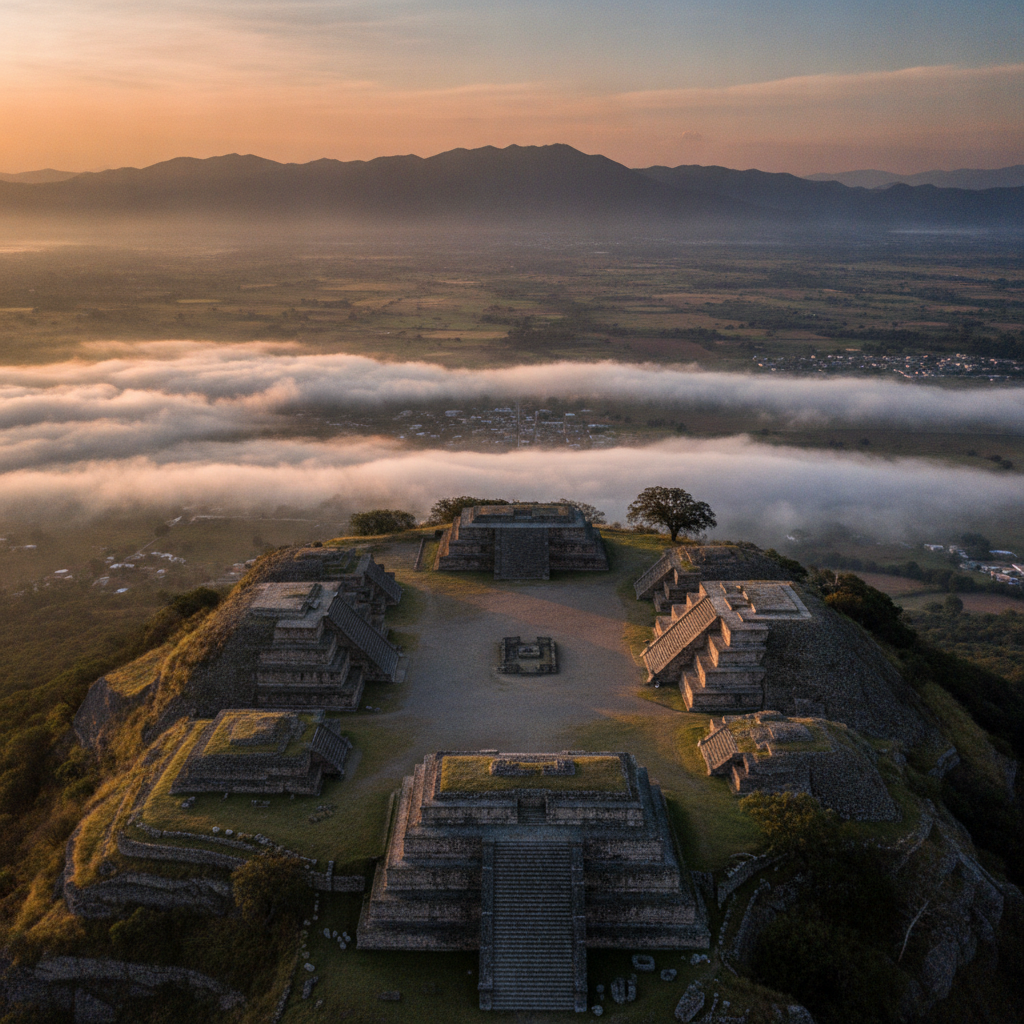
Oaxaca: The Valley City Below Monte Alban Where Zapotec Civilization Built Its Pyramid Capital, Where Mole Negro Takes Three Days to Make, and Where Every Street Has More Indigenous Cultural Survival Than Any Other City in Mexico