The Least-Marketed Snow Monkey Site in Japan, the Morning Light That Hits the Yōmei-mon at 13:00 Not 09:00 & the 10-km Cedar Walk Every Tokugawa Shogun Took
The Oku-Nikkō macaque winter gathering at Yumoto as the Japan snow monkey experience with no crowd; the copper pheasant with 1.5-metre tail visible from the Irohazaka road at dawn; the afternoon (not morning) light on the Yōmei-mon and the first-elevator Kegon Falls dawn strategy; the Yayoi Festival's 1,200-year continuous record and the Nikkō yabusame's superior spectator visibility versus Kamakura; the Yumoto Onsen 50-yen foot bath as Japan's cheapest onsen; and the 10-km Cedar Avenue walking route from Imaichi that every Tokugawa shogun used for the annual pilgrimage.
- 1
Nikkō's Wildlife – Monkeys, Bears & Copper Pheasant
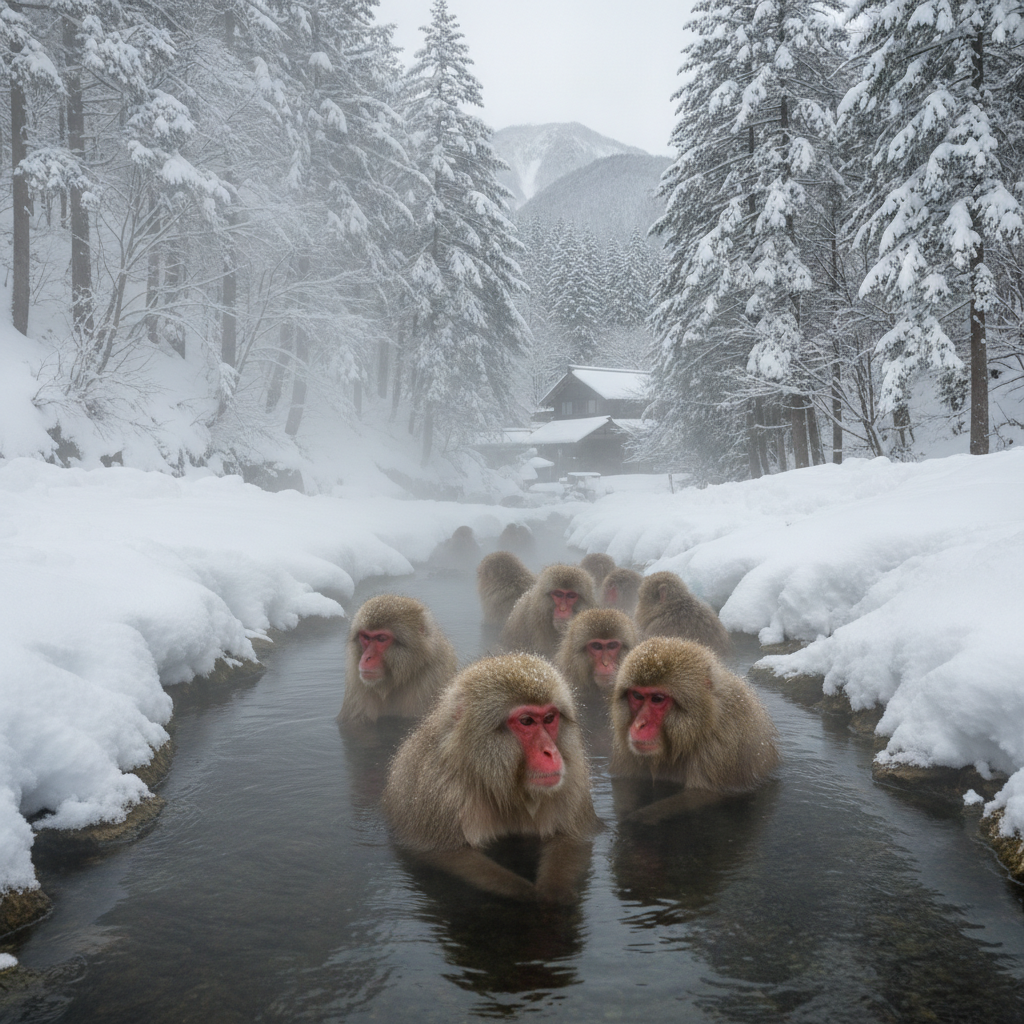
The wildlife of the Nikkō area (the Nikkō National Park—the national park covering 140,698 hectares of Tochigi and Gunma prefectures north of the shrine complex): the most ecologically diverse national park in the Kantō region. The Japanese macaque (the Nihonzaru—the only wild primate in Japan north of the tropics; habituated groups are visible year-round in the Oku-Nikkō area, particularly near the Yumoto Onsen where they have learned to use the onsen spring runoff as warming baths in winter): the Jigokudani-style snow monkey bathing at Yumoto is less famous than the Jigokudani site in Nagano but less crowded and more accessible for the casual visitor who has combined Nikkō and Oku-Nikkō in a single overnight trip. The Asian black bear (Ursus thibetanus—the black bear with the distinctive white V on the chest: present throughout the Nikkō national park forested areas; the population is estimated at 200–300 individuals in the Nikkō park area; active April–November; the Nikkō bear encounters are sporadic but documented annually in the Senjogahara and Kirifuri highlands): standard bear-awareness precautions (bell, group hiking, avoiding dusk and dawn forest travel) are sufficient. The copper pheasant (Syrmaticus soemmerringii—the large pheasant endemic to Japan with the copper-chestnut plumage and the extremely long tail (up to 1.5 metres in males); common in the Nikkō forested area and frequently visible from the Irohazaka road in the early morning): the most striking Japanese endemic bird visible in the Kantō mountain area.
- 2
Nikkō Photography – The Shot List
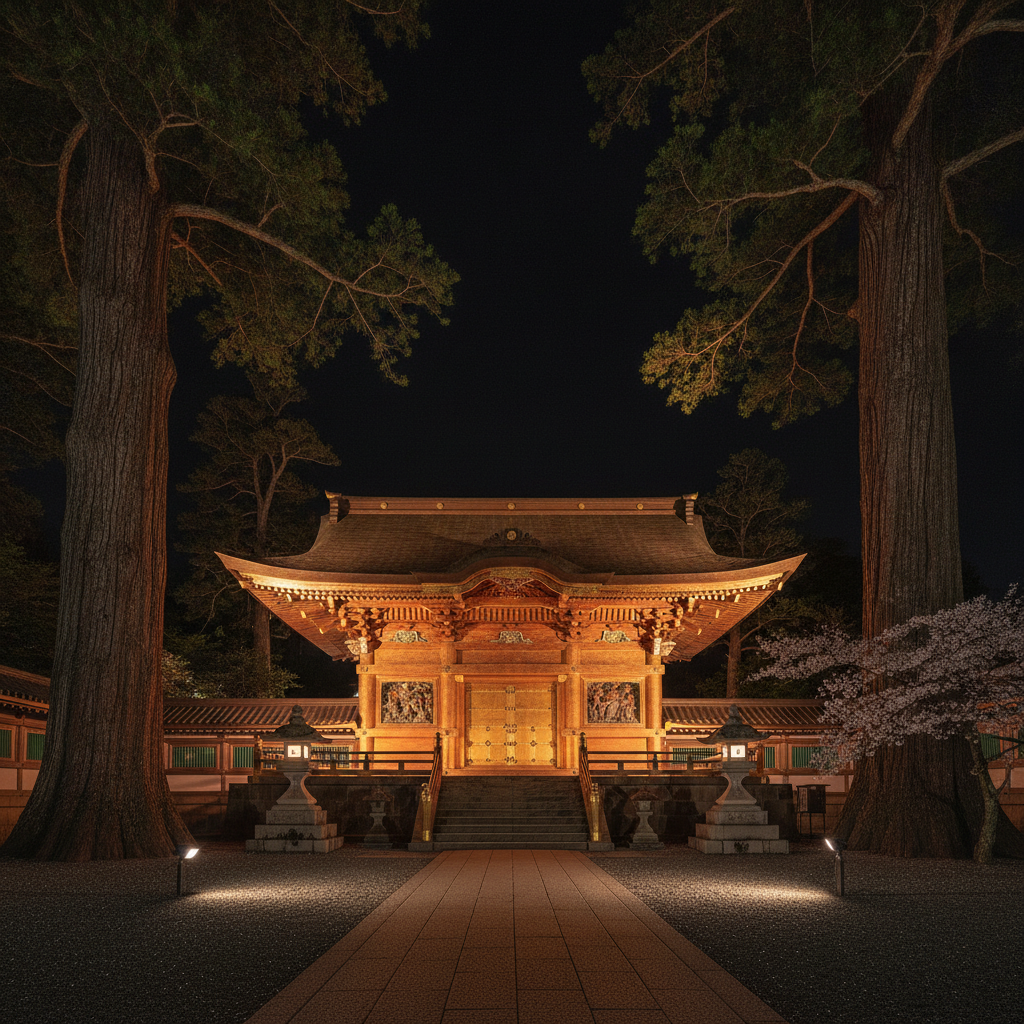
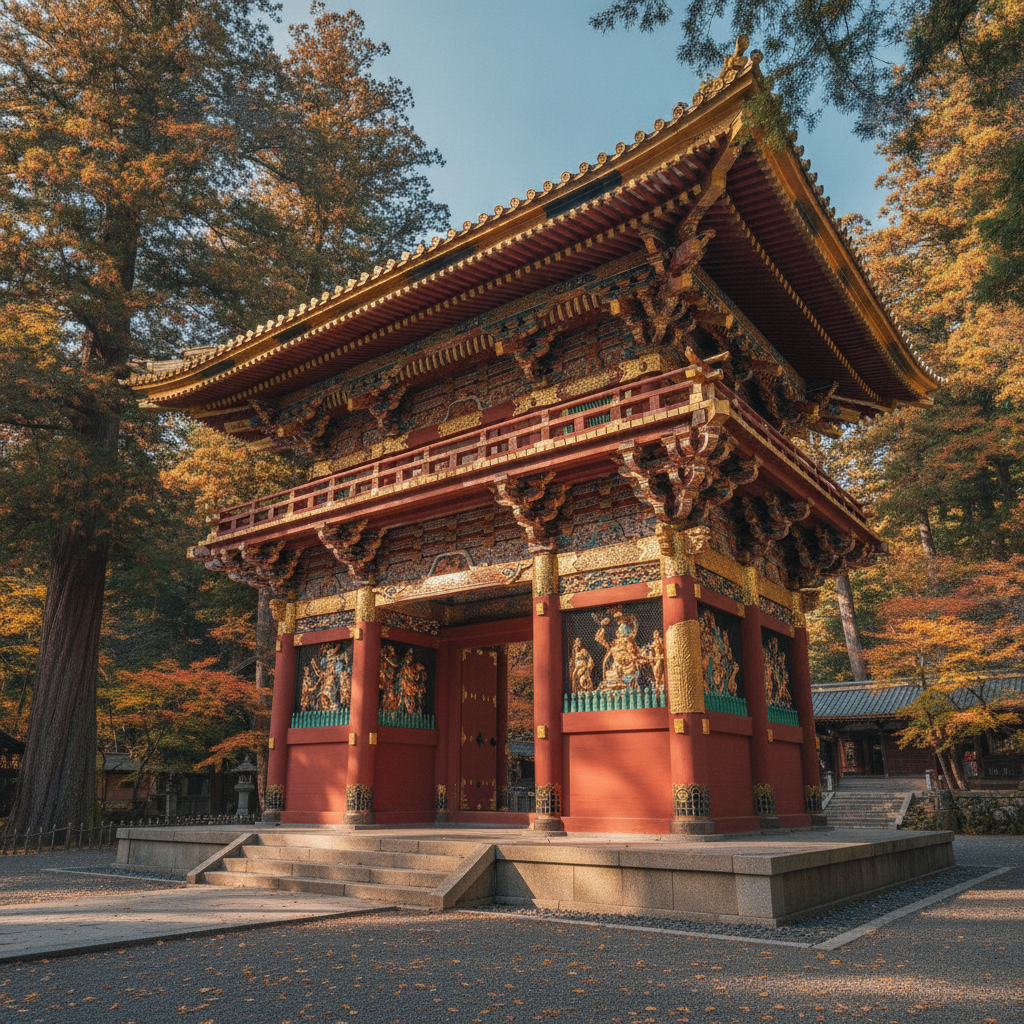
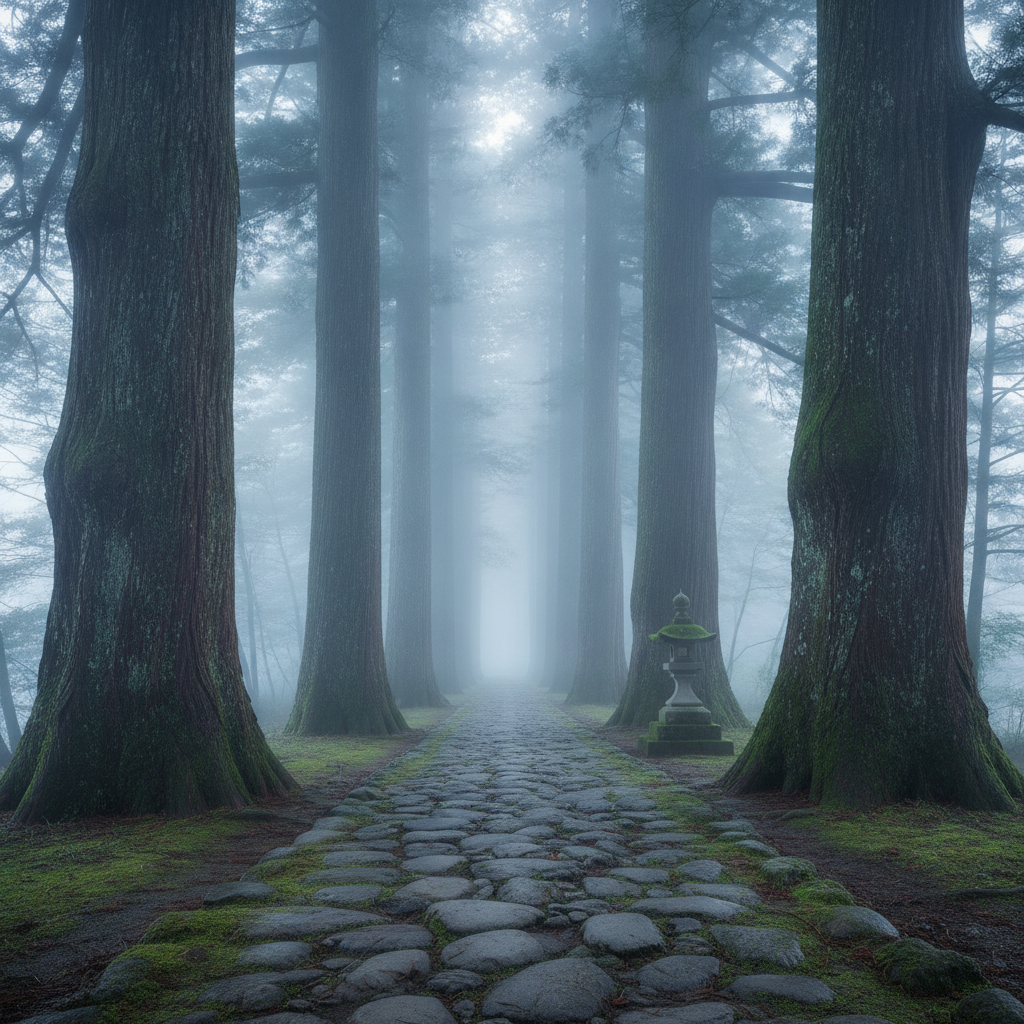
The Nikkō photography programme requires advance planning around seasonal timing, weather conditions, and crowd management. Priority 1 (the Yōmei-mon and Tōshō-gū): the shrine opens at 09:00 (08:00 from April through October); arriving at 08:50 and entering on the first admission of the day allows 30–40 minutes before the first coach tours arrive at approximately 09:30. The morning light (the eastern gate faces west, meaning the Yōmei-mon is in shadow in the morning and in direct afternoon light from approximately 13:00–16:00—the afternoon visit produces more dramatic gate illumination than the crowded morning). Priority 2 (the Kegon Falls in early morning before tour bus arrivals): the falls elevator (the cliff elevator that drops 100 metres to the base observation platform) operates from 08:00; the first descent at 08:00 provides the falls base view in early morning light before the tour group arrivals begin at 09:30. Priority 3 (the cedar avenue in fog or mist): the Daiya River valley fog formation is most consistent in November–December; the cedar avenue at 07:00–08:00 on a foggy morning (before the fog burns off) is the most atmospheric photograph available in the Nikkō area. Priority 4 (the Ryūzu Falls in October foliage): the red maple directly above the Ryūzu twin-fall is the most timed shot in Nikkō photography—the peak is approximately 3 days long; the Nikkō foliage webcam (on the Oku-Nikkō Tourism Association website) shows the current foliage state.
- 3
Spring Nikkō – The Festival Calendar
Nikkō's spring calendar is the most event-dense season in the area—the combination of the Tōshō-gū's spring festival, the cherry blossom (the shrine approach cherry at the Nikkō town level peaks in mid-April, 1–2 weeks after Tokyo), and the beginning of the Mount Nantai pilgrim climbing season (July opening, but the preparatory Kaizan Festival is held in spring). The Yayoi Festival (the Futarasan Shrine spring festival on 13–17 April—the 1,200-year-old festival celebrating the deities' spring return to the mountain: the festival procession on 17 April carries the 11 mikoshi (portable shrines) of the Nikkō area deities in a procession through the shrine complex that constitutes the oldest continuously performed festival in the Kantō region). The Tōshō-gū Grand Spring Festival (17–18 May—the Hyakumonjo Festival: the procession of 1,200 participants in Edo period costume carrying the Tokugawa family mikoshi, accompanied by mounted archers (the yabusame horseback archery performance on 18 May is considered the finest in Japan after the Tsurugaoka Hachimangū performance in Kamakura)). The yabusame (the Nikkō yabusame performance—3 mounted archers in Edo-period costume gallop the length of a 250-metre course shooting arrows at 3 targets simultaneously at full gallop): the 500-person crowd that attends the Nikkō yabusame is significantly smaller than Kamakura's version and provides far better visibility per spectator.
- 4
Nikkō's Onsen – Yumoto & the Sulfur Springs
The Oku-Nikkō onsen circuit (the cluster of onsen settlements in the mountain area above the shrine complex) is less internationally known than Hakone's but offers a more isolated, less commercialised version of the Japanese mountain onsen experience. Yumoto Onsen (the highest onsen in the Oku-Nikkō area at 1,478 metres—the settlement at the eastern shore of Lake Yuno; the onsen source (the Yumoto Onsen sulfur spring) is connected to the Onsenji Temple by a ritual path where the spring is understood as the temple's deity): the Yumoto Onsen public bath (the Yumoto Ashiyu Hot Spring—the public outdoor foot bath at the lakeside; the only communal onsen experience available without overnight accommodation in Yumoto; ¥50 coin bath): the cheapest onsen experience in Japan. The macaque winter bathing at Yumoto (the wild Japanese macaque population that gathers near the Yumoto Onsen spring runoff channels in December–February—the monkeys use the warm water runoff rather than the designed bath (the bath at Jigokudani in Nagano was specifically designed for monkey bathing; at Yumoto the warm water is incidental to the spring management)): the monkey winter gathering at Yumoto is the least internationally marketed significant wildlife encounter in Japan. Chūzenji Onsen (the lakeside onsen settlement at Lake Chūzenji—the Chūzenji Onsen hotels are the closest accommodation to Kegon Falls (200 metres) and the Futarasan Shrine at Chūzenji): the most convenient base for the Oku-Nikkō waterfall and lake circuit.
- 5
The Edo Road Heritage – Walking Nikkō's History
The historical road heritage of the Nikkō area extends beyond the Cedar Avenue to include the full route network that connected the shogunal pilgrimage to the Nikkō shrine complex. The Nikko Kaido (the Edo-period post road connecting Edo (Tokyo) to Nikkō—the most politically important road in Japan from 1617 to 1868, used by the Tokugawa shogun for the annual pilgrimage to Ieyasu's mausoleum): the road followed the Kinu River valley north from Edo through the castle towns of Kasukabenomachi and Imaichi before ascending to Nikkō. The surviving post-town sections: the Imaichi post town (the last major stop before Nikkō—the preserved machiya merchant townhouses along the Nikko Kaido main street in Imaichi; the Imaichi Honjin (the official shogunal rest facility at Imaichi—the only surviving honjin building on the Nikko Kaido); the Yashio-no-yu public bath in Imaichi using the same volcanic mountain water as Nikkō's springs but at 40% of the Nikkō tourist area prices). The Cryptomeria Cedar Route walk (the 10-km walking section of the Nikko Kaido between Imaichi and the Nikkō shrine approach where the 380-year-old cedar avenue is most intact—the walking route that every Edo-period pilgrim took; accessible from the Tobu Imaichi Station on the Tobu Nikko Line): the most historically authentic approach to the Tōshō-gū and the path walked by the 13 Tokugawa shogun who made the annual pilgrimage.
- 6
Nikkō's UNESCO Listing & Conservation Challenges
The 'Shrines and Temples of Nikkō' UNESCO World Heritage Site (listed 1999; covering 103 structures in the Tōshō-gū, Futarasan Shrine, and Rinnō-ji temple complex; the inscription criteria: the Tōshō-gū's artistic and architectural programme as an outstanding example of 17th-century Japanese decorative arts applied to a single building complex at the highest level of craft mastery): the UNESCO listing and the subsequent international tourist increase have created conservation challenges that the Nikkō Toshogu Shrine Board has been managing since 2001. The visitor impact: the 2.5 million annual visitors to the Nikkō shrine complex create physical wear on the stone paths, vibration damage from tour bus access, and atmospheric pollution from diesel buses in the enclosed cedar valley: the Nikkō area has implemented partial bus restrictions (certain routes converted to electric bus in 2022) and is studying pedestrianisation of the inner shrine approach. The lacquer restoration programme (the ongoing cycle of lacquer reapplication on the Tōshō-gū buildings—each building requires reapplication of the lacquer surface every 30–50 years; the programme is continuous because the 40+ buildings in the complex cycle through restoration on overlapping schedules): the current restoration priority is the Yōmei-mon main pillars (last restored 2017) whose next restoration cycle is planned for 2050. The cedar avenue management: the 380-year-old cedars are managed by the Nikkō Forestry Association using traditional techniques (no pruning of the main trunk; individual limb bracing for structurally vulnerable trees; replacement planting of new cedars adjacent to trees that die).
Walk this route with audio
Stories play automatically as you reach each stop — no tapping needed.
More in Nikkō
The 1,200-Person Spring Procession Recreating 1617, the Blue-Grey Ice Wall at Kegon Falls in February & the Daikoku Hall Where Matte Black Beats Gold and Red
The Upside-Down Pillar, the 3cm Sleeping Cat & the 12,000 Cedar Trees Planted Because One Daimyo Couldn't Afford a Lantern
Kaempfer's 'Most Magnificent in the Whole World', the 50-Yen Foot Bath at 1,478 Metres & the October Grand Festival That Nobody Books For
The Taiyū-in Mausoleum That Art Historians Rate Higher Than the Tōshō-gū, 6 Weeks of Altitude-Staggered Foliage & the Buddhist Monks Who Made Nikkō's Tofu Famous