The Upside-Down Pillar, the 3cm Sleeping Cat & the 12,000 Cedar Trees Planted Because One Daimyo Couldn't Afford a Lantern
The Yōmei-mon's 508 carved figures and the deliberately inverted pillar on the second right-hand column to prevent divine punishment for perfection; the Nemuri-neko's 3-cm carved sleeping cat as Japan's most sought-after carved puzzle; the 37-km cedar avenue planted 1628–1648 by Matsudaira Masatsuna as the tribute gift he could afford instead of a stone lantern; the 97-metre Kegon Falls through the cliff-face elevator and the 28-hairpin Irohazaka road named after the Japanese alphabet; Shōdō's 767 CE Mount Nantai swim-and-climb as Nikkō's founding legend; and the day-trip vs overnight decision tree for combining shrines and Oku-Nikkō.
- 1
Tōshō-gū – Japan's Most Ornate Shrine
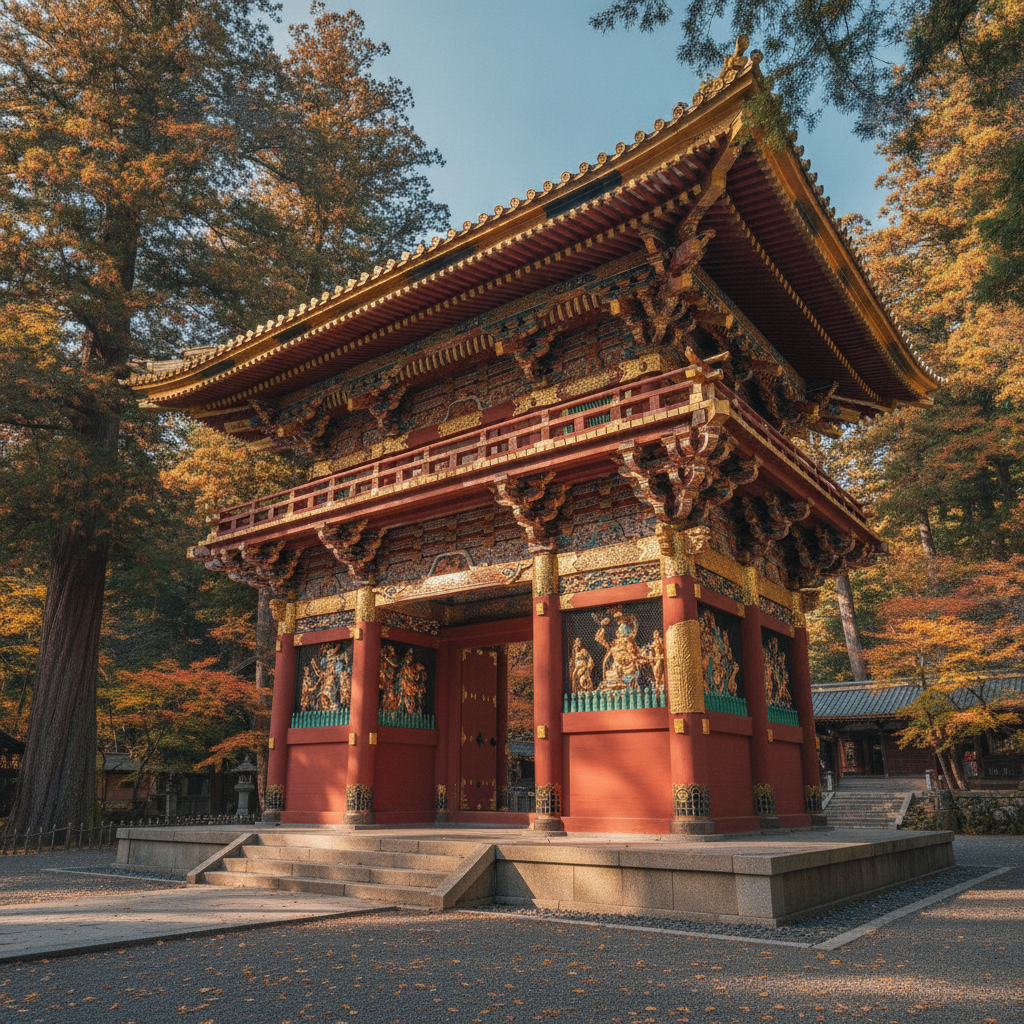
Nikkō Tōshō-gū (the UNESCO World Heritage mausoleum shrine of Tokugawa Ieyasu—the first Tokugawa shogun who unified Japan in 1603 and whose posthumous deification as Tōshō Daigongen (the Great Incarnation Illuminating the East) was the religious foundation of the Tokugawa political system for 265 years): the most elaborately decorated religious complex in Japan, constructed from 1634 to 1636 under the direction of the third shogun Tokugawa Iemitsu using 15,000 craftsmen and an estimated 56% of the Tokugawa government's annual revenue for the construction period. The Yōmei-mon (the Gate of Sunlight—the 11-metre gate on the approach to the inner shrine; so ornately decorated with 508 carved figures—animals, mythological creatures, Chinese sages, flowers, and geometric patterns—that it is said that craftsmen deliberately carved one pillar upside-down to prevent the completed gate from achieving perfection (which would invite divine punishment); the inverted pillar (the sakabashira—literally 'upside-down pillar') is the most sought-after visual puzzle for Tōshō-gū visitors and is on the second right-hand pillar of the gate). The Sleeping Cat (the Nemuri-neko—Jūzaburō Hidari's small carved wooden cat above the Sakashitamon Gate (the gate leading to Ieyasu's tomb): the most famous single carving in Japan; approximately 3 cm long; visible from below the gate arch; the cat's significance is debated (is it sleeping? guarding?—the Nikkō interpretation holds that the cat's closed eyes represent peace)).
- 2
The Cedar Avenue & The Approach to Nikkō
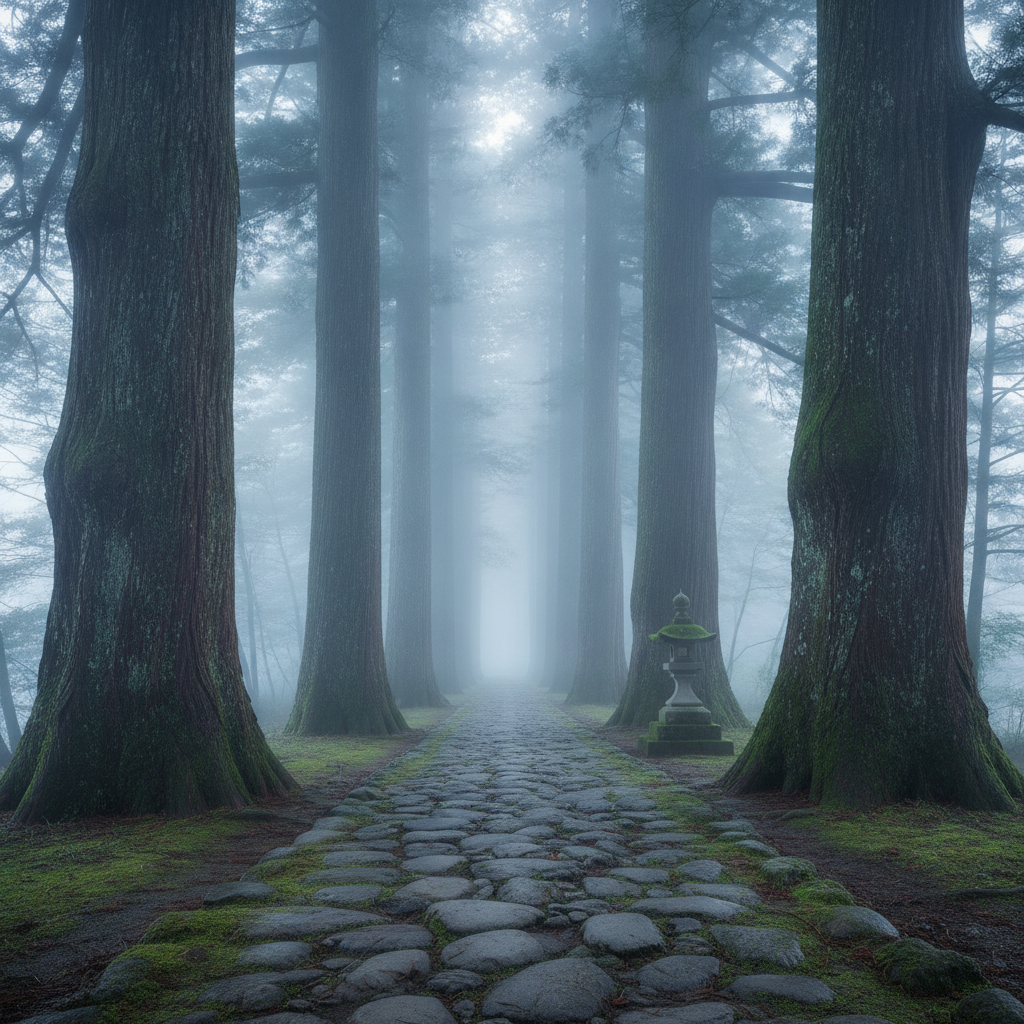
The Nikkō Cedar Avenue (the Nikko Kaido cedar avenue—the 37-km cedar-lined road from Imaichi to the Tōshō-gū entrance, planted between 1628 and 1648 by the daimyo Matsudaira Masatsuna as a tribute to the Tōshō-gū (Matsudaira could not afford a stone lantern like the other daimyo and substituted 12,000 cedar trees as his offering): the longest tree-lined avenue in the world according to the Guinness World Records (recognised 1996); the cedars are now 380 years old and 20–35 metres tall; approximately 12,000 trees survive of the original planting. The avenue today: the surviving sections of the cedar avenue (the full 37 km is partially interrupted by road development and some tree loss): the best-preserved 3-km section runs from Imaichi to the start of the Nikko Kaido proper; the approach section from Nikkō Station is covered by a shorter but fully intact avenue of 1628 cedars. The approach to the Tōshō-gū: from Nikkō Station (Tobu Nikkō Line from Asakusa, Tokyo—2 hours; ¥1,360 on the regular limited express; or JR Nikkō Line from JR Nikkō Station—2 hours 20 minutes from Shinjuku; ¥5,940 with Shinkansen to Utsunomiya then local train): the approach road from both stations passes through the cedar avenue section, the Shin-kyō (Sacred Bridge), and the Rinnō-ji Temple before reaching the Tōshō-gū entrance.
- 3
Oku-Nikkō – The Mountain Lakes & Waterfalls
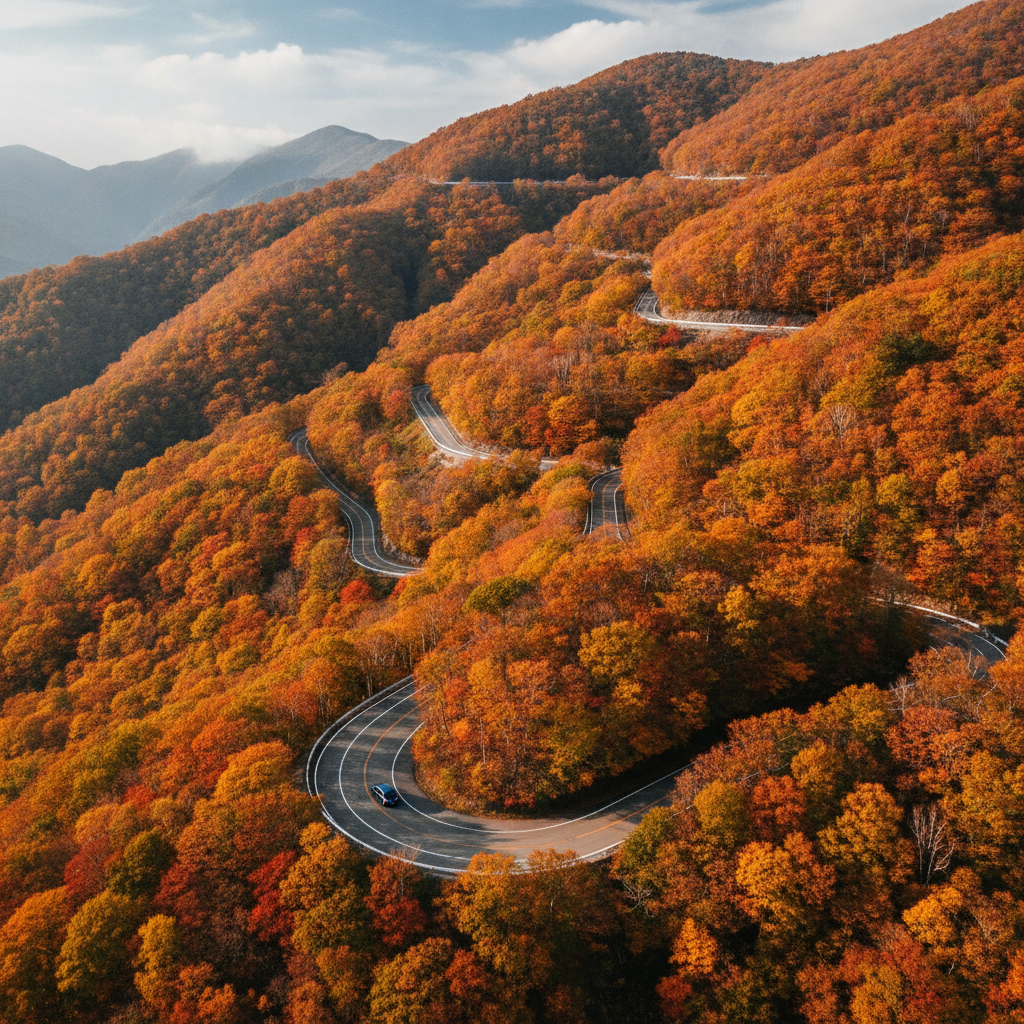
Oku-Nikkō (the inner Nikkō area north of the shrine complex—the plateau, lakes, and waterfalls accessible by bus from Nikkō Station; the contrast between the ornate gilded shrine complex and the natural mountain landscape 20 km behind it constitutes the two-register Nikkō experience that distinguishes Nikkō from purely shrine-focused day trips). Kegon Falls (the 97-metre waterfall formed where Lake Chūzenji overflows its rim into the Daiya River gorge—Japan's most famous waterfall by domestic visitor volume; the observation deck at the base (accessible by elevator through the cliff face for ¥570) provides the full-face view of the fall; the top overlook is free but provides only a partial view): the fall volume varies by season (the April snowmelt peak when water volume is highest; the frozen winter when the fall partially ices over in December–February—the most photographed configuration). Lake Chūzenji (the caldera lake at 1,269 metres elevation above Nikkō—formed by a lava flow from Mount Nantai damming the Daiya River approximately 20,000 years ago; accessible by the Irohazaka Winding Road—the 28-hairpin road climbing from Nikkō to the lake that gives its name to the Japanese alphabet (iroha) because each hairpin is assigned a letter of the old phonetic alphabet)): the lake viewed from the Chūzenji Onsen area provides the most complete Oku-Nikkō panorama. The Ryūzu Waterfall (the twin-fall above Lake Chūzenji at the Ryūzu lake inlet—the most accessible Oku-Nikkō waterfall without an elevator; the autumn foliage viewpoint where the red maple over the falls appears in October).
- 4
Futarasan Shrine & the Mountain God
Futarasan Shrine (the Shinto shrine dedicated to the deities of Mount Nantai (2,484 metres—the volcanic cone above Lake Chūzenji), Mount Nyohō (2,483 metres), and Mount Tarō (2,367 metres)—the three Nikkō mountains whose deities were the pre-Buddhist sacred presence in the Nikkō area before Tokugawa's 17th-century reorganisation of the sacred landscape): the oldest religious site in Nikkō (established in 767 CE by the monk Shōdō who made the first recorded ascent of Mount Nantai, swimming the Daiya River and climbing the volcano in a feat that became the founding legend of Nikkō's sacred geography). The three Futarasan Shrine locations: the Honsha (the main Futarasan Shrine adjacent to the Tōshō-gū—the main hall in the cedar forest behind the shrine complex, less visited than the Tōshō-gū but older in origin); the Chūgūshi (the Futarasan Shrine at the Chūzenji Onsen area, adjacent to the lake—the Chūzenji shrine with the Nantai sacred sword in the treasure hall); and the Okumiya (the inner shrine on the summit of Mount Nantai, accessible by the July–September pilgrim trail from the Sanshano Torii gate at the lake's Nantaisan entrance). The Mount Nantai pilgrimage season (July–September—the mountain is opened for climbing on 5 July each year in the Oyama-biraki ceremony at the lake-shore shrine): the 6-hour return climb from the 1,269-metre lake to the 2,484-metre summit.
- 5
Rinnō-ji & the Three Buddhist Halls
Rinnō-ji Temple (the Tendai Buddhist temple complex that precedes the Tōshō-gū in the Nikkō approach—established by the monk Shōdō in 766 CE; the oldest Buddhist institution in Nikkō): the temple's three main halls contain the largest gilt bronze statues in Japan outside the Nara Daibutsuden. The Sanbutsudō (the Three Buddha Hall—the main hall of Rinnō-ji; containing the three 8-metre gilt bronze statues: the 1000-armed Kannon, the Amida Buddha, and the horse-headed Kannon): the three statues represent the three Oku-Nikkō mountain deities (the Tendai Buddhist identification of the three Shinto mountain gods with Buddhist bodhisattvas—a syncretism typical of the shinbutsu-shūgō (combining gods and buddhas) tradition that defined Japanese religion from the 9th century until the forced separation of Shinto and Buddhism in 1868). The Shōyō-en garden (the stroll garden adjacent to Rinnō-ji—the 16th-century garden designed to miniaturize the landscape of Lake Chūzenji, with the garden pond representing the lake and the central hill representing Mount Nantai): the most refined garden in the Nikkō complex and the least visited (the ¥300 entrance fee deters visitors who have already paid the ¥1,300 Tōshō-gū entry). The Goho-do (the Protective Hall—the hall containing the Oshorai-sama Furegumi Ceremony, the April ritual procession celebrating the annual return of the mountain deity from the winter retreat at Futarasan Shrine to the summer residence at Rinnō-ji).
- 6
Practical Nikkō – Day Trip vs Overnight & Access
Nikkō's logistics require more advance planning than Hakone's because the attractions are split between two geographical zones (the shrine complex and Oku-Nikkō) connected only by bus. The day-trip viability: a day trip from Tokyo covers either the shrine complex (the Tōshō-gū, Rinnō-ji, and Futarasan Shrine) or Oku-Nikkō (Kegon Falls, Lake Chūzenji) but not both comfortably. An overnight stay is the standard recommendation for combining both. The access options: the Tobu Nikkō Line from Asakusa Station (Tobu Limited Express Spacia—2 hours; the Tobu Nikkō Pass covering the train and Nikkō bus is ¥4,780 from Asakusa); the JR route (JR Shinkansen to Utsunomiya + JR Nikkō Line—2h20m total; ¥6,300 from Tokyo). The Tobu option is more convenient for the shrine complex (Tobu Nikkō Station is slightly closer to the shrine approach); the JR option is covered by the JR Pass. The Nikkō area bus pass (the Nikkō All Area Pass, ¥4,560—covers all Tobu buses in the Nikkō area including the Irohazaka service to Lake Chūzenji and the Senjogahara plateau bus): the most cost-efficient option for visitors doing both zones. The Nikkō hotel concentration: the Kanaya Hotel (the oldest Western-style hotel in the Nikkō area, established 1873; the oldest operating Western-style hotel in Japan after the Fujiya Hotel in Hakone): the Nikkō Kanaya Hotel's Meiji-era dining room and the Victorian interiors are the most historically specific accommodation experience in the Kantō mountain resort area.
Walk this route with audio
Stories play automatically as you reach each stop — no tapping needed.
More in Nikkō
The 1,200-Person Spring Procession Recreating 1617, the Blue-Grey Ice Wall at Kegon Falls in February & the Daikoku Hall Where Matte Black Beats Gold and Red
Kaempfer's 'Most Magnificent in the Whole World', the 50-Yen Foot Bath at 1,478 Metres & the October Grand Festival That Nobody Books For
The Taiyū-in Mausoleum That Art Historians Rate Higher Than the Tōshō-gū, 6 Weeks of Altitude-Staggered Foliage & the Buddhist Monks Who Made Nikkō's Tofu Famous
The 680kg Mikoshi Carried by 50 People, the 251 Consecutive Annual Pilgrimages & the Secondary Falls Emerging From Cracks in a 20,000-Year-Old Lava Dam