The Taiyū-in Mausoleum That Art Historians Rate Higher Than the Tōshō-gū, 6 Weeks of Altitude-Staggered Foliage & the Buddhist Monks Who Made Nikkō's Tofu Famous
The three 1,300-year sacred zones and the Taiyū-in Mausoleum's gold programme rated superior to the Tōshō-gū's by Japanese art historians; the Senjogahara plateau's peat bog two metres deep on 20,000-year-old lava with the three-waterfall hiking circuit; the 9 wood species and 5 lacquer techniques of the Tōshō-gū's artistic programme and the 8 life-stage monkey panels that produced the Three Wise Monkeys; the Irohazaka's October 2-hour traffic jams on Japan's most dramatic autumn road; the yuba circuit's Buddhist vegetarian origin and the Nikkō mineral water as the quality differentiator; and the Nikkō vs Hakone single-day decision.
- 1
Nikkō's Sacred Landscape – The Three Zones
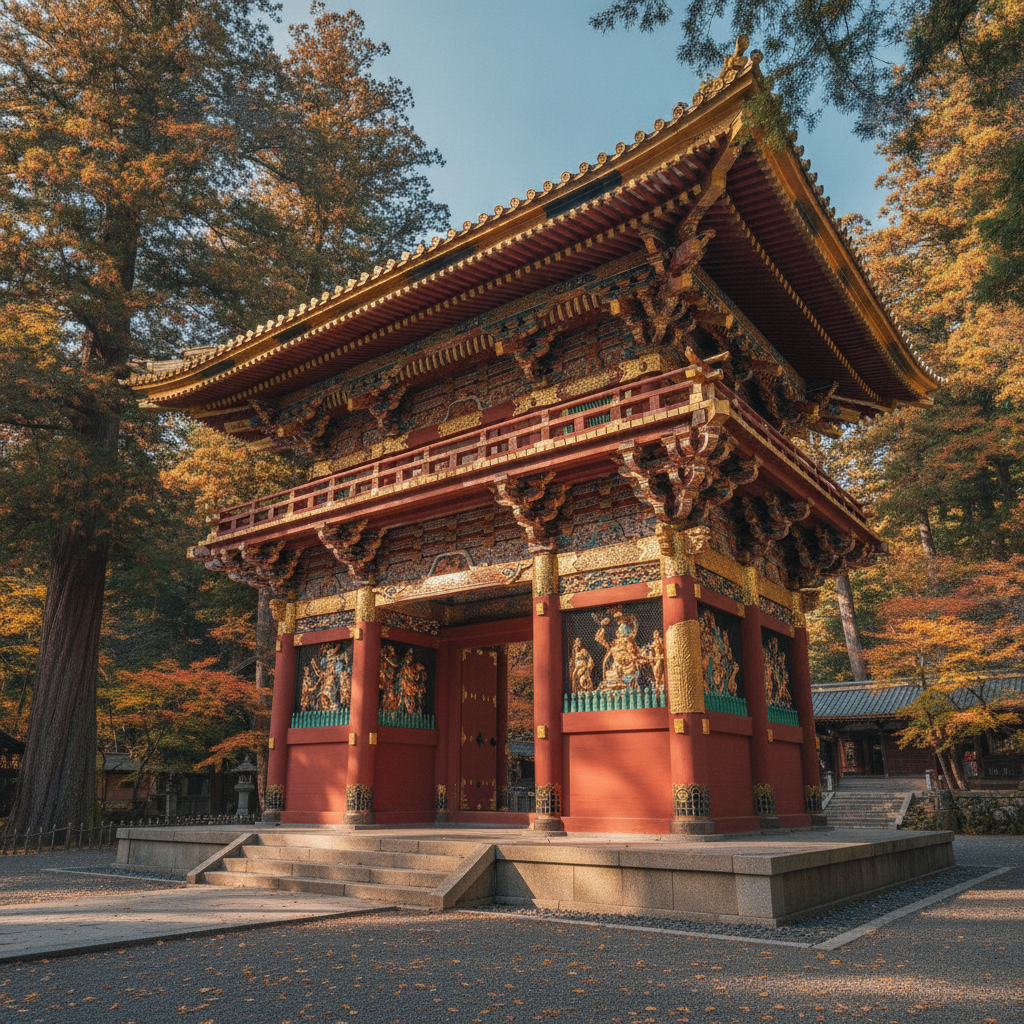
Nikkō's sacred geography is organized across three distinct zones that represent successive periods of religious development spanning 1,300 years. Zone 1 (the original mountain religion area—the Shōdō-founded sacred landscape of the 8th century, centered on Mount Nantai, Lake Chūzenji, and the Daiya River valley): the pre-Buddhist animist mountain worship that preceded institutional religion in this area by an unknown period, formalised by Shōdō's 766 CE ascent. Zone 2 (the Heian–Kamakura Buddhist temple complex—Rinnō-ji and the Futarasan Shrine in the cedar forest below the mountain approach): the mountain Buddhism and Shinto syncretism that defined the area's religious character for 900 years before the shogunal reorganisation. Zone 3 (the Tokugawa mausoleum complex—the Tōshō-gū, Taiyū-in Mausoleum, and their supporting shrines and halls constructed from 1617 to 1653): the politically motivated religious complex that transformed Nikkō from a mountain pilgrimage site into the ideological center of Tokugawa political theology. The Taiyū-in Mausoleum (the mausoleum of the third shogun Tokugawa Iemitsu—who constructed the current Tōshō-gū and chose to be buried adjacent to his grandfather; less visited than the Tōshō-gū but architecturally equivalent and less crowded): the gold and lacquer programme at the Taiyū-in is consistently rated by Japanese art historians as superior in quality to the Tōshō-gū—the construction benefited from a generation of craft refinement after the Tōshō-gū work.
- 2
Senjogahara Plateau & Nikkō's Hiking
Senjogahara (the high plateau at 1,400 metres elevation north of Lake Chūzenji—accessible by Tobu bus from Nikkō Station to Yumoto Onsen with a stop at Senjogahara): the boardwalk-traversed wetland plateau (2.5 km of elevated wooden boardwalk across the 400-hectare highland bog) offers the most accessible highland hiking in the Kantō mountain region. The Senjogahara ecology: the plateau is a raised bog ecosystem formed on a lava field approximately 20,000 years old—the peat depth reaches 2 metres in the central area, and the vegetation includes Nikkō gentian (Gentiana nipponica), cottongrass (Eriophorum vaginatum), bog rosemary (Andromeda polifolia), and the insectivorous round-leaved sundew (Drosera rotundifolia): a highland bog fauna specific to the altitude and volcanic substrate. The waterfall circuit (the Senjogahara hike that includes Yudaki Falls (25 metres—the overflow of the Lake Yuno into the Yudaki River at the plateau edge), Ryūzu Falls (28 metres twin fall at the Lake Chūzenji inlet), and Kegon Falls (97 metres at the lake outlet)—the 3 falls in 10 km of hiking from Yumoto Onsen to Chūzenji Onsen): the most comprehensive Oku-Nikkō hiking experience and one of the finest full-day mountain walks in the Kantō region. Lake Yuno (the high-altitude lake at 1,478 metres, 6 km above Lake Chūzenji—the most remote lake in the Oku-Nikkō area; the Yumoto Onsen is at the lake's east shore and the most traditional of the Oku-Nikkō onsen settlements).
- 3
The Tōshō-gū Artistic Programme – A Closer Look
The Tōshō-gū decorative programme (the 17th-century craftsmen programme involving 15,000 workers over 18 months) represents the largest single artistic commission in Japanese history and the application of the full range of Edo-period craft techniques to a single architectural complex. The lacquer programme: the Tōshō-gū buildings use 5 lacquer techniques simultaneously—urushi (the basic black lacquer base coat), roiro-nuri (the high-gloss mirror black finish), nashiji-nuri (the gold-fleck-in-lacquer technique, producing the characteristic golden stipple visible on the shrine's interior surfaces), kinpaku-e (the gold leaf application on the carved relief panels), and maki-e (the gold powder painted design technique). The carving programme: the 5,000+ individual carved panels at the Tōshō-gū use 9 woods (camphor, cypress, gingko, yew, chestnut, zelkova, pine, cedar, and paulownia) selected for specific carving properties: the Yōmei-mon's main carved panels are in camphor wood (the grain structure that allows the finest detail while resisting cracking); the Three Wise Monkeys (Hear No Evil, See No Evil, Speak No Evil—the Sankō-sha (Sacred Stable) carving: the only building at the Tōshō-gū associated with animals (the sacred horse stable) with a programme of 8 monkey carvings illustrating the life stages of humanity; the Three Wise Monkeys is the most internationally famous panel but represents only one of the 8 life-stage panels): the monkey carving tradition is associated with the sun deity whose messenger is the monkey.
- 4
Nikkō in Autumn – Japan's Premier Foliage Destination
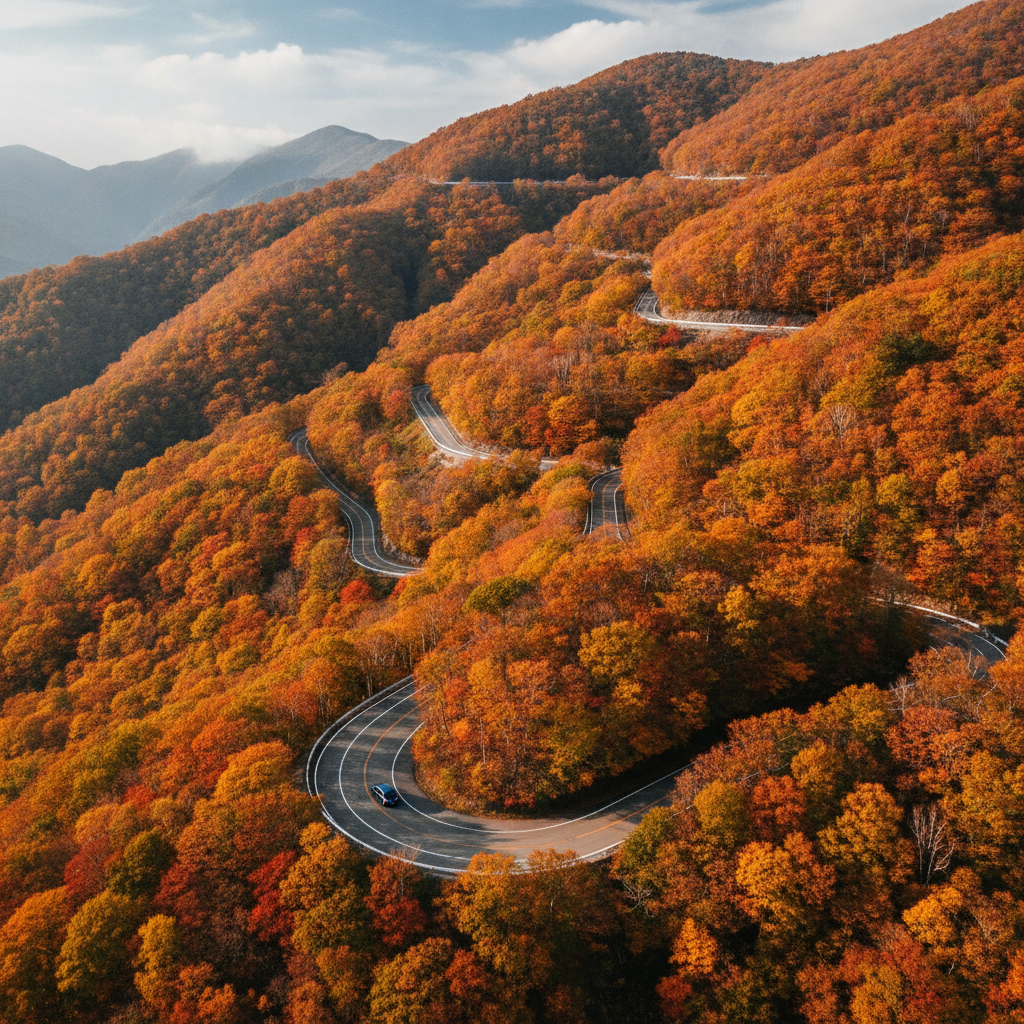
Nikkō's autumn foliage (koyo) is consistently rated the finest in the Kantō region—the combination of the altitude variation (from 600 metres at the shrine complex to 1,478 metres at Lake Yuno) and the species diversity (Japanese maple, Nikkō fir, beech, mountain zelkova, and the distinctive Nikkō white birch) produces a 6-week foliage season from mid-October through late November. The foliage elevation sequence: Oku-Nikkō (peak mid-October at 1,400 metres): the Lake Chūzenji area and Senjogahara plateau turn first—the Ryūzu Falls with red maple above the twin-fall and the Senjogahara plateau's bog-grass russet against the Nikkō white birch; the Irohazaka road in peak foliage (late October): the 28-hairpin road with the forest on both sides at maximum colour—the most dramatic single road autumn experience in Japan (and consequently also one of the most congested—2-hour traffic jams on peak October Sundays are normal); the shrine complex (early November): the ancient cedars do not turn in autumn (cedars are evergreen) but the maples planted between the buildings provide the most architecturally-integrated foliage viewing in Japan—the red maple above the Yōmei-mon's gold carvings is the most reproduced Nikkō autumn image. The foliage tour crowd management (the peak October Nikkō weekend): accommodation on the peak weekends requires booking 3–4 months in advance; weekday visits in the last 2 weeks of October provide 40–50% fewer visitors with equivalent foliage quality.
- 5
Nikkō's Food & Local Specialties
The Nikkō culinary tradition is rooted in the tofu and yuba (the tofu skin formed on the surface of hot soy milk as it cools—the yuba production technique is associated with the Buddhist vegetarian cuisine that supplied the Nikkō temple community from the 9th century onward): Nikkō yuba is considered the finest quality in Japan (the Nikkō mineral water producing a soy milk with a sweeter, richer protein content than the neutral water used in urban tofu production). The yuba circuit (the approximately 20 yuba restaurants and specialty shops in the Nikkō station area and the approach road to the shrine): the standard yuba formats available in Nikkō—the fresh yuba sashimi (the rolled yuba sheet served with soy and wasabi—the most delicate texture available), the yuba donburi (the yuba over rice in dashi broth), the yuba ramen (the Nikkō local adaptation—a soy-base broth with yuba slices in place of the standard toppings), and the yuba yokan (the yuba sweet paste pressed into a confectionery bar in a format typically associated with azuki red bean). The Nikkō sake (the Senbori sake—the local sake produced from the Daiya River water in the Nikkō valley; the cold mountain water produces a sake with a cleaner, drier character than the Nada or Fushimi styles): available at the sake shop adjacent to the Nikkō Station tourist office. The Nikkō miso (the Nikkō miso—the miso paste fermented in the cedar barrels stored in the cool valley air; served as a seasoning in the yuba tofu dishes and as a component of the dengaku (the miso-glazed grilled tofu or konjac sold on skewers at the shrine approach food stalls)).
- 6
Nikkō vs Hakone vs Nikko – The Complete Comparison
A complete comparison of the Kantō mountain day-trip options for different visitor types. Nikkō (2 hours from Tokyo; the most ornate shrine in Japan; the Oku-Nikkō mountain extension): best for: visitors interested in the Edo period political-religious complex (the Tōshō-gū is the defining monument of Tokugawa ideology); autumn foliage enthusiasts (October's Irohazaka road and Ryūzu Falls foliage is the finest in Kantō); hikers who want the Senjogahara plateau wetland walk. Not optimal for: visitors primarily seeking onsen (the onsen options are more limited than Hakone); Fuji viewers (the mountain is not visible from Nikkō); visitors on a single day who want to cover both shrine and mountain lake (requires a 2-day visit for full coverage). Hakone (90 minutes from Tokyo; the volcanic lake, ropeway, and onsen): best for the onsen ryokan experience, the best Fuji view with water reflection, the Open-Air Museum, and the complete day-trip circuit on the Free Pass. Karuizawa (70 minutes from Tokyo by Shinkansen; the plateau cycling resort): best for the upper-class Japanese summer resort atmosphere, easy cycling, and the Shiraito Falls. The single-day choice: for a single day from Tokyo, Hakone's Free Pass circuit provides more variety than Nikkō's bus-separated two-zone structure. For a 2-day trip, Nikkō's overnight (Kanaya Hotel + Oku-Nikkō day 2) is the most historically resonant option in the Kantō mountain area.
Walk this route with audio
Stories play automatically as you reach each stop — no tapping needed.
More in Nikkō
The 1,200-Person Spring Procession Recreating 1617, the Blue-Grey Ice Wall at Kegon Falls in February & the Daikoku Hall Where Matte Black Beats Gold and Red
The Upside-Down Pillar, the 3cm Sleeping Cat & the 12,000 Cedar Trees Planted Because One Daimyo Couldn't Afford a Lantern
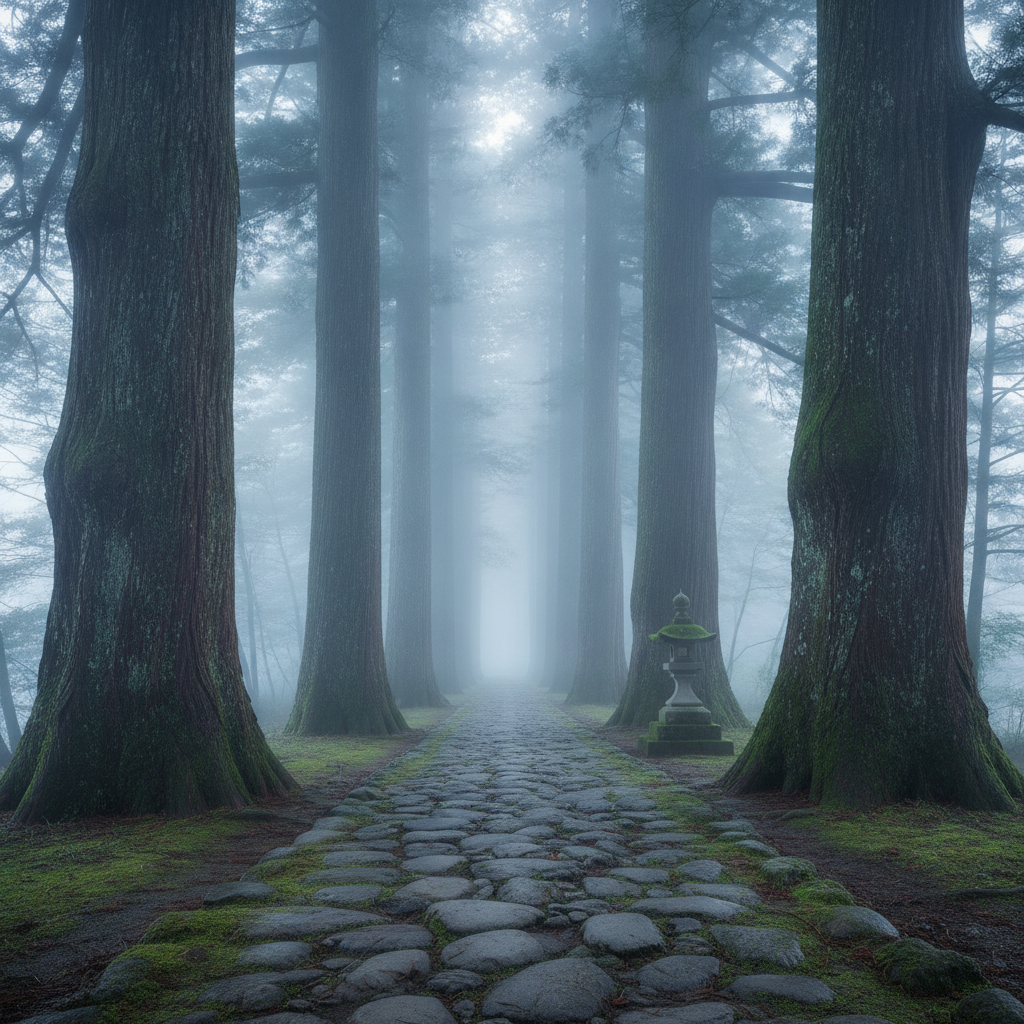
Kaempfer's 'Most Magnificent in the Whole World', the 50-Yen Foot Bath at 1,478 Metres & the October Grand Festival That Nobody Books For
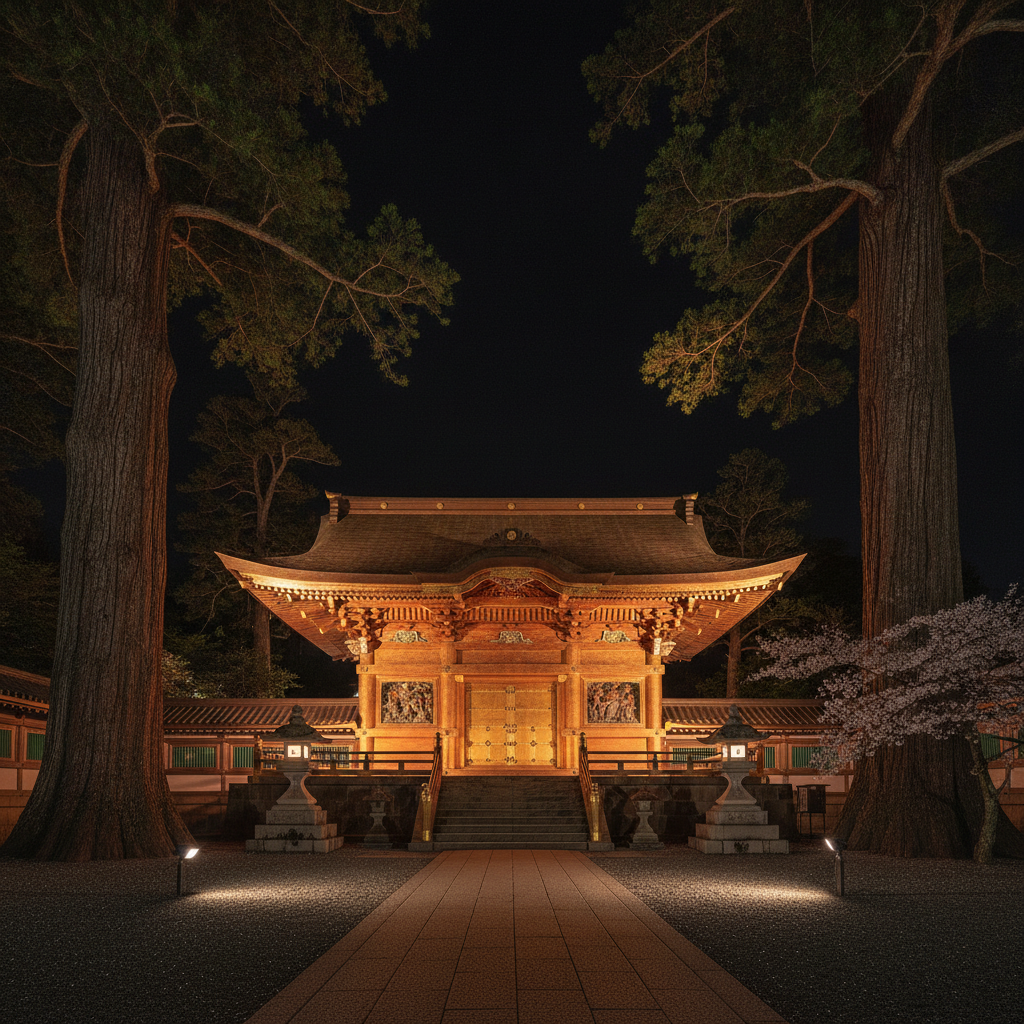
The 680kg Mikoshi Carried by 50 People, the 251 Consecutive Annual Pilgrimages & the Secondary Falls Emerging From Cracks in a 20,000-Year-Old Lava Dam