Nicosia Context: Aphrodite Hills Golf Resort, the London Cypriot Diaspora, the Church of Cyprus Theocracy, the Aphrodite Natural Gas Field, Nicosia Cultural Programming, and the Kykkos Monastery Wealth
The Nicosia context guide covers the Aphrodite Hills luxury golf resort, the 600,000-person Cypriot diaspora concentrated in London, the Archbishop Makarios theocratic governance tradition of the Orthodox Church of Cyprus, the Aphrodite natural gas field geopolitical complications, the summer ancient drama festival cultural calendar, and the Kykkos Monastery real estate empire.
- 1
Aphrodite Hills: The Golf and Spa Resort
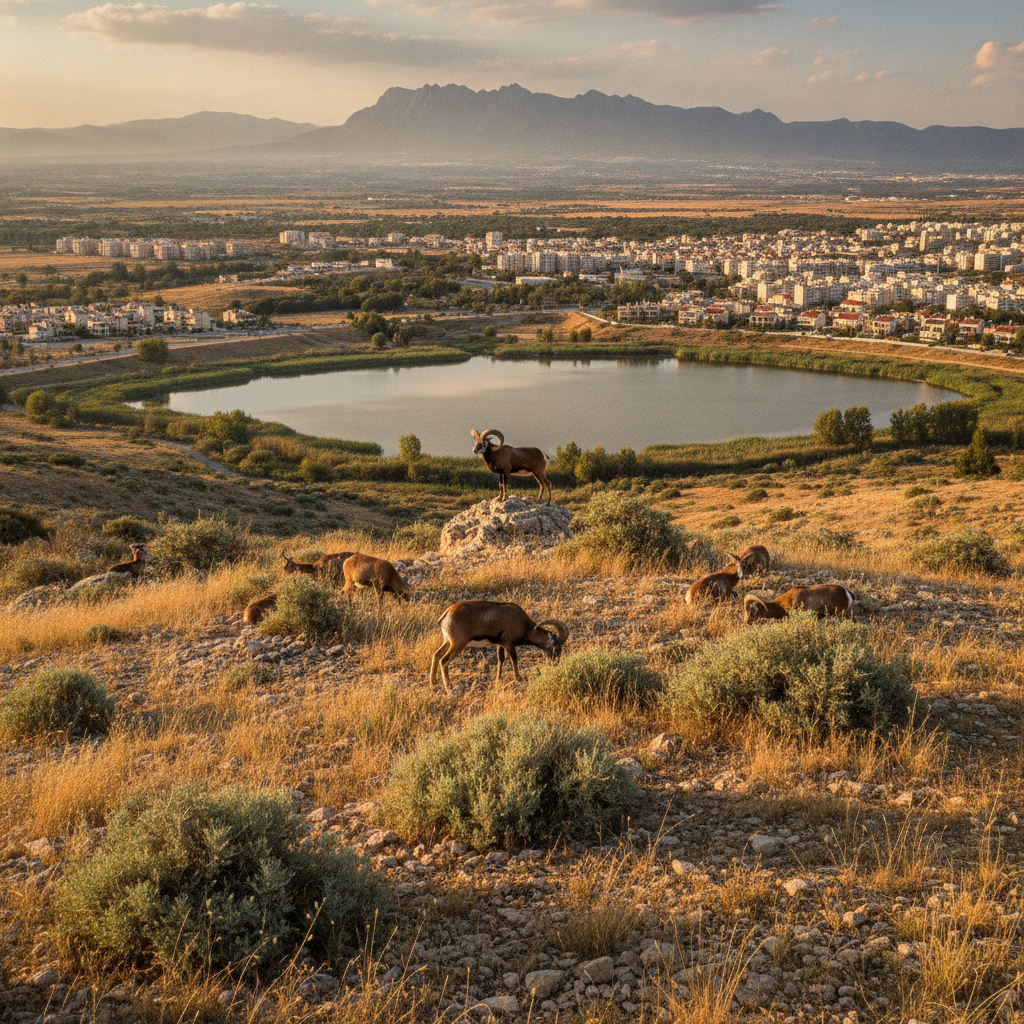
Aphrodite Hills Resort near Paphos, the largest luxury resort complex in Cyprus with the 18-hole championship golf course, the InterContinental hotel, the spa, and the private beach club at Amathos, is the most complete luxury resort destination in the eastern Mediterranean and the primary international 5-star hotel experience in Cyprus for the golf tourism market that the Cyprus Tourism Organisation has actively developed as a year-round premium product.
- 2
Nicosia and the Diaspora: The Cypriot Abroad
The Cyprus diaspora of approximately 600,000 people, concentrated primarily in the United Kingdom, Australia, and Greece and representing more than the entire permanent population of the island, is the most significant demographic feature of contemporary Cypriot society and the primary source of the remittances, the returning investment, and the cultural connections that link the island to the English-speaking world. The Cypriot community in London, estimated at 300,000 people and centered on the Haringey and Enfield neighborhoods, is the largest concentration of Cypriots outside Cyprus.
- 3
The Church of Cyprus: The Archbishop and the State
The Orthodox Church of Cyprus, the oldest independent national church in the Orthodox tradition established in 431 AD at the Council of Ephesus, has played a dominant role in Cypriot political life through the leadership of Archbishop Makarios III who served as both Archbishop and President of Cyprus from 1960 to 1977, creating the theocratic character of early Cypriot governance and establishing the Greek Cypriot national identity as inseparable from the Orthodox Christian culture that the 1974 partition intensified.
- 4
Cyprus Natural Gas: The Aphrodite Field
The Aphrodite natural gas field in the Cyprus Exclusive Economic Zone, discovered in 2011 with reserves estimated at 4 to 6 trillion cubic feet, represents the most significant economic development in Cyprus since independence and the potential transformation of the island from an energy importer to an eastern Mediterranean energy hub. The exploitation of the Aphrodite field, complicated by the competing claims of Turkey on behalf of the Turkish Cypriot community and the disputed EEZ boundary with Lebanon and Egypt, is the most consequential economic and geopolitical issue in contemporary Cyprus.
- 5
Nicosia Theatre and Arts: The Cultural Capital
Nicosia's cultural infrastructure, centered on the Cyprus Theatre Organization, the Municipal Arts Centre of Nicosia, and the Leventis Municipal Museum, provides the most concentrated cultural programming in Cyprus, with the summer festivals of the Ancient Greek drama performances at the Kourion theatre and the Nicosia Cultural Summer creating the most complete Mediterranean performing arts calendar available in the eastern Mediterranean island world.
- 6
The Silver of the Kykkos: The Monastery Wealth
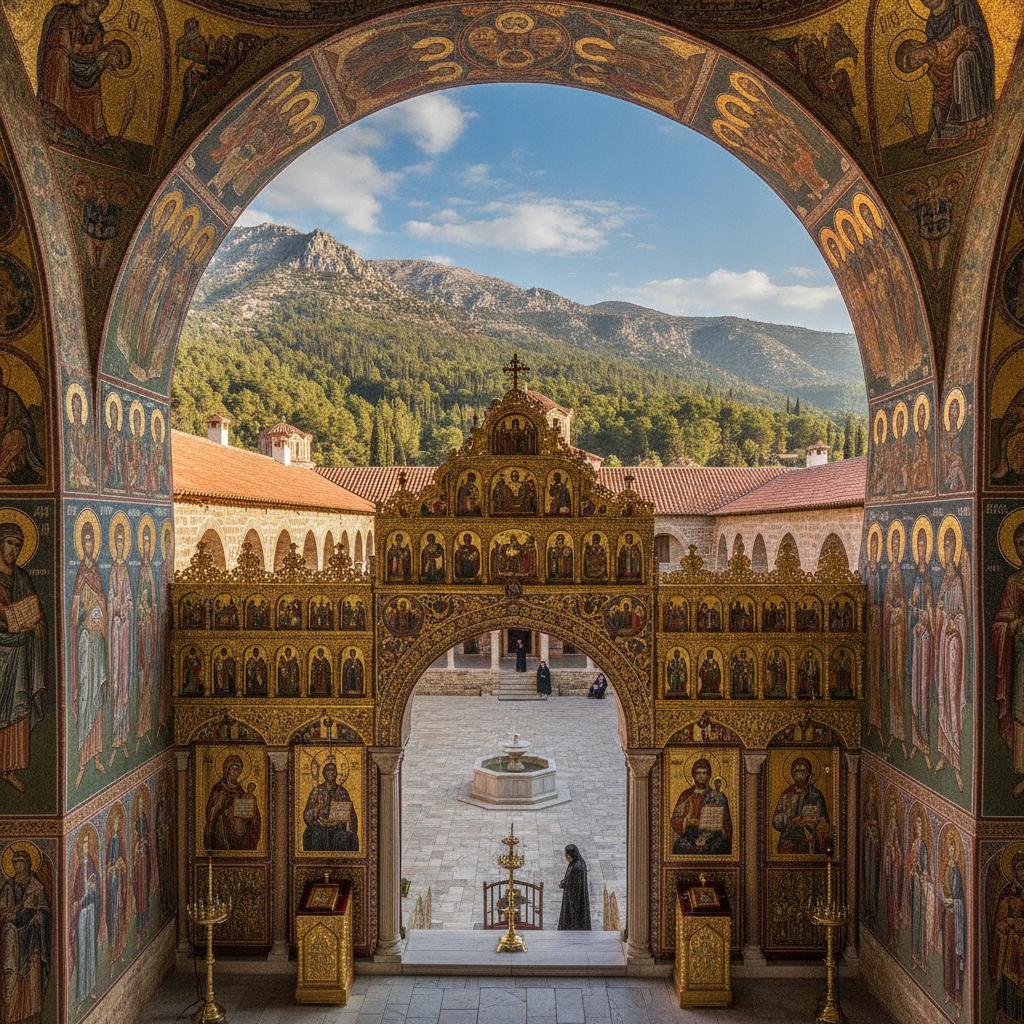
Kykkos Monastery in the Troodos Mountains, the most wealthy and most powerful monastery in Cyprus, founded in 1100 AD and holding the icon of the Virgin attributed to St. Luke that is the most revered religious artifact in Cyprus, manages an estate that includes the Limassol Marina development, the Ayia Napa land, and the extensive real estate portfolio that makes the Kykkos the most economically significant religious institution in Cyprus. The Kykkos museum presents the history of the monastery and the collection of Byzantine art and ecclesiastical silver.
Walk this route with audio
Stories play automatically as you reach each stop — no tapping needed.
More in Nicosia
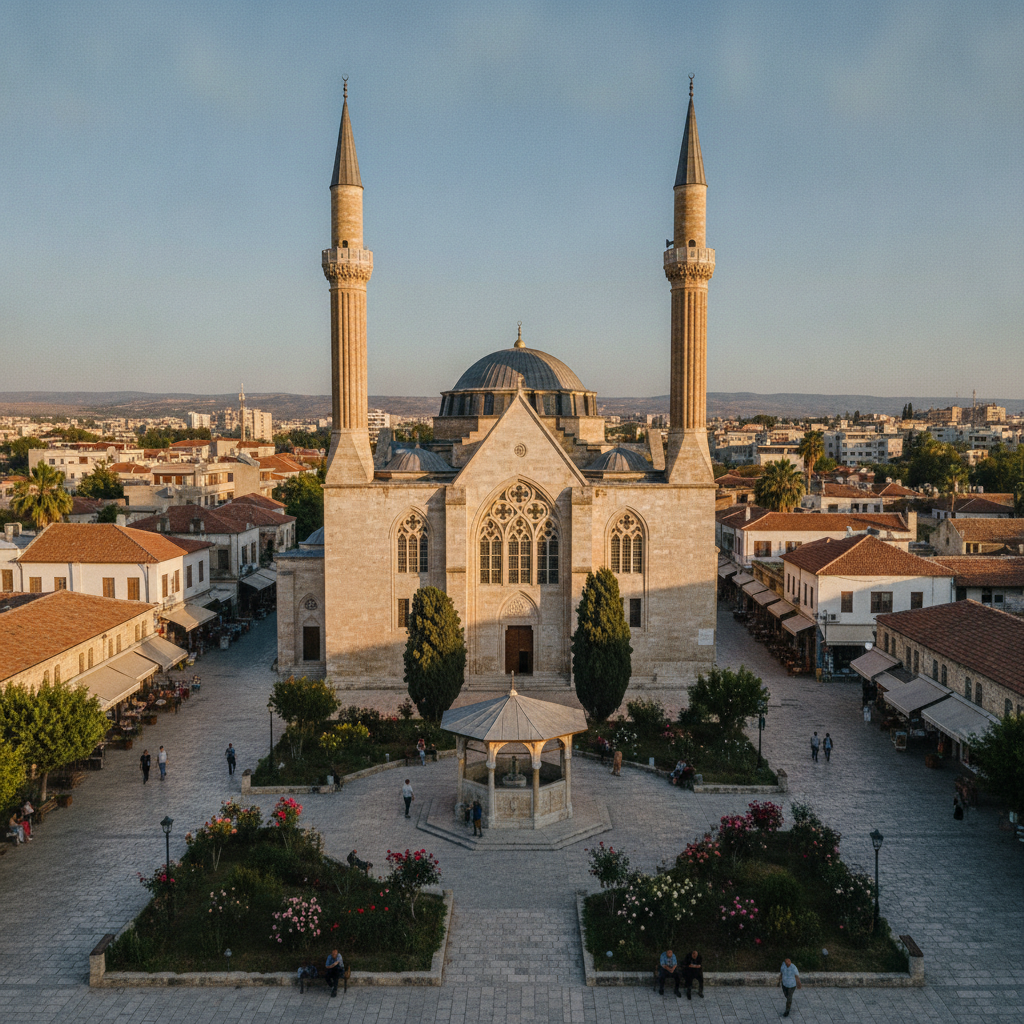
Nicosia and Cyprus Complete: North Nicosia Ottoman Quarter, Paphos Roman Mosaics, Kourion Classical Theatre, Larnaka Flamingo Salt Lake, Cypriot Mezze and Halloumi, and the Old Town Bar Revival
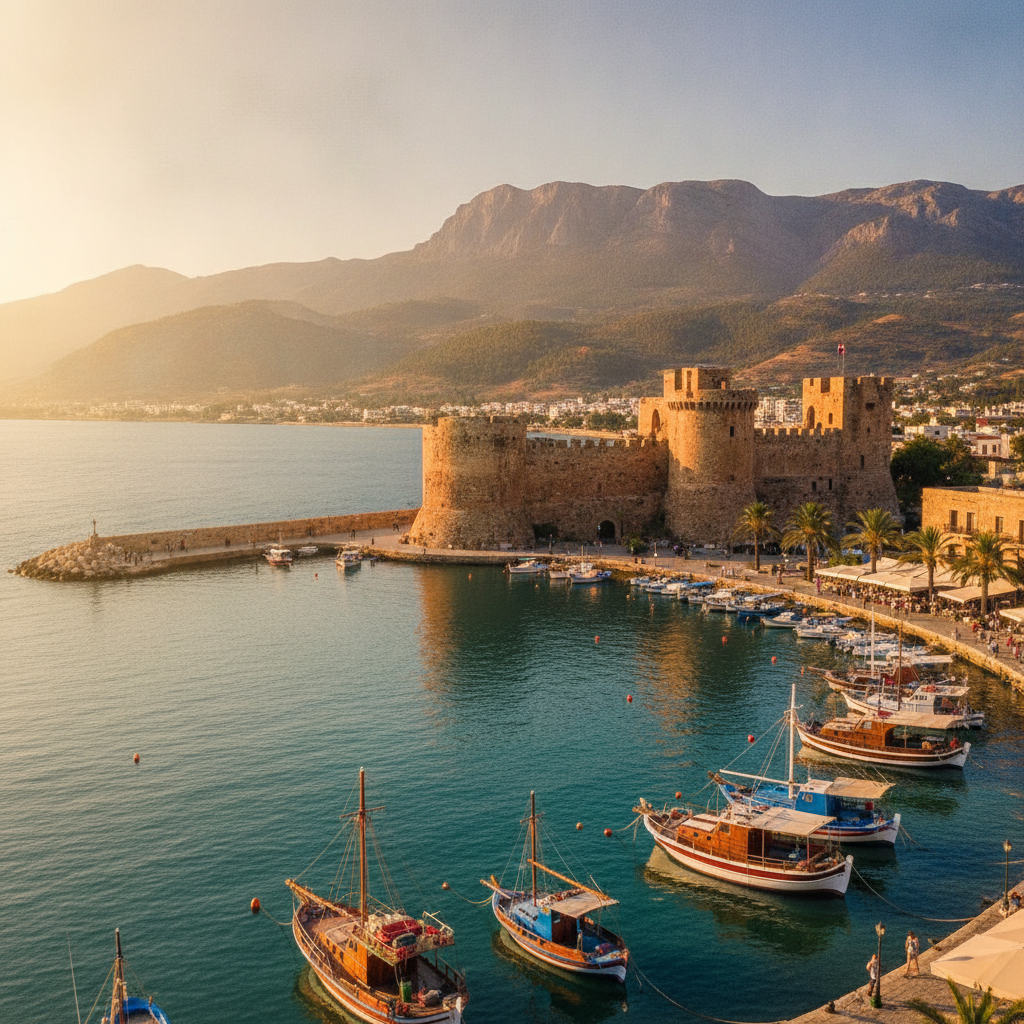
Nicosia Politics and Nature: the Cyprus Frozen Conflict, Famagusta Varosha Ghost City, Kyrenia Crusader Castle, Akamas Peninsula Wild West, Commandaria Oldest Wine, and the Two-Currency Capital Practical Guide
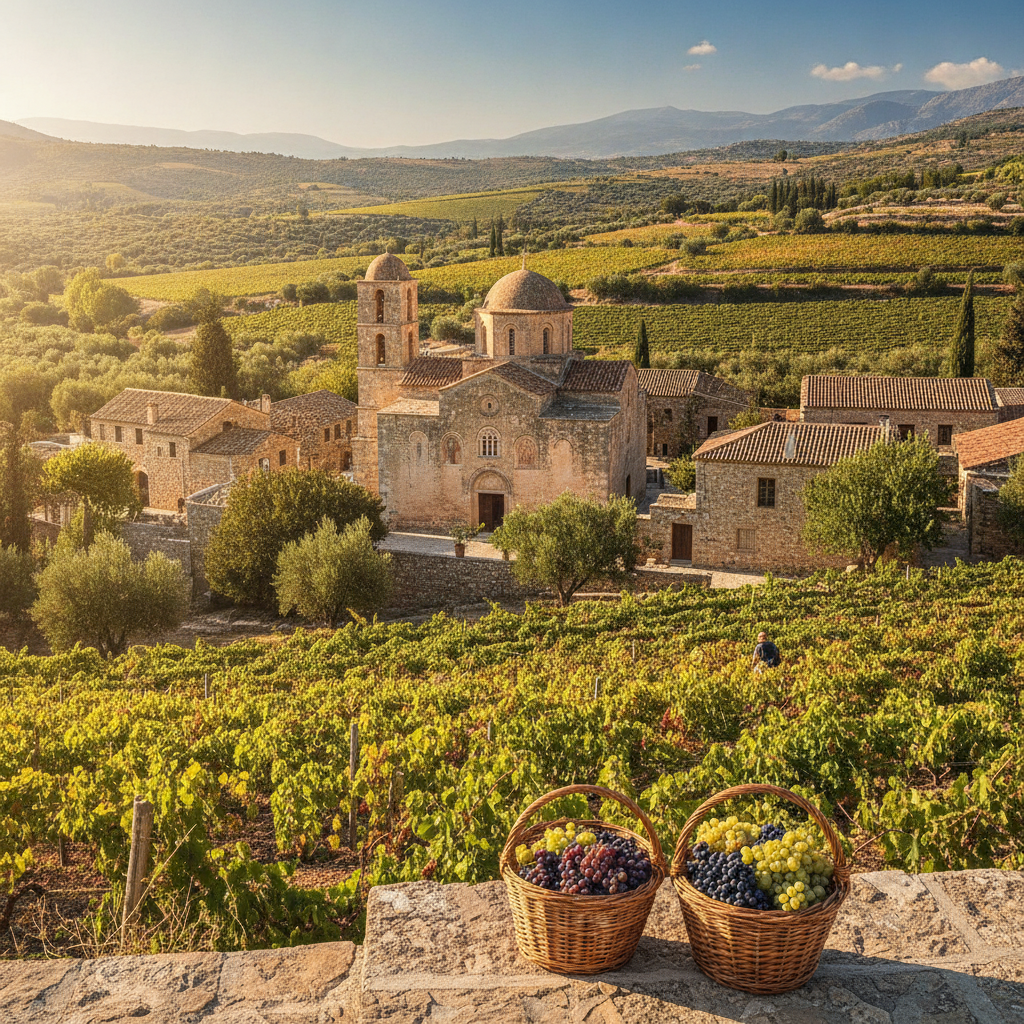
Nicosia Wine and Culture: Krassochoria Wine Villages, Limassol Business Capital, Cyprus Blue Flag Beach Champions, Byzantine Colonial Architecture Layers, the Cyprus-Israel Eastern Mediterranean Partnership, and the Complex Cypriot Identity
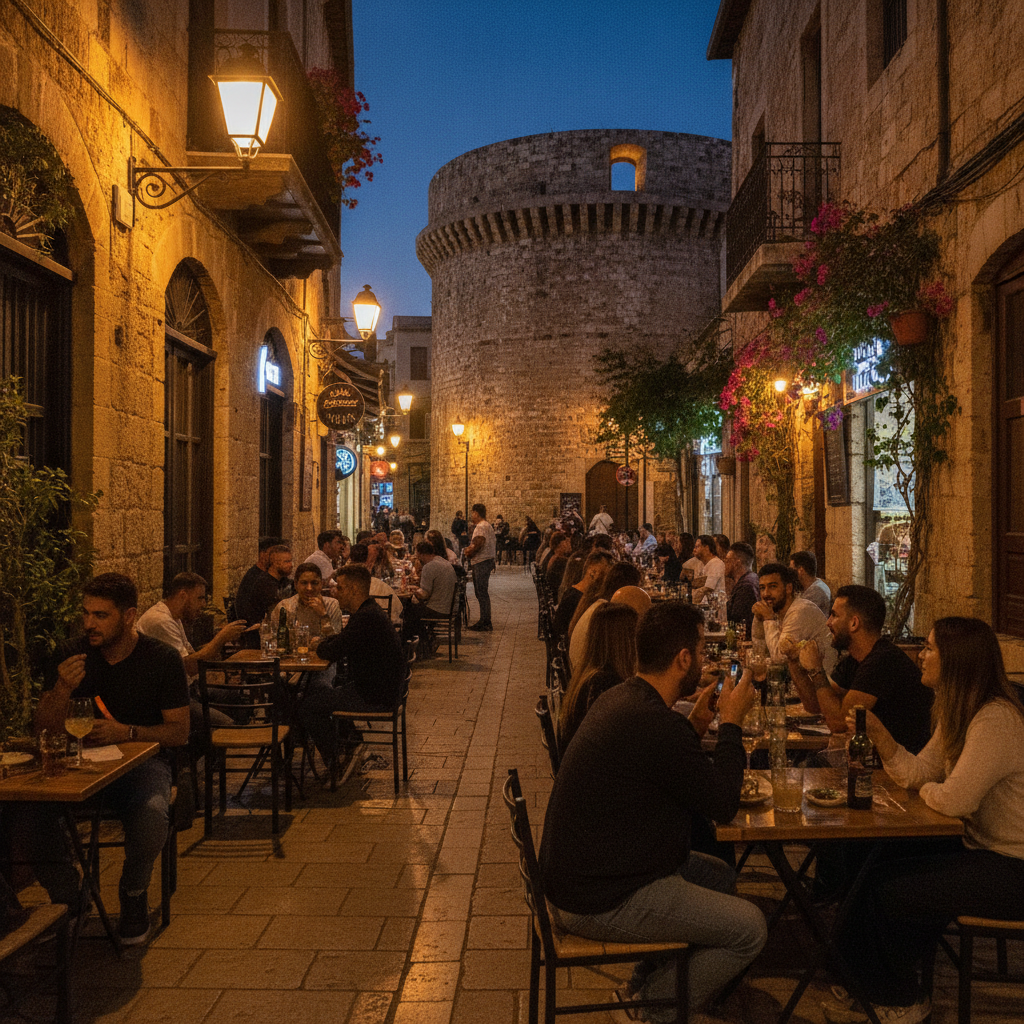
Nicosia Old Town and Coast: Lefkosia Urban Regeneration, Phaneromeni Church Square, the 3-Hour City Walk Circuit, Thalassa Marine Museum, Ayia Napa Club Resort, and Protaras Fig Tree Bay Family Beach
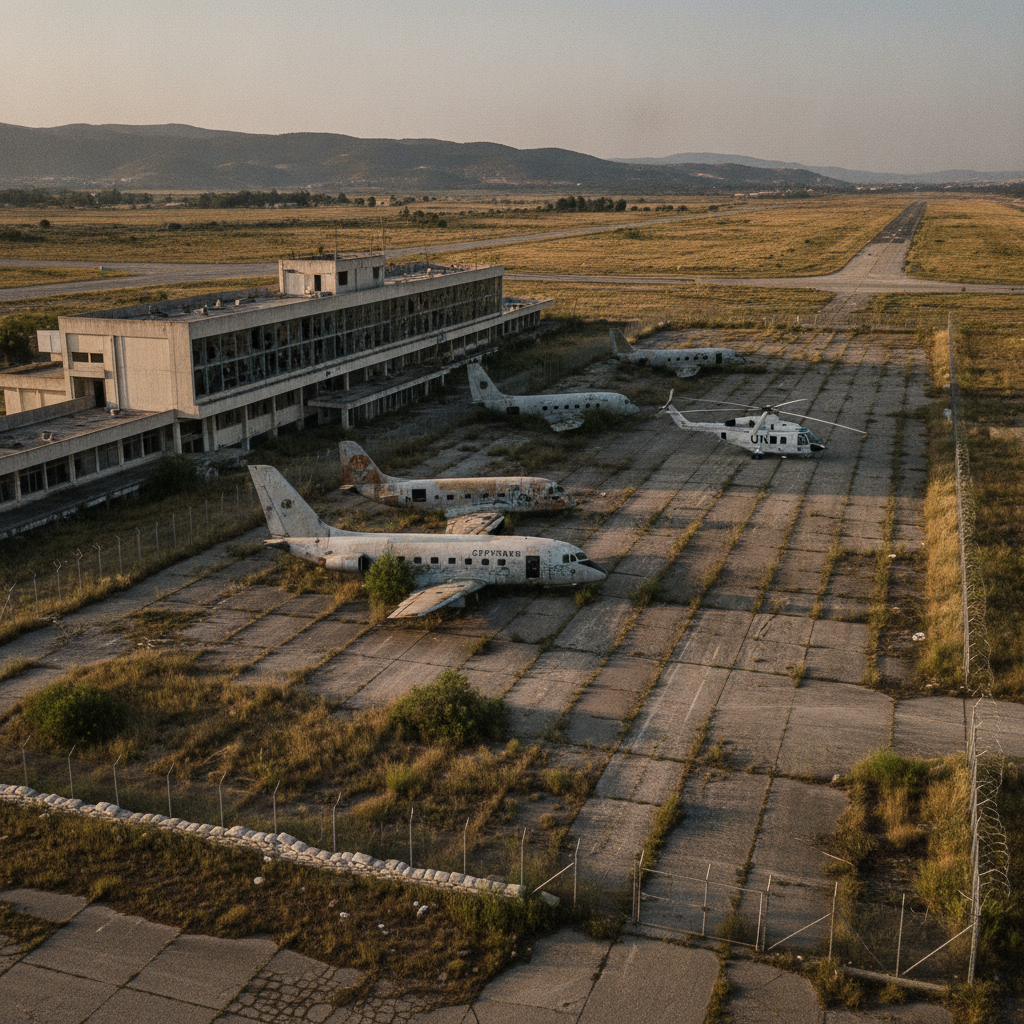
Nicosia Partition Landmarks: the Abandoned Airport in the Buffer Zone, Cape Greco Sea Caves, UNFICYP World's Longest Mission, the Ledra Palace Hotel Partition History, the Strovilia Corridor Anomaly, and Europe's Last Divided City