Nha Trang's Honest Verdict: Bird's Nest at USD 2,000/kg From Offshore Swiftlet Caves, the Spanish Dancer Nudibranch at 30cm Swimming at Night & Why the City Rewards Divers More Than Sunbathers
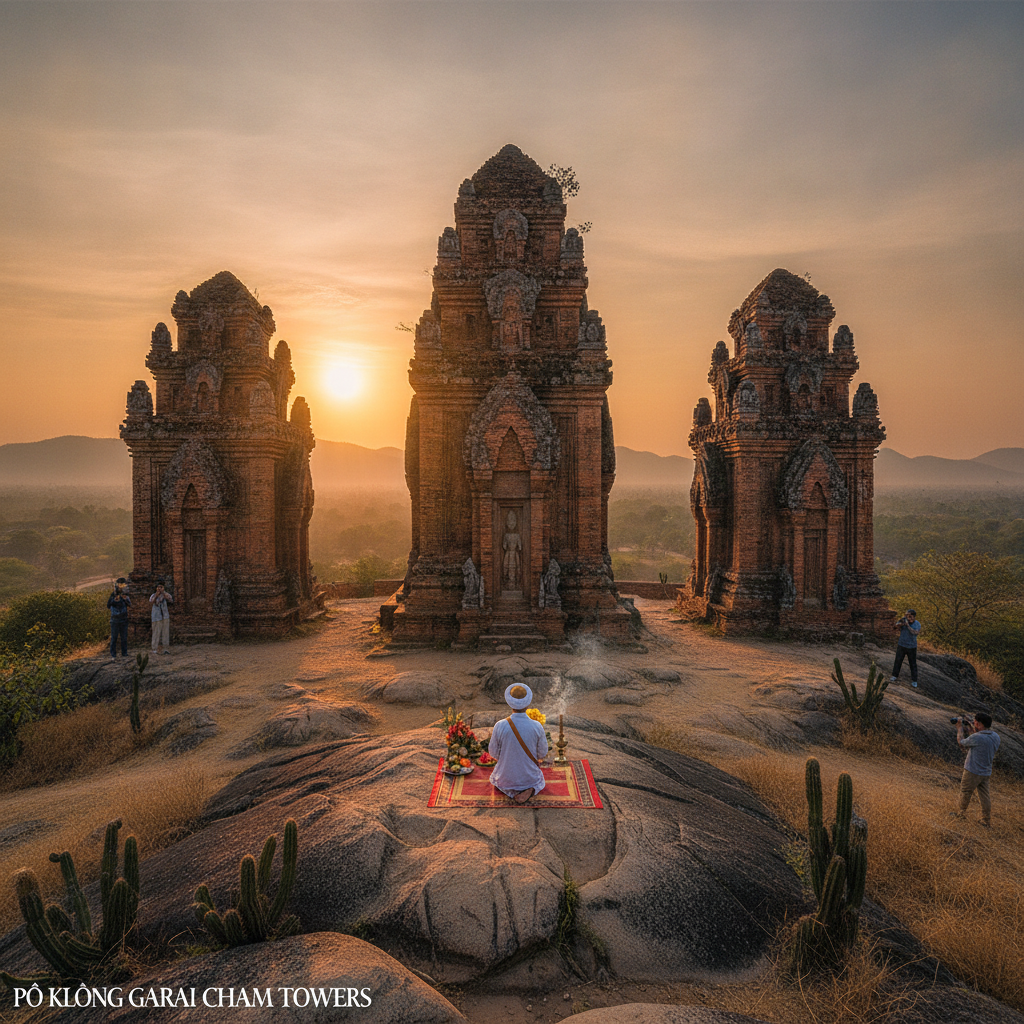
Hon Yen Island's 3 annual tonnes of white swiftlet nest and the 2022 China export protocol replacing the previous Hong Kong grey-market trade at USD 4,000–8,000/kg for the blood nest; the night dive's Spanish dancer nudibranch Hexabranchus sanguineus reaching 30cm and swimming with an undulating dance motion at Hon Mieu after 20:00; the Po Nagar Festival buffalo sacrifice on day two attracting 10,000–20,000 Cham pilgrims—the most visually dramatic public religious event in south-central Vietnam; Nha Trang Cathedral's Gothic Revival rose window on a granite outcrop visible across the central district; and the honest verdict that 3 days as a diving-and-culture base (Hội An overnight train → 2 days diving → Yersin museum → overnight train to Saigon) is the correct Nha Trang itinerary rather than a beach holiday.
- 1
Nha Trang's Islands Circuit – Beyond the 4-Island Tour
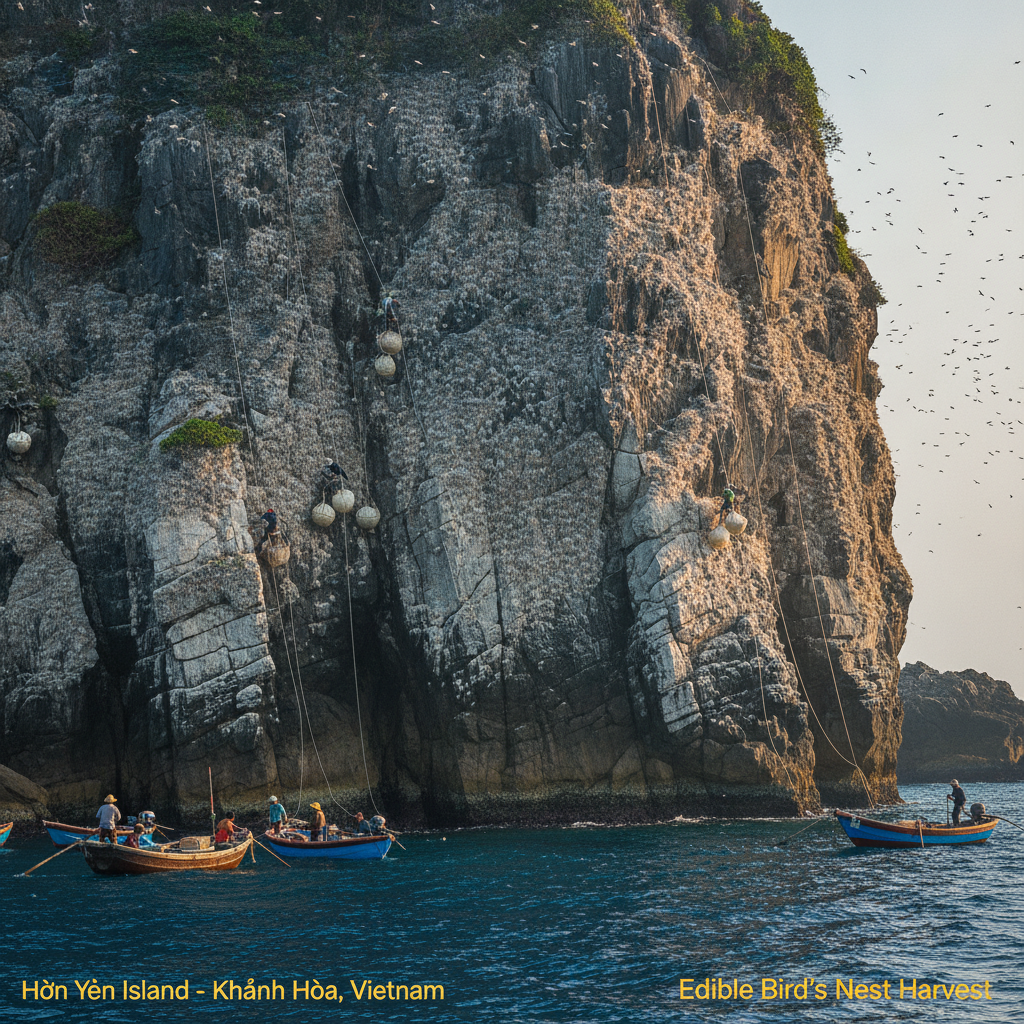
The full Nha Trang Bay island circuit—visiting the outer islands beyond the standard 4-Island Tour, accessible by private boat hire (USD 60–120 per day for a private wooden boat with a captain) or by the less-publicised day trips offered by the smaller pier operators at Cầu Đá—provides a significantly less crowded and more varied experience than the package tour. Hon Yen Island (the 'Swallow's Nest Island'—11 km offshore; the island from which the edible bird's nest (tổ yến—the saliva nests of the swiftlet Aerodramus fuciphagus, used in Chinese traditional cuisine for bird's nest soup) is collected; the island is managed by the Khánh Hòa Salangane Company, which holds the exclusive permit for bird's nest collection in the province; approximately 3 tonnes of bird's nest collected annually—the most valuable wild product in the Khánh Hòa province economy at approximately USD 2,000 per kg for the premium white nest). Hon Nai Island (the 'Coral Island'—6 km offshore; the least-visited island in the accessible circuit; the coral here (40% live coral cover on the north side) is the best-preserved in the inner bay; accessible only by chartering a private boat or by paddleboard from the Hon Tam resort). The liveaboard circuit: the 3-day Nha Trang liveaboard (operating primarily June–September in the best conditions) covers the Con Dao archipelago (240 km south—the most significant marine protected area in southern Vietnam, with the densest sea turtle nesting population in the country) and represents the best diving extension from the Nha Trang base.
- 2
The Nha Trang French Quarter & Heritage Walking Tour
The French colonial architectural legacy of Nha Trang—less dramatically preserved than Hội An's Ancient Town but containing a coherent ensemble of colonial-era buildings in the central district between the train station and the beach promenade—is the most consistently overlooked heritage element in the city. The walking circuit: the Nha Trang Cathedral (the Gothic Revival cathedral on Thái Nguyên Street—built 1928–1934 on a natural granite outcrop above the railway station; the white-painted facade and the rose window visible from across the central district; the most architecturally ambitious colonial building in the city); the Institut Pasteur (the research institute and Yersin Museum on Trần Phú Boulevard, established 1895—the most historically significant building in the city); the Grand Hotel/Yasaka Hotel (the most historically continuous hotel building in Nha Trang—the 1930s colonial structure that hosted the French resort visitors of the pre-war period, the South Vietnamese government officials of the 1954–1975 period, and the international backpackers of the 1990s in sequential occupancies); the Long Sơn Pagoda (the Buddhist pagoda on Thai Nguyen Street, 1940—the most architecturally varied religious building in the city, combining Vietnamese, Chinese, and French architectural elements). The walking timeline: the full French quarter and heritage circuit (cathedral, Pasteur Institute, Yasaka Hotel, Long Sơn Pagoda, and the return via the Tháp Bà Po Nagar if combining by taxi) can be completed in 4–5 hours on foot from the central beach hotel area.
- 3
Nha Trang's Diving Deep – Night Diving & Advanced Sites
The advanced diving available from Nha Trang—the sites and conditions requiring more than the standard Open Water certification—provides the most technically demanding and visually rewarding underwater experience available within a day's travel from any Vietnamese city. The night dive: the Nha Trang night dive (departing Cầu Đá pier at 19:30, diving Moray Beach or the Hon Mieu west wall at 20:00–21:30): the transformation of the daytime dive site into a nocturnal environment—the coral polyps open for feeding, the octopuses hunt openly across the reef, the nudibranchs are more visible on the coral surface, the Spanish dancer nudibranch (Hexabranchus sanguineus—the world's largest nudibranch, reaching 30 cm, swimming with a characteristic undulating motion that gives it its common name) is regularly observed at the Hon Mieu site at night. The whale shark season site: the offshore banks 50–80 km from Nha Trang (the Vườn Nhạc and Hon Đen Banks) where the November–April whale shark aggregation occurs; accessible only by liveaboard (the 2-day trip from Nha Trang); the whale shark encounters at these offshore sites are at significantly greater depths (25–40 metres) than the Whale Island encounters. The freediving scene: the Nha Trang freediving community (centred on the Blue Freediving School, established 2015) has developed the first formal freediving training programme in south-central Vietnam; the offshore dive sites (particularly the Hon Nai wall, dropping to 30 metres) are the most used training locations.
- 4
The Nha Trang Bird's Nest Industry – Vietnam's Most Valuable Wild Product
The edible bird's nest industry of Khánh Hòa province (the largest bird's nest producing province in Vietnam, with approximately 70% of the national bird's nest production)—centred on the swiftlet colonies of the offshore islands (Hon Yen, Hon Noi, Hon Chuoi, and the Truong Sa archipelago)—is the most valuable per-kilogram wild product in Vietnam and the foundation of a billion-dollar industry. The product: the tổ yến trắng (white bird's nest—the full saliva nest of Aerodramus fuciphagus built exclusively from the swiftlet's salivary secretion; the white nest is the highest grade, used in the premium bird's nest soup consumed across China, Hong Kong, Singapore, Taiwan, and the Vietnamese diaspora); the tổ yến huyết (blood nest—the red or pink-coloured nest that appears when the swiftlet bleeds during nest construction under stress conditions; the rarest and most expensive nest variety at USD 4,000–8,000 per kg). The market: the Vietnamese bird's nest export market (China is the dominant buyer, accounting for approximately 80% of exports; the Vietnamese government's 2022 protocol for legal export to China established the formal trade framework for the first time, replacing the previous grey-market trade through Hong Kong intermediaries). The Nha Trang bird's nest retail: the Nha Trang bird's nest shops (clustered around the central market and on Yersin Street—the premium souvenir most frequently purchased by Korean, Japanese, and Chinese visitors to Nha Trang) sell the processed dried nest, the nest in consumer packaging, and the ready-to-drink bird's nest beverages.
- 5
The Nha Trang Stone Festival & Cultural Calendar
The Nha Trang–Khánh Hòa cultural calendar—the sequence of religious festivals, community celebrations, and arts events that punctuate the city's annual rhythm—is the least-documented aspect of the city's visitor experience and the most rewarding for visitors who time their arrival to coincide with the major events. The Tháp Bà Ponagar Festival (23rd day of the 3rd lunar month—late April/early May): the largest Cham religious festival in Vietnam; the three-day programme of music, dance, and ritual at the Po Nagar towers; the buffalo sacrifice at the main altar on the second day; the procession of the Goddess statue around the temple complex on the third day—the most visually dramatic public religious event in south-central Vietnam, attracting 10,000–20,000 pilgrims and visitors. The Nha Trang Sea Festival (the biennial festival—held in odd-numbered years, July; a week-long programme of beach events, seafood competitions, diving exhibitions, and cultural performances): the most significant tourism event in Khánh Hòa province, attracting approximately 200,000 additional visitors over the festival week. The Nha Trang Night Market opening (the new Nha Trang Night Market established 2022 on Hùng Vương Street): the most significant commercial infrastructure change in the city's tourist district since the Dragon Bridge in Đà Nẵng; operating Thursday–Sunday from 18:00–23:00, with Vietnamese street food, live music, and the city's most diverse handicraft market.
- 6
Nha Trang's Verdict – The Beach City That Never Quite Lived Up to Its Reputation
The Nha Trang verdict—the honest assessment of a city that has simultaneously the most historically established beach resort infrastructure in Vietnam and the most consistent criticism from international visitors in online reviews—requires understanding the gap between the Nha Trang reputation (formed in the 1990s and 2000s when the city was Vietnam's most developed beach destination) and the Nha Trang reality (a city that has been overtaken in infrastructure quality by Đà Nẵng, in beach quality by Phú Quốc, and in cultural depth by Hội An). The criticism: the most consistently cited visitor complaints about Nha Trang are the water quality of the central beach (turbid, affected by the Cái River outflow and the boat traffic—not suitable for snorkelling from the beach itself), the aggressiveness of the vendor pressure on the beach promenade (the persistent offers of massage, boat trips, and food), and the overdevelopment of the central beach strip (the combination of Russian-era and Korean-era hotel construction producing an inconsistent and aesthetically unresolved streetscape). The defence: the Nha Trang that the visitor who digs beneath the surface encounters—the Yersin Museum, the Po Nagar active Hindu temple, the night squid fishing, the Whale Island whale shark season, the Hon Nai coral reef—is significantly more interesting than the beach reputation suggests; the city rewards the visitor who treats it as a base for marine and cultural exploration rather than as a passive sunbathing destination. The recommendation: Nha Trang is best experienced as a 3-day diving and culture base (arriving by overnight train from Hội An, spending 2 days diving and 1 day on the Yersin/Po Nagar/Long Sơn circuit, departing by overnight train to Ho Chi Minh City) rather than as a beach holiday destination.
Walk this route with audio
Stories play automatically as you reach each stop — no tapping needed.
More in Nha Trang
Nha Trang: The 817 CE Cham Towers Still Used for Hindu Pilgrimage, the Floating Wine Circle That Has Damaged Vietnam's Only Marine Reserve & the Soviet Navy's 23-Year Cam Ranh Bay Base That Created the Russian Tourist Market
Nha Trang's Complete Picture: Whale Sharks at 5 Metres Depth in April, the Plague Bacillus Discoverer Who Retired Here in 1895 & the Resort Island With 8 Hotels Employing 5,000 People
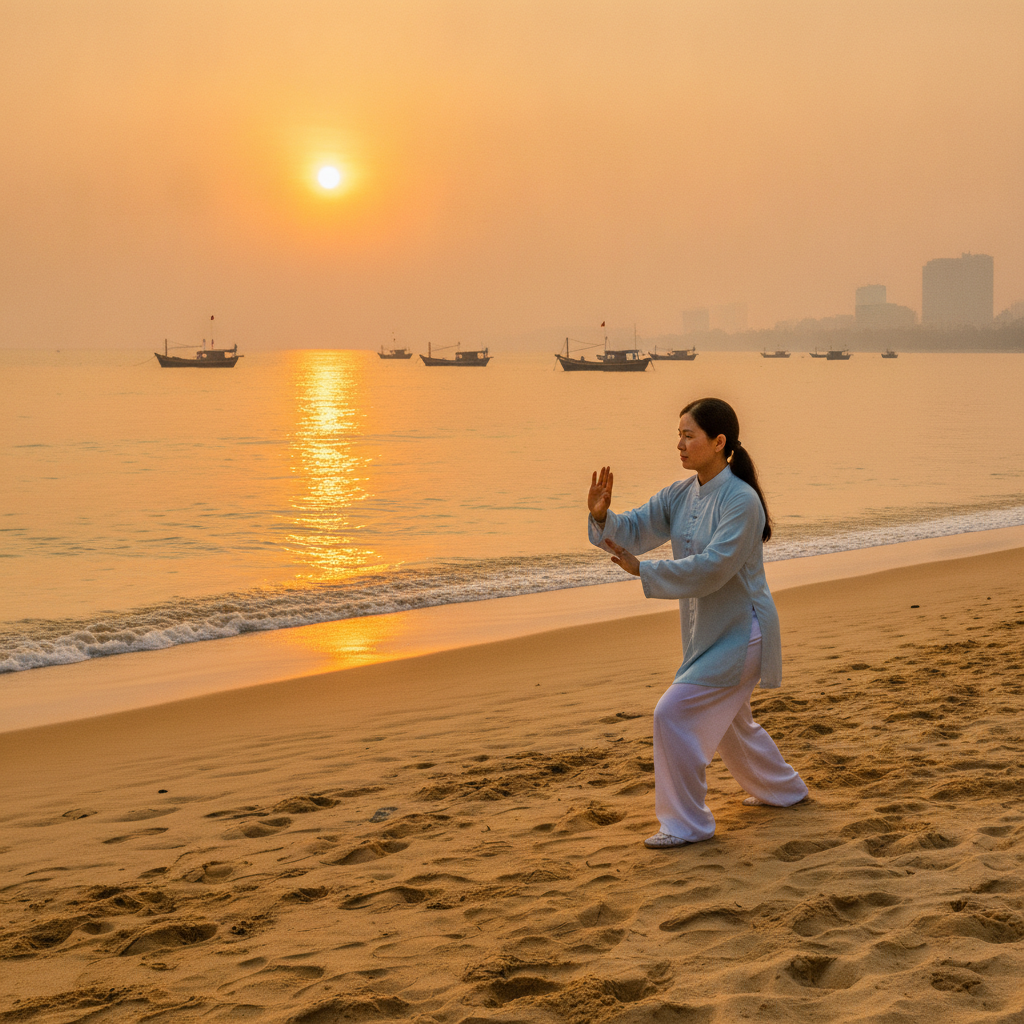
Nha Trang's Hidden Depth: The Plague Bacillus Discoverer Who Built Vietnam's Radio System, the Longest Continuous Coral Reef Data Record in Southeast Asia & the Pink Salt Ponds 160km South
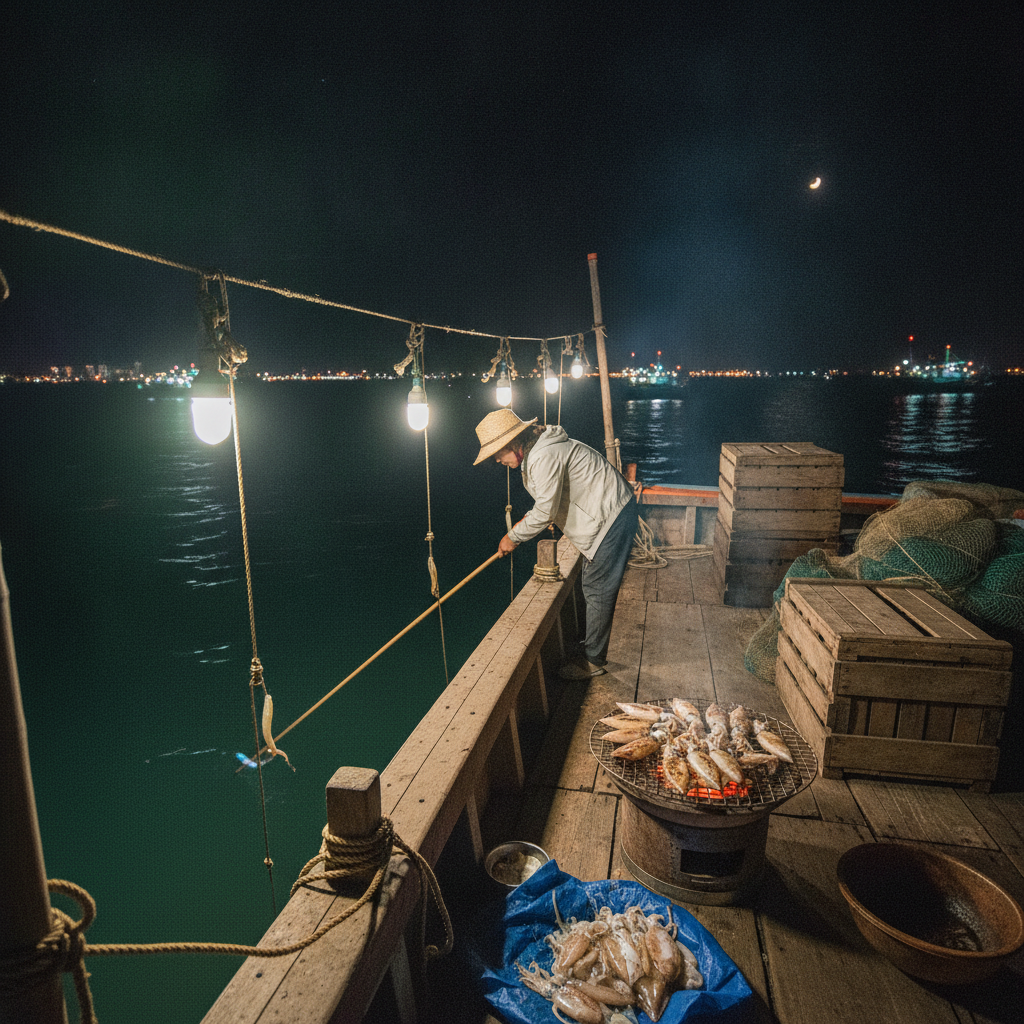
Nha Trang's Honest Assessment: The Original French Resort Since 1923 That Now Loses Beach Visitors to Phú Quốc, Squid Caught 3 Minutes Ago Tasting Different From Frozen & Sa Huỳnh Jar Burials Connecting to the Philippines