Nha Trang's Hidden Depth: The Plague Bacillus Discoverer Who Built Vietnam's Radio System, the Longest Continuous Coral Reef Data Record in Southeast Asia & the Pink Salt Ponds 160km South
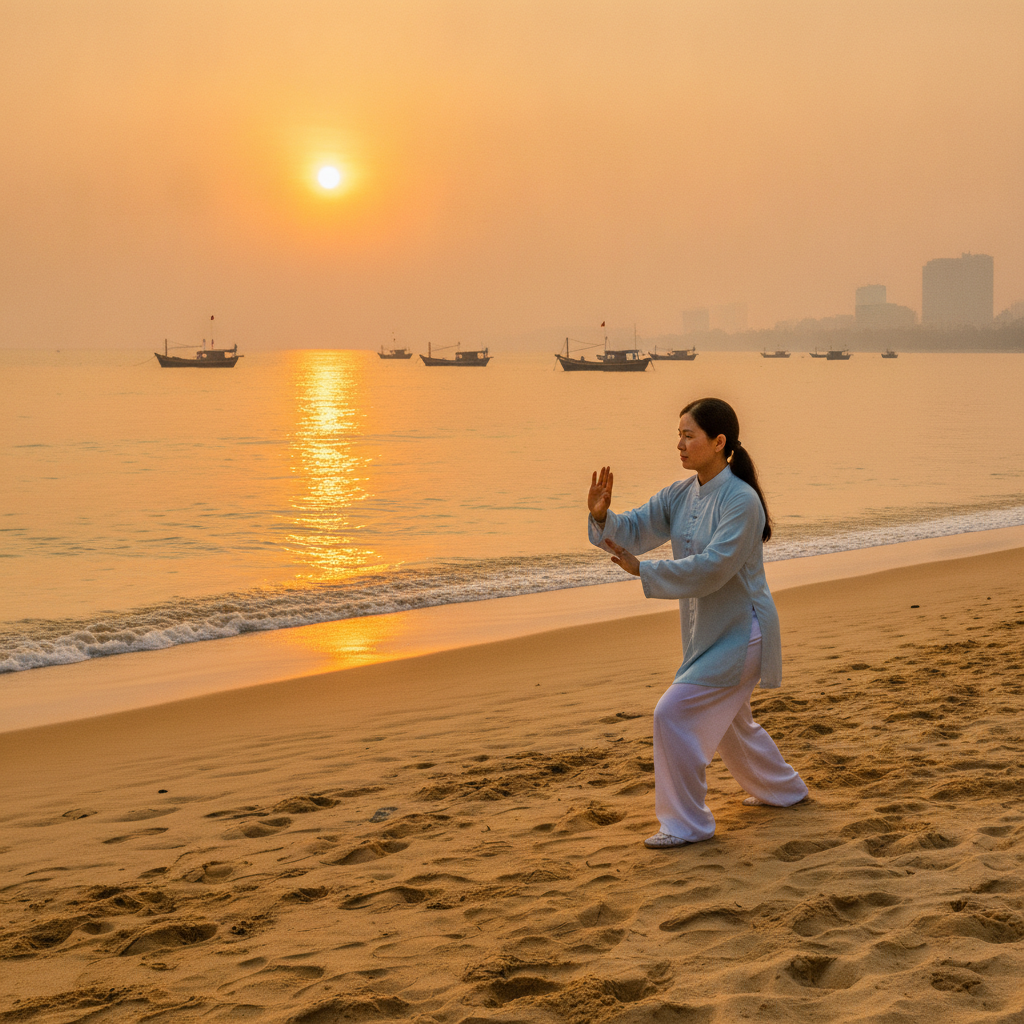
The east-facing beach's direct sunrise creating orange light on the South China Sea while Vietnamese tai chi practitioners arrive at 05:30 before the Russian tourist with the factor 50 sunscreen; Yersin simultaneously discovering Yersinia pestis in Hong Kong in 1894 while Kitasato was in the same building—the most significant scientific priority dispute in 19th-century medicine, both scientists nominated for Nobel Prizes but neither winning; the Khánh Hòa Oceanography Institute's coral reef monitoring data the longest continuous record in Southeast Asia since 1980 including the last dugong skeleton; Bãi Dài's 18-km white sand undeveloped beach under 2025–2030 Cam Ranh development pressure; and the Cà Ná salt flats' pink and blue evaporation ponds from carotene-producing halophytic algae at 160km south—Vietnam's most unusual landscape colour palette.
- 1
Nha Trang Beach Culture – Sunrise Yoga to Midnight Fire Show
The Nha Trang beach day—from the 05:30 sunrise yoga on the central beach (the Vietnamese beachgoers who arrive before the sun to practise yoga, tai chi, and the morning exercises that Vietnamese coastal communities have practiced since before the French arrived) to the midnight beach fire shows (the sand-floor bars with fire dancers, the Sailing Club beach party) constitutes the most complete beach day available in Vietnam. The sunrise: the Nha Trang central beach faces east—the South China Sea sunrise is direct, unobstructed, and produces the full range of orange-pink-blue sky gradations that east-facing beaches worldwide are famous for; the fishing boats returning through the morning light with their overnight catch form the foreground to the most photographed Nha Trang sunrise. The beach day sequence: the dawn yoga (05:30–07:00), the beach breakfast at the Trần Phú Boulevard cafés (bánh mì and cà phê sữa đá—Vietnamese iced coffee with condensed milk—from the dawn street stalls); the morning snorkelling or diving departure from Cầu Đá pier (07:30–08:00); the afternoon beach rest (the Vietnamese parasol culture—the beach umbrella as the primary social unit, with families and friend groups occupying the same umbrella position for the full day); the sunset cocktail (17:30–18:30); and the beach promenade evening walk. The Bãi Dài beach (30 km north of Nha Trang city centre—the longest undeveloped beach in the Khánh Hòa province coastal zone, 18 km of white sand with almost no infrastructure—the Cam Ranh Bay development pressure is gradually arriving but in 2024 still a genuinely quiet alternative to the central beach strip).
- 2
The Yersin Legacy – Science & Colonial Medicine in Nha Trang
Alexandre Yersin (born 22 September 1863 in Aubonne, Switzerland; died 1 March 1943 in Nha Trang, Vietnam; French-Swiss bacteriologist who discovered the causative agent of bubonic plague in Hong Kong in June 1894, simultaneously with Japanese bacteriologist Shibasaburo Kitasato—the priority dispute between the two scientists is the most significant scientific controversy in late 19th-century medicine) is the most important historical figure associated with Nha Trang and the most significant foreign scientist to have lived and died in Vietnam. The discovery: on 20 June 1894, Yersin cultured the plague bacillus from the lymph node of a dead patient in the Hong Kong epidemic—the bacterium now named Yersinia pestis in his honour; the discovery was the essential first step toward understanding and controlling the bubonic plague that had killed approximately 25 million people in 14th-century Europe and continued to cause epidemic deaths worldwide. The Nha Trang life: Yersin came to Vietnam in 1890 as a ship's physician with Messageries Maritimes; he explored the Lang Biang Plateau (discovering the future site of Đà Lạt in 1893); he settled in Nha Trang in 1895 and established the Pasteur Institute (which remains operational); he introduced rubber trees and quinine-producing Cinchona trees to Vietnam; he was the first person in Vietnam to construct and use a radio transmitter (1901); he died in Nha Trang in 1943 and was buried at the Suối Dầu estate, 30 km south—the most visited grave of a foreign scientist in Asia.
- 3
The Khánh Hòa Marine Aquarium – Ocean Education in a Bay
The Khánh Hòa National Oceanography Museum (the Viện Hải dương học Nha Trang—on the Cầu Đá peninsula, adjacent to the boat pier for the 4-island tour; established 1923 by the French colonial administration as the Institut Océanographique de l'Indochine; one of the oldest oceanographic research institutions in Asia; operating as both a research facility and a public aquarium): the most significant marine biology institution in the South China Sea region and the best single introduction to the marine biodiversity of Nha Trang Bay available to visiting non-divers. The collection: the museum's exhibits (approximately 60,000 specimens, representing 5,000 marine species from Vietnamese waters; displayed in a combination of live aquarium tanks and preserved specimens) include the most comprehensive display of Vietnamese coral reef fish species in the country (240 species in the live aquarium system), the dugong skeleton (the most complete dugong skeleton on display in Southeast Asia—the Khánh Hòa province was the last habitat of the dugong in the South China Sea before its effective local extinction), and the whale skeleton hall (the skeletal remains of 12 cetacean species found in Vietnamese waters—the blue whale, the sperm whale, and the Bryde's whale among the largest exhibits). The research: the Institute conducts the most comprehensive systematic survey of Vietnamese marine ecology published in the international scientific literature—the Khánh Hòa coral reef monitoring data (published since 1980) is the longest continuous coral reef monitoring record in Southeast Asia.
- 4
Nha Trang Kite Surfing & Wind Sports at Bãi Dài
The Bãi Dài kitesurfing area (the 18-km undeveloped beach 30 km north of Nha Trang city centre, in the northern section of Cam Ranh Bay): the most consistent kitesurfing location in south-central Vietnam, with the seasonal wind pattern (the northeast trade wind November–March producing Beaufort 3–5 conditions ideal for intermediate kitesurfers; the southwest wind June–September producing lighter, more variable conditions) supporting a small but established kitesurfing school infrastructure. The Wind Rider Kite School (the primary IKO kitesurfing school at Bãi Dài): the most established kitesurfing instruction operation in Khánh Hòa province; courses from beginner (8–9 hours over 2–3 days; USD 350–450) to advanced; board and kite rental for certified kitesurfers (USD 60–80/day for full kit). The beach culture at Bãi Dài: the Bãi Dài beach (Cam Ranh Beach—the 18-km stretch of fine white sand facing east, backed by low pine trees rather than the high-rise hotel strip of central Nha Trang) is the most undeveloped long white sand beach accessible from a major Vietnamese city—a combination that is increasingly rare in Vietnam's coastal tourism landscape. The development pressure: the Cam Ranh peninsula (which shelters the Bãi Dài beach from the open South China Sea and provides the calm water conditions for kitesurfing) is the subject of ongoing development proposals (the Cam Ranh New Airport City project—a mixed-use development adjacent to the international airport); the Bãi Dài beach is likely to undergo significant development in the 2025–2030 period.
- 5
The Nha Trang Cooking Class & Seafood Market Experience
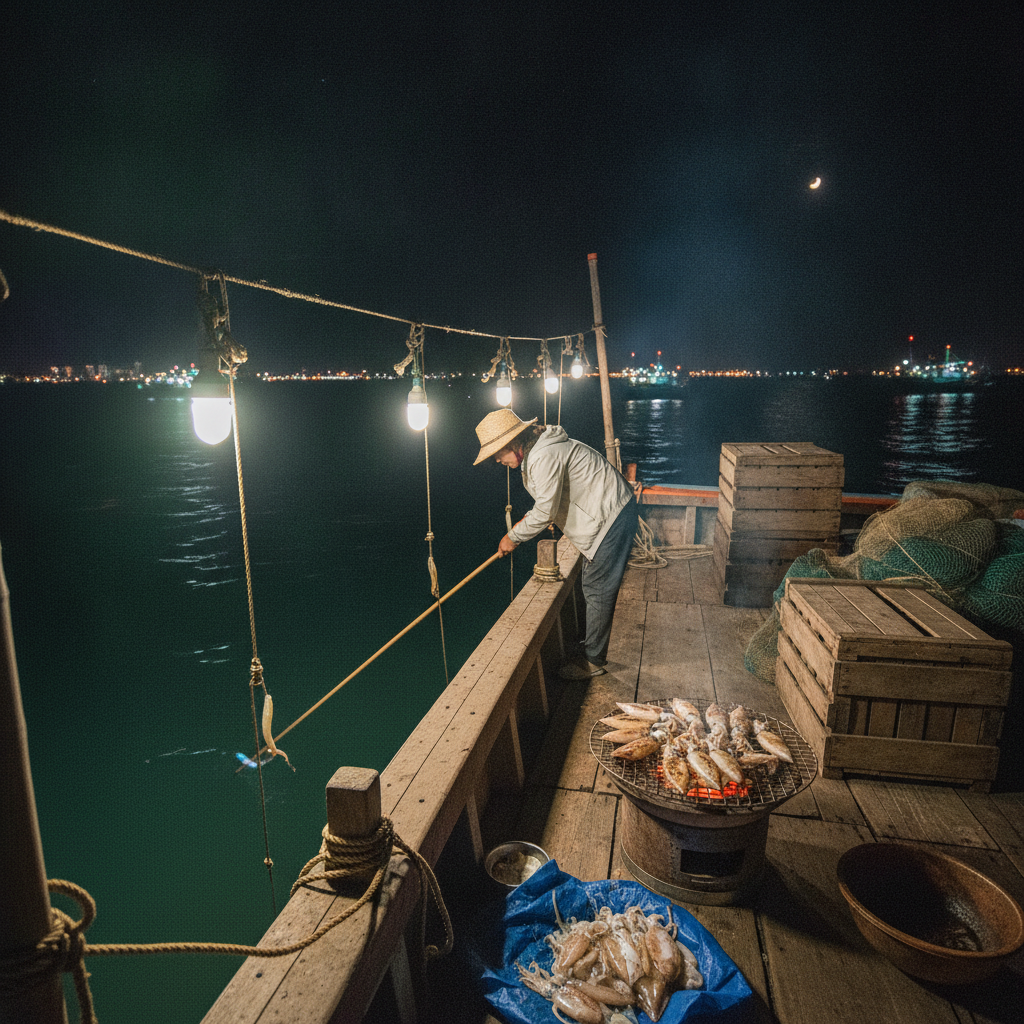
The Nha Trang cooking class ecosystem—less famous than Hội An's cooking schools but more focused on the seafood cooking tradition that is the specific culinary identity of the city—provides the most direct engagement with the seafood economy of Khánh Hòa province available to visitors without access to a private kitchen. The market component: the Đầm Market dawn visit (the cooking class typically begins at 06:00 with the market tour—the wholesale section receiving the overnight squid boat catch while the cooking class chef selects the ingredients for the day's demonstration). The seafood preparation: the Nha Trang cooking class signature dishes (chả cá Nha Trang—the Nha Trang fish cake, made from the local cá thu (spotted mackerel) ground and shaped on a sugarcane stick then grilled; the Khánh Hòa crab soup (súp cua—a clear broth of blue crab, quail eggs, and cilantro—the most ordered restaurant starter in Nha Trang); and the Khánh Hòa grilled seafood technique (the direct charcoal grilling of the whole squid and whole shrimp that is the most common preparation at the Nha Trang seafood restaurants). The recommended schools: the Nha Trang Cooking Class at the La Mancha Hotel (the most professional setup); the Nha Trang Cooking Class at the Sailing Club (the most atmospheric setting—the beachfront kitchen with the bay view).
- 6
The Cà Ná & Mũi Né Extension – Coastal Vietnam Beyond Nha Trang
The southern coastal extension from Nha Trang—the road and rail journey through the provinces of Ninh Thuận and Bình Thuận (the driest and hottest section of the Vietnamese coast, with the most dramatic scenery of the National Road 1 south of Hanoi) passes through two of the most visually distinctive landscapes in southern Vietnam: the Cà Ná salt flats and fish sauce ponds (160 km south of Nha Trang—the ancient salt production landscape of the Vietnamese coast, where the solar evaporation ponds produce the salt used in fish sauce production; the pink and blue colours of the salt ponds (from the carotene-producing halophytic algae in the high-salinity ponds) are the most unusual colour palette in the Vietnamese landscape). Mũi Né (200 km south of Nha Trang—the beach-resort-and-kitesurfing town 20 km east of Phan Thiết): the most famous kitesurfing destination in southern Vietnam (the November–March trade wind season producing the most consistent kitesurfing conditions in the country) and the location of the Hồng Bàng sand dunes (the red iron-oxide sand dunes immediately north of the town—the most photographed dune landscape in Vietnam, accessible by quad bike and camel from the Mũi Né beach hotels). The train option: the Nha Trang–Ho Chi Minh City Reunification Express in the daytime passes through this entire coastal sequence—the most scenic 200 km of railway in southern Vietnam, with the train running within 500 metres of the South China Sea for extended sections through Ninh Thuận and Bình Thuận provinces.
Walk this route with audio
Stories play automatically as you reach each stop — no tapping needed.
More in Nha Trang
Nha Trang: The 817 CE Cham Towers Still Used for Hindu Pilgrimage, the Floating Wine Circle That Has Damaged Vietnam's Only Marine Reserve & the Soviet Navy's 23-Year Cam Ranh Bay Base That Created the Russian Tourist Market
Nha Trang's Complete Picture: Whale Sharks at 5 Metres Depth in April, the Plague Bacillus Discoverer Who Retired Here in 1895 & the Resort Island With 8 Hotels Employing 5,000 People
Nha Trang's Honest Assessment: The Original French Resort Since 1923 That Now Loses Beach Visitors to Phú Quốc, Squid Caught 3 Minutes Ago Tasting Different From Frozen & Sa Huỳnh Jar Burials Connecting to the Philippines

Nha Trang's Southern Arc: The Ngoạn Mục Pass to Đà Lạt's French Hill Station, the Cham Priest's 07:00 Puja at Pô Klông Garai & the Vietnamese Coastal Desert You Didn't Know Existed