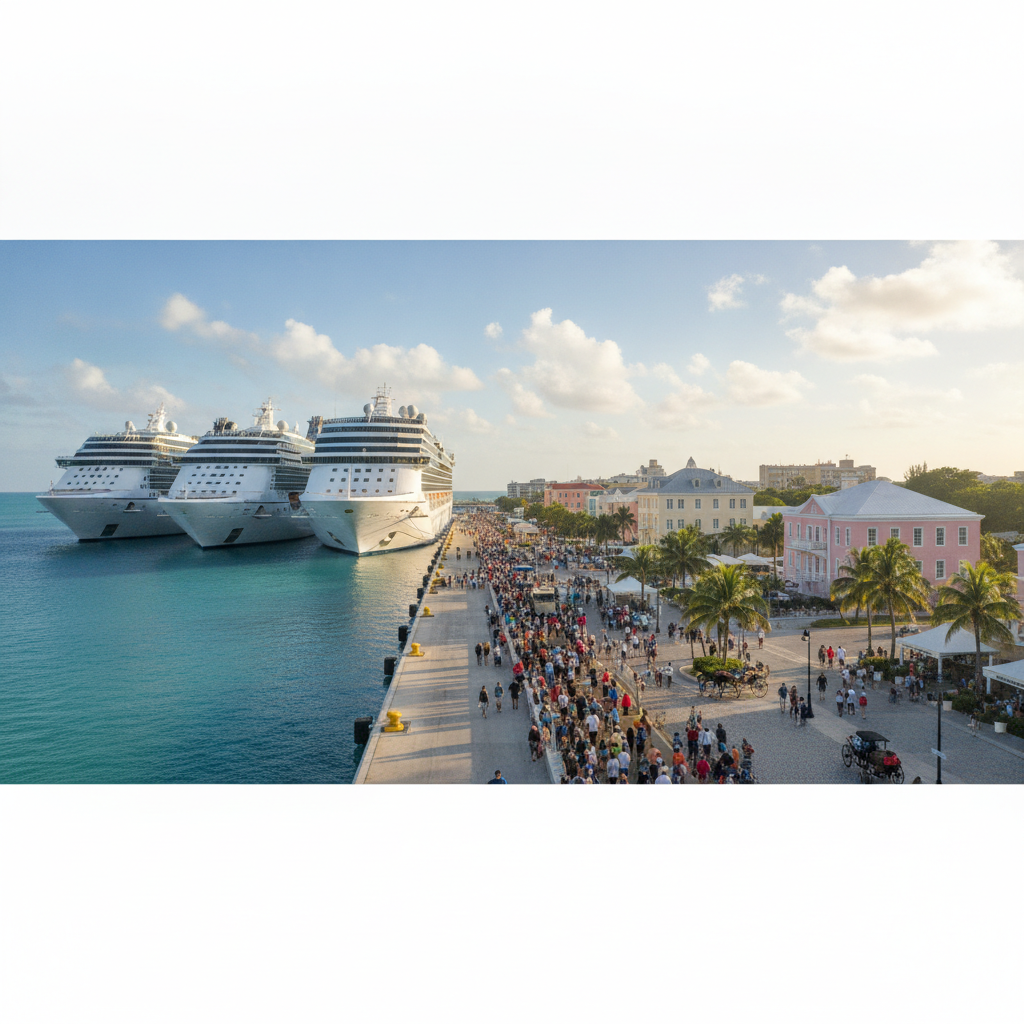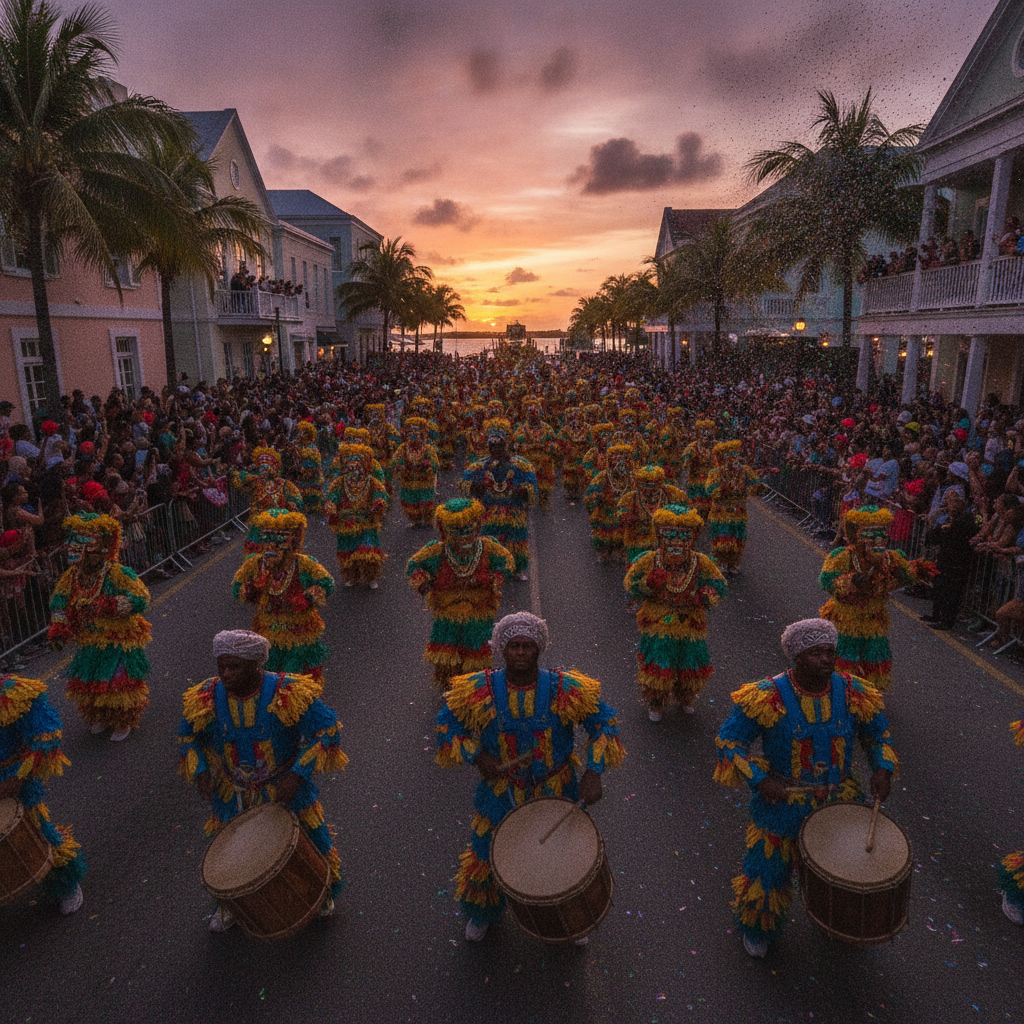
Nassau Culture and Economy: Junkanoo African Roots, Rake and Scrape Music, the Goombay Festival, Nassau Finance, and Tax-Free Real Estate
The cultural and economic life of Nassau encompasses the African origins of Junkanoo, the rake and scrape traditional music of the Out Islands, the Goombay Summer Festival, the offshore financial services that make Nassau the Wall Street of the Caribbean, and the tax-free real estate paradise for wealthy North American buyers.
- 1
Junkanoo History: African Roots in the Bahamas
Junkanoo, derived from the West African festival traditions and the John Canoe ceremonies practiced by enslaved Africans throughout the British Caribbean, was historically performed on the only days of the year when enslaved people were given freedom of movement and the license to celebrate. The Nassau Junkanoo retained its pre-dawn parade tradition even after emancipation and has evolved from a community celebration into the most elaborate festival production in the island Caribbean.
- 2
Rake and Scrape: The Traditional Music
Rake and scrape, the traditional Bahamian folk music that uses the carpenter's saw as a percussion instrument alongside the goombay drum, the accordion, and the maracas in a rhythm derived from the enslaved African music traditions of the Out Islands, is the authentic musical heritage of the Bahamas that predates and underlies the commercial Junkanoo parade music. The rake and scrape tradition is maintained in the Out Island communities and at the traditional music venues of Nassau.
- 3
Goombay: The Summer Music Festival
The Goombay Summer Festival, held in Nassau from June to August in the Arawak Cay park and the various Nassau festival venues, is the primary summer cultural programming of the Bahamian capital, with the traditional goombay music, the Junkanoo rush-out, the craft fair, and the food vendors creating the Caribbean summer festival experience for the Nassau population and the summer visitors.
- 4
Bahamian Literature: Susan Wallace and Percival Miller
The Bahamian literary tradition, while smaller in international profile than the Barbadian or Trinidadian literary heritage, has produced significant writers in the English Caribbean tradition including Susan Wallace, whose work documents the Out Island community experience, and the oral literature of the folk tale tradition preserved in the Nassau and Out Island storytelling culture.
- 5
Wall Street of the Caribbean: Nassau Finance
The Nassau financial services sector, comprising approximately 250 international banks and trust companies regulated under the Banks and Trust Companies Regulation Act, is one of the largest concentration of private banking assets in the Western Hemisphere and the preferred offshore financial center for North American high-net-worth individuals seeking the advantages of English common law governance, political stability, and the geographical proximity to the US mainland that only the Bahamas provides.
- 6
The Bahamas Real Estate: The Tax-Free Paradise
The Bahamas has no income tax, no capital gains tax, no inheritance tax, and no property tax on personal residences, making it the most tax-advantaged residential environment in the Caribbean for the wealthy American and Canadian buyers who purchase the private island properties, the Lyford Cay estate homes, and the Albany resort residences that constitute the ultra-luxury residential market of the Bahamian capital.
Walk this route with audio
Stories play automatically as you reach each stop — no tapping needed.
More in Nassau
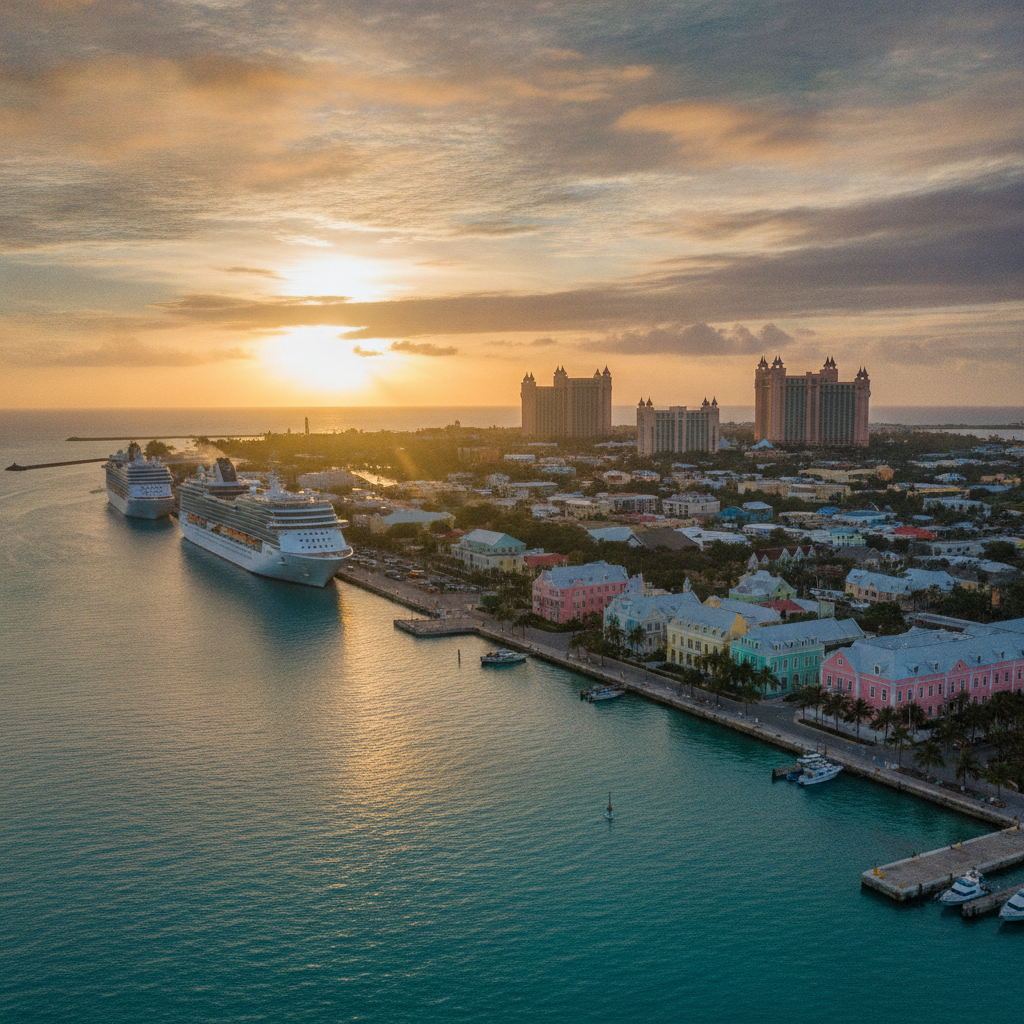
Nassau: Atlantis Paradise Island, Junkanoo Festival, Blue Lagoon Beach, and the Baha Mar Resort
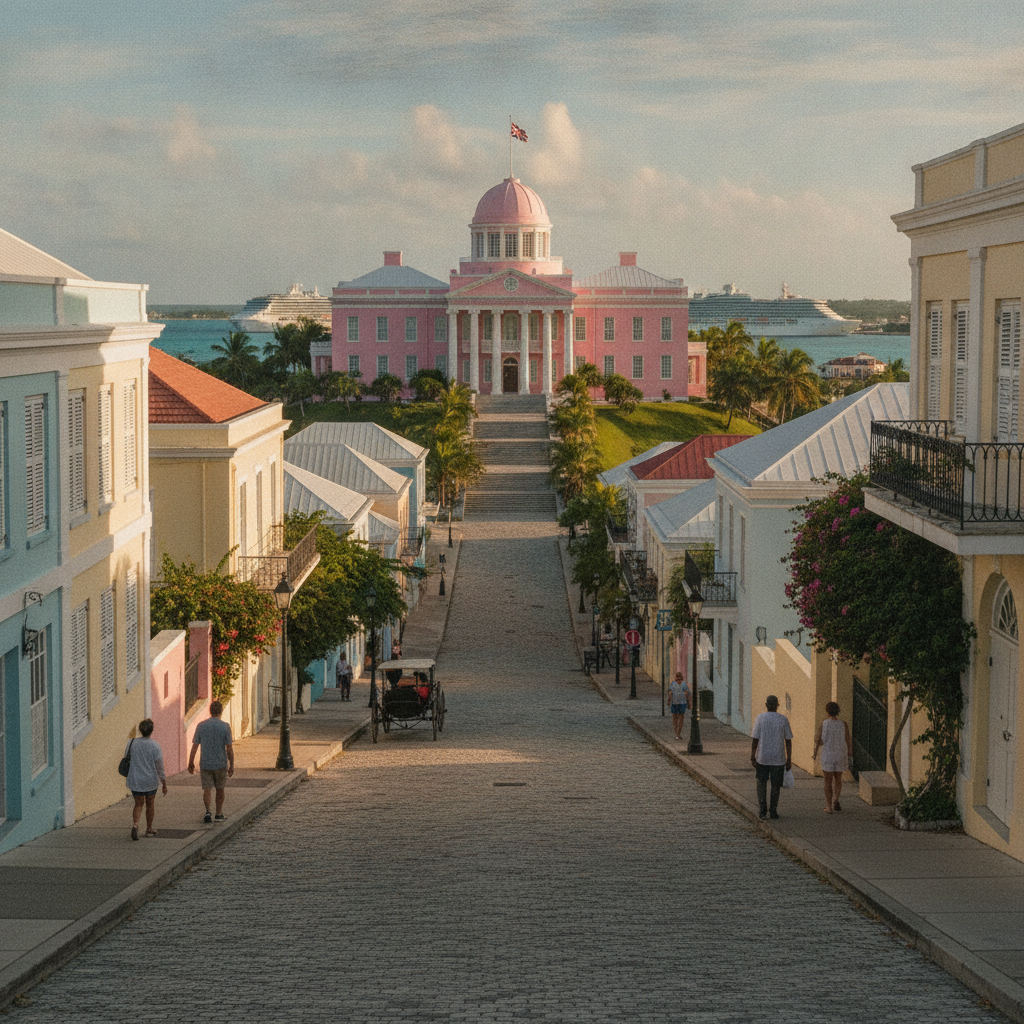
Nassau Practical and Historical: Pirate Heritage, Bahamian Independence, Hurricane Dorian, and the Offshore Financial Center
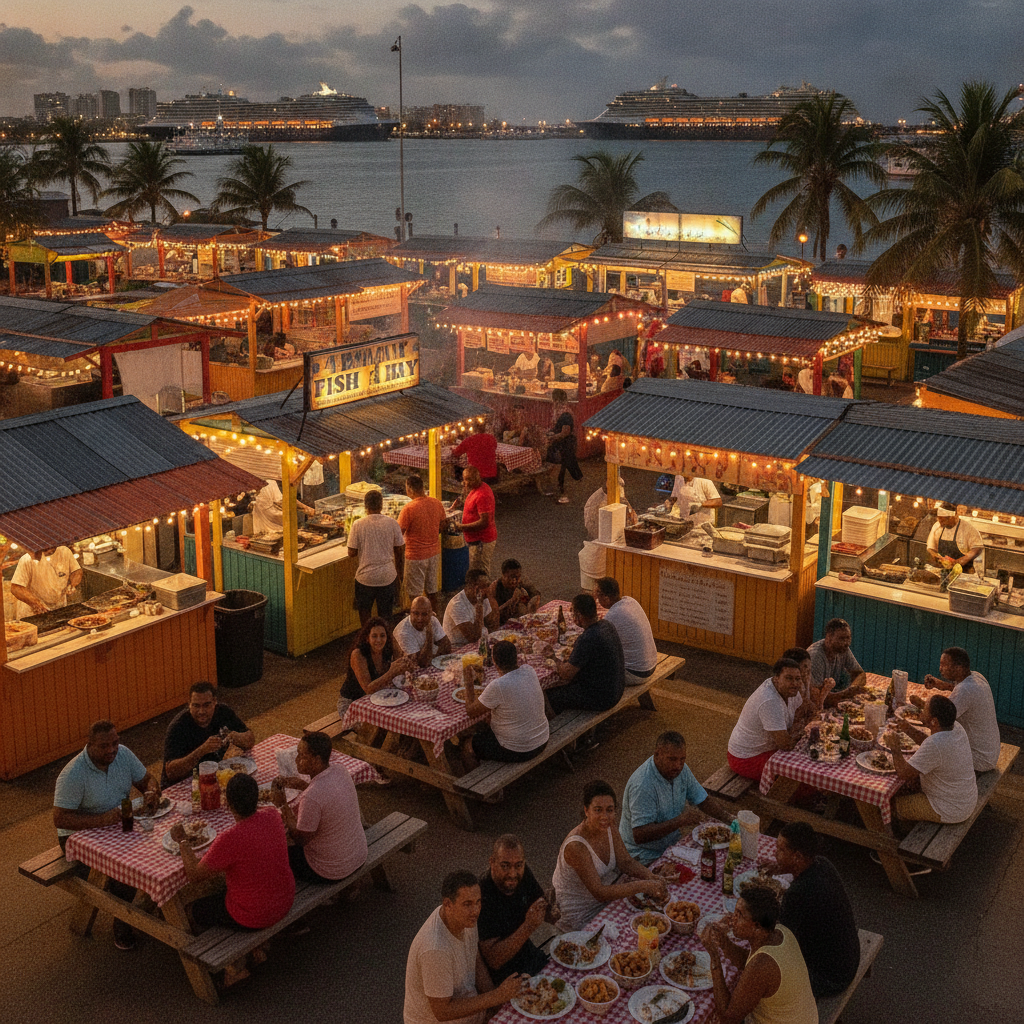
Nassau Activities: Reef Snorkeling, the Graycliff Cigar Hotel, Arawak Cay Fish Fry, Shark Diving, and Dolphin Cay
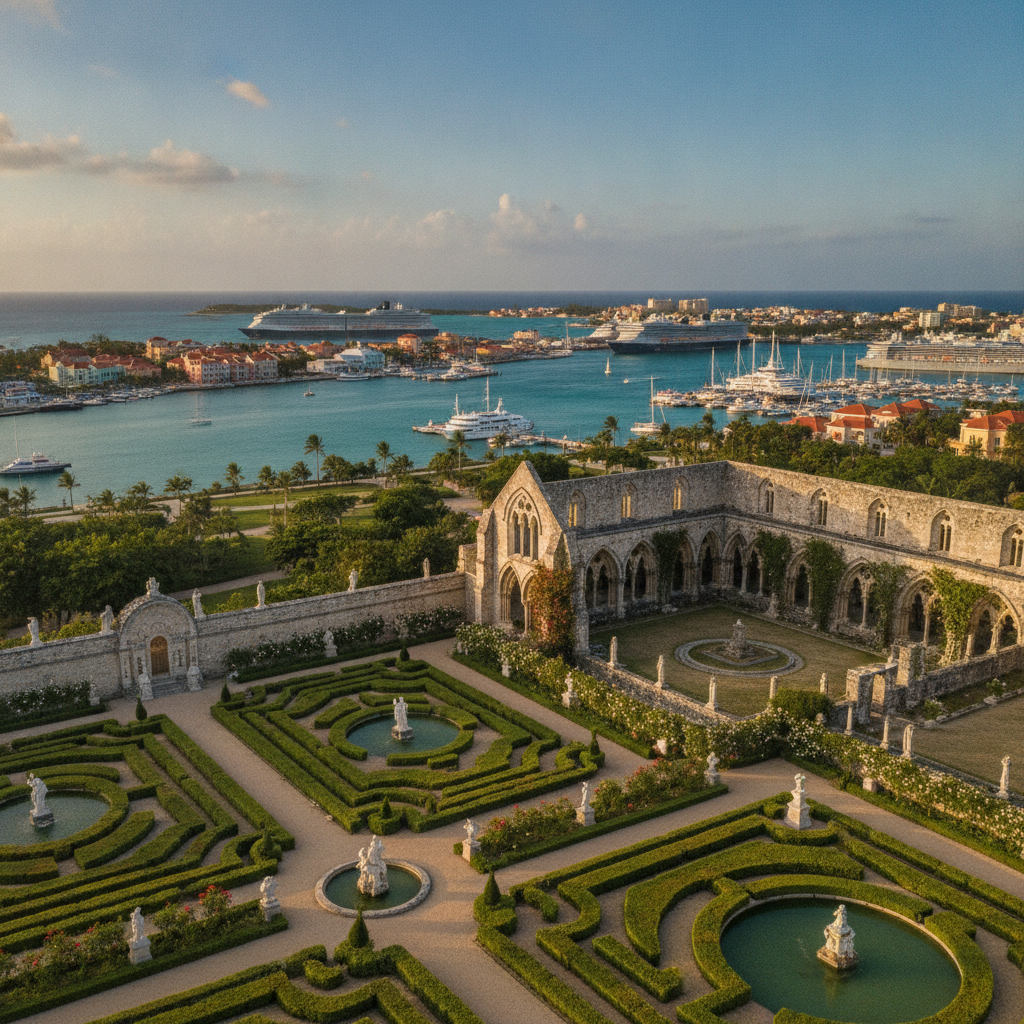
Nassau Culture and Arts: National Art Gallery, Versailles Gardens, Junkanoo Craft, Bay Street Shopping, and Bahamas Golf
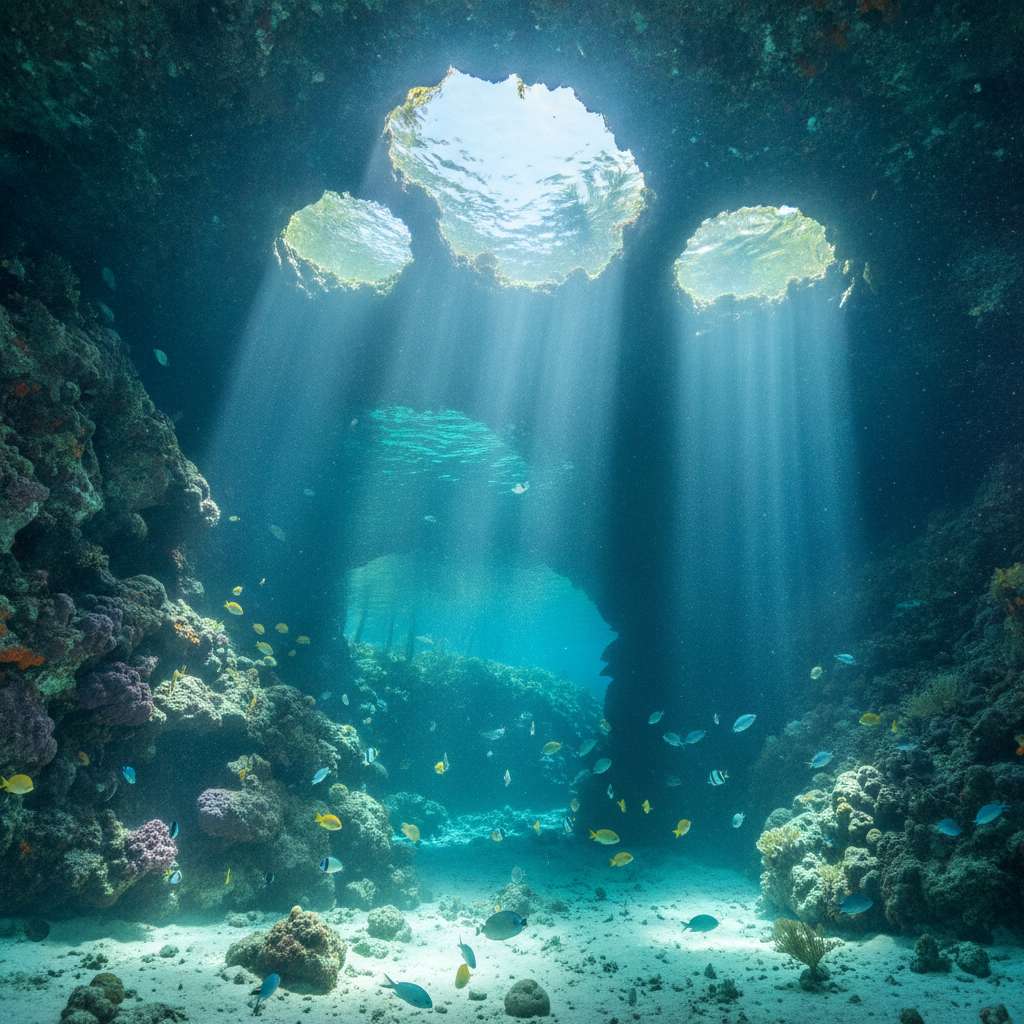
Bahamas Out Islands: Staniel Cay Thunderball Grotto, Cat Island, Long Island Beach, Bimini Fishing, and Columbus San Salvador