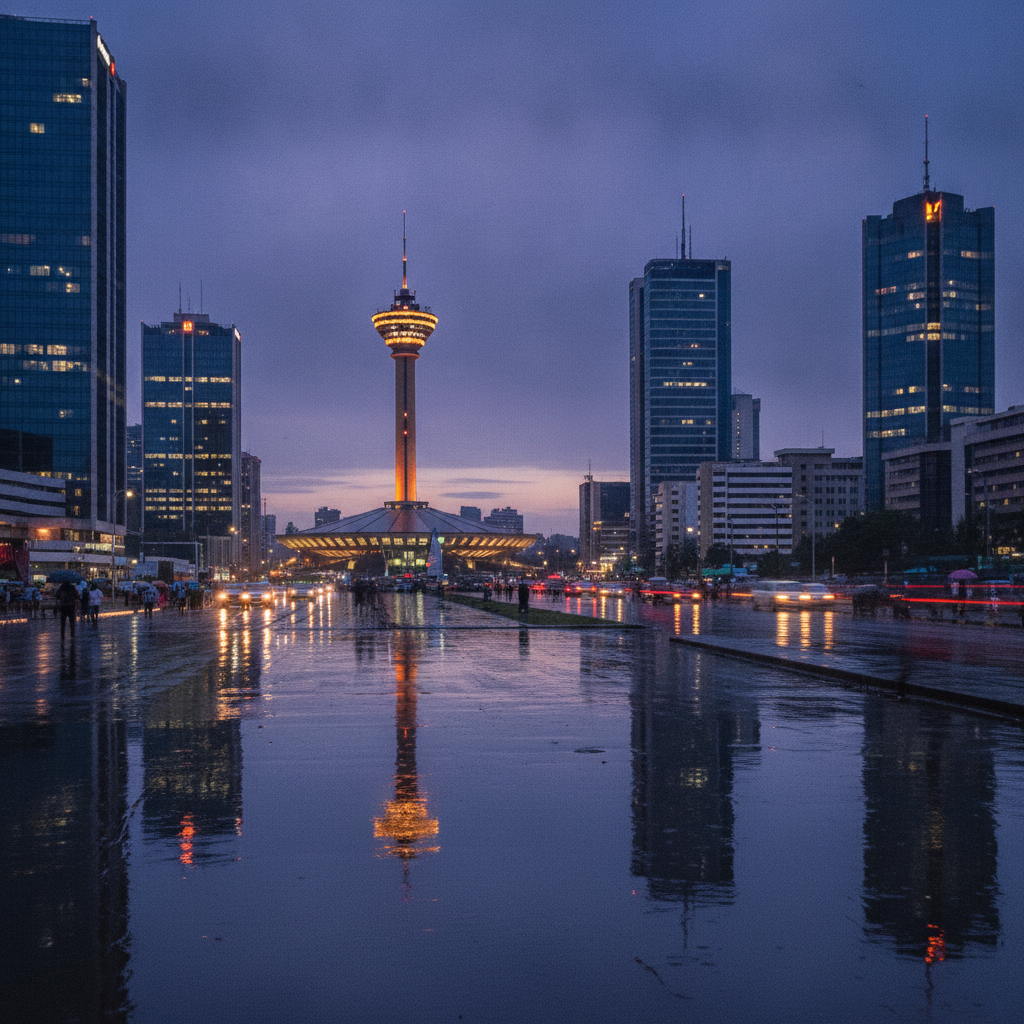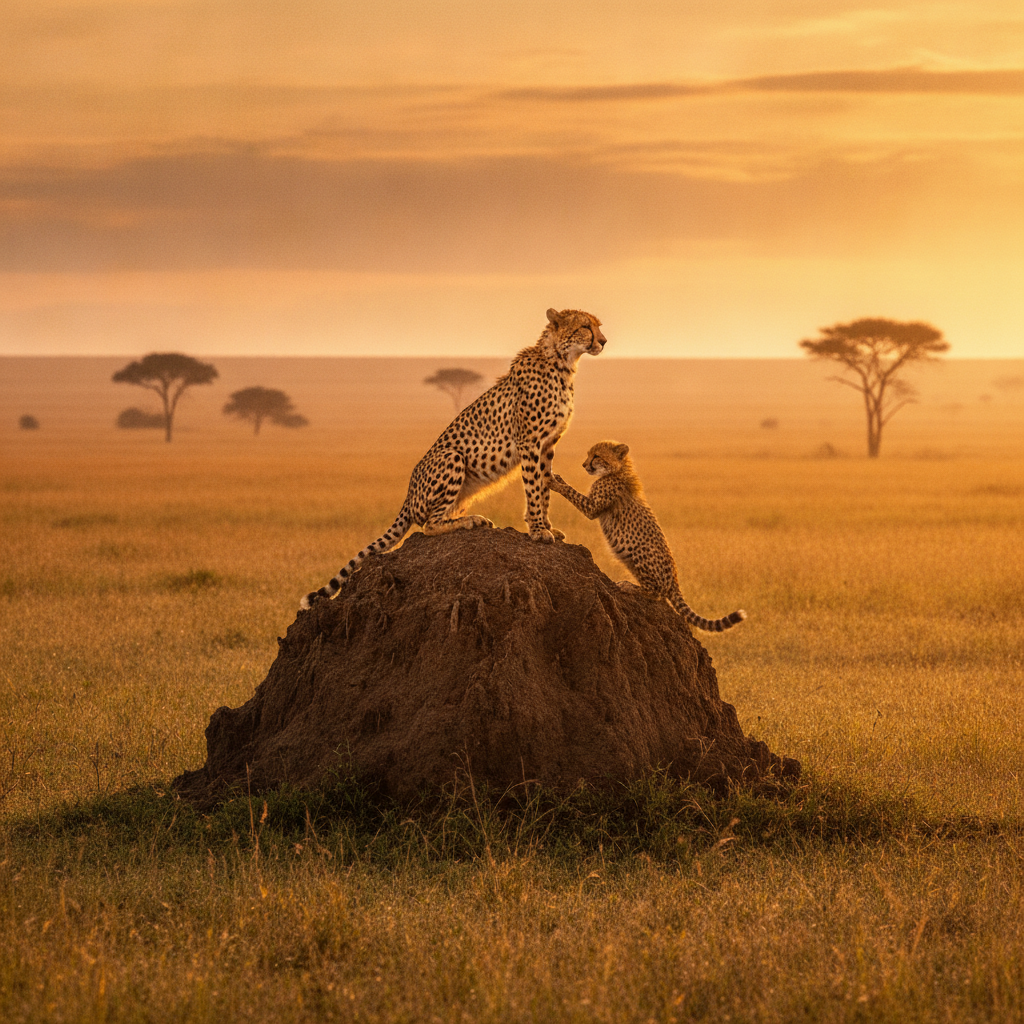
Nairobi Legacy: Wangari Maathai, Arts Scene, Africa Hub Comparison, Safari Planning, and the Complete Legacy
Nairobi final legacy: Wangari Maathai and the Green Belt Movement Nobel Prize; the nocturnal wildlife and sundowner tradition; the Nairobi arts scene from Gallery Watatu to Ngugi wa Thiong o; Nairobi compared with Addis Ababa, Lagos, and Johannesburg; the complete Kenya safari planning guide; and the final Nairobi legacy as the city that is a compressed version of everything extraordinary and difficult about modern Africa.
- 1
Wangari Maathai and the Green Belt Movement - An African Environmental Hero
Wangari Maathai (1940-2011): the Kenyan environmental activist and political reformer who founded the Green Belt Movement, became the first African woman to win the Nobel Peace Prize (2004), and represents one of the most significant environmental and political achievements in African history. The biography (Wangari Muta Maathai: born in Nyeri District, Central Kenya (Kikuyu): the first woman in East and Central Africa to earn a doctorate (University of Nairobi, 1971: PhD in veterinary anatomy): professor of anatomy at the University of Nairobi (the first woman professor at the University of Nairobi): she became aware of the connection between environmental degradation and the poverty of rural Kenyan women through her civic work in the National Council of Women of Kenya). The Green Belt Movement (founded in 1977 by Wangari Maathai: the Green Belt Movement began as a community-based tree-planting program focused on restoring the degraded forests of central Kenya: the movement organized rural Kenyan women to plant trees on their farms, schools, and church land in exchange for small payments: by 2004 the movement had planted more than 30 million trees in Kenya and established a network of approximately 6,000 nurseries managed by women across Kenya: the broader program (the Green Belt Movement also ran civic education programs teaching women about governance, land rights, and political participation: the movement linked environmental conservation directly to women empowerment and political accountability)). The political activism (Wangari Maathai was a fierce opponent of the Moi government: she was arrested, beaten, and publicly humiliated for her political activism on multiple occasions: she led the campaign to prevent the construction of a 62-story Kenya Times Media Trust tower in Uhuru Park (the central Nairobi park): the campaign to save Uhuru Park (1989) mobilized international support including protests by Nairobi residents and international coverage: the project was eventually abandoned: this was considered one of the first successful environmental campaigns in Africa). The Nobel Prize (Wangari Maathai was awarded the Nobel Peace Prize in 2004 (the Nobel Committee cited her contribution to sustainable development, democracy, and peace): the Nobel Committee explicitly connected environmental conservation with peace and security: this was the first time the Nobel Peace Prize was awarded for environmental activism).
- 2
Nairobi National Park Night Drive and Sundowner - Wildlife After Dark
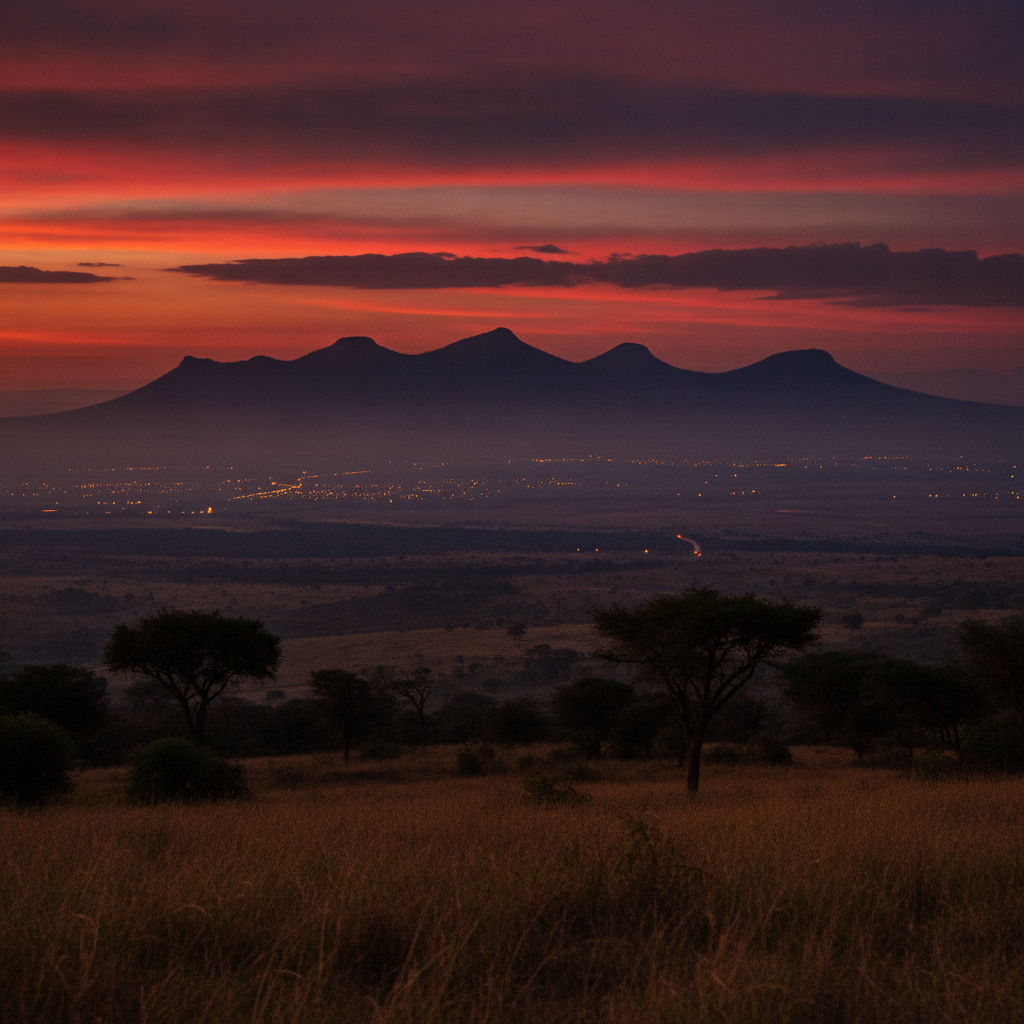
The Nairobi National Park nocturnal wildlife experience and the Nairobi sundowner tradition: the activities and experiences that make Nairobi unique among world capital cities for proximity to wild nature. The night drive (Nairobi National Park offers night game drives conducted by Kenya Wildlife Service rangers: the nocturnal fauna of Nairobi National Park is significantly different from the daytime wildlife: the species most reliably encountered at night include: the serval cat (Leptailurus serval: a medium-sized wild cat with large ears and spotted coat: the serval is primarily nocturnal and is rarely seen during daylight game drives: the serval hunts in the long grass of the park margins and along the river courses): the African civet (Civettictis civetta: a large nocturnal carnivore: the civet is the source of civet musk (used historically in perfumery): the civet is omnivorous and forages widely at night): the genet (Genetta: several species of small spotted nocturnal carnivores found throughout Nairobi National Park): the spring hare (Pedetes capensis: the spring hare is a large hopping rodent (resembling a small kangaroo in movement): one of the most characteristic nocturnal savanna mammals of eastern Africa: the spring hare is highly visible in spotlight beam (the eyes reflect brilliantly at night): the porcupine (Hystrix cristata: the crested porcupine: the largest rodent in Africa by weight: the porcupine is nocturnal and forages on roots, tubers, and fallen fruit): the bush baby (Galago: several species: small primates with enormous eyes and ears adapted for nocturnal hunting: the bush baby makes a haunting cry at night that sounds remarkably like a human infant). The sundowner tradition (the sundowner (the East African tradition of watching the sunset over the savanna with a cold drink): the Nairobi National Park sundowner drive (driving to a high point within the park to watch the sunset over the savanna with the Nairobi skyline behind): the Ngong Hills sundowner (the Ngong Hills, 20 km southwest of the Nairobi CBD: the hills rise to 2,460 meters and overlook both the Rift Valley to the west and the Nairobi plain to the east: the views from the Ngong Hills at sunset are among the most spectacular within easy reach of Nairobi).
- 3
Nairobi Arts Scene - Gallery Watatu, GoDown Arts Centre, and Creative Nairobi
The Nairobi arts and culture scene: the contemporary African art market, the literary tradition, the music scene, and Nairobi as a creative hub within sub-Saharan Africa. The art scene (Gallery Watatu (the oldest commercial art gallery in East Africa: established in Nairobi in 1969: Gallery Watatu has represented and promoted East African contemporary artists for over 50 years: the gallery has been a crucial marketplace for Kenyan painting, sculpture, and textile art): the GoDown Arts Centre (the primary multi-disciplinary arts centre in Nairobi: located in the Industrial Area of Nairobi (an unusual location for an arts institution): the GoDown hosts visual art exhibitions, performance art, music, theatre, and dance: one of the most important cultural institutions in East Africa): the Circle Art Gallery (Westlands: focuses on East African contemporary art with an international market orientation: has represented several artists who have sold at major international auction houses)). The Kenyan literary tradition (Kenya has produced several internationally significant writers: Ngugi wa Thiong o (James Ngugi: born 1938 in Limuru, Kiambu County: Kenya most celebrated novelist: author of Weep Not, Child (1964: the first novel in English by an East African writer to be published by a major international publisher), A Grain of Wheat (1967), Petals of Blood (1977): Ngugi was imprisoned by the Moi government in 1977-1978 without trial for his play Ngaahika Ndeenda (I Will Marry When I Want) which was performed in Kikuyu language and was seen as politically subversive: after his release Ngugi went into exile (first in London, then in the United States): in exile Ngugi declared he would write no more in English (the language of colonialism) and wrote exclusively in Gikuyu (Kikuyu language) from 1986: his Gikuyu novels include Murogi wa Kagogo (Wizard of the Crow) (2004): Ngugi has been repeatedly nominated for the Nobel Prize in Literature): Binyavanga Wainaina (1971-2019: the Kenyan writer and cultural critic: his 2005 Granta essay How to Write About Africa (a savage satirical deconstruction of Western cliches about Africa) became one of the most widely circulated essays about African representation and remains a foundational text of contemporary African literary criticism): the Nairobi literary scene (the Storymoja Hay Festival: the annual literary festival in Nairobi: the Kwani Trust (the Nairobi-based literary organization and publisher: the publisher of the Kwani literary journal: one of the most important publishers of new African writing)). The music scene (Nairobi has a diverse contemporary music scene: Benga (the Kenyan popular music style: characterized by clean electric guitar playing, simple drumbeat, and Luo language lyrics: originated in the 1950s and 1960s among the Luo musicians of western Kenya: the primary Kenyan urban music style for several decades): Gengetone (the Nairobi youth music genre that emerged approximately 2018-2019: a Nairobi street music style mixing Sheng (the Nairobi urban street language mixing Swahili, English, and other languages), explicit lyrics, and trap/hip-hop beats: became internationally recognized with the Ethic Entertainment group (Lamba Lolo (2018) was the first major Gengetone hit)): the Nairobi EDM scene (the Blankets and Wine music festival: the outdoor music event held in the Nairobi arboretum on alternating months).
- 4
Nairobi vs Addis Ababa vs Lagos vs Johannesburg - Comparing Africa Major Hubs
Nairobi compared with the other three primary hub cities of sub-Saharan Africa: Addis Ababa (Ethiopia), Lagos (Nigeria), and Johannesburg (South Africa). Each city represents a different model of African urban development and serves different functions within the continent. Nairobi versus Addis Ababa (both East African capitals serving as air hubs for the region: Nairobi (population approximately 5 million in the city, approximately 7-8 million in the greater metropolitan area): English-speaking: the primary hub for international organization presence (UN Environment Programme (UNEP) and UN-Habitat are both headquartered in Nairobi: the only UN headquarters in a developing country): the Silicon Savannah tech ecosystem: the safari tourism industry: Addis Ababa (population approximately 5-6 million): Amharic-speaking: the headquarters of the African Union (the pan-African political organization): the hub of Ethiopian Airlines (the most profitable and most pan-African airline in Africa: operates routes across the whole continent): Ethiopia was never colonized (except briefly by Italy 1936-1941): this has given Ethiopia a unique place in African identity politics (a symbol of African resistance to European colonialism): both cities are high-altitude (Nairobi approximately 1,650-1,800m, Addis Ababa approximately 2,355m): both have significant distance running traditions (Ethiopia dominates 10,000m and marathon alongside Kenya)). Nairobi versus Lagos (the contrast between East and West Africa largest cities: Lagos (population approximately 15-20 million: the largest city in Africa by population): the commercial capital of Nigeria (the largest economy in Africa by GDP): the primary hub of the Nollywood film industry (the second largest film industry in the world by volume after India Bollywood): Lagos (the frenetic, high-energy, high-stakes commercial city of West Africa: often described as the New York of Africa): Nairobi (smaller, calmer, more orderly by comparison: the primary hub for international organization presence and for East African safari tourism): the relative safety (Nairobi is generally considered safer than Lagos for foreign visitors)). Nairobi versus Johannesburg (the contrast of the two largest English-speaking sub-Saharan African economies: Johannesburg (the largest city in South Africa: population approximately 5.6 million in the city): the economic powerhouse of South Africa (the most industrialized and most sophisticated financial economy in Africa): the legacy of apartheid (racial residential segregation (the townships: Soweto, Alexandra) remains a dominant feature of Johannesburg geography despite 30 years of post-apartheid democracy): Nairobi (the smaller but faster-growing economy with greater political stability).
- 5
Safari Planning from Nairobi - The Best Parks, Seasons, and Safari Styles
The complete Nairobi safari planning guide: which Kenyan parks to visit, when, in what style, and how to reach them efficiently from Nairobi. The park hierarchy (the best parks in Kenya by category: Big Five (the Maasai Mara is the best all-round safari destination in Kenya: the Big Five plus the Great Migration (July-October) plus exceptional big cat density: the park entry fee is approximately USD 200 per day for non-residents (2024): high cost but unique wildlife experience): specialist parks (Amboseli: the best park for close-range elephant viewing and the Kilimanjaro backdrop photography: entry approximately USD 90 per day non-resident): Samburu (the only reliable place to see the Samburu Special Five: entry approximately USD 90 per day): Tsavo East and West (the largest park system: best for large landscape safari and red elephants: less dense big cat sightings than the Mara): Lake Nakuru (the best rhino park in the central Rift Valley: best for rhino, flamingo, and Rothschild giraffe: entry approximately USD 60 per day): Nairobi National Park (the best half-day safari close to the city: entry USD 60)). Safari styles (the self-drive safari (renting a 4x4 vehicle (a Toyota Land Cruiser or similar) and driving independently in the parks: a viable option for experienced travelers who understand Kenyan park rules: the self-drive removes the guiding expertise that adds value in the Maasai Mara): the guided game drive (staying at a safari camp or lodge and joining twice-daily game drives led by a professional guide (the Kenya Professional Safari Guides Association (KPSGA) certifies guides at bronze, silver, and gold levels: a gold-rated guide can significantly enhance wildlife sightings and ecological understanding)): the mobile camping safari (moving between different parks with a team of cooks and camp crew who erect a tented camp at each location: the most immersive safari experience): the fly-in safari (flying between parks in light aircraft (Cessna 206, 208 Caravan): the fastest and most comfortable way to cover multiple parks: Wilson Airport to Mara airstrips 45 minutes versus 5-6 hours by road)). The budget guide (the cost range (budget safari (camping in the public campsites within the national parks: approximately USD 150-250 per person per day including park fees, camping fees, vehicle hire, and guide fee): mid-range (permanent tented camps or lodges: approximately USD 300-600 per person per day): luxury (private conservancy camps with limited beds, private guides, and premium wildlife access (Singita Mara River Tented Camp, Angama Mara, Mahali Mzuri, Ol Donyo Lodge): USD 800-2,500 per person per day)).
- 6
Nairobi Final Legacy - East African Capital of the World
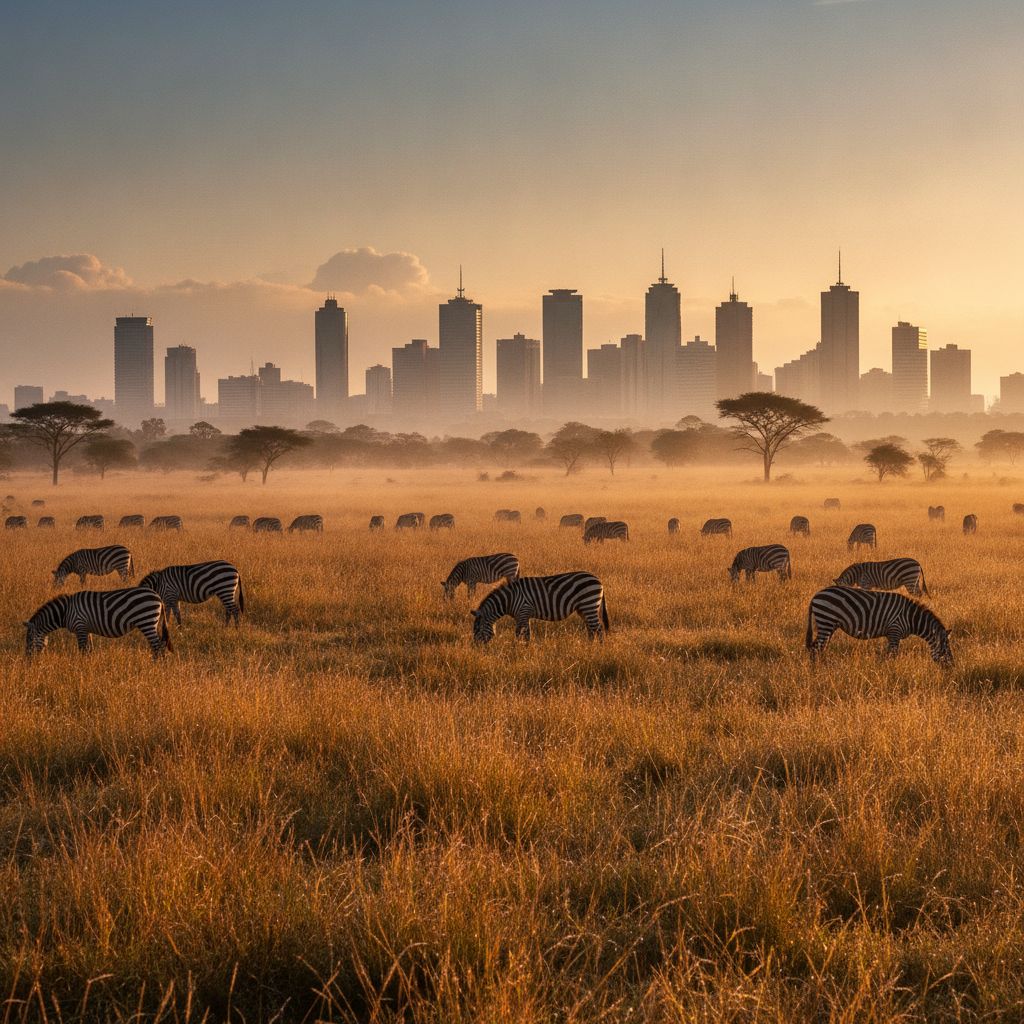
Nairobi final legacy assessment: why Nairobi matters globally, the city unique position as the capital of wildlife conservation, technology innovation, marathon running, and East African culture, and the complete two-day Nairobi itinerary. The global significance of Nairobi (the United Nations presence (UN Environment Programme (UNEP) and UN-Habitat: the only UN specialized agencies headquartered outside Geneva, New York, Vienna, Rome, or Washington DC: the choice of Nairobi in 1972 for UNEP reflected the recognition that Kenya and East Africa were at the center of the global environmental story: the wildlife conservation that had been pioneered in East Africa from the 1940s onward became the model for global conservation: the 1972 UN Conference on the Human Environment in Stockholm that created UNEP also produced the World Heritage Convention of 1972: these were the founding documents of modern global environmentalism): the Nairobi as symbol (the city that most powerfully embodies the complexity of modern Africa: where Maasai herders live alongside silicon valley-funded startups: where lions roam within 7 km of glass skyscrapers: where the Great Rift Valley that produced humanity begins 30 km from the city center: where the world greatest marathon runners train at altitude in the hills above: where the Kibera informal settlement and the Westlands luxury restaurant exist within 4 km of each other: Nairobi is a compressed version of everything that makes Africa extraordinary and difficult simultaneously)). The two-day Nairobi itinerary (Day 1: Morning (Nairobi National Park sunrise game drive (6:00-9:30am): the best affordable wildlife experience in any world capital city): Midday (David Sheldrick Elephant Orphanage (public visiting hour 11am-noon): the most emotionally moving wildlife experience in Nairobi: Giraffe Centre (Langata: feed the Rothschild giraffe at close range)): Afternoon (Karen Blixen Museum and the Ngong Hills: the Out of Africa landscape): Evening (Westlands restaurant district: dinner at Carnivore Restaurant (the nyama choma institution) or a Westlands fine dining establishment). Day 2: Morning (Nairobi National Museum (Museum Hill): human evolution from Turkana Boy to independence): Midday (Westlands lunch (the Indian restaurant scene): afternoon (rest or shopping at the Maasai Market (the outdoor craft market held at rotating locations around Nairobi on different days of the week: the best place to buy Maasai beadwork, Kikuyu wood carving, and Kenyan crafts): Evening (rooftop bar at a Westlands hotel for the city view at sunset): Day 2 extension option: the Nairobi Railway Museum (the Uganda Railway locomotives and rolling stock)). The legacy (Nairobi is the proof that the future of Africa is not one thing: it is all things at once: the wild and the modern, the traditional and the innovative, the enormous challenge and the extraordinary possibility).
Walk this route with audio
Stories play automatically as you reach each stop — no tapping needed.
More in Nairobi
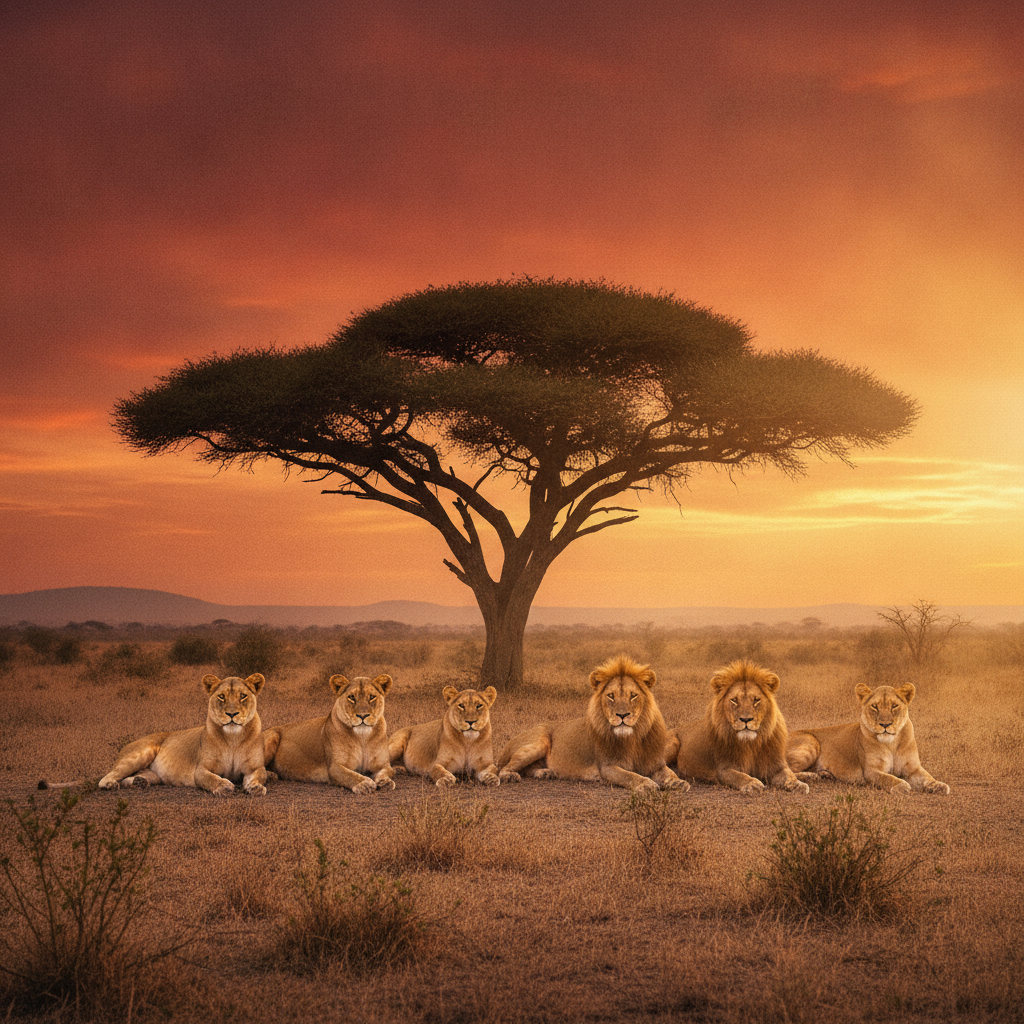
Nairobi Deeper: Rift Valley Evolution, Northern Kenya, Conservation, Runner Nation, and Silicon Savannah
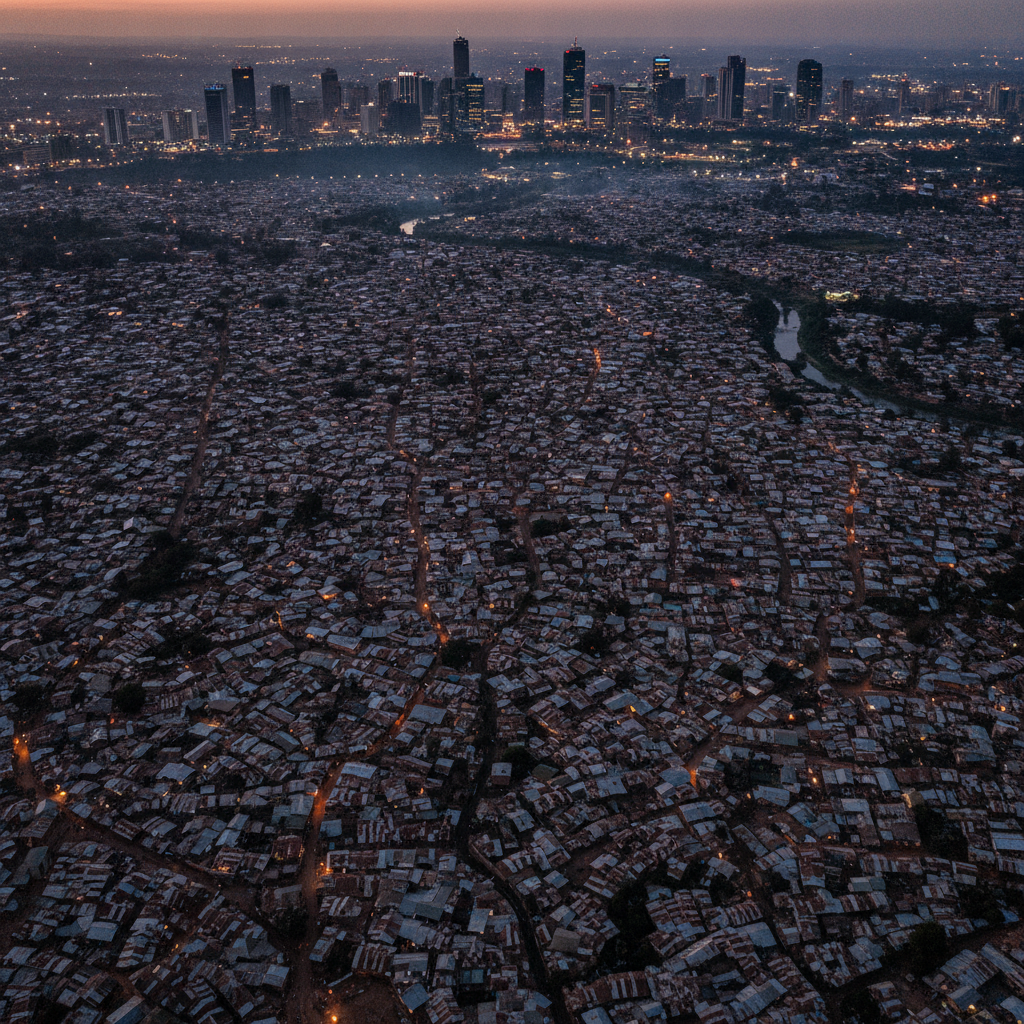
Nairobi Deep Dive: Kibera, the Maasai, Kenya History, and the Swahili Coast
Nairobi Ultimate Reference: East Africa Capitals, Murumbi Legacy, Railway Museum, Neighborhoods, Security Context, and the Complete City Guide
Nairobi: The Safari Capital - National Park in the City, Maasai Mara, and Out of Africa