Nairobi Complete: Swahili Coast, Tsavo, the Uganda Railway, Kenya Politics, Photography, and Practical Guide
The complete Nairobi and Kenya reference: the Swahili Coast and Mombasa and 3000 years of Indian Ocean trade; Tsavo National Park and the Man-Eaters of Tsavo; the Uganda Railway (the Lunatic Express) and how a railway made Kenya; Kenya political history from Kenyatta to Moi to the 2007 crisis; the Nairobi photography guide; and the complete practical reference for visiting Kenya.
- 1
The Swahili Coast - Mombasa, Fort Jesus, and 3000 Years of Indian Ocean Trade
The Kenyan Swahili Coast: the 3,000-year-old Indian Ocean trading civilization of the East African coast, the Portuguese conquest and Fort Jesus, and Mombasa as the historical gateway between Africa and the Indian Ocean world. The Swahili civilization (the Swahili (the word comes from the Arabic sawahili meaning coast people): the Bantu-speaking peoples of the East African coast who were transformed by Indian Ocean trade from the 7th century CE onward into a unique maritime civilization: the Swahili city-states (the string of coastal trading cities from Mogadishu in the north to Kilwa in the south): Mombasa (the most important city on the Kenyan coast: established by approximately 900-1000 CE as a Swahili trading settlement: the Swahili merchants traded gold from Great Zimbabwe, ivory, leopard skins, and enslaved people (the Indian Ocean slave trade: the Arab and Swahili merchants traded enslaved people from the African interior to Arabia, Persia, India, and Southeast Asia over many centuries: the scale of the Indian Ocean slave trade (estimated at 1-2 million people over the full history of the trade) was significantly smaller than the Atlantic slave trade but lasted much longer): the trade goods from Asia (Indian cotton textiles, Chinese porcelain, Arabian glassware) are found throughout the Swahili archaeological sites of the Kenyan coast). The Arab and Persian merchants (the monsoon wind system of the Indian Ocean (the northeast monsoon (December-March) blows from Arabia to the East African coast, enabling sailing ships to travel south: the southwest monsoon (April-September) blows from Africa to Arabia, enabling the return voyage): the monsoon system allowed Arab and Persian dhow traders to travel annually to the East African coast and return with trade goods: the intermarriage of Arab and Persian traders with the Bantu coastal population produced the Swahili culture). Fort Jesus (the Portuguese fort built 1593-1596 in Mombasa: the Portuguese arrival at the East African coast (Vasco da Gama reached Malindi in 1498 on his first voyage to India): the Portuguese seized control of the Swahili coast cities and imposed a tribute system: Fort Jesus (designed by the Italian military architect Giovanni Battista Cairati: built from coral rag stone on the promontory guarding the entry to Mombasa harbour): UNESCO World Heritage Site).
- 2
Tsavo National Park - The Man-Eaters of Tsavo and the Largest National Park in Kenya
Tsavo National Park: the largest national park in Kenya and the site of the most famous wildlife-human conflict story in African history, the Man-Eaters of Tsavo. Tsavo (Tsavo National Park is divided into Tsavo East National Park (11,747 square km) and Tsavo West National Park (7,065 square km) by the Nairobi-Mombasa railway and highway: the combined area makes Tsavo the largest national park complex in Kenya and one of the largest national parks in the world: the park landscape (Tsavo West: volcanic landscape, the Shetani lava flow (a black lava flow approximately 200 years old that has been so minimally weathered it looks like it cooled last month), the Mzima Springs (where approximately 50 million liters of underground lava-filtered water emerge as crystal-clear springs supporting hippos, crocodiles, and diverse fish species: an underwater viewing chamber allows visitors to watch hippos and fish underwater): Tsavo East: the vast semi-arid flat savanna crossed by the Galana (Athi-Galana-Sabaki) River: the red elephants of Tsavo East (the Tsavo East elephants roll in the red laterite dust of the area and appear red: the population of approximately 13,000 elephants is one of the largest single elephant populations in Kenya)). The Man-Eaters of Tsavo (the construction of the Uganda Railway (1895-1901): the bridge construction over the Tsavo River in 1898: two male lions (Panthera leo) began attacking and killing Indian railway workers at the Tsavo construction camp: over a period of approximately 9 months (March-December 1898) the two lions killed and ate an estimated 135 workers (the exact number is disputed: the railway superintendent Colonel John Henry Patterson (who eventually shot both lions) claimed 135 victims: later statistical analysis suggests approximately 35 victims is more defensible): the lions at the Field Museum in Chicago (Colonel Patterson sold the two lions he shot to the Field Museum of Natural History in Chicago in 1924: the mounted skins are on display to this day): the story was made into the film The Ghost and the Darkness (1996) with Val Kilmer and Michael Douglas).
- 3
The Uganda Railway - The Lunatic Express and How a Railway Made Kenya
The Uganda Railway (1895-1901): the railway that created Kenya as a political and economic entity, that imported the Indian community, that opened the Kenyan Highlands to European settlement, and that transformed the East African interior into a British imperial project. The context (in 1895 the British East Africa Company transferred its colonial territory (British East Africa) to direct British government administration: the British government decided to build a railway from Mombasa on the Indian Ocean coast to Kisumu on the shores of Lake Victoria (the railway was planned to reach Uganda and secure the Nile headwaters against French and German competition)). The construction (the railway construction was begun in 1896 from Mombasa: the primary labor force was approximately 32,000 Indian indentured laborers (imported from British India because the British colonial administration judged (incorrectly) that East African peoples were unwilling to do sustained heavy labor): the Indian laborers (known as coolies from the Hindi kuli meaning laborer) worked in extreme conditions (malaria, dysentery, heat, and wildlife attacks): approximately 2,500 Indian laborers died during construction: the survivors became the core of the Indian community of British East Africa (the Kenyan Indians who became the primary commercial class of colonial Kenya and who make up approximately 1% of Kenya population today but a much larger share of Kenya formal economy)). The Lunatic Express (the British Parliament debated the cost and purpose of the railway: Henry Labouchere MP (the Liberal MP for Northampton) wrote a satirical poem calling it The Lunatic Line (a railway from nowhere in particular to nowhere at all: at an expense of five million pounds to build a railroad through a country without an export commodity to justify a railroad): the railway was completed on December 20, 1901 when the first train reached Kisumu (Port Florence on the shores of Lake Victoria): total cost approximately 5.5 million pounds (approximately 800 million USD in 2023 terms): total length 930 km). The consequences (the railway created Nairobi (the midpoint camp became the colonial capital): the railway made Mombasa the primary port of East Africa: the railway opened the fertile Kenyan Highlands to European agricultural settlement (Lord Delamere: Hugh Cholmondeley, 3rd Baron Delamere: the primary architect of the European settler agriculture system in the Kenyan Highlands): the Indian community that stayed after construction became the merchant and artisan class of British East Africa).
- 4
Kenya Politics - From Daniel Arap Moi to Multi-Party Democracy and Uhuru Kenyatta
Kenya political history from independence to the present: the Kenyatta dynasty, the Moi era, the struggle for multi-party democracy, the 2007-2008 post-election violence, and modern Kenyan politics. The Kenyatta era (Jomo Kenyatta: first Prime Minister at independence (December 12, 1963) and then first President of Kenya (1964-1978): Kenya was a one-party de facto state during the Kenyatta era (the Kenya African National Union (KANU) was the sole governing party): land distribution after independence (the Kenyatta government settled Kikuyu families on former European settler land in the Rift Valley: this created lasting ethnic tensions with the Kalenjin communities of the Rift Valley who had occupied the land between European settlement and the Kikuyu resettlement): Kenyatta died in office in 1978). The Moi era (Daniel Toroitich Arap Moi: the second President of Kenya (1978-2002): a Tugen Kalenjin from the Rift Valley: Moi made KANU the official single party by constitutional amendment in 1982 (Section 2A): the Moi era was marked by significant human rights abuses (Nyayo House torture chambers (the basement of Nyayo House in Nairobi CBD: political detainees and opponents of the regime were detained and tortured in Nyayo House from the 1980s onward): the 1990 assassination of Foreign Minister Robert Ouko: the Goldenberg scandal (gold and diamond export fraud involving the Moi government): in 1990 multi-party advocates Oginga Odinga, Kenneth Matiba, and Charles Rubia were detained without trial for demanding multi-party democracy: international donor pressure (the World Bank and Western governments suspended aid to Kenya in 1991 demanding political liberalization): Moi allowed multi-party elections in 1992 (but won due to divided opposition): Moi was constitutionally prevented from a third term and stepped down in 2002). The Kibaki era and 2007-2008 crisis (Mwai Kibaki (2002-2013): defeated KANU in the 2002 elections in a landslide: the 2007 disputed election (Kibaki declared winner in a disputed vote count against Raila Odinga): the 2007-2008 post-election violence (ethnic violence primarily between Kikuyu and Kalenjin communities in the Rift Valley and between Kikuyu and Luo communities in Kisumu and Nairobi: approximately 1,500 people killed and 600,000 displaced: the Kofi Annan mediation (the Annan-led power-sharing agreement ended the crisis in February 2008)). The Uhuru Kenyatta era (Uhuru Kenyatta (2013-2022): the son of Jomo Kenyatta: charged by the ICC for crimes against humanity relating to the 2007-2008 violence (the charges were later withdrawn): William Ruto (current President from 2022: former deputy to Kenyatta: a Kalenjin from the Rift Valley)).
- 5
Nairobi Photography Guide - Where and How to Photograph the Safari Capital
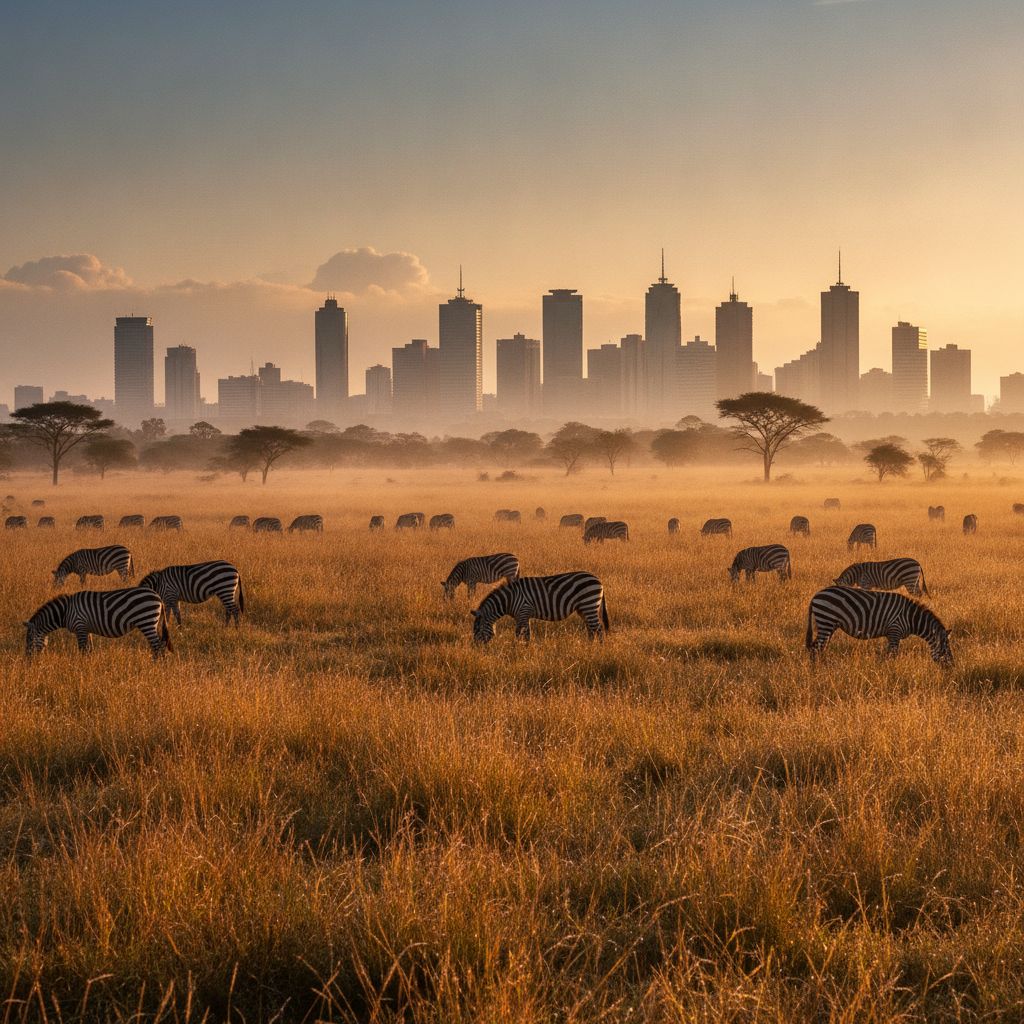
The Nairobi photography guide: the best locations, timing, and approaches for photographing wildlife in Nairobi National Park, the city skyline juxtaposition, the Maasai communities, and practical tips for photographers visiting Kenya. The Nairobi National Park photography (the unique city-skyline-and-wildlife juxtaposition (the defining Nairobi wildlife photography subject: the animals of the park (lions, cheetahs, giraffes, rhinos, zebras) with the Nairobi CBD and Upper Hill skyline as the background: best achieved from the elevated areas of the northern section of the park (the park service road running along the northern boundary of the park near the Langata Road entrance provides the best angles for city skyline backgrounds)): the golden hour (the first hour after sunrise and the last hour before sunset are the best lighting conditions for wildlife photography: sunrise in Nairobi at approximately 6:15am year-round): the rhino sightings (Nairobi National Park is one of the most reliable places in Kenya to see black rhino: the rhino in the park have been habituated to vehicles and allow closer approach than in more remote parks): the cheetah (cheetah are regularly seen in the open grassland areas of the park (particularly the southern section near the Athi Plains boundary)). The Maasai community photography (photographing Maasai people is a sensitive topic requiring cultural respect and direct negotiation for permission and payment: the Maasai warriors are photogenic subjects and are accustomed to being photographed by safari visitors: a direct payment to the individual being photographed is expected and appropriate: never photograph people without permission). The city photography (the Nairobi skyline from the Nairobi National Park, from the Kenyatta International Conference Centre observation deck, and from the rooftop bars of Westlands hotels: the Westlands restaurant district at night provides excellent urban photography opportunities). Equipment (the Kenyan savanna light (the East African light is very bright at midday: shooting in the golden hours is strongly advised for wildlife photography): dust protection for camera equipment in the dry season: telephoto lens (minimum 400mm recommended for wildlife photography: 500mm or 600mm for bird photography)).
- 6
Nairobi Complete Reference - Visa, Safety, Transport, and the Best Time to Visit
The Nairobi complete practical reference: visa and entry requirements, safety overview, the best time to visit Kenya, transport from Nairobi to all major safari destinations, accommodation guide, and the final complete visitor reference for planning a Kenya trip. Entry requirements (Kenya electronic travel authorization (eTA): most nationalities are required to obtain a Kenya eTA before travel: apply online at etakenya.go.ke: cost USD 30 (as of 2024): processing time approximately 72 hours: the eTA replaced the previous visa-on-arrival system: nationals of some African countries are exempt from the eTA requirement (Tanzania, Uganda, Rwanda, Burundi, Ethiopia, Comoros, Mauritius, Seychelles): the East African Community (EAC) single tourist visa is available for Kenya-Uganda-Rwanda (allows entry to all three countries on one visa)). Safety (Nairobi has a reputation for crime that is partly exaggerated for a city of its size and importance: the primary safety advice: avoid walking in the Nairobi CBD after dark: use Uber or Bolt (app-based ride-hailing services: widely available in Nairobi and significantly safer than unregistered street taxis): avoid displaying expensive electronics in public in the CBD: the Westlands, Karen, and Langata suburbs (the primary tourist and expatriate residential areas) are generally safe: the Kibera area (avoid entering without a guided community organization tour): petty crime (mobile phone theft, bag snatching) is the primary risk for tourists). Best time to visit Kenya (the dry season (January-February and June-September) is the best time for wildlife viewing (vegetation is lower, animals concentrate around water sources): the Great Wildebeest Migration crossing of the Mara River occurs primarily July-October: the long rains (April-June) are the low season for safari (muddy tracks, dense vegetation, reduced wildlife visibility): the short rains (November-December) are less disruptive than the long rains and some operators offer significant low-season discounts). Transport connections (Jomo Kenyatta International Airport (NBO): the largest airport in East Africa: direct flights from London (British Airways, Kenya Airways: approximately 8-9 hours), Amsterdam (KLM), Paris (Air France), Frankfurt (Lufthansa), Istanbul (Turkish Airlines), Dubai (Emirates), Doha (Qatar Airways), Abu Dhabi (Etihad): domestic flights (Wilson Airport: the domestic and light aircraft airport 5 km from the CBD: the gateway for light aircraft safari flights to the Maasai Mara (45-60 minutes), Samburu (1 hour), Amboseli (45 minutes), Lewa (1 hour), Tsavo (30 minutes)): accommodation guide (Karen (luxury safari lodges and boutique hotels near the national park): Westlands (urban hotels: Sankara, Villa Rosa Kempinski): Langata (mid-range hotels): the Fairmont The Norfolk (the historic 1904 hotel in the CBD: the oldest hotel in Nairobi)).
Walk this route with audio
Stories play automatically as you reach each stop — no tapping needed.
More in Nairobi
Nairobi Deeper: Rift Valley Evolution, Northern Kenya, Conservation, Runner Nation, and Silicon Savannah
Nairobi Legacy: Wangari Maathai, Arts Scene, Africa Hub Comparison, Safari Planning, and the Complete Legacy
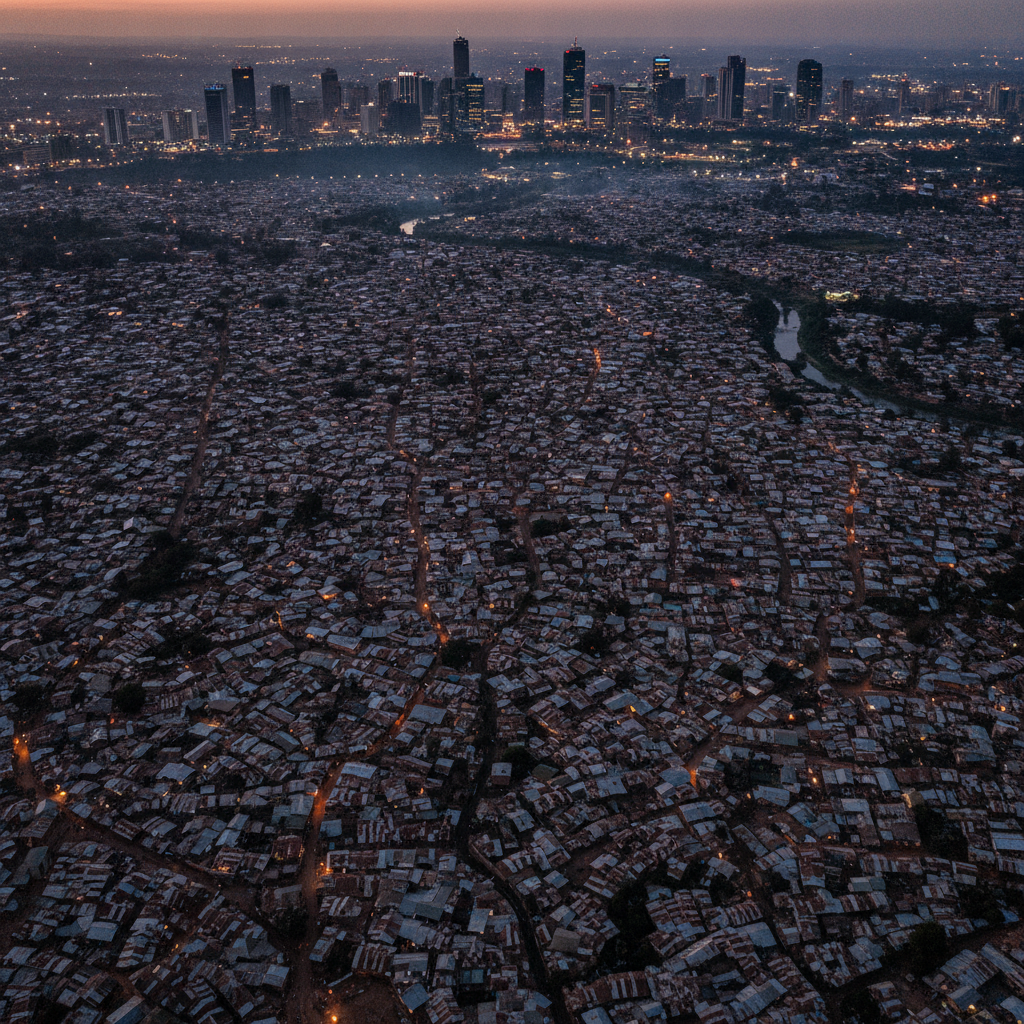
Nairobi Deep Dive: Kibera, the Maasai, Kenya History, and the Swahili Coast
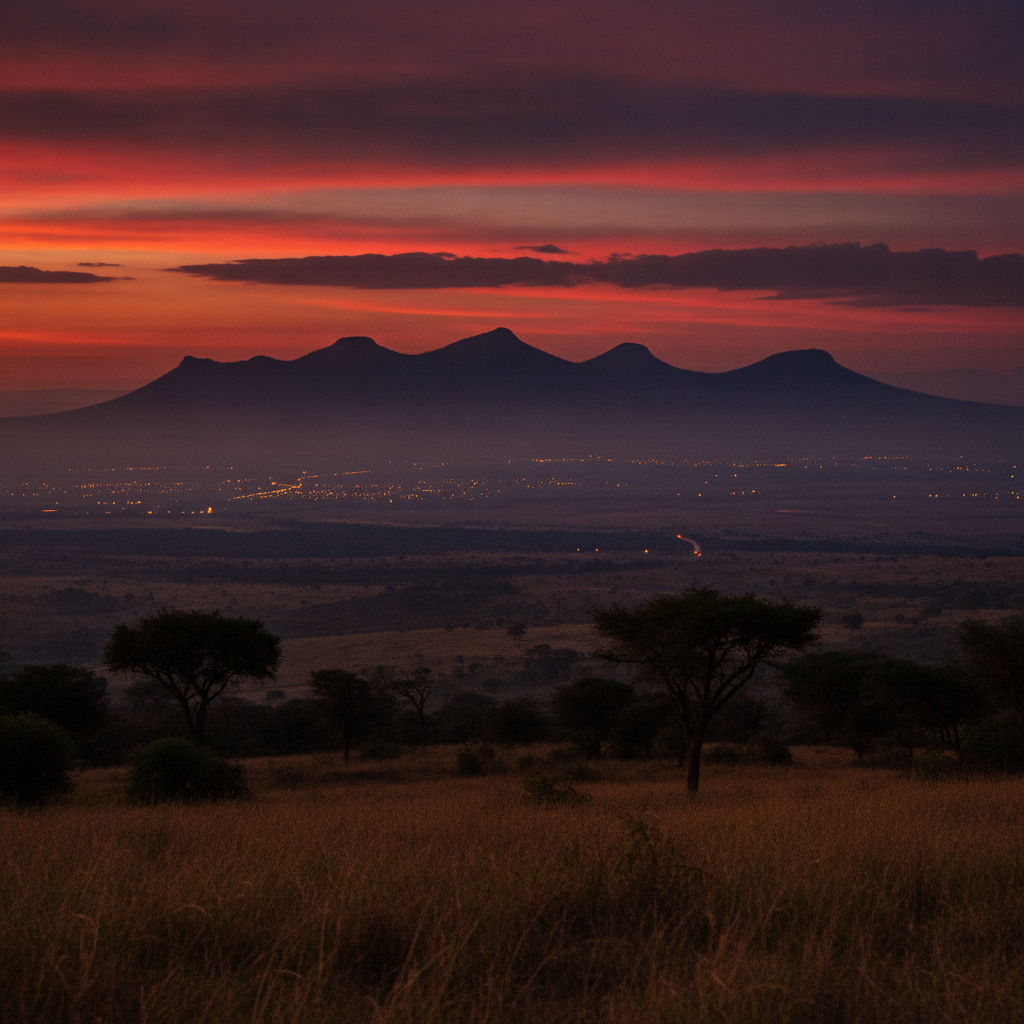
Nairobi Ultimate Reference: East Africa Capitals, Murumbi Legacy, Railway Museum, Neighborhoods, Security Context, and the Complete City Guide