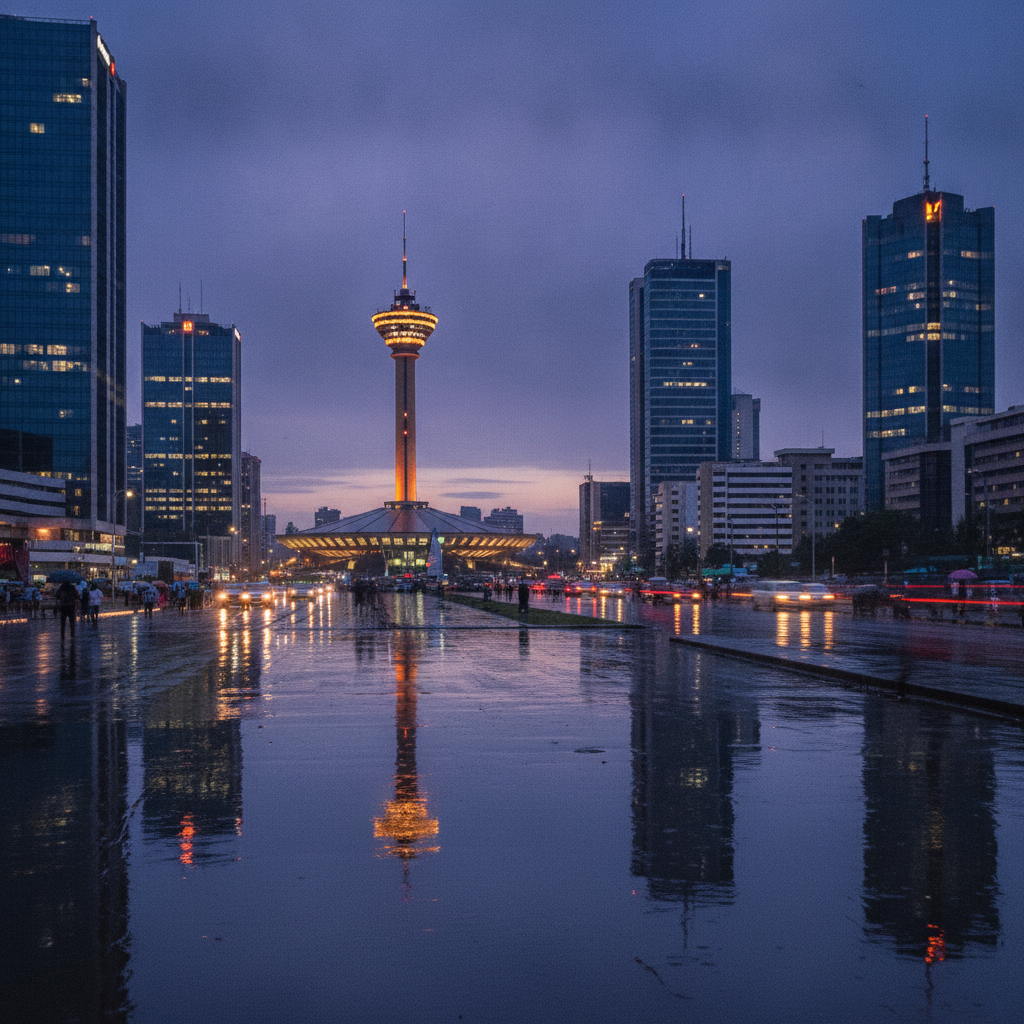
Nairobi: The Safari Capital - National Park in the City, Maasai Mara, and Out of Africa
Nairobi as the gateway to East African wildlife and the only capital city with a national park within its boundaries: the Nairobi National Park with lions and rhinos against the city skyline; the Maasai Mara and the Great Wildebeest Migration; the Giraffe Centre and the David Sheldrick Elephant Orphanage; the Karen Blixen Museum and Out of Africa; Nairobi history from railway camp to East African metropolis; and the practical guide including the Westlands food scene.
- 1
Nairobi National Park - The Only Capital City with a Full Safari Park Within Its Limits
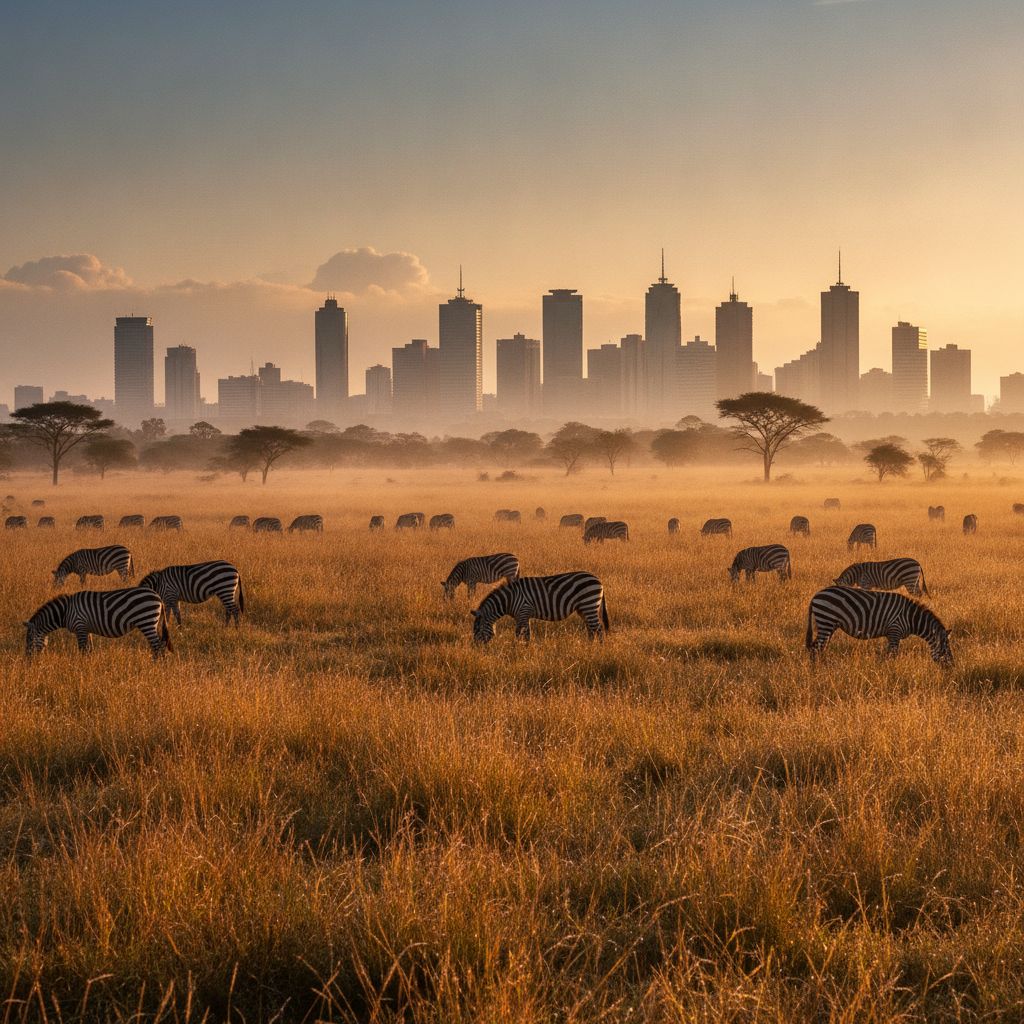
Nairobi National Park: the only national park in the world within the official boundaries of a national capital city, where lions, leopards, cheetahs, rhinos, buffalo, giraffes, and zebras roam on the open savanna within 7 km of downtown Nairobi. The park (Nairobi National Park: established 1946 as Kenya first national park: area approximately 117 square km (45 square miles): the most accessible safari destination in Kenya: the northern boundary of the park runs along the southern suburbs of Nairobi (Langata, Karen, and Rongai): the park is not fenced on the southern boundary, allowing wildlife to migrate to and from the Athi-Kapiti Plains ecosystem). The wildlife (the park is one of the finest rhino sanctuaries in Kenya: the population of black rhinoceros (Diceros bicornis) has been successfully maintained in the park against the regional trend of rhino poaching: lions, leopards, cheetahs, hyenas, jackals, caracals, serval cats, and African wildcats: the Big Five minus elephant (elephants do not regularly reside in the park but occasionally enter from the south): approximately 400 bird species (Nairobi National Park is one of the most important birdwatching sites in East Africa)). The unique visual juxtaposition (the combination of open savanna with the Nairobi city skyline behind the wildlife creates one of the most distinctive wildlife photography subjects in the world: the lion against the skyscrapers, the giraffe and the Nairobi CBD: a visual available nowhere else on Earth). The practical (entry fee approximately USD 60 for non-residents: the park is accessible from Nairobi by taxi (approximately 20 minutes from CBD): open from 6am to 6pm: self-drive or guided game drives: a half-day is sufficient for a good park visit).
- 2
The Maasai Mara - The Greatest Wildlife Migration on Earth
The Maasai Mara National Reserve (270 km southwest of Nairobi): Kenya most famous safari destination and the location of the Great Wildebeest Migration, described as the greatest wildlife spectacle on Earth. The migration (the Great Wildebeest Migration (the Serengeti-Mara ecosystem migration): approximately 1.5-2 million wildebeest (Connochaetes taurinus), 200,000 zebras (Equus quagga), and 500,000 Thomson gazelles migrate annually in a circular route between the Serengeti National Park in Tanzania and the Maasai Mara in Kenya: the migration is driven by rainfall and the availability of fresh grass: the most dramatic event is the Mara River crossing (July-October): the wildebeest must cross the crocodile-filled Mara River to reach the Mara grass plains: the crocodiles (Nile crocodiles up to 5 meters long) take significant numbers of wildebeest at each crossing: the crossings are one of the most intense wildlife events in the world). The big cats (the Maasai Mara has one of the highest densities of lions (Panthera leo) in Africa: the Mara is also famous for its cheetah (Acinonyx jubatus) and leopard (Panthera pardus) populations: the Big Five (lions, leopards, elephants, buffalo, and rhino) are all present in the Mara ecosystem). The Maasai (the Maasai people: the semi-nomadic pastoralist people of southern Kenya and northern Tanzania: the primary residents of the land surrounding the Maasai Mara: known for their distinctive red shuka (blanket) dress, their cattle-herding culture, and their traditional warrior (morani) age-grade system: the Maasai manyatta (traditional village) visits are available from the safari camps surrounding the reserve). The access (from Nairobi: approximately 5-6 hours by road or 45-60 minutes by light aircraft to the Mara airstrips).
- 3
The Giraffe Centre and the Nairobi Elephant Orphanage - Wildlife Conservation
The Nairobi wildlife conservation landmarks: the Giraffe Centre and the David Sheldrick Wildlife Trust Elephant Orphanage: two of the most rewarding wildlife experiences in Nairobi and globally important conservation institutions. The Giraffe Centre (the African Fund for Endangered Wildlife (AFEW) Giraffe Centre in the Langata suburb of Nairobi: established in 1979 to protect the endangered Rothschild giraffe (Giraffa camelopardalis rothschildi): one of the most endangered giraffe subspecies with fewer than 1,700 individuals surviving in the wild (primarily in Uganda and western Kenya): the centre maintains a breeding population of Rothschild giraffes and has reintroduced animals to suitable habitats: the tourist experience (visitors can feed the giraffes at close range and eye level (from the elevated feeding platform): the Rothschild giraffe (distinguished from other giraffe subspecies by its distinctive patterning and the absence of spots below the knee) can also be touched and photographed at extreme close range: one of the most accessible large African mammal encounters anywhere)). The David Sheldrick Wildlife Trust Elephant Orphanage (the DSWT Elephant Orphanage at Nairobi National Park headquarters: established by Dame Daphne Sheldrick in honor of her late husband David Sheldrick (the founding warden of Tsavo National Park): the primary elephant orphan rescue and rehabilitation program in Kenya: orphaned elephant calves (whose mothers have been killed by poachers or have died of drought) are brought to the orphanage and hand-raised: the daily public visiting hour (11am-noon) allows visitors to interact with the orphan elephants: one of the most emotionally moving wildlife experiences available in Kenya).
- 4
The Karen Blixen Museum - Out of Africa and the Colonial Era in Kenya
The Karen Blixen Museum (the Karen Blixen Museum in the Karen suburb of Nairobi): the former home of the Danish writer Karen Blixen (pen name Isak Dinesen) and the setting of her memoir Out of Africa (1937), one of the most celebrated works of 20th century literature about Africa. The house (the Karen Blixen Museum is housed in the original farm house (built 1912) of the Blixen coffee farm in the Ngong Hills area of Nairobi: the house was given to Kenya at independence (1963) as a farewell gift from the Danish government: the house contains original furniture, photographs, and memorabilia from the Blixen period (1917-1931): the views from the house toward the Ngong Hills are those described in the opening paragraphs of Out of Africa). Karen Blixen (Karen Christence Dinesen (1885-1962): born in Denmark: came to Kenya (then British East Africa) in 1914 to marry her cousin Baron Bror von Blixen-Finecke (they divorced in 1925): ran a coffee farm in the Ngong Hills from 1917 to 1931: her companion Denys Finch Hatton (the British aristocrat and big game hunter: their relationship is the primary romance of the memoir and the 1985 Sydney Pollack film with Meryl Streep and Robert Redford): Denys Finch Hatton was killed in a plane crash in 1931: the farm failed (the climate was too cold and wet for coffee at this altitude): Karen Blixen returned to Denmark and wrote Out of Africa from memory). The suburb (the Karen suburb of Nairobi is named after Karen Blixen: a wealthy, green residential suburb with large colonial-era houses and gardens: one of the most pleasant residential areas of Nairobi: close to the Ngong Hills and the Nairobi National Park).
- 5
Nairobi History - From Railway Junction to the City Under the Sun
Nairobi history: from the railway camp established in 1899 on the Maasai swampy plains to the largest city in East Africa and the primary hub of the region. The origins (Nairobi was established in 1899 as a railway supply depot and campsite for the Uganda Railway (the British-built railway from Mombasa on the Indian Ocean coast to Kisumu on Lake Victoria (Uganda-bound): the railway construction was one of the most ambitious infrastructure projects in British colonial Africa: built primarily by approximately 32,000 Indian indentured laborers (with approximately 2,500 deaths): Nairobi was chosen as the base camp because of its relatively temperate climate (altitude approximately 1,650-1,800 meters above sea level) and abundant water supply from the Nairobi River and the Ngong Hills springs). The name (the Maasai name for the site was Enkare Nairobi (cold water): the Nairobi River was the primary water source: the Europeans adopted and adapted the Maasai name). The colonial capital (in 1905 Nairobi replaced Mombasa as the capital of British East Africa: the city grew rapidly: the Indian community (Kenyan Indians): the Indian community brought to Kenya by the railway construction became the primary commercial community of colonial Kenya: Nairobi in 1907 with a population of approximately 8,000 was already a multi-ethnic city with separate Indian, European, Swahili, and African residential quarters: the colonial racial segregation (the residential areas of colonial Nairobi were rigidly segregated by race: the European Hill (now Muthaiga): the Indian Bazaar (Ngara): the African locations (Pumwani and Starehe)). The Mau Mau (the Mau Mau Uprising (1952-1960): the Kikuyu land-rights rebellion against British colonialism: the primary anti-colonial conflict in Kenyan history).
- 6
Nairobi Practical Guide - Best Hotels, Westlands Food Scene, and Safety Tips
The Nairobi practical guide: accommodation, the Westlands restaurant scene, safety, transportation, and how to plan the optimal Nairobi visit as a hub for East African safari. The best hotels (the Hemingways Nairobi (Karen suburb: luxury boutique hotel near the Karen Blixen Museum and Nairobi National Park: excellent safari departure point): the Sankara Nairobi (Westlands: luxury urban hotel): the Villa Rosa Kempinski (Westlands: 5-star with pool): the Fairmont The Norfolk (built 1904: the oldest hotel in Nairobi: on Harry Thuku Road near the University: historic atmosphere). The Westlands food scene (Westlands and its extension Parklands have become the primary food and nightlife district of Nairobi: the restaurant scene is one of the finest in sub-Saharan Africa: Indian restaurants (Nairobi has a large Indian diaspora community and the Indian food is exceptional): Ethiopian restaurants (the Ethiopian community of Nairobi supports excellent injera restaurants in Westlands and Hurlingham): Nyama Choma (roasted goat and beef: the primary Kenyan social food): the Carnivore Restaurant (the famous Nairobi restaurant that serves game meat (wildebeest, crocodile, ostrich, warthog) on Maasai swords over an open fire: a Nairobi institution since 1980)). Safety (Nairobi has a reputation for crime but the primary tourist areas (Westlands, Karen, the CBD) are generally safe with normal urban precautions: avoid walking in the CBD after dark: use Uber or Bolt (app-based taxis) rather than street taxis: the Nairobi National Park and wildlife areas are entirely safe). The transport (Jomo Kenyatta International Airport (NBO): 15 km from the CBD: Uber or taxi approximately 30-45 minutes to Westlands depending on traffic (Nairobi traffic is significant): Wilson Airport (domestic and light aircraft safari flights)).
Walk this route with audio
Stories play automatically as you reach each stop — no tapping needed.
More in Nairobi
Nairobi Deeper: Rift Valley Evolution, Northern Kenya, Conservation, Runner Nation, and Silicon Savannah
Nairobi Legacy: Wangari Maathai, Arts Scene, Africa Hub Comparison, Safari Planning, and the Complete Legacy
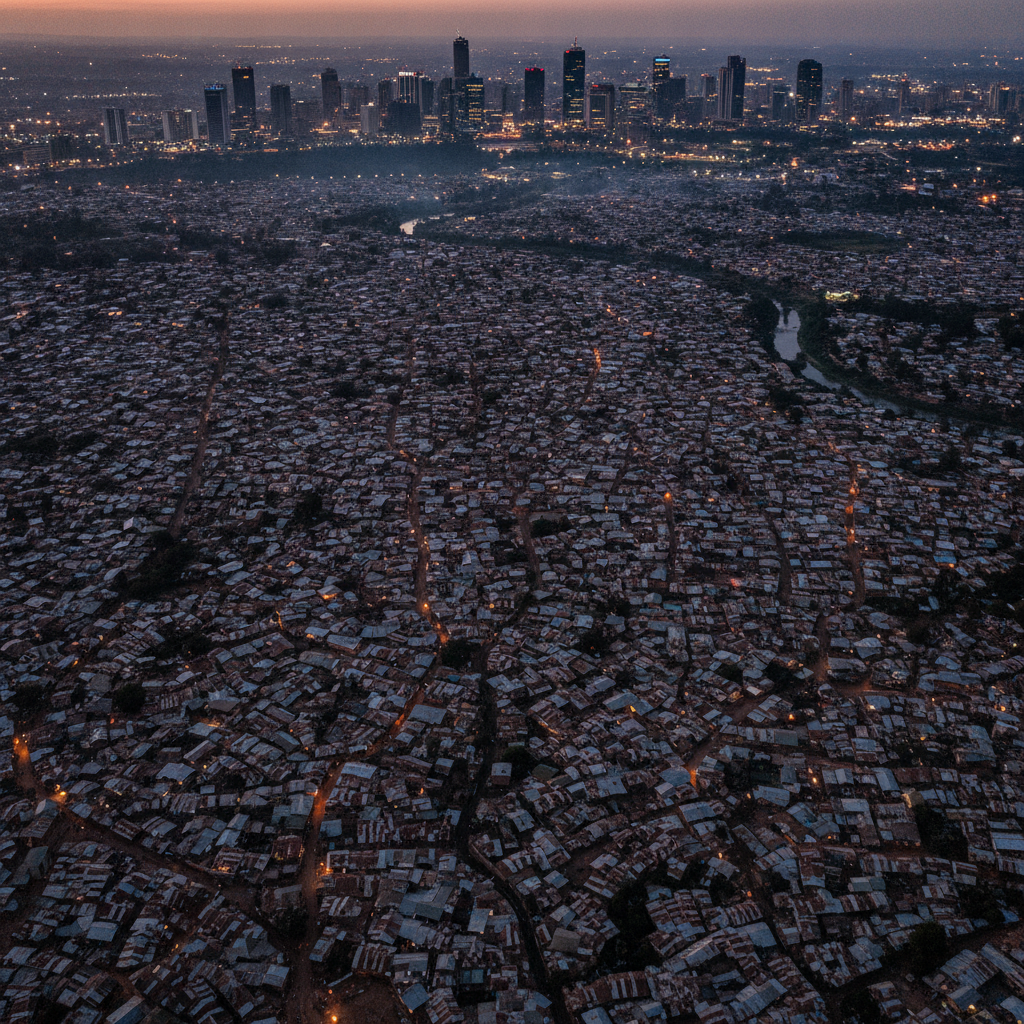
Nairobi Deep Dive: Kibera, the Maasai, Kenya History, and the Swahili Coast
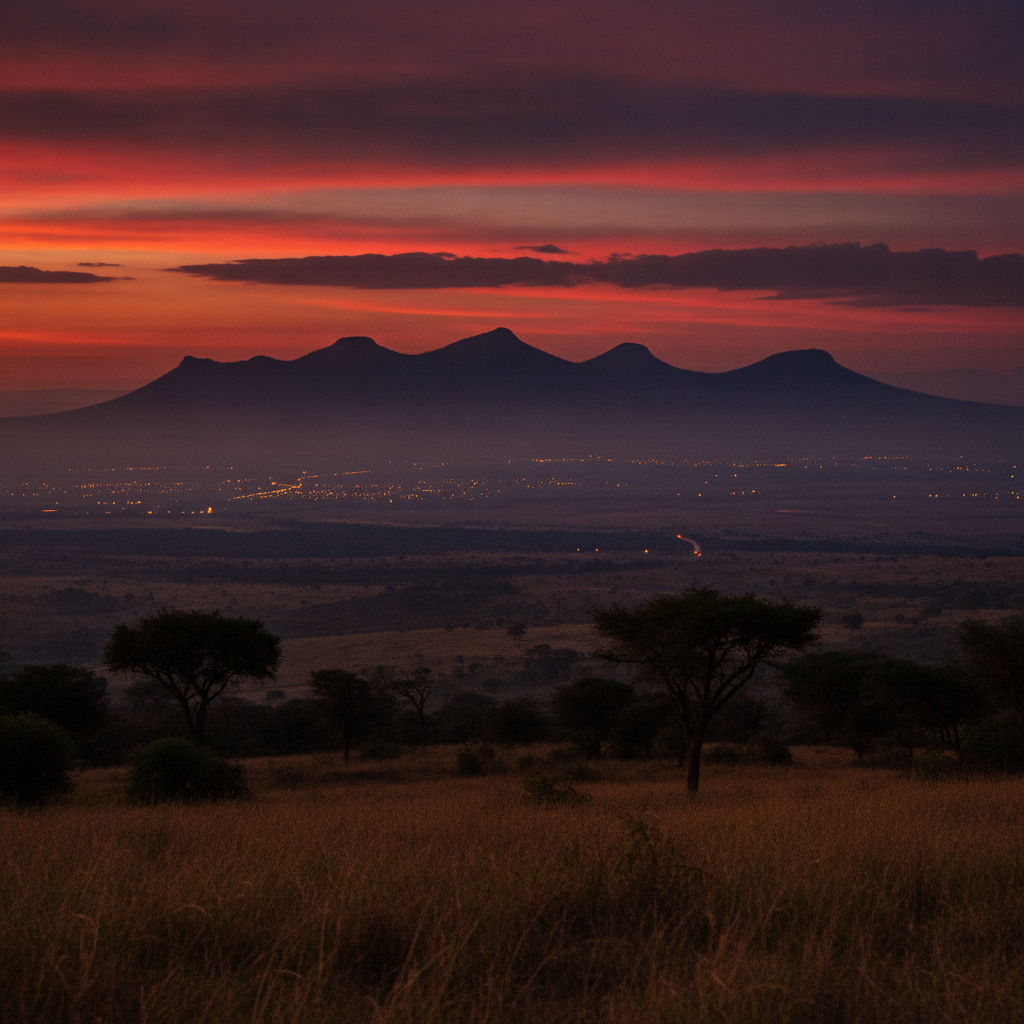
Nairobi Ultimate Reference: East Africa Capitals, Murumbi Legacy, Railway Museum, Neighborhoods, Security Context, and the Complete City Guide