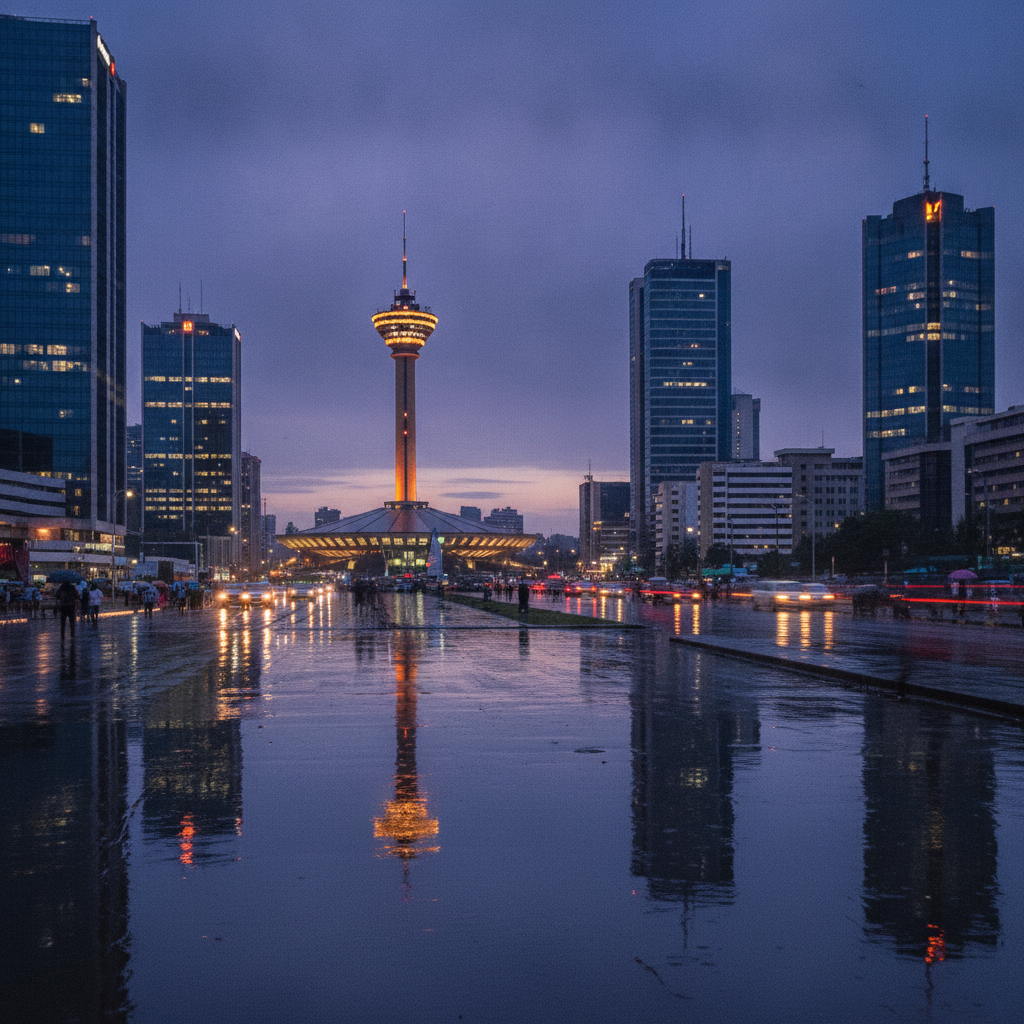
Nairobi Deep Dive: Kibera, the Maasai, Kenya History, and the Swahili Coast
Nairobi beyond the safari circuit: understanding Kibera as one of Africa most complex urban communities; the Maasai people, their age-grade warrior culture, and the land rights crisis; the Nairobi National Museum and Kenya human origins from Turkana Boy to independence; Jomo Kenyatta, the Mau Mau Uprising, and the making of modern Kenya; Lake Nakuru, Amboseli, and Mount Kenya day trips; and Nairobi coffee culture with the complete practical Kenya reference.
- 1
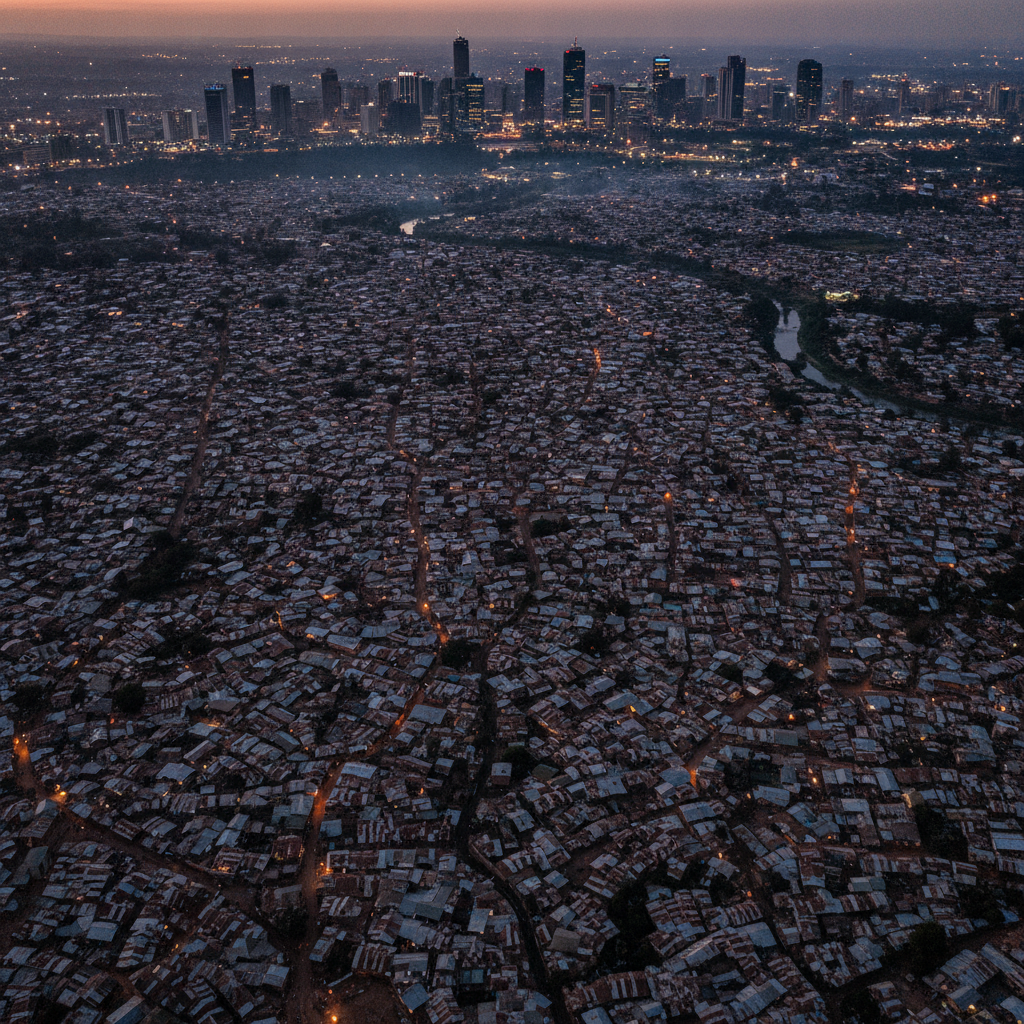
Kibera - Understanding One of Africa Most Complex Urban Communities
Kibera (the Kibera informal settlement in the Langata constituency of Nairobi): widely described as one of the largest informal urban settlements in Africa, with a population estimated between 200,000 and 700,000 depending on the methodology (the extreme variation reflects the difficulty of counting a rapidly shifting population in an unplanned settlement without fixed addresses or census registration). The history (Kibera was established originally as a settlement for Nubian soldiers (from what is now Sudan) who served in the British King African Rifles during World War One: the British granted Nubians rights to settle in the area (kibra in Nubian means forest or jungle): by independence (1963) the settlement had expanded beyond Nubian residents to include migrants from all regions of Kenya seeking employment in Nairobi: over the subsequent decades the settlement grew into its current scale as rural-urban migration accelerated). The realities (the settlement lacks formal housing titles, sewage infrastructure, and consistent water supply: this creates the conditions for disease (cholera outbreaks during heavy rains when the open drainage channels overflow) and insecurity: the informal economy within Kibera is extensive (markets, small workshops, food stalls, hair salons, schools, churches, mosques): the lack of formal land titles creates vulnerability for residents as the Nairobi County Government and private developers hold legal title to much of the land). The development context (numerous NGO and government programs have been active in Kibera: the Kenya Slum Upgrading Programme (KENSUP): the question of how to upgrade informal settlements without displacing current residents is one of the central urban policy debates in Nairobi and globally).
- 2
The Maasai People - Warriors, Pastoralists, and a Living Culture in Modern Kenya
The Maasai people: one of the most recognized and iconic indigenous peoples of East Africa, the semi-nomadic pastoralist community of southern Kenya and northern Tanzania whose distinctive culture, dress, and land tenure has come into direct conflict with wildlife conservation and modern development in Kenya. The identity (the Maasai (self-designation: Maa): a Nilotic ethnic group (Nilotic peoples: descended from Nile Valley pastoralists who migrated south into East Africa approximately 1000-1500 years ago): the Maasai speak Maa (an Eastern Nilotic language): the Maasai are divided into clans (il-ooshon) and territorial sections (iloshon): the primary sections in Kenya are the Purko, Keekonyokie, Damat, and Kapuiei Maasai around the Maasai Mara, Amboseli, and Kajiado areas). The culture (the Maasai age-grade system: the primary social organizing principle of Maasai society: the ilmuran (warriors): young men who have undergone circumcision and have not yet married form the warrior age grade: their primary traditional role was the defense of cattle herds and the community: the warriors are known for their distinctive red shuka (blanket) clothing, their ochre body decoration, their long hair (which is worn in braids during the warrior period), and their jumping dance (adumu): the enkiama (the homestead): the traditional Maasai homestead is a circular fence (enkiama) surrounding a cluster of small houses built by women from mud, dung, and sticks: cattle are kept inside the enkiama at night for protection). The cattle (cattle are the primary measure of Maasai wealth and the center of Maasai ritual life: the Maasai drink fresh cattle blood mixed with milk as a ceremonial drink: cattle are rarely killed for food except on ceremonial occasions). The land crisis (the Maasai traditionally held no concept of individual land ownership: the British colonial government imposed individual land titles on Maasai communal grazing lands: the subsequent sale of Maasai land by individuals has dramatically reduced the Maasai land base: the Maasai Mara National Reserve (1.5 million acres) was originally Maasai communal grazing land).
- 3
Nairobi National Museum - The Story of Kenya from Human Origins to Independence
The Nairobi National Museum (the Nairobi National Museum on Museum Hill, 2 km from the Nairobi CBD): Kenya primary natural history and cultural history museum and one of the most important museums in East Africa for understanding the human story and the natural history of the region. The human origins section (Kenya is one of the most important paleontological sites in the world for early human evolution: the National Museums of Kenya (the NMK: the government body responsible for all national museums and heritage sites in Kenya) has been involved in some of the most significant early human fossil discoveries in history: Richard Leakey (the son of Louis Leakey and Mary Leakey (Louis Leakey and Mary Leakey: the British-Kenyan paleoanthropologists who conducted landmark fossil excavations at Olduvai Gorge in Tanzania and at Lake Turkana in northern Kenya): Richard Leakey led the National Museums of Kenya research team that discovered Turkana Boy (Homo ergaster): a remarkably complete 1.6-million-year-old early Homo skeleton (discovered at Lake Turkana in 1984): one of the most important human evolution specimens ever found: on display at the Nairobi National Museum): the museum also displays the Homo habilis fossils from Olduvai). The natural history section (the museum has extensive collections of Kenyan fauna: the bird collection (Kenya has approximately 1,100 bird species: one of the highest bird diversities in Africa: the museum displays specimens of the most important species): the mammal collection). The cultural history section (Kenyan ethnic communities: the museum displays the material culture of the 43 officially recognized ethnic communities of Kenya: Kikuyu, Luo, Luhya, Kalenjin, Kamba, Maasai, Somali, Turkana, Samburu, and others: the Cradle of Mankind Hall): the political history (Kenyan independence 1963: Jomo Kenyatta and the founding of the Kenyan state).
- 4
Jomo Kenyatta and Kenya Independence - From Mau Mau to the First African President
Kenyan independence history: from British colonialism and the Mau Mau Uprising to the first African president Jomo Kenyatta and the founding of the Kenyan state, one of the defining political stories of post-colonial Africa. The colonial context (British East Africa: the British colonial administration of Kenya was established in 1895 with the Imperial British East Africa Company: the Uganda Railway (completed 1901) enabled European settlement of the Kenyan Highlands: the White Highlands (the fertile agricultural land in central Kenya around Nairobi, Nakuru, and Eldoret): the British colonial government alienated (seized) approximately 7 million acres of Kikuyu communal land in the Central Highlands and transferred them to European settlers: the Kikuyu were the primary ethnic community displaced by European land alienation: the Kikuyu Central Association (KCA): founded 1924 to advocate for Kikuyu land rights: Jomo Kenyatta was the secretary of the KCA). Jomo Kenyatta (born Kamau wa Ngengi: approximately 1897-1978: the first Prime Minister and then President of independent Kenya (1963-1978): educated at the London School of Economics: his anthropological study of Kikuyu culture Facing Mount Kenya (1938) was the first anthropological work by an African to be published in Britain: Kenyatta was imprisoned by the British (1952-1961) on charges of leading the Mau Mau Uprising). The Mau Mau Uprising (1952-1960): the armed Kikuyu resistance movement against British colonialism and specifically against the dispossession of Kikuyu land: the Land and Freedom Army (the Mau Mau combatants took oaths of loyalty and fought from forest bases in the Aberdare Mountains and Mount Kenya: the British response was brutal: the detention camps (particularly the Hola Camp massacre 1959: 11 Mau Mau detainees were beaten to death by British guards): approximately 12,000-20,000 Kikuyu were killed during the emergency: the British detained approximately 1.5 million Kikuyu in protected villages (the villagization program)): independence was granted on 12 December 1963.
- 5
Lake Nakuru, Amboseli, and Mount Kenya - Beyond Nairobi into the Great Rift Valley
Kenya beyond Nairobi: the three most rewarding day-trip and short-break destinations from the capital, covering the Great Rift Valley, East Africa great flamingo lake, and the sacred mountain of the Kikuyu people. Lake Nakuru National Park (approximately 160 km northwest of Nairobi: 2 hours by road: the town of Nakuru is the fourth-largest city in Kenya: Lake Nakuru National Park (188 square km): Lake Nakuru is a shallow alkaline lake (Lake Nakuru: an alkaline, saline lake with a pH of approximately 10.5: the alkalinity is ideal for the growth of the blue-green algae Arthrospira fusiformis (formerly Spirulina platensis): the algae blooms support vast flamingo flocks: historically Lake Nakuru had one of the largest flamingo concentrations on Earth (up to 2 million flamingos (lesser flamingo Phoeniconaias minor and greater flamingo Phoenicopterus roseus): the pink masses of flamingos visible from the escarpment above the lake were one of the most spectacular wildlife sights in Africa: the flamingo numbers have fluctuated dramatically due to changes in lake level (drought and rain cycles significantly affect the lake level and algae productivity): the park is also an important black and white rhino sanctuary. Amboseli National Park (approximately 240 km south of Nairobi: 4 hours by road or 45 minutes by light aircraft to Amboseli airstrip: the park (392 square km) lies at the foot of Mount Kilimanjaro (the highest peak in Africa at 5,895 meters: in Tanzania, visible from Amboseli across the Kenya-Tanzania border): Amboseli is famous for its elephant herds (African bush elephant (Loxodonta africana): the Amboseli elephant population (approximately 1,500-2,000 elephants) has been studied continuously since 1972 by Cynthia Moss and the Amboseli Elephant Research Project: one of the longest-running wildlife research projects in the world). Mount Kenya (the second-highest peak in Africa (5,199 meters (Point Batian) and 5,188 meters (Point Lenana: the trekking summit accessible without technical climbing equipment)): a UNESCO World Heritage Site: the sacred mountain of the Kikuyu (the Kikuyu creation mythology (Ngai, the Kikuyu creator god, resides at the peak of Kirinyaga (the Kikuyu name for Mount Kenya): the Kikuyu traditionally oriented their houses and prayers toward the mountain).
- 6
Nairobi Coffee Culture, Swahili Coast Connection, and Complete Kenya Reference
The Nairobi coffee culture, the Swahili Coast connection (Mombasa and the Indian Ocean heritage), Kenyan identity, and a complete practical reference for planning a Kenya trip with Nairobi as the hub. Nairobi coffee culture (Kenya is one of the world great coffee-producing countries: Kenyan coffee (Coffea arabica grown in the Central Highlands at high altitude: the primary growing regions are Nyeri, Kirinyaga, Murang and Kiambu: the Kenyan AA grade (the largest bean grade) is considered among the finest coffees in the world: flavor profile (bright acidity, full body, blackcurrant and dark fruit notes, complex aromatics): the Nairobi specialty coffee scene has developed significantly: the Karen suburb has several excellent specialty coffee roasters and cafes: Java House (the largest coffee chain in East Africa: founded in Nairobi in 1999): the Dormans coffee chain: the Nairobi coffee market (the Nairobi Coffee Exchange (NCE) at Wakulima House in the Nairobi CBD: the weekly auction (every Tuesday) where Kenyan coffee is sold in a competitive bidding system: buyers include international roasters who pay significant premiums for top-grade Kenyan coffee). The Swahili Coast (the Kenyan coast: Mombasa (the second-largest city of Kenya: 480 km from Nairobi: 6 hours by road or 1 hour by flight): the Swahili culture of the Kenyan coast is a unique blend of African Bantu culture, Arab Islamic culture, and Indian Ocean trading heritage: the Old Town of Mombasa (a UNESCO Tentative List site): Fort Jesus (built by the Portuguese 1593-1596: UNESCO World Heritage Site): the coral rag architecture of the Swahili town houses (carved wooden doors, narrow streets, coral stone walls): the Lamu Archipelago (a UNESCO World Heritage Site: 340 km north of Mombasa: the best-preserved Swahili town in East Africa): the Kenyan coast beaches (Diani Beach south of Mombasa: white sand, warm Indian Ocean water, snorkeling on the coral reef: one of the best beach destinations in Africa). The complete Kenya reference (visa (Kenya has an electronic travel authorization (ETA) system for most nationalities: apply online at etakenya.go.ke: cost approximately USD 30: approved within 3 business days): currency (Kenyan Shilling (KES): USD 1 approximately KES 130): climate (Kenya straddles the equator: two rainy seasons (the long rains (masika) April-June and the short rains (mvuli) October-December): the best safari season is the dry season (January-February and July-September): Nairobi at 1,650-1,800m is pleasantly temperate year-round (average high 24 degrees C): the coast is hot and humid year-round).
Walk this route with audio
Stories play automatically as you reach each stop — no tapping needed.
More in Nairobi
Nairobi Deeper: Rift Valley Evolution, Northern Kenya, Conservation, Runner Nation, and Silicon Savannah
Nairobi Legacy: Wangari Maathai, Arts Scene, Africa Hub Comparison, Safari Planning, and the Complete Legacy
Nairobi Ultimate Reference: East Africa Capitals, Murumbi Legacy, Railway Museum, Neighborhoods, Security Context, and the Complete City Guide
Nairobi: The Safari Capital - National Park in the City, Maasai Mara, and Out of Africa