Mykonos Practical Guide — When to Visit, Transport, Accommodation & Photography
Mykonos receives approximately 1.5 million visitors per year on an island of 85km squared. The combination of the 3-5 daily cruise ship calls (each discharging 2,000-6,000 passengers for 6-8 hours), the airport receiving direct flights from 40 European cities in summer, and the ferry connections from Athens and the other Cycladic islands creates a logistics challenge that is entirely manageable with the correct preparation.
- 1
When to Visit — May, June or September
July and August on Mykonos: the Chora lanes are impassable at noon (shoulder-to-shoulder crowds on the 1m-wide passages), the taxi queue at 1am for Paradise Beach clubs runs 45-60 minutes, and accommodation at any level requires booking 3-6 months in advance at 3-4x the shoulder-season rates. The correct visiting months: May-June (the wildflower season on the island's rocky plateau, the Chora architecture visible without the crowd density, the sea warming to 20-22 degrees by mid-June, the beach clubs open but not at peak capacity — the correct window for the full Mykonos experience at 50-60 percent of the July price), September (the hottest sea temperatures of the year at 25-26 degrees, the crowd reducing from mid-September as the European school year begins, the restaurant quality improving as the tourist volume reduces, the Delos ferry still running daily through late October). October-April: the island at its most local and least expensive (€60-120/night for hotels that charge €400-800 in July), the Chora permanently uncrowded, the Delos ferry on a reduced schedule.
- 2
Access — Athens Connections and the Ferry
Mykonos access options: flight from Athens (50 minutes, €30-80 one-way on Olympic or Aegean, 8-10 flights daily in summer, the Mykonos Airport 4km southeast of Chora — bus service to Chora €2, taxi €10), SeaJets fast ferry from Athens Piraeus (2.5-3 hours, €45-75, 2-3 services daily in summer), Blue Star conventional ferry from Athens Piraeus (5-6 hours, €25-35, overnight services possible). Island-hopping to/from Santorini: fast catamaran (2-2.5 hours, €55-75, 1-2 services daily in summer), conventional ferry (3-4 hours, €25-35). The ferry ports: all ferries arrive at the New Port of Mykonos (1km north of Chora, walking distance or €7 taxi), the smaller Old Port (in the town) used only by the Delos ferry and inter-island water taxis. The main practical warning: in Beaufort 6-7 meltemi conditions (common in July-August), fast catamarans cancel without notice — always have a conventional ferry backup booking in July-August.
- 3
Island Transport — Taxis and the ATM Problem
Mykonos taxis (the most expensive in Greece, the rates fixed by the prefecture at approximately €5-8 for the first 2km and €1.5-2 per km thereafter — the Chora to Paradise Beach at €18-25 during the day, €25-35 at night, the Chora to the airport at €10-15, the Chora to Ano Mera at €15-20) are the primary transport for beach and nightlife circuits. The taxi shortage (the island has approximately 40-50 licensed taxis serving 40,000+ visitors per day in peak season — the taxi queue in Chora during the 2am nightlife exodus regularly reaching 45-60 minutes, the drivers knowing the situation and sometimes refusing short trips, the €5-7 cash tip for prompt service during peak hours an accepted practice) makes advance planning necessary. The bus network (KTEL Mykonos, the Fabrika bus station south of Chora connecting to the south beaches every 15-20 minutes, the North Station connecting to Tourlos and Agios Stefanos, €2 per journey flat rate, €4 day pass) is the budget alternative for the main beach routes. Rental vehicles: ATV/scooters (€25-40/day) for flexibility to all 25 beaches; cars (€50-80/day) for the full family circuit.
- 4
Accommodation — the Neighbourhoods and Price Levels
Mykonos accommodation at the correct levels and locations: Chora old town (the cave hotels and boutique guesthouses within the labyrinth, the walking distance to all Chora dining and bars, the prices in July-August at €250-600/night for a double room, the noise from the nearby bars audible until 3-4am — earplugs essential for rooms on or near Matoyianni Street), Ornos and Platis Gialos (the south coast villages 4-5km from Chora, the beach hotels at €150-350/night in season, bus and water taxi access to the beaches and Chora, the quieter and more practical base for families and beach-focused visitors), the super-luxury pool villas (the hillside villa hotels above Chora and the south coast — the Cavo Tagoo, Bill & Coo, Santa Marina Mykonos at €600-3,000/night in season, the infinity pools and private terrace positions the defining product). The practical budget (non-luxury) option: Ano Mera (the inland village, the 3-4 small hotels at €80-150/night in season, 8km from the beaches but bus connected, the quietest nights on the island).
- 5
Photography — the Chora Light and the Correct Hours
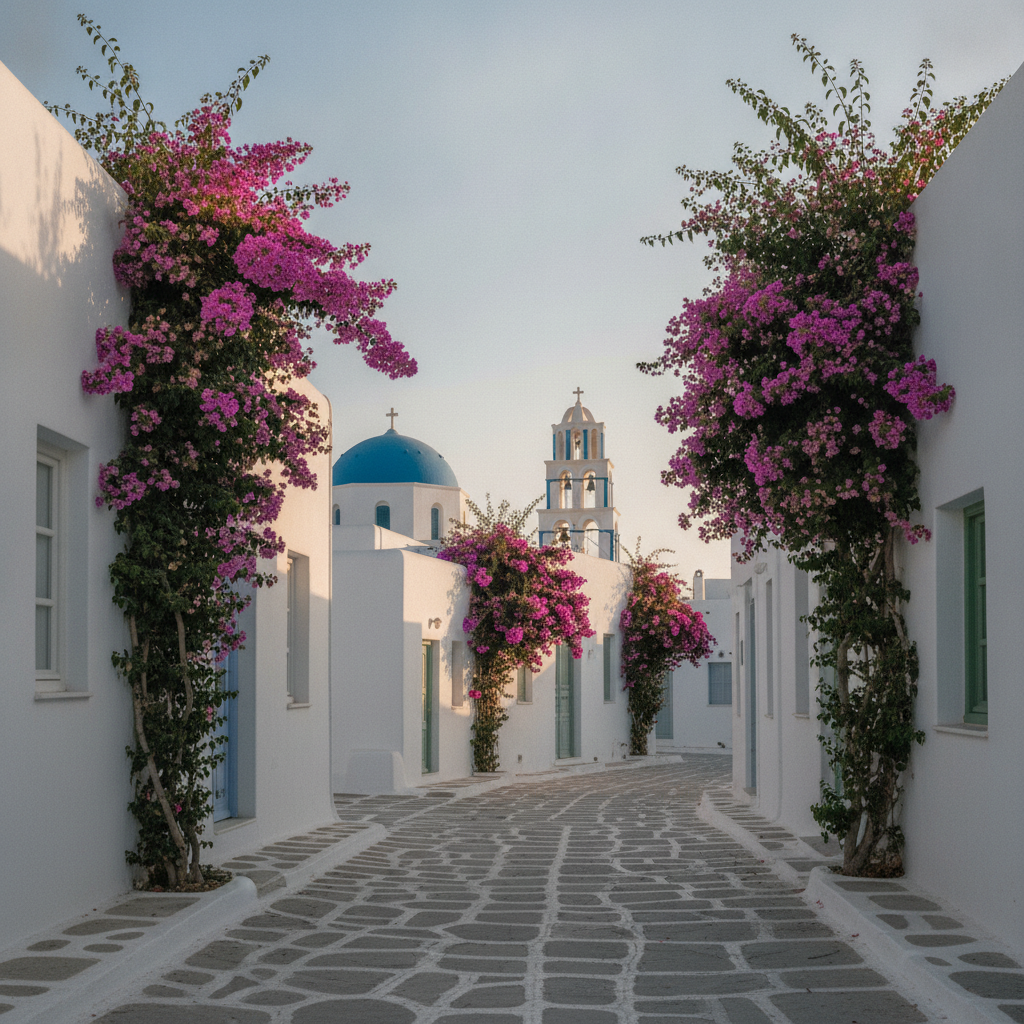
Photography in Mykonos Chora requires timing precision because the narrow lanes are lit correctly only at specific hours and the tourist density makes candid architecture photography impossible from 10am to 6pm in peak season. The essential photography sessions: dawn (6-7am in July, the Chora lanes completely empty, the light from the east catching the white walls at the optimal 45-degree angle, the bougainvillea visible against the white without the crowd shadow problem, the pelican at the fishing harbour at its most accessible), sunset from Little Venice (the 45 minutes before sunset, arriving at 7:30-8pm in July for an 8:15-8:30pm sunset, the western-facing balconies catching the direct sunset light over the Aegean), the windmills from the Little Venice balcony level (the correct angle is from the water-facing terrace of the second-level bar looking northeast at the mills, best with the afternoon light from 4-6pm). The Paraportiani church exterior is at its most photogenic in the 6-8am window — the same light that catches the adjacent Little Venice balconies catches the church's rounded white surfaces, the whole architectural ensemble at the edge of the Kastro visible without the tour group crowds.
- 6
Cruise Ship Days — Managing the Day-Tripper Influx
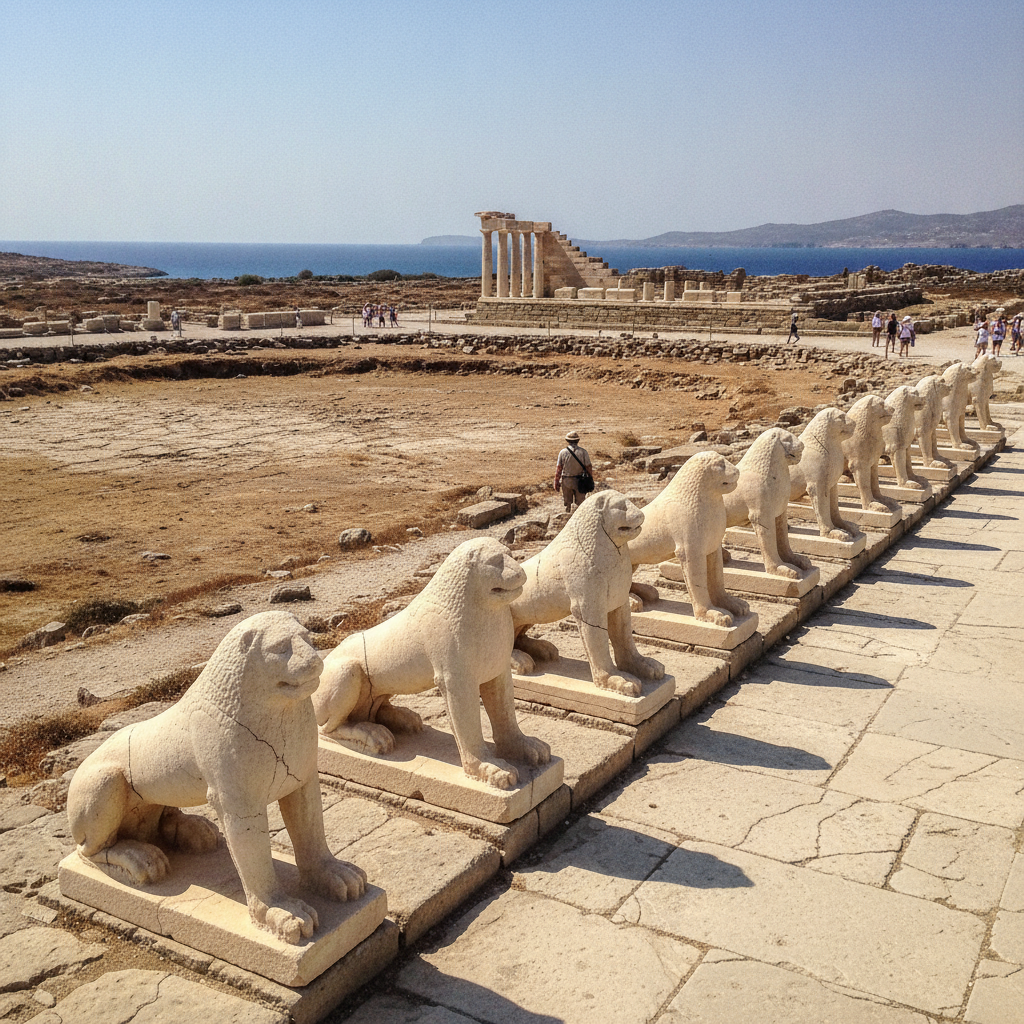
Mykonos receives 500-700 cruise ship calls per year, concentrated between April and October, with the ships docking at the Chora port tender area from 8am and the passengers returning to the ship by 4-5pm. The daily cruise schedule is published at the Mykonos Port Authority and on cruisemapper.com — checking the 3-5 day schedule before arrival is the most effective single logistics action available to an independent visitor. On a 3-ship day (15,000-20,000 cruise passengers) the correct strategy: the Chora labyrinth from 8am to 10am before the tender boats begin shuttling passengers to shore, Delos (counter-intuitively the best place to be on a 3-ship day — cruise passengers rarely do the Delos excursion, which requires 4 hours and a separate boat, so the archaeological site is actually quieter on high-cruise days), and the south coast beaches (the cruise passengers with 6-8 hours ashore focus entirely on Chora, so Paradise and Elia beaches are unaffected by cruise day density).
Walk this route with audio
Stories play automatically as you reach each stop — no tapping needed.
More in mykonos
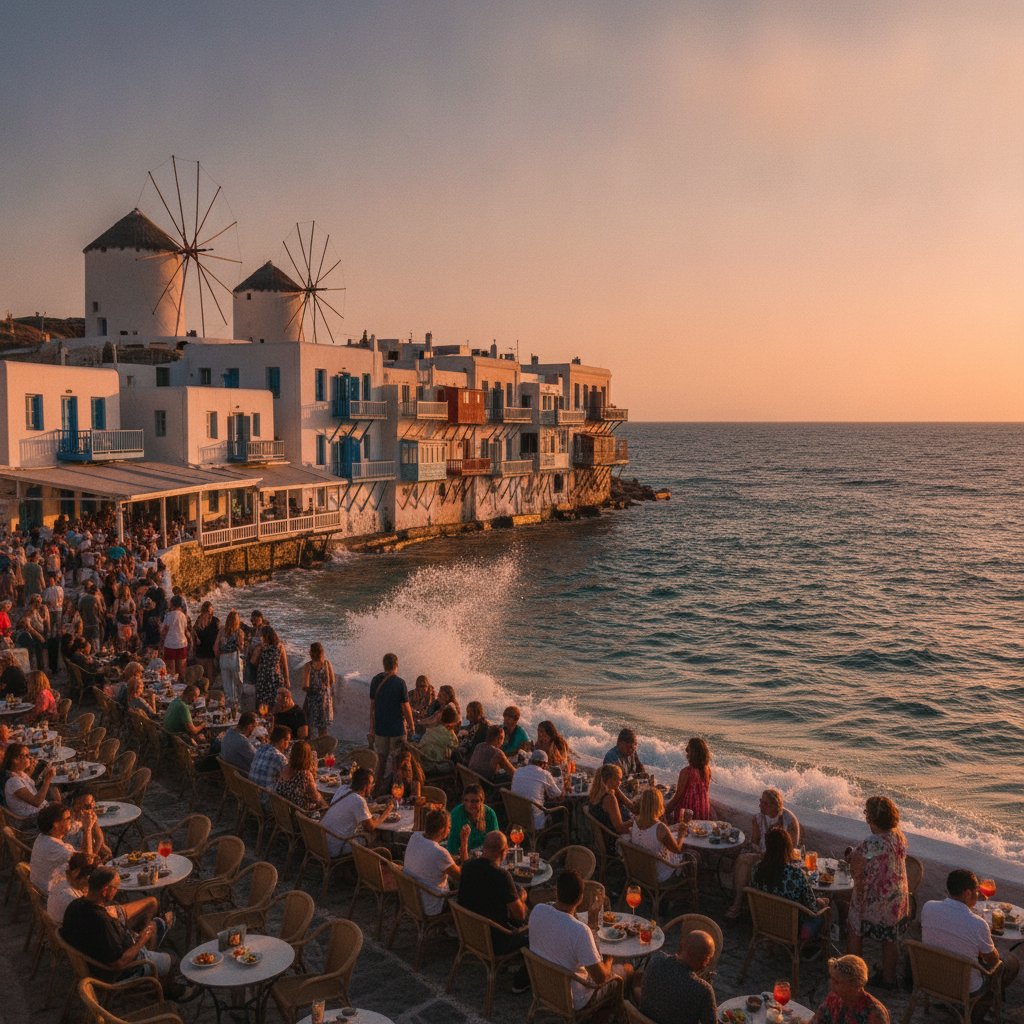
Mykonos Chora — Little Venice, the Windmills & the Labyrinth of the Old Town
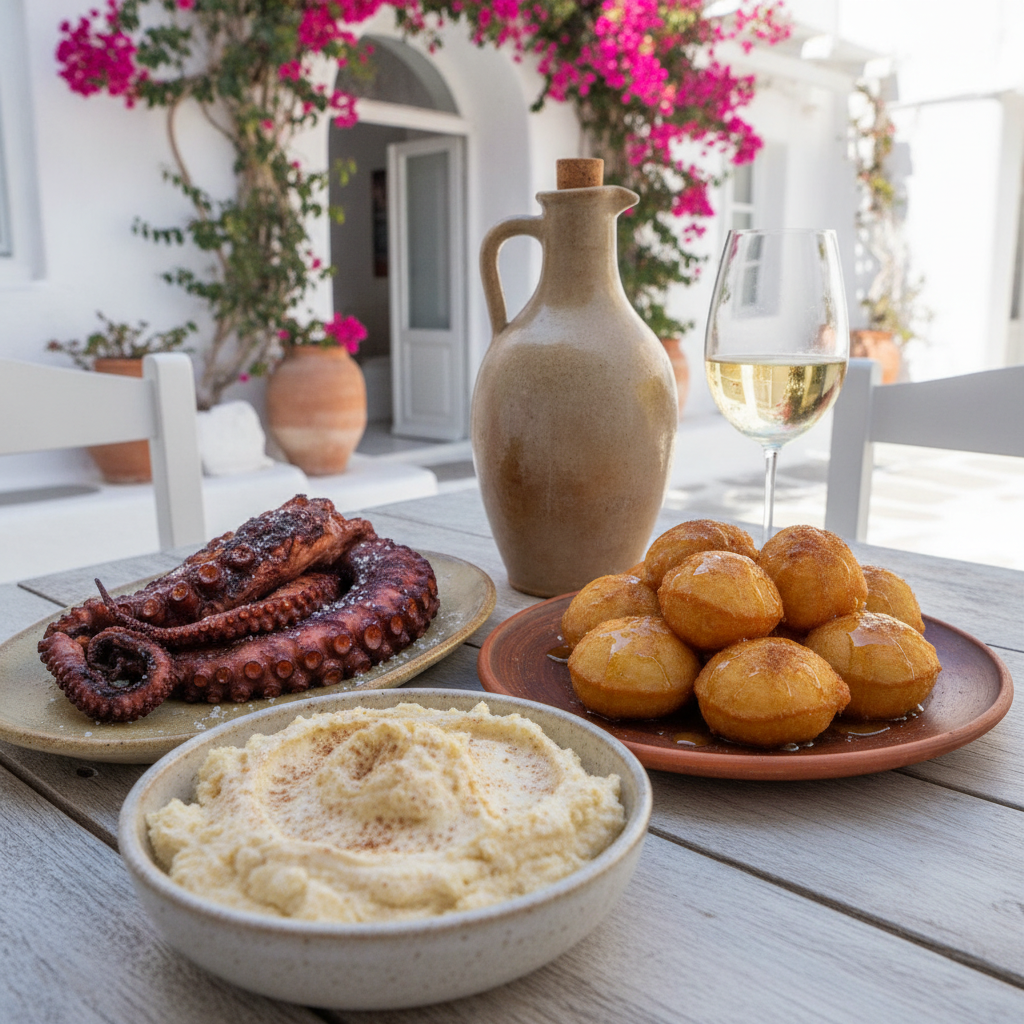
Mykonos Food — Kopanisti, Loukoumades & the Local Taverna Tradition
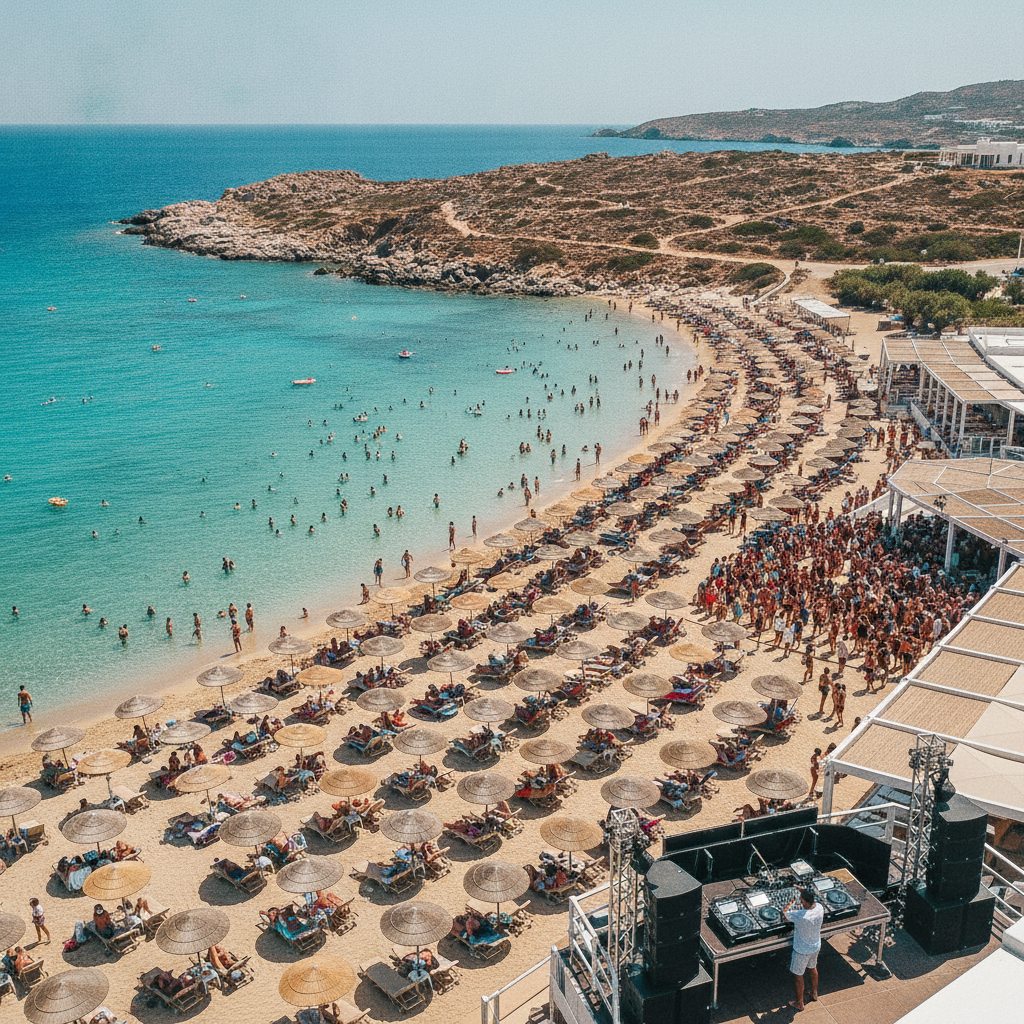
Mykonos Beaches — Paradise, Super Paradise, Elia & the Beach Club Circuit
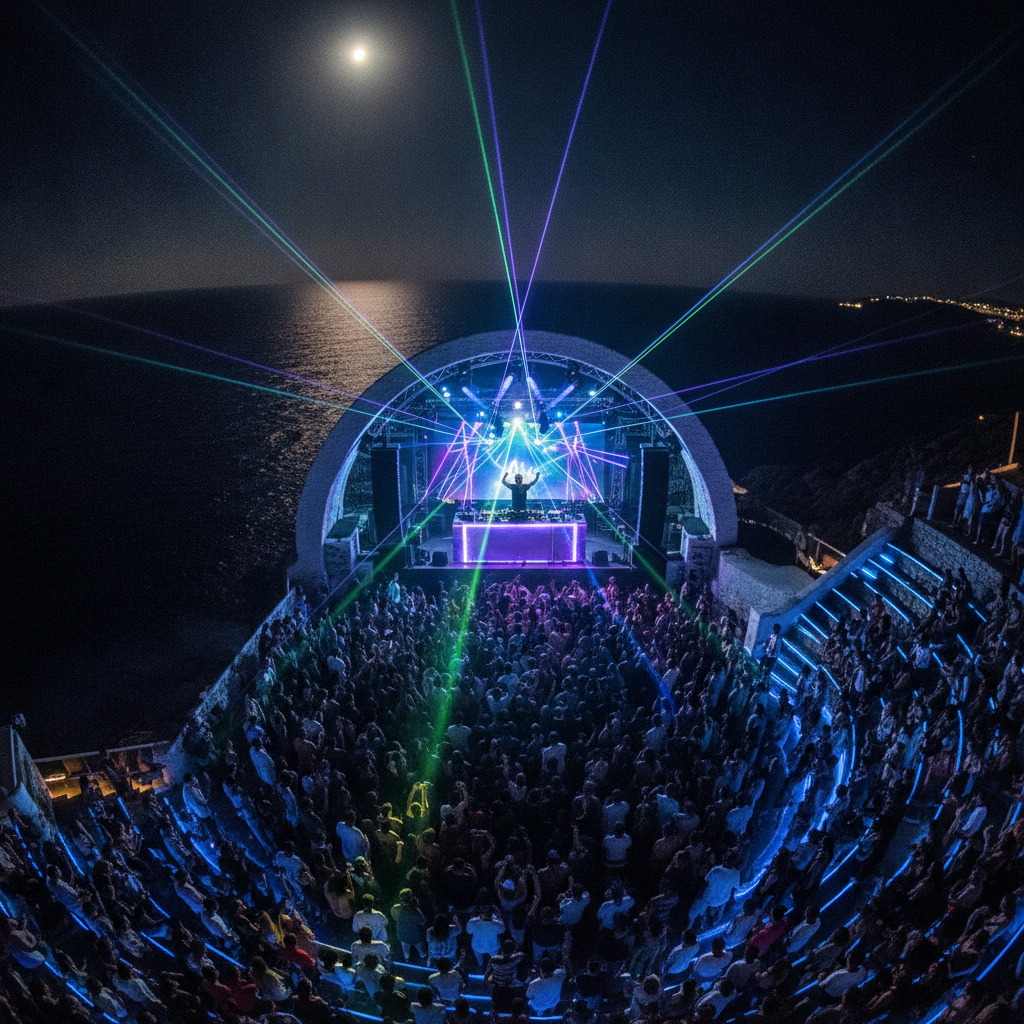
Mykonos Nightlife — Cavo Paradiso, Scorpios, the Chora Bar Circuit & Gay Mykonos