Oman from Muscat: Wahiba Desert Dunes, Nizwa's Livestock Market & Musandam's Arabian Fjords
Radiate from Muscat across Oman's extraordinary landscapes—overnight in a Bedouin camp on 200-metre orange Wahiba dunes, swim in Wadi Bani Khalid's year-round turquoise pools, browse Nizwa's Friday livestock market (most atmospheric in Arabia), drive to the 2,000-metre Jebel Akhdar rose plateau where Damask roses are still distilled into water, and take a dhow through the Musandam fjords above the Strait of Hormuz.
- 1
Wahiba Sands – The Classic Omani Desert
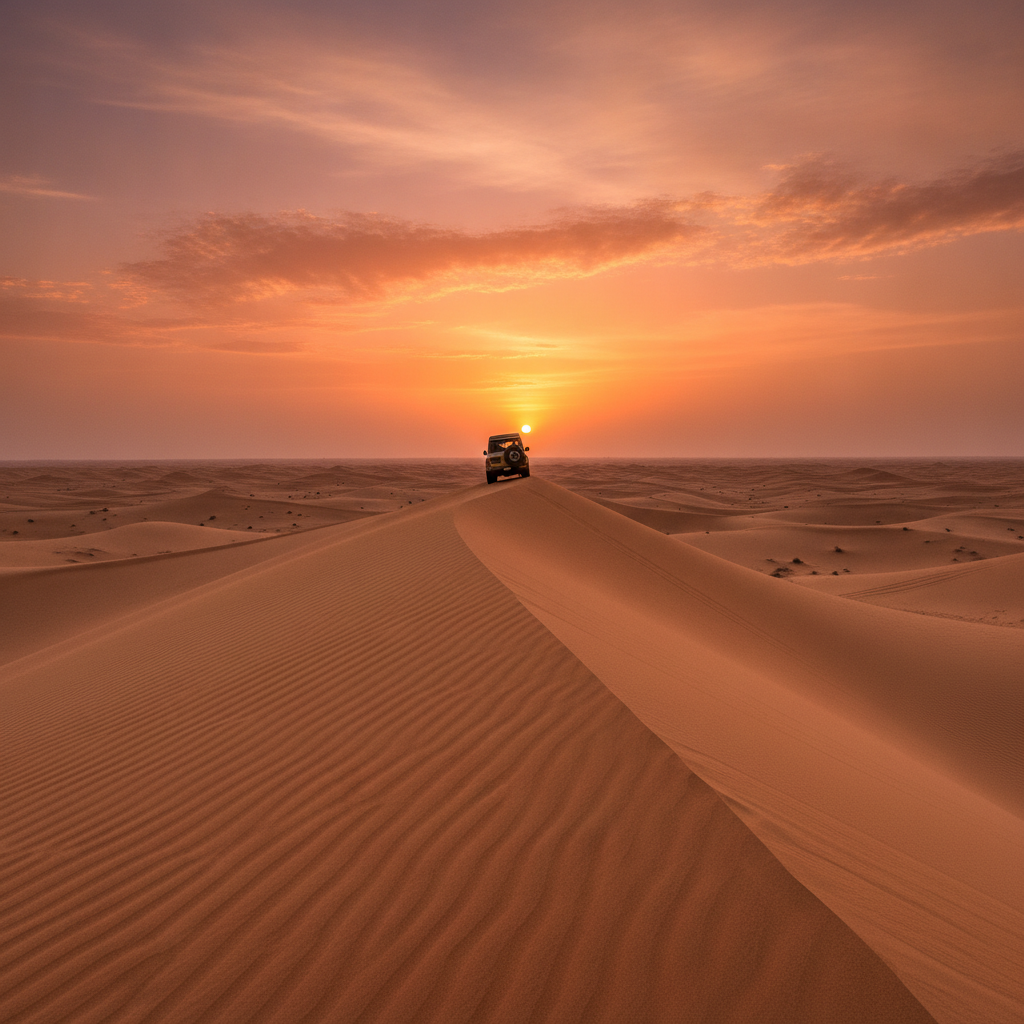
The Wahiba Sands (Sharqiya Sands), 200 km south of Muscat, is Oman's most accessible desert—a 12,500 km² sea of orange-red sand dunes rising to 200 metres, inhabited by the Wahiba Bedouin tribe. The classic overnight experience (4WD transfer, dune bashing, sunset on the high dunes, Bedouin camp dinner, sunrise over the sands) is available from camps including 1000 Nights Camp and Desert Nights Camp. Camel rides, sand boarding, and stargazing in the unpolluted desert sky are the main activities.
- 2
Wadi Bani Khalid & the Wadi Swimming Holes
Wadi Bani Khalid, 230 km south of Muscat, is the most beautiful of Oman's wadis—a perennial (year-round water, unlike most wadis) canyon of turquoise pools shaded by date palms and white limestone walls. Swimming in the wadi's cold, clear pools is possible year-round; the water comes from underground springs fed by the Hajar Mountains. The wadi is accessible year-round (avoiding flash floods in summer monsoon); the adjacent Wadi Bani Khalid village serves traditional Omani food and coffee to visitors.
- 3
Nizwa – The Ancient Omani Capital
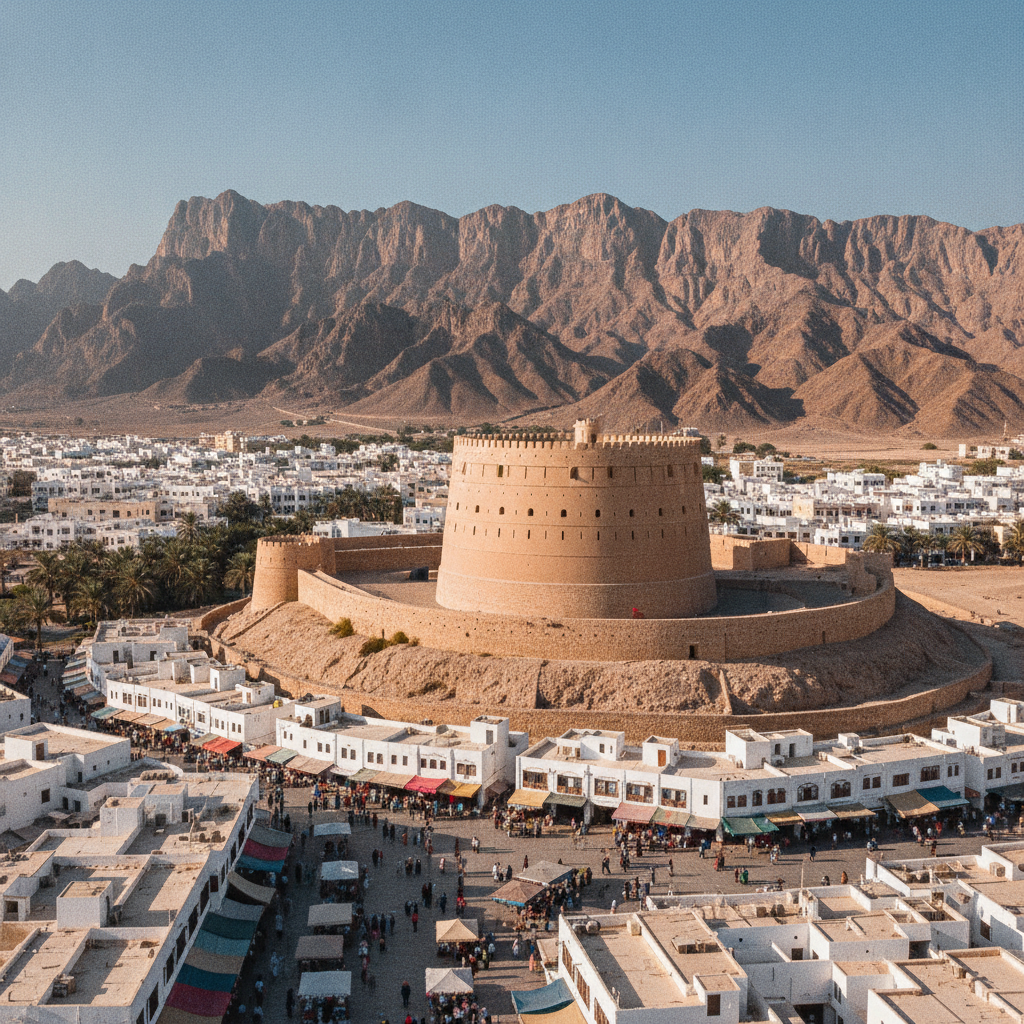
Nizwa, 160 km southwest of Muscat, was Oman's cultural capital for centuries and remains the most important inland city. The Nizwa Fort (17th century, restored)—its massive cylindrical tower the largest in Arabia—overlooks the palm groves and the Friday livestock market (the most atmospheric traditional market in Oman). Nizwa's silver souk is the best in Oman for traditional Omani jewellery; the surrounding Hajar Mountains are the setting for some of Oman's most spectacular mountain driving (the Jebel Akhdar 'Green Mountain' plateau at 2,000 metres has rose water production and pomegranate orchards).
- 4
Jebel Akhdar & the Green Mountain Rose Water
Jebel Akhdar ('Green Mountain'), reached by a dramatic 4WD-required mountain road from Nizwa, is a plateau at 2,000 metres covered in rose gardens, pomegranate orchards, and ancient terraced agriculture. The Damask roses of Jebel Akhdar are harvested each April for traditional rose water distillation—a practice unchanged for centuries. The plateau's villages (Birkat al-Mawz, Al-Ayn) are built directly into the cliff edges; the Anantara Al Jabal Al Akhdar Resort overhangs a 1,000-metre gorge—one of the world's most dramatic luxury hotel settings.
- 5
The Musandam Peninsula – Oman's Fjords
The Musandam Peninsula—an Omani exclave separated from the rest of Oman by UAE territory, at the tip of the Arabian Peninsula overlooking the Strait of Hormuz—is Oman's most dramatic landscape. The coast consists of khors (fjords) cut into the Hajar Mountains, navigable by the traditional wooden dhow boats of the local Shihuh people. Khasab is the main town; from here traditional dhow cruises explore the khors past soaring cliffs, dolphin pods, and deserted coves. Access requires a separate Oman visa or UAE-Oman combined permit.
- 6
Salalah & the Dhofar Khareef – Oman's Monsoon Season
Salalah, Oman's second city (1,000 km south of Muscat), transforms during the Khareef (monsoon, July–September) into a green paradise unusual in the Arabian Peninsula—cool mists, waterfalls, and lush vegetation on the Dhofar mountains contrast dramatically with the surrounding Arabian desert. The Khareef season attracts Gulf tourists in summer (when the north is unbearably hot) and includes the Salalah Tourism Festival. Salalah is also the historical source of Oman's finest frankincense—the Dhofar region's Hojari frankincense is the rarest grade traded since antiquity.
Walk this route with audio
Stories play automatically as you reach each stop — no tapping needed.
More in Muscat
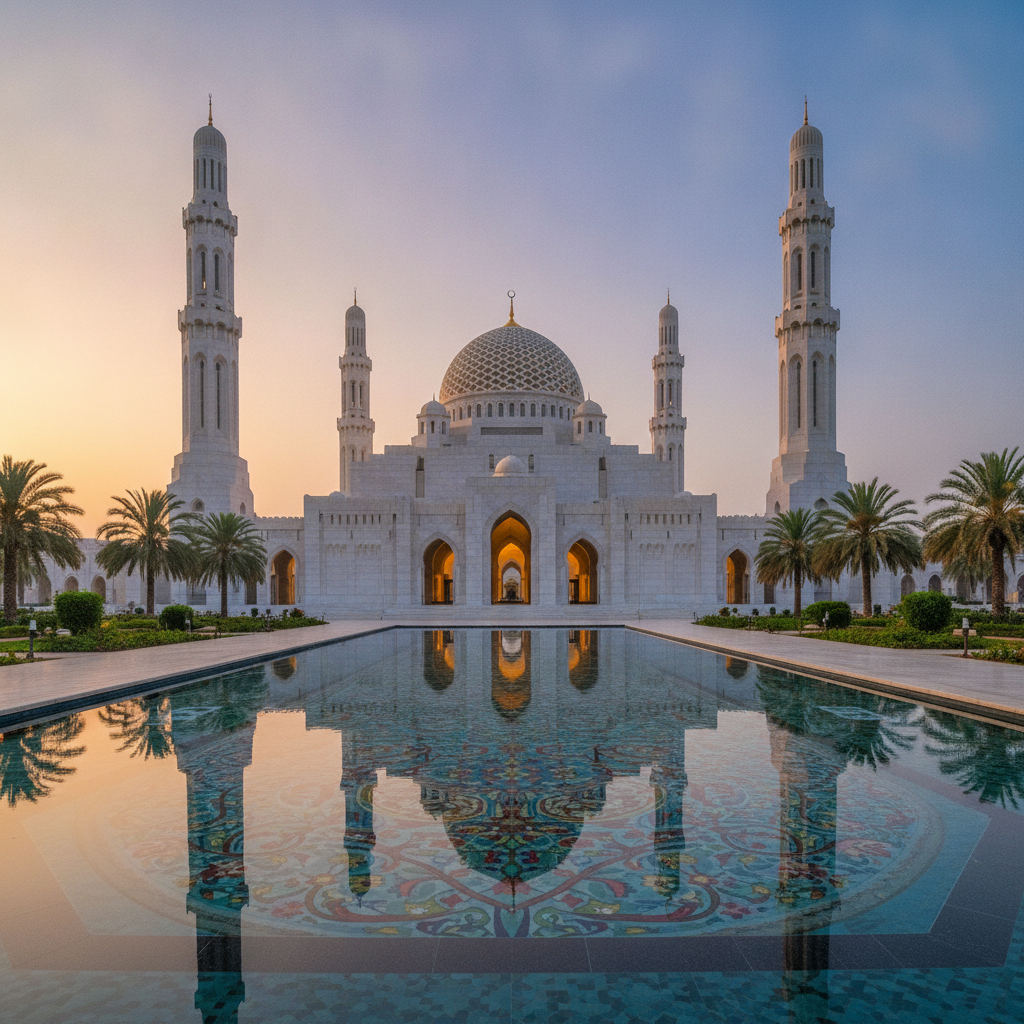
Muscat Essentials: Grand Mosque, Mutrah Souq & the Arab World's Premier Opera House
Muscat Context: Ibadi Islam's Diplomatic Moderation, Muscat vs Dubai & Vision 2040
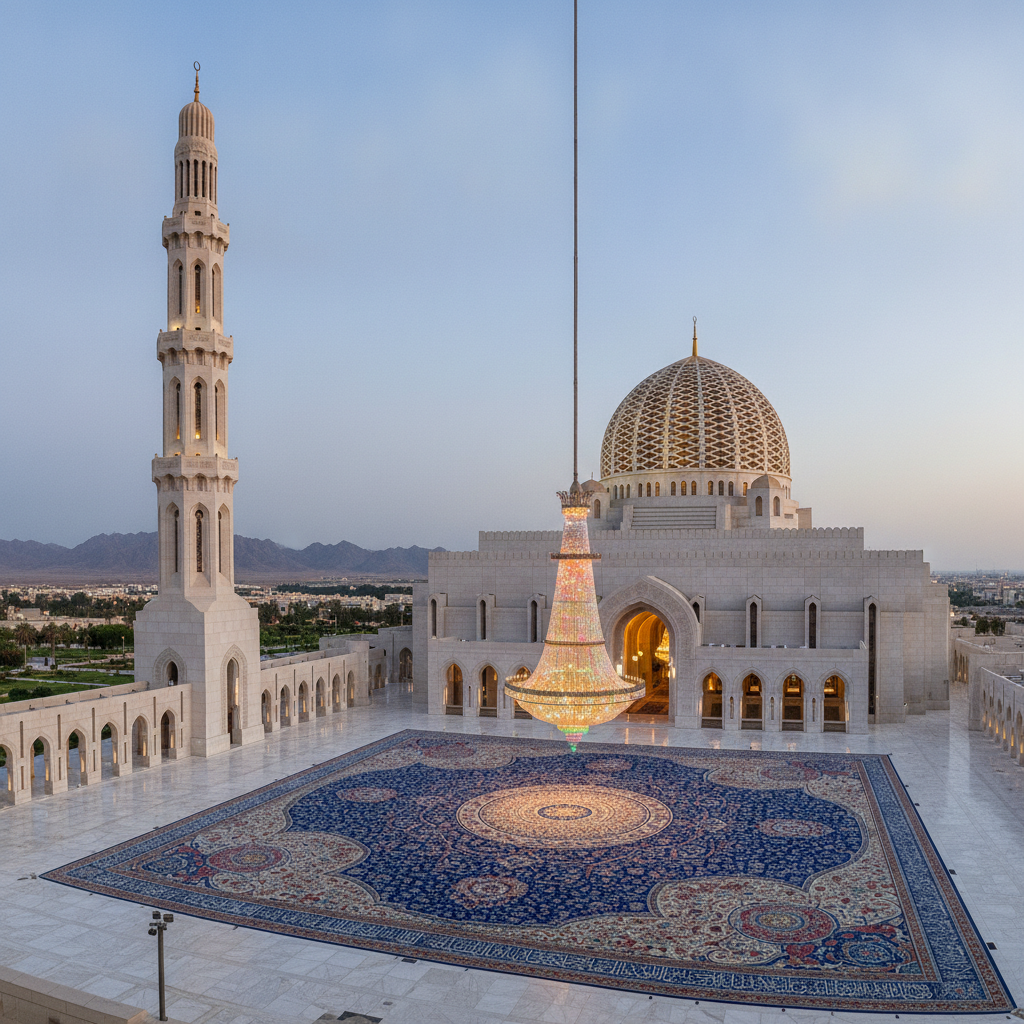
Muscat Essential: The Sultan Qaboos Grand Mosque, the Mutrah Souq, the Muttrah Corniche, the Royal Opera House, and the Most Architecturally Elegant Single Gulf Capital
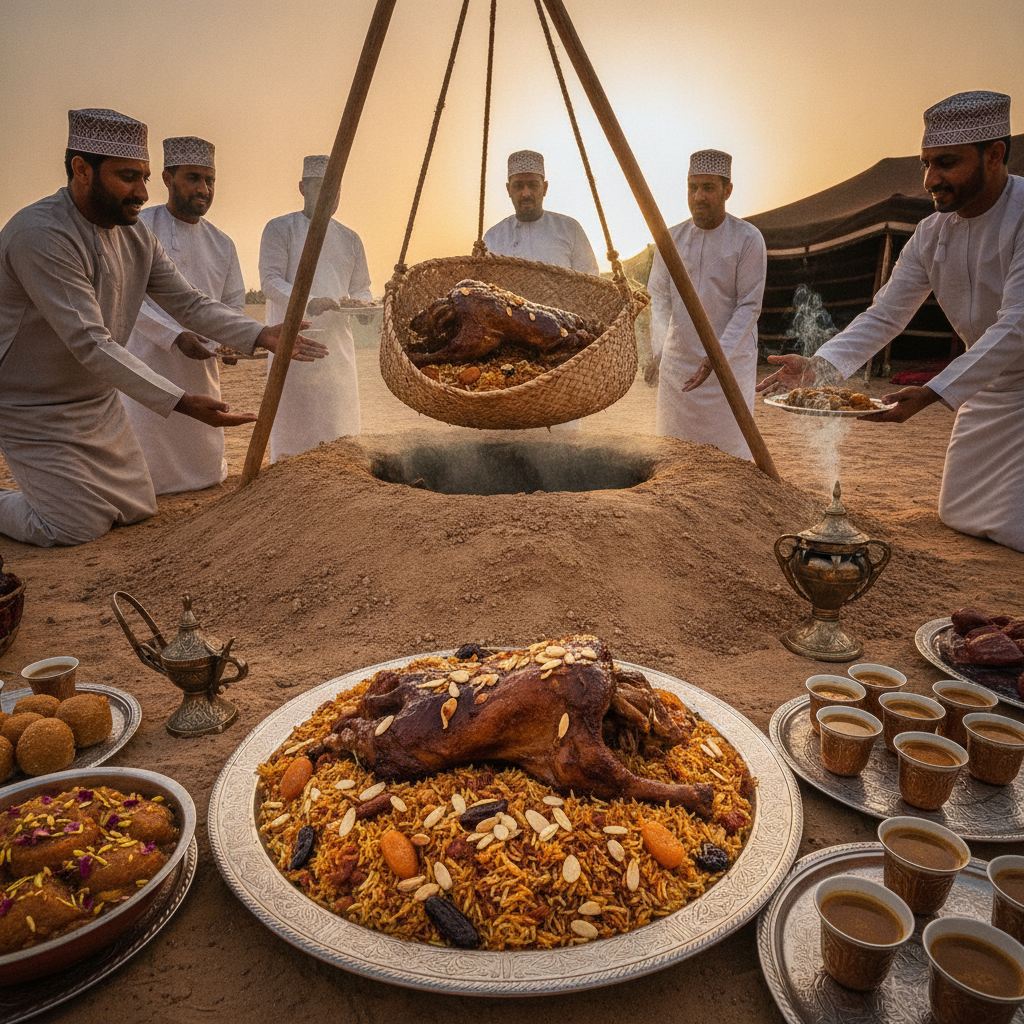
Muscat Food: The Shuwa Underground Lamb, the Omani Halwa, the Frankincense Coffee, the Mutrah Fish Market, and the Most Hospitably Generous Single Gulf Food Culture
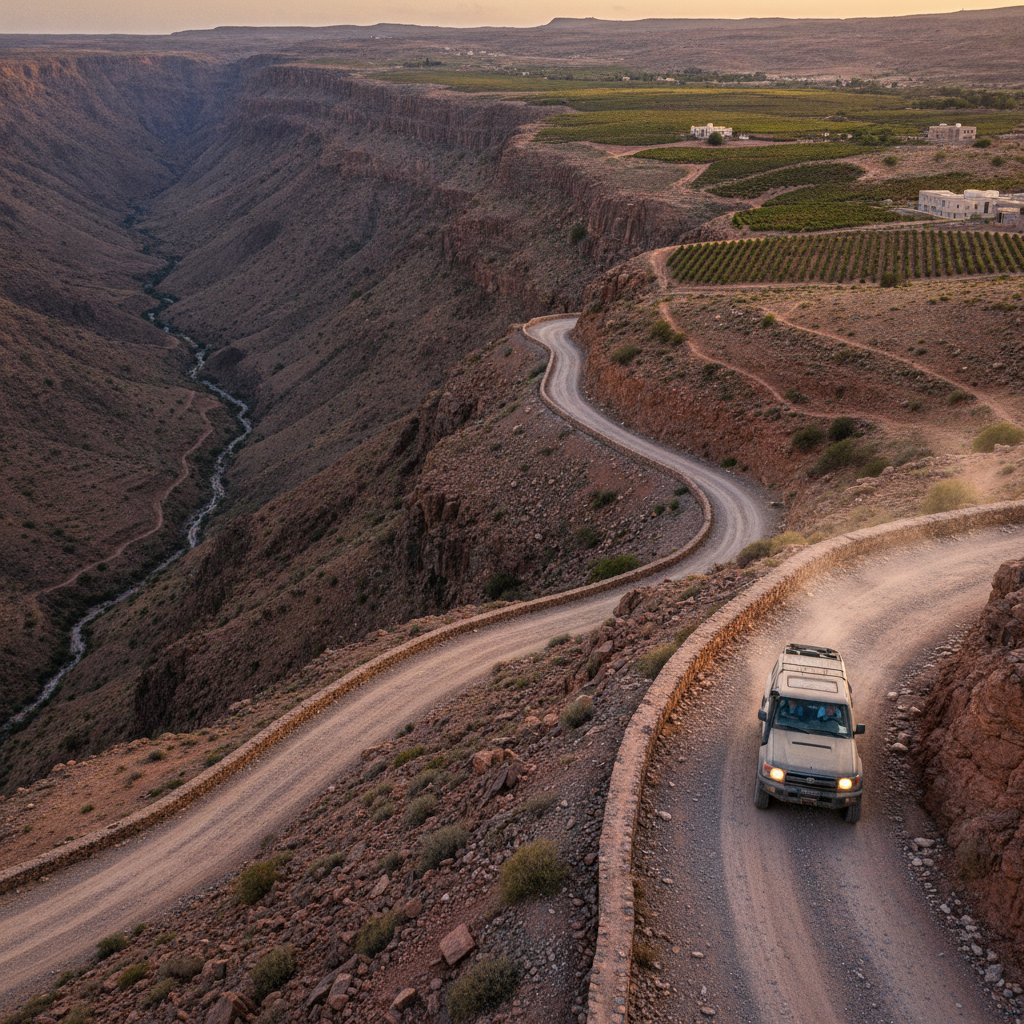
Muscat's Deep History: Portuguese Forts, the Omani Zanzibar Empire & the Jebel Akhdar Mountain Drive