Muscat Outdoors: Wadi Shab's Hidden Cave Pool, Dolphin Pods & World-Class Limestone Climbing
Experience Oman's extraordinary outdoor offer—wade through Wadi Shab's canyon to a cave waterfall pool accessible only on foot and by small boat, swim in the Bimmah Sinkhole's turquoise limestone crater, encounter 500-dolphin pods on morning boat trips from Muscat Marina, watch green sea turtles nesting at the Indian Ocean's largest turtle beach, and climb unknown-internationally limestone routes in the Hajar Mountains.
- 1
Wadi Shab – The Hidden Green Valley
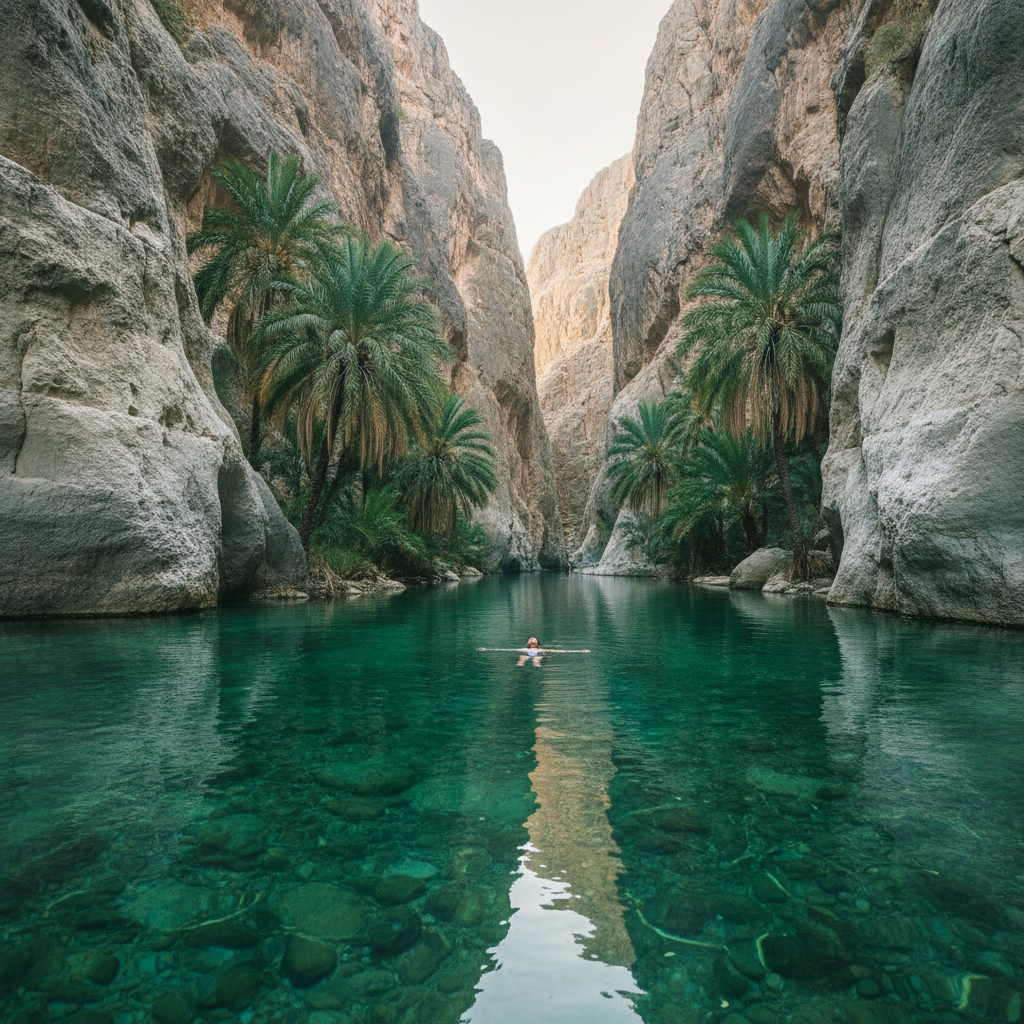
Wadi Shab, 140 km south of Muscat, is the most dramatically beautiful wadi in northern Oman—a canyon of towering limestone walls with a series of emerald swimming pools accessible only on foot and by small boat across the wadi entrance. The 3 km walk through the canyon (1.5 hours each way) passes through date palm groves, waterfall cascades, and natural pools before reaching the final cave pool with a waterfall inside. The walk requires wading; the cave pool's cold turquoise water is one of Oman's great rewards.
- 2
Bimmah Sinkhole – The Mysterious Lagoon
The Bimmah Sinkhole (Hawiyat Najm, 'Shooting Star Crater')—100 km south of Muscat—is a 40-metre-diameter, 20-metre-deep natural sinkhole filled with turquoise water, open for swimming. The sinkhole is formed by the collapse of underground limestone cave systems; the water is a mix of fresh spring water and sea water (the ocean is 250 metres away). A local legend holds that a shooting star created the crater; geologists date the collapse to within the last few thousand years. Entry is free; the sinkhole is now within a landscaped park.
- 3
Qantab Beach & Muscat's Swimming Beaches
Muscat's beaches are clean, uncrowded, and swim-accessible year-round (October–May optimal). Qantab Beach (15 km south of the city centre) is a sheltered cove popular with snorkellers; Bandar Khayran (30 km south) is a fleet of coves accessible by kayak or boat charter with excellent snorkelling above coral reefs. The beaches around the Al Sawadi Beach Resort (80 km northwest of Muscat) are famous for nesting green sea turtles (October–February); the Ras Al Jinz Turtle Reserve (200 km south) is the largest green turtle nesting site in the Indian Ocean.
- 4
Muscat's Mountain Hiking – The Hajar Range
The Western Hajar Mountains rise to 3,000 metres behind Muscat and offer exceptional hiking terrain. Jebel Shams (Mountain of the Sun, 3,009 m—Oman's highest peak) is accessed from Nizwa; the rim trail above Wadi Ghul ('Oman's Grand Canyon'—a 1,000-metre-deep gorge) is the finest high-altitude hike in the country. The Snake Gorge (Wadi Bani Awf) descent is a full-day technical canyon route requiring a local guide. Mountain temperatures are 10–15°C cooler than the coast—a major attraction in shoulder season.
- 5
Dolphin Watching & Whale Shark Encounters
Muscat's Arabian Sea waters are home to year-round resident populations of Indo-Pacific bottlenose and spinner dolphins—typically encountered in large pods (100–500 individuals) on morning boat trips from Muscat or Bandar Al-Rowdha Marina. Between October and May, whale sharks (the world's largest fish, up to 14 metres) are regularly encountered in the waters south of Muscat; swimming with them is permitted on organised trips. Dugongs (sea cows) inhabit the shallow seagrass beds of Barr al-Hikman, 300 km south.
- 6
Rock Climbing in Oman – World-Class Limestone
Oman's limestone mountains offer some of the world's best rock climbing outside of Europe—the Hajar Mountains contain hundreds of established sport and trad climbing routes of all grades, with warm dry conditions October–April. The Wadi Tiwi area (150 km south of Muscat) and the Snake Gorge are the most developed climbing areas. The Oman Mountain Marathon (annual, October) follows trails through the Hajar gorges near Muscat. Oman's climbing is almost entirely unknown internationally—the routes, mostly developed in the 1990s–2000s, are described in a single UK-published guidebook.
Walk this route with audio
Stories play automatically as you reach each stop — no tapping needed.
More in Muscat
Muscat Essentials: Grand Mosque, Mutrah Souq & the Arab World's Premier Opera House
Muscat Context: Ibadi Islam's Diplomatic Moderation, Muscat vs Dubai & Vision 2040
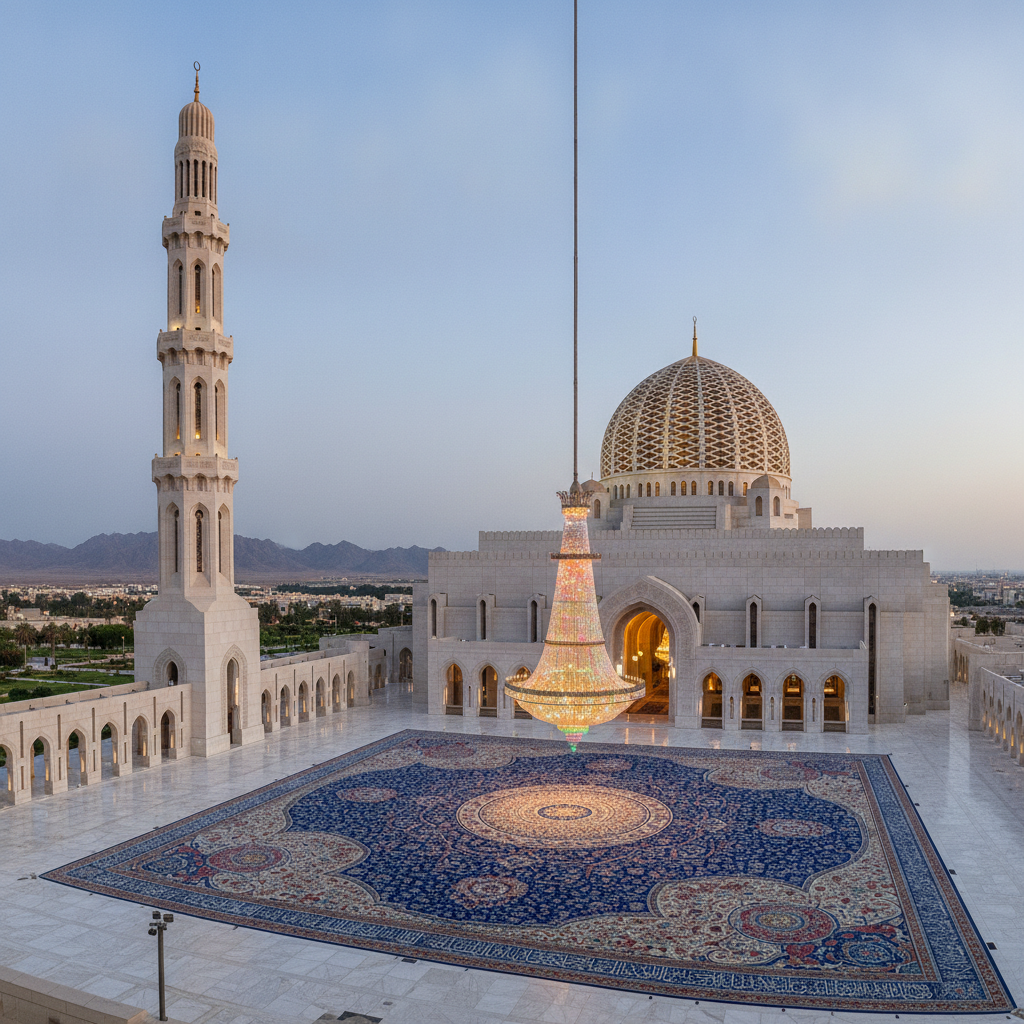
Muscat Essential: The Sultan Qaboos Grand Mosque, the Mutrah Souq, the Muttrah Corniche, the Royal Opera House, and the Most Architecturally Elegant Single Gulf Capital
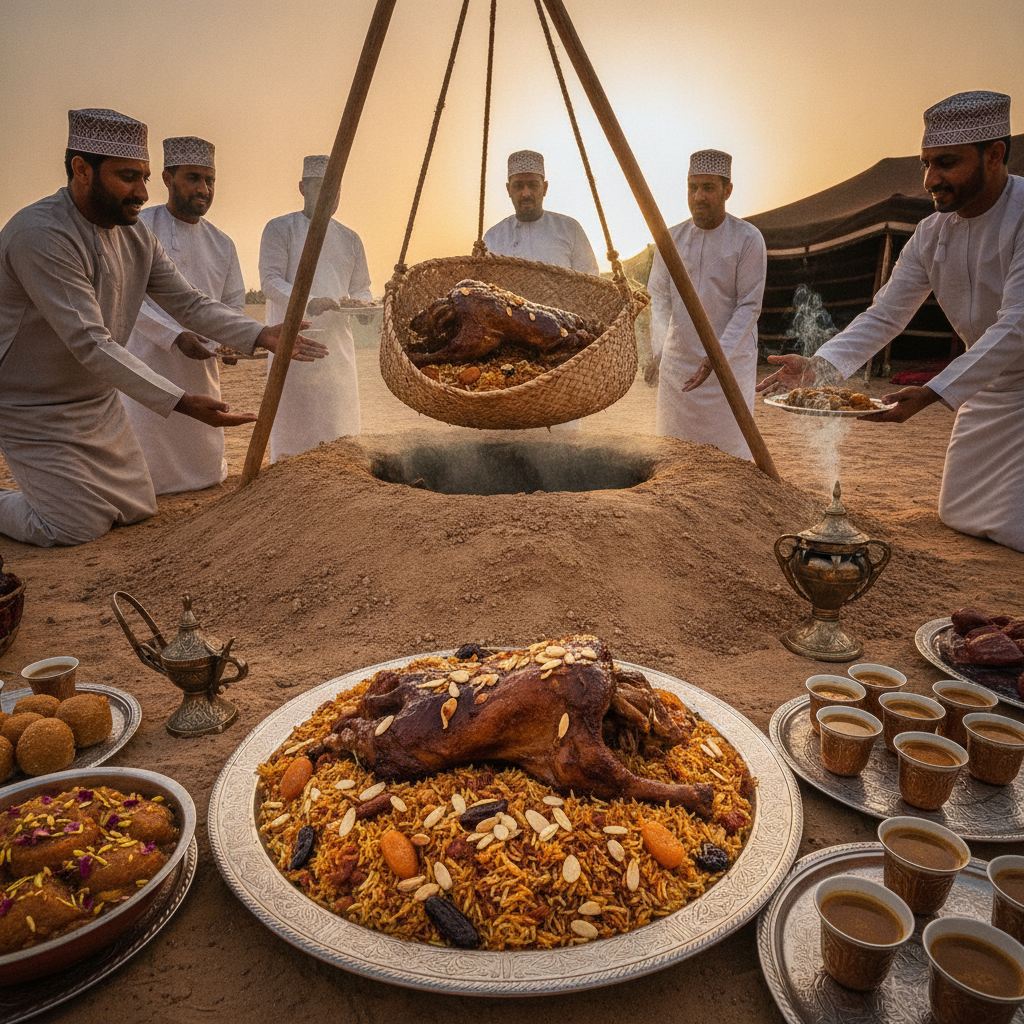
Muscat Food: The Shuwa Underground Lamb, the Omani Halwa, the Frankincense Coffee, the Mutrah Fish Market, and the Most Hospitably Generous Single Gulf Food Culture
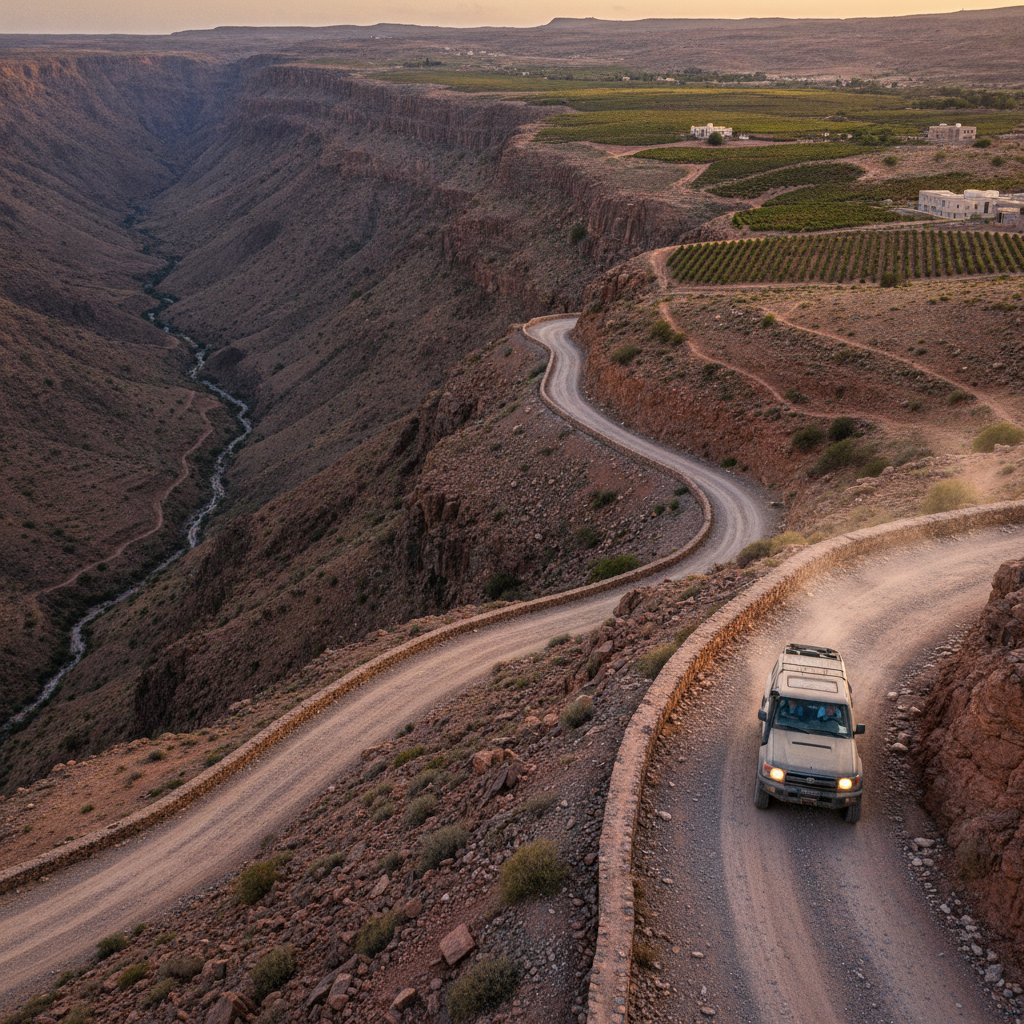
Muscat's Deep History: Portuguese Forts, the Omani Zanzibar Empire & the Jebel Akhdar Mountain Drive