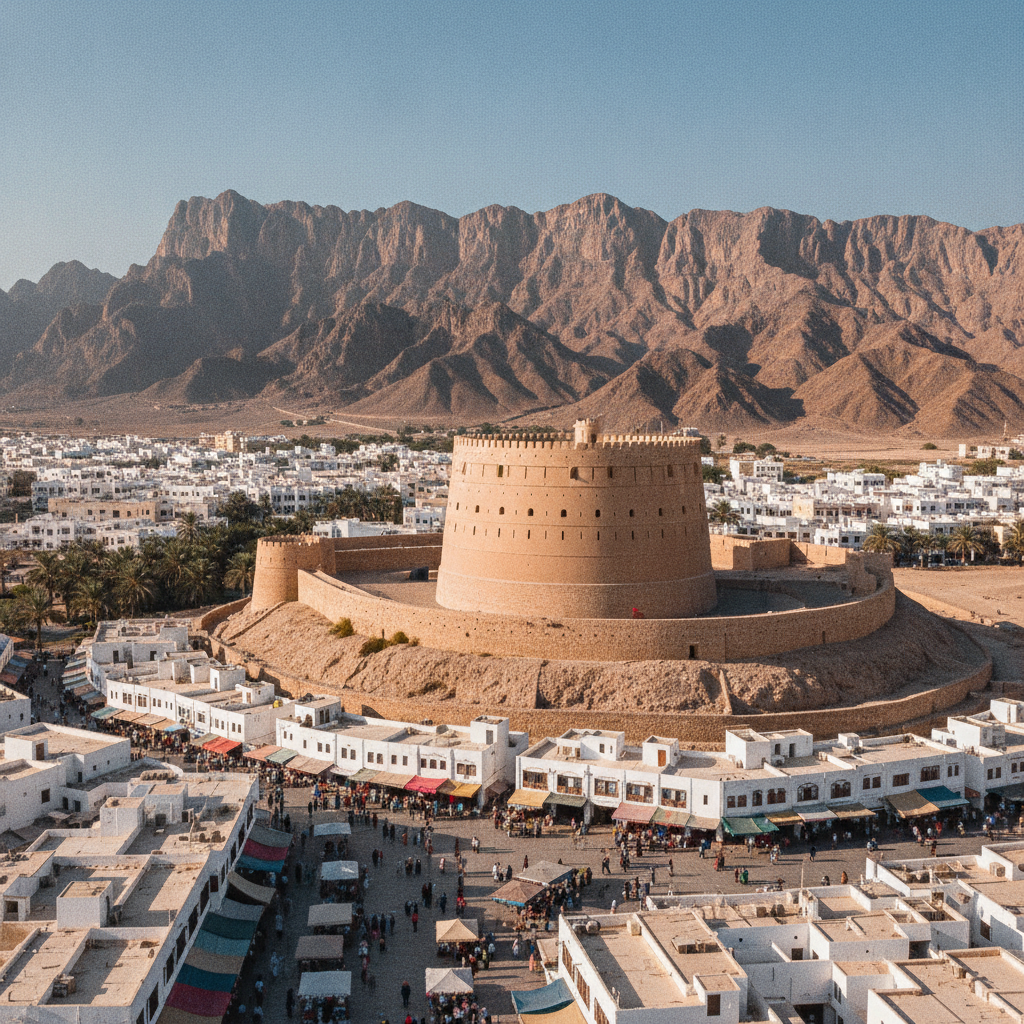
Muscat Context: Ibadi Islam's Diplomatic Moderation, Muscat vs Dubai & Vision 2040
Understand Oman's unique position—Ibadi Islam (the pre-Sunni-Shia school that 1% of Muslims follow) explains why Oman secretly brokered US-Iran nuclear talks while staying in the GCC, the Indian merchant community in Muscat's Old Town that pre-dates Portuguese colonisation, why experienced travellers consistently choose Muscat's authenticity over Dubai's spectacle, and an oil economy racing to build tourism infrastructure before the reserves run out.
- 1
Muscat vs Dubai – Authentic vs Spectacular
Muscat and Dubai are the Gulf's two major tourism destinations but offer radically different experiences. Dubai is spectacular, artificial, and globally branded—the Burj Khalifa, Palm Jumeirah, and Dubai Mall are achievements of audacity. Muscat is authentic, restrained, and culturally rooted—the Grand Mosque is genuinely great architecture; the Mutrah Souq is a real market; the Omani people engage with visitors without the transactional character of a heavily touristed city. Visitors who value cultural depth, natural landscapes, and authentic experience overwhelmingly prefer Muscat; those seeking spectacle and shopping choose Dubai.
- 2
Muscat's Expat Community & Modern Oman
Approximately 45% of Oman's 4.5 million population are expatriates—Indians, Pakistanis, Bangladeshis, Filipinos, and Western professionals. The Indian community (the largest, with over 700,000 members) has been present since the Indian Ocean trade era; Muscat's Old Town has Indian Bania merchant houses dating to the 18th century. The Ruwi neighbourhood (Muscat's commercial centre) is essentially an Indian commercial district—Indian restaurants, money changers, and textile shops dominate. The interaction of Omani, Indian, and East African cultures gives Muscat a distinctive cosmopolitan character unique in the Gulf.
- 3
Oman's Ibadi Islam – A Moderate Third Path
Oman practises Ibadi Islam—a branch of Islam distinct from both Sunni and Shia, considered the oldest surviving Islamic school, predating the Sunni-Shia split. Ibadis represent only 1% of the world's 1.8 billion Muslims but form the majority in Oman. Ibadi Islam is historically more moderate and pluralistic than mainstream Sunni schools—Oman has never engaged in Sunni-Shia sectarian conflict, maintains diplomatic relations with Iran while remaining in the Gulf Cooperation Council, and was the channel for secret US-Iran nuclear negotiations (2013). This theological moderation underpins Oman's diplomatic independence.
- 4
The Muscat Festival – Winter Cultural Programme
The Muscat Festival (January–February) is Oman's largest annual cultural event—a month-long programme of performances, heritage exhibitions, traditional crafts, and food stalls in Qurum Natural Park. International circus acts, traditional Omani music, camel races, and fireworks fill the evenings. The Heritage Village at the Muscat Festival is the best single display of traditional Omani crafts, music, and food in one place. Entry is free or very cheap; attendance is heavily Omani (genuine local engagement rather than a tourist event.
- 5
Muscat's Luxury Hotel Scene
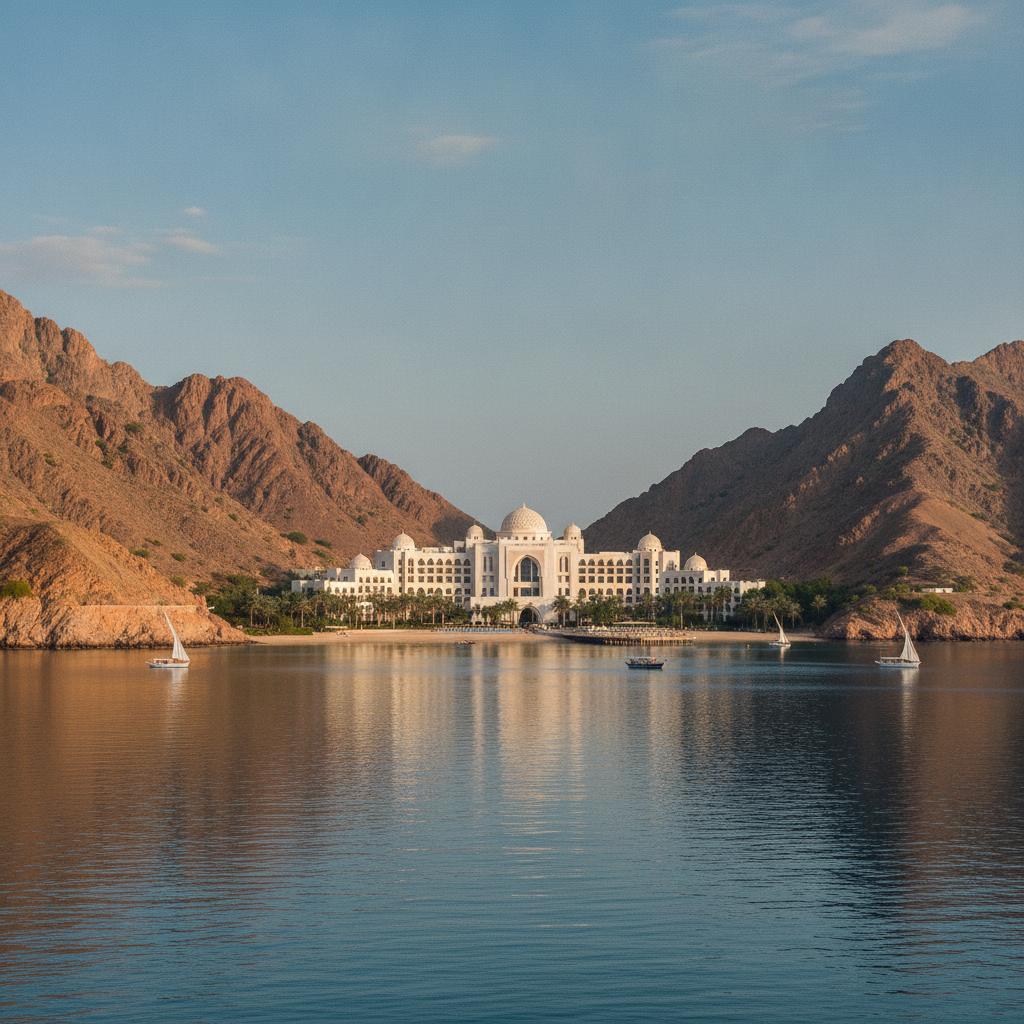
Muscat's luxury hotel market features some of the world's most spectacular properties. The Al Bustan Palace (a Ritz-Carlton, opened 1985)—set in a private bay surrounded by mountains—was built for the 1985 Gulf Cooperation Council summit and remains the definitive Muscat luxury hotel. The Chedi Muscat (Aman Resorts-built, now GHM) pioneered design hotel culture in the Gulf. The Park Hyatt Muscat, the Shangri-La Al Husn, and the W Muscat round out a hotel portfolio that rivals Dubai at consistently lower prices.
- 6
Oman's Future – Vision 2040 & Tourism Diversification
Oman's economy depends heavily on oil (which will be exhausted within 30 years at current rates) and the government's Vision 2040 strategy aims to diversify through tourism, logistics, manufacturing, and fisheries. Tourism is a central pillar—Oman has the natural assets (desert, mountains, coast, wadis, cultural heritage) to become a premium destination. The challenge is competing with Dubai's marketing muscle and connectivity advantages while preserving the authenticity that makes Oman genuinely different. The COVID-19 pandemic accelerated tourism diversification efforts as a fiscal necessity.
Walk this route with audio
Stories play automatically as you reach each stop — no tapping needed.
More in Muscat
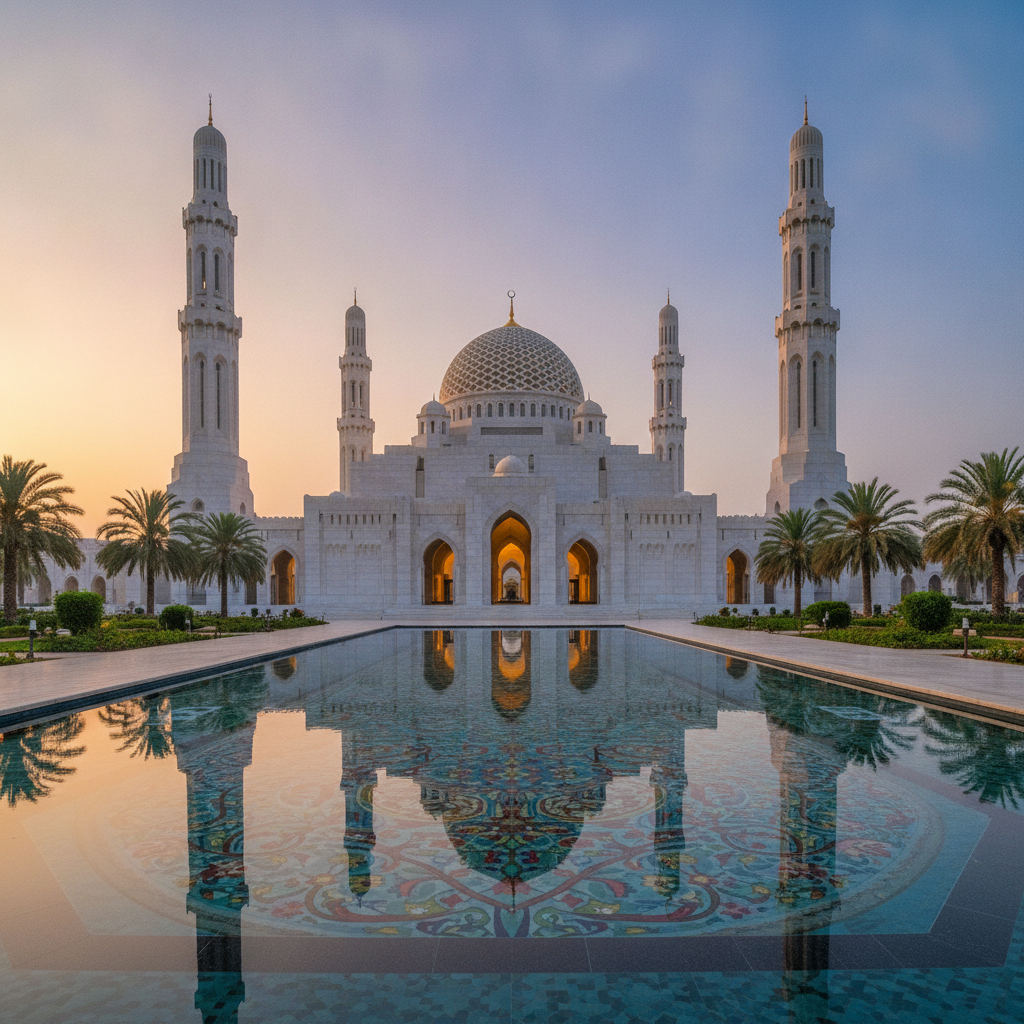
Muscat Essentials: Grand Mosque, Mutrah Souq & the Arab World's Premier Opera House
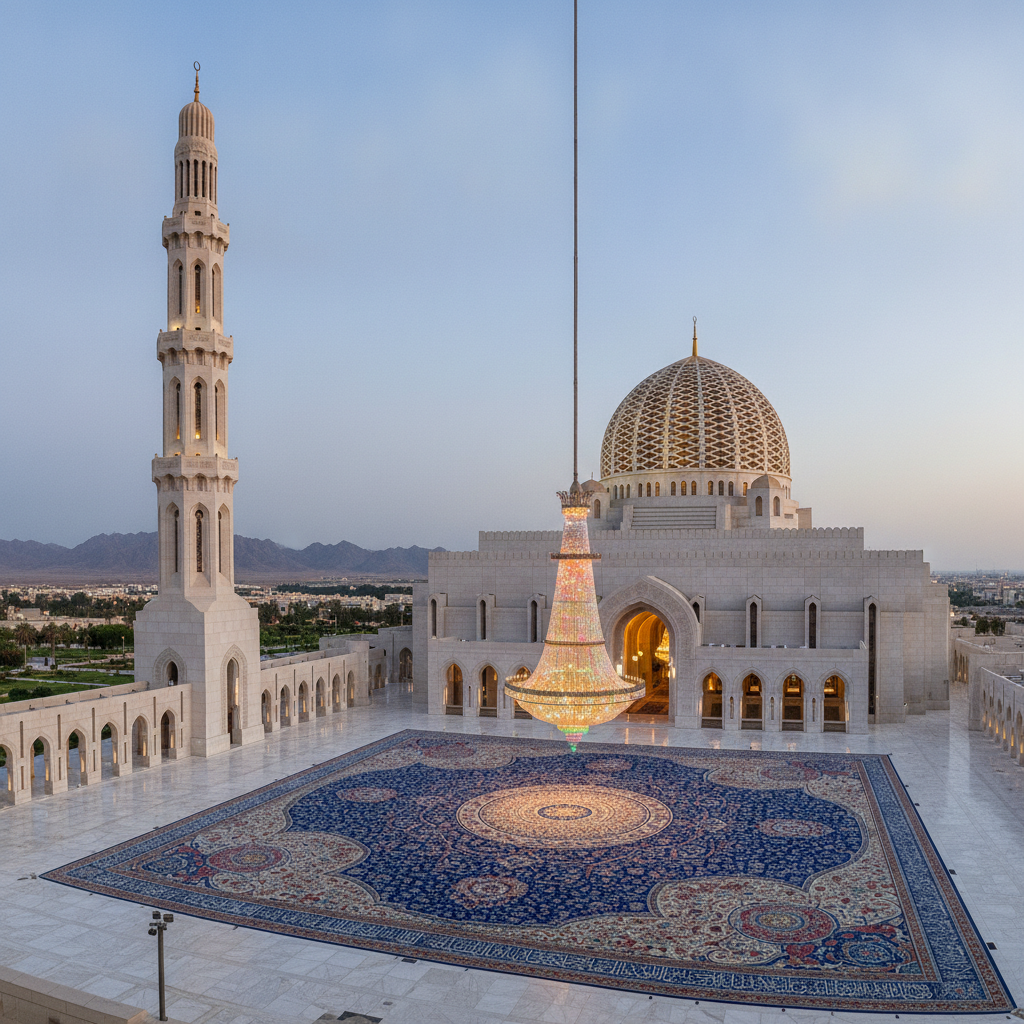
Muscat Essential: The Sultan Qaboos Grand Mosque, the Mutrah Souq, the Muttrah Corniche, the Royal Opera House, and the Most Architecturally Elegant Single Gulf Capital
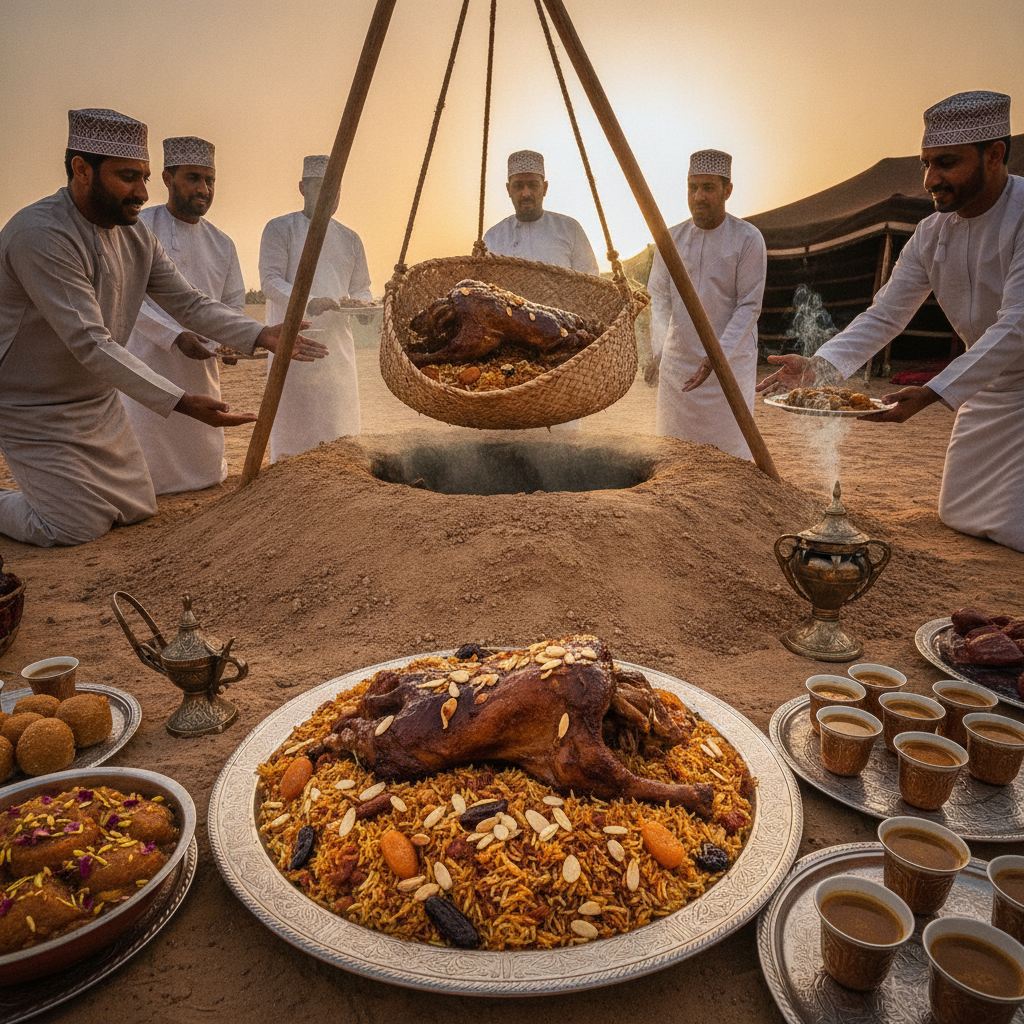
Muscat Food: The Shuwa Underground Lamb, the Omani Halwa, the Frankincense Coffee, the Mutrah Fish Market, and the Most Hospitably Generous Single Gulf Food Culture
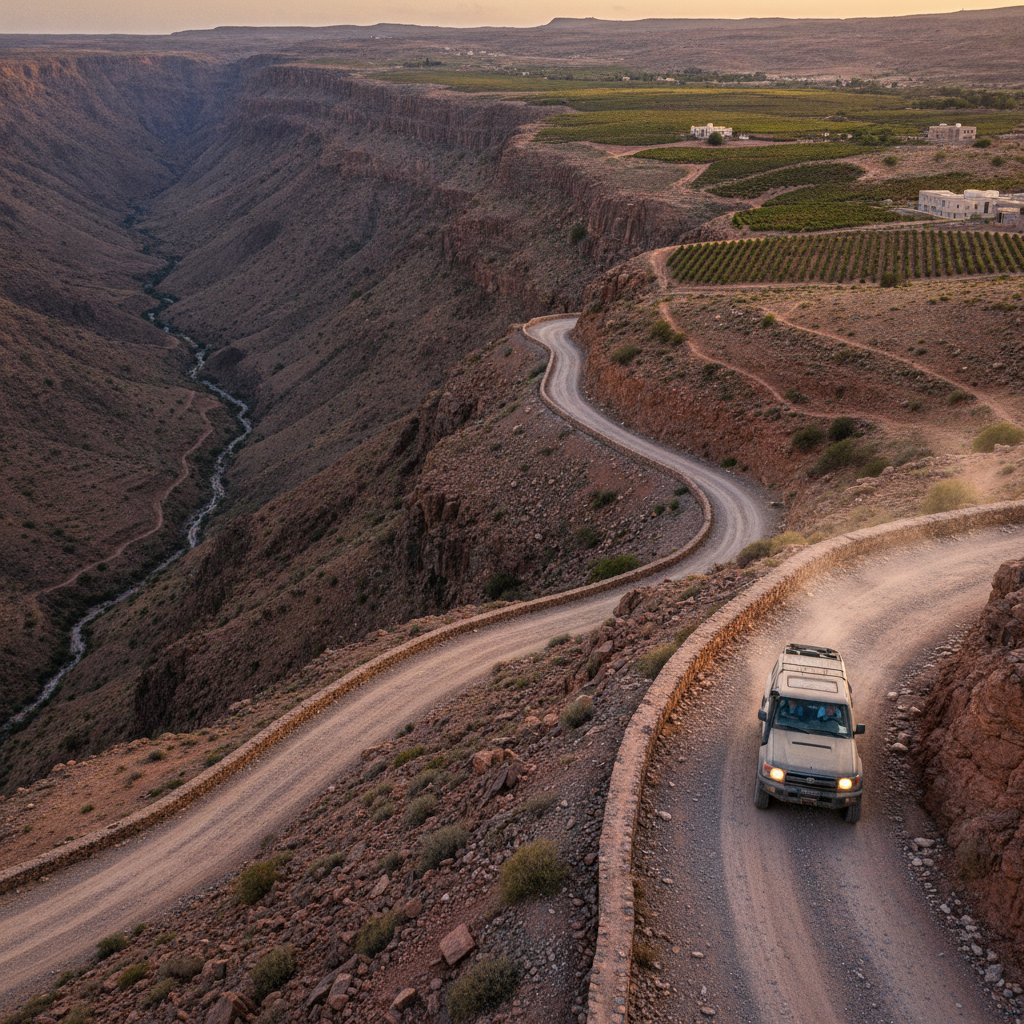
Muscat's Deep History: Portuguese Forts, the Omani Zanzibar Empire & the Jebel Akhdar Mountain Drive