Monteverde Practical Guide: Reserve Tickets, Accommodation, Guides, and Best Months
Monteverde rewards careful planning more than almost any other destination in Costa Rica. The cloud forest experience depends heavily on the guide quality, the time of day you enter, and the season. The reserve limits daily visitors, accommodation fills months ahead at peak season, and the road remains unpaved regardless of rental car type. This route provides the practical framework: how to book the reserve, what accommodation options exist at different budgets, how to choose a guide, and what to expect across the seasons.
- 1
Reserve Tickets and Entry Logistics
The Monteverde Cloud Forest Reserve is managed by the Tropical Science Center and sells tickets for specific time slots capped at 160 visitors per session. During the peak months of December through April, tickets sell out days or weeks ahead; online booking through the Tropical Science Center website is essential. The Santa Elena Reserve has less restrictive visitor limits and is a reliable alternative when the main reserve is sold out. Entering with a certified guide is strongly recommended: the reserve trail system without a guide produces far fewer wildlife encounters than the same path walked with someone who can identify animals by sound and behavior. Guide fees are separate from entrance admission and range from 25 to 50 USD per person for a two to three hour guided walk.
- 2
Accommodation: Budget to Boutique Across the Highland
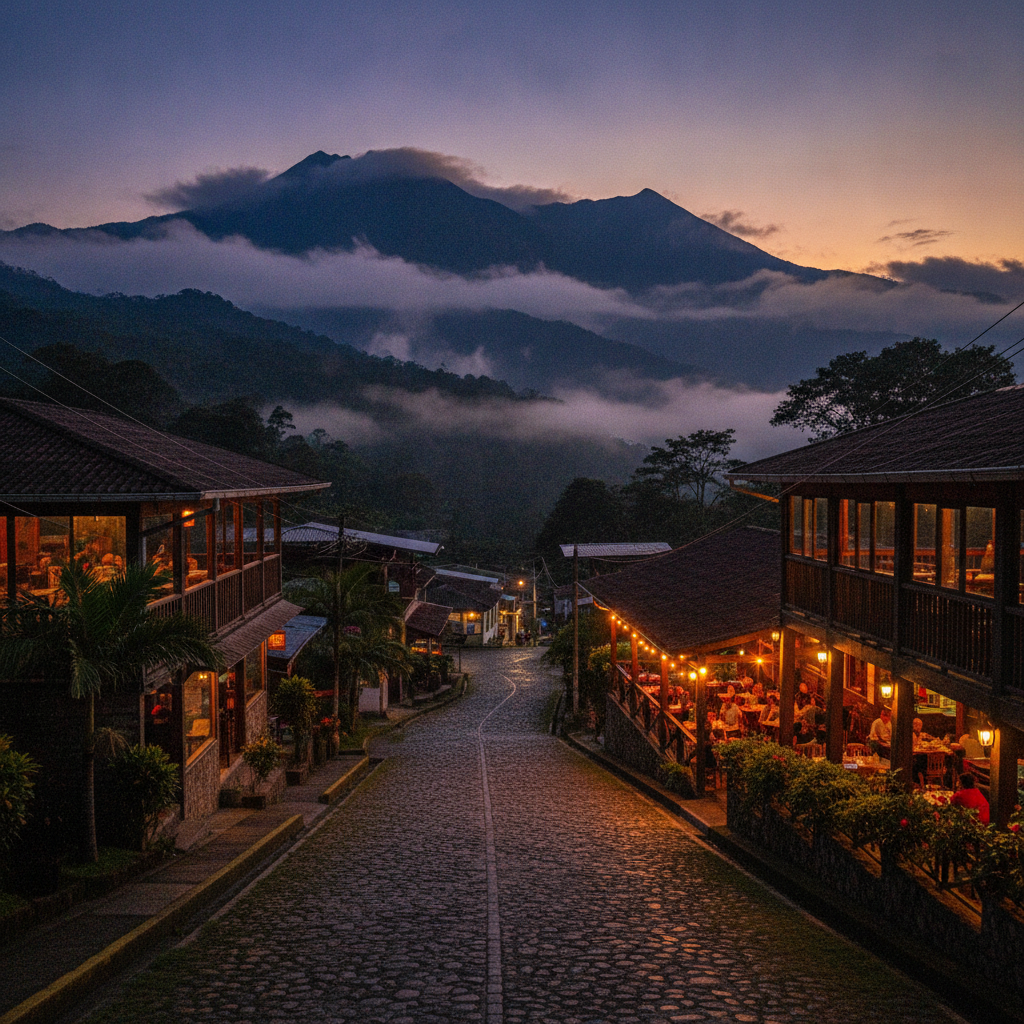
Monteverde accommodation splits between the budget hostel cluster in Santa Elena village, mid-range lodges on the road between Santa Elena and the reserve entrance, and the premium boutique hotels further along the reserve road with forest views. Budget dormitory beds at hostels in Santa Elena cost 12 to 20 USD; private rooms at mid-range lodges run 60 to 120 USD. The premium Monteverde Lodge and Gardens, directly associated with the Tropical Science Center, is the most ecologically committed accommodation in the area and offers guided walks on the lodge grounds included in the room rate. Airbnb availability in Santa Elena and surrounding farms provides additional options for families or groups wanting kitchen access.
- 3
Choosing a Guide: Certified Naturalists and Specialist Birdwatchers
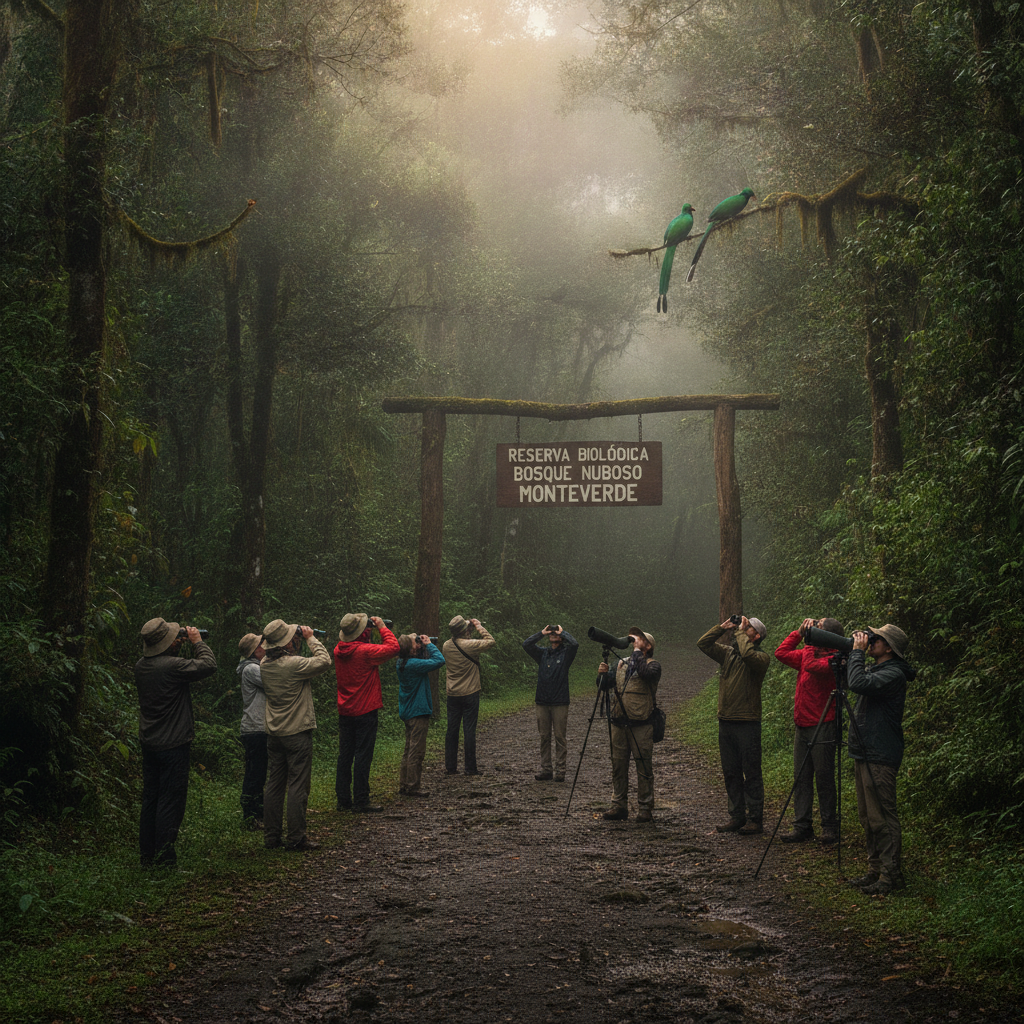
The guide quality at Monteverde varies considerably between general naturalist guides who know the forest well and specialist birdwatchers who have spent years locating the specific territories of target species. For quetzal and bellbird encounters, a specialist bird guide who maintains current knowledge of nest and feeding tree locations provides a meaningfully better experience than a generalist. The Monteverde Guide Association maintains a list of certified naturalist guides operating in the area. Several guides have developed international reputations through word-of-mouth recommendations from birdwatching tour groups. Booking a guide for an early morning walk at 6 AM, before the reserve officially opens to general visitors, provides the quietest forest conditions.
- 4
Best Months: Quetzal Season vs. Dry Season vs. Wet Season
The Monteverde experience changes significantly across the year. The quetzal breeding season from February through May overlaps with the dry season from December through April, making March and April the peak months for both clear weather and quetzal sightings. The cloud immersion of the forest, a defining ecological characteristic, is actually reduced in the dry season when the trade winds are weaker. The wet season from May through November brings more frequent cloud cover and mist, creating the classic cloud forest atmosphere but with heavier rain in the afternoon. October and November are particularly wet but produce the most atmospheric forest conditions for photography. December and January are transitional, with improving weather and the first quetzals beginning to move to breeding territories.
- 5
Packing for the Cloud Forest: Cold, Wet, and Muddy
The temperature at Monteverde is cool year-round, typically 16 to 22 degrees Celsius during the day and dropping to 10 to 14 degrees at night. A waterproof jacket, warm layers, and waterproof hiking boots are essential regardless of season. The main reserve trails are rocky and muddy in sections; sandals or trail runners are not appropriate for the forest walk. Rubber boots can be rented at the reserve entrance for use on the muddiest trails in the wet season. Binoculars are essential for any wildlife viewing beyond the habituated monkeys at the reserve edge. Camera equipment should be in waterproof bags; the humidity and mist are hard on electronics. Insect repellent is less necessary than at lowland destinations but relevant for the forest interior.
- 6
Combining Monteverde with the Costa Rica Circuit
Monteverde fits naturally into two standard Costa Rica circuits. The La Fortuna to Monteverde connection via the lake boat-jeep crossing is the most popular two-destination combination, typically done as three to four days at La Fortuna followed by three to four days at Monteverde before returning to San Jose or continuing to Guanacaste. The San Jose to Monteverde to Guanacaste coast circuit is the alternative, using Monteverde as the highland stop between the capital and the beach destinations of the northwest. Three days minimum is needed at Monteverde for: one morning in the main reserve with a guide, one afternoon at Santa Elena or Curi-Cancha, one evening at a hummingbird garden, and one full morning at a hanging bridge park. Five days allows addition of the night walk, the Bat Jungle, and a day trip toward the Guanacaste coast.
Walk this route with audio
Stories play automatically as you reach each stop — no tapping needed.
More in Monteverde

Monteverde Cloud Forest: Quetzals, Suspension Bridges, and the Quaker Colony
Guanacaste and the North Pacific: Day Trips from Monteverde
Climate Change and the Future of Monteverde Cloud Forest
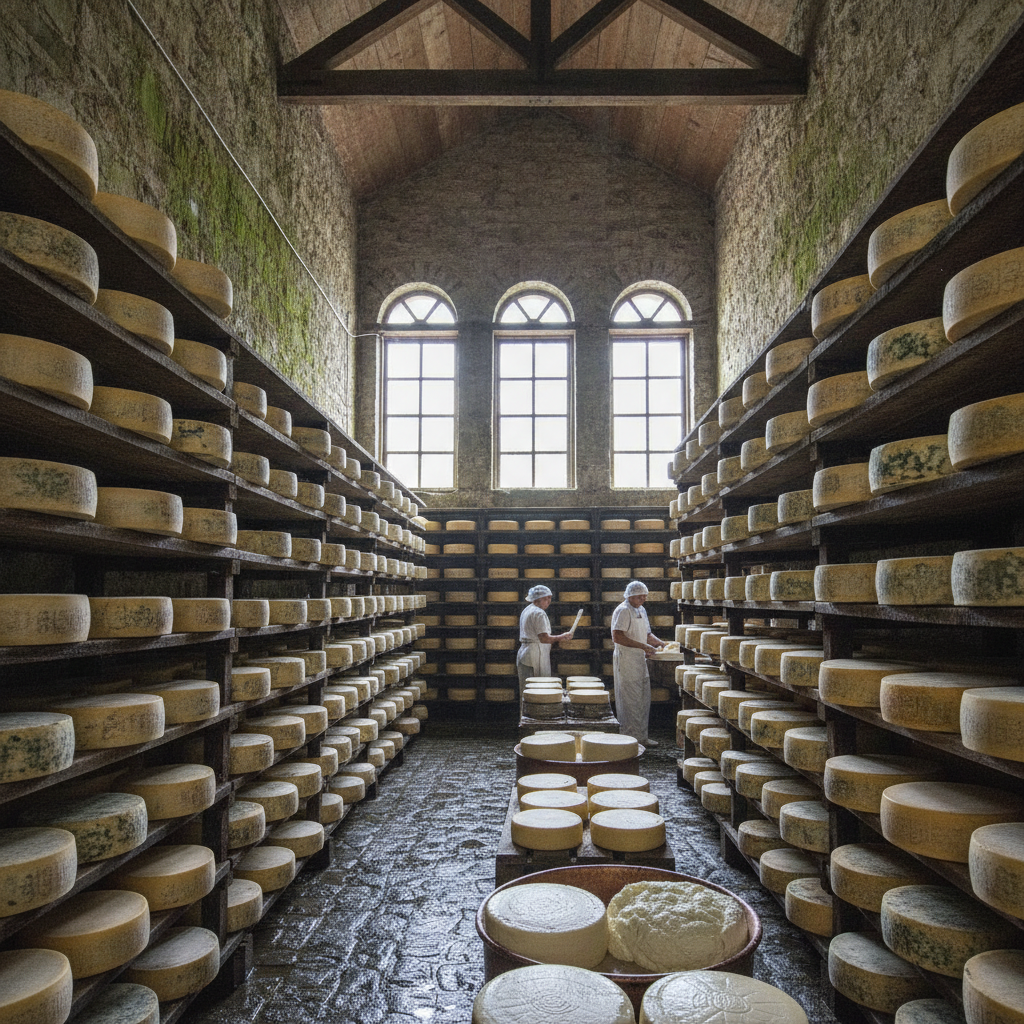
Monteverde Cheese, Coffee, and the Agricultural Community Economy

Conservation History: How Monteverde Became a Global Model for Ecotourism