Monterrey Music Identity: Norteño and Grupero Accordion Music from the Nuevo Leon Border Corridor That Became the Soundtrack of the Mexican Diaspora and the Cultural Background of 35 Million Mexican Americans
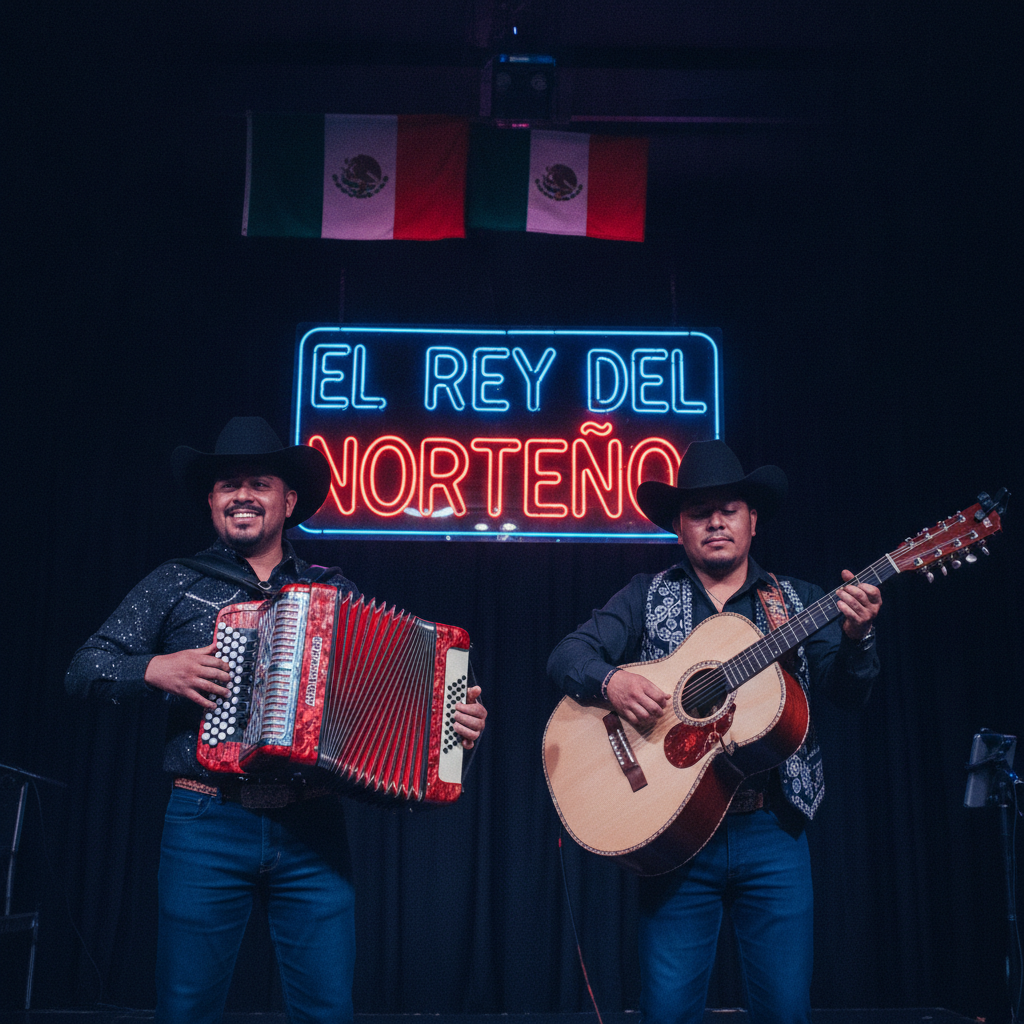
The accordion music of northern Mexico, called norteño when played in the traditional duet format of a button accordion and a bajo sexto twelve-string guitar, and grupero when arranged for a larger ensemble with bass, drums, and electric instruments, is the dominant popular music form of Nuevo Leon and the border states of Tamaulipas, Coahuila, Chihuahua, and Sonora, with its origin in the German and Czech polka music brought by European immigrants to the Texas-Mexico border region in the mid-19th century. The corrido, the narrative ballad form that norteño music uses to tell stories of outlaws, border crossings, revolutionary heroes, and contemporary drug traffickers, is the most socially embedded musical genre in northern Mexico, functioning as journalism, oral history, and social commentary in communities where the events described often cannot be covered in conventional media. Monterrey is the recording and commercial center of norteño music, with the music industry infrastructure of the city producing the albums and videos that distribute the northern Mexican musical tradition to the 35 million Mexican Americans in the United States whose connection to Mexican culture is maintained partly through the norteño and grupero music of artists including Los Tigres del Norte, Conjunto Primavera, and the late Jenni Rivera. The narcocorrido, the corrido subgenre celebrating drug traffickers that emerged in the 1990s, generated a political controversy around censorship that the norteño music industry of Monterrey navigated with characteristic commercial pragmatism.
- 1
Norteño Music and Accordion Origins
The norteño music tradition of northern Mexico, built around the combination of the diatonic button accordion introduced by German and Czech immigrant communities to the Texas-Mexico border region in the mid-19th century and the bajo sexto, a twelve-string bass guitar developed in Mexico in the 18th century, represents one of the most successful cultural hybridizations in North American music history: a European peasant instrument and playing style absorbed into Mexican border culture and transformed into a musical tradition that now counts its practitioners in the tens of thousands and its audience in the tens of millions. The accordion reached the Texas-Mexico border through German settlements in the Texas Hill Country, where German immigrants established communities beginning in the 1840s, and spread south through trade and cultural contact into Nuevo Leon and Tamaulipas, where Mexican musicians adapted the polka and waltz rhythms into the cumbia, huapango, and ranchera forms that became norteño. Los Tigres del Norte, the Sinaloa-born band that became the most commercially successful norteño group in history with an audience spanning Mexico, the United States, and Latin America, recorded in Monterrey and established the commercial format for the genre. The International Accordion Festival held annually in San Antonio, Texas, which draws musicians and fans from both sides of the Texas-Mexico border, represents the transnational dimension of the norteño musical community.
- 2
Corrido Tradition and Narcocorrido Controversy
The corrido, the narrative ballad form that has been the primary documentary musical genre of northern Mexico since the 19th century, functions in its traditional form as a sung newspaper, recording the deaths of bandits, the exploits of revolutionary generals, the tragedies of migration, and the injustices of the powerful against the poor in a format of rhymed octosyllabic verse set to polka or waltz rhythms. The revolutionary corrido tradition, documenting the exploits of Pancho Villa, Emiliano Zapata, and the factions of the Mexican Revolution, established corrido as the voice of the people against authority and created the framework within which the narcocorrido, the corrido celebrating drug traffickers and cartel leaders, claimed a similar Robin Hood moral positioning. The narcocorrido emerged as a commercial genre in the 1990s when artists including Chalino Sanchez, Lupillo Rivera, and later groups including Los Cuates de Sinaloa began recording corridos commissioned by drug trafficking organizations to celebrate specific traffickers or document specific events in the drug war. Several corrido artists have been killed, including Chalino Sanchez in 1992 and Sergio Gomez of K-Paz de la Sierra in 2007, by parties either connected to or opposing the subjects of their songs. The Mexican federal government banned narcocorridos from radio airplay in Sinaloa and Chihuahua at various points, generating controversy about censorship and the government's ability to suppress a musical form as embedded in popular culture as the corrido tradition.
- 3
Grupero Pop and Mexican American Market
Grupero music, the orchestrated version of norteño music with electric bass, drum kit, keyboards, and sometimes brass added to the traditional accordion and bajo sexto core, emerged in the 1980s as a commercial production aimed at the dancing market of Mexico and the Mexican American diaspora in the United States, producing a series of commercially dominant groups including Bronco, Los Yonics, and Los Bukis whose romantic ballads and cumbia rhythms defined the soundtrack of Mexican working-class social events from quinceañera parties to wedding receptions throughout the 1980s and 1990s. Monterrey as the recording center of the grupero industry produced dozens of groups and managed the commercial relationship between the northern Mexican music tradition and the United States Spanish-language media market, with Monterrey record labels distributing to the Spanish-language radio stations and television networks serving the Mexican American community. The grupero tradition intersects with banda music, the brass-heavy format of Sinaloa that emerged as a competing mass market genre in the same period, and with the regional Mexican music category that US music industry organizations created to encompass the commercial diversity of Spanish-language music aimed at the Mexican American market. The death of Jenni Rivera, the Long Beach-born grupero star with Sinaloa family roots, in a 2012 plane crash near Monterrey was processed by the Mexican American community as a regional and generational loss comparable to the death of Selena Quintanilla-Perez, another norteño-adjacent artist, in 1995.
- 4
Monterrey Cultural Venues and Nightlife
The cultural and nightlife infrastructure of Monterrey is divided between the Barrio Antiguo, the surviving fragment of the historic center that functions as the primary bar and live music district for the young professional population, and the newer entertainment developments in the Valle area of San Pedro Garza Garcia where upscale bars, restaurants, and clubs serve the wealthier population of the western municipalities. The Arena Monterrey, a 17,000-seat indoor venue that hosts the major touring concerts, NBA pre-season games, and UFC events that come to the city, is the primary large-format entertainment venue in northern Mexico and reflects Monterrey's position as the dominant entertainment market of the region that covers Nuevo Leon, Tamaulipas, Coahuila, and the adjacent US cities of Laredo, McAllen, and Brownsville. The Hoya de la Barranca cultural center in the historic center and the Nave Generacion arts venue in the Colonia Independencia represent the independent cultural sector of Monterrey, operating outside the corporate-funded museum circuit and the commercial entertainment industry. The Monterrey International Film Festival and the Monterrey International Book Fair are the principal literary and cinematic cultural events of the city. The urban nightlife of Monterrey operates later than in most Mexican cities, consistent with the industrial work schedule tradition, with bars and clubs maintaining activity until 3 and 4 in the morning on weekends.
- 5
Selena and the Tex-Mex Border Music Connection
The relationship between Monterrey and the musical culture of the Texas-Mexico border corridor creates a transnational music geography in which Monterrey artists record for US Mexican American audiences, US artists record in Monterrey studios, and the commercial music industry of the border region operates as a bilingual, binational enterprise with Monterrey at its Mexican production center. The legacy of Selena Quintanilla-Perez, the Corpus Christi-born tejano singer murdered in 1995 whose career crossed between the Texas tejano tradition and the norteño market, is particularly resonant in Monterrey because her Mexican touring career had established deep connections with the northern Mexican audience before her death. The tejano music tradition of Texas, a fusion of Mexican corrido, polka, and cumbia that developed in the Texas Mexican community in the mid-20th century, shares structural similarities with Monterrey norteño and the two traditions have cross-pollinated throughout the modern era. The La Feria recording complex in Monterrey, historically one of the most active music production facilities in northern Mexico, and the concert promoters who manage the northern Mexico touring circuit for both Mexican and US artists, represent the institutional infrastructure connecting Monterrey to the transnational border music industry. The Los Angeles and San Antonio Spanish-language music industries, which produce the majority of commercially distributed Mexican American popular music, maintain permanent commercial relationships with Monterrey as the primary distribution and touring market in northern Mexico.
- 6
Monterrey Urban Art and Independent Scene
The contemporary art and independent cultural scene of Monterrey, which exists in productive tension with the corporate-funded museum culture and the conservative social values of the regiomontano business class, is concentrated in the Barrio Antiguo and the colonias of Chepevera, Mitras, and the working-class areas of the city east of the Gran Plaza. The street art tradition in Monterrey, which accelerated during the security crisis of 2009 to 2012 as artists responded to the violence in their public work, produced a body of mural painting in the colonias populares of eastern Monterrey that documents the experience of the drug war from the perspective of the communities most directly affected by it rather than from the protected viewpoint of the San Pedro Garza Garcia business district. The Nave Generacion, an independent arts venue in the Colonia Independencia, and the Casa de la Cultura Universitaria host programs that connect the independent cultural scene to university students and working-class community members outside the reach of the MARCO museum programming. The graphic design and illustration tradition of Monterrey, fed by the design programs of the Universidad Regiomontana and the Tecnologico de Monterrey, has produced a commercial and independent design culture that is among the most active in Mexico. The Monterrey DJ and electronic music scene, connected to the club culture of the Barrio Antiguo and the Valle area venues, has produced artists who tour the Mexican and international electronic music circuit.
Walk this route with audio
Stories play automatically as you reach each stop — no tapping needed.
More in Monterrey
Monterrey Colonial History and Nuevo Leon Founding: The Crypto-Jewish Settlers of Luis de Carvajal the Younger, the Failed First Settlements and the 1596 Establishment That Finally Survived
Monterrey Food Culture: Cabrito Roasted Kid Goat, Carne Asada the Northern Mexican Grill Tradition, Pan de Polvo Cookies and the Machaca Dried Beef That Defines the Northern Mexican Ranching Table
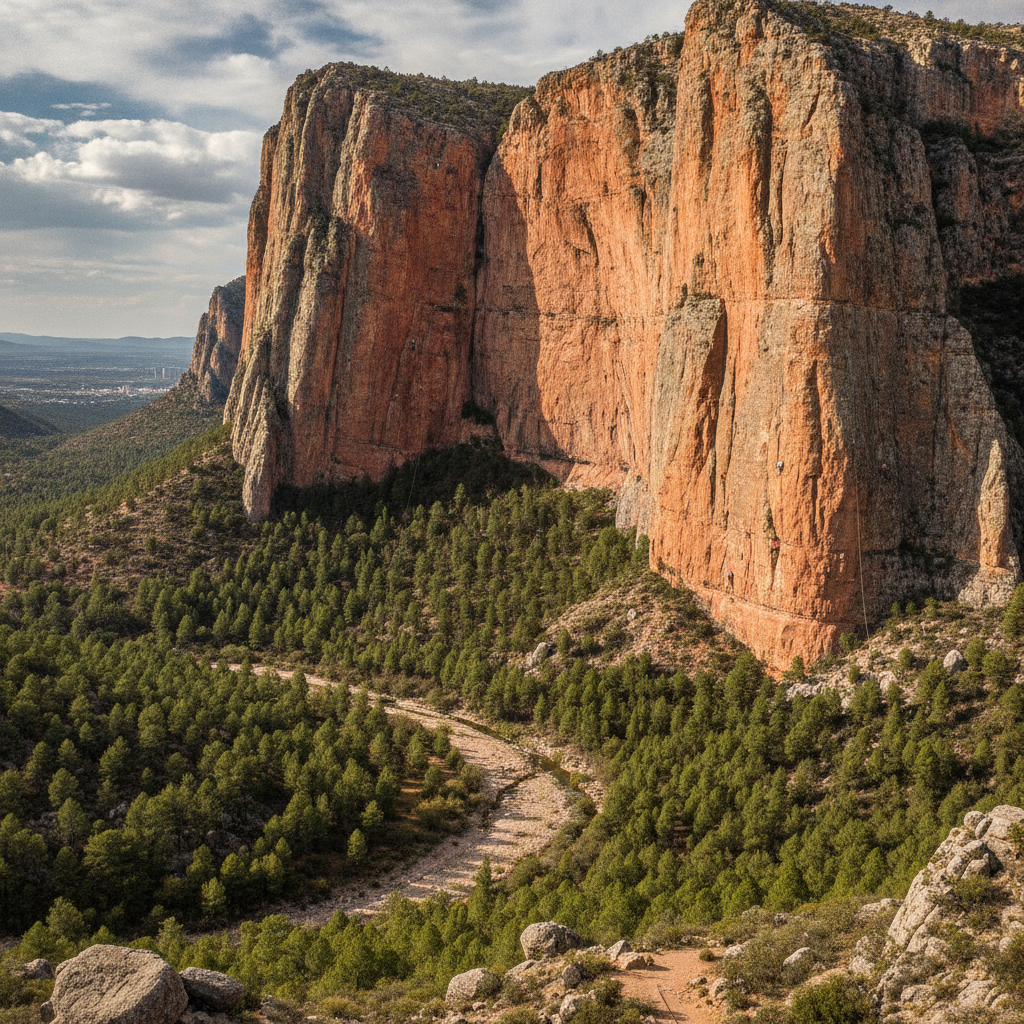
Monterrey Mountains and Nature: Grutas de Garcia Limestone Caves, Cola de Caballo Waterfall, Chipinque Ecological Park and the Sierra Madre Canyon System That Makes This the Most Dramatically Situated Industrial City in Mexico
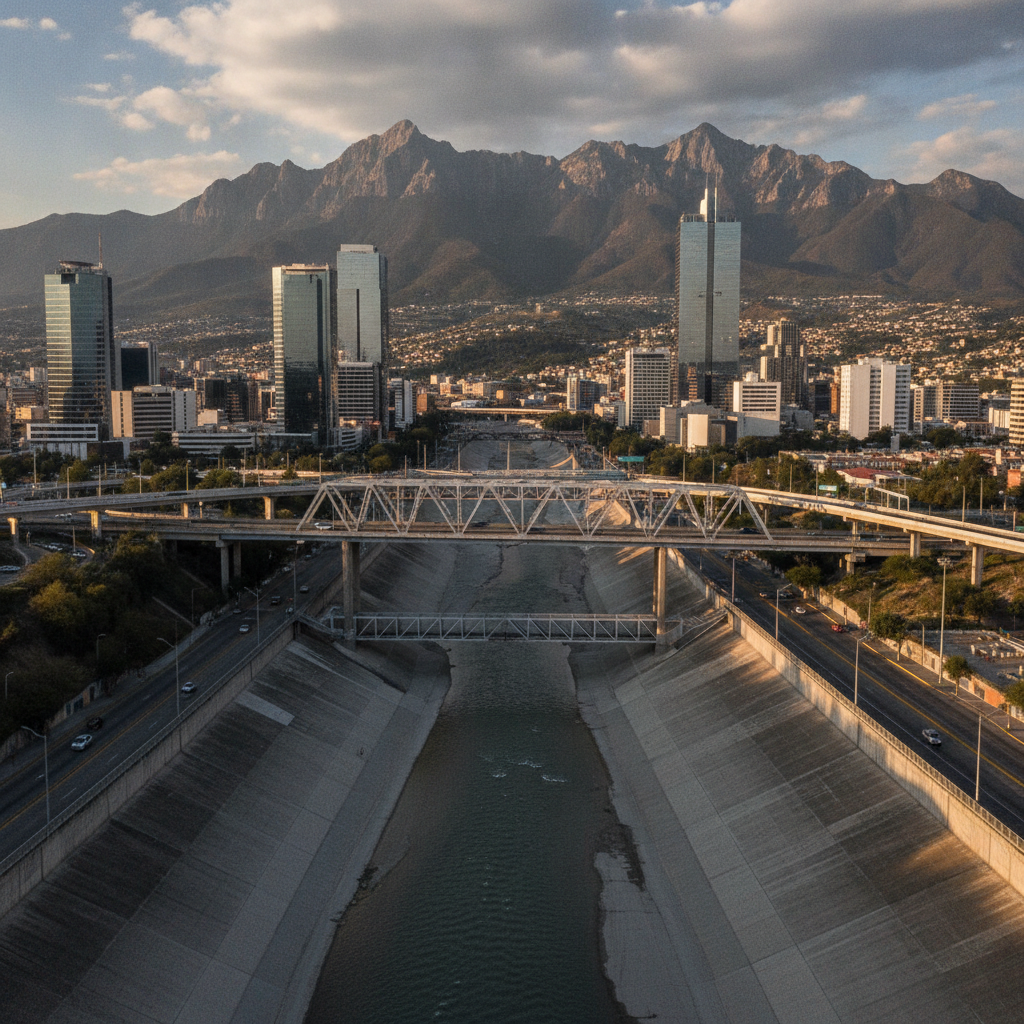
Monterrey Water Crisis, Urban Heat and the Environmental Cost of Industrial Growth in the Semi-Arid Nuevo Leon Valley Where Summer Temperatures Hit 45 Celsius and the Metropolitan Area Ran Out of Tap Water in 2022
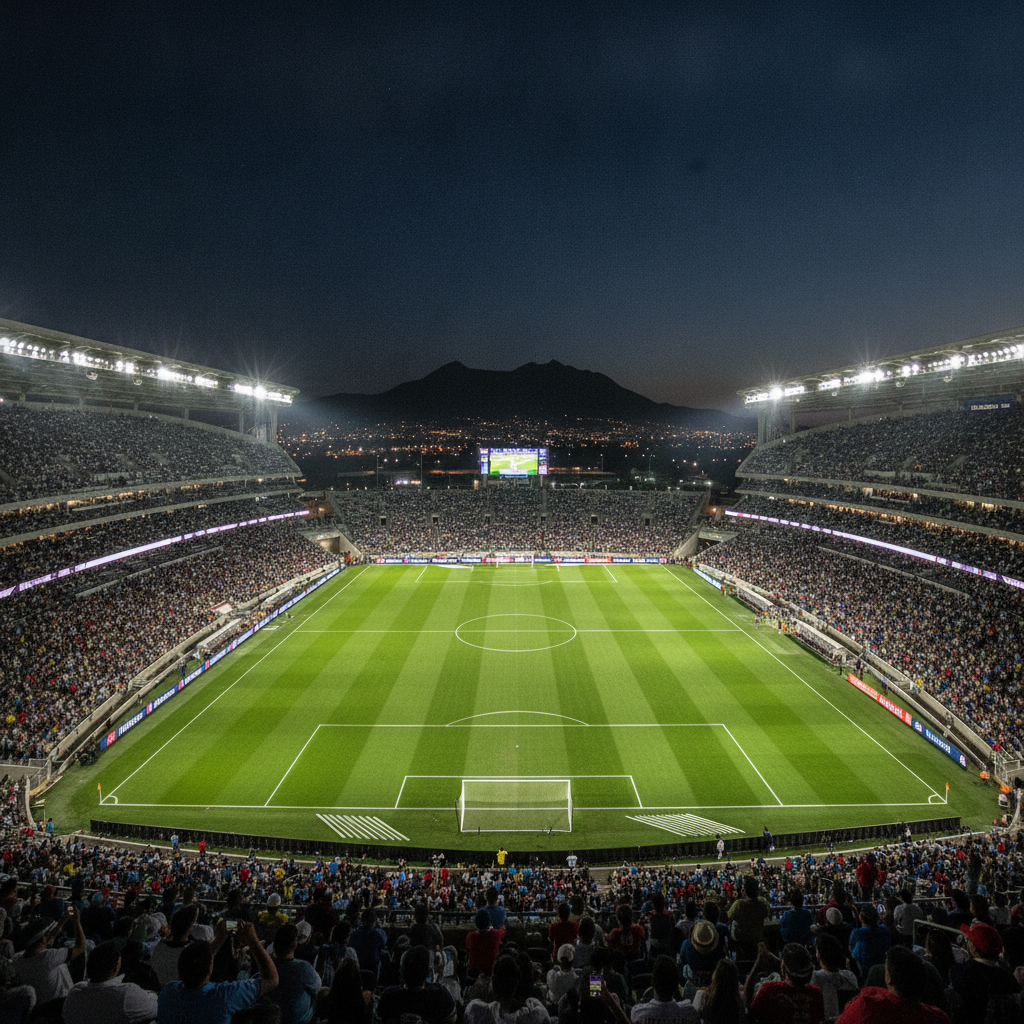
Monterrey Sport and Stadium Culture: Tigres and Rayados Football Rivalry, the PPG Paints Arena Boxing Tradition and the Regiomontano Sports Identity That Turns Two Football Clubs Into a Proxy for Class Division