Monterrey Business and Wealth: How the Garza Sada Family and the Monterrey Group Built the Most Powerful Private Sector in Mexico and Why the City Thinks Differently About Money Than the Rest of the Country
Monterrey developed a private sector culture so distinct from the rest of Mexico that economists and sociologists have spent decades debating whether the city constitutes a separate economic civilization within the Mexican national economy, with a business culture that emphasizes individual entrepreneurship, minimal government dependence, Protestant-adjacent work ethic (despite universal Catholicism), and an explicit disdain for the patron-client political economy of Mexico City that the regiomontano business class expresses with a directness that Mexico City finds rude and that Monterrey finds honest. The Monterrey Group, the informal name for the network of industrialist families centered on the Garza Sada, Sada, Cantu, and Gonzalez dynasties who built the beer, steel, glass, cement, and banking industries of northern Mexico in the early 20th century, created the most concentrated private industrial wealth in Mexican history in a city that the federal government in Mexico City alternatively subsidized, taxed, and attempted to control without ever succeeding in integrating into the PRI political economy that governed the rest of Mexico from 1929 to 2000. The confrontation between the Monterrey business class and the federal government reached its climax in 1973 when the leftist guerrilla group Liga Comunista 23 de Septiembre kidnapped and murdered Eugenio Garza Sada, the patriarch of the dominant Monterrey industrial family, an event that traumatized the city and aligned the entire regiomontano business class permanently against the left and the PRI government that the business community held indirectly responsible.
- 1
Monterrey Group and Industrial Dynasty
The Monterrey Group, the network of intermarried industrial families who built the northern Mexican industrial economy beginning in the 1880s, traces its origin to the Cerveceria Cuauhtemoc brewery founded in 1890 by Isaac Garza, Francisco Sada, and their associates, who used the profits from beer to fund the Vidriera Monterrey glass factory in 1909 (to make beer bottles), the Cementos Mexicanos cement company in 1906 (to build the factory infrastructure), the Hojalata y Lamina steel sheet company in 1942, and the Banco Serfin banking institution, creating a vertically and horizontally integrated industrial conglomerate that by mid-20th century controlled significant portions of Mexican beer, glass, cement, steel, and banking. The family networks that controlled these companies were connected through marriages among the Garza, Sada, Cantu, Lagera, and related families across three generations, creating a business dynasty comparable in concentration and duration to the industrial families of Pittsburgh, Cleveland, or the Ruhr Valley in the equivalent period of industrial capitalism. The Tecnologico de Monterrey, founded by the Monterrey Group in 1943 as a private engineering university specifically designed to train the technical managers for the industrial enterprises of the group, grew to become the largest private university network in Latin America with campuses in 25 Mexican cities and a reputation for producing the business elite of private sector Mexico.
- 2
FEMSA and CEMEX Global Expansion
Fomento Economico Mexicano, or FEMSA, the Monterrey-based company that emerged from the Cerveceria Cuauhtemoc Moctezuma beer company and that is now the largest independent Coca-Cola bottler in the world, the operator of the OXXO convenience store chain with over 20,000 locations making it the largest convenience store chain in Latin America, and the owner of a significant stake in Heineken International, represents the transformation of the original Monterrey Group brewery into a global consumer goods conglomerate with operations in multiple continents. CEMEX, Cementos Mexicanos, the cement company founded in Monterrey in 1906 and transformed into a global corporation through aggressive acquisition in the 1990s and 2000s, became the third-largest cement company in the world with operations in over 50 countries before its near-collapse in the 2008 financial crisis required a debt restructuring. The CEMEX headquarters building in San Pedro Garza Garcia, a modernist complex by the architect Ricardo Legorreta, serves as a monument to the architectural ambition of the Monterrey corporate class. The OXXO convenience store, now present in every Mexican city from Tijuana to Merida, is the most visible brand of Monterrey commercial culture in the daily life of ordinary Mexicans who may never visit the city, making Monterrey the origin of a retail institution as embedded in Mexican urban life as any street taco vendor.
- 3
Tecnologico de Monterrey and Education
The Instituto Tecnologico y de Estudios Superiores de Monterrey, universally called Tec de Monterrey or simply El Tec, was founded in 1943 by Eugenio Garza Sada and other Monterrey industrialists as a private engineering and business school designed specifically to train the managerial class for the rapidly expanding northern Mexican industrial economy, with a curriculum modeled on MIT and a philosophy explicitly rejecting the public university tradition of Mexico City that the founders associated with leftist politics and government dependence. The main campus of El Tec in the Monterrey municipality covers 900 hectares and houses approximately 20,000 students in a self-contained campus city with athletic facilities, dormitories, research centers, and the cultural infrastructure of a small university town within the metropolitan area. El Tec expanded to a network of 26 campuses throughout Mexico and has established international agreements with over 600 universities worldwide, positioning itself as the Mexican university most integrated into the international higher education market. The graduates of El Tec constitute a significant portion of the leadership of Mexican private sector companies, creating an alumni network that functions as both a hiring preference system and a political lobby within the broader Mexican business community. The university is also one of the largest single employers in Monterrey and a significant patron of the arts, funding the cultural programs of the Centro Roberto Garza Sada on the campus.
- 4
San Pedro Garza Garcia Wealth District
San Pedro Garza Garcia, the municipality immediately west of central Monterrey that has the highest per capita income of any municipality in Mexico and one of the highest in Latin America, represents the spatial concentration of Monterrey wealth in a 73-square-kilometre area that contains the corporate headquarters of CEMEX, FEMSA, Alfa, Vitro, and other Monterrey Group companies, the premium shopping centers of the Valle Oriente and Garza Garcia corridors, the most expensive residential real estate in northern Mexico, and a concentration of restaurants, galleries, and cultural venues that make it one of the most service-dense areas in the country relative to its population of approximately 120,000. The Paseo San Pedro, the primary commercial corridor of San Pedro Garza Garcia, and the Chepevera area contain the most prestigious retail brands present in Mexico alongside Mexican luxury retailers and restaurant concepts that are often tested in San Pedro before launching nationally. The income inequality between San Pedro Garza Garcia and the eastern and northern working-class municipalities of the Monterrey metropolitan area represents one of the most extreme urban wealth disparities in Latin America, with the median household income in San Pedro multiple times that of the municipality of Guadalupe or Apodaca where the industrial labor force and working-class population of the metropolitan area is concentrated.
- 5
Monterrey Security and Urban Recovery
Monterrey experienced between 2009 and 2012 one of the most intense urban security crises in Mexican history as the Gulf Cartel and the Zetas organized crime organization fought for control of the city and the smuggling routes of the Nuevo Leon-Texas border, with vehicle attacks, grenade incidents, gun battles in shopping center parking lots, and carjackings occurring in areas of the city that had previously been entirely safe, including San Pedro Garza Garcia. The security crisis peaked in the Allende massacre of 2011, when Zetas aligned gunmen killed approximately 300 people in a series of attacks in the rural municipality of Allende south of Monterrey, and the Casino Royale attack of 2011, when gunmen set fire to a casino in Monterrey killing 52 people in one of the most fatal single incidents of the drug war. The security situation improved substantially after 2012 as federal security forces concentrated in Nuevo Leon and the cartel conflict dynamics shifted. The period of violence left lasting effects on the city's international reputation, reducing business tourism and delaying foreign investment decisions that would otherwise have been attracted by Monterrey's economic fundamentals. The contemporary security situation in Monterrey is significantly improved from the 2009 to 2012 peak and the city functions as a normal major metropolitan area with standard urban crime levels, though the memory of the crisis period remains a reference point in conversations about the city and organized crime remains present in the border corridor.
- 6
Monterrey Art Museums and Cultural Investment
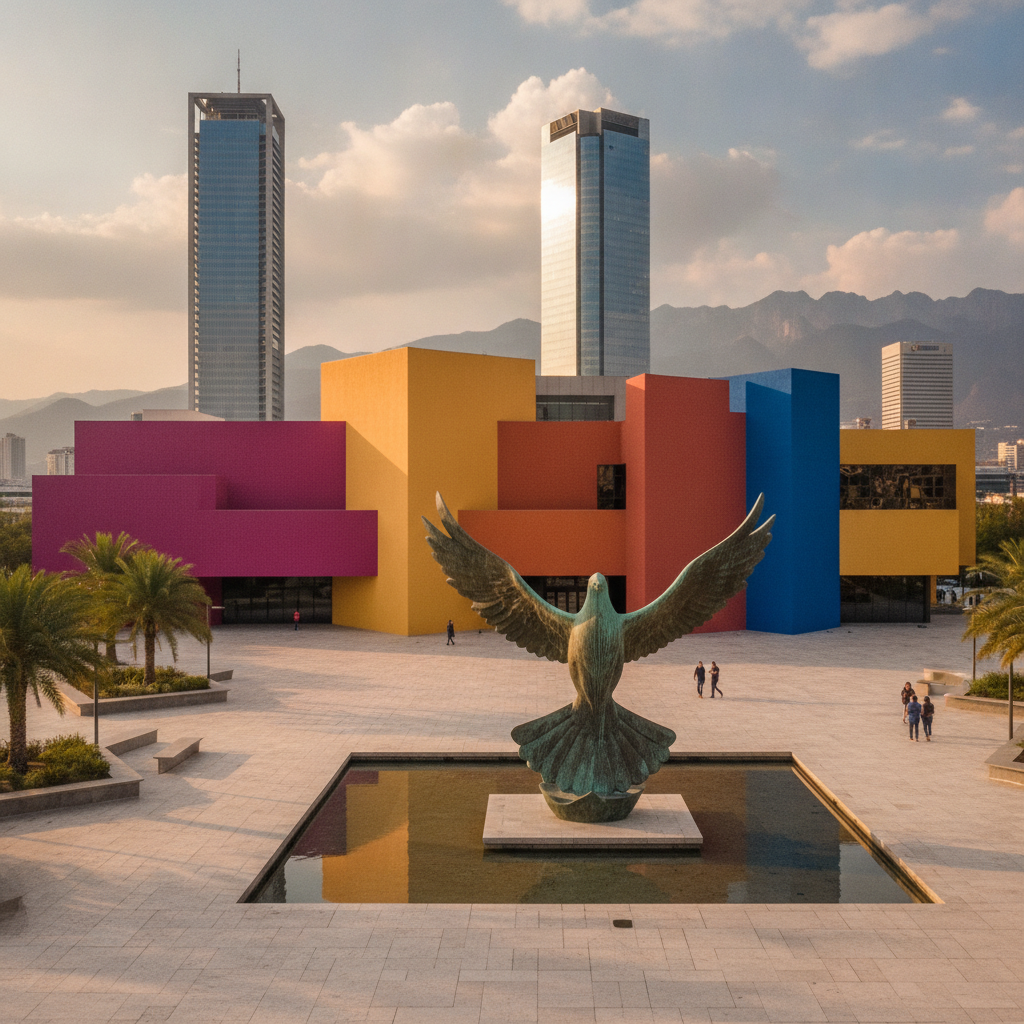
The concentration of corporate and family wealth in Monterrey has funded a museum infrastructure that is disproportionately strong for a city of its size, with the MARCO museum of contemporary art, the Museo del Acero Horno3 industrial heritage museum, the Museo de Historia Mexicana and Museo del Noreste history museums in the Gran Plaza complex, the Pinacoteca de Nuevo Leon regional art collection, and the Centro Roberto Garza Sada cultural center of the Tecnologico de Monterrey constituting a museum network that exceeds the cultural infrastructure of most Latin American cities of similar population. The Museo de Historia Mexicana, designed by the architect Ricardo Legorreta in the same formal vocabulary as his MARCO building with bold color blocks, filtered light, and courtyard organization, houses a comprehensive history of Mexico from pre-Hispanic to contemporary with particular attention to the history of Nuevo Leon and its relationship to the national narrative. The Pinacoteca de Nuevo Leon in the former Government Palace contains the most significant collection of 18th and 19th century Nuevo Leon painting, including colonial-era religious works and 19th century costumbrista paintings documenting daily life in the state. The cultural investment of the Monterrey business class, motivated by a combination of civic pride, tax incentives, and the desire to position the city as a sophisticated metropolitan center rather than simply an industrial production site, has made Monterrey the strongest case in Mexico for the argument that private sector patronage can build world-class cultural infrastructure.
Walk this route with audio
Stories play automatically as you reach each stop — no tapping needed.
More in Monterrey
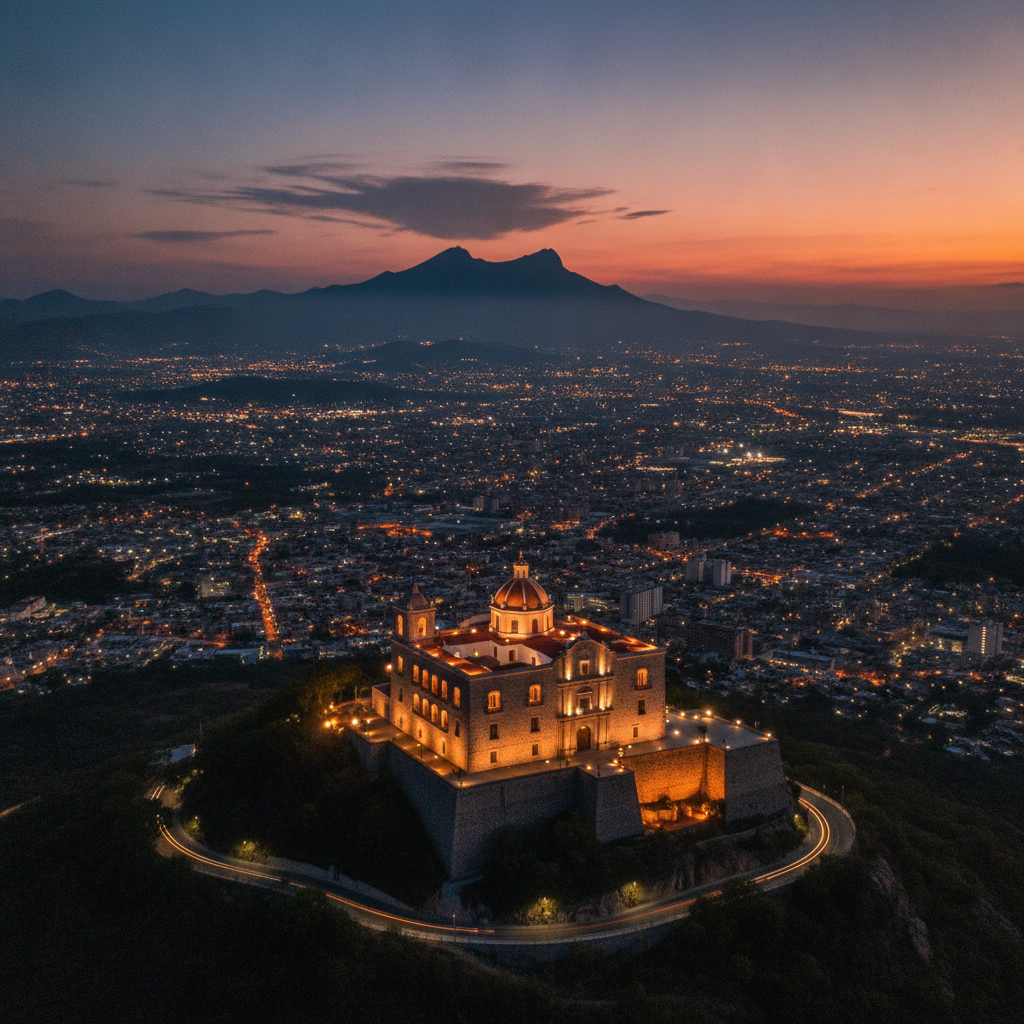
Monterrey Colonial History and Nuevo Leon Founding: The Crypto-Jewish Settlers of Luis de Carvajal the Younger, the Failed First Settlements and the 1596 Establishment That Finally Survived
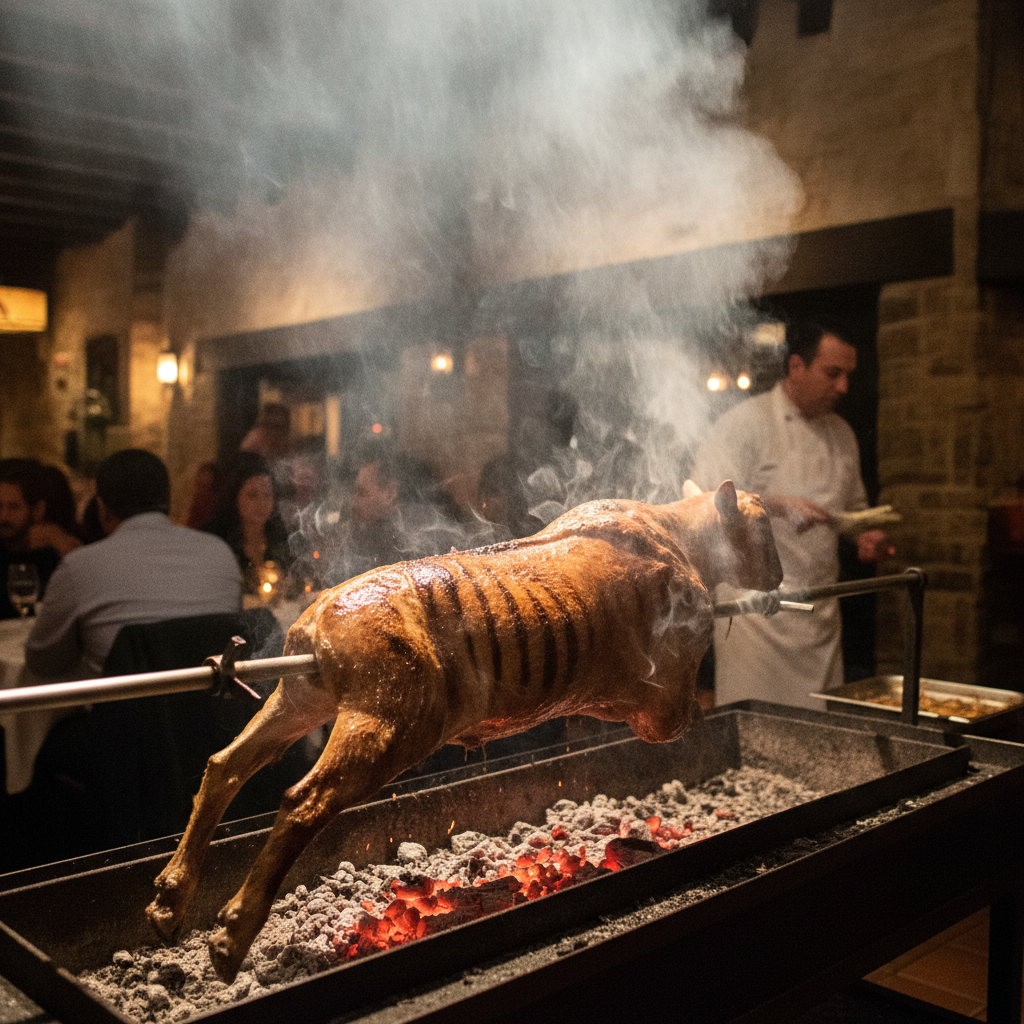
Monterrey Food Culture: Cabrito Roasted Kid Goat, Carne Asada the Northern Mexican Grill Tradition, Pan de Polvo Cookies and the Machaca Dried Beef That Defines the Northern Mexican Ranching Table
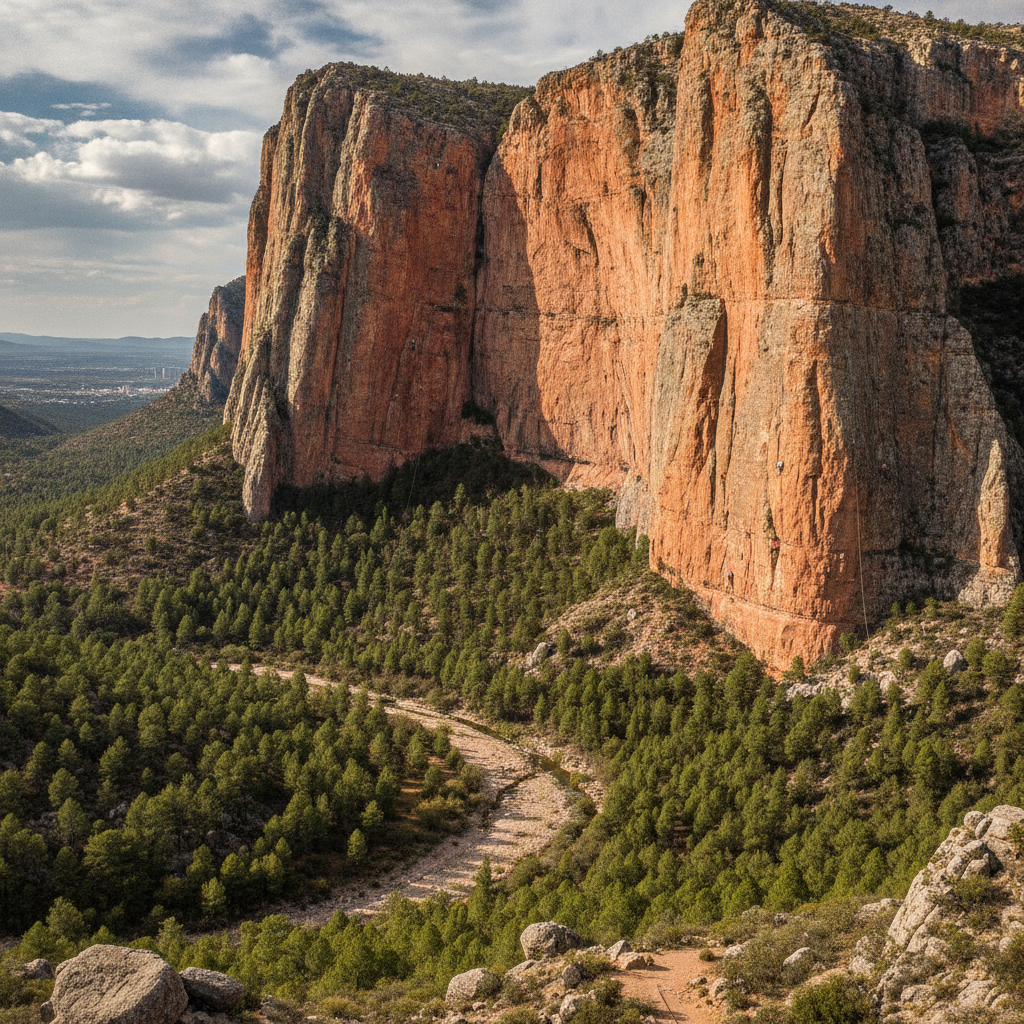
Monterrey Mountains and Nature: Grutas de Garcia Limestone Caves, Cola de Caballo Waterfall, Chipinque Ecological Park and the Sierra Madre Canyon System That Makes This the Most Dramatically Situated Industrial City in Mexico
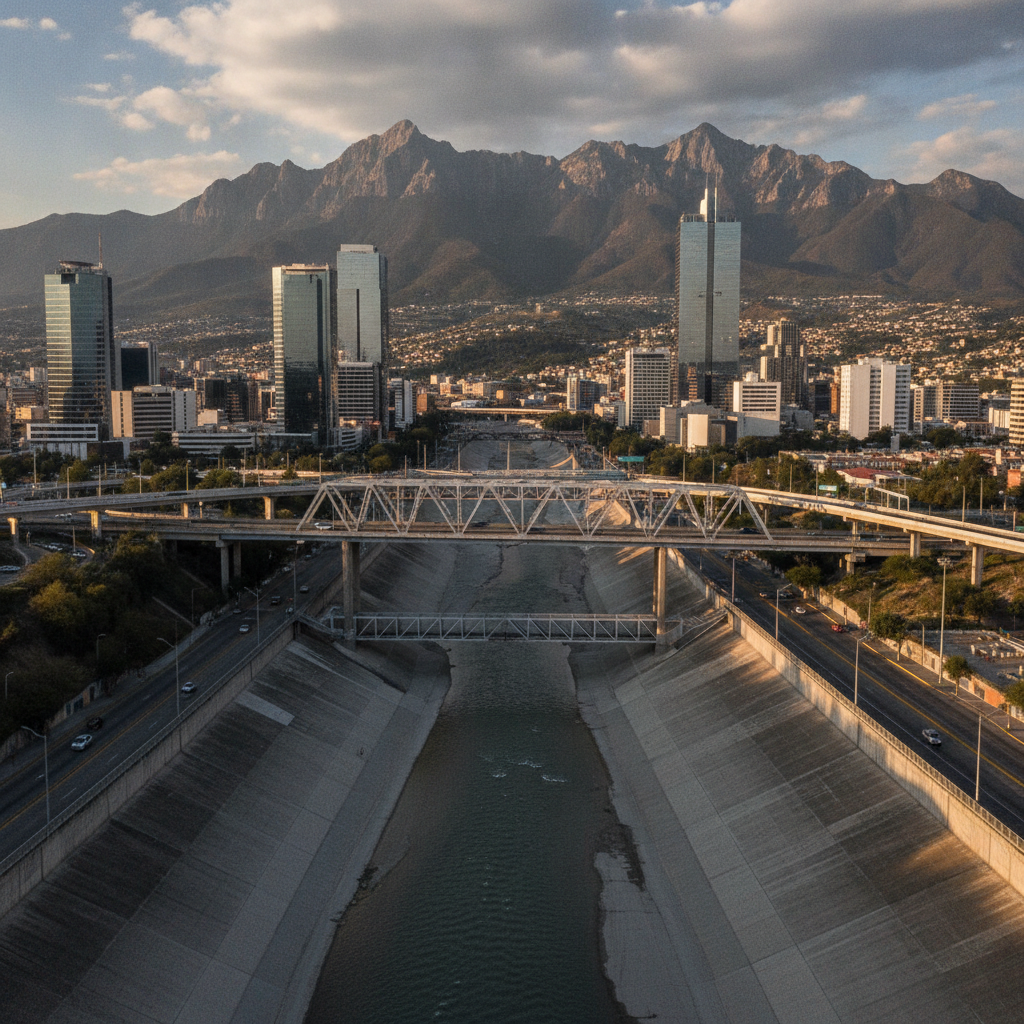
Monterrey Water Crisis, Urban Heat and the Environmental Cost of Industrial Growth in the Semi-Arid Nuevo Leon Valley Where Summer Temperatures Hit 45 Celsius and the Metropolitan Area Ran Out of Tap Water in 2022
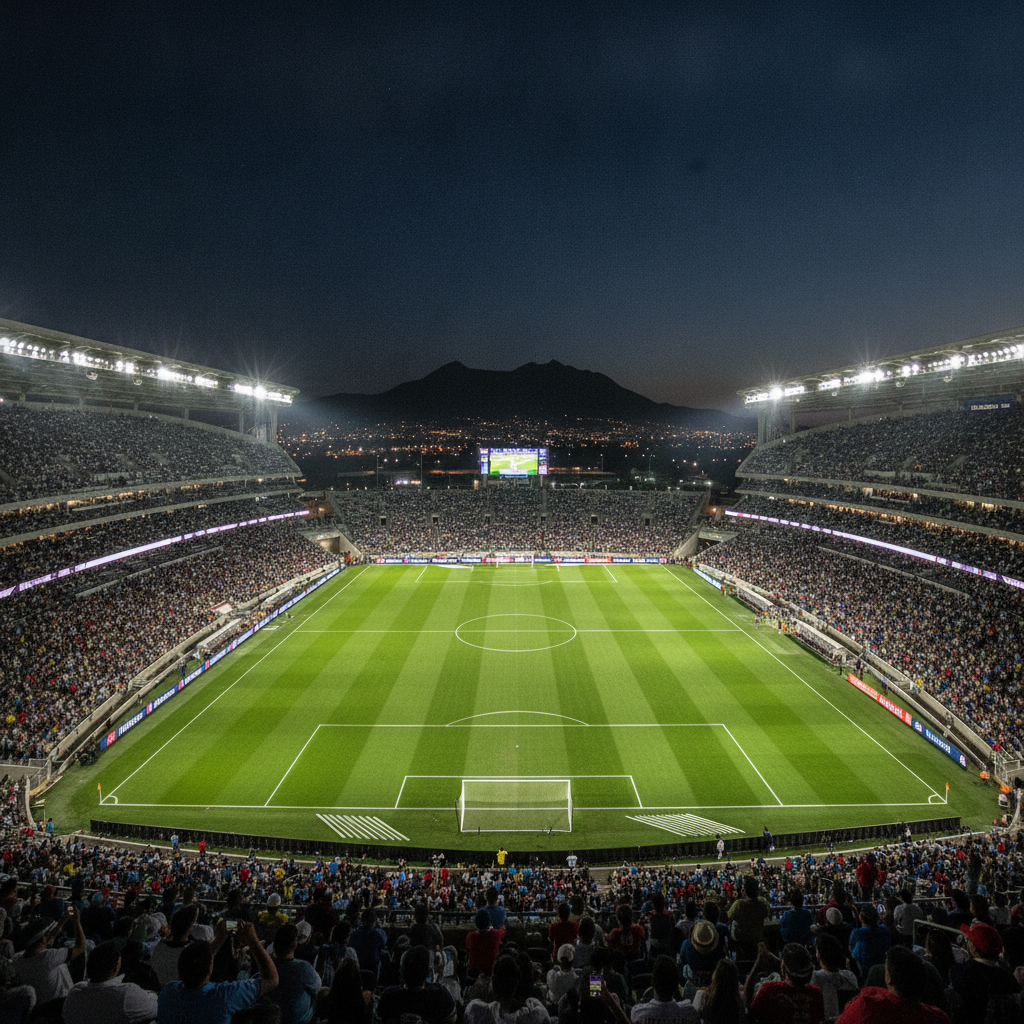
Monterrey Sport and Stadium Culture: Tigres and Rayados Football Rivalry, the PPG Paints Arena Boxing Tradition and the Regiomontano Sports Identity That Turns Two Football Clubs Into a Proxy for Class Division