Montego Bay History: Sam Sharpe and the Baptist War, Georgian Falmouth, Cockpit Country Maroons, and Martha Brae Rafting
The history of Montego Bay encompasses the Baptist War rebellion of Sam Sharpe that accelerated British emancipation, the finest Georgian town planning in the Caribbean at Falmouth, the Maroon independence of the Cockpit Country, and the bamboo river rafting tradition of the Martha Brae.
- 1
Plantation History: The Jamaica Sugar Economy
The sugar plantations of the Montego Bay hinterland, which at the peak of the 18th-century sugar economy produced more wealth per acre than any agricultural system in the world, are the historical foundation of the resort landscape that visitors enjoy today; the white sand beaches and the turquoise water were accessible to plantation owners while hundreds of thousands of enslaved Africans worked the fields and mills in conditions of extraordinary brutality. The Rose Hall great house is the most visible expression of this history.
- 2
Sam Sharpe and the Baptist War
Sam Sharpe, the National Hero of Jamaica who led the Christmas Rebellion of 1831 to 1832, the largest slave revolt in British Caribbean history with 60,000 participants in the Montego Bay hinterland, is the central historical figure of the western Jamaica emancipation story. Sharpe, a deacon of the Baptist church, organized the work stoppage that escalated into a rebellion and was executed in Montego Bay in 1832, two years before the Emancipation Act that he helped precipitate. Sharpe's statue stands in Sam Sharpe Square.
- 3
Sam Sharpe Square: The Memorial Center
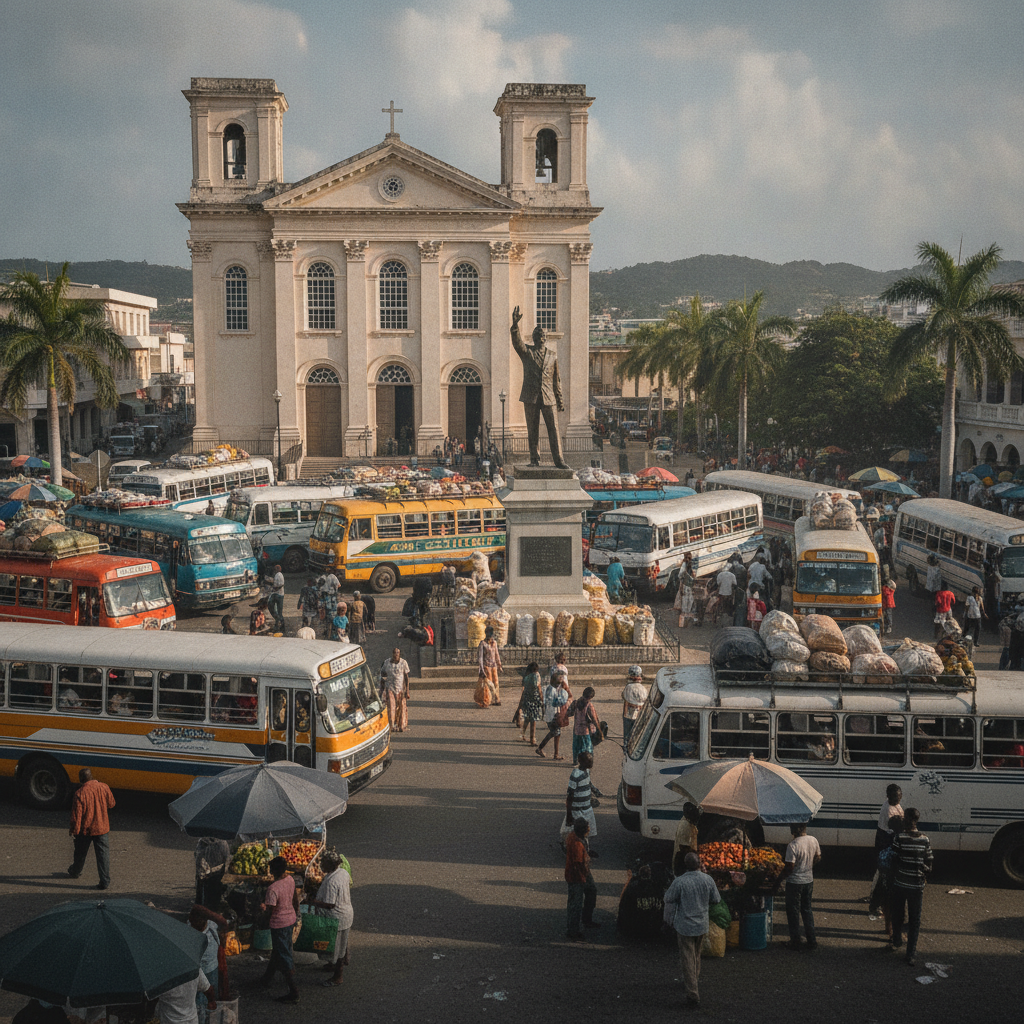
Sam Sharpe Square in the center of Montego Bay, the main civic space of the city named after the National Hero executed there in 1832, is surrounded by the historic buildings of the colonial commercial center including the Burchell Memorial Baptist Church where Sharpe preached. The square is both the bus terminal chaos of central Montego Bay and the most significant public memorial space in the city.
- 4
Falmouth: The Georgian Town
Falmouth, the capital of Trelawny parish 37 kilometers east of Montego Bay, is the finest intact example of Georgian town planning in the Caribbean, with a complete 18th-century street grid, the Georgian courthouse, and the Phoenix Foundry cast-iron building preserved in a townscape that is unusual in the Caribbean for the continuity of its colonial fabric. The Falmouth Heritage Renewal project and the water square are the focal points of the heritage conservation effort.
- 5
Cockpit Country: The Maroon Republic
The Cockpit Country, the almost impenetrable karst limestone landscape of hills, sinkholes, and dense vegetation in the interior of western Jamaica, was the territory that the Windward and Leeward Maroons held against British military expeditions for decades before the 1739 and 1740 treaty recognition of their independence. Accompong, the Leeward Maroon settlement in the Cockpit Country accessible by road from Montego Bay, maintains the Maroon cultural tradition including the Accompong festival on January 6.
- 6
Martha Brae River: Bamboo Rafting
The Martha Brae River rafting from the Rafter's Village near Falmouth, where bamboo raft operators pole single passengers and couples down the calm river through overhanging bamboo tunnels for approximately 90 minutes, is the most relaxed and most traditional tourist activity in the Montego Bay region and a survival of the river transport method used by the plantation economy to float sugar barrels to the coast.
Walk this route with audio
Stories play automatically as you reach each stop — no tapping needed.
More in Montego Bay
Montego Bay Region: Negril Seven Mile Beach, YS Falls, Black River Crocodiles, and Treasure Beach
Montego Bay Food and Entertainment: Scotchies Jerk, the Hip Strip Nightlife, Appleton Rum Estate, and the Craft Market
Montego Bay Activities: Marine Park Snorkeling, Catamaran Cruises, Golf, and the Rastafari Village
Jamaica Context: Patois Language, LGBTQ Reality, the Film Heritage, Post-Colonial Challenges, and the Global Diaspora
Montego Bay: Doctor's Cave Beach, Rose Hall, Reggae Sumfest, and the Luminous Lagoon