Montego Bay Region: Negril Seven Mile Beach, YS Falls, Black River Crocodiles, and Treasure Beach
The destinations accessible from Montego Bay extend to the Seven Mile Beach and sunset cliffs of Negril, the YS Falls waterfall estate, the crocodile safari on the Black River, and the authentic community-based tourism of Treasure Beach on the dry south coast.
- 1
Negril: The Seven Mile Beach
Negril, 80 kilometers west of Montego Bay, has one of the finest and longest straight beaches in the Caribbean at the Seven Mile Beach, a continuous strand of white sand backed by beach bars and small resorts that stretches from the fishing village at the north to the cliffs at the south in a beach environment that combines the accessibility of a resort beach with the laid-back character of a once-isolated fishing village. Negril Cliffs at the southern end provide the sunset experience.
- 2
Negril Cliffs: The Sunset Ritual
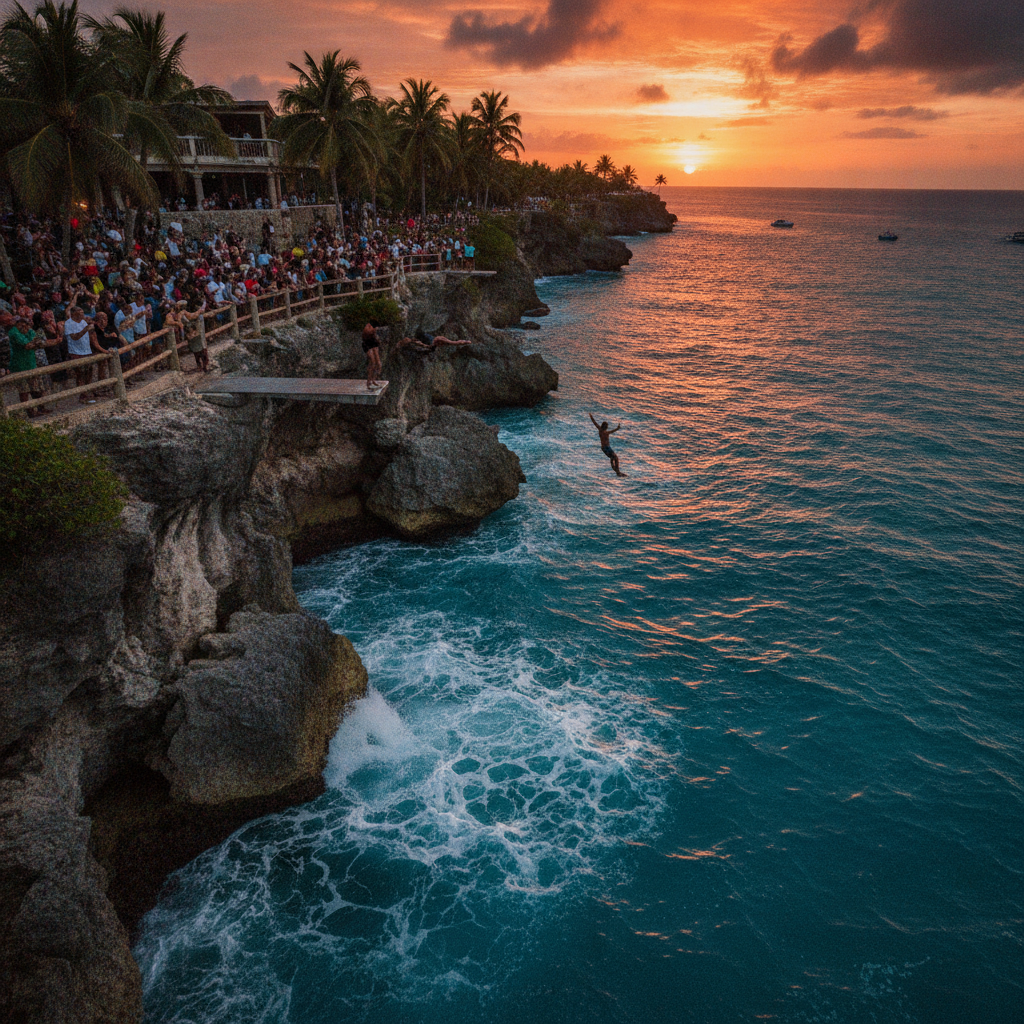
The Rick's Cafe clifftop bar at Negril, where cliff divers launch themselves into the Caribbean from heights up to 10 meters while the crowd sips rum punch and watches the sunset over the ocean, is the most celebrated sunset ritual in Jamaica and one of the most imitated beach bar concepts in the Caribbean. The Negril sunset from the cliffs, with the orange and pink sky behind the divers and the dark sea below, is the defining image of the Jamaican west coast.
- 3
YS Falls: The Waterfall Estate
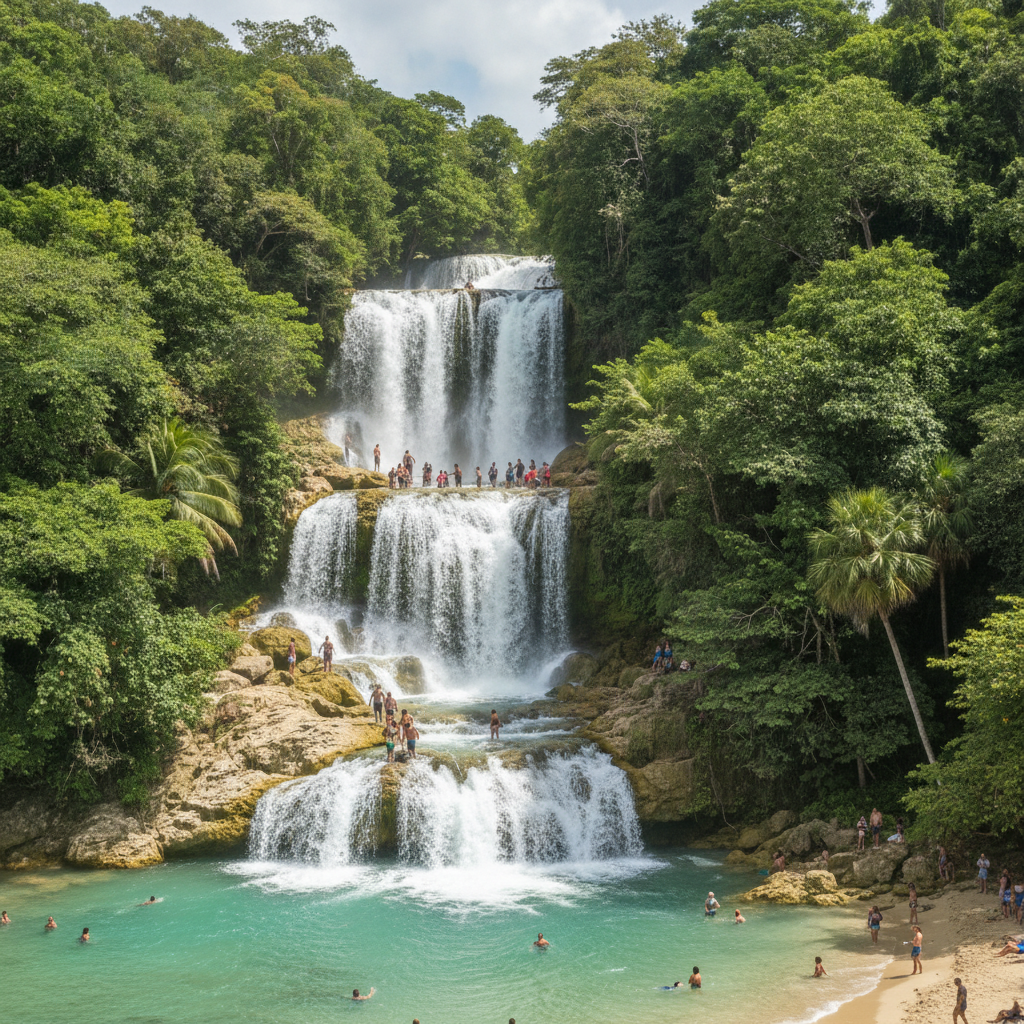
YS Falls on the Black River tributary in St. Elizabeth parish, accessible from Montego Bay in approximately 90 minutes by road, is one of the finest natural attractions in Jamaica: a series of seven cascades in a limestone gorge on a working cattle and horse farm, with rope swings and natural pools for swimming and the surrounding estate providing the agricultural context that gives the waterfall visit a flavor of authentic Jamaican country life.
- 4
Black River: Crocodile Safari
The Black River in St. Elizabeth parish, the longest river in Jamaica, supports one of the largest remaining American crocodile populations in the Caribbean and is the destination for the most reliable wildlife encounter in Jamaica: the crocodile watching boat excursions that depart from the Black River town and move slowly through the mangrove channels where the crocodiles sunbathe on the banks or float in the river. The black water of the river reflects the mangrove vegetation in a distinctive south coast landscape.
- 5
Treasure Beach: The Authentic South Coast
Treasure Beach on the dry south coast of St. Elizabeth parish, a community of four small beaches backed by limestone hill country and characterized by the unusually light-skinned population descended from Scottish settlers, is the most authentic and most community-oriented beach destination in Jamaica, where the Treasure Beach Foundation community development model has created a tourism economy that benefits the local fishing community directly.
- 6
Great Morass and the Crocodile Wetland
The Great Morass of western Jamaica, the largest wetland system on the island covering the southern lowlands between Black River and Negril, is the habitat of the American crocodile population and the Black River delta mangrove ecosystem, and has been proposed for Ramsar wetland status for its biodiversity and hydrological functions. The morning bird watching in the morass edges accessible from the Black River excursion boats reveals the diversity of the Jamaican wetland avifauna.
Walk this route with audio
Stories play automatically as you reach each stop — no tapping needed.
More in Montego Bay
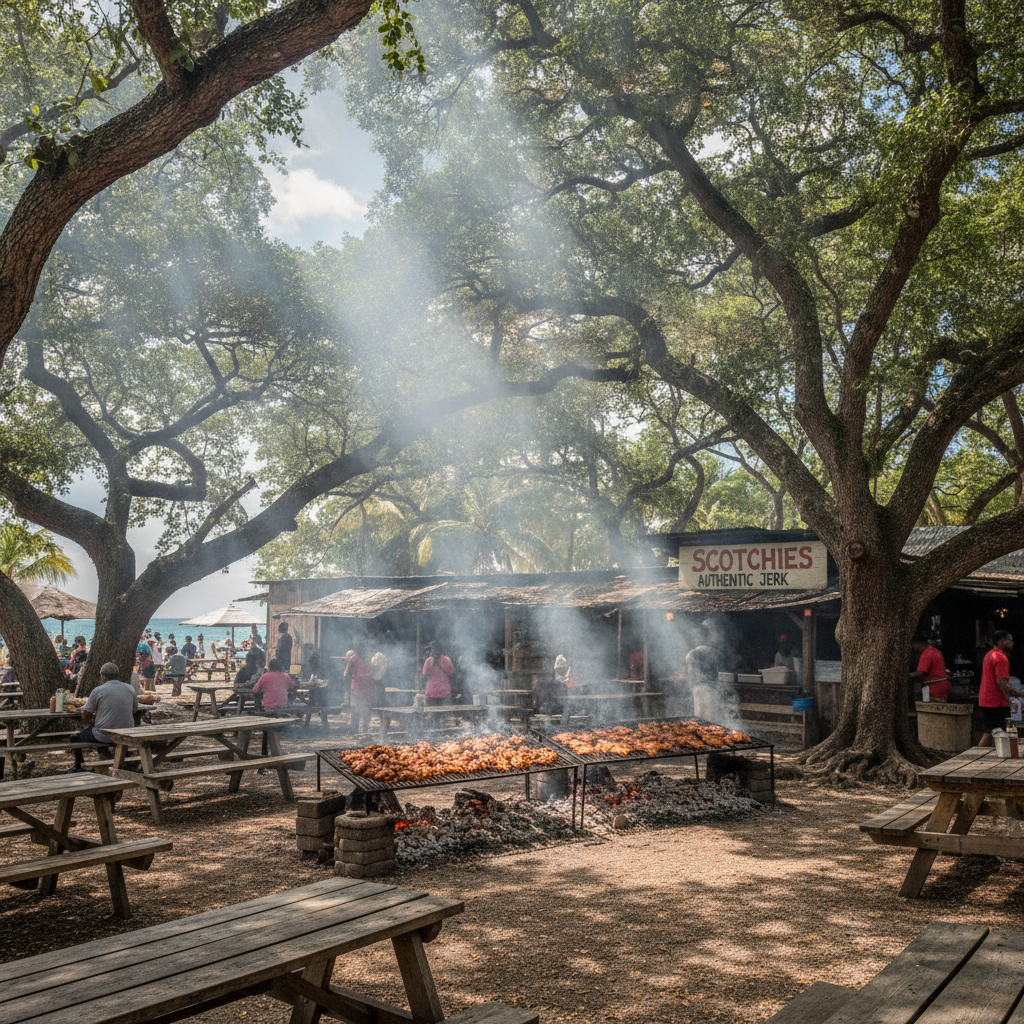
Montego Bay Food and Entertainment: Scotchies Jerk, the Hip Strip Nightlife, Appleton Rum Estate, and the Craft Market
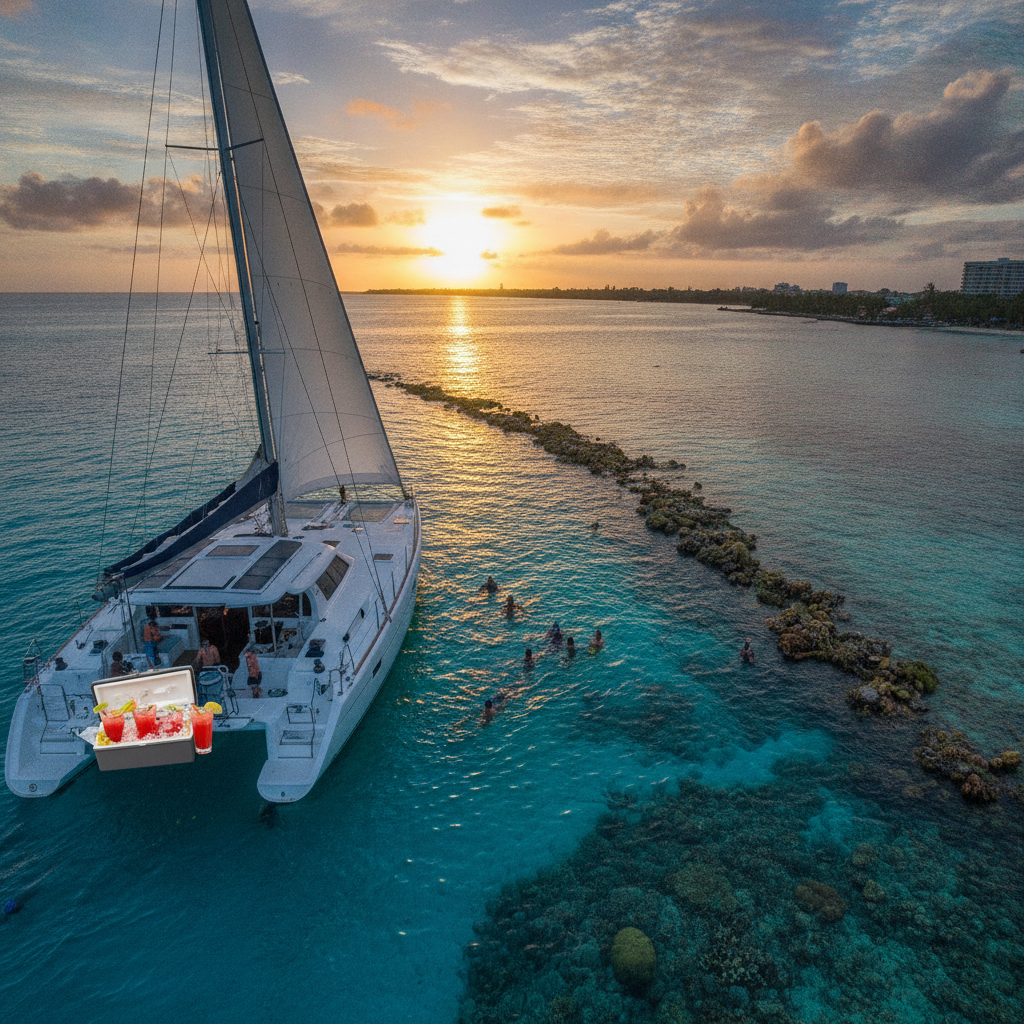
Montego Bay Activities: Marine Park Snorkeling, Catamaran Cruises, Golf, and the Rastafari Village
Jamaica Context: Patois Language, LGBTQ Reality, the Film Heritage, Post-Colonial Challenges, and the Global Diaspora
Montego Bay: Doctor's Cave Beach, Rose Hall, Reggae Sumfest, and the Luminous Lagoon
Montego Bay History: Sam Sharpe and the Baptist War, Georgian Falmouth, Cockpit Country Maroons, and Martha Brae Rafting