Minneapolis: Prince Paisley Park, Spoonbridge Cherry and the Busiest Wilderness in America
Visit the Spoonbridge and Cherry in the country largest urban sculpture garden beside Walker Art Center, walk the Stone Arch Bridge above St. Anthony Falls where Minneapolis milled 12 million loaves of bread worth of flour daily at its 1880s peak, plan a BWCA canoe trip 150 miles north through 1000 lakes that requires a permit lottery months in advance, eat 50 new foods on sticks at the Great Minnesota Get-Together state fair drawing 2 million people, make a pilgrimage to First Avenue club and Paisley Park in Chanhassen where Prince recorded everything he ever made, and bike the 13-mile Chain of Lakes trail from Bde Maka Ska to Lake Harriet bandshell concerts.
- 1
Minneapolis Sculpture Garden and Walker Art Center
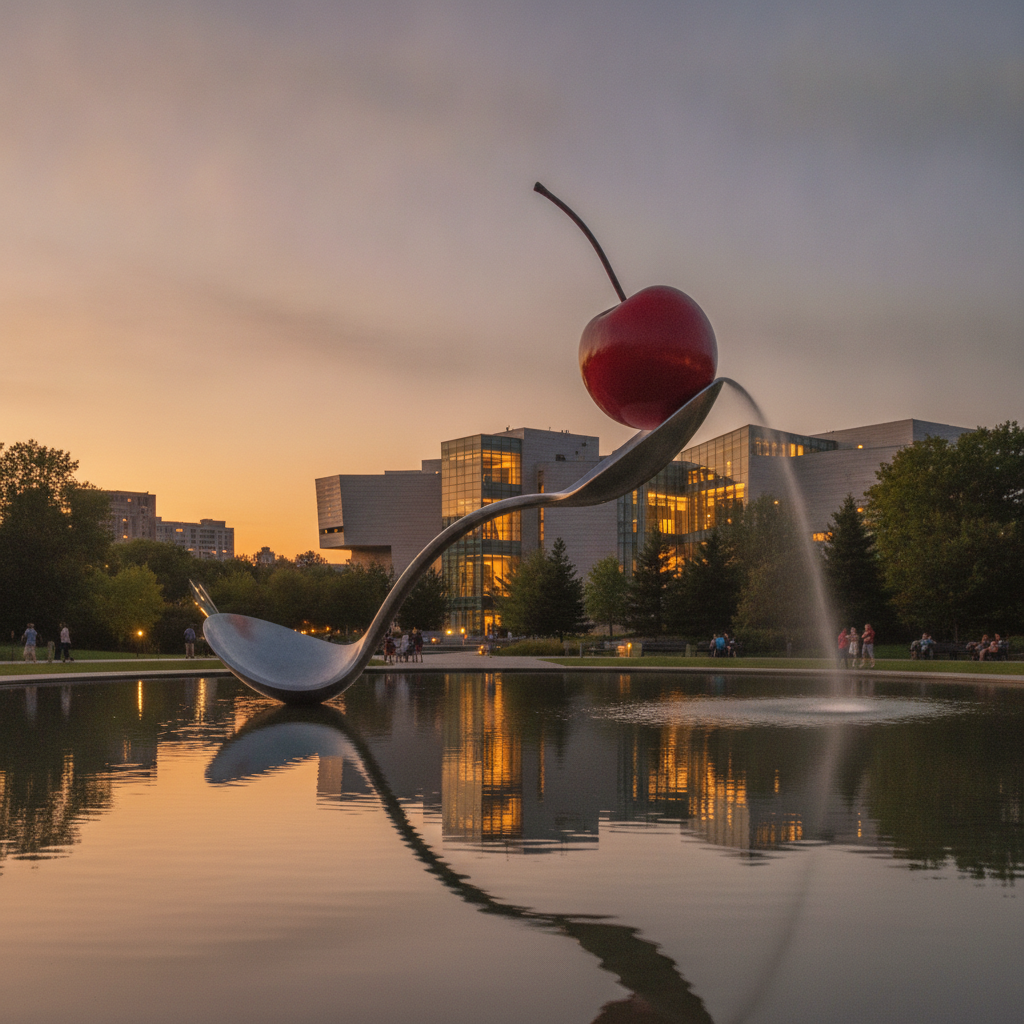
The Minneapolis Sculpture Garden adjacent to the Walker Art Center on Vineland Place, opened in 1988 and expanded in 2017, is the largest urban sculpture garden in the United States at 19 acres and features over 40 permanent works including Claes Oldenburg and Coosje van Bruggen Spoonbridge and Cherry, the 29-foot steel spoon holding a maraschino cherry above a reflecting pool that has become the most photographed object in Minneapolis. The Walker Art Center, one of the leading contemporary art museums in the United States, presents rotating exhibitions, film, performing arts, and education programs in a building originally designed by Edward Larrabee Barnes in 1971 and expanded by Herzog and de Meuron in 2005. The Walker is particularly known for its collection of American pop art, its experimental theater programming, and its design and architecture exhibitions. The garden and the public grounds are free and open continuously.
- 2
St. Anthony Falls and Stone Arch Bridge
St. Anthony Falls, the only natural waterfall on the Mississippi River and the reason Minneapolis exists where it does, powered the flour mills that made Minneapolis the flour milling capital of the world from the 1870s through the 1920s. At its peak, Minneapolis mills produced enough flour daily to make 12 million loaves of bread. The ruins of the mill district along the west bank of the river, including the Crown A Mill and Washburn A Mill, are preserved as the Mill City Museum, which is built inside the ruins of the Washburn A explosion of 1878 that killed 18 workers. The Stone Arch Bridge, built in 1883 for James J. Hill Great Northern Railway and the only arched stone bridge across the Mississippi, is now a pedestrian and bicycle path with panoramic falls views. The surrounding St. Anthony Main neighborhood and the Nicollet Island Inn in the river are among the most historically evocative areas in the city.
- 3
Boundary Waters Canoe Area Wilderness
The Boundary Waters Canoe Area Wilderness in northeastern Minnesota, 150 miles north of Minneapolis, is the most visited wilderness area in the United States, receiving over 150,000 permitted visitors annually who must enter by canoe and travel without motorized equipment through a network of over 1,000 lakes connected by portage trails. The wilderness covers 1.1 million acres along the Canadian border adjacent to Quetico Provincial Park in Ontario, forming together the largest canoe country in the world. The area was protected from logging and mining by a succession of federal actions beginning in 1926 and is now designated wilderness under the 1964 Wilderness Act. Entry requires a federal permit issued through a lottery system months in advance. Minneapolis outdoor retailers including REI and local outfitters in Ely provide BWCA trip planning services. The wilderness is known for its loon calls, Northern Lights visibility, and almost complete absence of human infrastructure.
- 4
Minnesota State Fair
The Minnesota State Fair held for 12 days ending on Labor Day at the State Fairgrounds in Falcon Heights between Minneapolis and Saint Paul, is the largest state fair in the United States by average daily attendance, drawing over 2 million visitors annually. The fair is colloquially called the Great Minnesota Get-Together and is distinctive for its food culture, with an estimated 50 to 60 new foods introduced each year, almost all served on a stick for ease of walking consumption. Cheese curds, Sweet Martha Cookies served in a bucket, Pronto Pups, and mini donuts are among the perennial landmarks. The fair includes livestock shows, 4-H competitions, the State Fair grandstand concert series that has hosted major musicians since the 1950s, and the Creative Activities building with competitive entries in quilting, canning, baking, and craft. The Midway rides area and the agricultural machinery exhibits complete a genuine all-of-Minnesota gathering that defies simple categorization.
- 5
Minneapolis Music and Prince Legacy
Minneapolis has one of the most productive and distinctive popular music scenes of any American city relative to its size, anchored by the legacy of Prince Rogers Nelson, born in Minneapolis in 1958, who spent virtually his entire career recording at Paisley Park Studios in the suburb of Chanhassen and created a Minneapolis Sound distinctive for the combination of funk rhythms, synthesizer textures, and rock guitar. Paisley Park, where Prince recorded and lived until his death in April 2016, is now open as a museum. First Avenue, the downtown music club at 701 First Avenue North that appeared prominently in Princes 1984 film Purple Rain, remains the premier live music venue in Minneapolis and a pilgrimage destination. The Twin Cities music scene also produced the Replacements, Husker Du, Soul Asylum, and Atmosphere among nationally significant artists. The Electric Fetus record store, in continuous operation since 1968, is one of the most beloved independent record stores in the country.
- 6
Minneapolis Chain of Lakes and Outdoor Life
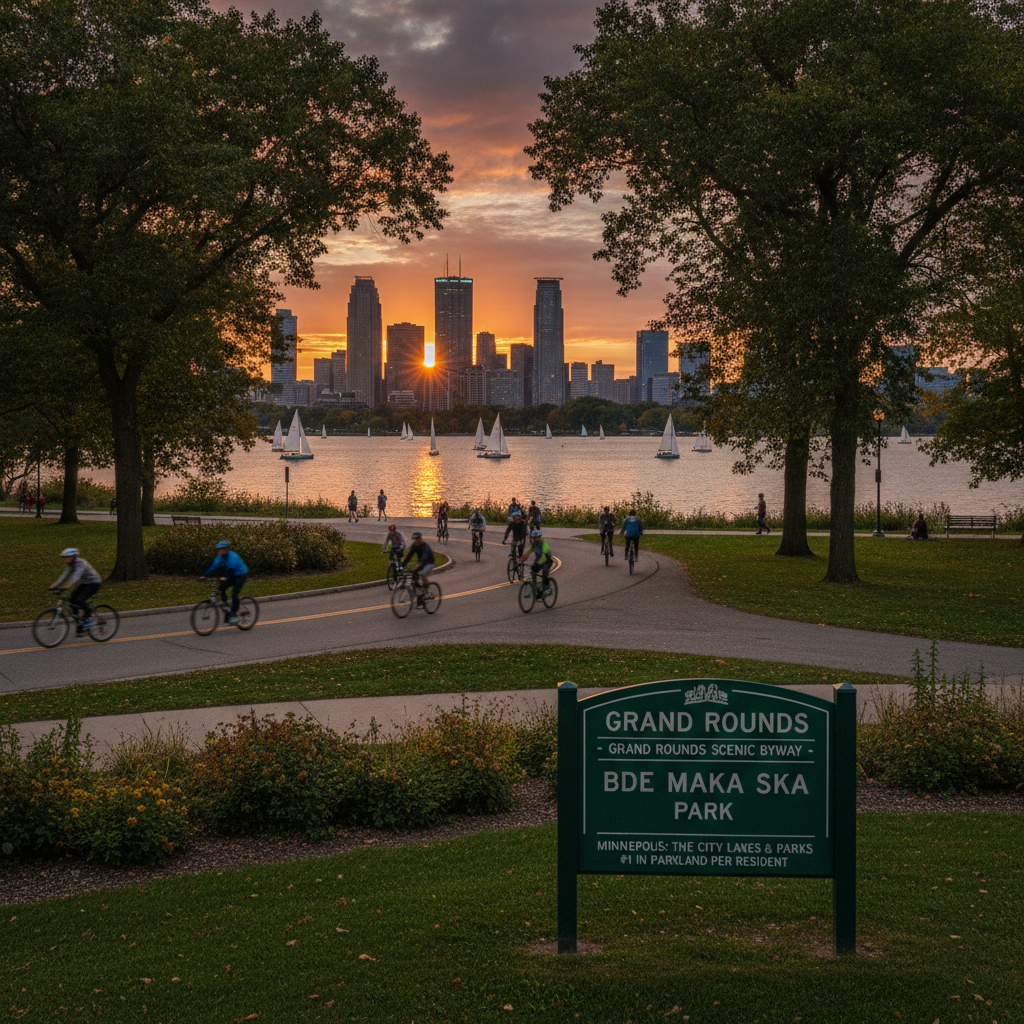
The Chain of Lakes, a necklace of urban lakes connected by parkways and trails in southwest Minneapolis including Lake Calhoun officially renamed Bde Maka Ska, Lake Harriet, Lake of the Isles, Cedar Lake, and Lake Nokomis, represents the finest system of urban lakes of any American city, with 13 miles of paved paths, beach swimming areas, boat rentals, picnic areas, and bandshell concerts. The Minneapolis Park and Recreation Board, founded in 1883, consistently ranks as one of the best urban park systems in the United States and manages 22 lakes, 49 recreation centers, and 180 parks. Minneapolis residents have among the highest rates of bicycle commuting and outdoor activity of any American city, supported by an extensive protected bike lane network and a skyway system of enclosed second-floor pedestrian bridges connecting 80 downtown blocks that allows winter movement without outdoor exposure. Ice fishing, cross-country skiing, and winter fat tire biking are popular seasonal activities.
Walk this route with audio
Stories play automatically as you reach each stop — no tapping needed.
More in Minneapolis
Minneapolis: Cuba-Touring Orchestra, Indigenous James Beard Winner and 150 Miles of Lake Superior Cliffs
Minneapolis: Mississippi River national park and 22 city lakes (best urban park system US, Grand Rounds 87km loop, Bde Maka Ska), Prince and Paisley Park (Purple Rain 1984, First Avenue nightclub, 100M records, Paisley Park museum), Mall of America (largest US mall, 40M visitors, Nickelodeon Universe, Walker Art Center Spoonbridge and Cherry, Guthrie Theater Jean Nouvel), Twin Cities food and diversity (Somali diaspora largest US 70,000-100,000, Hmong Village Saint Paul, Juicy Lucy invention, Minnesota State Fair 2M visitors), George Floyd Square (May 25 2020, Darnella Frazier, largest US protest movement 15-26M people, Chauvin convicted 2021), Practical (skyway system 13km longest world, Vikings 4 Super Bowls 0 wins, MSP airport Delta hub, Metro Blue Line airport rail)
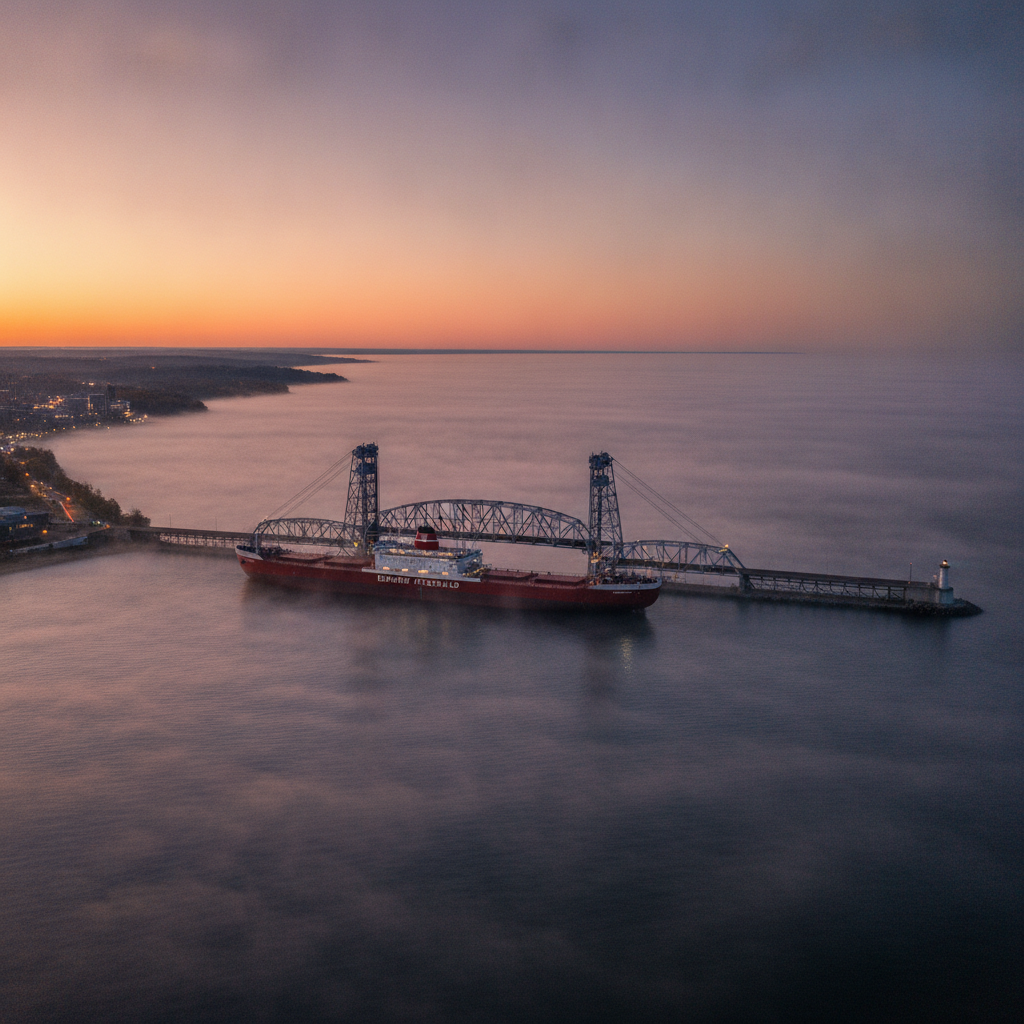
Minneapolis R2: Nicollet Mall and downtown architecture (IDS Center Philip Johnson 1972, Foshay Tower 1929 W Hotel, Mary Tyler Moore statue, Hennepin Ave theater district), University of Minnesota (51,000 students, 29 Nobel laureates, Norman Borlaug Green Revolution 1 billion deaths prevented, Bob Dylan Dinkytown 1959-1960), Boundary Waters Canoe Area (1.1M acres, 1,175 lakes, most visited US wilderness, Twin Metals mining controversy), Saint Paul (Minnesota State Capitol Cass Gilbert, Summit Avenue F. Scott Fitzgerald, Cathedral of Saint Paul), Minnesota Scandinavian heritage (1.5M Norwegian descent, Minnehaha Falls Longfellow, lutefisk Lutheran church suppers, Lake Wobegon Garrison Keillor), Day trips (Duluth Lake Superior Aerial Lift Bridge, Mayo Clinic Rochester, Stillwater Victorian birthplace of Minnesota)
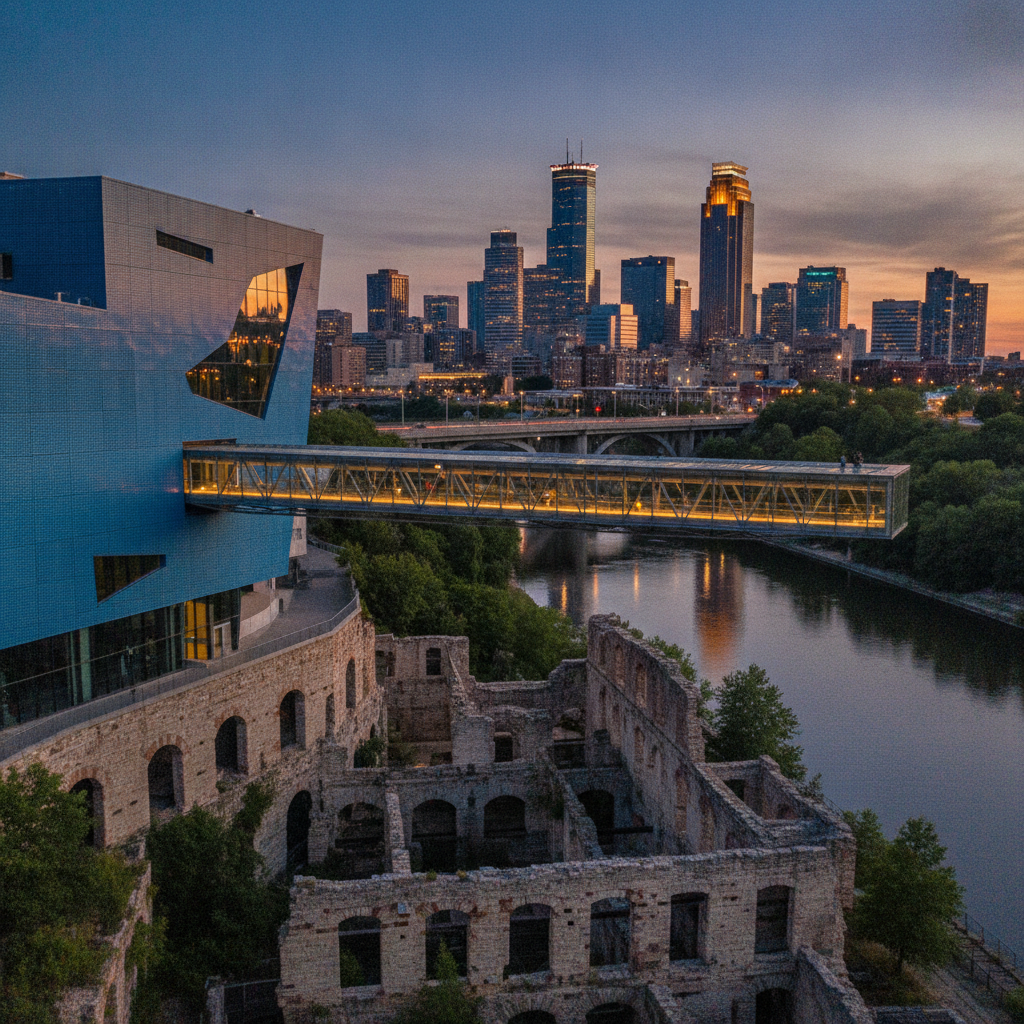
Minneapolis: F. Scott Fitzgerald Summit Avenue, Guthrie Theater Over the River and 9 Miles of Indoor Skyways
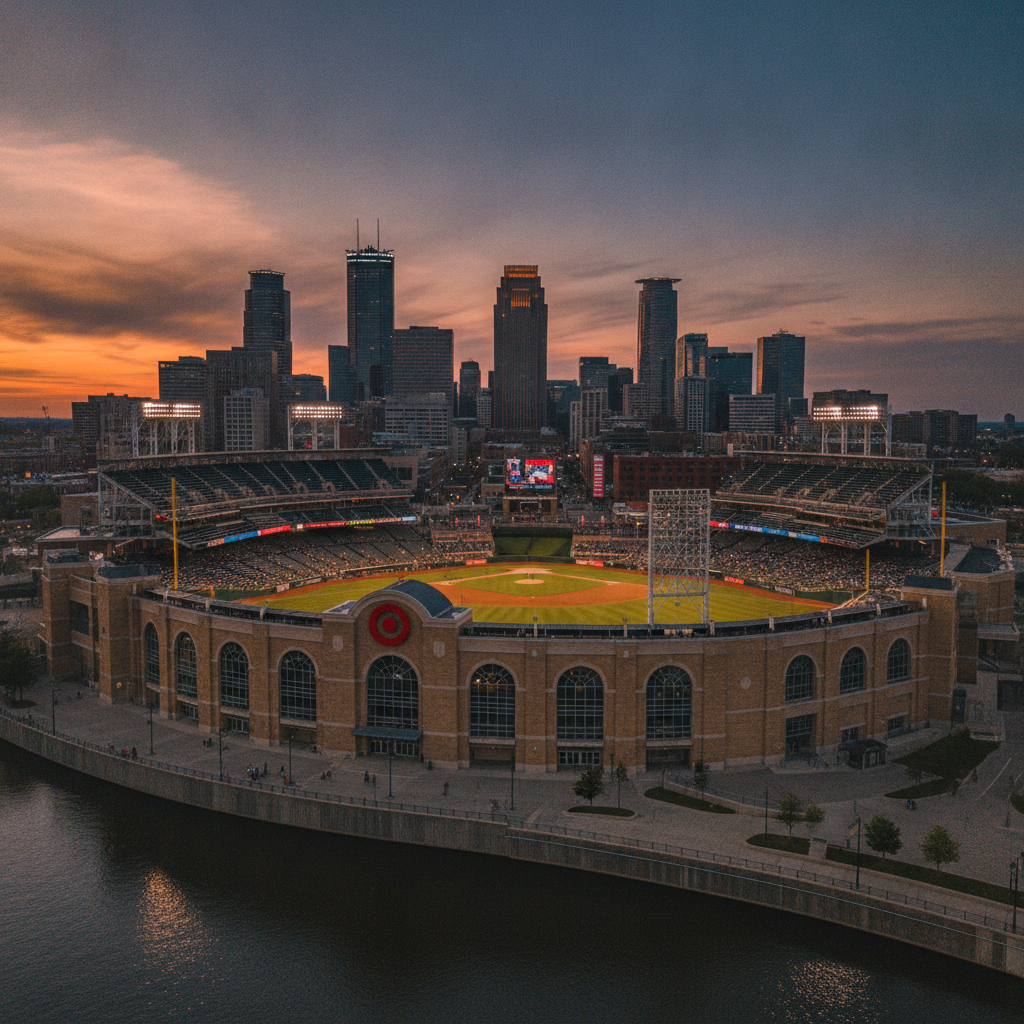
Minneapolis: Bob Dylan Dinkytown Coffeehouses, East African Little Mogadishu and Gehry Campus