Minneapolis R4: Visual arts scene (Walker Art Center, Minneapolis Sculpture Garden Spoonbridge and Cherry, Art-a-Whirl 700 artists 20,000 visitors, McKnight-Jerome-Bush foundations USD 100M grants), First Avenue music (Prince Purple Rain 1983 filming, Husker Du, The Replacements, Atmosphere, Rhymesayers Entertainment), Minnesota State Fair (2M visitors, 60-80 new foods-on-a-stick, Pronto Pup 1941 first corn dog, Sweet Martha Cookies 1M per day), Hmong and Somali communities (Hmong Village 300 vendors, Cedar-Riverside Little Mogadishu, Riverside Plaza 4,000 residents), Winter lake culture (frozen lake skating, Pond Hockey Championships Bde Maka Ska, ice fishing Mille Lacs, Skyway 13km longest world), Practical (summer best, Metro Blue and Green Lines, no sales tax on clothing, Minnesota Nice)
Minneapolis arts and practical: visual arts (Walker 13,000 works, Minneapolis Sculpture Garden Spoonbridge and Cherry 1988, Northeast Art-a-Whirl 700 artists largest studio crawl US, McKnight-Jerome-Bush foundations USD 100M per year), First Avenue music (Prince Purple Rain filmed 1983, Husker Du Zen Arcade 1984, The Replacements most important unheard 1980s band, Atmosphere Rhymesayers Entertainment), State Fair (2M visitors 12 days, Pronto Pup 1941 original corn dog, Sweet Martha Cookies 1M per day, Spam Austin MN HQ 8 billion cans sold), Hmong and Somali (Hmong Village 300 vendors Saint Paul, Cedar-Riverside Little Mogadishu, Riverside Plaza Ralph Rapson 4,000 residents), winter lake culture (Bde Maka Ska groomed skating, Pond Hockey Championships 3,000 players, ice fishing Mille Lacs 5,000 houses, Skyway 13km longest system world), practical (summer peak, Blue and Green Line Metro Transit, no Minnesota clothing tax, Minnesota Nice social reserve).
- 1
Minneapolis Art Scene - From the Walker to Northeast
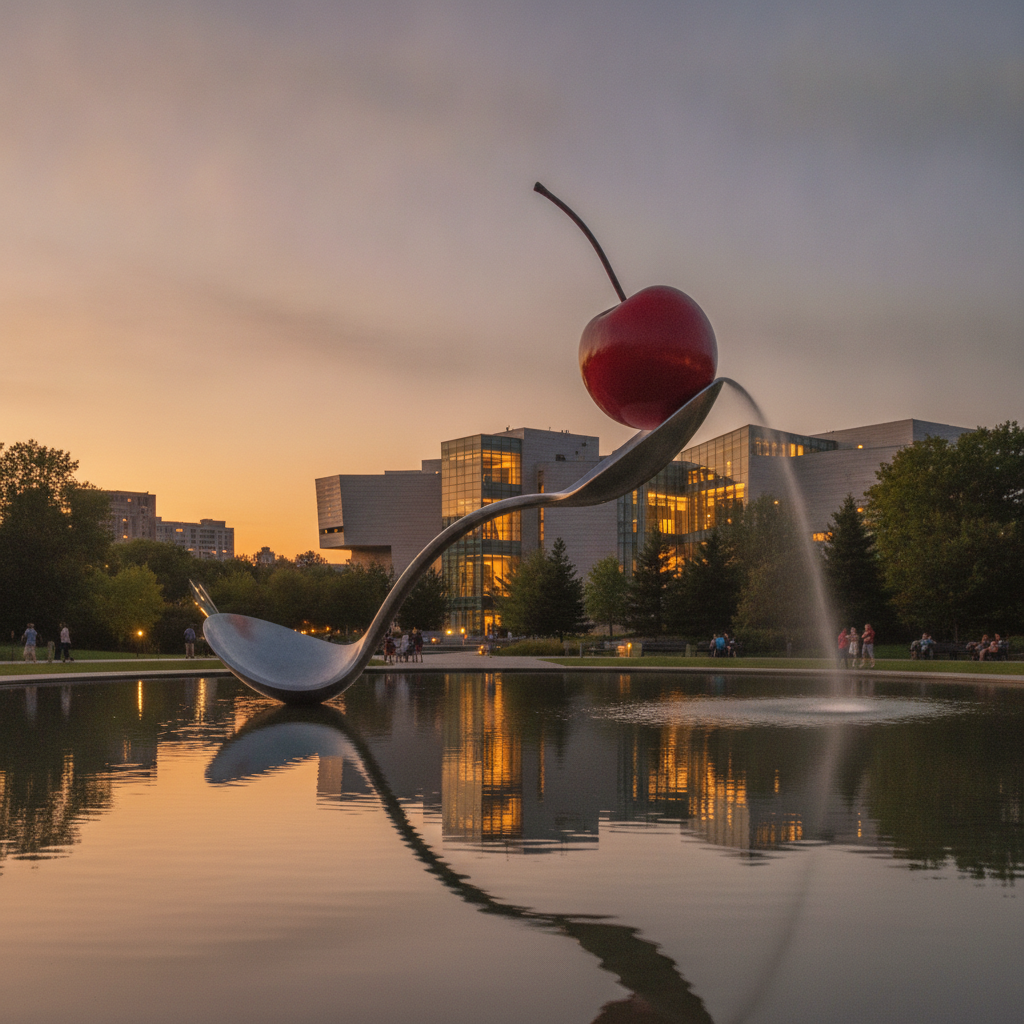
Minneapolis visual arts: Minneapolis has one of the highest concentrations of working artists per capita of any American city (second only to New York by some measures), supported by the strong network of arts funding institutions (the McKnight Foundation, the Jerome Foundation, and the Bush Foundation — all headquartered in Minneapolis — collectively distribute over USD 100 million per year in arts grants, more than any comparable cluster of private foundations outside New York). The Walker Art Center permanent collection highlights: the Walker holds approximately 13,000 works with particular strengths in American post-war abstraction (Jasper Johns, Robert Rauschenberg), Minimalism (Donald Judd, Dan Flavin), and video and media art. The Minneapolis Sculpture Garden (adjacent to the Walker, at 725 Vineland Place): the 11-acre outdoor sculpture garden with 40 permanent sculptures, dominated by the iconic Spoonbridge and Cherry (Claes Oldenburg and Coosje van Bruggen, 1988, one of the most photographed public sculptures in the United States) and Frank Gehry's Standing Glass Fish (1986). Northeast Minneapolis Arts District (the Nordeast neighborhood, centered on Central Avenue NE and the surrounding warehouse district): the most concentrated working artist studio community in Minneapolis, with over 500 working artists in residence, dozens of galleries, and the Art-a-Whirl open studio weekend (the largest studio art crawl in the United States, held each May, with over 20,000 visitors touring approximately 700 artists in open studios over 3 days).
- 2
First Avenue and the Minneapolis Music Scene
First Avenue nightclub (at 701 First Avenue N, Minneapolis, housed in the 1937 Greyhound bus depot): the most historically significant rock music venue in Minneapolis and one of the most storied small music venues in the United States. First Avenue history: the building was converted to a rock club in 1970 by Allan Fingerhut and has hosted virtually every major rock and pop act to come through Minneapolis since, with the exterior wall studded with over 500 stars bearing the names of performers who have sold out the main room. The First Avenue and Prince connection: Prince filmed the concert sequences for Purple Rain at First Avenue in 1983 (the performances were real shows with a live audience, filmed over two nights); the venue became internationally famous and remains a pilgrimage site for Prince fans. The Minneapolis music scene beyond Prince: Husker Du (the hardcore punk band formed in Saint Paul in 1979, one of the most influential punk bands in American history, whose albums Zen Arcade 1984 and New Day Rising 1985 are considered the greatest hardcore punk albums); The Replacements (the Minneapolis punk-rock band formed 1979, one of the most critically acclaimed American rock bands of the 1980s, described by Rolling Stone as the most important band of the 1980s you never heard of); Soul Asylum (formed Minneapolis 1981, Runaway Train 1992); Atmosphere (the Minneapolis hip-hop duo of rapper Slug and producer Ant, formed 1989, pioneers of the alternative hip-hop genre); Brother Ali (the Minneapolis rapper and prominent figure in the Rhymesayers Entertainment label, the most important independent hip-hop label in the Midwest). Rhymesayers Entertainment (at 2409 Hennepin Avenue S, Uptown Minneapolis, founded 1995): the Minneapolis indie hip-hop label home to Atmosphere, Brother Ali, Prof, and Blueprint.
- 3
Minnesota State Fair - The Great Minnesota Get-Together
The Minnesota State Fair (the Great Minnesota Get-Together, held annually for 12 days ending on Labor Day at the Minnesota State Fairgrounds in Falcon Heights, between Minneapolis and Saint Paul): the second largest state fair in the United States by attendance (approximately 2 million visitors over 12 days, exceeded in size only by the Texas State Fair in Dallas). The State Fair as cultural institution: the Minnesota State Fair is not simply an agricultural exhibition but the defining social event of the Minnesota year, attended by virtually every demographic of the state population — farmers and city dwellers, children and retirees, liberals and conservatives — united by the shared experience of food on a stick, the midway, the livestock barns, and the Grandstand concerts. Minnesota State Fair food culture: the fair is the premier testing ground for new food-on-a-stick innovations in the United States, with approximately 60-80 new foods introduced each year. Historic fair foods: the Pronto Pup (the original corn dog, introduced at the Minnesota State Fair in 1941), cheese curds (deep-fried fresh cheese curds, which must be made fresh daily for maximum squeakiness), Sweet Martha's Cookies (the most popular single food vendor at any American state fair, selling over 1 million freshly baked chocolate chip cookies per day of the fair), and the Spam burger (honoring Hormel Foods, headquartered in Austin, Minnesota, which invented Spam in 1937 — 8 billion cans of Spam have been sold worldwide). The State Fair midway, the Grandstand (the 22,000-seat outdoor concert venue at the center of the fairgrounds), and the agricultural competitions (the largest collection of giant vegetables, finest livestock, and most elaborate creative food exhibits in the state).
- 4
Hmong-American Culture and Minnesota Refugee History
Minnesota as a refugee resettlement destination: Minnesota has accepted more refugees per capita than any other US state for the past four decades, creating one of the most diverse immigrant and refugee communities in the American Midwest. The Hmong community: following the end of the Vietnam War and the fall of the Pathet Lao in Laos (1975), hundreds of thousands of Hmong (an ethnic group from the mountain highlands of Laos and Vietnam who had allied with the CIA during the Secret War in Laos) fled to refugee camps in Thailand. The US government resettled approximately 250,000 Hmong refugees in the United States from 1975 to 2000, with Minnesota accepting the largest share due to the active sponsorship by Lutheran Social Service of Minnesota and the presence of existing Hmong communities. The Twin Cities Hmong community (approximately 70,000-80,000 people, the largest urban Hmong community in the United States, concentrated in Saint Paul's Frogtown and Eastside neighborhoods and Minneapolis's Powderhorn and Phillips neighborhoods): Hmong Village (at 1001 Johnson Pkwy NE, Saint Paul): the largest Hmong marketplace in the United States, with over 300 vendors selling Hmong food, traditional clothing, silver jewelry, herbal medicine, and cultural goods. The Somali community: the second major refugee community of the Twin Cities, with approximately 70,000-100,000 Somali Americans concentrated in the Cedar-Riverside neighborhood of Minneapolis (known as Little Mogadishu) and the Riverside Plaza housing complex (the largest affordable housing complex in Minnesota, designed by Ralph Rapson in the 1970s, with 1,303 units housing approximately 4,000 people — among the most densely populated urban housing in the upper Midwest).
- 5
Minneapolis Lakes in Winter - Ice Culture and Cold Weather Living
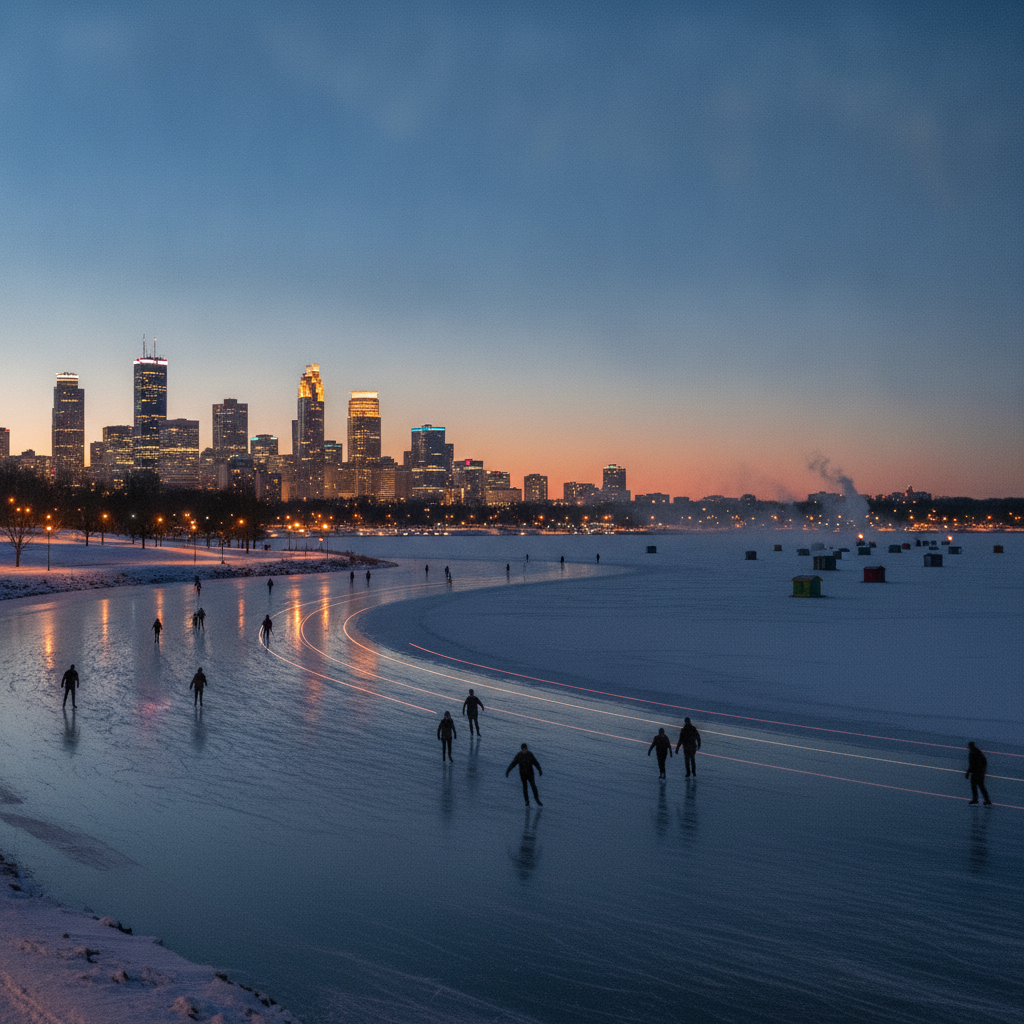
Minneapolis winter culture: Minneapolis is the coldest major metropolitan area in the United States (colder than Chicago, Milwaukee, and even many Canadian cities at comparable latitudes), with an average January temperature of -11 degrees Celsius and record lows reaching -41 degrees Celsius (with windchill). Winter lake culture: the Minneapolis chain of lakes freezes solidly each winter (typically by December), enabling a unique winter outdoor culture centered on the frozen lakes. Ice fishing: the long tradition of Minnesota ice fishing (drilling holes through the ice to fish for walleye, northern pike, perch, and crappie in the frozen lakes), with permanent ice fishing villages appearing on major lakes (Mille Lacs Lake, 190 km north of Minneapolis, hosts over 5,000 ice fishing houses in January). Lake skating: the Minneapolis Park Board maintains groomed skating rinks on the chain of lakes, with free skate rental at the Lake Harriet Pavilion and the Bde Maka Ska Pavilion, making them among the most popular free winter outdoor recreational venues in any American city. Broomball and pond hockey: the Pond Hockey Championships (held on Bde Maka Ska each February): the largest outdoor pond hockey tournament in the United States, with over 3,000 players competing on 25 rinks cut into the lake ice. The Minneapolis Skyway System in winter: the 80-building, 13-km enclosed pedestrian skyway network (the longest such system in the world) allows workers and visitors to navigate most of downtown Minneapolis entirely indoors even during the most extreme winter temperatures, connecting Target Field, Target Center, the convention center, hotels, restaurants, and retail without exposure to outdoor conditions.
- 6
Minneapolis-Saint Paul Practical Guide - Getting Around and When to Visit
Minneapolis-Saint Paul practical visitor guide: when to visit: summer (June through August) is the most popular time to visit, with warm temperatures (average high 28 degrees Celsius), the State Fair, outdoor concerts, farmers markets, and the full use of the lake and trail systems. Fall (September-October) is beautiful and uncrowded, with the hardwood forests of the surrounding region providing spectacular fall foliage. Winter (November-March) is cold but manageable for those prepared for it, with the Skyway System, excellent museums, the holiday season, ice skating, and the unique experience of a northern city thriving in extreme cold. Spring (April-May) is muddy and variable but brings the Art-a-Whirl arts crawl and the beginning of the outdoor season. Getting around: the Minneapolis-Saint Paul Metropolitan area is primarily automobile-dependent outside the urban core. The Metro Transit light rail system has two lines: the Blue Line (airport to downtown Minneapolis to south Minneapolis and Bloomington, with service to Mall of America) and the Green Line (downtown Minneapolis to downtown Saint Paul via the University of Minnesota). NICE Ride bike share and the excellent bikeway network make cycling an excellent option for visiting the lake district and Uptown. Recommended neighborhoods to stay: Downtown Minneapolis (Skyway access, proximity to First Avenue, US Bank Stadium, Target Field), Uptown (lake access, independent restaurants, cycling), North Loop (restaurant scene, Target Field walking distance). Key practical facts: tipping culture (15-20% standard), sales tax (Minnesota has no sales tax on clothing purchases — significant for shoppers), the Minnesota Nice phenomenon (the cultural phenomenon of extreme politeness combined with social reserve that characterizes Minnesotan social interaction — often described as warm but indirect).
Walk this route with audio
Stories play automatically as you reach each stop — no tapping needed.
More in minneapolis
Minneapolis: Cuba-Touring Orchestra, Indigenous James Beard Winner and 150 Miles of Lake Superior Cliffs
Minneapolis: Mississippi River national park and 22 city lakes (best urban park system US, Grand Rounds 87km loop, Bde Maka Ska), Prince and Paisley Park (Purple Rain 1984, First Avenue nightclub, 100M records, Paisley Park museum), Mall of America (largest US mall, 40M visitors, Nickelodeon Universe, Walker Art Center Spoonbridge and Cherry, Guthrie Theater Jean Nouvel), Twin Cities food and diversity (Somali diaspora largest US 70,000-100,000, Hmong Village Saint Paul, Juicy Lucy invention, Minnesota State Fair 2M visitors), George Floyd Square (May 25 2020, Darnella Frazier, largest US protest movement 15-26M people, Chauvin convicted 2021), Practical (skyway system 13km longest world, Vikings 4 Super Bowls 0 wins, MSP airport Delta hub, Metro Blue Line airport rail)
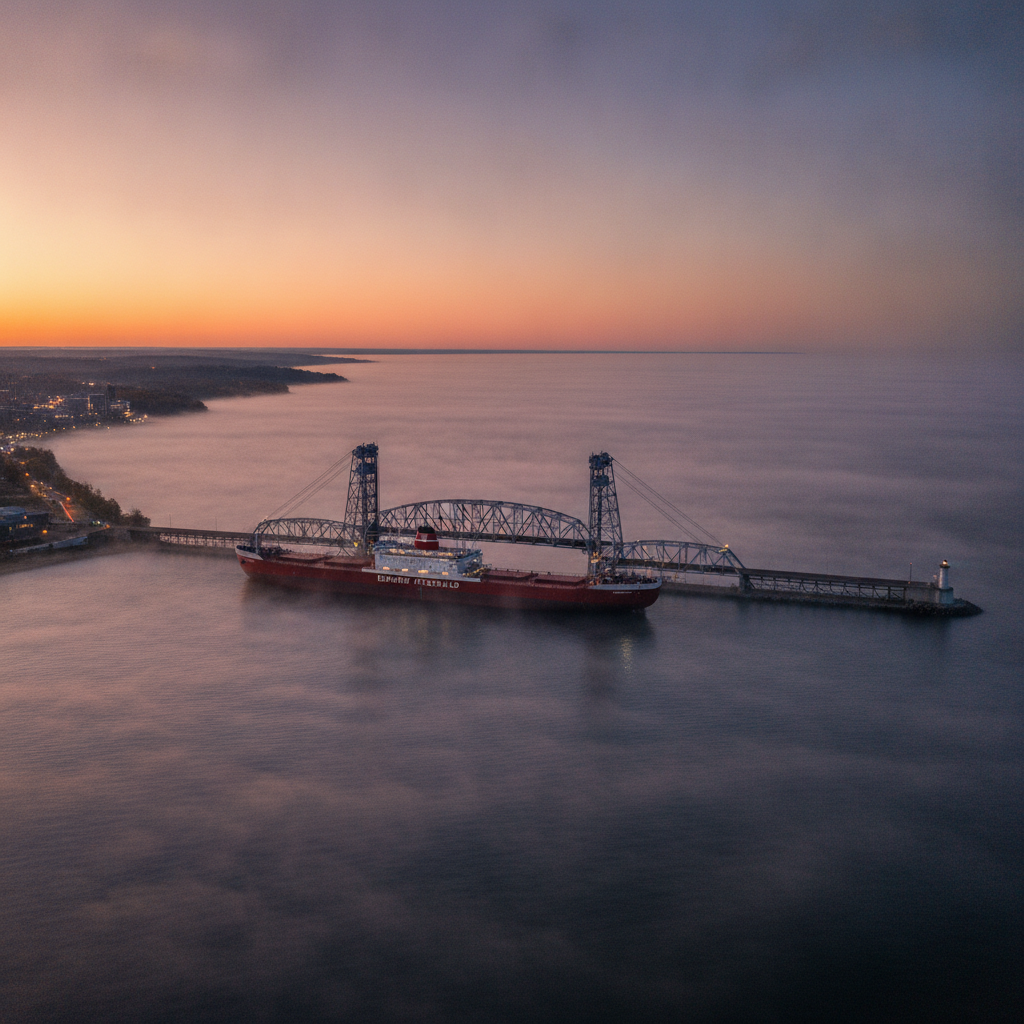
Minneapolis R2: Nicollet Mall and downtown architecture (IDS Center Philip Johnson 1972, Foshay Tower 1929 W Hotel, Mary Tyler Moore statue, Hennepin Ave theater district), University of Minnesota (51,000 students, 29 Nobel laureates, Norman Borlaug Green Revolution 1 billion deaths prevented, Bob Dylan Dinkytown 1959-1960), Boundary Waters Canoe Area (1.1M acres, 1,175 lakes, most visited US wilderness, Twin Metals mining controversy), Saint Paul (Minnesota State Capitol Cass Gilbert, Summit Avenue F. Scott Fitzgerald, Cathedral of Saint Paul), Minnesota Scandinavian heritage (1.5M Norwegian descent, Minnehaha Falls Longfellow, lutefisk Lutheran church suppers, Lake Wobegon Garrison Keillor), Day trips (Duluth Lake Superior Aerial Lift Bridge, Mayo Clinic Rochester, Stillwater Victorian birthplace of Minnesota)
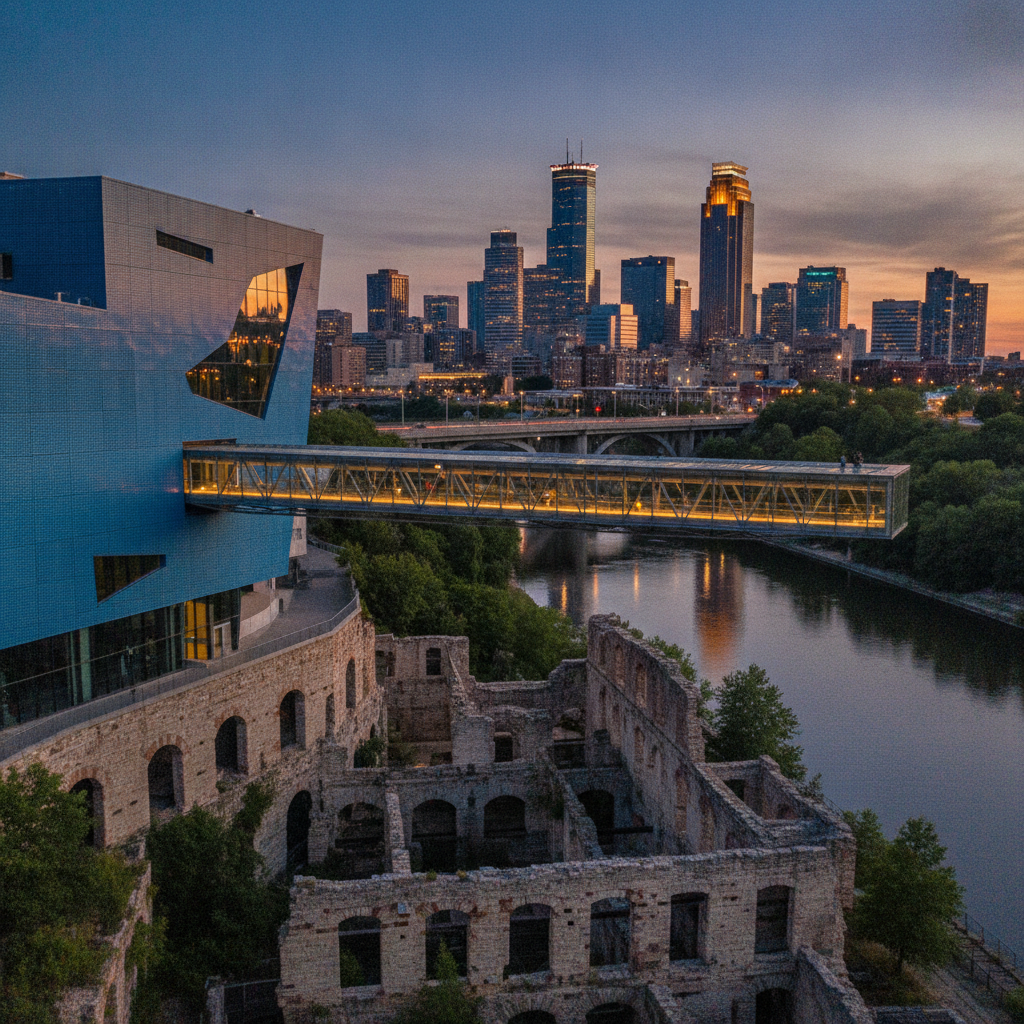
Minneapolis: F. Scott Fitzgerald Summit Avenue, Guthrie Theater Over the River and 9 Miles of Indoor Skyways
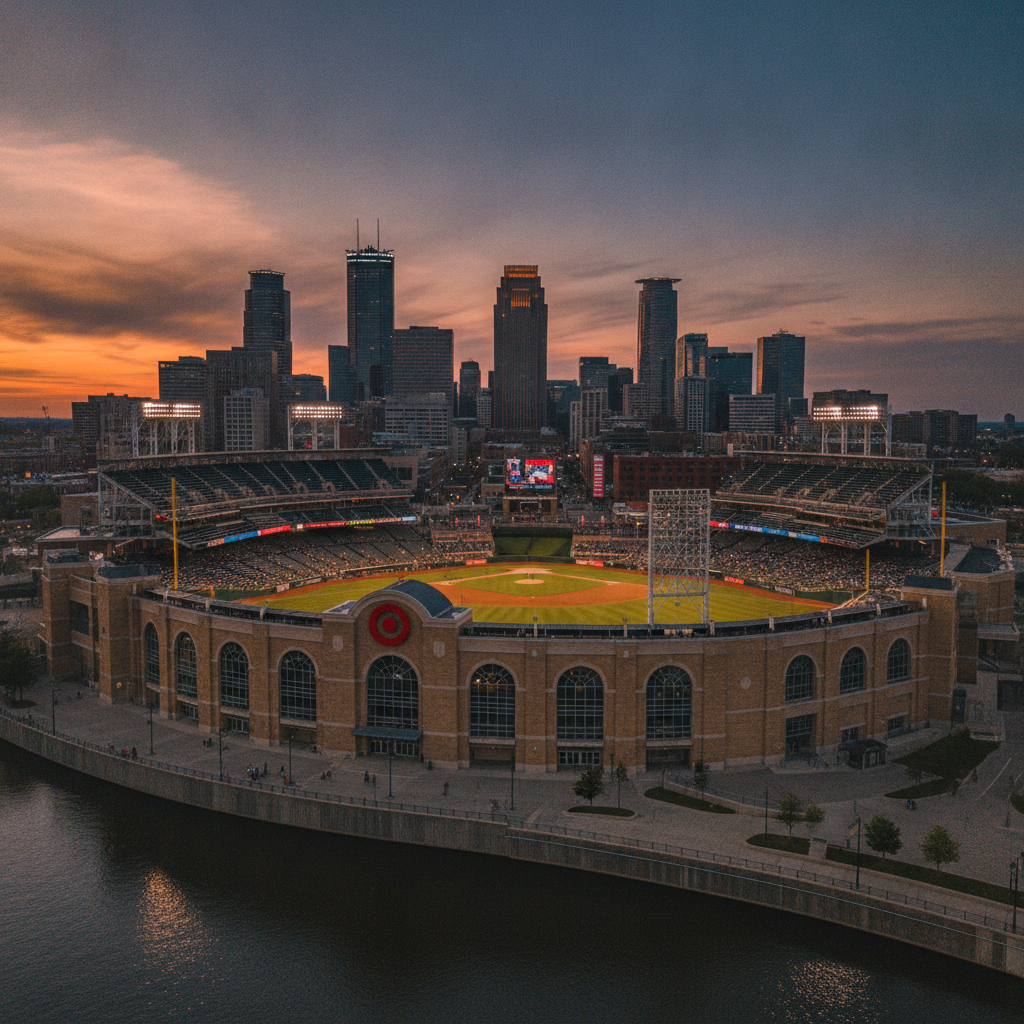
Minneapolis: Bob Dylan Dinkytown Coffeehouses, East African Little Mogadishu and Gehry Campus