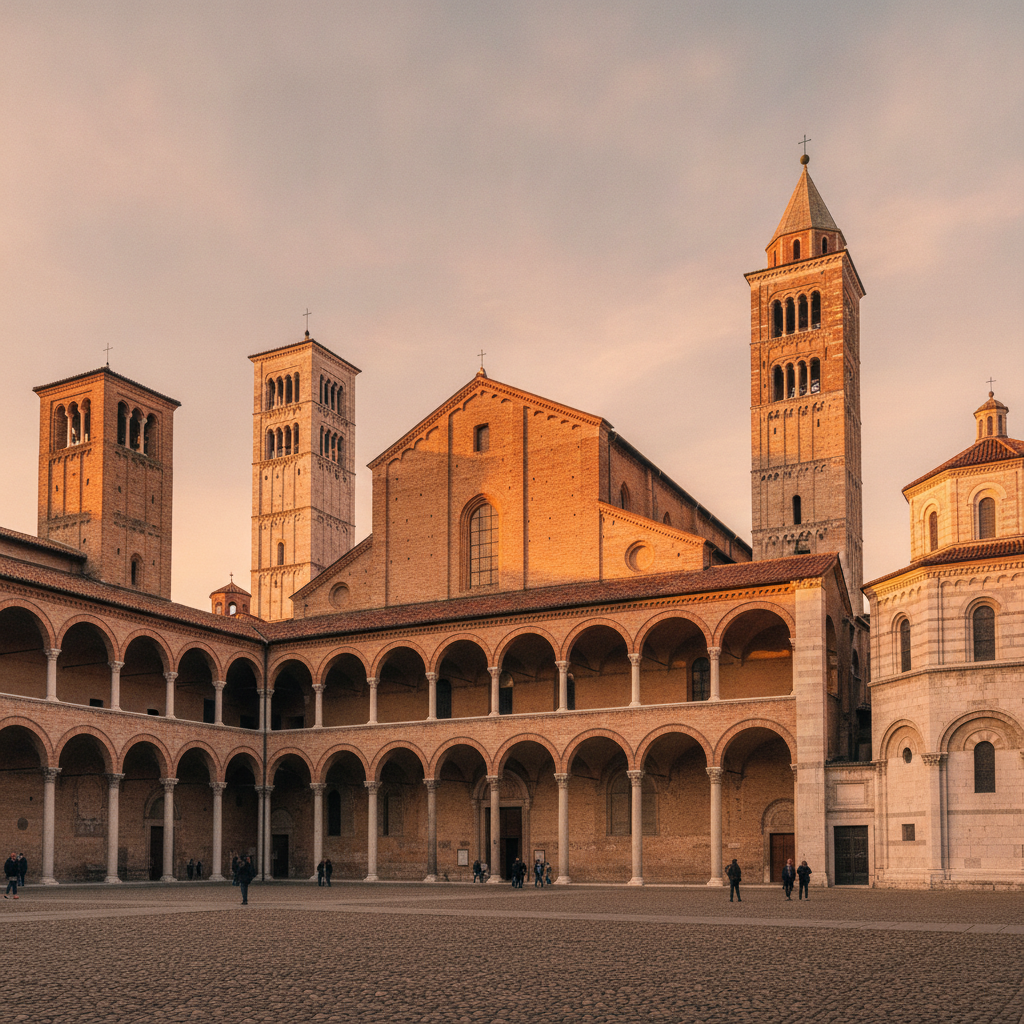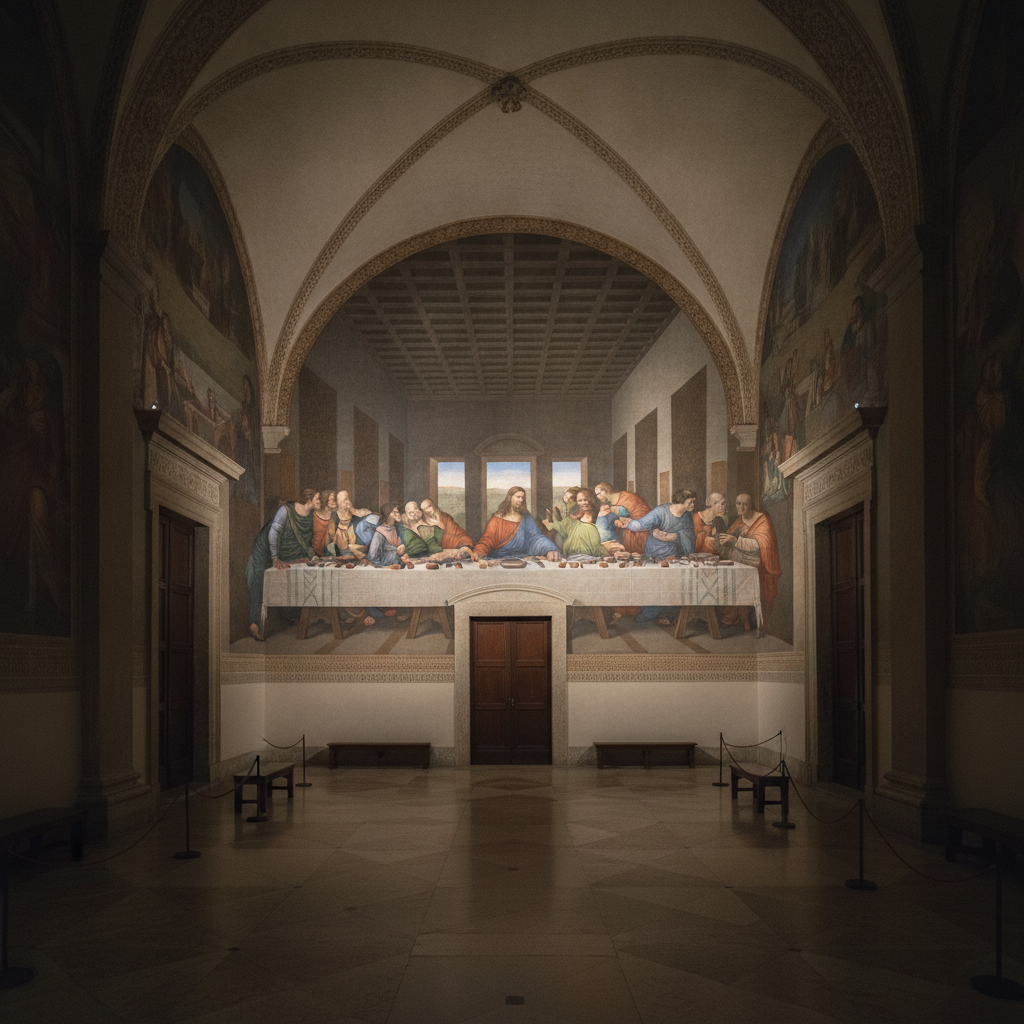
Leonardo's Last Supper, Santa Maria delle Grazie & Castello Sforzesco
The western quarter of central Milan, along the Corso Magenta axis, contains two of the greatest monuments of Milanese Renaissance culture: Leonardo da Vinci's 'Last Supper' (the mural painting in the refectory of Santa Maria delle Grazie, considered one of the greatest paintings ever made) and the Castello Sforzesco (the massive 15th-century fortress of the Sforza dynasty, which today houses the most important civic museum complex in Milan).
- 1
Santa Maria delle Grazie & the Last Supper
Santa Maria delle Grazie (Piazza Santa Maria delle Grazie, the Dominican church and convent designated a UNESCO World Heritage Site in 1980 together with Leonardo's 'Last Supper'): the church was built in the Lombard Gothic style 1466-1490 by Guiniforte Solari and subsequently enlarged by Bramante (who added the Tribune — the apsidal end of the church — for Ludovico il Moro Sforza c.1492-1497); the 'Last Supper' (Ultima Cena, 1495-1498, oil and tempera on plaster, 460 × 880 cm, refectory of the convent of Santa Maria delle Grazie) is Leonardo's masterpiece of wall painting and the most reproduced painting in Western art history — unlike the vast majority of Italian Renaissance wall paintings, Leonardo did not paint the 'Last Supper' as a true fresco (painting on fresh wet plaster) but as a tempera and oil painting on a dry preparation of plaster, lead white and gesso, which gave him the ability to make changes and corrections during the work (as he was accustomed to doing in oil panel paintings) but also meant that the painting began deteriorating within decades of its completion (already described as deteriorating in 1517); the painting has been the subject of repeated, controversial restoration campaigns (most recently 1977-1999) and visitors are admitted in strictly controlled groups of 25 for 15-minute viewing periods (advance booking months ahead is essential); the Bramante cloister adjacent to the church is one of the most harmonious small Renaissance spaces in Milan.
- 2
Castello Sforzesco — The Sforza Fortress & Civic Museums
The Castello Sforzesco (Piazza Castello, the massive brick fortress of the Visconti and Sforza dynasties, originally built by Gian Galeazzo Visconti in 1368, demolished, rebuilt and expanded by Francesco Sforza from 1450 onwards as the primary residence and symbol of power of the Duchy of Milan): the Castello is the largest citadel in Europe, covering approximately 200,000 square metres within its walls, and today houses the most important complex of civic museums in Milan — the Musei del Castello Sforzesco contain: the Museum of Ancient Art (including Michelangelo's 'Pietà Rondanini', 1564, his last work, left unfinished at his death and showing a completely different sculptural approach from his earlier Pietà in Rome — the figures of Christ and the Virgin almost merged into a single vertical form of extraordinary emotional power and formal abstraction); the Museum of Decorative Arts (applied arts from the medieval through the 19th century); the Pinacoteca (painting collection with works by Mantegna, Bellini, Lippi and Bramantino); the Egyptian Museum; the Museum of Musical Instruments; and the collection of the Achille Bertarelli Foundation of prints and historical maps.
- 3
Parco Sempione — Milan's Central Park
The Parco Sempione (the public park of approximately 47 hectares behind the Castello Sforzesco, created in 1888 on the former military exercise ground of the Castello — the park was designed by Emilio Alemagna in the English landscape garden style popular in 19th-century city park design): Parco Sempione is Milan's primary urban park and the main green space of the city centre; the park contains the Arco della Pace (the Neoclassical triumphal arch at the northwest end of the park, designed by Luigi Cagnola and completed in 1838, intended as one of the principal city gates of the Napoleonic Kingdom of Italy and positioned at the start of the Corso Sempione, the road to Sempione/Simplon Pass and the rest of Europe); the Torre Branca (the steel tower designed by Gio Ponti in 1933 for the 5th Triennale, rising 108.6 metres above the park — the first structure in Milan to exceed the height of the Madonnina on the Duomo); and the Arena Civica (the Neoclassical amphitheatre of 1806 designed by Luigi Canonica for Napoleon).
- 4
Pinacoteca di Brera — Northern Italy's Greatest Art Gallery
The Pinacoteca di Brera (Via Brera 28, the most important art gallery in Northern Italy and one of the major painting collections of Europe, housed in the 17th-century Palazzo di Brera (originally a Jesuit college) and established as a public gallery in 1809 by Napoleon who used it to house art systematically looted from churches, monasteries and private collections throughout the territories of the Cisalpine Republic): the Brera collection covers Italian painting from the 13th century to the 20th century, with particular strength in Venetian, Lombard, and Central Italian painting of the 15th-16th centuries; the canonical masterpieces include: Andrea Mantegna's 'Dead Christ' (c.1480-1500, the most devastating illusionistic painting in Italian art — the perspective foreshortening of Christ's body seen from the feet creates an image of extraordinary power); Raphael's 'Marriage of the Virgin' (1504); Piero della Francesca's 'Brera Altarpiece' (c.1472-1474, the Montefeltro Altarpiece); Giovanni Bellini's 'Pietà'; and Caravaggio's 'Supper at Emmaus' (1606).
- 5
Brera District — Milan's Bohemian Quarter
The Brera district (the area around the Via Brera and the Pinacoteca di Brera, roughly bounded by Via Montenapoleone to the east, Corso Garibaldi to the north, and the Castello Sforzesco to the west — the traditional bohemian and artistic quarter of Milan, centered on the Accademia di Belle Arti di Brera (the art school associated with the Pinacoteca) and the network of gallery studios, antique dealers, independent fashion boutiques, and trattorias that have characterised the quarter since the 19th century): the Brera district represents the older, more craftsmanlike face of Milanese culture that exists in counterpoint to the corporate fashion-week world of Via Montenapoleone and the Quadrilatero della moda; the Via Fiori Chiari and Via Madonnina (the pedestrianized heart of the Brera district) are lined with independent art galleries, antique and vintage dealers, excellent cafes and restaurants, and retain a scale and character that contrasts sharply with the rest of central Milan.
- 6
Corso Magenta & the Ambrosiana Library
The Biblioteca Ambrosiana (Piazza Pio XI 2, the library and art gallery founded in 1609 by Cardinal Federico Borromeo, cousin of the great Counter-Reformation archbishop Carlo Borromeo): the Ambrosiana is one of the oldest public libraries in Europe and contains one of the most important collections of drawings and manuscripts in the world — including Leonardo da Vinci's Codex Atlanticus (the largest single collection of Leonardo's drawings and writings, 1,119 pages bound in a single volume of drawings and notes covering every aspect of Leonardo's interests from mechanics and hydraulics to anatomy and warfare, assembled by the sculptor Pompeo Leoni from Leonardo's estate); Raphael's full-scale cartoon for the 'School of Athens' fresco; and the Pinacoteca Ambrosiana (paintings including works by Raphael, Caravaggio, Luini and Bramantino).
Walk this route with audio
Stories play automatically as you reach each stop — no tapping needed.
More in milan
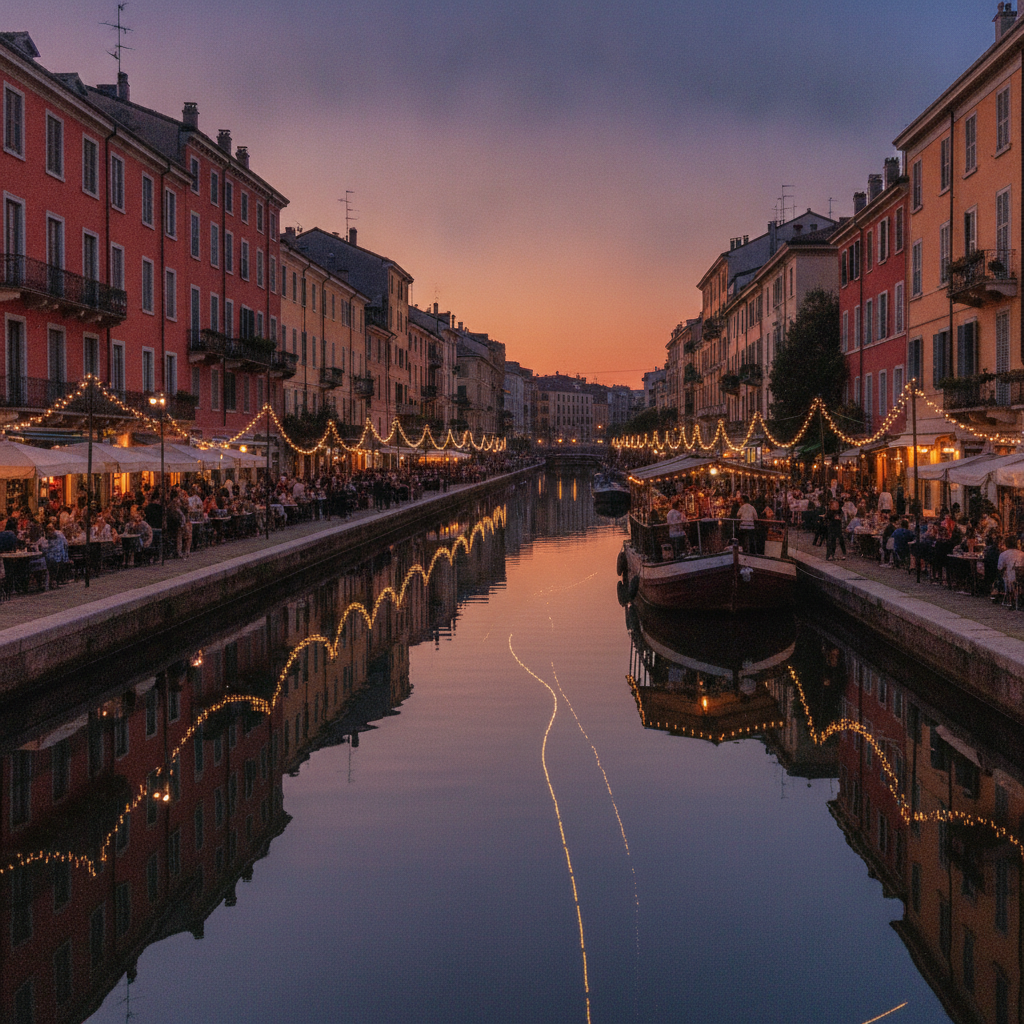
The Navigli Canals, Darsena & Porta Ticinese — Milan's Canal District
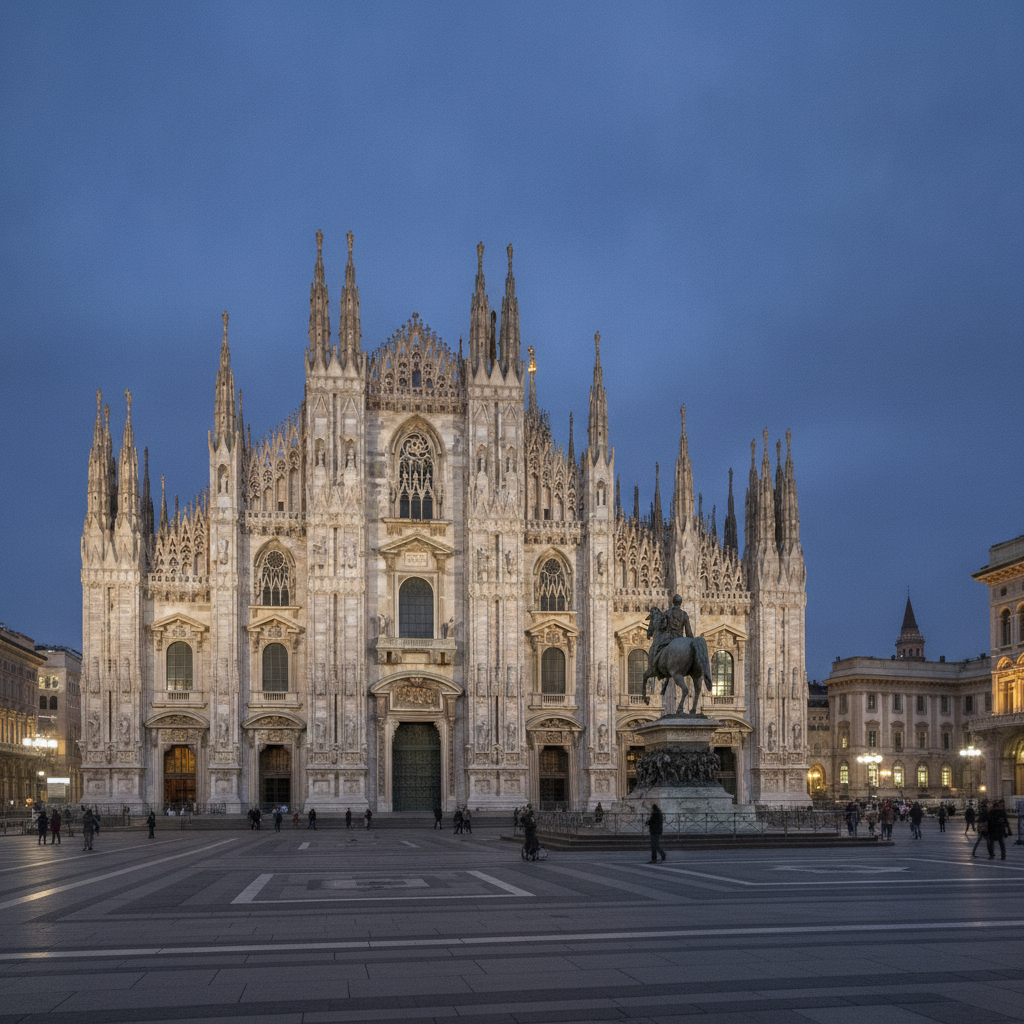
The Duomo, Galleria Vittorio Emanuele II & Piazza del Duomo
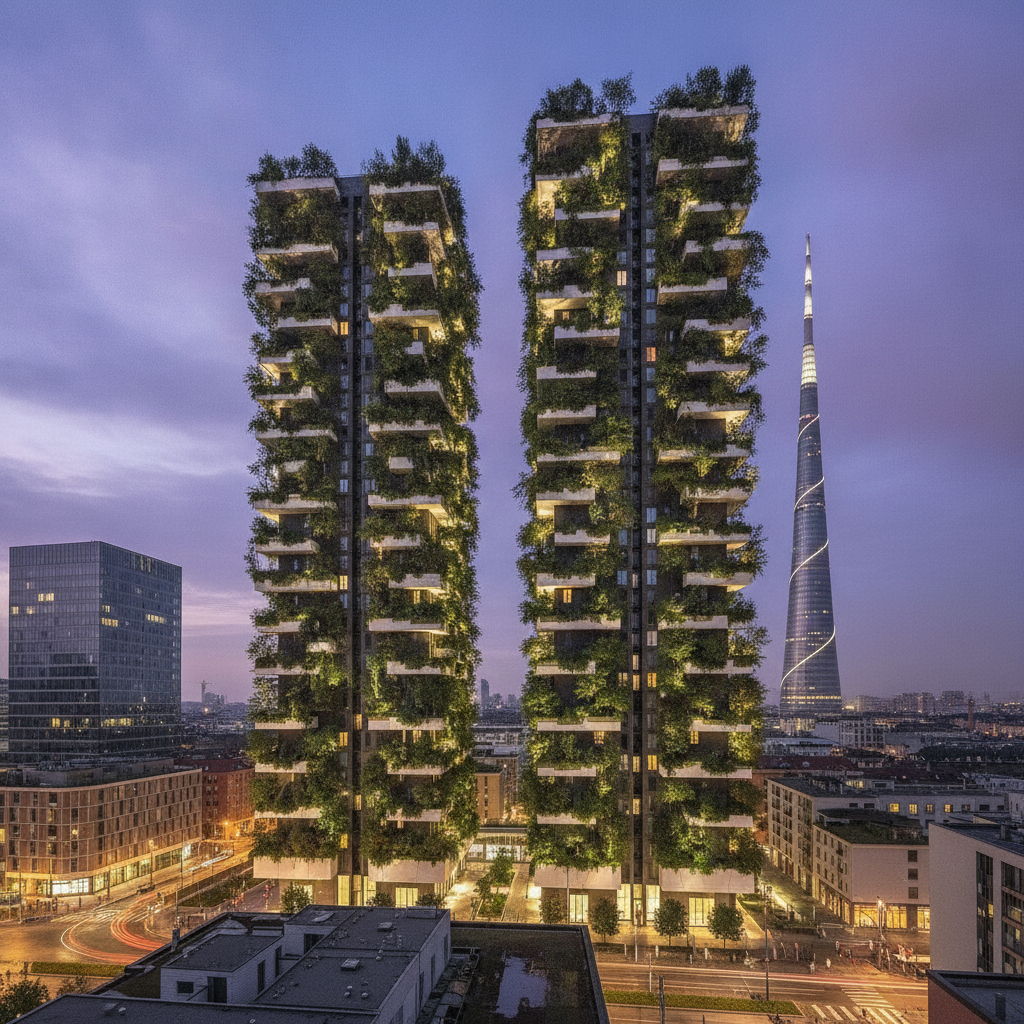
Isola, Porta Nuova & the Bosco Verticale — Milan's New Skyline
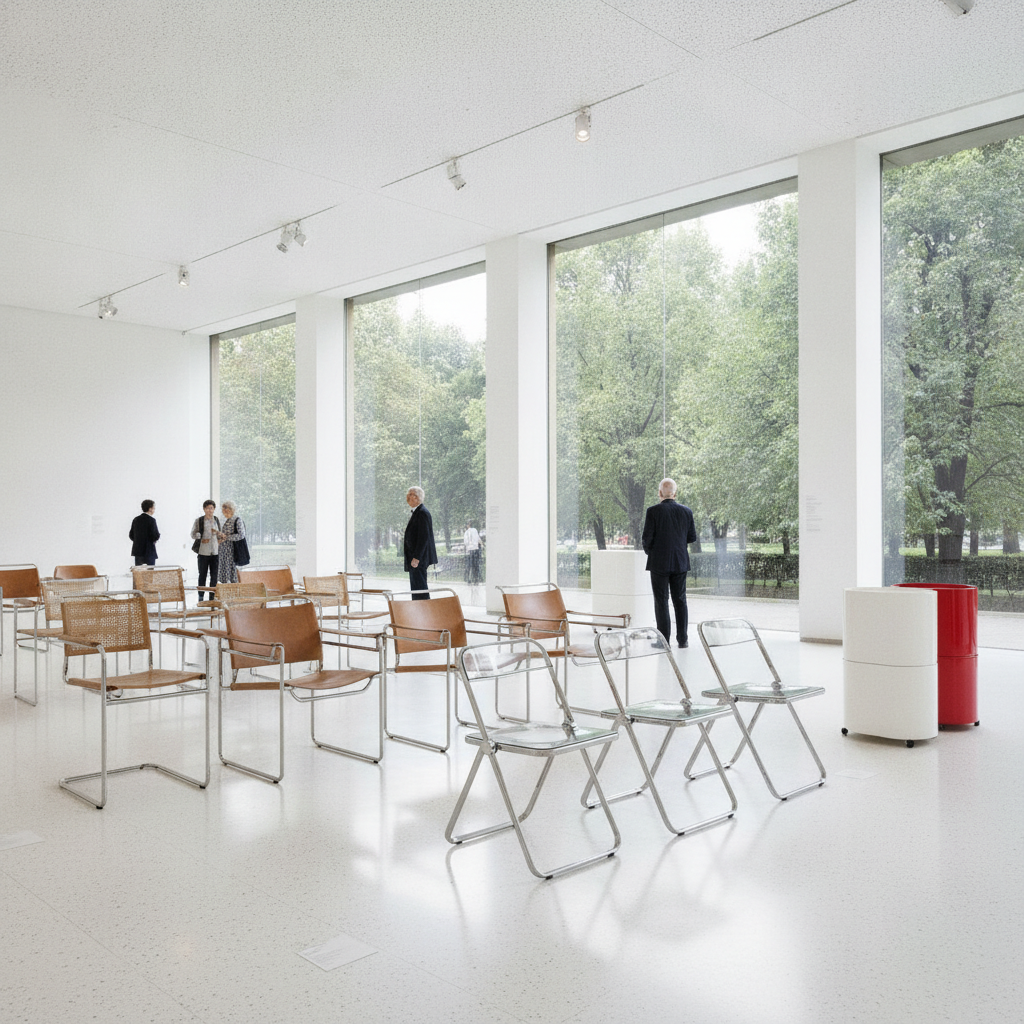
The Triennale Design Museum, Salone del Mobile & Milan's Design Legacy
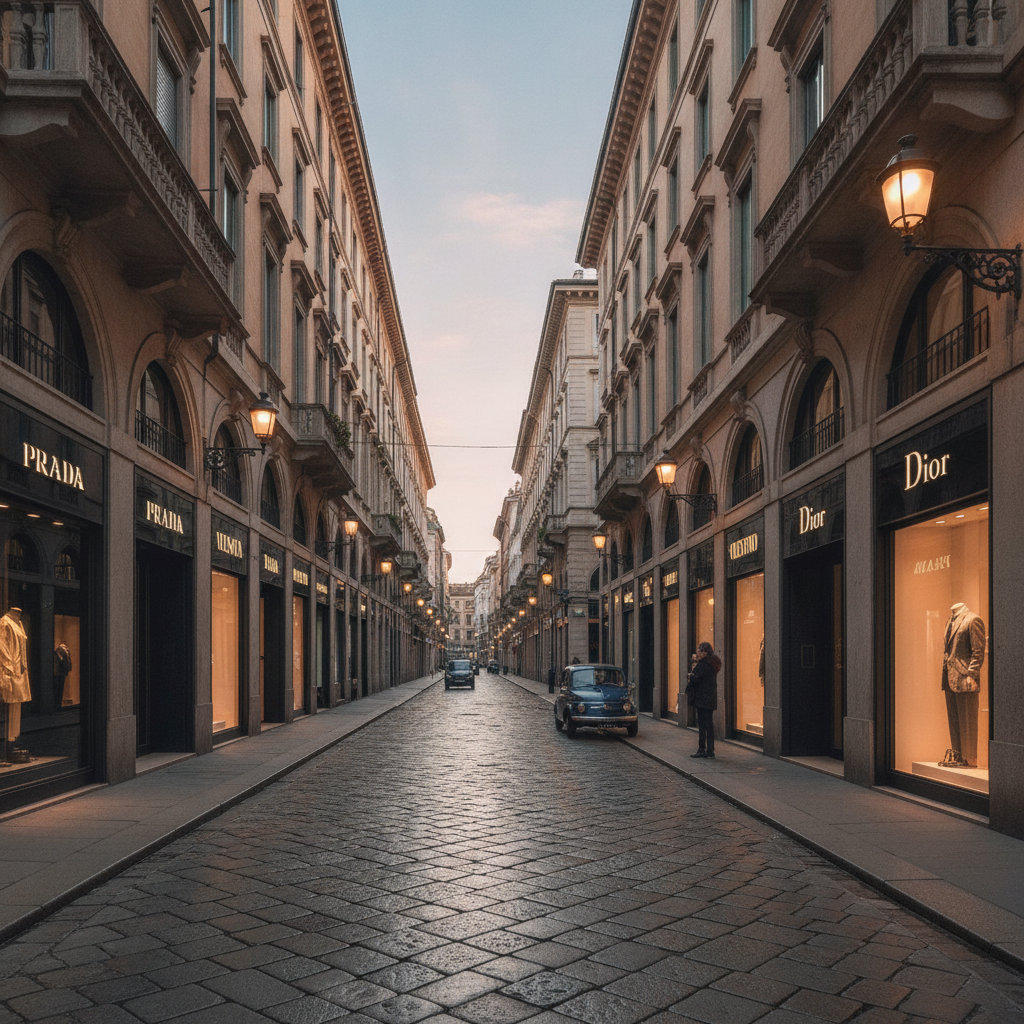
The Fashion Quadrilateral — Via Montenapoleone, Via della Spiga & Milan's Luxury Heart