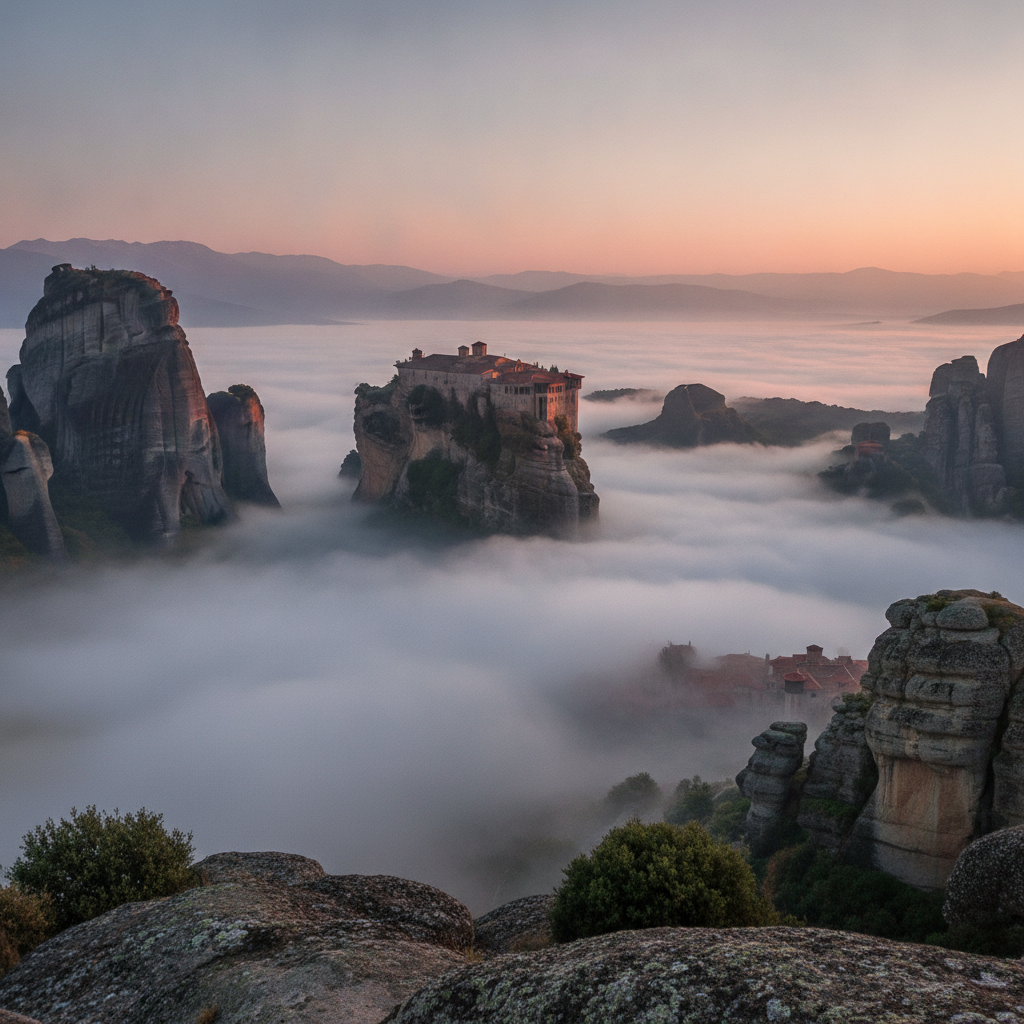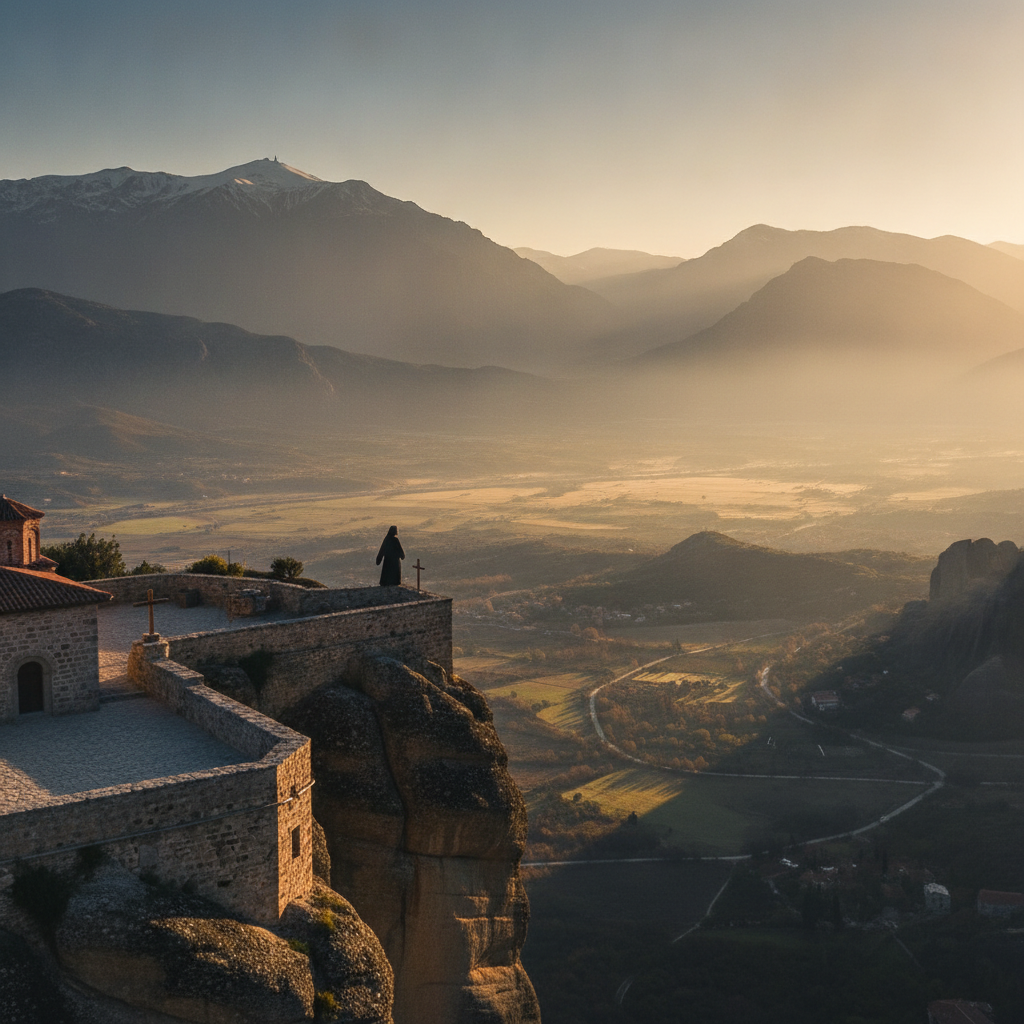
Meteora Food and Summary: Thessalian Cuisine, Trikala Wine, Agios Stefanos Accessible Nunnery, Diavolorachis Devil Ridge View, Night Soundscape of Bells and Owls, and the Sacred Vertical Summary
The Meteora complete route covers the Thessalian trachanas and lamb cuisine, the Trikala winemakers and monastery honey, the road-accessible Agios Stefanos nunnery museum, the Diavolorachis Devil Ridge aerial viewpoint, the night soundscape of the monastery bell and the owl, and the concluding reflection on the sacred vertical.
- 1
Meteora Food: Kalabaka and Trikala Culinary Traditions
The Thessalian cuisine of the Kalabaka restaurants, based on the agricultural production of the Thessaly plain with the lamb from the Pindus mountain pastures, the freshwater fish from the Peneus River, the trachanas grain soup, and the local honey from the thyme and oregano that the monastery beekeepers tend, provides the most regionally distinctive Greek food culture accessible from the Meteora base. The Kalabaka Friday market and the Trikala Saturday market provide the most direct access to the Thessalian food producers.
- 2
Meteora Wine and Honey: The Monastery Products
The wine production of the Trikala region, the least internationally known wine zone in central Greece, produces the Batiki and the Muscat varieties in the small family wineries of the Thessaly foothills. The Meteora monastery honey, produced by the monastery beehives maintained on the rock terraces, and the monastery liqueur distilled from the local herbs are the most distinctive monastery products available for purchase at the monastery gift shops and the most authentic Meteora souvenirs.
- 3
Agios Stefanos: The Only Road-Accessible Monastery
Agios Stefanos monastery, the only monastery in the Meteora complex accessible without climbing rock stairs, connected to the main road by a bridge across the rock cleft, is operated by the nuns of the Agios Stefanos convent and contains the museum of Byzantine and post-Byzantine religious art that provides the most scholarly introduction to the Meteora icon tradition. The Agios Stefanos nunnery shop sells embroidery work and herbal products made by the nuns.
- 4
Diavolorachis: The Devil Ridge Aerial Viewpoint
Diavolorachis, the Devil Ridge viewpoint on the highest accessible road point in the Meteora circuit, provides the most complete aerial view of the entire pillar field from above, with the monastery rooftops visible below and the full extent of the Thessaly plain stretching to the horizon. The Diavolorachis viewpoint at sunset, when the horizontal light rakes across the west faces of all the pillars simultaneously and the monastery buildings cast long shadows eastward, is the most comprehensive single viewpoint in the Meteora circuit.
- 5
Meteora Night Sounds: The Monastery Bell and the Owl
The Meteora at night, when the tour buses have returned to Thessaloniki and the Kalabaka hotels are quiet, reveals the soundscape of the monastic landscape: the monastery bell marking the canonical hours, the nightjar calling from the rock faces, the little owl from the olive trees, and the occasional chanting from the Great Meteoron when the midnight office is conducted in the summer months. The night soundscape of Meteora is the experience most missed by the day-tripper and most treasured by the visitor who stays overnight in Kastraki.
- 6
Meteora Summary: The Sacred Vertical
Meteora, the place where the Byzantine world built its most audacious expression of the aspiration toward the sacred by climbing the most inaccessible natural columns in Greece and placing the church and the monastery cell at the summit, is the destination in Greece where the combination of natural spectacle and human aspiration reaches its most complete expression. The 60 million year geology and the 700 year monastic tradition are the two timescales that Meteora simultaneously presents, and the visitor who stands at the Great Meteoron terrace in the early morning light, looking out over the Thessaly plain as the monks have looked for 700 years, understands both at once.
Walk this route with audio
Stories play automatically as you reach each stop — no tapping needed.
More in Meteora
Meteora Orthodox Calendar: Holy Week Easter Vigil, Annunciation and Greek Independence Day, Panegyri Saint Festivals, Canonical Hour Bells, Dormition Pilgrimage, and the Living Tradition
Meteora Active and Departure: Cycling the Valley Circuit, Hiking the Monastery Trail, Sunrise Photography, Four Seasons Guide, Delphi Day Trip, and the Farewell Silhouette
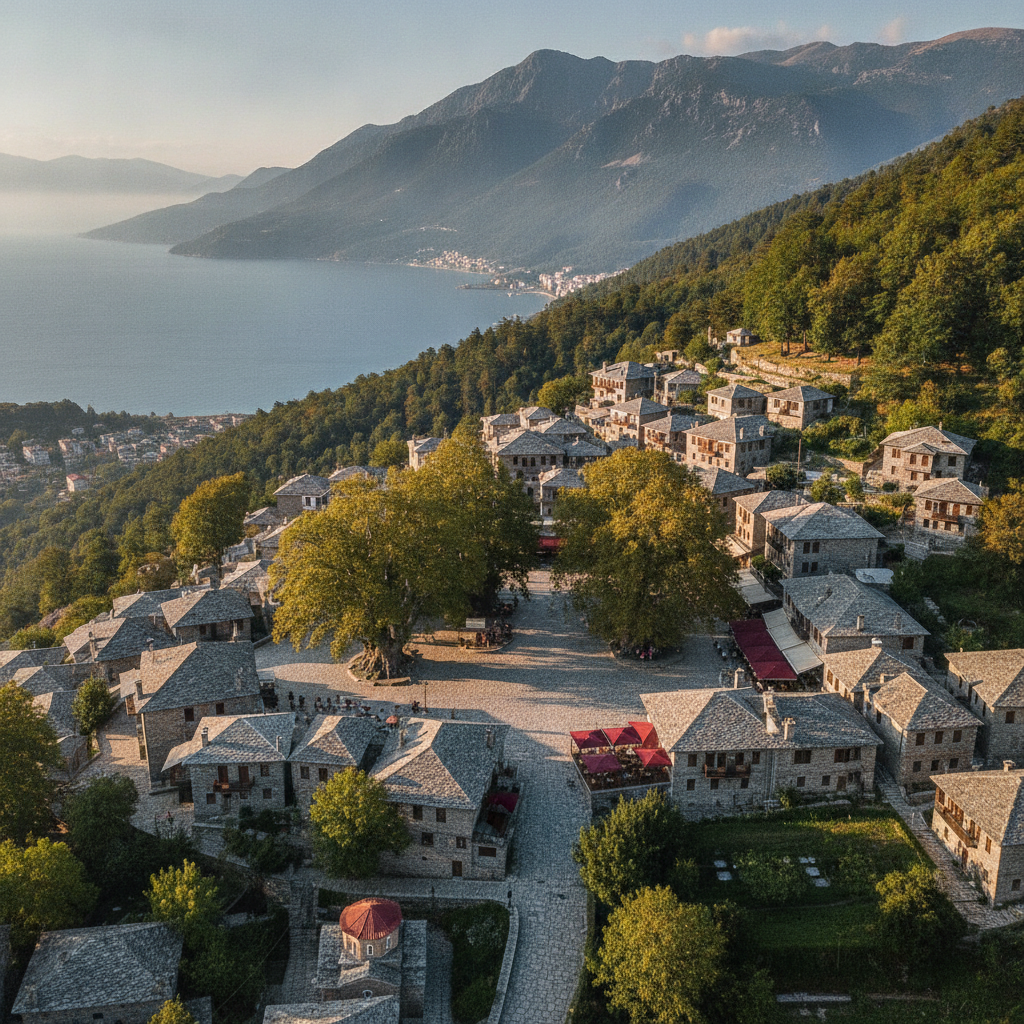
Meteora Region and Context: Mount Athos Hesychast Tradition, Kalabaka Byzantine Cathedral, Trikala Thessalian City, Pelion Mythological Mountains, Thessaly Region Overview, and the Wider Greece Connection
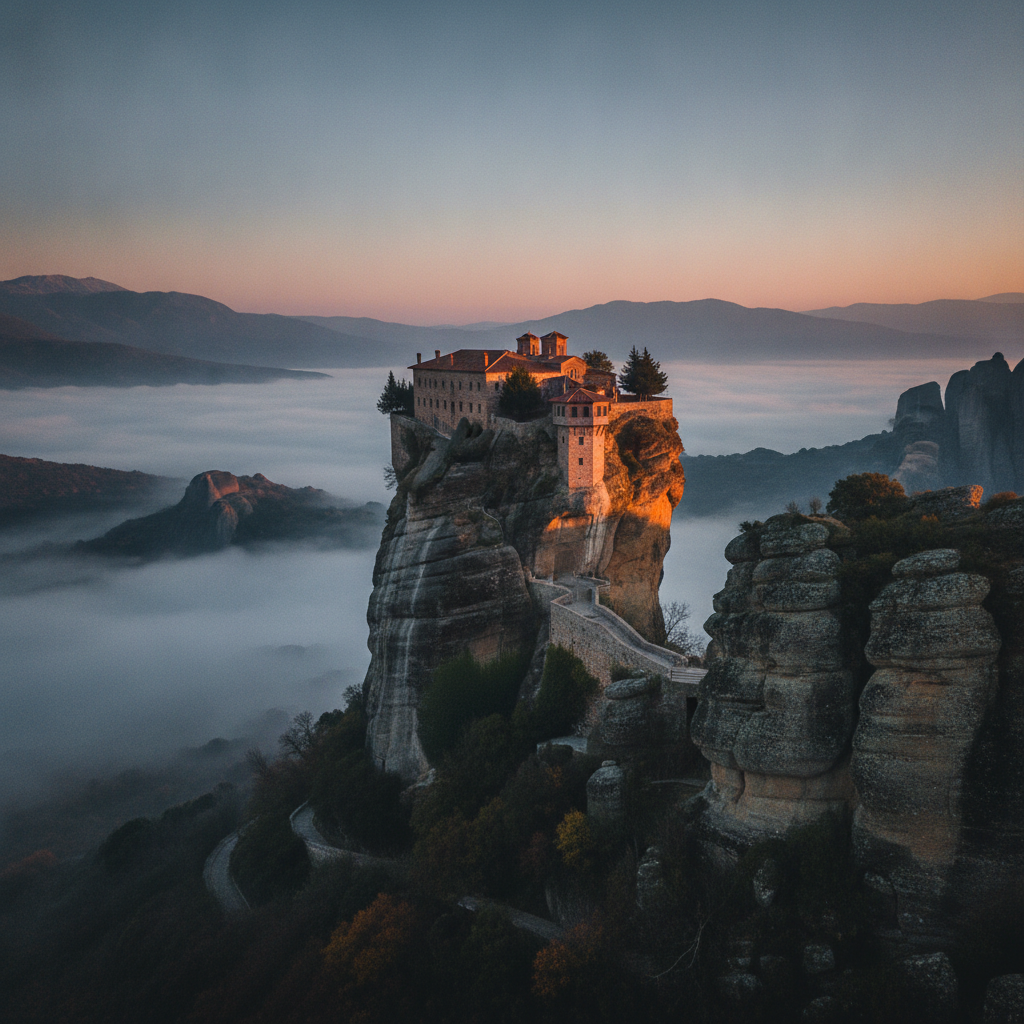
Meteora Film and Art: Agias Triadas Bond Film Location, Theophanes Cretan Frescoes, Roussanou Nunnery, Modern Rock Climbing, Thessaly Plain View, and Practical Information
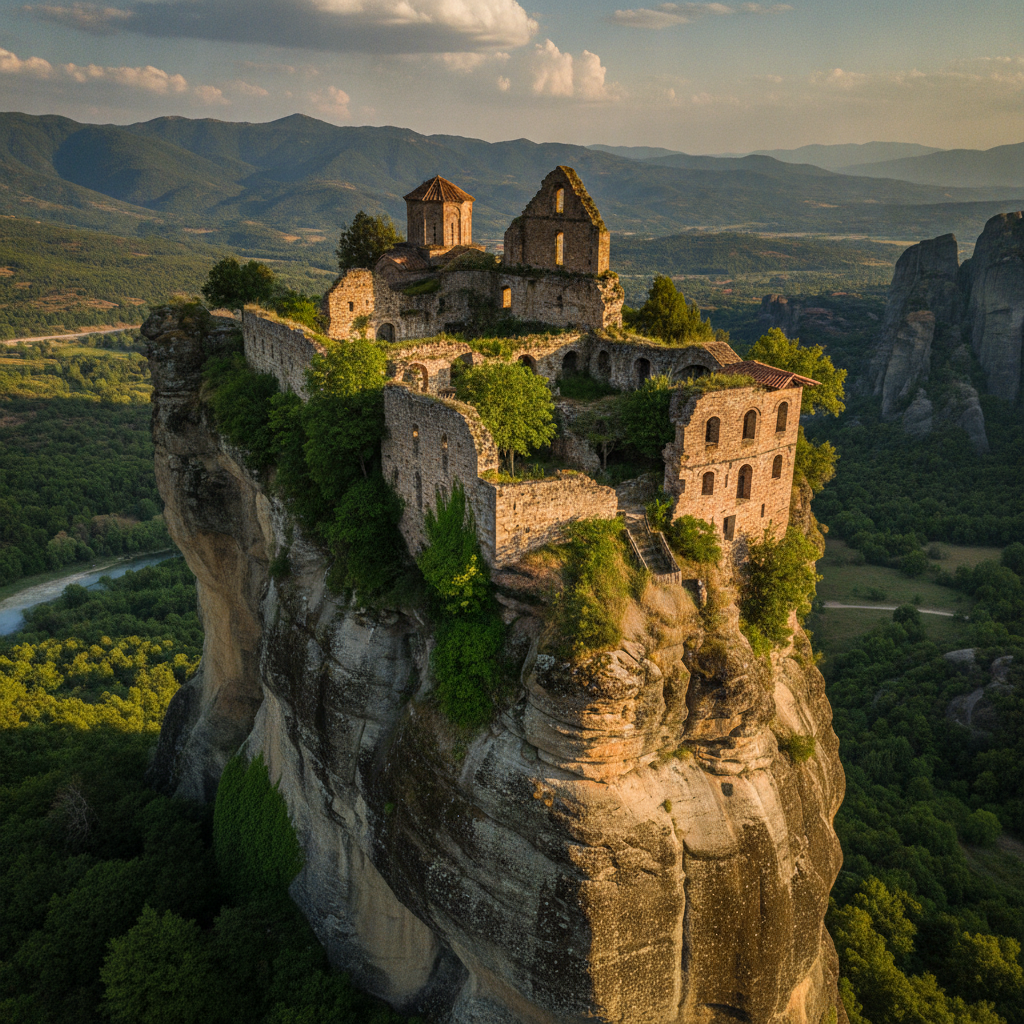
Meteora History: Theopetra Prehistoric Cave, 9th Century Hermit Settlement, 14th-16th Century Golden Age, Monastery Decline and Abandoned Ruins, UNESCO Status, and Kastraki Village