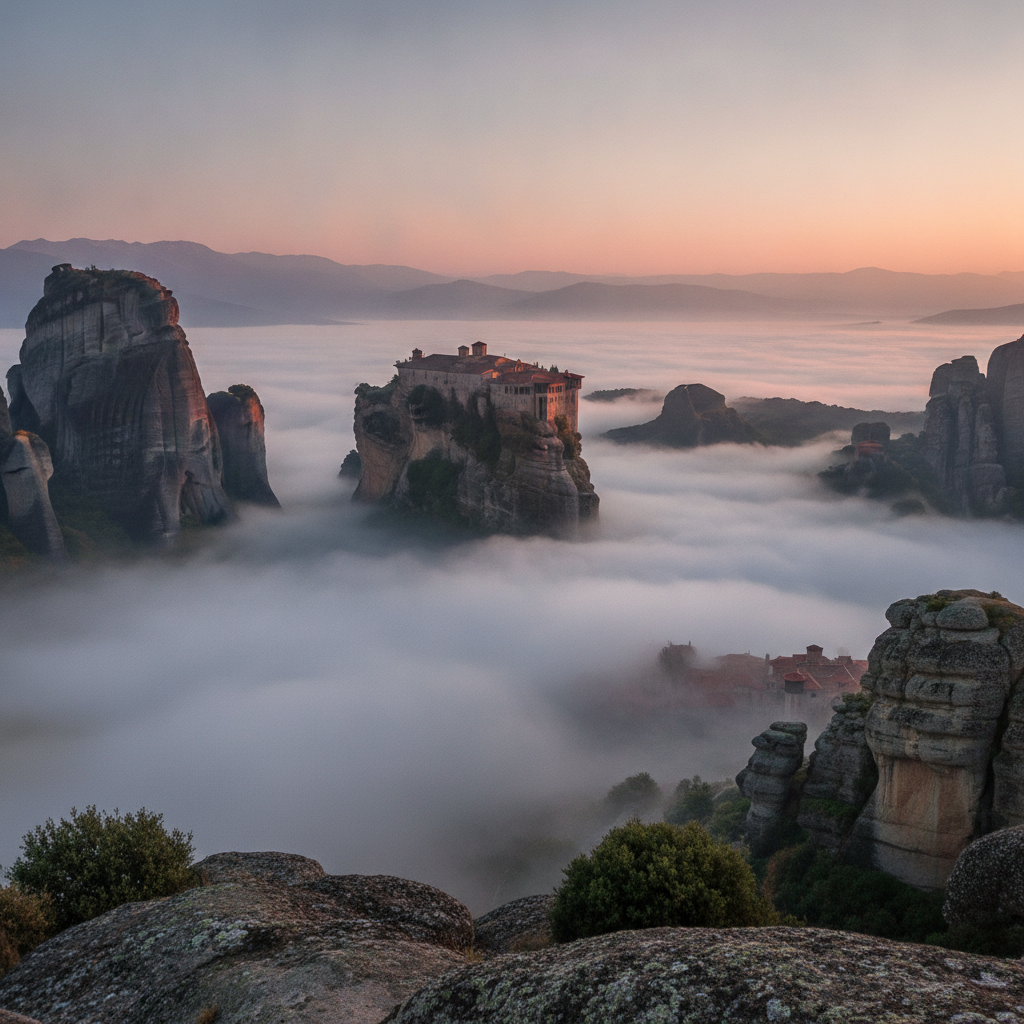
Meteora Region and Context: Mount Athos Hesychast Tradition, Kalabaka Byzantine Cathedral, Trikala Thessalian City, Pelion Mythological Mountains, Thessaly Region Overview, and the Wider Greece Connection
The Meteora wider context route covers the Mount Athos hesychast theological tradition that the Meteora founders brought from Athos, the 6th century Kalabaka cathedral with the oldest Thessaly mosaics, the Trikala city riverside revival, the Pelion peninsula mythological mountains, the Thessaly region overview, and the connection to the wider Greece travel circuit.
- 1
Mount Athos Connection: The Orthodox Monastic Network
The Meteora monastic community, founded by monks from the Mount Athos peninsula who brought the hesychast theology of Gregorios Palamas from the Athonite community to the Thessaly rocks in the 14th century, is the most significant satellite community of the Mount Athos tradition in mainland Greece. The Athonite influence on the Meteora fresco program, the monastic rule, and the manuscript production connects Meteora to the most complete surviving medieval monastic network in the world.
- 2
Kalabaka Byzantine Cathedral: The Hidden Treasure
The Byzantine Cathedral of the Dormition of the Virgin in Kalabaka, built in the 6th century AD and containing the oldest surviving mosaic floor in Thessaly, the bishop throne with classical marble reliefs, and 12th century fresco fragments, is the most significant early Byzantine monument in the Meteora area. The cathedral incorporates the marble columns and carved capitals of the ancient temple of Apollo that preceded it, creating the most direct architectural connection between the ancient and the Byzantine in the Kalabaka landscape.
- 3
Trikala: The Thessalian City Nearby
Trikala 17 kilometers from Kalabaka, the Thessalian city on the Lithaios River with the Ottoman fortress on the acropolis, the 16th century Kursum Mosque, and the renovated riverside walking district, provides the urban complement to the monastic Meteora experience. The Trikala Christmas lighting event, when the entire city is illuminated with the most elaborate Christmas display in Greece from November to January, is the most unexpected seasonal attraction in the Thessaly region.
- 4
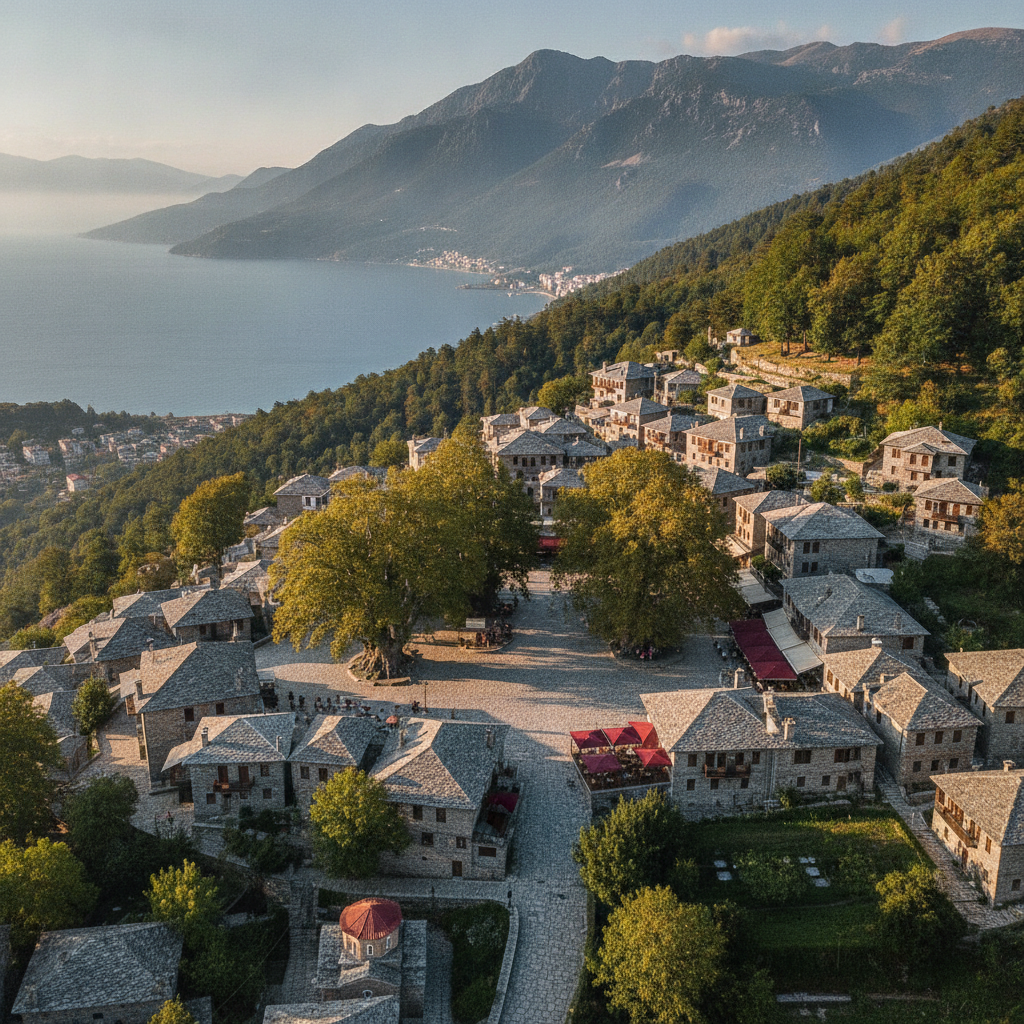
Pelion Peninsula: The Mythological Mountains
The Pelion peninsula 80 kilometers east of Kalabaka, the mountain range that mythology identifies as the home of the Centaurs and where Chiron tutored Achilles, is the most scenically diverse and least internationally known landscape in central Greece, with the beech forests, the apple orchards, the Aegean-facing beaches, and the stone village architecture. The Pelion village of Makrinitsa on the hill above Volos is the most beautifully preserved stone village in mainland Greece.
- 5
Thessaly Region: The Underexplored Gateway
Meteora, as the most dramatically positioned site in a region that contains the Pelion peninsula, the ancient Larissa citadel, the Thessaly plain, and the Pindus mountain range, is the gateway to the most underexplored region of mainland Greece for the international visitor. The visitor who extends the Meteora overnight stay to 3 nights and uses Kalabaka as the base for the Pelion drive and the Trikala city visit discovers the Greece that the Greek traveler knows and the international visitor has not yet found.
- 6
UNESCO Conservation: The Balancing Act
The Meteora UNESCO management plan governing the relationship between the monastic community, the Greek state, the tourism industry, and the climbing community is the most complex cultural heritage management challenge in Greece. It must simultaneously protect the living monastic community, the geological formation, the archaeological heritage of 24 monastery sites, and the access rights of the 1 million annual visitors who generate the economic activity that funds the monastery restoration programs.
Walk this route with audio
Stories play automatically as you reach each stop — no tapping needed.
More in Meteora
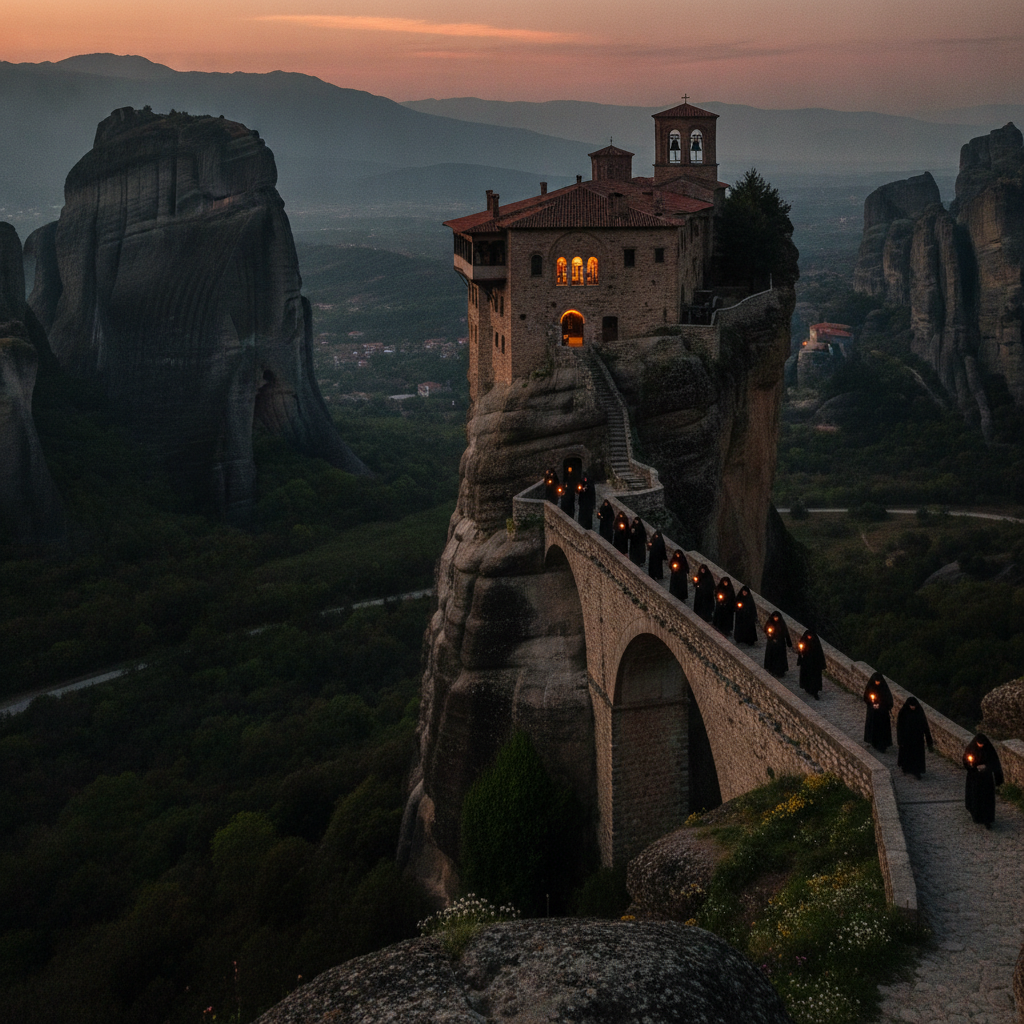
Meteora Orthodox Calendar: Holy Week Easter Vigil, Annunciation and Greek Independence Day, Panegyri Saint Festivals, Canonical Hour Bells, Dormition Pilgrimage, and the Living Tradition
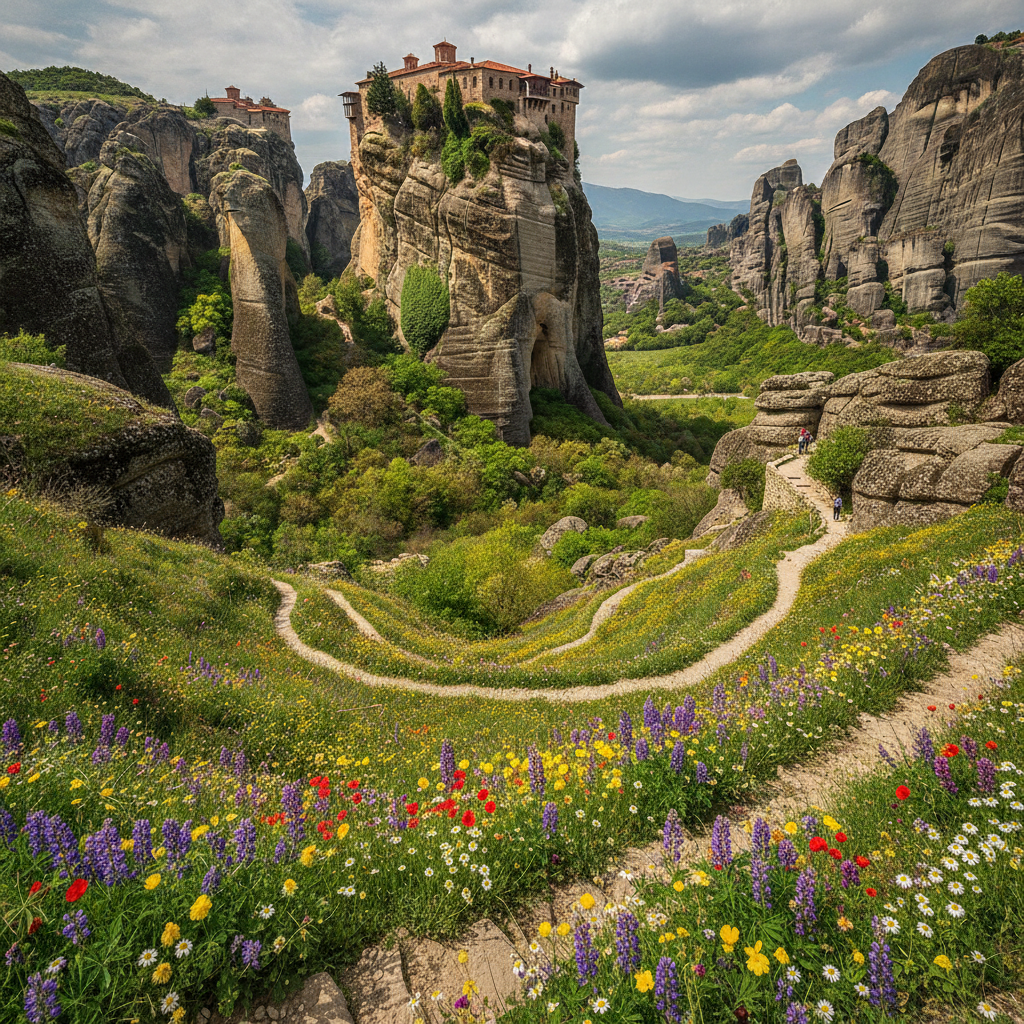
Meteora Active and Departure: Cycling the Valley Circuit, Hiking the Monastery Trail, Sunrise Photography, Four Seasons Guide, Delphi Day Trip, and the Farewell Silhouette
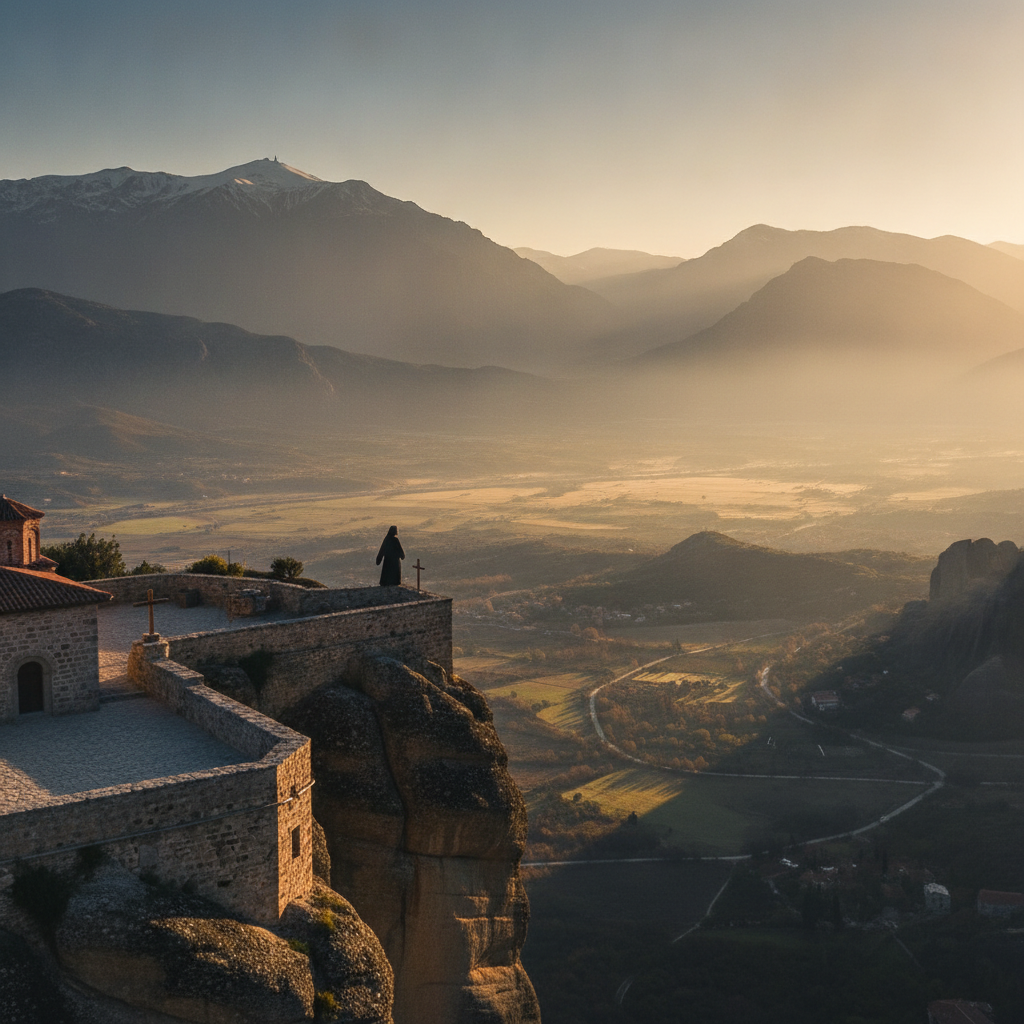
Meteora Food and Summary: Thessalian Cuisine, Trikala Wine, Agios Stefanos Accessible Nunnery, Diavolorachis Devil Ridge View, Night Soundscape of Bells and Owls, and the Sacred Vertical Summary
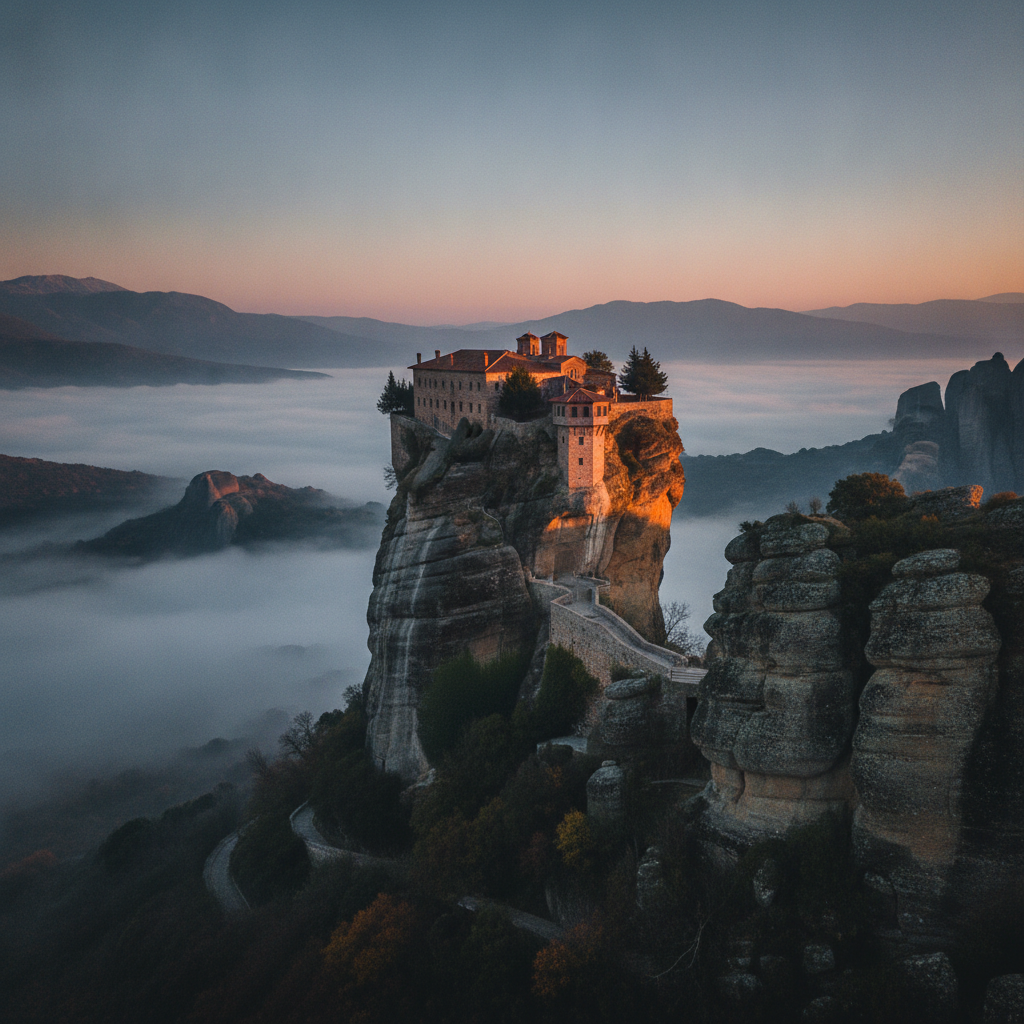
Meteora Film and Art: Agias Triadas Bond Film Location, Theophanes Cretan Frescoes, Roussanou Nunnery, Modern Rock Climbing, Thessaly Plain View, and Practical Information
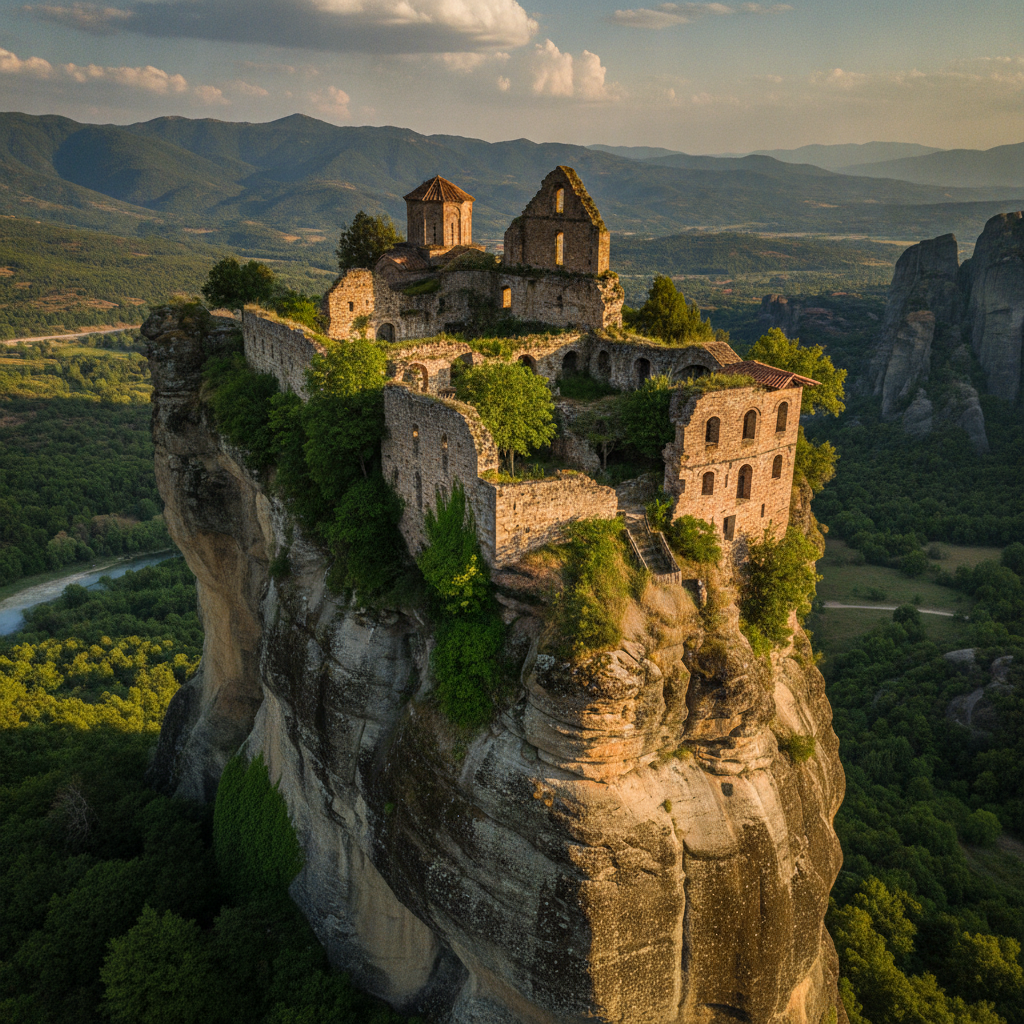
Meteora History: Theopetra Prehistoric Cave, 9th Century Hermit Settlement, 14th-16th Century Golden Age, Monastery Decline and Abandoned Ruins, UNESCO Status, and Kastraki Village