Merida Music Trova Yucateca and the Bolero: How the Peninsula That Was More Connected to Cuba Than to Mexico City Invented a Song Form That Became the Romantic Ballad of the Spanish-Speaking World
The trova yucateca, the guitar song tradition developed in Merida in the late 19th and early 20th centuries that combined the Spanish romance ballad tradition with Cuban son and bolero forms to produce a distinctive regional love song aesthetic, was the primary commercial music of the Spanish-speaking Caribbean and the Gulf of Mexico region in the first decades of the 20th century, with Yucatecan trovadores composing and performing songs that were recorded in the earliest Mexican commercial recordings, broadcast on the first Mexican radio stations, and eventually transformed into the bolero form that became the defining romantic music of Latin America through the 20th century. Merida was connected to Havana by regular steamship service and shared a plantation economy, Spanish colonial culture, and Catholic social traditions with Cuba in ways that created cultural parallels absent in the relationship between Merida and Mexico City, which was accessible only by a multi-day overland journey until the railway reached the Yucatan in 1905. The trovadores of Merida, including the legendary Augusto Lara of Merida and Armando Manzanero who was born in Ticul 60 kilometres south of Merida, composed the bolero repertoire that was sung by Luis Miguel, recorded by Frank Sinatra, and covered by every Spanish-language recording artist of the 20th century. Armando Manzanero, who wrote over 400 songs including Somos Novios, Esta Tarde Vi Llover, and Nuestro Amor, is the most commercially successful composer of Latin romantic ballads in history and the most prominent cultural figure born in the Yucatan Peninsula.
- 1
Trova Yucateca and Parque de Santa Lucia
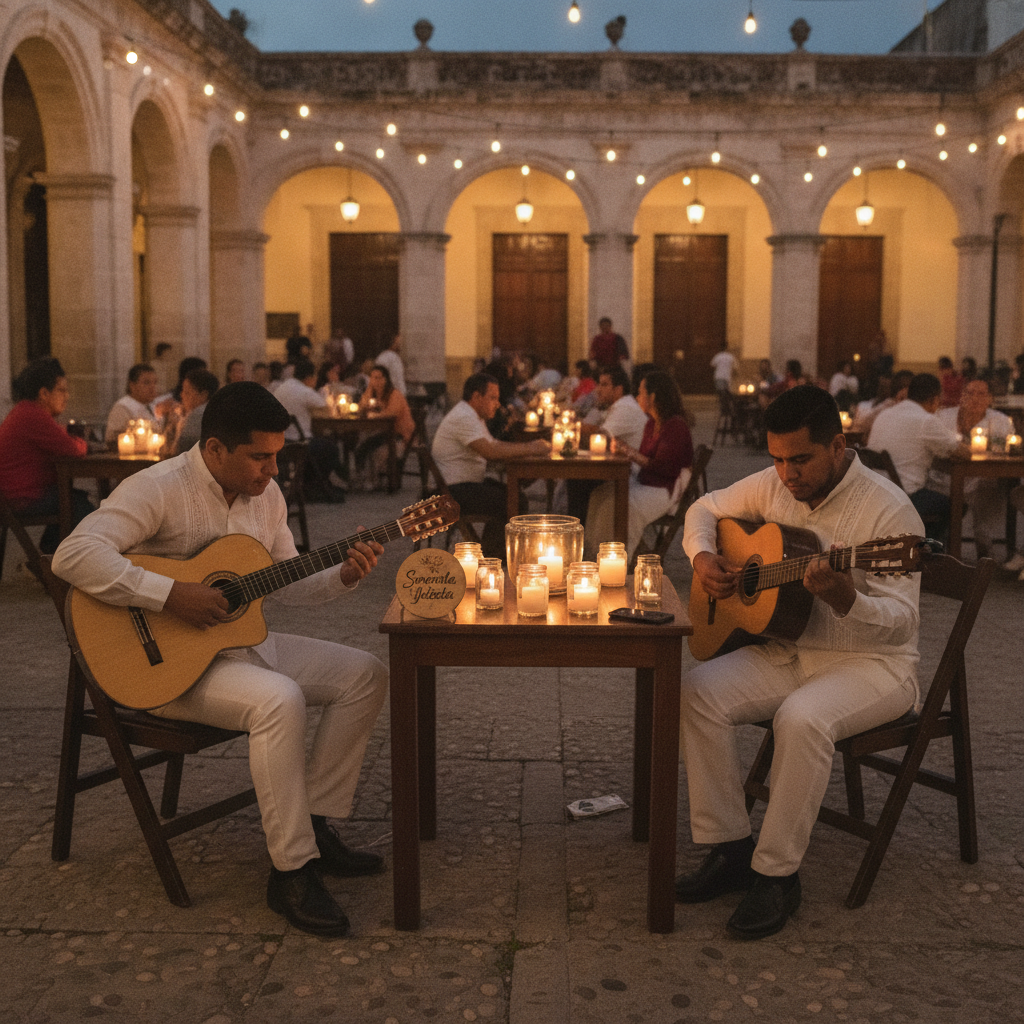
The trova yucateca, the guitar-accompanied song tradition of Merida that developed from the Spanish romance and Cuban bolero influences of the late 19th century, is performed every Thursday evening at the Parque de Santa Lucia, the colonial plaza two blocks north of the Merida Cathedral where the serenade tradition has been maintained since the trova golden age of the early 20th century, with local trovadores performing the classic repertoire of Yucatecan love songs for an audience that includes both Meridanos who grew up with the tradition and visitors discovering it. The Thursday Serenata Yucateca at the Parque de Santa Lucia is a free event that begins at 9 PM and continues until midnight, with a small stage, chairs for the audience, and the surrounding park benches filling with families and couples who know the songs and sing along. The trova repertoire includes the canonical songs of the Yucatecan composers, including Peregrina, the song written by Ricardo Palmerín for Alma Reed, the American journalist who came to the Yucatan to cover the archaeological work at Chichen Itza and had a celebrated love affair with the Yucatan Governor Felipe Carrillo Puerto, who was executed in 1924. The story of Carrillo Puerto and Alma Reed, the socialist governor who implemented land reform and promoted Maya culture before being killed in a counterrevolutionary coup, has achieved legendary status in Yucatan cultural memory and the song Peregrina, still performed at the Thursday serenata, is the most direct connection between contemporary Merida public culture and the revolutionary period.
- 2
Armando Manzanero and Latin Bolero
Armando Manzanero, born in 1935 in Ticul, Yucatan, and educated as a musician in Merida before moving to Mexico City to pursue a career as a pianist and composer, is the most commercially successful composer of Latin romantic ballads in the history of recorded music, with an output of over 400 songs recorded by artists including Luis Miguel, Andrea Bocelli, Placido Domingo, Frank Sinatra (who recorded Esta Tarde Vi Llover as This Afternoon), and every significant Spanish-language recording artist of the second half of the 20th century. Manzanero's songs, including Somos Novios (Spanish translation of It's Impossible, recorded by Perry Como as a US hit), Esta Tarde Vi Llover, Nuestro Amor, Contigo Aprendi, and Adoro, established the vocabulary of the Latin romantic ballad with a musical language of sophisticated jazz-influenced harmonic progressions, emotionally direct melody, and lyrics of quiet longing that captured the affective territory between the physical and the sentimental that the bolero tradition had always occupied. Manzanero received the Latin Grammy Lifetime Achievement Award in 2009, the Grammy Trustees Award in 2014, and was included in the Latin Songwriters Hall of Fame in 2012. He died in December 2020 from COVID-19 complications at age 85, with his death mourned throughout Latin America as the end of the era of the romantic bolero composer as public cultural figure. The Armando Manzanero cultural center in Merida, established in his honor by the Yucatan state government, serves as a museum and performance venue for the trova and bolero tradition.
- 3
Jarana Yucateca and Traditional Dance
The jarana yucateca, the regional dance form of the Yucatan that was developed in the 19th century from Spanish jota and fandango dance forms modified by the Yucatecan social environment, is the primary ceremonial dance of the Merida vaqueria celebration, performed by couples in formal dress — the woman in the traditional ternowith embroidered blouse and lace hem skirt, the man in the guayabera shirt and white trousers with black shoes — who execute the stepping, stomping, and turning figures of the jarana while balancing a beer bottle or a tray of drinks on their head as a demonstration of skill and composure. The vaqueria, the celebration associated with the completion of the annual cattle roundup on Yucatecan haciendas that became the primary community celebration format of the rural Yucatan, is now performed as a cultural event at the Parque de Santiago every Monday evening and at the weekly Sunday evening events in the Plaza Grande, keeping the jarana tradition alive in an urban context where the agricultural calendar that originally motivated it no longer exists. The bambuco and the jarabe, other regional Mexican dance forms with which the jarana shares the couple format and the formal dress convention, differ from the jarana in the specific footwork and the musical accompaniment: the jarana is accompanied by a brass band and the jarana rhythm is faster and more syncopated than the jarabe. The zapateado, the shoe-tapping footwork that is the most technically demanding element of jarana performance, requires months of practice to execute correctly and is the basis on which jarana competitors are judged at the annual competition.
- 4
Yucatecan Hammock and Craft Traditions
The Yucatecan hammock, woven from cotton or nylon cord in a hexagonal mesh pattern that distributes body weight evenly and allows air circulation in the tropical heat, is the primary sleeping furniture of the Yucatan and the craft object most associated with the Peninsula in the Mexican popular imagination, with the Maya hammock weaving tradition maintained in communities including Tixkokob, 30 kilometres east of Merida, where entire neighborhoods of weavers produce hammocks in family workshops using a frame-loom technique unchanged from the colonial period. The quality of a Yucatecan hammock is determined by the thread count, the fineness of the cord, and the density of the weave: the finest quality hammocks, called matrimoniales, use thousands of individual cotton cords and require weeks of work to complete, selling for prices comparable to quality linen bedding, while the standard tourist-market hammock uses thicker nylon cord and is completed in a day. The hammock market of Merida, concentrated in the shops around the Merida central market and in the specialized hammock cooperatives of Tixkokob, offers the full quality range with prices that reflect the time and skill invested. The Panama hat, the fine vegetable fiber hat woven from jipijapa palm fiber, is associated internationally with Ecuador but was manufactured in large quantities in the Yucatan, particularly in Bécal, Campeche, where the cave humid conditions required for the finest weaving are provided by underground grottos where weavers work. The guayabera embroidered shirt, the formal dress of Yucatecan men and the adopted formal wear of the Caribbean political class, is manufactured and sold throughout the Merida historic center.
- 5
Merida Literary and Intellectual History
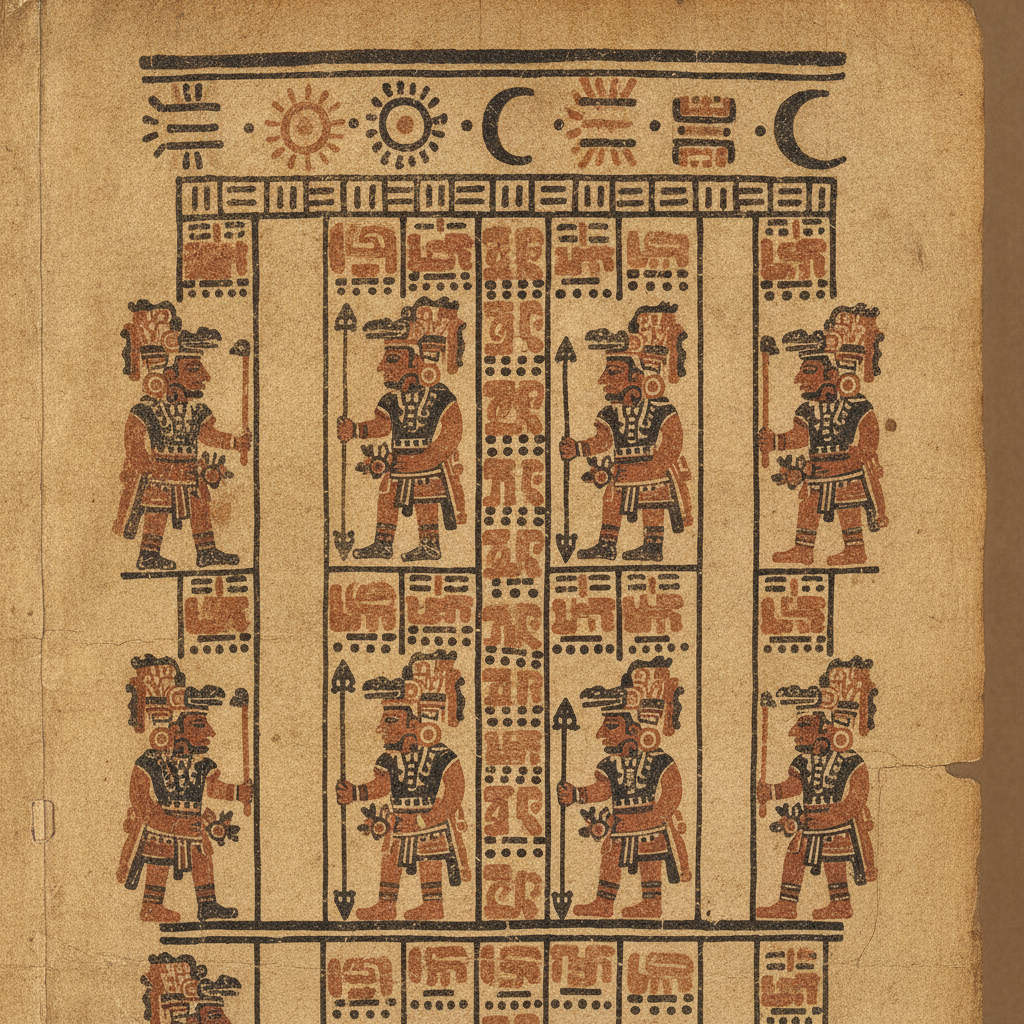
The intellectual tradition of Merida, established by the colonial-era seminary of San Ildefonso that educated the Yucatan elite in theology, philosophy, and law from the 16th century through the independence period, and continued through the literary journals, newspapers, and political pamphlets of the 19th century, produced a regional intellectual culture that was more connected to Cuba and Spain than to Mexico City and that generated a literary production in Spanish that includes some of the most distinctive regional voices in Mexican letters. The Yucatecan literary magazine Los Iguales, the journal El Siglo XIX, and the political journals of the Reform War period were the primary vehicles of Merida intellectual life in the 19th century, with a readership that extended to Havana and the Spanish Caribbean. The Yucatan-born writers who achieved national recognition in the 20th century include Luis Rosado Vega, whose poetry synthesized the trova yucateca sensibility with modernist forms, and Antonio Mediz Bolio, whose translations of Maya sacred texts including the Chilam Balam books provided the first Spanish-language access to the post-conquest Maya literary tradition. The Chilam Balam books, a series of colonial-era Maya documents written in the Latin alphabet by Maya writers after the conquest, contain prophecies, historical chronicles, astronomical knowledge, and ritual texts that were preserved in individual Yucatan communities under the names of the places where they were kept: the Chilam Balam of Chumayel, of Tizimin, of Mani, of Kaua, representing a decentralized literary preservation effort that saved significant portions of the Maya textual tradition after the book burnings of the 1560s.
- 6
Merida Practical Guide and Day Trip Planning
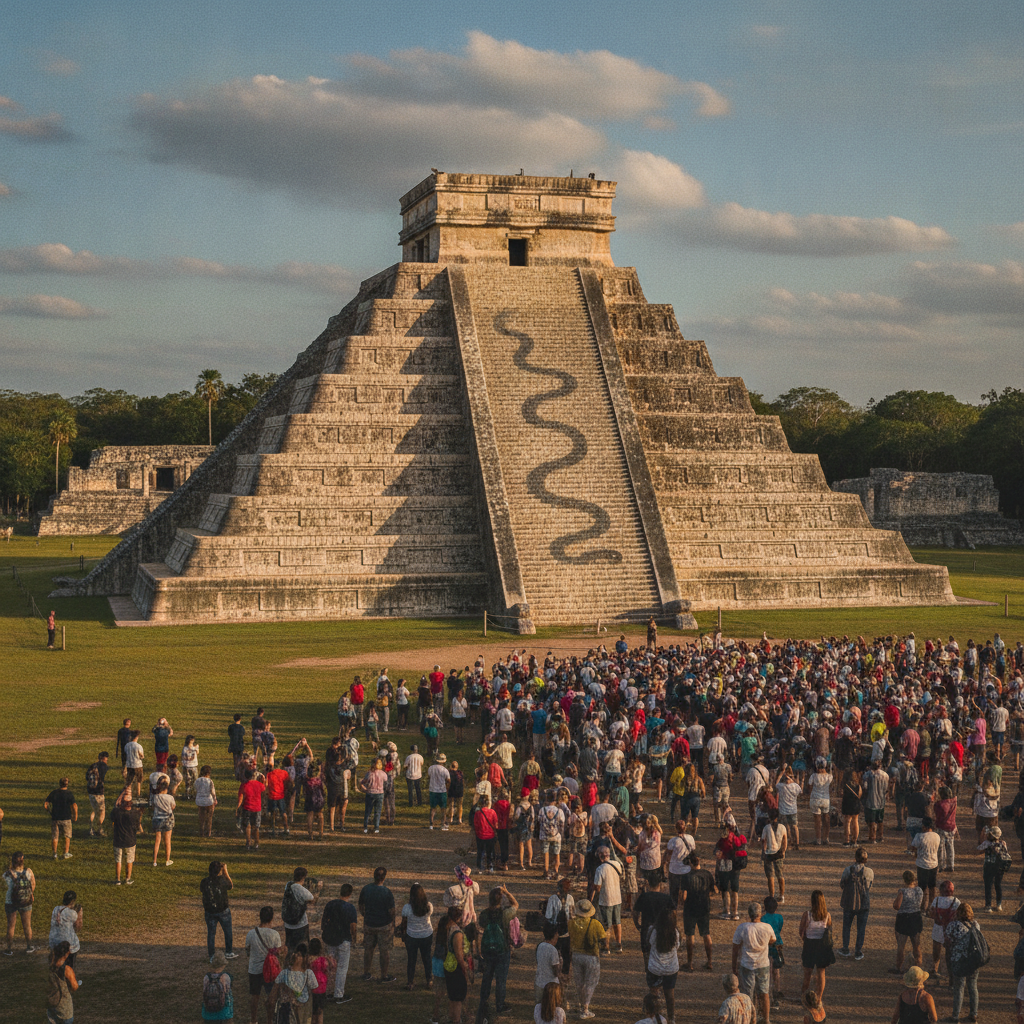
Merida is served by the Manuel Crescencio Rejon International Airport with direct flights from multiple US cities including Dallas, Houston, Miami, Atlanta, and Chicago, and from Mexico City, Cancun, and Guadalajara, making it accessible from the United States without a connection through Mexico City. The best travel season for Merida is October through May, when the rainy season has ended, the extreme summer heat has moderated, and the winter flamingo population at Celestun is at maximum. July and August in Merida are extremely hot with heat index values exceeding 50 Celsius and afternoon rainfall that does not cool the temperature significantly. The historic center of Merida is walkable, with the major museums, markets, and plazas within 20 minutes walking of each other, and the rental car option is practical for the hacienda and archaeological site day trips that require private transportation. The day trip logistics from Merida require planning: Chichen Itza is a 2-hour drive and best visited on arrival before the tour buses from Cancun arrive after 10 AM; Uxmal is a 1.5-hour drive and best combined with the evening light and sound show; Celestun is a 1.5-hour drive and best for flamingo viewing on the morning boat tours before the wind picks up in the afternoon. The cenotes near Merida, including Cenote Dzitnup and the hacienda cenotes of the Puuc region, are most comfortable in the morning hours before the combination of heat and visitor numbers makes the afternoon cenote experience less pleasant. The Merida accommodation market offers the full range from the iconic hacienda hotels 30 to 60 minutes from the city to boutique colonial mansion hotels in the historic center.
Walk this route with audio
Stories play automatically as you reach each stop — no tapping needed.
More in Merida

Merida Hacienda Hotels and the Yucatan Countryside: Swimming Pools in Converted Sisal Vats, Flamingo Lagoons at Celestun and the Biosphere Reserve Where Jaguars and Manatees Still Exist Within Two Hours of a Colonial Capital
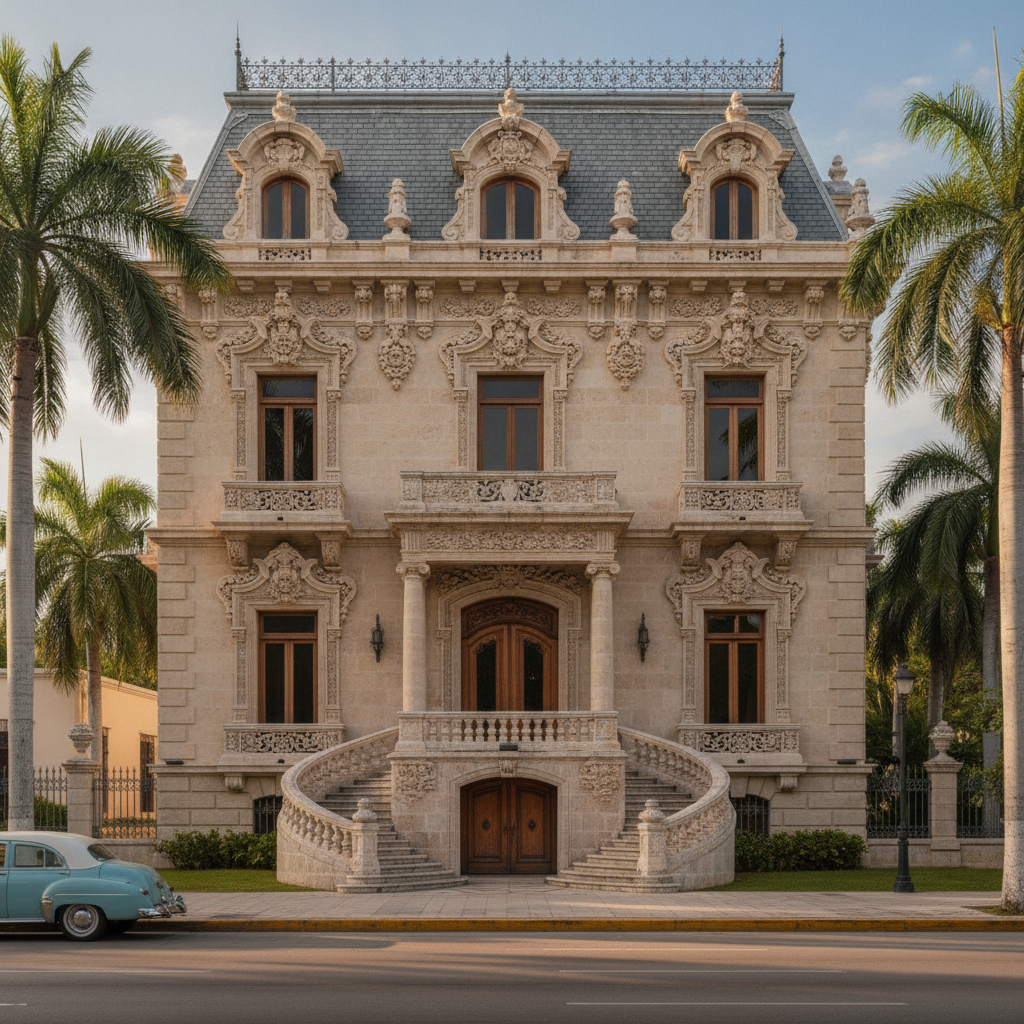
Merida Colonial Architecture Walking Tour: Cantera Limestone Mansions of the Calle 60 Corridor, the Plateresque Doorways of the Historic Center and the Architectural Inventory That Makes Merida the Best-Preserved Colonial City in Mexico After Oaxaca
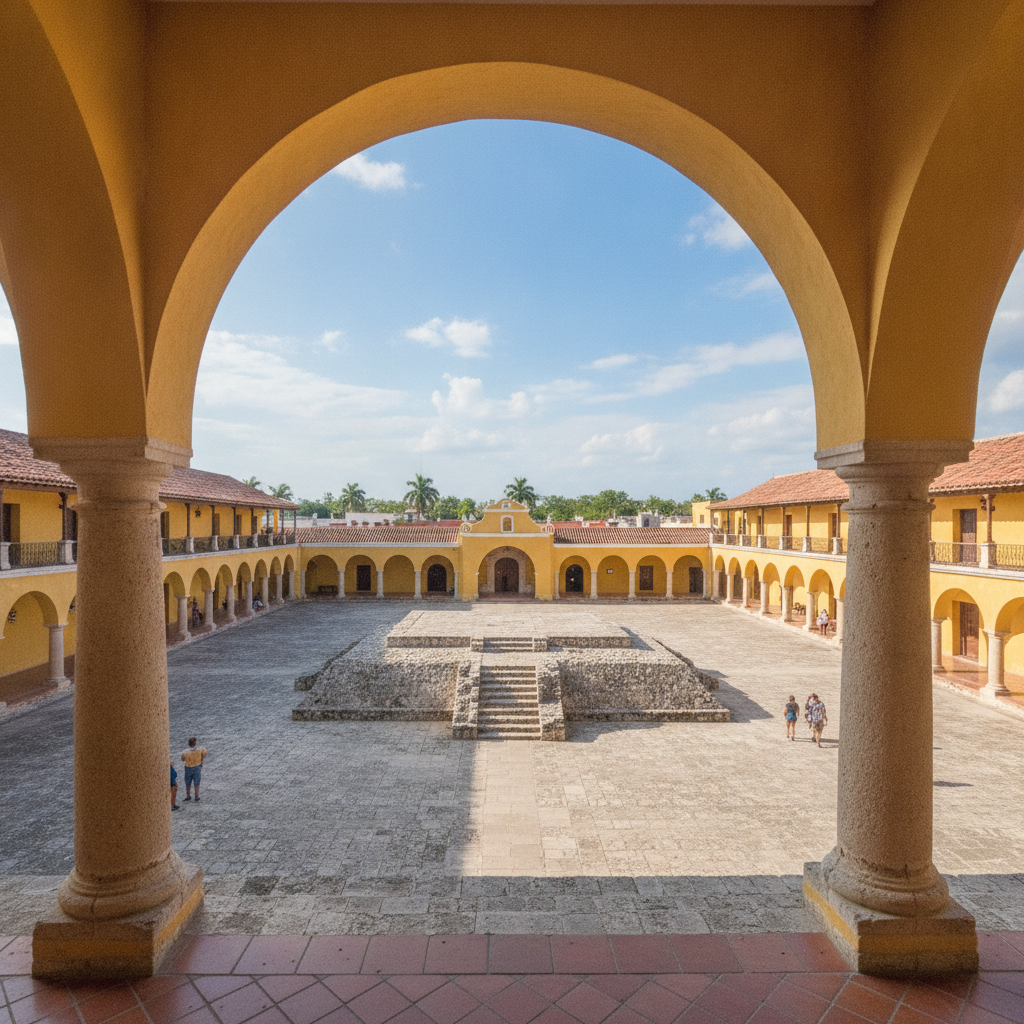
Yucatan Colonial Churches and the Franciscan Campaign That Replaced Every Maya Pyramid With a Monastery: How the 16th-Century Mass Conversion Program Produced the Most Impressive Monastic Architecture in the Americas
Merida: The White City of the Yucatan Peninsula Where Henequen Millionaires Built Beaux-Arts Mansions on a Maya Foundation and Where Chichen Itza Is Ninety Minutes Away and Cenotes Are Everywhere Beneath the Flat Limestone Plain
Maya Civilization in the Yucatan: The Writing System That Scholars Could Not Read for 150 Years, the Dresden Codex Astronomical Tables That Are More Accurate Than European Medieval Equivalents, and the Debate About Who Built Chichen Itza