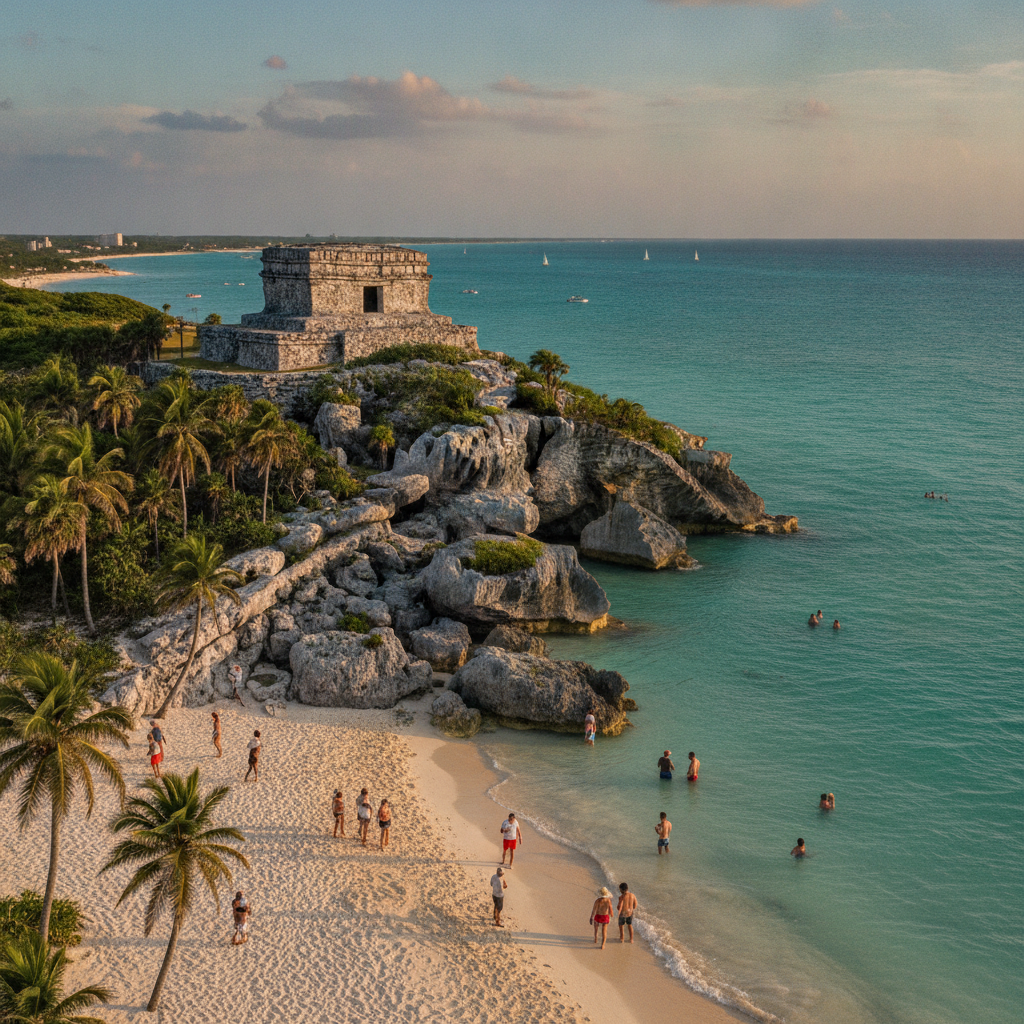
Merida: The White City of the Yucatan Peninsula Where Henequen Millionaires Built Beaux-Arts Mansions on a Maya Foundation and Where Chichen Itza Is Ninety Minutes Away and Cenotes Are Everywhere Beneath the Flat Limestone Plain
Merida, the capital of Yucatan state and the largest city on the Yucatan Peninsula with a metropolitan population of 1.3 million, is called the White City for the white limestone from which its colonial buildings were constructed using the same material quarried from the ruins of the Maya city of T'ho that the Spanish conquistadors demolished in 1542 to build the Spanish city directly on top of, making Merida the most explicit physical metaphor in Mexican colonial architecture for the literal construction of a European city on the rubble of an indigenous civilization. The henequen agave fiber industry of the Yucatan, which produced the natural fiber used to bind grain harvests throughout North America before the invention of synthetic twine and that made Yucatan landowners the wealthiest per capita group in Mexico in the late 19th and early 20th centuries, funded the Paseo Montejo, the boulevard modeled on the Champs-Elysees of Paris where the henequen hacendado families built Beaux-Arts mansions decorated with European sculpture, Italian marble, and French ironwork that gives the street a grandeur entirely disproportionate to the colonial town that surrounds it. The cenotes, the natural sinkholes in the Yucatan limestone that provided the only fresh water available in a peninsula with no rivers, where the Maya performed ritual offerings and human sacrifice to the rain deity Chaac and where contemporary visitors swim in turquoise underground pools, are distributed across the Yucatan landscape at an average of one per three kilometres of surface area, making the cenote swim the defining natural experience of Merida tourism.
- 1
Plaza Grande and Maya-Spanish Colonial Overlay
The Plaza Grande of Merida, the central plaza bounded by the Cathedral, the Palacio Municipal, the Palacio de Gobierno, and the Ateneo Peninsular building, was constructed by the Spanish conquistador Francisco de Montejo el Mozo on the exact site of the central plaza of the Maya city of T'ho, using the limestone blocks of the demolished Maya temples to build the Cathedral of San Ildefonso, completed in 1598, making it the oldest cathedral on the mainland Americas built with the physical material of the pre-Columbian civilization it replaced. The Cathedral facade, with its spare Renaissance design and twin towers, contains within its walls the actual stone blocks of the Maya pyramid that previously occupied the site, a geological and historical palimpsest visible to specialists in the irregular coursing of the masonry. The Palacio de Gobierno, built in the 18th century and remodeled in the 20th, contains murals by the Yucatecan painter Fernando Castro Pacheco depicting the history of Maya civilization and the conquest, painted between 1971 and 1978 in a style influenced by Diego Rivera and covering the full staircase and main gallery of the building. The Palacio Municipal on the west side of the Plaza Grande, with its arcade of arches open to the plaza, functions as the political center of the city and the venue for the traditional Sunday evening concerts that have drawn Meridanos to the plaza for the noche Mexicana performance since the 20th century. The Casa de Montejo on the south side of the plaza, built by the conquistador family in 1549 and now a bank museum, has a facade plateresque doorway with carved figures of Conquistadors standing on the heads of indigenous warriors, one of the most explicit colonial domination images in Mexican architectural sculpture.
- 2
Paseo Montejo and Henequen Wealth
The Paseo Montejo, the wide boulevard extending 4 kilometres north from the historic center of Merida lined with Beaux-Arts mansions built between 1890 and 1915 by the henequen hacendado families who controlled the sisal fiber industry of the Yucatan during its peak export period, is the most unexpected streetscape in Mexico: a colonial tropical city whose main avenue looks like a fragment of the 8th arrondissement of Paris transposed to the Yucatan jungle. The mansions of the Paseo Montejo, built by Italian and French architects for Yucatecan families who traveled to Europe specifically to study the architecture they wanted reproduced at home, feature the full catalog of late 19th-century French and Italian architectural decoration including mansard roofs, sculptured cartouches, rusticated bases, Italian marble interiors, and imported ironwork from Belgium and France. The henequen agave Agave fourcroydes, the Yucatan species that produces a strong natural fiber used to bind grain harvests, was the binding material for the mechanical harvesting of grain throughout North America before the 1950s development of synthetic twine. The Yucatan monopoly on the henequen fiber market, controlled by the International Harvester corporation through a purchasing arrangement with the Yucatecan hacendados called the Green Hell for its exploitation of Maya labor, made Yucatan the richest state in Mexico per capita during the peak henequen period of 1880 to 1920. The Museo de Arte Popular de Yucatan and the Museo Palacio Canton at the northern end of the Paseo Montejo, the latter housed in the finest of the surviving hacienda mansions, document the social history of the henequen period.
- 3
Chichen Itza and Maya Civilization
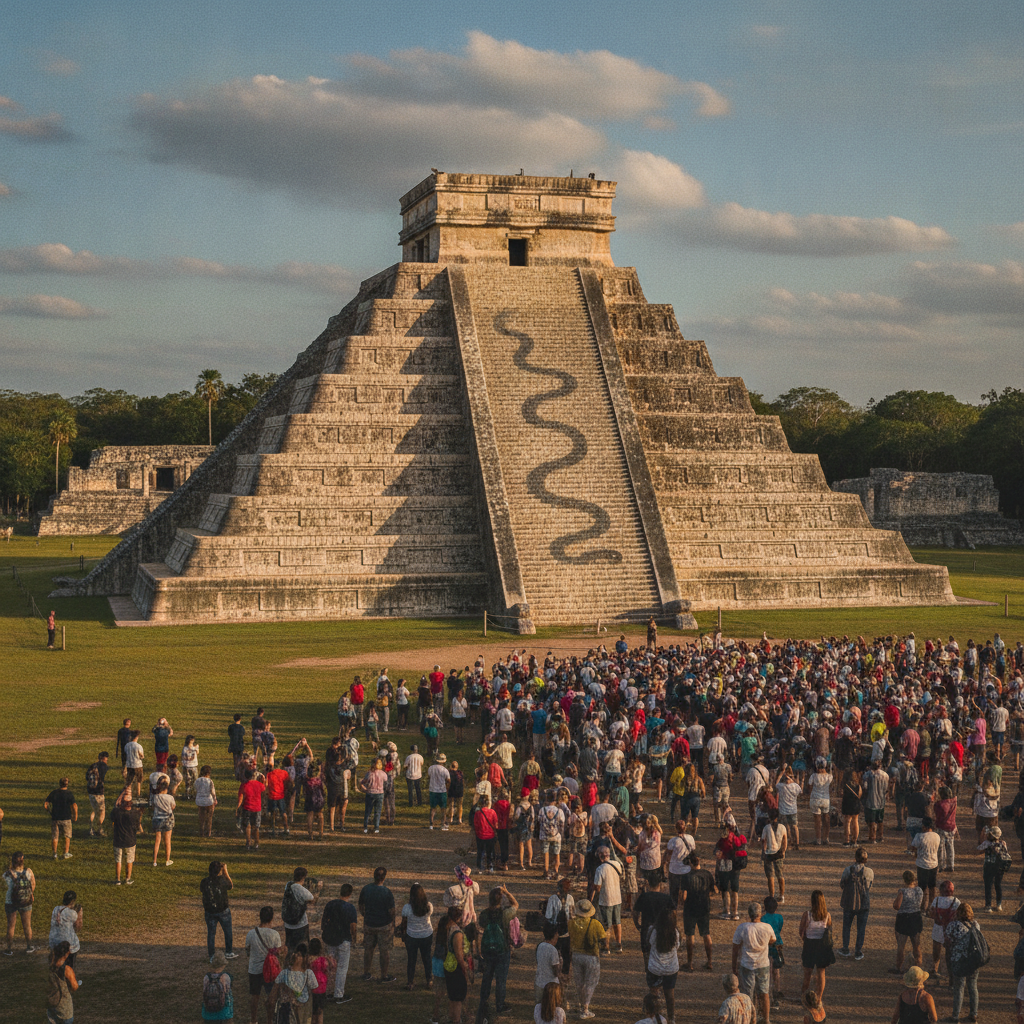
Chichen Itza, the Maya city 120 kilometres east of Merida that was one of the most powerful political and commercial centers of the Mesoamerican world from approximately 600 to 1200 CE, is the most visited pre-Columbian archaeological site in Mexico with approximately 2 million visitors annually, recognized as a UNESCO World Heritage Site and designated one of the New Seven Wonders of the World in a 2007 global internet vote that produced a list of popular recognition rather than scholarly priority. The El Castillo pyramid, the 30-metre stepped pyramid at the center of Chichen Itza also called the Temple of Kukulkan, is designed with astronomical precision to create the shadow serpent phenomenon at the spring and autumn equinoxes, when the alignment of sunlight on the staircase edge creates a triangular shadow pattern suggesting the body of a feathered serpent descending to join the stone serpent head at the base. The Great Ball Court of Chichen Itza, 168 metres long and 70 metres wide, is the largest ball court in Mesoamerica and contains stone carvings of ball court sacrifice scenes that document the ritual significance of the rubber ball game played throughout Mesoamerican civilization. The Sacred Cenote, a natural sinkhole 60 metres in diameter at the north end of the main plaza, received ritual offerings including jade, gold, copal incense, and human sacrificial victims that were thrown into the water as offerings to the rain deity Chaac during drought ceremonies. The archaeological exploration of the Sacred Cenote by Edward Thompson in 1904 to 1910 removed most of the offering material to Harvard, where it remained for decades before partial repatriation.
- 4
Cenotes Yucatan Underground Water System
The cenotes of the Yucatan Peninsula, the natural sinkholes created by the collapse of the limestone bedrock over underground rivers and caverns, provided the only reliable fresh water source in a peninsula with no surface rivers, and were therefore the sites around which all Maya settlement was organized, with major Maya cities positioned near large cenotes and the underground river system that connects many cenotes providing the hydraulic infrastructure of Maya civilization in a landscape that offered no alternative fresh water source. The word cenote derives from the Maya word dzonot, meaning natural water well, and the approximately 7,000 cenotes identified in the Yucatan Peninsula represent surface expressions of one of the largest underground freshwater aquifer systems in the world, the Yucatan Aquifer, which extends under the entire peninsula and connects to the Caribbean Sea at submarine springs visible from boats off the coast. The cenotes near Merida include the Cenote Dzitnup and Cenote Samula near Valladolid, where the underground chambers have partially collapsed to create cathedral-like spaces with stalactites descending to a turquoise pool lit by a single shaft of light from the collapse opening; the Cenote Xlacah within the Dzibilchaltun archaeological site 16 kilometres north of Merida, the only Maya archaeological site with a cenote that can be swum in legally; and the hacienda cenotes of the Route des Haciendas circuits in the Puuc region south of Merida. The impact of Yucatan tourism on cenote water quality, particularly the introduction of sunscreen chemicals and bacterial contamination from the volume of swimmers, has generated concern from hydrologists who study the aquifer system.
- 5
Uxmal and Puuc Maya Architecture
Uxmal, the Maya city 80 kilometres south of Merida in the Puuc hills of southern Yucatan that reached its peak between 700 and 1000 CE as the dominant city of the Puuc Maya regional tradition, contains some of the finest decorative stone mosaic architecture in the pre-Columbian Americas, with building facades covered in intricate geometric stone mosaic patterns representing the rain deity Chaac, serpent bodies, lattice patterns, and stacked mask panels in a density and precision that required the collective labor of specialist stone carvers working for the duration of each building's construction. The Adivino pyramid at Uxmal, an elliptical pyramid with rounded corners that are unique in Maya architecture, rises 38 metres above the surrounding jungle on an elliptical base plan that reflects the Puuc regional preference for curved forms. The Nuns Quadrangle, a courtyard surrounded by four long buildings whose facades are covered entirely in Chenes and Puuc style stone mosaic decoration, is the most completely decorated courtyard complex in Yucatan and requires hours of examination to read the full program of symbols, deity masks, and geometric patterns covering every surface. Uxmal receives fewer visitors than Chichen Itza because it lacks the celebrity status generated by the New Seven Wonders vote, but archaeologists and architectural historians generally consider its architecture more sophisticated and the visitor experience less crowded and more conducive to understanding the site. The Puuc route connecting Uxmal with the secondary sites of Kabah, Sayil, Xlapak, and Labna can be driven in a day from Merida.
- 6
Merida Food Sopa de Lima and Cochinita Pibil
The cuisine of Merida and the Yucatan, which incorporates the Maya culinary foundation of recado spice pastes, achiote coloring, pit-roasted cooking in underground pib ovens, and the cenote-influenced freshwater fish tradition with the Spanish pork, cattle, and citrus additions, produces a regional food culture distinctly unlike anything else in Mexico: the cochinita pibil, the slow-roasted pork marinated in bitter orange juice and achiote paste wrapped in banana leaf and cooked underground, is the most internationally recognized Yucatecan dish and the one that requires the most authentic version available in Merida at the Sunday morning market of Lucas de Galvez where the cochinita vendors arrive before dawn; the sopa de lima, the lime-infused chicken consomme with shredded chicken, fried tortilla strips, and fresh lime juice that is the essential Yucatecan first course; the papadzules, tortillas filled with hard-boiled eggs and bathed in a sauce of toasted pumpkin seeds and epazote herb that is a direct continuation of a pre-Columbian Maya preparation. The pib, the underground oven in which cochinita pibil is slow-cooked for 6 to 8 hours, is used in Yucatecan cooking for other preparations including mucbilpollo, the large tamale of the Day of the Dead season, and is dug fresh for each use by specialists who maintain the skill as part of the Yucatecan culinary tradition. The Merida restaurant scene includes the market-based traditional experience of the Lucas de Galvez market, the preserved hacienda restaurants in the countryside around the city, and the contemporary Yucatecan cuisine establishments in the historic center.
Walk this route with audio
Stories play automatically as you reach each stop — no tapping needed.
More in Merida
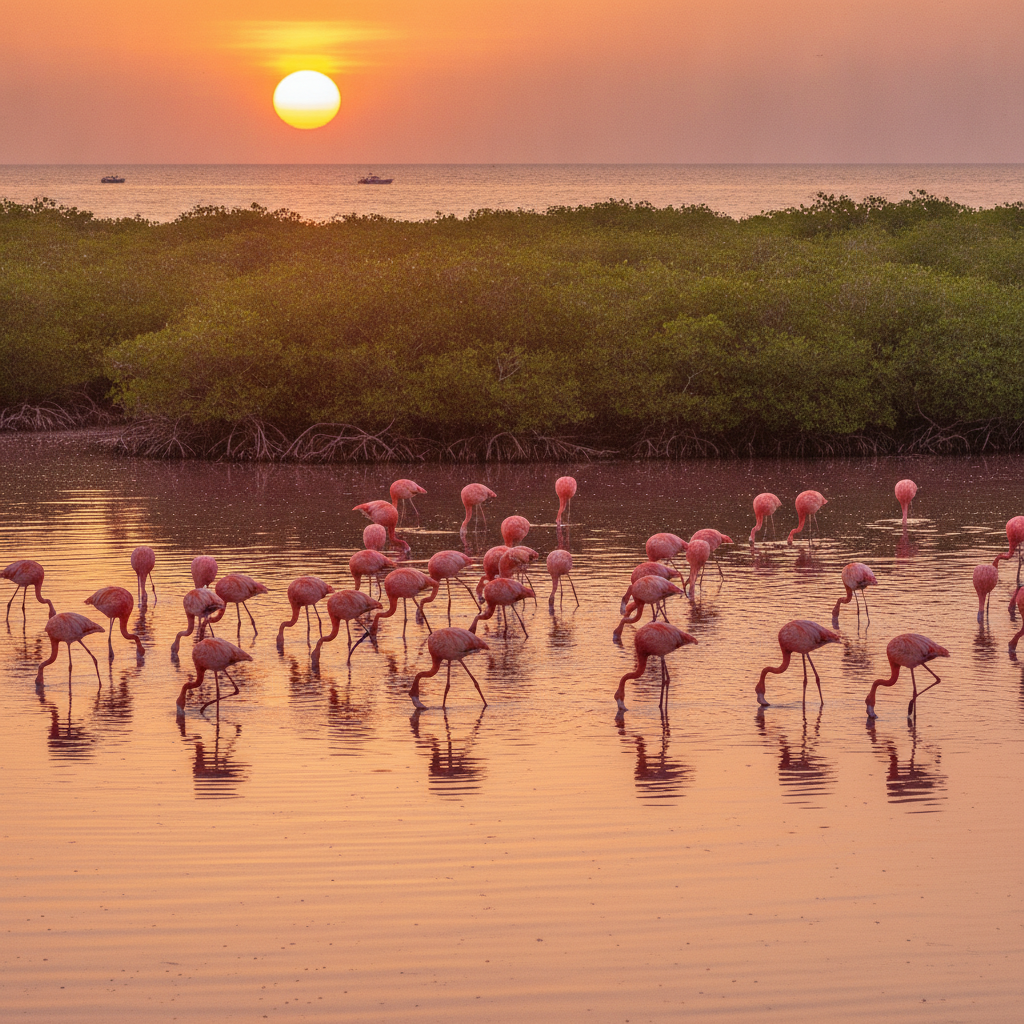
Merida Hacienda Hotels and the Yucatan Countryside: Swimming Pools in Converted Sisal Vats, Flamingo Lagoons at Celestun and the Biosphere Reserve Where Jaguars and Manatees Still Exist Within Two Hours of a Colonial Capital
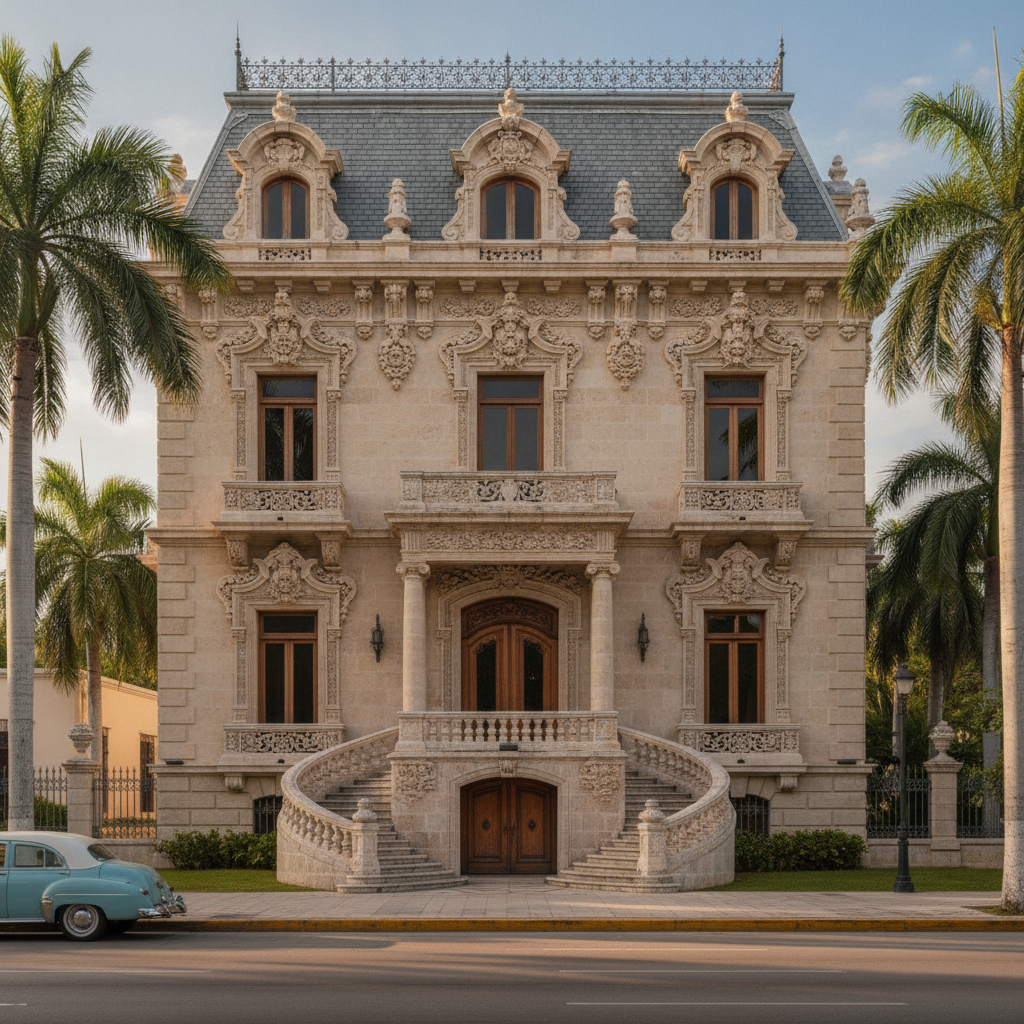
Merida Colonial Architecture Walking Tour: Cantera Limestone Mansions of the Calle 60 Corridor, the Plateresque Doorways of the Historic Center and the Architectural Inventory That Makes Merida the Best-Preserved Colonial City in Mexico After Oaxaca
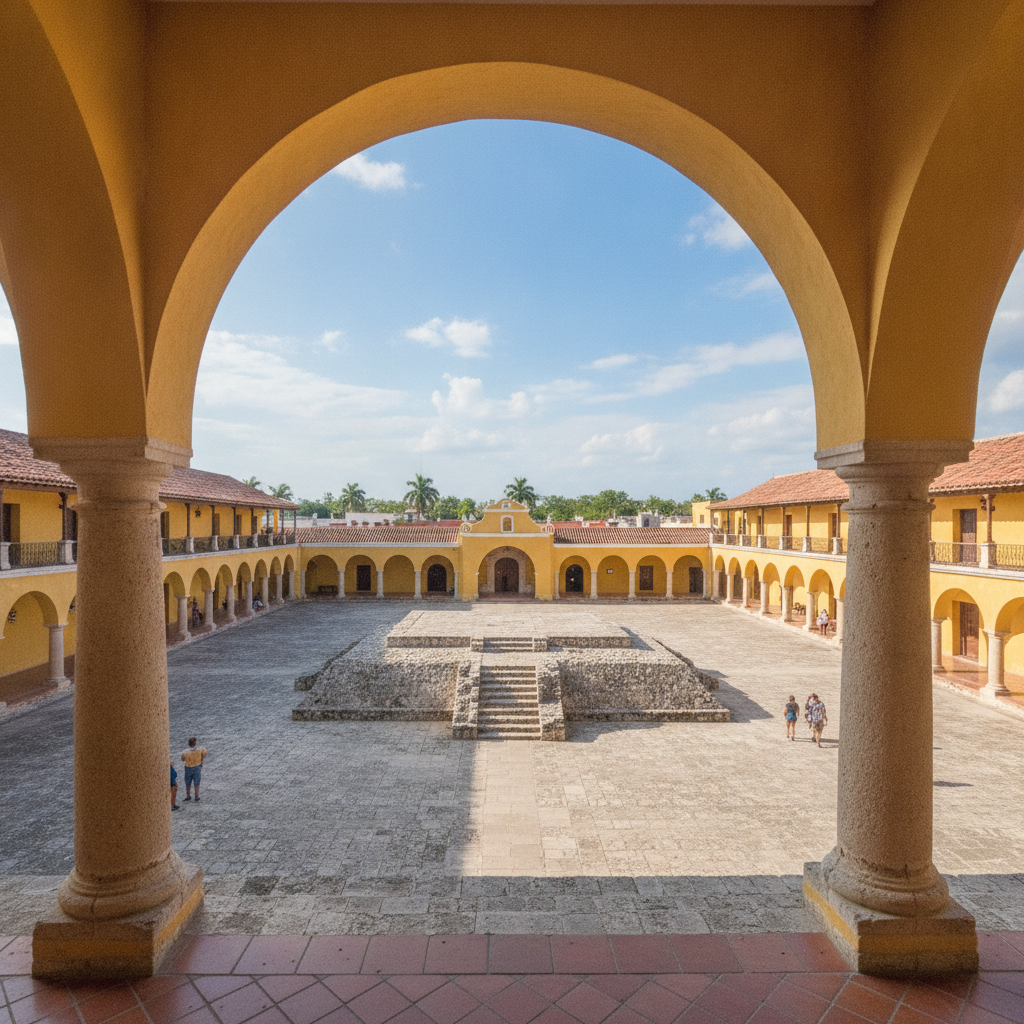
Yucatan Colonial Churches and the Franciscan Campaign That Replaced Every Maya Pyramid With a Monastery: How the 16th-Century Mass Conversion Program Produced the Most Impressive Monastic Architecture in the Americas
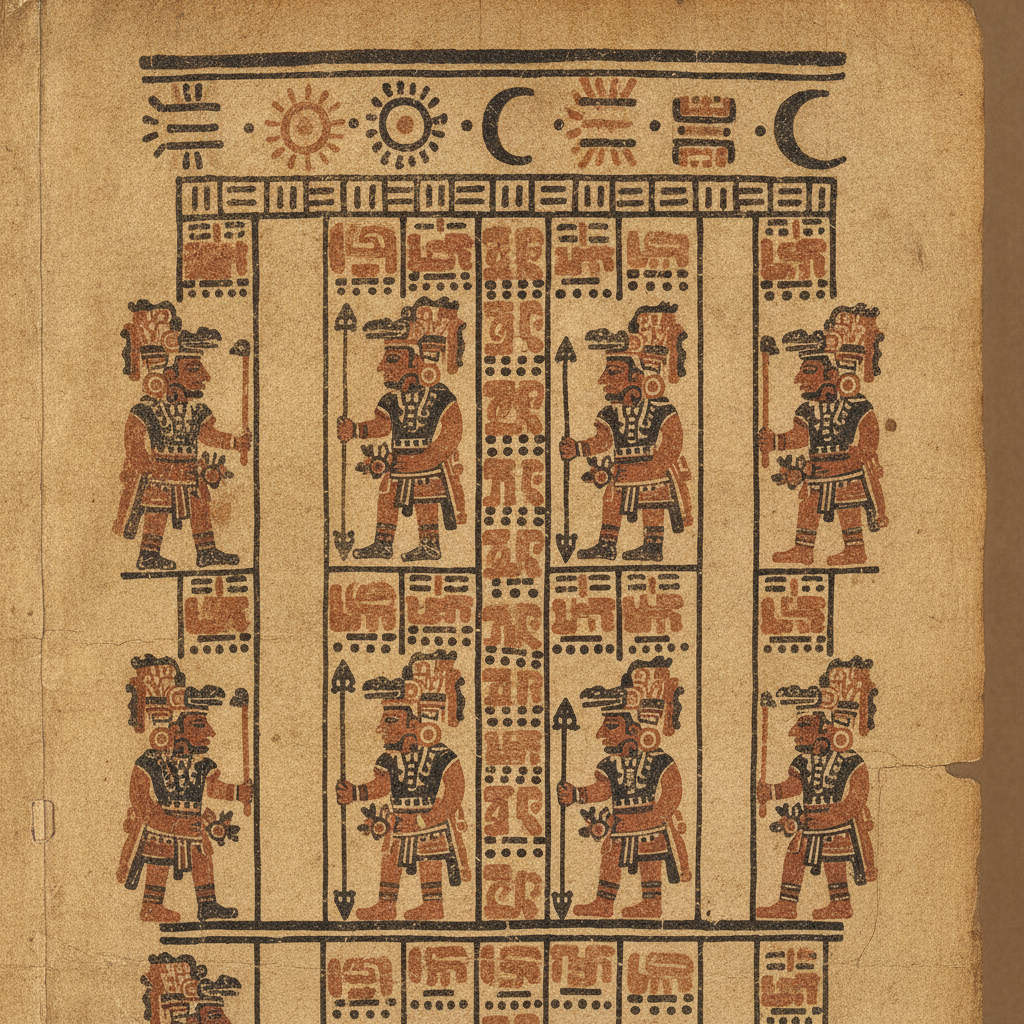
Maya Civilization in the Yucatan: The Writing System That Scholars Could Not Read for 150 Years, the Dresden Codex Astronomical Tables That Are More Accurate Than European Medieval Equivalents, and the Debate About Who Built Chichen Itza
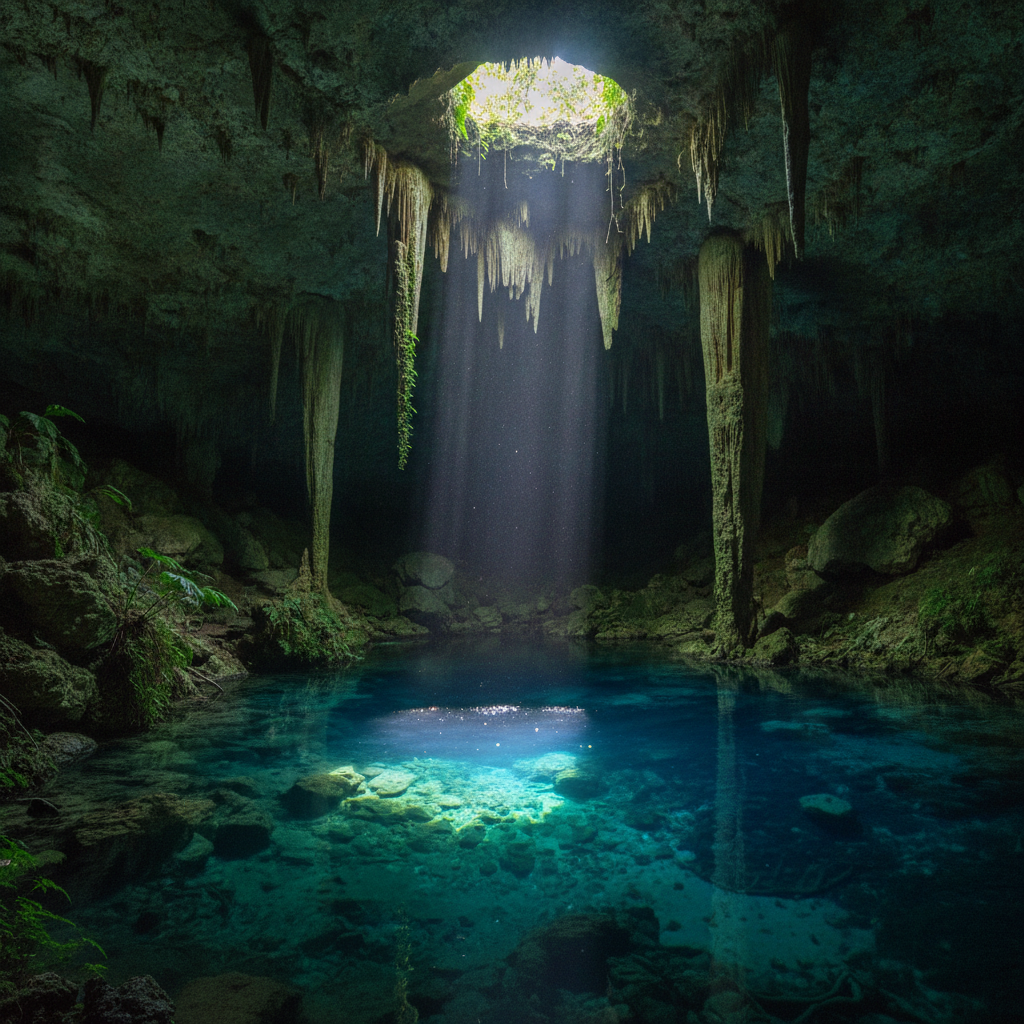
Merida and Yucatan Water Crisis: How the Aquifer That Feeds 5 Million People Is Being Contaminated by Pig Farms Pesticides and Hotel Septic Systems While the Government Issues New Tourism Development Permits