Maya Civilization in the Yucatan: The Writing System That Scholars Could Not Read for 150 Years, the Dresden Codex Astronomical Tables That Are More Accurate Than European Medieval Equivalents, and the Debate About Who Built Chichen Itza
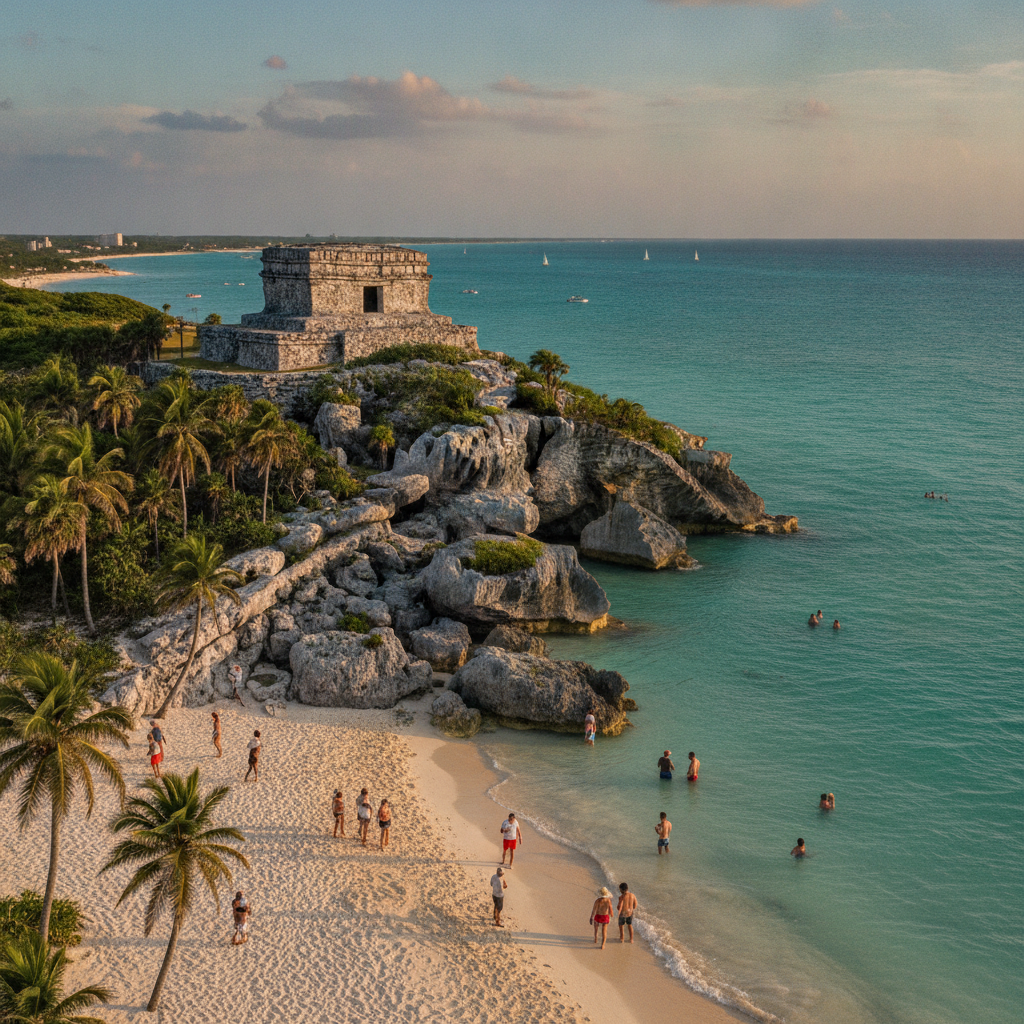
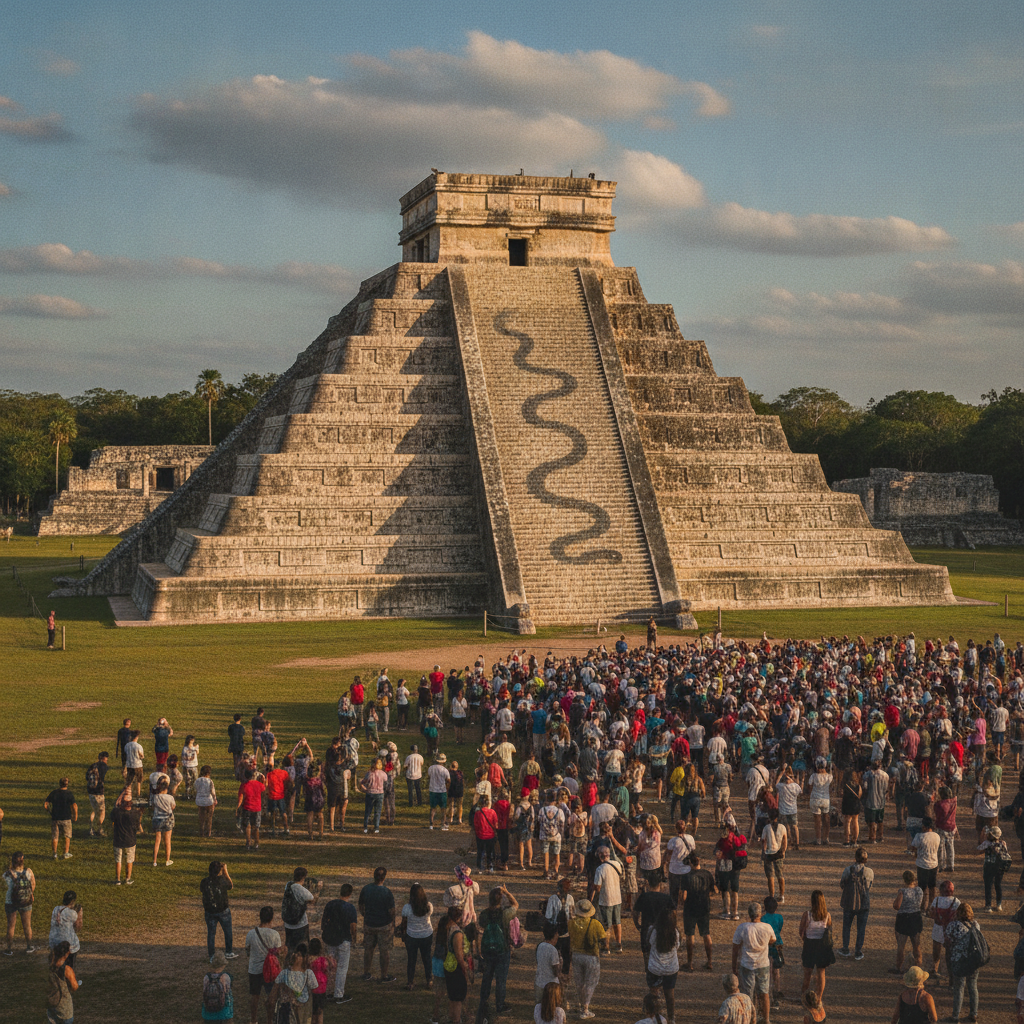
The Maya writing system, which uses a combination of logographic signs representing whole words and syllabic signs representing consonant-vowel combinations in a hybrid script that can write the same word in multiple ways through substitution, required over 150 years of scholarly effort after the first serious decipherment attempts in the 19th century to reach the point where trained epigraphers can read Maya texts with sufficient confidence to reconstruct political histories, dynastic sequences, and ritual calendars from the inscriptions on stone monuments, ceramics, and the four surviving pre-Columbian Maya books. The breakthrough came in the 1950s when the Soviet linguist Yuri Knorozov demonstrated that the Maya script had phonetic syllabic components that could be used to spell words phonetically, a discovery initially rejected by American Mayanists who were committed to the alternative interpretation of the script as purely logographic and ideographic. The decipherment of Maya writing, which was substantially complete by the 1990s, revealed that the Maya Classic period cities of the Yucatan were not the peaceful astronomical theocracies that earlier scholars had imagined but competitive city-states engaged in constant warfare, alliance, and political maneuvering that the inscriptions on their monuments recorded in detail comparable to any ancient historical tradition. The question of who built Chichen Itza remains contested: the site shows architectural styles associated with both the Maya of the Yucatan and the Toltec culture of central Mexico, with the figures of feathered serpents and warrior figures similar to those at Tula in Hidalgo, leading to theories of either Toltec conquest of the Yucatan, Maya pilgrimage to Tula, or independent parallel development.
- 1
Maya Writing Decipherment History
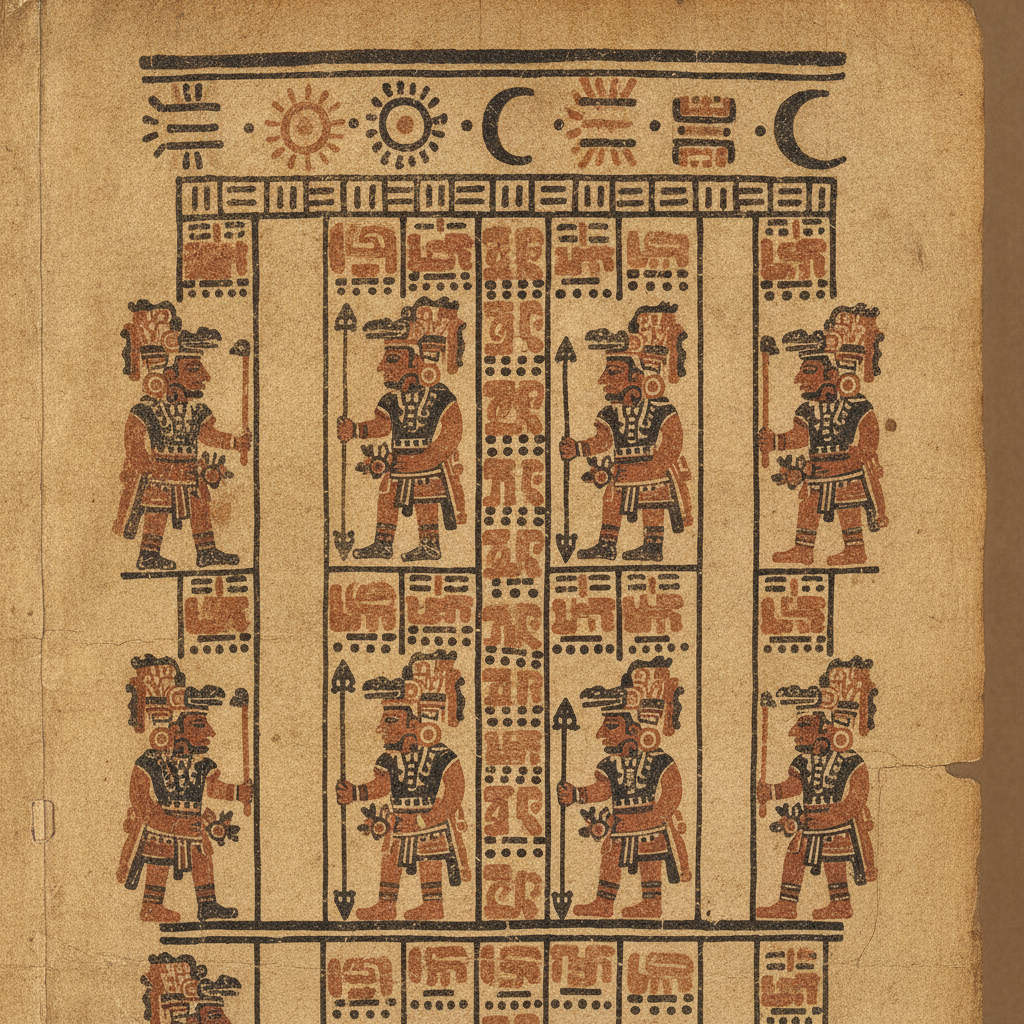
The decipherment of the Maya writing system is one of the great intellectual detective stories of the 20th century, involving the recovery of a 16th-century document by the Spanish Bishop Diego de Landa that described the Maya script while simultaneously documenting the destruction of Maya books in a burning that Landa himself ordered in July 1562 in Mani, Yucatan, destroying an estimated 5,000 rolled ceramic vessels, 27 hieroglyphic books, and an unknown number of other objects in what Landa acknowledged was a loss of information even as he committed it. Landa's document, called the Relacion de las Cosas de Yucatan, was rediscovered in Madrid in 1863 by the French archaeologist Charles Etienne Brasseur de Bourbourg, who recognized its significance for decipherment and published it in 1864, beginning the modern era of Maya scholarship with a document created by the man most responsible for the destruction of Maya literacy. The Landa alphabet, Landa's attempt to record the Maya script by asking Maya informants to write the signs for each letter of the Spanish alphabet, was initially dismissed as confused because the informants apparently gave syllabic signs rather than alphabetic letters, but this confusion was eventually recognized by Knorozov as evidence that the Maya script was syllabic rather than alphabetic. The Dresden Codex, one of four surviving pre-Columbian Maya books, was acquired by the Dresden Royal Library in 1739 from Vienna where it had arrived as a gift to the Austrian Court at some point in the 16th century, and contains the most sophisticated astronomical tables in the pre-Columbian Americas, including Venus tables predicting the appearances of Venus as morning and evening star accurate to a half-day over a 65-year observation period.
- 2
Gran Museo del Mundo Maya Merida
The Gran Museo del Mundo Maya de Merida, opened in 2012 on the northern edge of the Merida metropolitan area in a purpose-built building by the architect Augusto Quijano whose exterior is a flowing organic form designed to suggest a giant ceiba tree root network, houses the most comprehensive permanent exhibition of Maya civilization in the Yucatan Peninsula with 1,100 artifacts spanning the full chronological range from the Preclassic period through the present, including significant stone monuments, ceramic collections, jade jewelry, and the ethnographic documentation of contemporary Maya culture in the Yucatan Peninsula. The museum's commitment to presenting Maya civilization as a continuous living tradition rather than a collapsed ancient culture distinguishes its interpretive framework from older archaeological museum conventions: the permanent exhibition moves from the ancient to the contemporary without implying that the contemporary is a degraded continuation of the ancient, and the Maya language is given prominence in museum labels alongside Spanish and English. The collection includes the Stele 1 of Izamal, a Classic period stone monument carved with hieroglyphic text and portrait relief of a Maya ruler that was found in the wall of a colonial building in Izamal, the yellow-painted colonial city 70 kilometres east of Merida where a 16th-century Franciscan monastery was built directly on top of the largest Maya pyramid platform in the Yucatan Peninsula. The Izamal case, where the Franciscan monastery and the pyramid base are simultaneously a single structure, is the most complete physical expression of colonial religious superimposition in the Yucatan and can be visited in half a day from Merida.
- 3
Yucatan Maya Communities Contemporary Life
The Yucatan Peninsula is home to approximately 700,000 speakers of Yucatec Maya, the most widely spoken of the 30 Maya languages still in use, concentrated in the rural communities of the Yucatan, Campeche, and Quintana Roo states where Maya agricultural and village traditions including the milpa corn-squash-bean intercropping system, the communal cenote water use, the pib underground oven cooking, and the Maya therapeutic medicine using plants of the Yucatan jungle have been maintained alongside the Spanish-language school system, Catholic religious observance, and the wage economy connections to the Merida and Cancun tourism labor markets. The Maya communities of the Yucatan interior, particularly in the zone between Merida and the Puuc archaeological zone, maintain traditional thatched oval houses called na, built of local wood with lime-plastered walls and a palm thatch roof that provides effective insulation against the extreme summer heat in a low-tech solution that the contemporary ecological architecture community has rediscovered as a design model. The hammock culture of the Yucatan, in which the Maya hammock woven from cotton or nylon cord serves as the primary sleeping furniture, has produced the finest hammock weaving tradition in Mexico with the communities of Tixkokob and Valladolid as major production centers. The Day of the Dead in the Maya communities of the Yucatan follows the specific Yucatecan tradition of Hanal Pixan, the Maya name for the Day of the Dead celebration that uses the term for the food of souls and that includes specific food preparations including the mucbilpollo tamale baked in the pib underground oven for the communal feast.
- 4
Hacienda Culture and Henequen System
The henequen hacienda system of the Yucatan Peninsula, which bound Maya laborers to the sisal fiber plantations of the henequen hacendados through a debt peonage arrangement that kept workers permanently indebted to the hacienda store and legally prohibited from leaving until the debt was paid, was described by contemporary observers as the Mexican slavery and was the economic foundation of the Gilded Age prosperity visible on the Paseo Montejo mansions. The archaeologist and journalist John Kenneth Turner published Barbarous Mexico in 1910 documenting the conditions on the Yucatan henequen haciendas, which he compared unfavorably to the plantation slavery of the antebellum United States South, triggering a scandal in the United States that briefly raised the question of whether American industrial corporations, specifically International Harvester which controlled the henequen purchase price through its market dominance, were complicit in a labor system equivalent to slavery. The Yucatan governor Salvador Alvarado, a general in the Constitutionalist army that arrived in 1915 after the Mexican Revolution reached the peninsula, attempted to reform the henequen system by establishing the Comision Reguladora del Mercado del Henequen, which broke the International Harvester purchase monopoly and increased the price paid to henequen producers, improving conditions for both hacendados and laborers but not eliminating the debt peonage system. The henequen economy collapsed in the mid-20th century when synthetic polypropylene twine replaced natural sisal fiber in the agricultural binding market, leaving the Yucatan haciendas economically stranded and eventually converting the most architecturally significant of them to boutique hotels, which now provide the premium accommodation option for Merida tourists.
- 5
Valladolid and the Caste War of Yucatan
Valladolid, the colonial city 160 kilometres east of Merida on the road to Chichen Itza, is where the Caste War of Yucatan began in July 1847, when Maya community leaders who had been organizing resistance to the Yucatecan government land enclosures that were eliminating the communal land base of the Maya villages launched a coordinated attack on Valladolid and adjacent haciendas that initiated the most successful indigenous uprising in the post-independence Americas. The Caste War, which lasted in its active military phase from 1847 to 1901 and in its residual independent Maya state phase until 1934 when the last Chan Santa Cruz community submitted to federal authority, reduced the Yucatan population by 50 percent through a combination of warfare, disease, and emigration as the Maya rebels drove the mestizo and white population from the eastern half of the peninsula and established the independent Maya state of Chan Santa Cruz in the Quintana Roo jungle. The war began partly as a response to the land enclosures of the henequen expansion that took communal Maya land for hacienda agriculture, and partly as a response to the treatment of Maya communities during the preceding decades of taxation, conscription, and religious fees imposed by the Catholic parish system. The independent Maya state of Chan Santa Cruz maintained itself for 50 years in the jungle of what is now Quintana Roo, organized around a speaking cross cult called the Talking Cross that provided divine sanction for the resistance. The descendants of the Chan Santa Cruz Maya still maintain separate community identity in Quintana Roo.
- 6
Merida Climate Culture and Expatriate Community
Merida has developed a significant expatriate community of North American and European retirees and remote workers attracted by the colonial architecture, the cultural richness, the relative safety compared to northern Mexican border cities, the direct flight connections to the United States, and the lower cost of living compared to Oaxaca and San Miguel de Allende which have experienced more severe gentrification. The Merida expatriate community, estimated at 15,000 to 20,000 primarily US and Canadian residents, is concentrated in the historic center neighborhoods and the colonias of Santa Ana and Garcia Gineres where colonial renovation projects have converted 19th-century mansions to comfortable modern residences. The summer climate of Merida is among the most extreme in Mexico, with temperatures regularly exceeding 40 Celsius and the combination of heat and humidity producing feels-like temperatures above 50 Celsius in July and August, a challenge that the traditional Yucatecan house design with its thick stone walls and interior courtyard gardens addresses effectively but that contemporary masonry construction without air conditioning cannot tolerate. The Merida cultural calendar includes the Noche Mexicana free concerts every Sunday evening in the Plaza Grande, the annual Merida Fest cultural festival in January, and the Merida en Domingo car-free promenade on the Paseo Montejo every Sunday morning when the avenue is closed to traffic and food stands, craft markets, and cyclists fill the space. The Monday evening Vaqueria regional dance performance at the Parque de Santiago is free and attended primarily by Meridanos rather than tourists, making it one of the most authentic free cultural events available in any major Mexican city.
Walk this route with audio
Stories play automatically as you reach each stop — no tapping needed.
More in Merida

Merida Hacienda Hotels and the Yucatan Countryside: Swimming Pools in Converted Sisal Vats, Flamingo Lagoons at Celestun and the Biosphere Reserve Where Jaguars and Manatees Still Exist Within Two Hours of a Colonial Capital
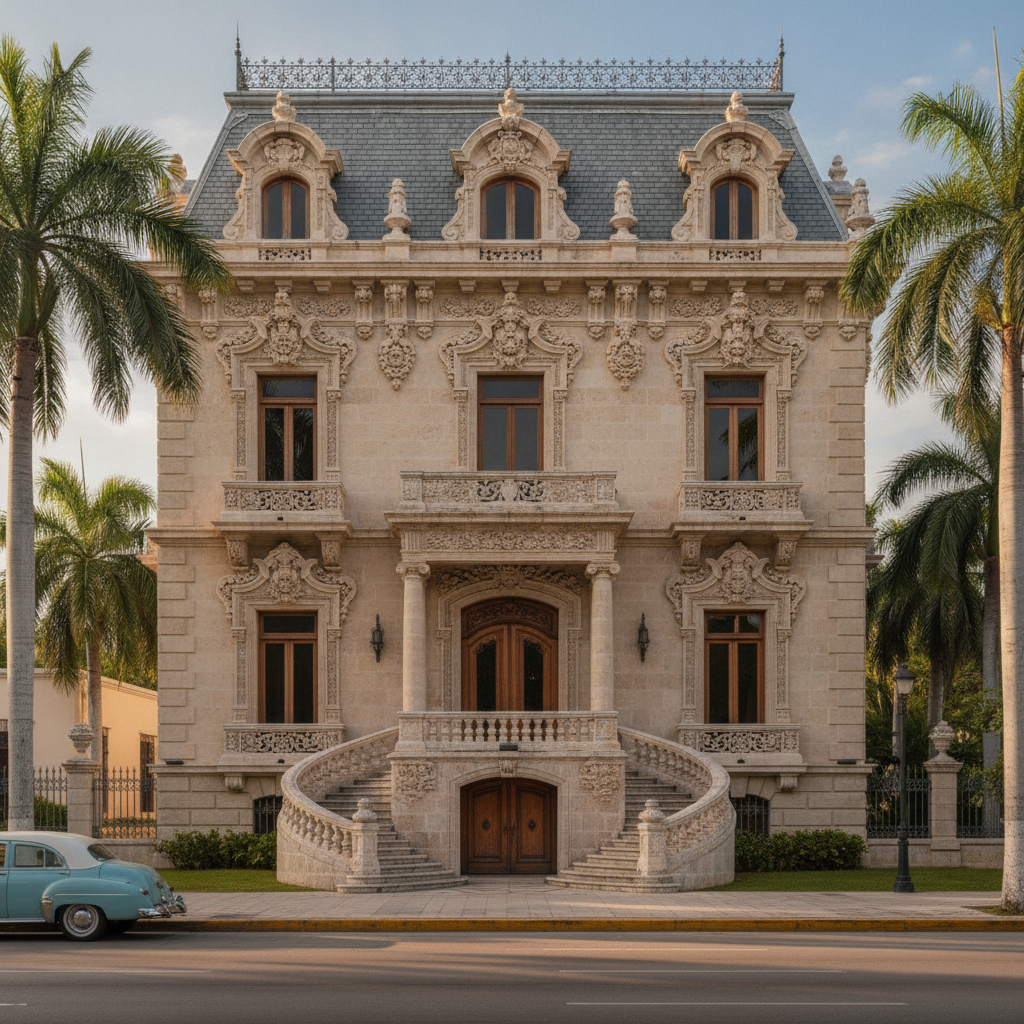
Merida Colonial Architecture Walking Tour: Cantera Limestone Mansions of the Calle 60 Corridor, the Plateresque Doorways of the Historic Center and the Architectural Inventory That Makes Merida the Best-Preserved Colonial City in Mexico After Oaxaca
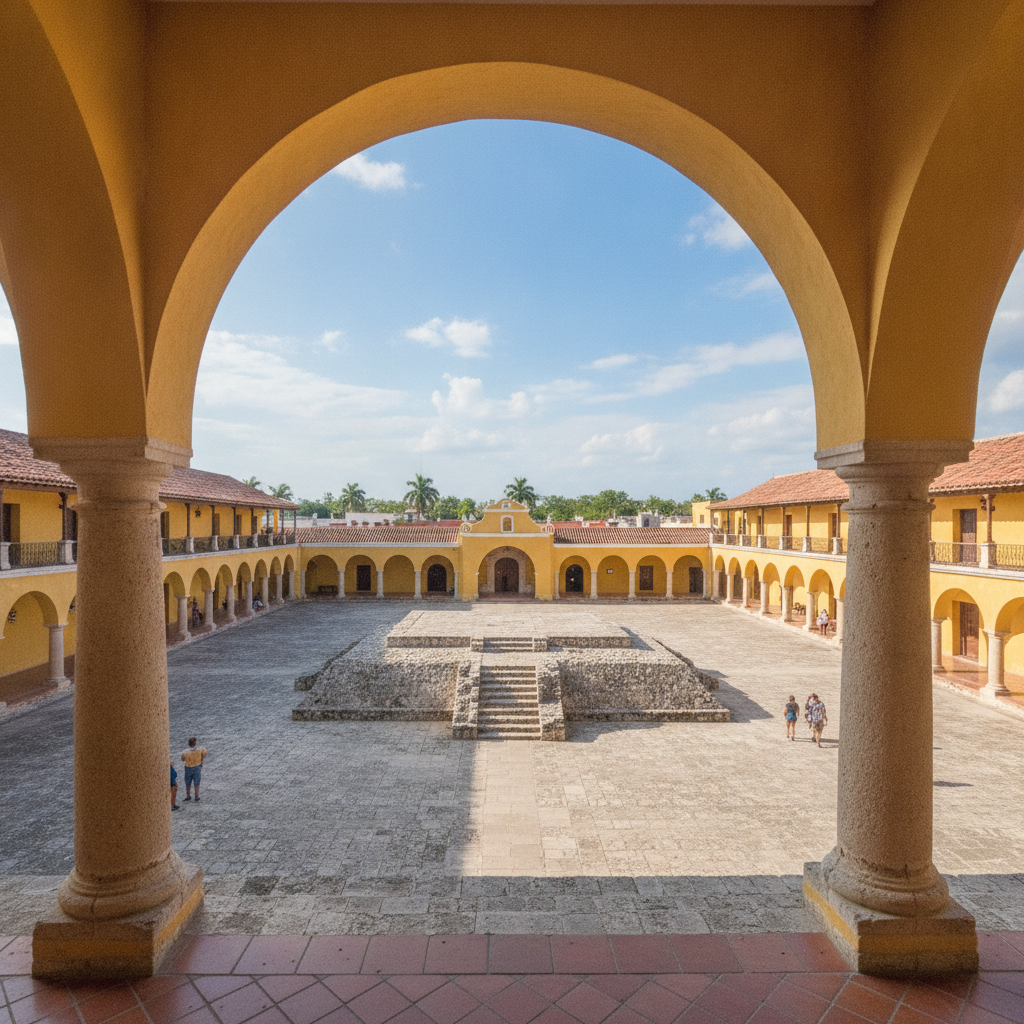
Yucatan Colonial Churches and the Franciscan Campaign That Replaced Every Maya Pyramid With a Monastery: How the 16th-Century Mass Conversion Program Produced the Most Impressive Monastic Architecture in the Americas
Merida: The White City of the Yucatan Peninsula Where Henequen Millionaires Built Beaux-Arts Mansions on a Maya Foundation and Where Chichen Itza Is Ninety Minutes Away and Cenotes Are Everywhere Beneath the Flat Limestone Plain
Merida and Yucatan Water Crisis: How the Aquifer That Feeds 5 Million People Is Being Contaminated by Pig Farms Pesticides and Hotel Septic Systems While the Government Issues New Tourism Development Permits