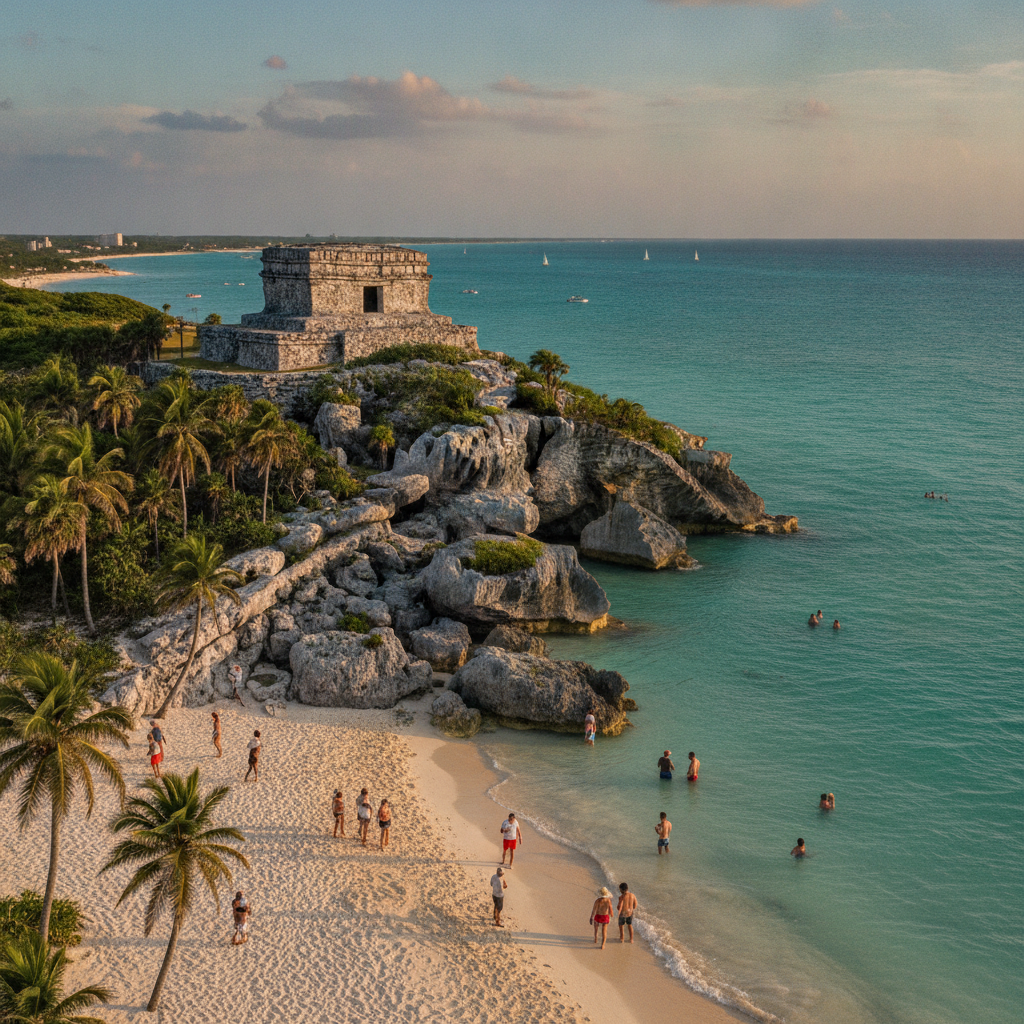
Merida Hacienda Hotels and the Yucatan Countryside: Swimming Pools in Converted Sisal Vats, Flamingo Lagoons at Celestun and the Biosphere Reserve Where Jaguars and Manatees Still Exist Within Two Hours of a Colonial Capital
The converted hacienda hotel, the boutique accommodation created from a former henequen fiber processing estate whose industrial infrastructure — the sisal crushing machinery, the fiber drying towers, the plantation workers housing, the hacendado mansion — has been restored to residential and hospitality use while retaining the physical evidence of its exploitative history, is the defining accommodation experience of Merida tourism and the most physically impressive hotel format in Mexico. The haciendas of the Yucatan, which operated their henequen production with Maya debt peon labor from the mid-19th century through the early 20th century, were typically grand in scale — mansion, chapel, workers village, processing facility, agave fields — but fell into decay when the henequen market collapsed after World War Two, leaving the hacienda buildings as abandoned estates too architecturally significant to demolish and too expensive to maintain without commercial use. The conversion of these haciendas to boutique hotels beginning in the 1990s, with swimming pools inserted into the concrete sisal processing vats and the hacendado mansion converted to guest suites, has preserved architectural heritage while creating the most distinctive regional hotel offer in Mexico. Beyond the haciendas, the Yucatan biosphere reserves within two hours of Merida provide access to the most important wildlife habitat in the Yucatan Peninsula: the Ria Celestun Biosphere Reserve on the Gulf Coast hosts the largest flamingo colony in Mexico with up to 18,000 birds, the Ria Lagartos Biosphere Reserve on the north coast is a UNESCO Biosphere Reserve with salt flats, mangroves, and American crocodiles, and the Calakmul Biosphere Reserve in Campeche 350 kilometres south contains jaguars.
- 1
Hacienda Hotel Experience Yucatan
The hacienda hotels of the Yucatan, concentrated on the Ruta de Haciendas circuits radiating from Merida into the henequen growing areas of the state, offer accommodation experiences unique in Mexico: sleeping in rooms whose walls were built by Maya labor in the 1880s, swimming in pools inserted into the concrete vats where the henequen fiber was processed and washed, dining in chapels converted to restaurants, and walking through agave fields that are maintained decoratively rather than commercially as a reminder of the industry that generated the wealth the hacienda represents. The Hacienda Temozon, 44 kilometres south of Merida in the municipality of Abi, is the flagship property of the Starwood luxury hacienda collection and demonstrates the format at its most architecturally impressive: the henequen drying tower converted to a distinctive accommodation suite, the main house restaurant in the former chapel, and the plantation workers village converted to additional accommodation units. The Hacienda Santa Rosa, the Hacienda Xcanatun adjacent to Merida, and the Hacienda San Jose Cholul near Tixkokob represent the range of hacienda hotel experiences from the intimate family-scale operation to the large luxury resort. The social history of the hacienda labor system is addressed with varying degrees of explicitness by different properties: some present the hacienda history as romantic colonial heritage while others provide interpretation of the Maya debt peonage system and the working conditions of the laborers whose labor built the structures the guest is now enjoying.
- 2
Celestun Flamingo Reserve and Mangroves
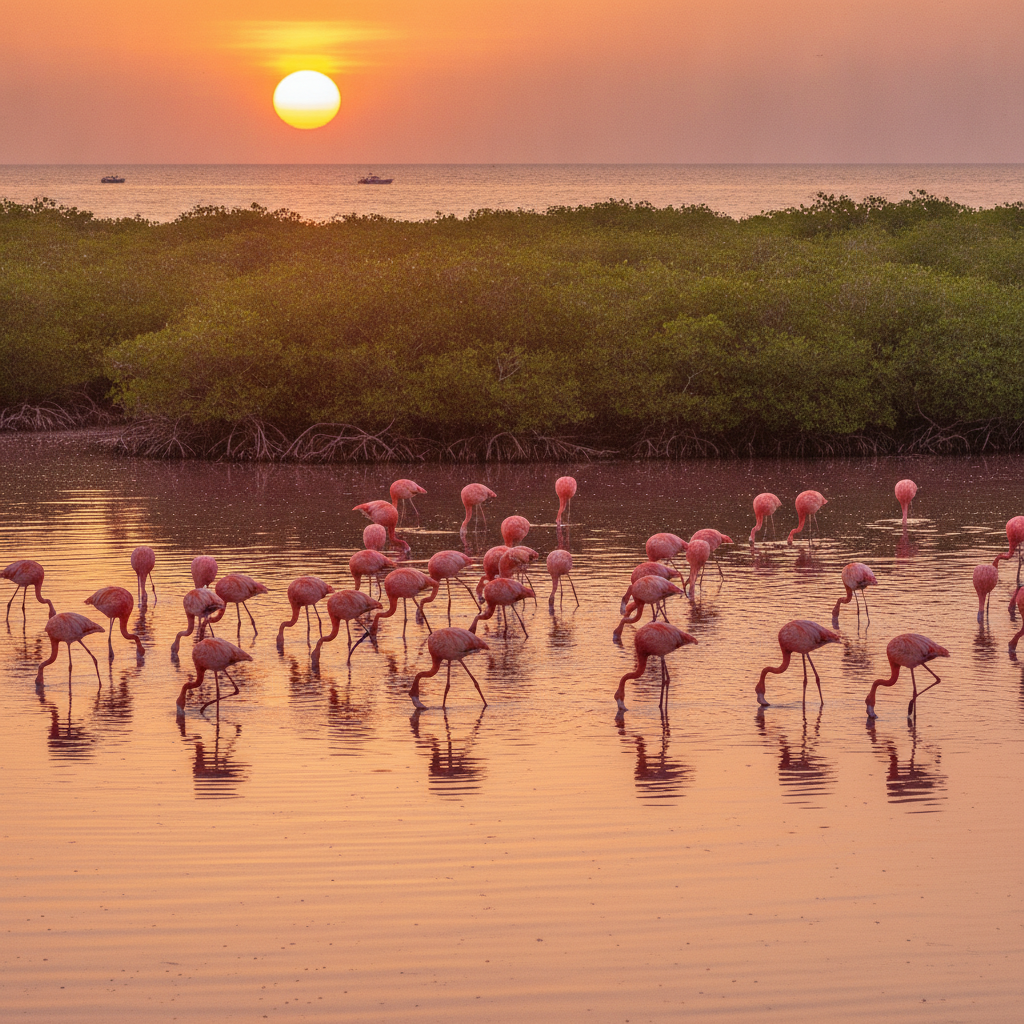
The Ria Celestun Biosphere Reserve, a UNESCO-designated reserve 90 kilometres west of Merida on the Gulf of Mexico coast of Yucatan, contains the largest flamingo colony in Mexico and one of the largest in the Americas, with American flamingo populations that peak at approximately 18,000 birds during the winter season when the shallow hypersaline lagoon behind the barrier beach provides the dense brine shrimp and blue-green algae feeding that the flamingo requires. The flamingos feed by sweeping the water with their uniquely designed bills held upside down, filtering the water through specialized lamellae that trap the tiny crustaceans whose carotenoid pigments give flamingo feathers their characteristic pink color. The Celestun reserve also hosts the largest estuarine crocodile population in the Yucatan, with American crocodiles basking on the mangrove banks adjacent to the flamingo feeding areas. The boat tours from Celestun village into the lagoon pass through the ojos de agua, the freshwater springs that emerge from the Yucatan aquifer at the lagoon bottom and create visible columns of turbulent water where fresh and salt water mix, providing the specific salinity gradient that the flamingo population depends on. The Celestun beach outside the reserve, a long white sand Gulf of Mexico beach with calm warm water, is visited primarily by Yucatecan families from Merida and is largely undeveloped compared to the Caribbean coast resorts, providing a beach experience without tourist infrastructure for visitors who prefer the Gulf of Mexico to the Riviera Maya.
- 3
Ria Lagartos and North Yucatan Wildlife
The Ria Lagartos Biosphere Reserve on the northern coast of Yucatan, 240 kilometres northeast of Merida, is a UNESCO Biosphere Reserve and RAMSAR Wetland of International Importance that contains the most diverse bird habitat in the northern Yucatan Peninsula, with the salt-flat lagoons, mangrove channels, and barrier beach system hosting American flamingos, wood storks, roseate spoonbills, frigate birds, and over 200 other species in a habitat system that is also a nesting site for American crocodiles and a foraging area for the Yucatan subspecies of the white-tailed deer. The Ria Lagartos town at the reserve entrance, an authentic Yucatecan fishing village that has maintained its community character despite the reserve-based ecotourism economy, offers boat tours of the flamingo feeding areas and the mangrove channels that are organized through local guide cooperatives. The Las Coloradas pink lake adjacent to the Ria Lagartos reserve, a salt evaporation pond whose extreme salinity and algal bloom concentration creates a vivid pink-red water color visible from the road, became an international social media photography destination around 2015, generating a tourist influx to the area that the Ria Lagartos ecotourism infrastructure was not designed to handle. The cenote Kikil near Tizimin 35 kilometres from Ria Lagartos is a large open cenote with ancient Maya columns emerging from the water that is less visited than the cenotes of the tourist circuit near Valladolid and provides a more contemplative cenote swimming experience.
- 4
Biosphere Reserves and Jaguar Habitat
The Calakmul Biosphere Reserve in the southern Campeche region, 350 kilometres south of Merida accessible by a 4-hour drive or by bus to Escarcega and then southeast, is the largest tropical forest reserve in Mexico and the second largest in Mesoamerica after the Peten forest of Guatemala, covering 1.7 million hectares of seasonal tropical forest that represents the most extensive jaguar habitat in Mexico and the core of the Selva Maya, the transboundary forest that connects Mexican, Guatemalan, and Belizean forest reserves into a continuous wildlife corridor. The jaguar population of Calakmul, estimated at 120 to 150 individuals, represents one of the largest remaining jaguar populations in Mexico and the most accessible from a major Mexican city by car. The archaeological site of Calakmul, the Classic period Maya city that was among the most powerful political entities in the Maya world from approximately 400 to 800 CE, is located within the biosphere reserve and is the primary tourist attraction, with two massive pyramid structures visible above the forest canopy and a setting in intact tropical forest that provides the most dramatic archaeological site experience available in the Yucatan Peninsula after Chichen Itza. The Balamku archaeological site within the reserve, discovered in 1990, contains a painted stucco frieze from approximately 400 CE that is considered one of the finest examples of Maya Classic period architectural sculpture, accessible only in small groups on guided visits.
- 5
Yucatan Archaeology Beyond Chichen Itza
The Yucatan Peninsula contains dozens of significant Maya archaeological sites beyond the internationally famous Chichen Itza and Uxmal, accessible from Merida in day trips or as part of multi-day routes through the archaeological zones of the region. Dzibilchaltun, 16 kilometres north of Merida, is the only Maya site within the metropolitan area and contains a cenote — the Cenote Xlacah — that can be swum in legally within an archaeological site, as well as a temple aligned to produce a sunrise shaft of light through the door on the spring and fall equinoxes. Ek Balam, 30 kilometres north of Valladolid in the eastern Yucatan, contains an acropolis building whose stucco frieze of winged figures, jaguar thrones, and deity masks emerging from gaping mouths is the finest example of Late Classic Maya sculpture in the northern lowlands, less visited than Chichen Itza and accessible by climb to the summit for panoramic views. Kabah, Sayil, Xlapak, and Labna on the Puuc Route south of Uxmal extend the Puuc architectural tradition across a series of smaller sites connected by rural roads through the low hills of southern Yucatan, each with a distinctive contribution to the Puuc decorative vocabulary including the arch at Labna that is the most elegant surviving stone arch in Maya architecture. Chacmool, Mayapan, and Xcambo provide additional periods and styles of Maya construction in contexts that receive a fraction of the visitors of the major sites.
- 6
Merida Neighborhoods and Weekend Life
The Merida neighborhood culture, distributed across the colonias that extend from the historic center in grids of single-story houses with interior courtyards and street-facing portals, reflects the Yucatecan domestic tradition of living oriented inward around a garden courtyard that provides shade and vegetation within the extreme summer heat, with the Sunday markets, neighborhood parks, and the tianguis that set up in different colonias on different days serving the social function of community gathering that the Zocalo and the Paseo Montejo serve for the city as a whole. The colonia Garcia Gineres, a planned neighborhood of early 20th century Eclectic and Art Nouveau houses built for the professional class of the henequen era, is now one of the most gentrified residential areas of Merida with high concentrations of renovated mansions serving as boutique hotels, restaurants, and galleries. The colonia Itzimna to the northeast and the colonia Montecristo to the north contain examples of mid-20th century Mexican Modernist architecture in residential use, built during the period when architects trained in Mexico City brought the Modernist vocabulary to the Yucatan professional class. The Sunday morning Merida en Domingo event on the Paseo Montejo, where the boulevard closes to traffic from 8 am to noon and food vendors, artisan sellers, and cyclists fill the space, draws tens of thousands of Meridanos weekly in a free public event that is the most sustained example of car-free urban street programming in Mexico. The Parque de Santiago, the small plaza in the neighborhood of the same name, hosts the free Monday evening vaqueria dance performance with live orchestra that is the most authentic free cultural event in the city.
Walk this route with audio
Stories play automatically as you reach each stop — no tapping needed.
More in Merida
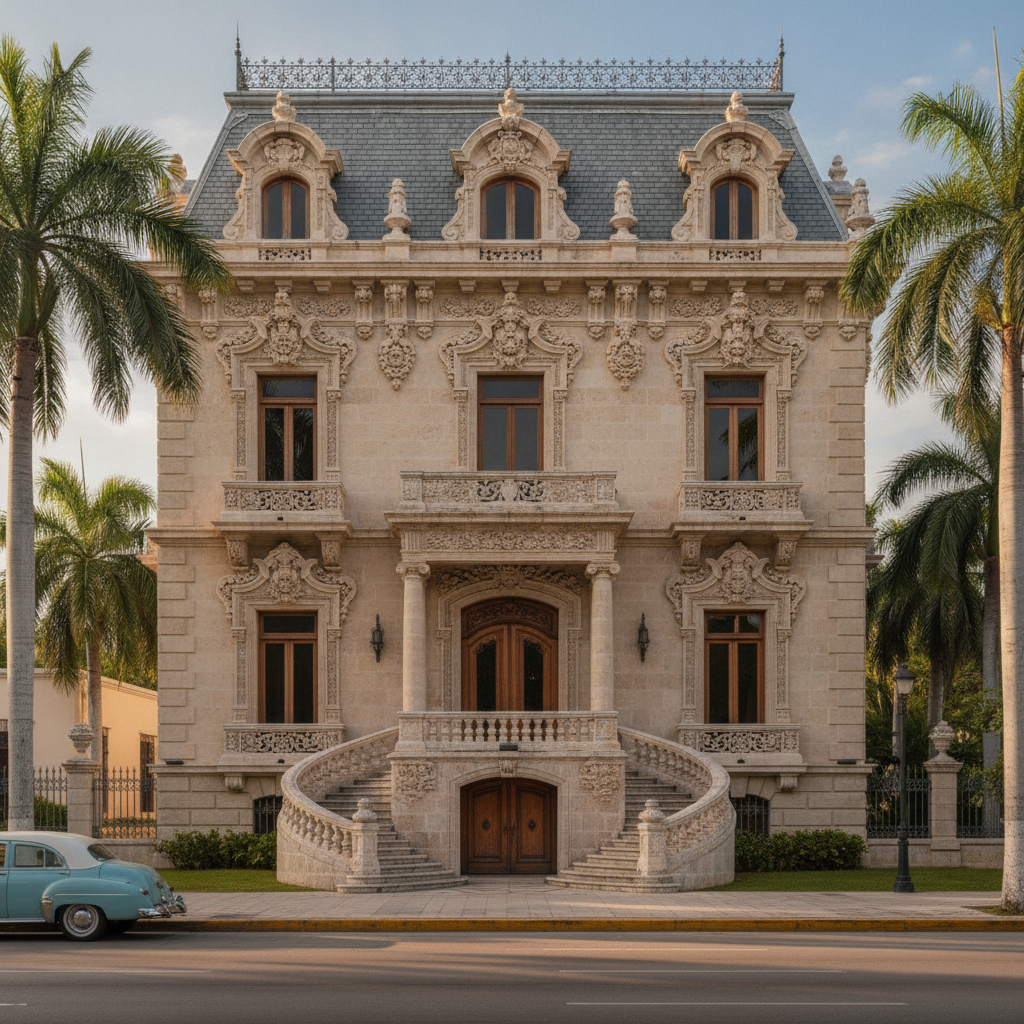
Merida Colonial Architecture Walking Tour: Cantera Limestone Mansions of the Calle 60 Corridor, the Plateresque Doorways of the Historic Center and the Architectural Inventory That Makes Merida the Best-Preserved Colonial City in Mexico After Oaxaca
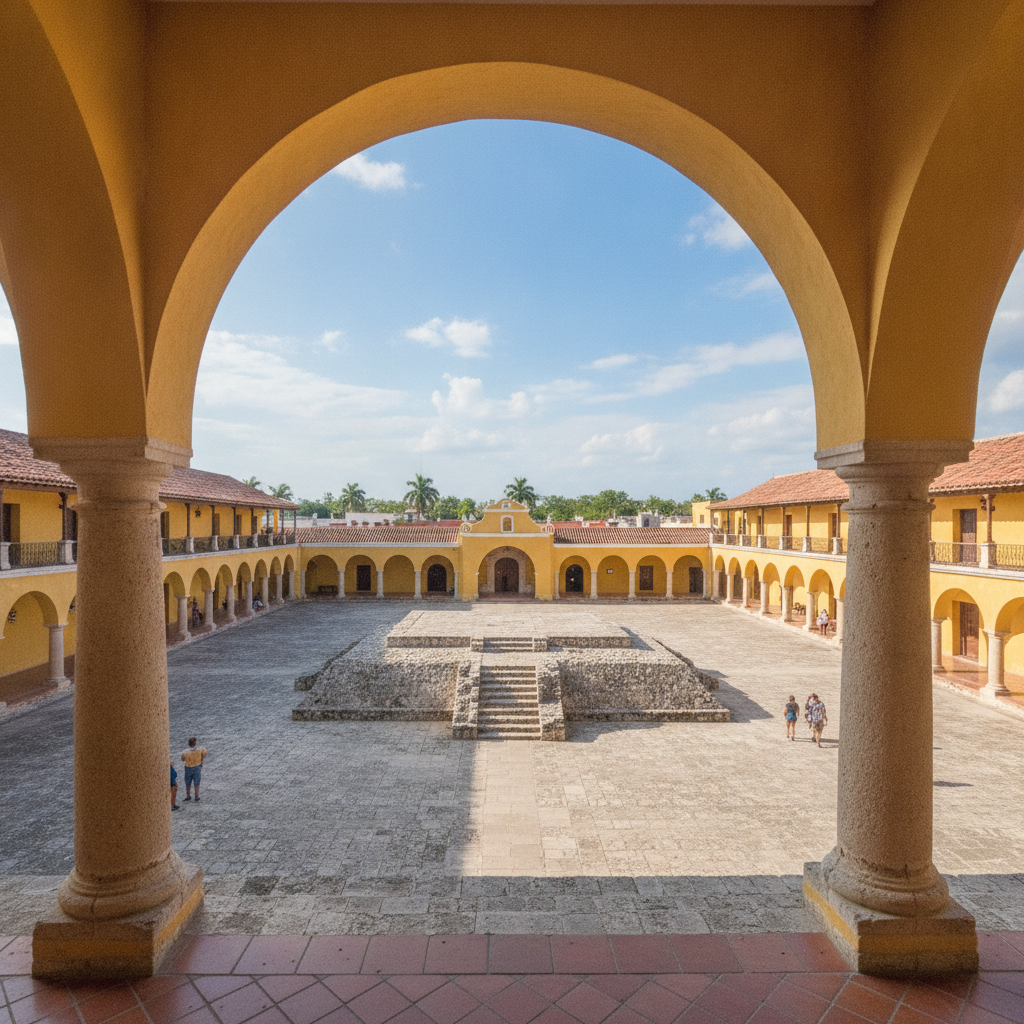
Yucatan Colonial Churches and the Franciscan Campaign That Replaced Every Maya Pyramid With a Monastery: How the 16th-Century Mass Conversion Program Produced the Most Impressive Monastic Architecture in the Americas
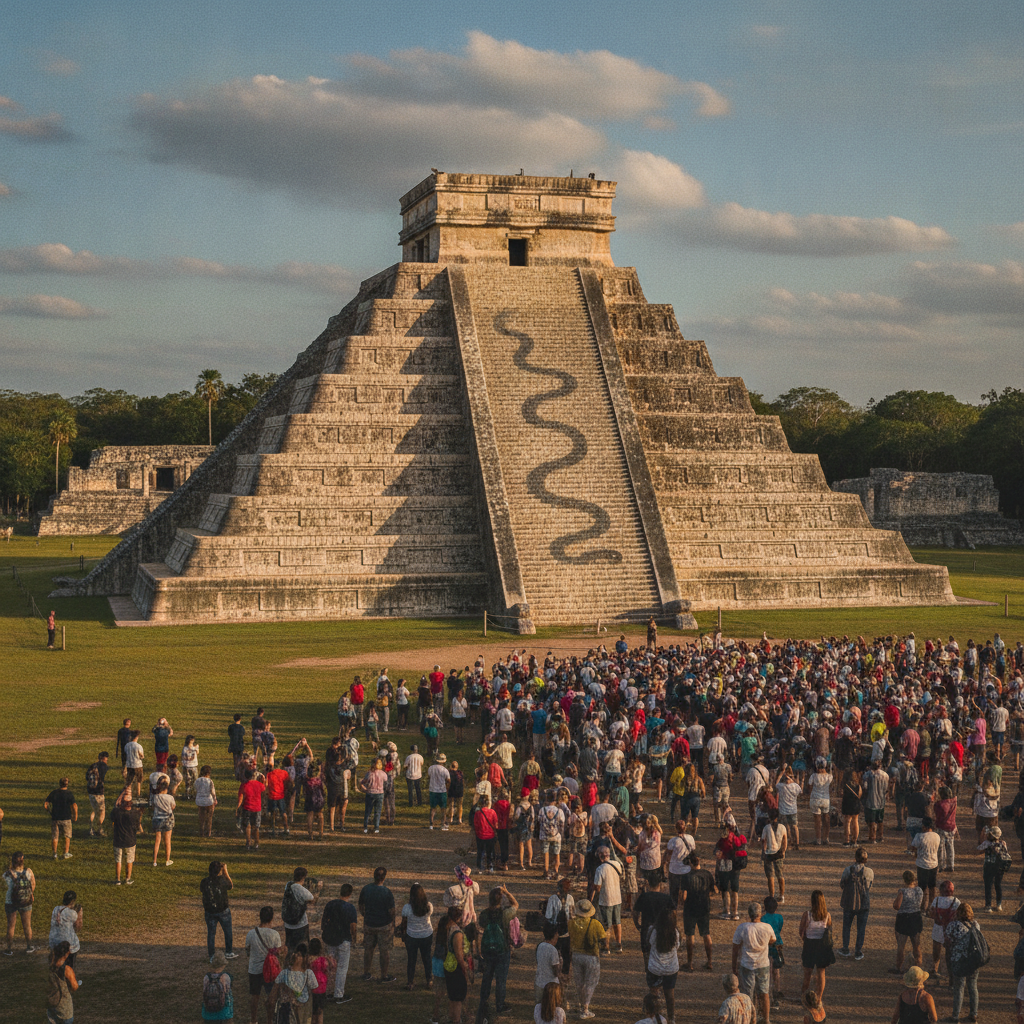
Merida: The White City of the Yucatan Peninsula Where Henequen Millionaires Built Beaux-Arts Mansions on a Maya Foundation and Where Chichen Itza Is Ninety Minutes Away and Cenotes Are Everywhere Beneath the Flat Limestone Plain
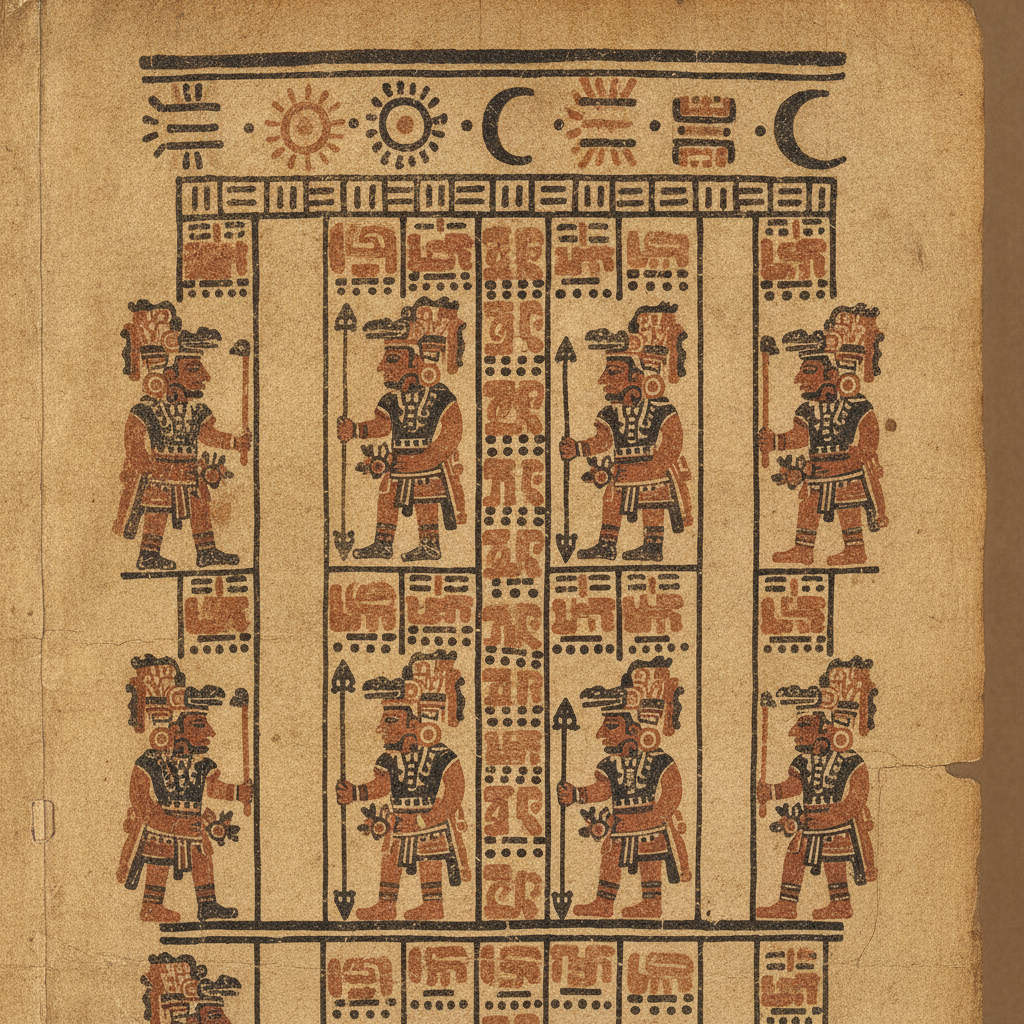
Maya Civilization in the Yucatan: The Writing System That Scholars Could Not Read for 150 Years, the Dresden Codex Astronomical Tables That Are More Accurate Than European Medieval Equivalents, and the Debate About Who Built Chichen Itza
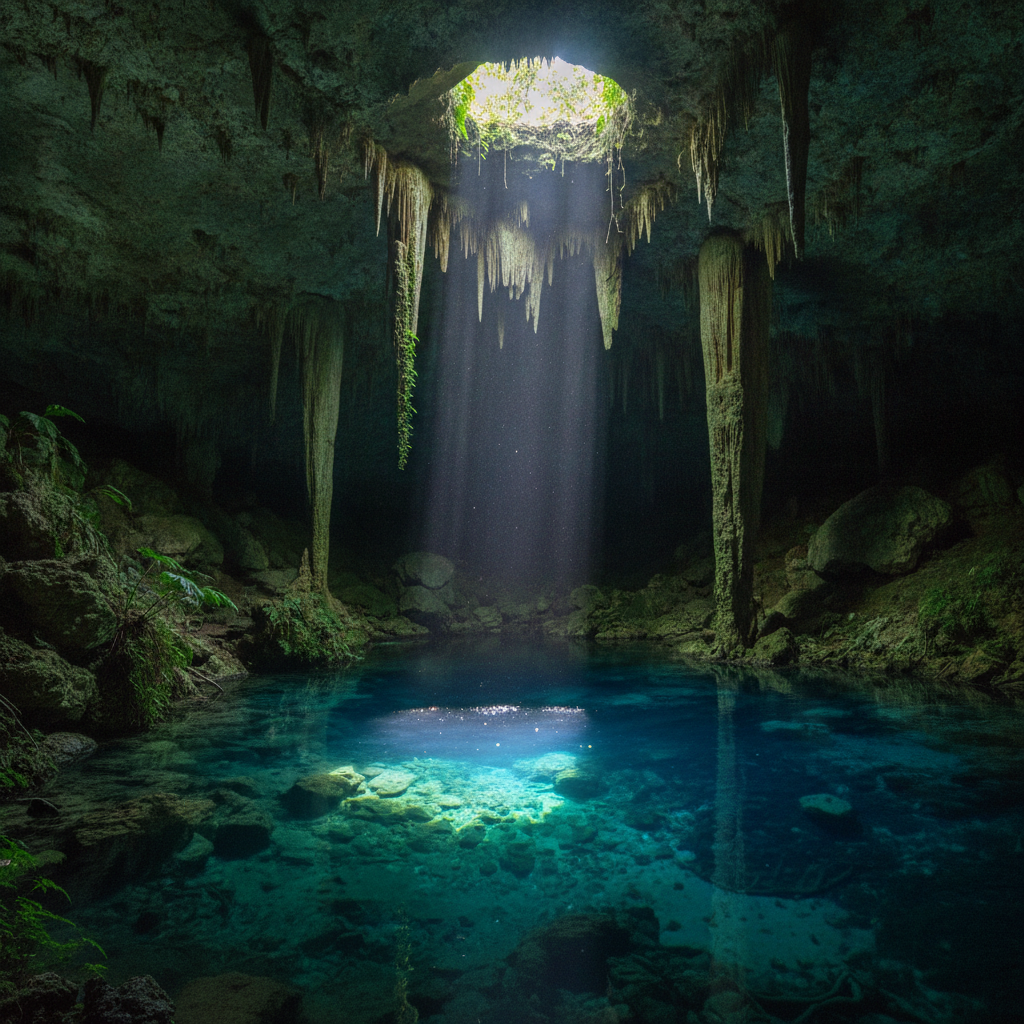
Merida and Yucatan Water Crisis: How the Aquifer That Feeds 5 Million People Is Being Contaminated by Pig Farms Pesticides and Hotel Septic Systems While the Government Issues New Tourism Development Permits