Merida and Yucatan Water Crisis: How the Aquifer That Feeds 5 Million People Is Being Contaminated by Pig Farms Pesticides and Hotel Septic Systems While the Government Issues New Tourism Development Permits
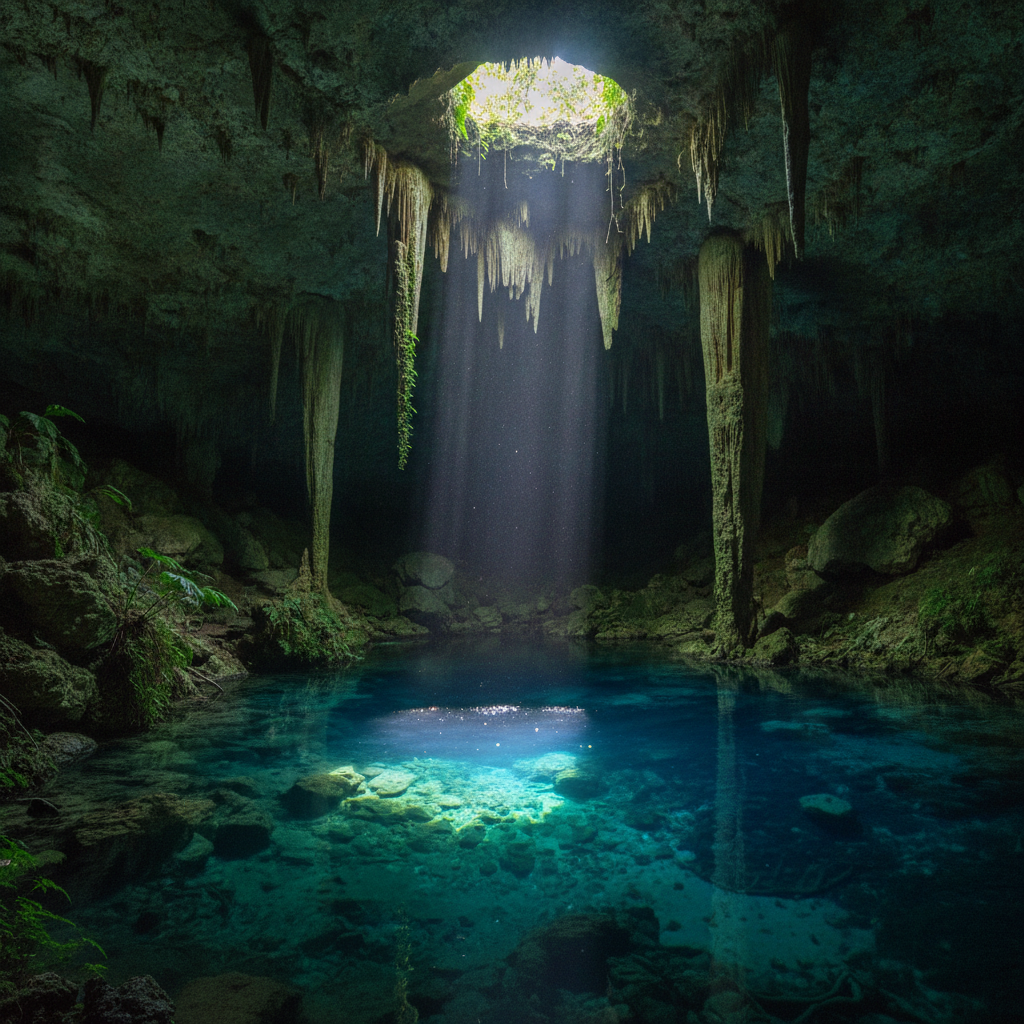
The Yucatan Aquifer, the underground freshwater system that provides drinking water to every community on the Yucatan Peninsula including Merida with 1.3 million residents and the Riviera Maya with 15 million annual visitors, is a karstified limestone formation that has no natural filtration barrier between the surface and the water: everything that reaches the ground surface, from pig farm effluent to agricultural pesticide to hotel septic system discharge to the sunscreen worn by cenote swimmers, passes directly into the aquifer with no soil filtration because the porous limestone is riddled with cracks and channels that connect surface contamination directly to the underground water. The pig industry of the Yucatan, which produces approximately 60 percent of Mexico's domestic pork supply in factory farm operations concentrated in the henequen zone north of Merida, generates the most severe contamination threat to the aquifer: the pig farm effluent lagoons, designed to contain the waste but frequently overflowing during rain events, discharge nitrogen compounds, antibiotics, and pathogens directly into the aquifer through the limestone. Environmental organizations including Guardianes del Agua and the Yucatan Autonomous University water quality laboratory have documented nitrate contamination above WHO safe levels in well water from communities adjacent to the pig farm zones, contamination that is invisible, tasteless, and odorless and that causes the blue baby syndrome of infant methemoglobinemia at high exposure levels. The contamination conflict between the pig industry, the tourism sector that depends on clean cenote water for its product, and the Maya communities whose only water source is the aquifer, makes the Yucatan water politics a compressed version of every industrial agriculture versus community rights conflict happening globally.
- 1
Yucatan Aquifer Contamination Pig Farms
The porcine industry of the Yucatan, which expanded dramatically in the 1990s and 2000s when Yucatan state government actively recruited factory pig farm investment with land, subsidy, and regulatory incentives, now concentrates approximately 3 million pigs in factory farm operations in the municipalities of Progreso, Hunucma, and Celestun — the same zone where the Celestun flamingo reserve and the Merida drinking water wells are located. The pig farm effluent, an annual output of approximately 9 million tonnes of liquid waste from the 3 million animals, is stored in unlined earthen lagoons that the karst limestone allows to communicate directly with the aquifer through fracture zones. Epidemiological studies by the Autonomous University of Yucatan Center for Water Research documented nitrate concentrations in community wells adjacent to the pig farm zones that exceeded the WHO safe level of 10 mg/L by factors of 2 to 5, with elevated concentrations in breast milk samples from women in the affected communities. The legal framework protecting the Yucatan aquifer is inadequate: the Federal Water Law establishes general water quality standards but the karst geology of the Yucatan is not specifically addressed in water quality regulation, and the absence of a meaningful filtration barrier between surface contamination and aquifer water is not recognized in the regulatory framework that was designed for surface water and soil filtration conditions of other geological environments. The Grupo KEKÉN and Grupo PORCÍCOLA MEXICANO, the two largest pig farming corporations in the Yucatan, have lobbied successfully against stricter effluent regulation, arguing that the industry provides employment and economic development that the state cannot afford to jeopardize.
- 2
Cenote Contamination and Tourism Impact
The cenotes of the Yucatan, which attract millions of visitors annually as swimming destinations marketed as pristine underground pools with turquoise water filtered through ancient limestone, have documented contamination from multiple sources that the tourism industry marketing does not mention: the sunscreen chemicals including oxybenzone and octinoxate that the cenote swimmers apply and that enter the aquifer water when they swim; the septic system discharge from the rapidly expanding hotel and restaurant infrastructure in the cenote zones that in many cases lacks adequate treatment before discharge; the agricultural pesticide runoff from the active henequen agave and corn agriculture that surrounds many cenote locations; and the direct input from the pig farm effluent lagoons in the northern Yucatan. A 2019 study by researchers at CINVESTAV, the Mexican center for research and advanced studies, documented the presence of oxybenzone, octinoxate, and triclosan in water samples from 17 cenotes in the Riviera Maya zone, at concentrations associated with endocrine disruption in aquatic organisms. Several of the most visited cenotes near Tulum and Valladolid have implemented biodegradable sunscreen requirements and showering mandates before entry to reduce chemical input, but enforcement is inconsistent and the volume of visitors — the most popular cenotes receive over 1,000 swimmers per day — means that even compliant sunscreen application generates significant chemical load.
- 3
Maya Communities and Water Rights
The Maya communities of the Yucatan interior, whose constitutional rights to the territory and resources of their ejidal land are nominally protected under the Mexican legal framework but whose practical ability to prevent contamination of their water supply is severely constrained by the political and economic power of the agricultural and tourism industries, are the most directly harmed population by the aquifer contamination, because they lack the resources to purchase bottled water, the political connections to access regulatory enforcement, and the technical capacity to monitor contamination in their wells without external support. The organization Guardianes del Agua, a Yucatan environmental civil society group, has worked with Maya community organizations in the pig farm zone to conduct water quality monitoring using low-cost testing kits and to document the contamination in legal proceedings against the pig farm corporations. The Mexican federal Supreme Court ruling of 2021, which upheld the right of the Maya communities of the Yucatan to be consulted before the installation of a pig farm operation adjacent to their community territory, established a legal precedent that the broader Maya rights movement has used in subsequent legal challenges to industrial development approvals. The IICA, the Inter-American Institute for Cooperation on Agriculture, has documented that the communities with the highest documented well contamination are also the communities with the least political representation in state government, a correlation that the environmental justice literature treats as evidence of systematic environmental racism in the allocation of pollution burden.
- 4
Sargassum Crisis Riviera Maya
The sargassum seaweed crisis of the Mexican Caribbean, which began arriving in unprecedented quantities in 2015 and has continued annually with varying intensity, is caused by the warming and nutrient-enrichment of the tropical Atlantic Ocean generated by deforestation in the Amazon basin that increases the nutrient runoff to the Atlantic, warmer water temperatures that promote greater algal growth, and changed current patterns that funnel the Sargassum gyre into the Yucatan Channel. The seaweed arrives on the Riviera Maya beaches in massive deposits that can reach 1 to 2 metres depth and several hundred metres in length at affected beach sections, decomposing to release hydrogen sulfide gas that has a smell comparable to rotten eggs and that at high concentrations causes headaches and respiratory irritation in beachgoers and hotel workers. The Riviera Maya hotel sector has invested in offshore sargassum barriers, beach cleaning machinery, and sargassum collection boats at an annual cost estimated at over 100 million US dollars, with limited effectiveness during the peak invasion months of May through September. The Mexican government has funded research into commercial uses of sargassum including biogas generation, fertilizer production, and construction material applications, with some pilot projects demonstrating technical feasibility but none achieving the commercial scale that would transform the sargassum from an environmental disaster to a resource. The sargassum problem has reduced hotel occupancy and room rates at affected beach sections and has accelerated the development of cenote and inland cultural tourism as hotel marketing strategies to provide visitor experiences that are not affected by beach conditions.
- 5
Yucatan Renewable Energy and Sovereignty
The energy politics of the Yucatan, where the geographic isolation of the peninsula from the main Mexican electricity grid creates both a dependency on submarine cable connections from the mainland and an opportunity for renewable energy self-sufficiency using the abundant solar and wind resources of the region, intersects with the broader Mexican energy policy conflicts between the public utility CFE and private renewable energy developers. The Yucatan Peninsula receives among the highest solar irradiance values in Mexico, making it one of the best regions in the country for photovoltaic solar installation, and the wind resources of the Gulf coast north of Merida are sufficient to support significant wind power generation. The state government of Yucatan has developed solar farm projects on degraded henequen land north of Merida and in the municipalities of the western coast, with some of the solar farm development occurring in areas also used by the Celestun reserve birds and the pink flamingo feeding lagoons, creating tension between renewable energy development and conservation of the habitats that the Yucatan ecotourism industry depends on. The energy vulnerability of the Yucatan was demonstrated during the 2021 submarine cable failure that caused a 20-hour power outage across the entire peninsula, disrupting the Cancun airport and hotel zone during peak tourist season and demonstrating the risks of peninsula energy dependence on a single transmission connection.
- 6
Yucatan Water Future and Cenote Conservation
The conservation of the Yucatan cenote system, which is simultaneously the drinking water supply for the entire peninsula, the primary natural tourism attraction of the region, and the spiritual landscape of the Maya civilization, requires a regulatory and management approach that none of the current institutional frameworks — the federal water law, the state tourism promotion office, the municipal governments that issue construction permits, and the ejido assemblies that manage communal land — are currently positioned to provide, given the fundamental conflict of interest between the economic incentives for each institution and the conservation objective. The proposal by Yucatan researchers to establish a Cenote Conservation Authority with monitoring, enforcement, and permit powers over the full aquifer zone, similar in concept to the Great Barrier Reef Marine Park Authority in Australia, has not advanced through the political process in the Yucatan state legislature because the pig farming industry, the tourism sector, and the agricultural chemical industry that would be most regulated by such an authority have sufficient political representation in the legislature to prevent its establishment. The voluntary cenote conservation measures that have been implemented, including the biodegradable sunscreen requirements at some cenotes, the visitor capacity limits at others, and the water quality monitoring programs funded by conservation organizations, represent the current best practice in a situation that requires mandatory regulation to be effective. The climate projections for the Yucatan Peninsula, which show reduced rainfall in the dry season and more intense but less frequent wet season rainfall through mid-century, suggest that the aquifer recharge rate will decline as surface evaporation increases and precipitation available for infiltration decreases, making the contamination that is already occurring in a well-recharged system potentially more concentrated in a future system with less dilution from recharge.
Walk this route with audio
Stories play automatically as you reach each stop — no tapping needed.
More in Merida
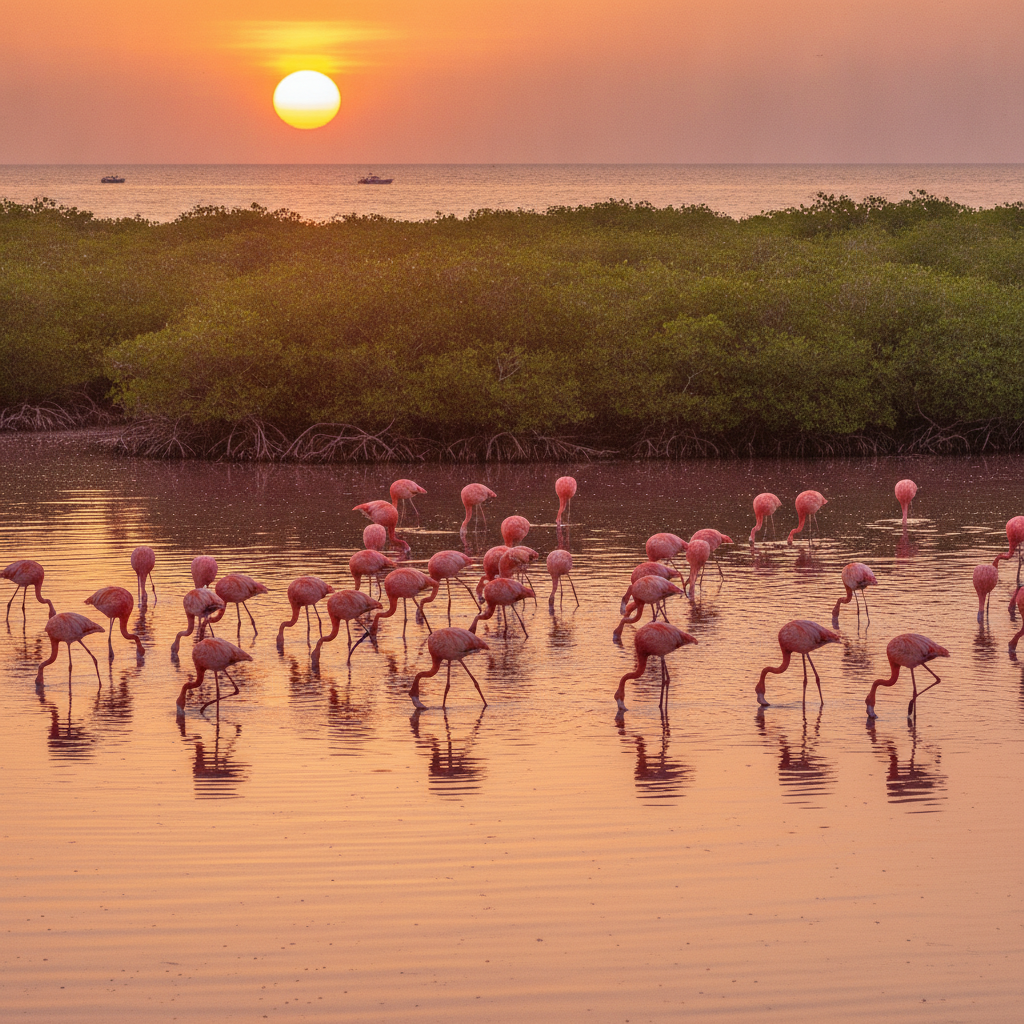
Merida Hacienda Hotels and the Yucatan Countryside: Swimming Pools in Converted Sisal Vats, Flamingo Lagoons at Celestun and the Biosphere Reserve Where Jaguars and Manatees Still Exist Within Two Hours of a Colonial Capital
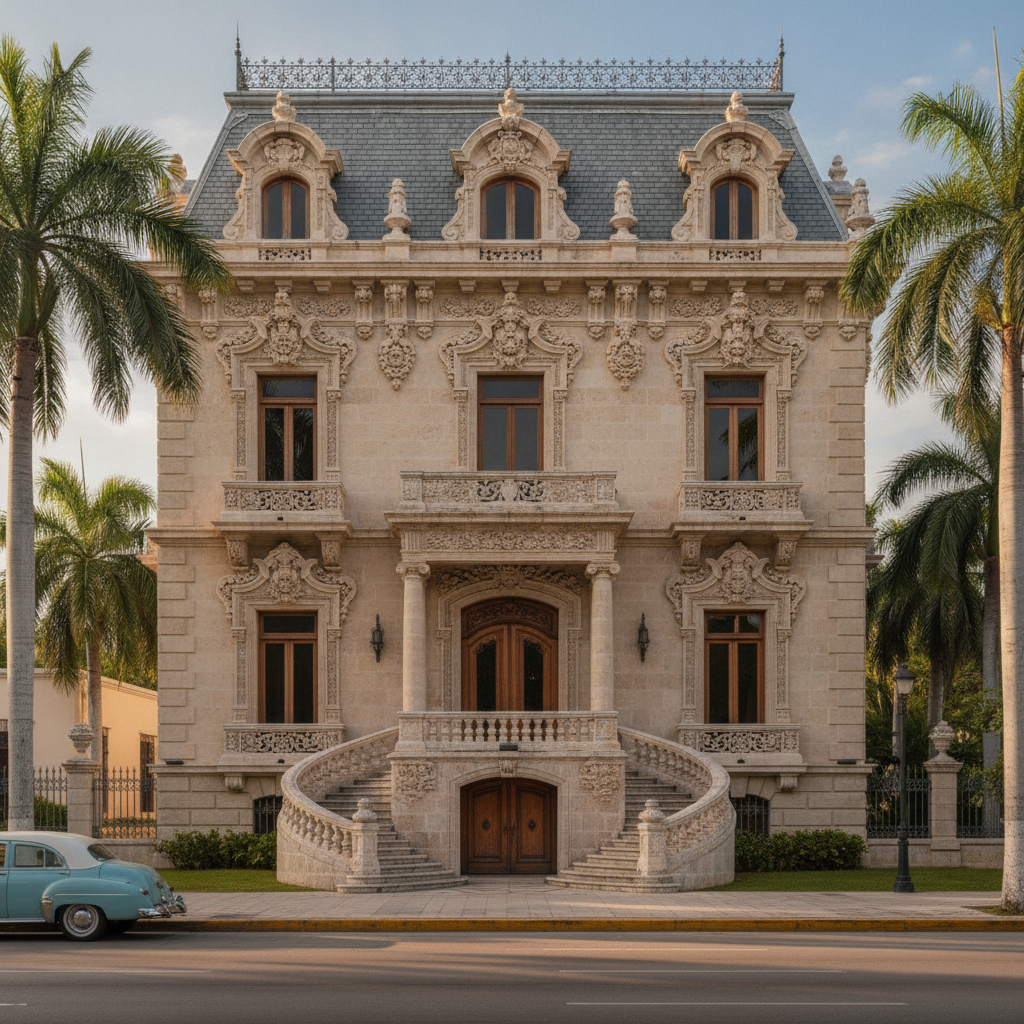
Merida Colonial Architecture Walking Tour: Cantera Limestone Mansions of the Calle 60 Corridor, the Plateresque Doorways of the Historic Center and the Architectural Inventory That Makes Merida the Best-Preserved Colonial City in Mexico After Oaxaca
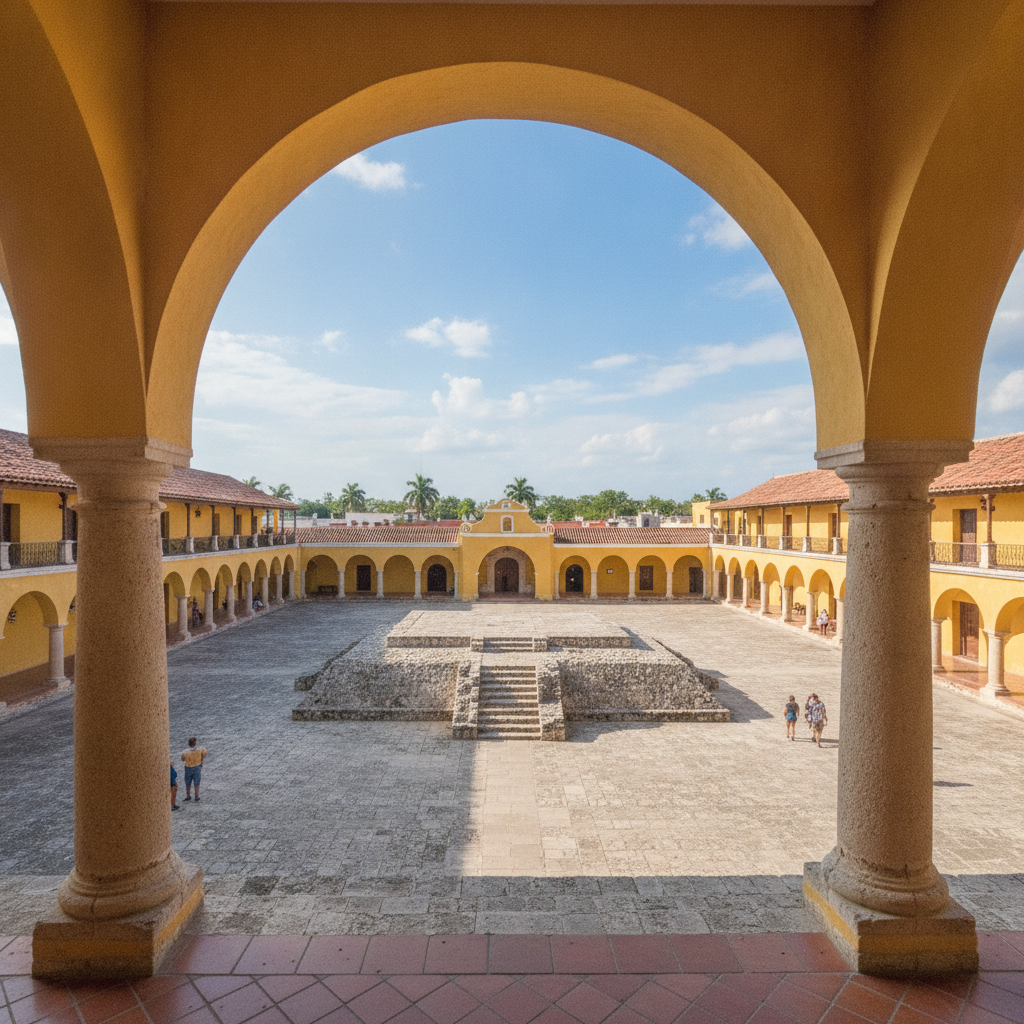
Yucatan Colonial Churches and the Franciscan Campaign That Replaced Every Maya Pyramid With a Monastery: How the 16th-Century Mass Conversion Program Produced the Most Impressive Monastic Architecture in the Americas
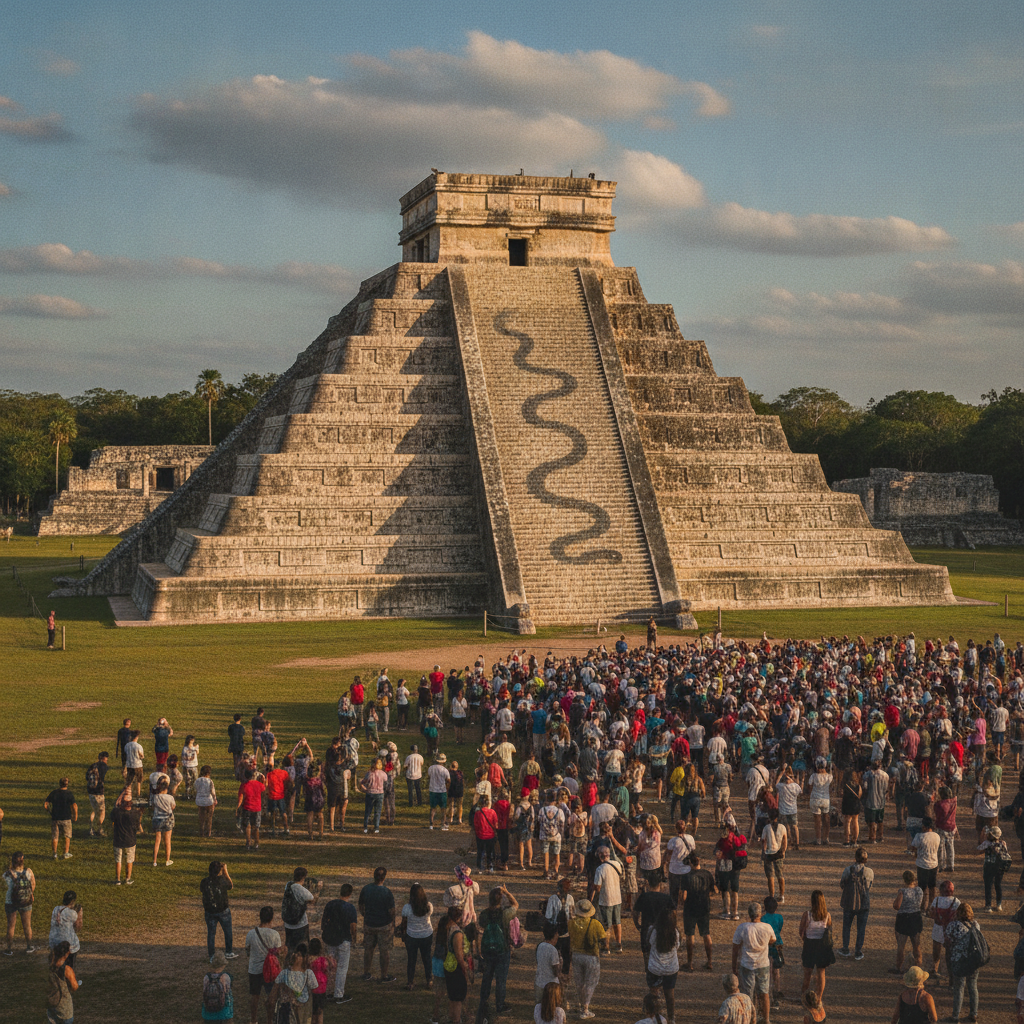
Merida: The White City of the Yucatan Peninsula Where Henequen Millionaires Built Beaux-Arts Mansions on a Maya Foundation and Where Chichen Itza Is Ninety Minutes Away and Cenotes Are Everywhere Beneath the Flat Limestone Plain

Maya Civilization in the Yucatan: The Writing System That Scholars Could Not Read for 150 Years, the Dresden Codex Astronomical Tables That Are More Accurate Than European Medieval Equivalents, and the Debate About Who Built Chichen Itza